make someday today
Travel
- Texas Hill Country Bluebonnet Trail: The Ultimate Spring 2026 Road Trip Guide
Why Texas Hill Country in Spring is Magic
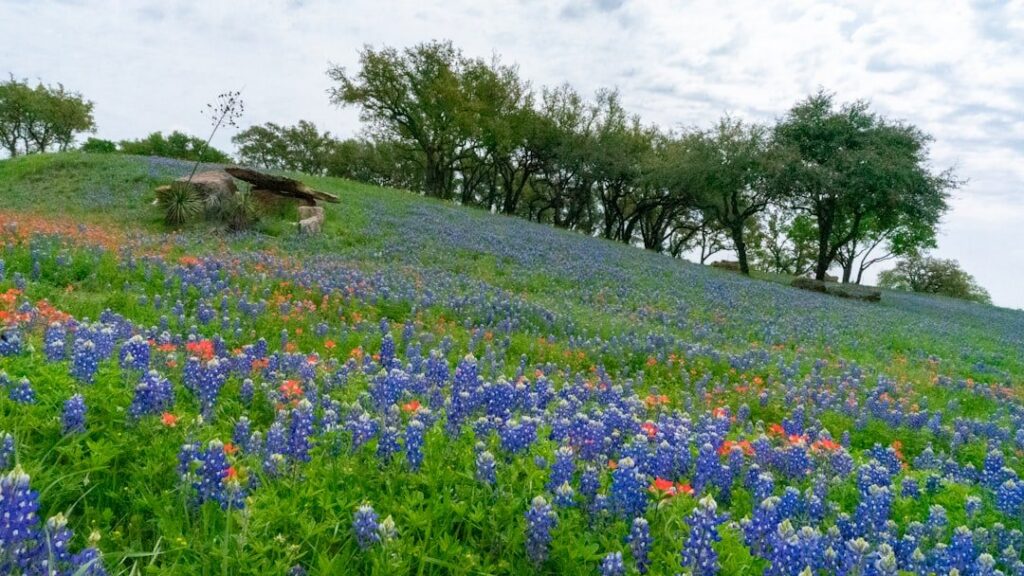
There’s this moment every spring when Texas transforms. Overnight, it seems, the limestone hills and rolling countryside explode in a blanket of electric blue. I’ve chased wildflowers across the country—California’s super blooms, Arizona’s deserts after rain, Washington’s meadows—but nothing hits quite like driving Texas State Highway 16 in early April and seeing endless bluebonnets stretching to the horizon under that massive sky. It’s not just pretty—it’s visceral. The contrast of those cobalt petals against golden limestone and live oaks creates a palette that feels almost impossible.
Most people think of Texas as dry, dusty plains or endless highways. They’re missing the best part. The Hill Country—this rolling landscape west of Austin and north of San Antonio—comes alive every March and April in a way that feels like discovering a secret world. I’ve made this pilgrimage three years running now, and I’m still finding new backroads, still pulling over at yet another meadow that looks impossibly perfect.
What sets Texas apart isn’t just the bluebonnets—though they’re undeniably the star. It’s the scale. We’re not talking about a few delicate patches behind fences. We’re talking entire valleys. Whole hillsides. Roadsides that go on for miles. And the bluebonnets share the stage with Indian paintbrush (that brilliant red), Indian blanket (fiery orange), pink primrose, and winecups. It’s a wildflower concert, and every year the arrangement is different.
Timing: The Art of Catching Peak Bloom
Here’s the thing about wildflower timing—it’s part science, part luck, and part local knowledge. The bluebonnets typically peak between late March and mid-April, but the exact window shifts every year based on rainfall and temperature. I’ve seen spectacular displays as early as March 20th and as late as April 25th. The sweet spot? Usually the first two weeks of April.
Rainfall is the secret sauce. Fall and winter rains set the stage, but spring rains trigger the bloom. A dry winter means a muted season. A wet winter? That’s when Texas goes all out. The 2026 season is shaping up nicely—we had solid rain in November and December, plus a refreshingly wet March. The emergency weather radio I packed for my February scouting trip kept warning me about storms, but that’s exactly what you want to hear.
How do you know when it’s happening? In the old days, you’d guess and hope. Now, there’s an entire network of wildflower watchers. The Texas Department of Transportation maintains a wildflower hotline and map. Local Facebook groups share daily reports from specific highways. Instagram and Twitter erupt with photos from Brenham, Fredericksburg, and Marble Falls. By mid-March, you’ll have a pretty good sense of whether it’s an early or late season.
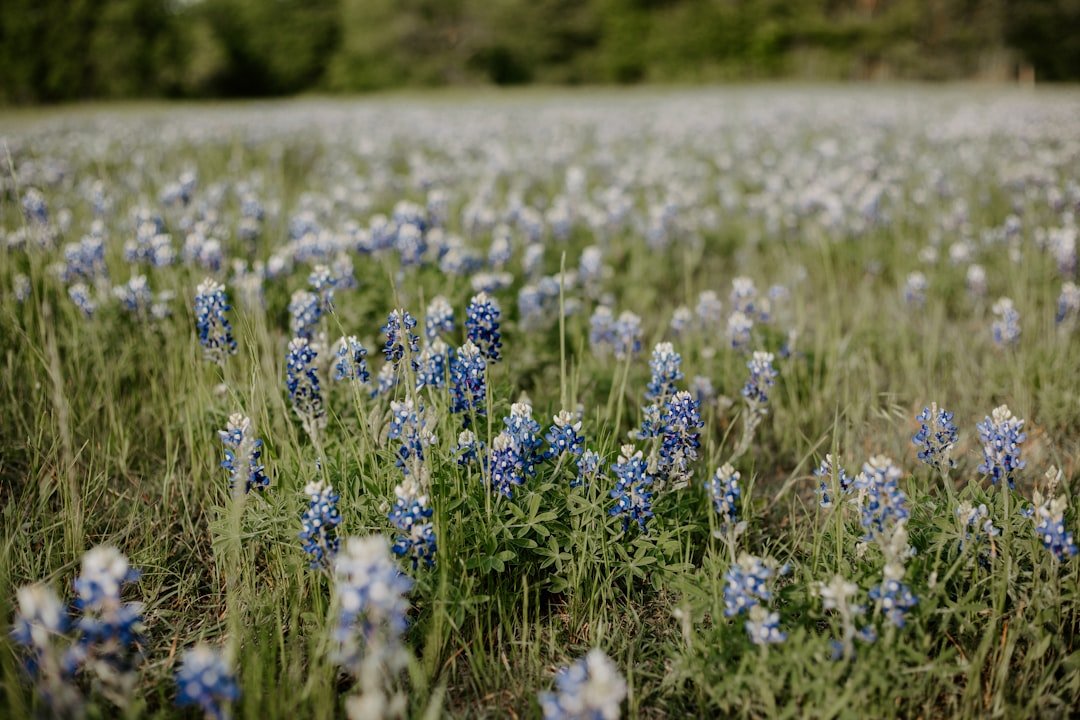
My strategy: Pick a flexible window. Target April 5-15, but be ready to shift dates if reports are screaming that peak hit early. The flowers don’t care about your vacation calendar—they bloom when conditions are right. Flexibility is your best tool. This approach works well for any spring break destinations you’re considering.
The Classic Route: Highway 290 from Austin to Fredericksburg
This is the bluebonnet pilgrimage that everyone knows about, and there’s a reason it’s famous. Starting in Austin and heading west on Highway 290, you’ll hit prime bluebonnet territory within 45 minutes. The drive from Dripping Springs through Johnson City to Fredericksburg is approximately 80 miles of wildflower heaven. If you enjoy scenic drives, you might also love this scenic driving tour through Birmingham, Alabama.
The magic really kicks in around Dripping Springs. That’s where the limestone hills start rolling, and you’ll see your first serious bluebonnet patches in the roadside fields. Pull over safely—there are plenty of designated turnouts—and just walk into the fields. The sound of bees working through thousands of flowers is something I’ll never get tired of. It’s this constant hum that underscores how alive the landscape is.
Johnson City is worth the stop. Yes, it’s named after that Johnson family (LBJ’s ranch is nearby). But more importantly, the wildflower displays around town are consistently spectacular. There’s a particular roadside park just east of town where I’ve gotten some of my favorite shots—oak trees framed by oceans of blue, with Indian paintbrush blazing orange at the edges.
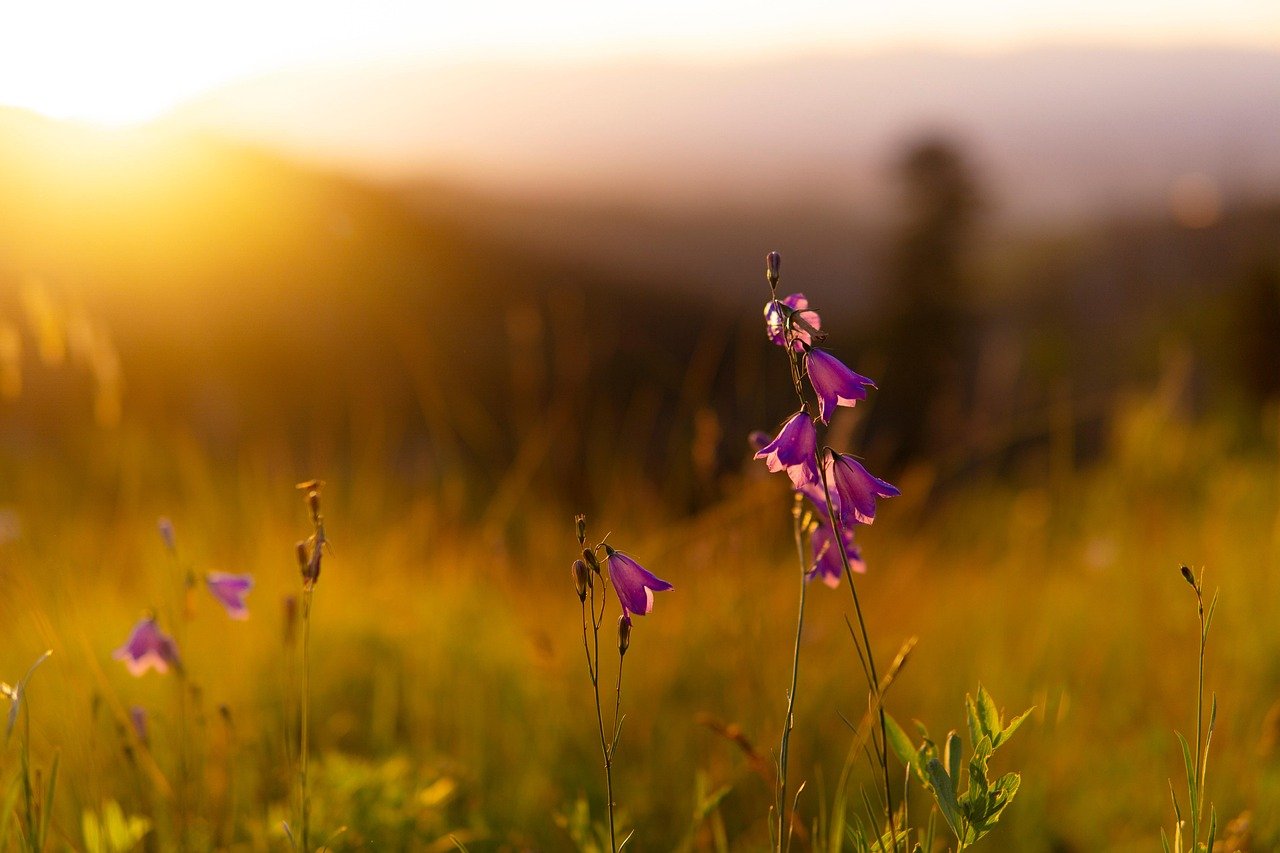
From Johnson City to Fredericksburg, Highway 290 becomes the bluebonnet autobahn. There are sections where you can literally pull over anywhere and find world-class displays. I’m not exaggerating when I say you could spend the entire day just driving this 30-mile stretch and stopping every five minutes. The temptation is real.
Fredericksburg itself is adorable—German heritage, wineries, barbecue joints that’ll ruin you for anywhere else. But the real show is along the roads leading into town. Willow City Loop (more on that in a minute) gets the press, but I’ve found equally stunning displays along Ranch Road 1323 east of town. Less traffic, same flowers.
Willow City Loop: The Holy Grail
Let’s be clear: Willow City Loop is not a secret. On peak weekends, you’ll be sharing this 13-mile gravel road with hundreds of other cars. But there’s a reason it’s legendary. This road northeast of Fredericksburg delivers arguably the most concentrated bluebonnet display in Texas.
The loop is gravel, which keeps some people away. Your rental car GPS might try to talk you out of it. Don’t listen. The road is well-maintained, and unless there’s been heavy rain, any standard vehicle can handle it. The payoff is wildflower vistas that don’t seem real.
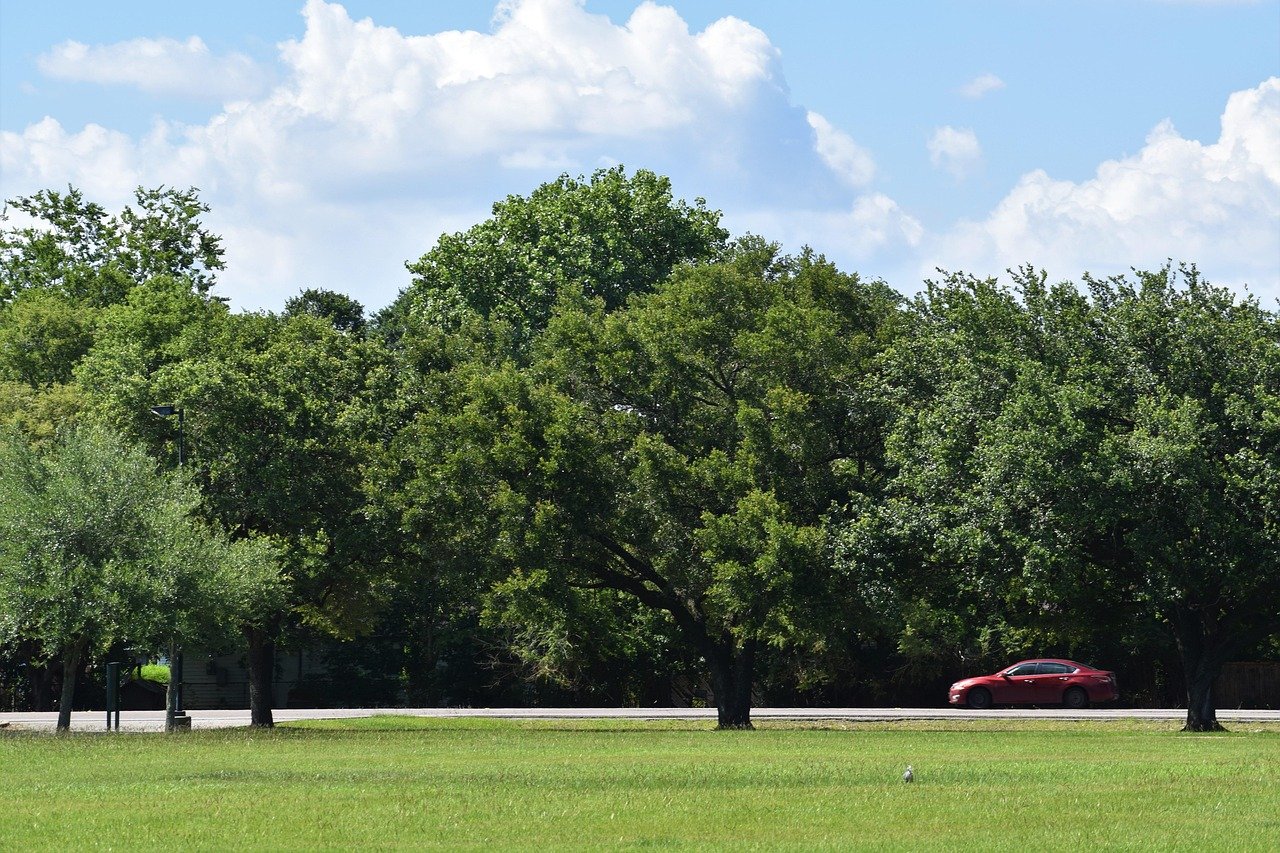
Here’s my hard-earned advice about Willow City Loop: Go early. I’m talking 7 AM early. The light is softer, the photos are better, and you’ll beat the tour buses that start rolling in around 10. Plus, there’s something magical about watching the sun come up over those hills while surrounded by acres of bluebonnets in full bloom. The light turns those cobalt petals almost iridescent.
The loop itself takes about an hour if you drive straight through. But you won’t. You’ll stop every quarter mile. Each bend reveals another postcard-perfect scene. There’s one particular spot—a creek crossing with massive oaks and a hillside that goes blue forever—that I’ve spent hours at across multiple trips. It never gets old.
Important etiquette note: This is private land. The fields flanking the road belong to ranches and farms. Stay in the right-of-way. Don’t trample the flowers. Don’t cross fences. I know it’s tempting to wade into that perfect patch for a photo, but respect the landowners. There are plenty of accessible spots without trespassing.
Brenham: The Bluebonnet Capital
If you’re closer to Houston, or if you want a different flavor of bluebonnet country, point yourself toward Brenham. This is the self-proclaimed Bluebonnet Capital of Texas, and they back it up with consistently spectacular displays. While spring is spectacular in Texas, you might also enjoy exploring the best national parks to visit in spring across America.
The area around Brenham has a different character than the Hill Country proper. It’s flatter, more open, with that classic Texas ranchland feel. The bluebonnets here love it. I’ve driven roads near Brenham where the flowers literally extend to the horizon—you can’t see where the blue ends because it’s just that extensive.
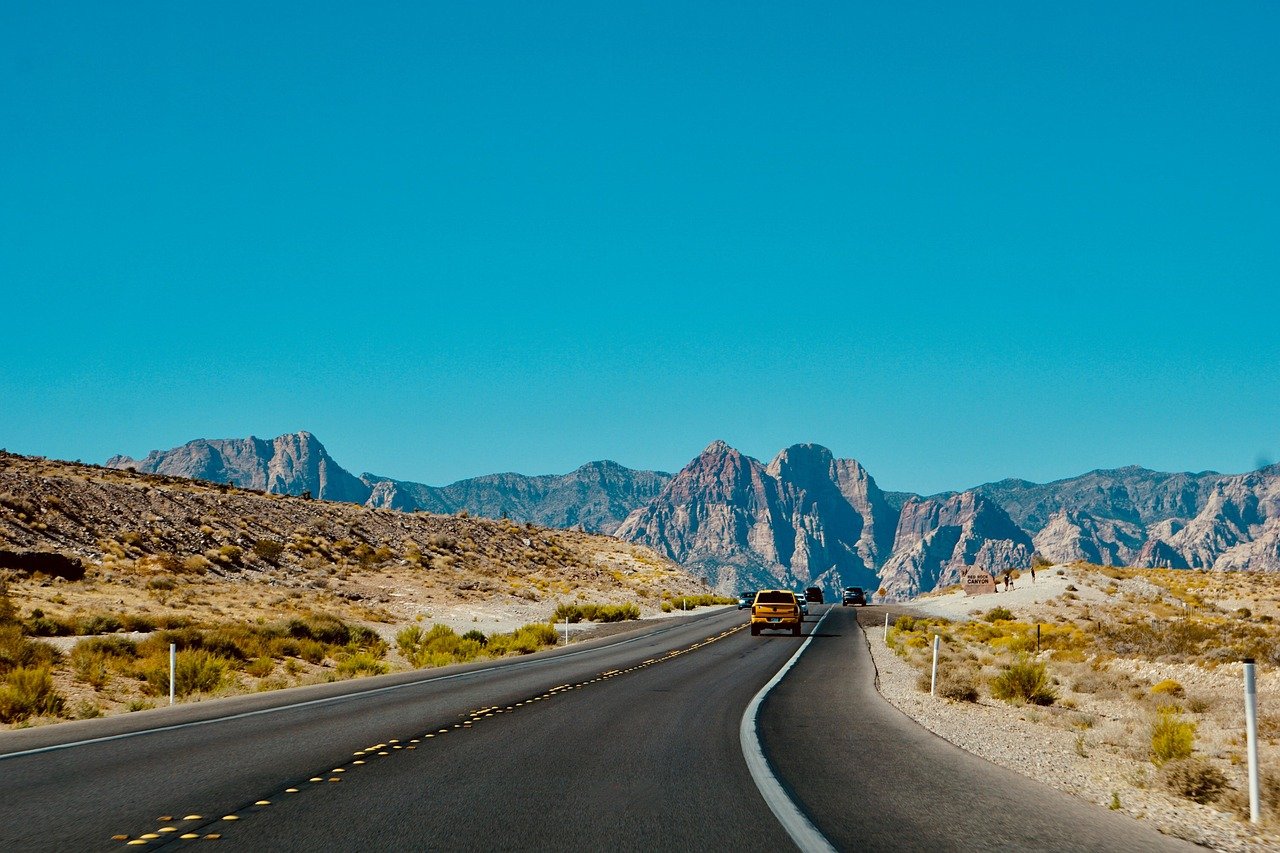
My favorite route: Take Highway 290 west from Brenham toward Chappell Hill, then explore the farm roads (FM 1155, FM 390, FM 389). These secondary roads are where you find the goods. Farm-to-Market roads in Texas can be hit or miss, but this area is consistently productive.
Chappell Hill itself is worth the stop. Tiny town, but they lean into the bluebonnet thing hard. The local historical society usually has wildflower information. There are photo ops set up specifically for wildflower season. It’s a bit touristy, sure, but the enthusiasm is genuine. Plus, the insulated travel mug I bought at a local shop there three years ago is still my road trip companion.
Timing in the Brenham area can be slightly earlier than the Hill Country—sometimes by a week. So if mid-March reports are showing early blooms, Brenham might already be peaking while Fredericksburg is still ramping up. Check local reports.
Beyond the Bluebonnets: Other Spring Shows
Bluebonnets get the glory, but Texas spring wildflowers are a ensemble cast. Here are the supporting players you’ll encounter:
Indian Paintbrush: These red spikes are the bluebonnet’s perfect partner. The contrast between electric blue and fiery orange is what makes Texas displays so striking. You’ll rarely find bluebonnets without at least some paintbrush nearby. They seem to like the same conditions.
Indian Blanket: Also called firewheel. These show up slightly later than bluebonnets—late April through May—and they’re gorgeous. Resembling small pinwheels with red and yellow bands, they blanket entire fields in some areas. Ennis, Texas (south of Dallas) is famous for these rather than bluebonnets.
Pink Primrose: Delicate, pink, and everywhere in good years. They’re lower-growing, so they form this soft pink carpet underneath the taller bluebonnets and paintbrush. The combination is devastatingly pretty.
Winecups: Another purple/magenta flower that adds depth to the displays. They’re more common in certain areas—look for them in sandy soils.
Engelmann’s Daisy: Yellow daisies that start showing up as the bluebonnets fade. They’re not as show-stopping as the blue, but they extend the wildflower season well into May.
Photography Tips That Actually Matter
I’m not going to give you a lecture on aperture settings or the Rule of Thirds. You can find that anywhere. Instead, here’s what I’ve learned from three seasons of chasing Texas flowers:
Shoot during golden hour: Early morning and late evening light makes everything look better. Midday sun washes out colors and creates harsh shadows. I’ve had mornings where the light on a bluebonnet field made the flowers seem to glow from within. That doesn’t happen at noon.
Get low: Some of my favorite shots are literally taken from ground level, lying in a field of flowers (carefully, in established paths). Looking straight across a field of bluebonnets instead of down on them changes the whole perspective. You’ll see the horizon, the sky, the layers of color. Just watch out for fire ants—there’s a reason picaridin insect repellent is always in my bag.
Include context: Straight macro shots of individual flowers are beautiful, but they don’t capture the SCALE of Texas displays. Your photos need to show the endlessness. Back up. Include the oak trees. Include the fences, the windmills, the roads stretching into the distance. Those elements tell the story of place, not just flower.
Don’t obsess over perfection: Some of my most evocative photos have a stray blade of grass, an imperfect petal, or a bug mid-flight. Perfection is fine, but personality is better. Wildflowers are, by definition, wild. Let that come through.
Bring a polarizing filter: This one piece of gear makes a bigger difference than anything else. It deepens the blue of the sky, reduces glare on the petals, and makes colors pop. The difference between a polarized and non-polarized shot of the same scene is dramatic. I use quality polarizing filters on every wildflower shoot.
Where to Stay: Bases for Your Bluebonnet Adventure
Fredericksburg: The most obvious choice, and for good reason. Tons of B&Bs, easy access to both Highway 290 and Willow City Loop, great food and wine scene. It gets crowded during peak season, so book early—like, months early. I’ve learned this the hard way, showing up without reservations on peak weekend.
Johnson City: Smaller, quieter, cheaper. About 30 minutes east of Fredericksburg. Good base if you want to escape the worst of the crowds but still be in the heart of bluebonnet country. The BBQ here is underrated.
Austin: If you don’t mind driving a bit further each day, Austin makes a great base. You’re 45 minutes to the start of prime wildflower territory, plus you’ve got the city’s food and music scenes for evenings. I’ve stayed in Austin and day-tripped to the Hill Country multiple times—it works fine.
Brenham: If you’re focusing on the Washington County area rather than the Hill Country proper, Brenham has adequate lodging. Plus, you’re right in the middle of the bluebonnet action. Good option if you’re coming from Houston.
Camping: If you’re the camping type, this is prime season. State parks like Inks Lake and Pedernales Falls offer camping right in the middle of wildflower territory. Waking up surrounded by bluebonnets is an experience I can’t recommend enough. Just book early—camping sites in Texas state parks go fast during spring. If you’re camping, bring quality lightweight camping gear since spring weather can be unpredictable.
Packing List: What I Actually Bring
I’ve overpacked on bluebonnet trips and I’ve underpacked. Here’s the sweet spot:
Comfortable walking shoes: You’ll be walking through fields, down dirt roads, and maybe some uneven terrain. Fashion boots are not your friend. I bring waterproof hiking shoes or sturdy sneakers that I don’t mind getting dirty.
Layers: Texas spring weather is unpredictable. Mornings can be in the 40s, afternoons in the 80s. I pack a light jacket, a long-sleeve shirt, and short-sleeve options. Weather in the Hill Country can turn on a dime.
Sun protection: Hat, sunglasses, sunscreen. You’ll be out in open country with minimal shade. The Texas sun in April is no joke, even if it doesn’t feel that hot. I always pack broad spectrum sunscreen and a wide-brim sun hat for full coverage.
Insect repellent: Fire ants, mosquitoes, ticks. They’re all there. Picaridin-based repellents work better than DEET for me, but use what you trust. Nothing ruins a flower hike like ant bites.
Water: Seriously, bring more water than you think you need. Many of these areas are remote with no services. I carry a 32oz insulated bottle and usually drain it twice on a full day of exploring.
Portable power: You’ll be taking lots of photos. Your phone battery won’t last. I bring a 20,000mAh portable charger and typically need it. Nothing worse than a dead camera at peak bloom.
Offline maps: Cell service is spotty in the Hill Country. Download Google Maps for offline use before you go. I’ve been on roads where I had zero service for 20 miles. Getting lost is part of the fun, but getting lost with a dead phone and no map is less fun.
Hidden Gems: Beyond the Beaten Path
The famous routes are famous for a reason—they’re spectacular. But if you’re willing to venture a bit further afield, there are rewards:
Llano Area: Northwest of Fredericksburg, the terrain gets more rugged. The roads around Llano (Highway 71, Highway 29) can have incredible displays, and you’ll see a fraction of the traffic. Plus, Llano has world-famous barbecue. It’s a win-win.
Mason County: Even further northwest. I’ve driven Ranch Road 1723 through Mason County and had entire valleys of bluebonnets to myself. The scenery here is more dramatic—steeper hills, more rock formations. It’s worth the extra drive if you want solitude.
Lampasas: North of the Hill Country proper, but reliably good wildflowers. The area around Lampasas has a different character—more rolling prairie mixed with hills. Good for a different look in your photos.
Ennis: South of Dallas, Ennis is the place to go if you’re interested in Indian blanket rather than bluebonnets. Their peak is later—late April through May—and they have an official Bluebonnet Trail (despite the name, it’s heavy on blankets). Worth the trip if you’re extending your wildflower season.
Practical Tips and Etiquette
Don’t trespass: I mentioned this earlier, but it bears repeating. Almost all the best flower fields are on private land. Stay in the road right-of-way. Don’t cross fences. Texas landowners can be prickly about trespassers, and they have every right to be.
Don’t pick the flowers: It’s actually illegal in some areas to pick bluebonnets, and regardless of legality, it’s just bad form. Leave them for others to enjoy. Take photos, not flowers.
Be careful on roadsides: Highways with narrow shoulders can be dangerous. Pull completely off the road. Use turnouts. I’ve seen people parked on the shoulder of Highway 290 with cars whizzing by at 70 mph—terrifying. No photo is worth that risk.
Watch for wildlife: You’re in nature. Snakes (including rattlesnakes), scorpions, spiders. They’re part of the ecosystem. Watch where you step. Watch where you reach. I’ve never had a bad encounter, but I’m always aware.
Check the weather: Spring in Texas means thunderstorms. Heavy rain can damage flowers, and more importantly, dirt roads become impassable. Don’t get stuck on a rural ranch road during a downpour. Check forecasts and have a backup plan.
Support local businesses: These small towns depend on wildflower season. Buy gas at local stations. Eat at local restaurants. Stay in local B&Bs. It’s the right thing to do, plus you’ll get better recommendations than any guidebook can offer.
Why This Matters (Beyond Just Pretty Pictures)
Here’s something I’ve learned after three seasons of chasing Texas wildflowers: these trips aren’t just about photos. They’re about presence. Standing in a field of bluebonnets at dawn, listening to the birds, watching the light change—you’re fully there. No phone notifications, no work stress, no urban noise. Just you and a landscape that’s performing its annual miracle.
There’s also something deeply hopeful about wildflowers. They don’t bloom for us. They don’t bloom for Instagram. They bloom because it’s what they’re programmed to do, responding to conditions that have been thousands of years in the making. Witnessing that—a landscape transforming overnight from brown to electric blue—feels like being let in on a secret.
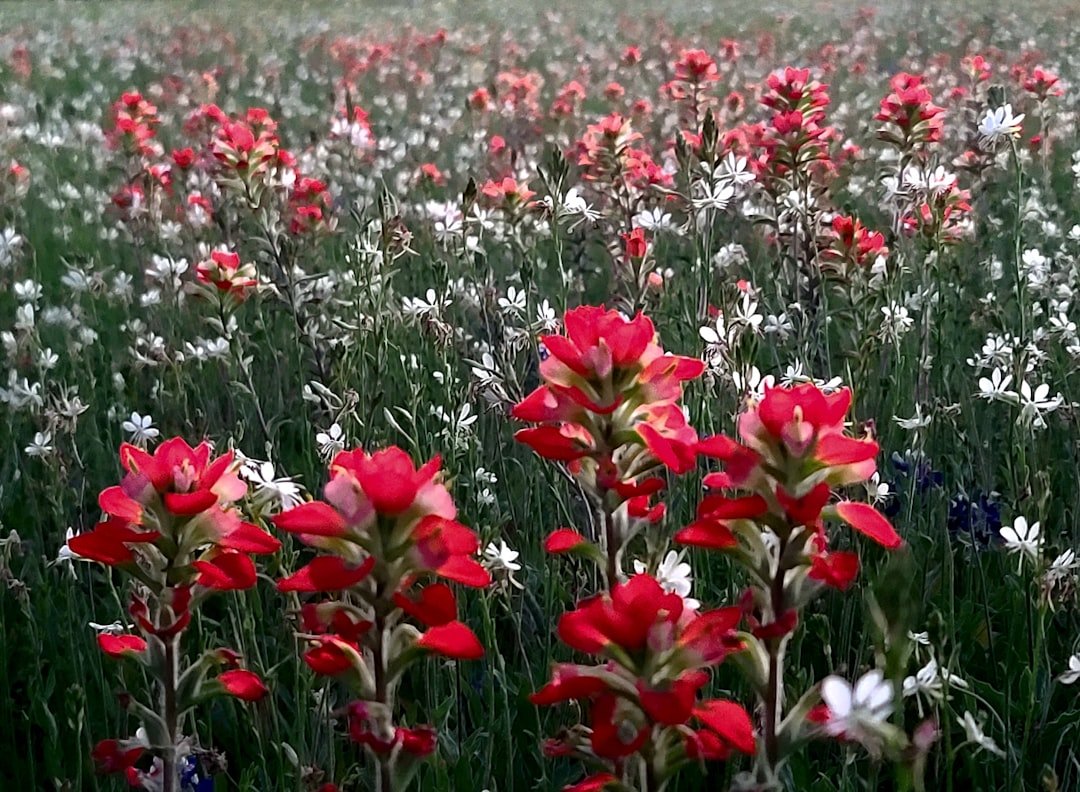
And yes, the photos are great. I’ve got shots from Texas springs that still make people stop scrolling when I post them. But the photos are really just souvenirs. The real reward is the memory of standing there, surrounded by color so intense it almost vibrates, under a sky that goes on forever.
Planning Your 2026 Trip
The 2026 season is shaping up to be a good one. Solid winter rains, moderate temperatures so far, and predictions are for a strong bloom. Here’s my suggested timeline:
Late March: Start monitoring reports. If you see consistent reports of early blooms, consider moving your trip up. The Texas Department of Transportation’s wildflower hotline usually activates by March 20th.
April 5-10: This is my target window for 2026. Historically, this captures peak bloom in most years. But flexibility is key—if reports are screaming peak in late March, adjust.
Book early: If you’re planning to stay in Fredericksburg or anywhere popular, book lodging NOW. March and April weekends fill up months in advance. Same for rental cars if you’re flying in.
Plan for multiple days: You can rush this in a day trip from Austin or San Antonio, but you’ll regret it. Give yourself at least two full days in the field. Three is better. You’ll want time to explore, to follow promising backroads, to just sit and absorb.
Have a Plan B: Weather happens. Drought happens. If the wildflowers are disappointing in one area, be ready to pivot. Head further west. Try a different region. There’s almost always something blooming somewhere in Texas during spring.
Final Thoughts
I’ve traveled extensively across the United States, chasing natural phenomena from fall foliage in New England to super blooms in Death Valley. The Texas Hill Country bluebonnet season ranks right up there with anything I’ve seen, including spring road trips through New England. It’s accessible, it’s spectacular, and it’s genuinely heart-lifting.
But don’t just take my word for it. Go. Get in the car, head west on Highway 290, and see what happens when you round that first bend and see the hills rolling blue under that big Texas sky. That first glimpse—of color so vibrant it hardly seems real—is something you won’t forget.
Spring is fleeting. The bluebonets bloom, they dazzle, they fade. That’s part of what makes them precious. But for a few weeks each year, Texas puts on a show that’s absolutely free and absolutely unforgettable. The question isn’t whether you should go. The question is: what are you waiting for?
- Spring Wildlife Watching: Best Spots to See Baby Animals and Migrating Species in 2026
There’s something magical about spring that goes beyond wildflowers and warming temperatures. For me, the real magic happens when you catch a glimpse of nature’s new arrivals—baby animals taking their first wobbly steps, migrating birds returning after thousands of miles, whales breaching in coastal waters as they journey to feeding grounds. After years of chasing these moments across North America, I’ve learned that spring wildlife watching isn’t just about what you see—it’s about being in the right place at exactly the right time, with the right gear and a bit of patience.
Last April, I found myself parked along a gravel road in Yellowstone before dawn, shivering in my waterproof hiking jacket, watching a reddish-brown lump in the distance through my compact travel binoculars. As the sun crested the ridge, that lump transformed into a mother grizzly with two cubs, their fur still fluffy from winter. Moments like these are why I plan my entire year around spring wildlife watching, and I’m going to share exactly how you can experience them too.
Why Spring is Prime Wildlife Watching Season
Spring creates perfect conditions for wildlife viewing that you won’t find any other time of year. Animals are emerging from winter dormancy, giving birth to young, and migrating back to summer ranges—all of which means more activity and more predictable patterns. The bare trees and new foliage also mean better visibility compared to summer’s lush canopy, and moderate temperatures make dawn and dusk patrols (prime wildlife time) actually bearable.
What surprised me most when I started wildlife watching seriously was how much knowledge matters. You can’t just show up and hope for the best—the difference between seeing nothing and witnessing something extraordinary often comes down to specific locations, timing, and understanding animal behavior patterns. I’ll walk you through each major spring wildlife spectacle across North America, with exact locations and timing so you can plan your trip.
Yellowstone’s Baby Animal Season (April-May)
Yellowstone National Park is hands-down the best place in North America to see baby animals in spring. The season kicks off in April when bison calves (those infamous “red dogs”) start appearing, followed by elk calves in May, and bear cubs emerging from dens throughout April and May. I’ve spent weeks here over different years, and the wildlife density is unreal—you’ll often see multiple species with babies in a single morning.
The Lamar Valley is your go-to spot for bison and wolf pups. I’ve had mornings where I’ve counted over 100 bison with dozens of calves, watched wolves patrolling the valley floor, and spotted grizzly bears on nearby slopes—all before breakfast. The key is arriving at dawn (6-7 AM depending on your date) and staying until mid-morning. Pull over at designated pullouts, use your spotting scope or travel binoculars, and wait. Wildlife moves at dawn’s first light, then settles down as the day heats up.
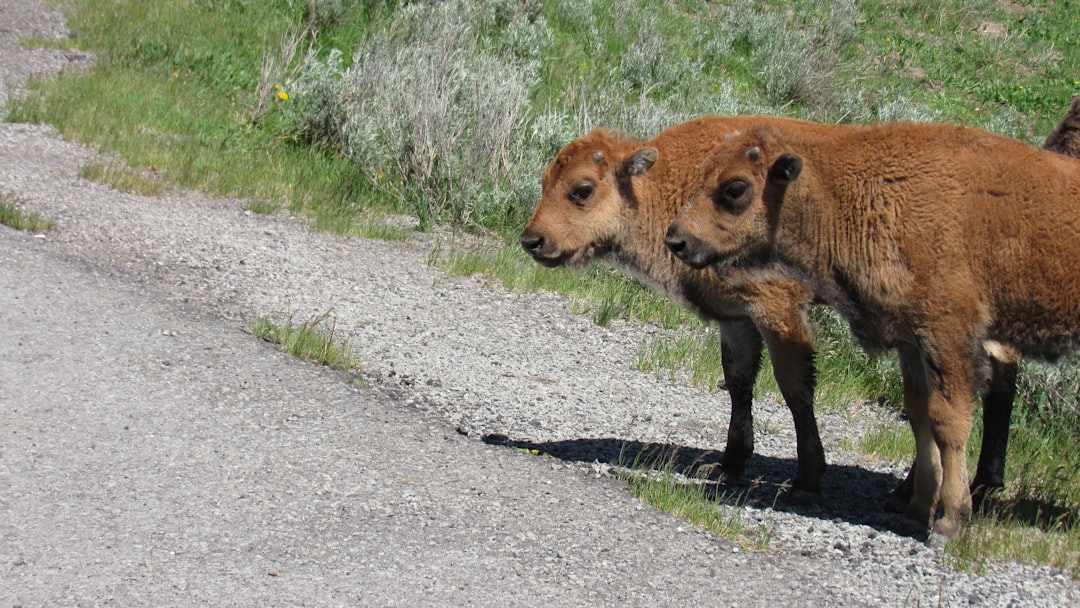
Hayden Valley is your alternative for slightly different wildlife dynamics—it’s often better for elk calves and river otters. I’ve spent entire days just watching the Hayden Valley overlook, where the Yellowstone River winds through open meadows. Pack a lightweight camping chair and layer up with thermal base layers—April mornings in Yellowstone can hover around 20°F, and you’ll be stationary for hours waiting for wildlife to appear.
Rocky Mountain Elk Calving (May-June)
Rocky Mountain National Park offers something completely different—elk calving season in high-elevation meadows. I’ve timed trips for late May specifically to watch newborn elk calves take their first steps, often within an hour of birth. The mothers are protective but visible, and you can witness the entire herd dynamic from a safe distance using zoom binoculars.
Moraine Park and Horseshoe Park are your best bets here. I’ve had incredible luck at dawn, parking near the golf course and watching the meadows come alive. The elk gather in these open areas, and calves are often visible nursing, learning to walk, or playing—yes, elk calves actually frolic like puppies, and it’s every bit as adorable as it sounds. Pack your portable coffee maker and arrive by 5:30 AM; the elk are most active in the first hour of daylight, then retreat to shade as temperatures rise.
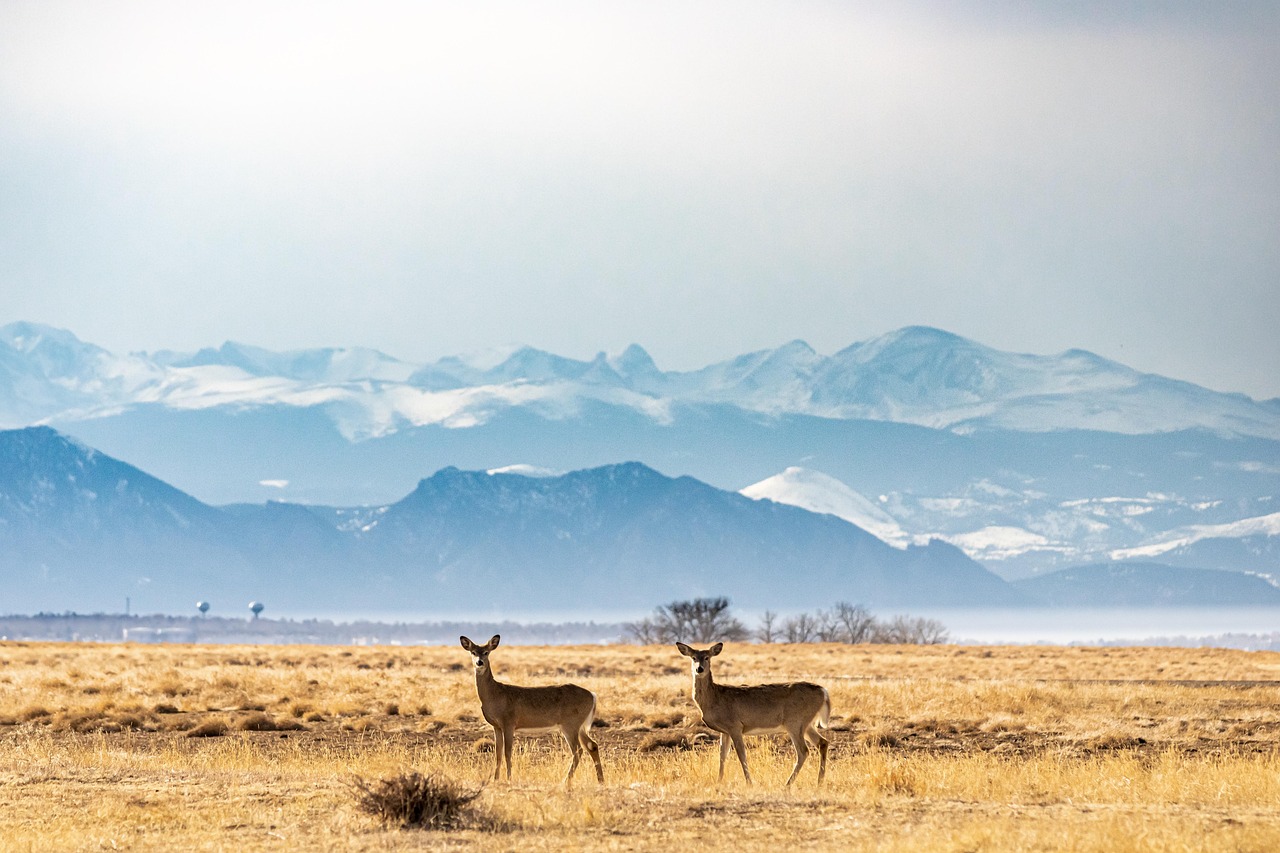
What makes Rocky Mountain special is the accessibility. You don’t need backcountry gear or 4WD—you can often see elk calving from your car or roadside pullouts. That said, bring waterproof hiking boots for morning frost on grass, and consider trekking poles if you plan to explore trails around the meadows for different viewing angles.
Pacific Northwest Whale Migration (March-May)
The West Coast offers one of North America’s most dramatic wildlife spectacles—gray whale migration. Over 20,000 gray whales travel from Baja Mexico to Alaska, passing close enough to shore that you can see them from coastal overlooks. I’ve spent spring days on Washington’s Olympic Peninsula and Oregon’s coast, watching for the characteristic heart-shaped blow and occasional breach.
Olympic National Park’s Ruby Beach and Kalaloch Beach are my go-to spots. The whales pass within a few hundred yards of shore here, and on clear days, you can see their blows without any equipment. For closer viewing, bring waterproof marine binoculars and scan slowly—whales surface for 3-5 minutes, then dive for 5-10, so patience is crucial. I’ve found that 2-3 hours of focused watching usually yields multiple sightings, especially during peak migration in April.
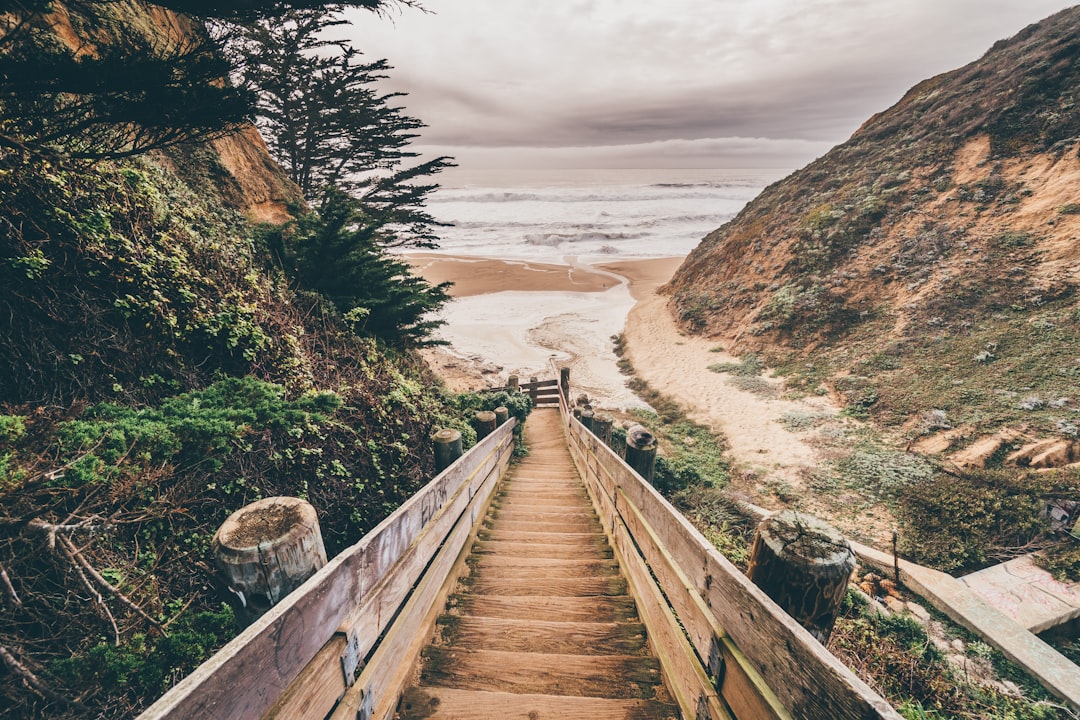
Newport, Oregon’s Yaquina Head Outstanding Natural Area offers another prime viewing spot. The lighthouse overlook provides elevated views, and you’ll often see sea lions and harbor seals alongside migrating whales. Pack a windproof rain jacket—coastal spring weather is unpredictable, and you’ll be exposed on headlands for hours. Early morning (8-10 AM) tends to be calmer, and the angled sunlight makes whale blows more visible.
Great Smoky Mountains Synchronous Fireflies (Late May-June)
This one’s less about traditional wildlife and more about an insect phenomenon that feels magical. The Great Smoky Mountains host one of the few places in the world where fireflies synchronize their flashing patterns, creating waves of light that ripple through forest floors. I attended the lottery-controlled viewing event in Elkmont last year, and it’s unlike anything I’ve experienced—thousands of fireflies flashing in perfect unison, creating a light show that rivals any holiday display.
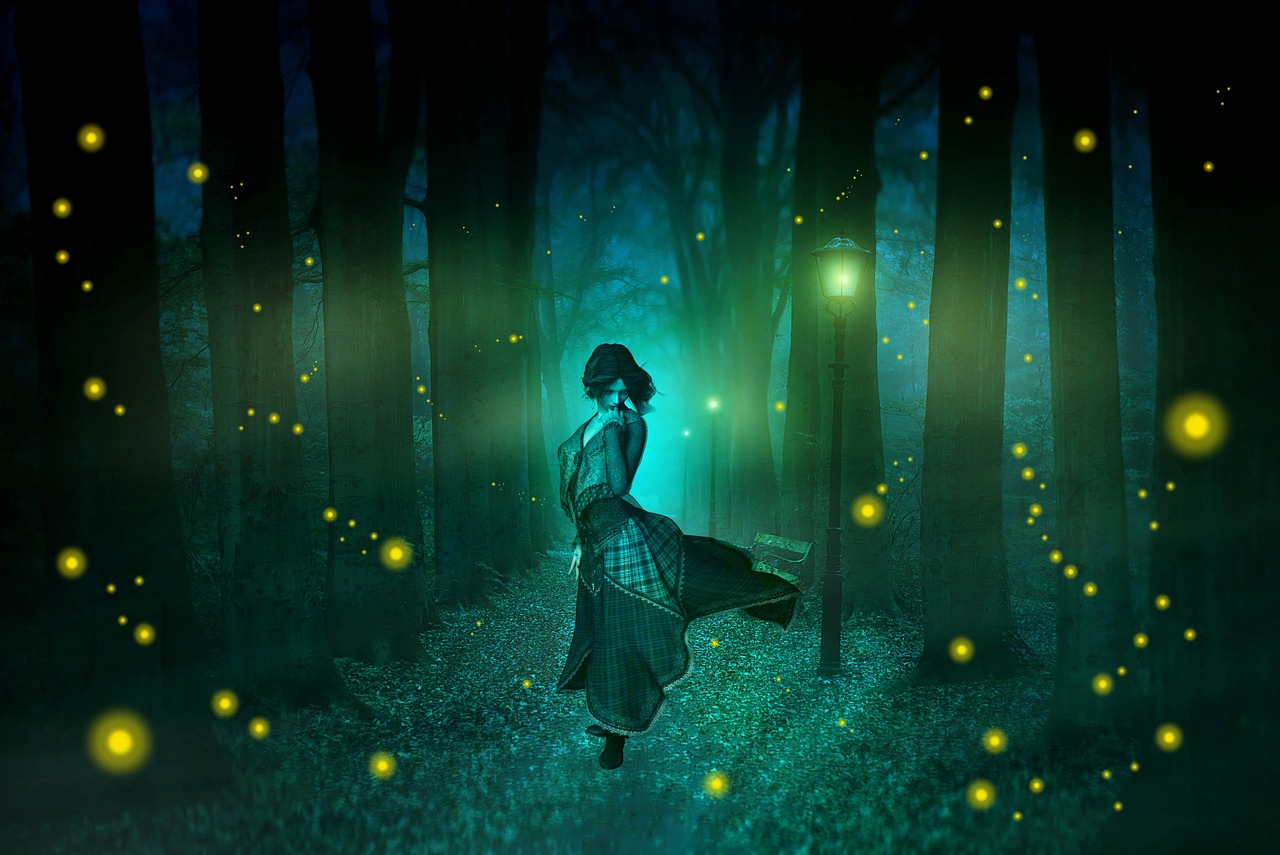
The catch? You need a lottery ticket (applications open in April) for the Elkmont viewing area. But I’ve also found great viewing in Cataloochee Valley and Cades Cove—less crowded, no lottery required, and still excellent displays. The key timing is late May to early June, about 9:30-10:30 PM, on warm evenings following rain. Bring a red-light camping lantern (white light disrupts the fireflies) and arrive early to secure a spot. The show lasts about 2 hours at peak activity.
While you’re in the Smokies, spring also means elk calving in Cataloochee Valley and black bear activity throughout the park. I’ve combined firefly viewing with dawn elk watching for an incredible 24-hour wildlife experience—fireflies at night, elk calves at dawn, black bears in between. Pack bear spray and know how to use it—Smokies black bears are generally unaggressive but encounters are common, especially in spring when cubs are present.
Florida Keys Sea Turtle Hatching (July-September, Planning in Spring)
Okay, this one requires advance planning, but spring is when you book and prepare for summer sea turtle hatching season. The Florida Keys host massive loggerhead, green, and leatherback sea turtle nests that hatch starting in July. I’ve arranged guided night walks through the Florida Keys National Marine Sanctuary, watching hatchlings emerge and make their dash to the ocean—an experience that’s unforgettable and genuinely moving.
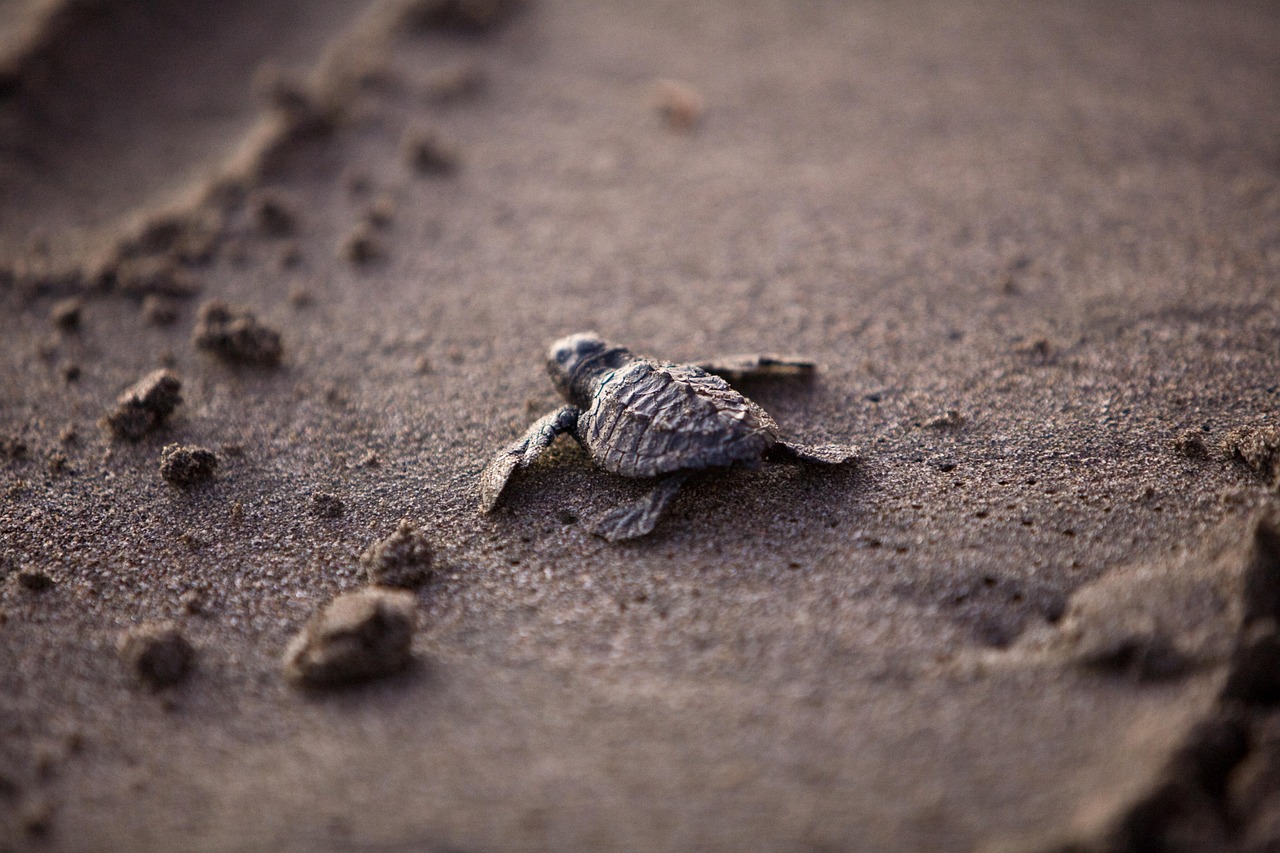
You’ll need to book these walks in spring (March-May) as they fill up fast. The Marathon Turtle Hospital and Key West’s Turtle Kraals offer educational programs that can improve your chances of seeing hatchlings during nesting season. For DIY viewing, Bahia Honda State Park allows night beach access during nesting season, but you must follow strict guidelines—no flashlights, no flash photography, maintain distance from hatchlings.
Spring preparation also means packing the right gear for July heat. I recommend cooling towels, lightweight hiking clothing, and portable neck fans. The Keys in July are brutally hot and humid, and you’ll be on beaches at night with zero breeze. Book accommodations with AC and plan mid-day breaks to avoid heat exhaustion.
Essential Wildlife Watching Gear
After years of trial and error, I’ve refined my wildlife watching kit to essentials that actually matter. Here’s what I never leave home without in spring:
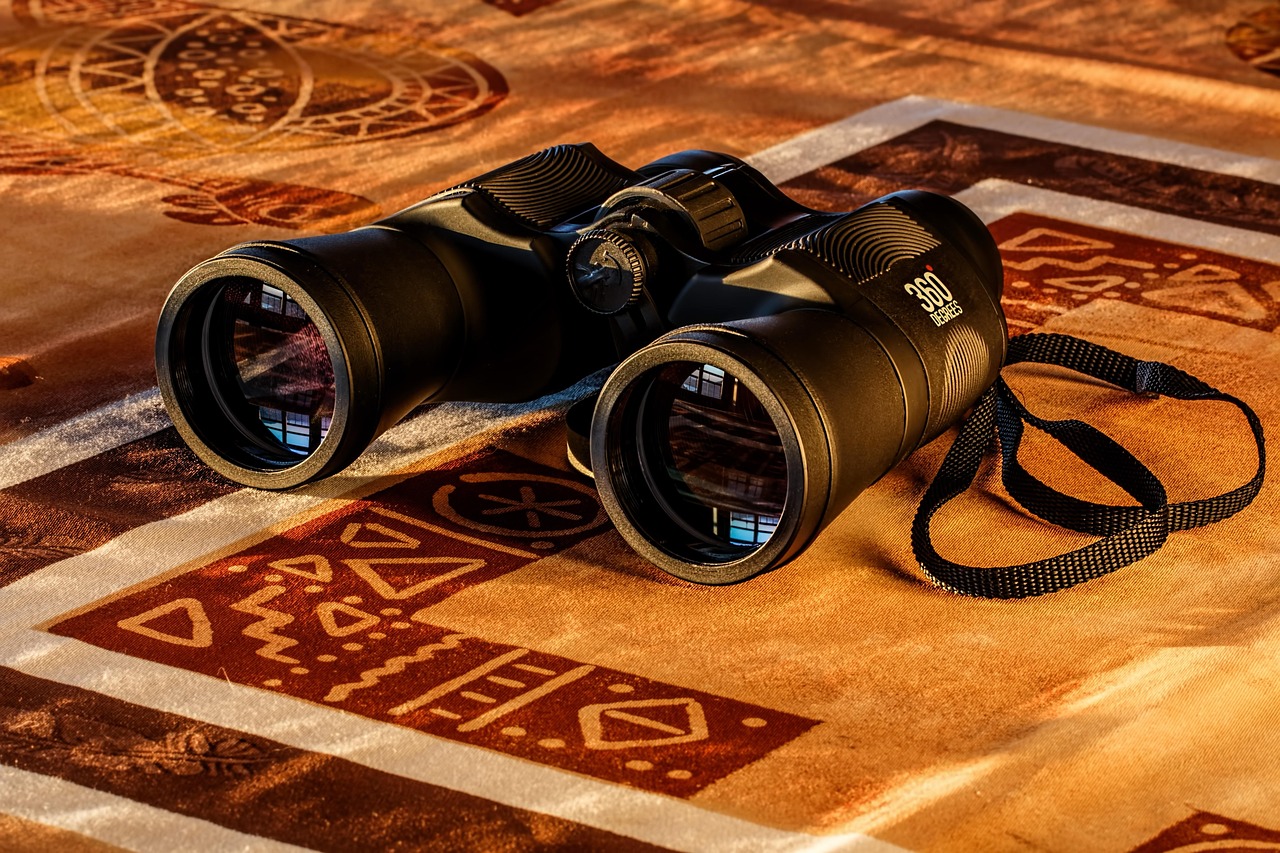
Optics: Compact travel binoculars are non-negotiable. I use 8×32 or 10×42 models—enough magnification for detail but not so much that handshake ruins the view. For serious wildlife enthusiasts, a spotting scope adds reach for distant elk or wolves, but honestly, decent binoculars cover 90% of situations for most travelers.
Clothing: Spring weather is schizophrenic—below freezing at dawn, 70°F by noon. I layer with thermal underwear, fleece midlayer, and packable waterproof shell. The shell doubles as rain gear and wind protection, which you’ll need on coastal whale watching trips. Don’t forget waterproof hiking boots—morning dew in meadows soaks through sneakers in minutes.
Comfort: You’ll be stationary for hours, waiting for wildlife to appear. A portable camping chair transforms the experience, especially on roadside pullouts. I also bring an insulated travel mug with hot coffee—keeps me warm during dawn patrols and prevents shivering that ruins steady viewing through binoculars.
Safety: Bear spray in bear country (Yellowstone, Rockies, Smokies). Know how to use it—practice with inert training canisters before your trip. A compact first aid kit for any location, plus emergency whistle if you’re venturing away from your vehicle. Spring weather can turn dangerous fast, especially in mountains.
Timing and Planning Strategies
The biggest mistake I see new wildlife watchers make? Assuming animals follow human schedules. Wildlife is crepuscular—most active at dawn and dusk. Plan to be in position 30 minutes before sunrise, which often means leaving your accommodation by 5 AM or earlier. Yes, it’s early. Yes, it’s worth it. The two hours after dawn typically produce more wildlife sightings than the entire rest of the day combined.
Seasonal timing matters too. Baby animals appear in predictable windows: bison calves in April, elk calves in May, bear cubs April-May. Whale migration peaks April-May on the West Coast. Fireflies peak late May to early June. Plan your trip dates around these windows, not around convenient vacation schedules. I’ve adjusted entire years to hit specific calving seasons, and the payoff is always worth it.
Weather affects wildlife behavior dramatically. Animals feed actively before storms and hunker down during heavy rain. I’ve had incredible sightings right before spring snowstorms—animals sense weather changes and stock up on food. Check forecasts, but don’t cancel if rain threatens—some of my best wildlife encounters happened in “bad” weather that tourists avoided.
Wildlife Viewing Ethics and Safety
I’m going to be blunt: I see people do stupid, dangerous things around wildlife every single spring. Approaching bear cubs for photos. Chasing elk calves. Getting too close to whales on kayaks. Don’t be that person. The National Park Service recommends 100-yard minimum distance from bears and wolves, 25 yards from all other wildlife. I stay back even farther—200 yards from bears, 50 yards from elk calves. Use your zoom binoculars or spotting scope instead of approaching.
Never feed wildlife, ever. It habituates animals to humans, which effectively signs their death sentence when they become “problem animals.” I’ve seen this play out with bears in Yellowstone and elk in Rocky Mountain—animals that lost their fear of humans and had to be euthanized. Pack out all food, secure trash in bear-proof containers, and never leave scraps behind.
Stay on designated trails and boardwalks. Spring meadows are fragile—new grass, wildflowers, and ground-nesting birds. Off-trail travel crushes habitat and stresses wildlife. I’ve watched people trample through elk calving meadows to get closer photos, displacing newborn calves that can’t escape. Stay put, let wildlife come to you (sometimes they will), and accept that some encounters happen at distance.
Putting It All Together: A Sample Spring Wildlife Trip
Here’s how I’d plan a spring wildlife watching trip hitting multiple spectacles:
Week 1 (Late April): Fly into Bozeman, Montana. Spend 4-5 days in Yellowstone, focusing on Lamar Valley at dawn for bears and bison calves. Drive through Rocky Mountain National Park en route south, targeting elk calves in Moraine Park. Base yourself in gateway towns with good coffee and early-opening diners—dawn patrol requires real food.
Week 2 (Early May): Head west to the Olympic Peninsula. Base in Port Angeles for whale watching at Ruby Beach and Kalaloch. Spring migration is peaking, and you’ll likely see gray whales daily. If weather’s decent, continue south to Oregon’s coast for Newport’s Yaquina Head. Pack your rain gear—this is the wettest stretch of the trip.
Week 3 (Late May): Fly to the Southeast for Great Smoky Mountains synchronous fireflies. This requires lottery entry (apply in April), but even if you don’t get Elkmont access, Cataloochee Valley offers elk calving at dawn plus excellent firefly displays. Combine with Cades Cove for black bear sightings and diverse spring wildlife. The Smokies are crowded in spring—book accommodations months in advance.
This route covers baby mammals, marine mammals, insects, and birds across diverse ecosystems. Total cost? Roughly $2,500-3,500 including flights, car rental, park passes, and gear. It’s ambitious, but I’ve done variations of this itinerary twice, and the wildlife density is insane—some days I saw more wildlife in two hours than most park visitors see in a week.
The Unspoken Reality: Not Every Trip Delivers
I need to be honest: not every wildlife watching trip produces sightings. Last year, I spent three days in Yellowstone during a late spring snowstorm and saw exactly one bison. The year before, perfect conditions yielded multiple bear cub sightings, elk calves, wolves, and a moose—all in one morning. Wildlife is wild, not Disney. There’s no guarantee, and that unpredictability is part of the appeal.
That said, you can stack the odds in your favor. Timing (dawn/dusk, seasonal windows), location (proven wildlife hotspots), and patience (hours of waiting) dramatically increase success rates. I’d rather spend five dawn patrols in Yellowstone and see nothing once than visit for one afternoon and miss everything. Wildlife watching rewards persistence, not casual effort.
And sometimes, the “failure” trips become the best memories. That storm-bound Yellowstone trip? I ended up in a Mammoth Hot Springs cafe, talking with a retired ranger who shared decades of wildlife stories. Not what I planned, but genuinely enriching in its own way. Wildlife watching is as much about being present in nature as it is about checking species off a list.
Start Planning Your 2026 Spring Wildlife Adventure
Spring 2026 is shaping up to be excellent for wildlife watching. After a relatively mild winter across much of North America, animal populations are healthy, and spring conditions are looking ideal. Yellowstone’s bison calf numbers are projected to be strong, gray whale migration is on track, and Great Smoky firefly dates are already announced (late May to early June peak).
Book soon, though. Spring wildlife destinations fill fast—Yellowstone lodging, lottery entries for fireflies, guided whale watching tours all require advance planning. Start by picking your must-see spectacle, then build your trip around those dates. Flexibility helps—weather and wildlife don’t follow calendars, and being able to shift your schedule by a week can make the difference between seeing nothing and witnessing something extraordinary.
After dozens of spring wildlife watching trips across North America, I can tell you this: there’s nothing quite like watching a newborn elk take its first steps at dawn, or witnessing a gray whale breach against a sunrise ocean. These moments stick with you. They become stories you tell for years. And they’re accessible—you just need to be in the right place at the right time, with a bit of patience and the right gear.
So where will you go this spring? Which spectacle will you chase? The bears are waking in Yellowstone, the whales are passing the Pacific coast, the fireflies are preparing for their show. All that’s missing is you.