Your Next Road Trip
Meta Description: Discover America’s most breathtaking scenic drives! From California’s Highway 1 to Maine’s Acadia coast, explore the 10 best road trip routes with stunning views, stop recommendations, and essential travel tips.
Introduction: The Call of the Open Road
There’s something magical about rolling down the window, feeling the wind in your hair, and watching America’s most stunning landscapes unfold before your eyes. Road trips represent the ultimate freedom—the ability to chase sunsets, discover hidden gems, and create memories that last a lifetime. Whether you’re a seasoned traveler or planning your first long drive, nothing beats the thrill of navigating through some of the country’s most spectacular scenery.
The United States boasts an incredible diversity of landscapes, from rugged coastlines and towering mountains to desert vistas and lush forests. We’ve curated the 10 most scenic drives in America that belong on every traveler’s bucket list. These aren’t just routes—they’re experiences that will transform how you see this beautiful country.
Pro tip: Before embarking on any of these epic journeys, make sure your vehicle is road-trip ready. We recommend checking out the DEWALT 20V Max Cordless Tire Inflator for peace of mind on those remote stretches. Having reliable gear makes all the difference when you’re miles from civilization.
1. Pacific Coast Highway (Highway 1) – California
Distance: 656 miles
Best time to go: Spring or Fall
Duration: 3-5 days
The crown jewel of American road trips, California’s Highway 1 hugs the Pacific coastline, offering jaw-dropping ocean views at every turn. Starting in the rugged north and ending in sunny Southern California, this drive takes you through some of the most iconic scenery on Earth.
Must-See Stops:
– Bixby Bridge: That iconic arch bridge you’ve seen in a thousand car commercials
– McWay Falls: An 80-foot waterfall that drops directly onto a pristine beach
– Hearst Castle: William Randolph Hearst’s opulent estate in San Simeon
– Big Sur: The stretch everyone talks about—cliffs, redwoods, and endless Pacific
Road Trip Reality:
This isn’t a drive you rush.

Plan frequent stops at pullouts (your passengers will thank you). The winding roads demand attention, so consider taking turns driving. For the best experience, bring along a Garmin DriveSmart 65 GPS Navigator with lifetime map updates—cell service is spotty at best along Big Sur.
2. Blue Ridge Parkway – Virginia & North Carolina
Distance: 469 miles
Best time to go: October (fall foliage) or May (wildflowers)
Duration: 2-3 days
Called “America’s Favorite Drive,” the Blue Ridge Parkway winds through the Appalachian Mountains, connecting Shenandoah National Park to Great Smoky Mountains National Park. This drive is all about slow appreciation—there’s a 45 mph speed limit, and you’ll want to go even slower.
Highlights:
– Mabry Mill: Historic watermill and restaurant (milepost 176)
– Linn Cove Viaduct: Engineering marvel around Grandfather Mountain
– Mount Mitchell: Highest peak east of the Mississippi (accessible from Parkway)
– Folk Art Center: Traditional Appalachian crafts
Fall Foliage Pro Tip:
If you’re chasing autumn colors (and you should be), download the Fall Foliage Prediction Map before you go. The show usually peaks mid-October at higher elevations. Pack layers—mountain weather can shift 30 degrees in an hour.
3. Going-to-the-Sun Road – Montana
Distance: 50 miles
Best time to go: July-September (road opens late June)
Duration: Half day to full day
Glacier National Park’s crown jewel, this engineering marvel climbs to Logan Pass (6,646 feet) through some of the most dramatic alpine scenery in North America. The road cuts through the Garden Wall, offering glacier-carved valleys, wildflower meadows, and the occasional mountain goat or bighorn sheep.
Essential Stops:
– Logan Pass Visitor Center: Start here for trails and wildlife viewing
– Jackson Glacier Overlook: One of the park’s 26 remaining glaciers
– Sun Point: Short walk to cascading waterfalls
– St. Mary Lake: Iconic views with Wild Goose Island
Critical Planning Note:
The road typically closes from October to late June due to snow. Vehicle length restrictions apply (no vehicles over 21 feet including bumpers). And yes, the name is absolutely legit—it was inspired by a Blackfeet legend.
For wildlife photography, we recommend the Canon EOS R6 Mirrorless Camera with its incredible autofocus for capturing those fleeting mountain goat moments.
4. Overseas Highway – Florida Keys
Distance: 113 miles
Best time to go: December-April (dry season)
Duration: 1-2 days
You’re literally driving over the ocean on this tropical adventure connecting mainland Florida to Key West via 42 bridges. The turquoise water stretches to the horizon in every direction, and each Key offers its own personality—from sport fishing Islamorada to eccentric Key West.
Don’t Miss:
– Seven Mile Bridge: The crown jewel—modern engineering meets endless ocean
– Key Deer Refuge: Tiny endangered deer only found in the Keys
– Ernest Hemingway Home: Key West’s most famous resident
– Dry Tortugas National Park: Day trip from Key West (requires ferry or seaplane)
Insider Tip:
Start early to catch the sunrise over the Atlantic, then chase it as it sets over the Gulf (Keys are narrow enough to see both). The highway can get crowded on weekends, so if possible, plan your mid-week drive.
Salt air is brutal on vehicles—give your car a thorough wash afterward, including undercarriage. The Chemical Guys CWS_402 Maximum Car Wash Soap cuts through salt and grime effectively.
5. Utah’s Mighty 5 – Highway 12 & Scenic Byways
Distance: Variable (350+ miles for all parks)
Best time to go: Spring or Fall
Duration: 4-7 days
While not a single road, Utah’s “Mighty 5” national parks are connected by some of America’s most surreal driving routes. Highway 12 alone is an All-American Road that deserves top billing, winding through red rock country that feels like another planet.
Route Highlights:
– Highway 12: Escalante to Capitol Reef (Boulder Mountain in between)
– Arches National Park: 2,000+ natural stone arches
– Canyonlands: Island in the Sky mesa with sweeping panoramas
– Zion: Canyon walls soaring 2,000 feet above the valley floor
Best Approach:
Loop it: Las Vegas → Zion → Bryce → Highway 12 → Capitol Reef → Arches → Canyonlands → Las Vegas. Or start in Salt Lake City. Either way, prepare your mind for canyon fatigue—you’ll eventually stop saying “look at that!” every five minutes.
The desert sun is no joke. A REEBOK TrailTrekker Water Bottle with insulation keeps water ice-cold even in 100-degree heat. Dehydration sneaks up on you in dry climates.
6. Oregon Coast – Highway 101
Distance: 363 miles
Best time to go: September (less fog, smaller crowds)
Duration: 3-4 days
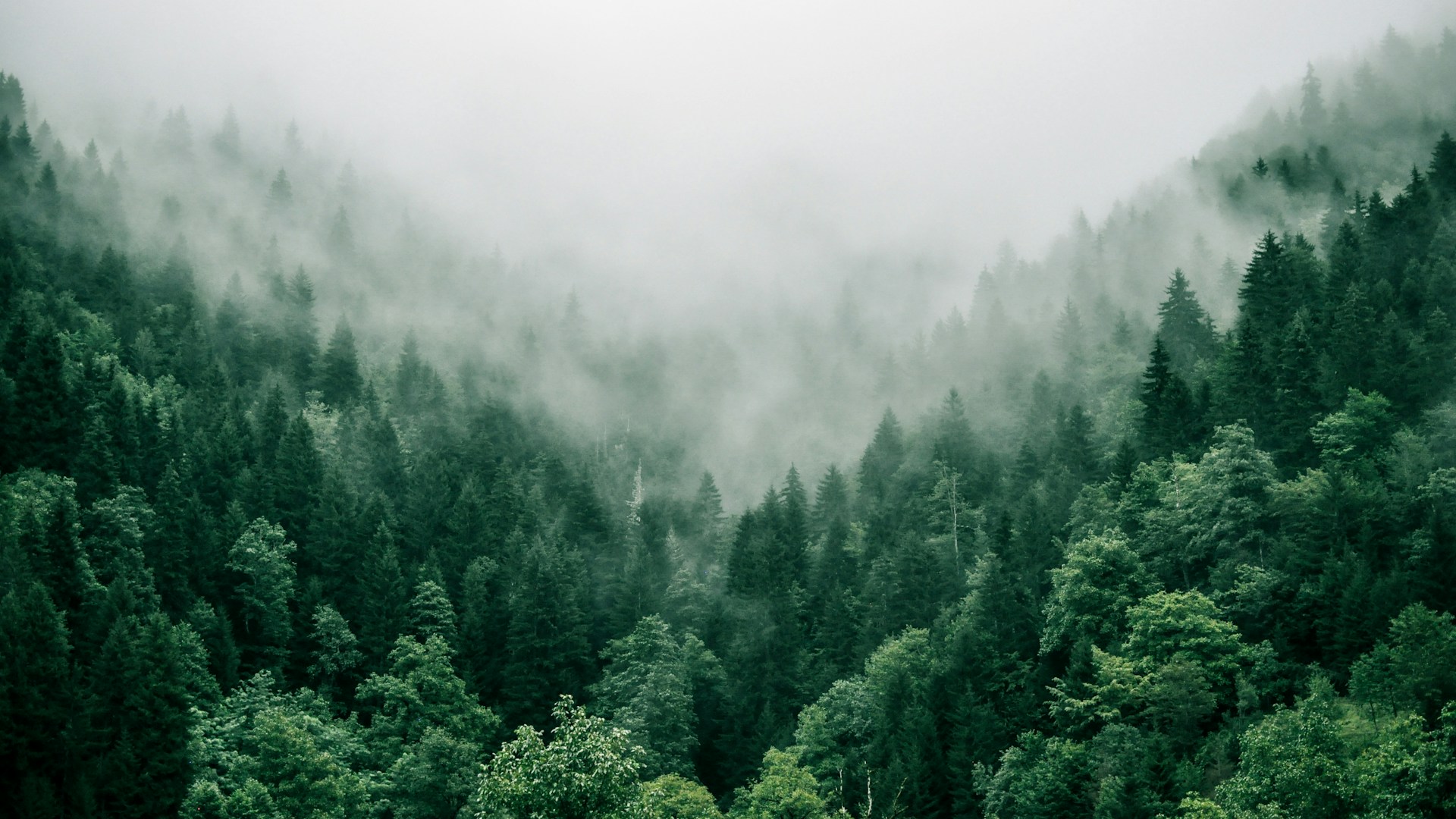
Rugged. Mysterious. Endless. The Oregon Coast delivers drama at every mile, from sea stacks puffing with seabirds to mist-shrouded headlands that feel straight out of a gothic novel. This is the Pacific Northwest distilled into 363 miles of pure atmosphere.
Essential Stops:
– Cannon Beach: Famous haystack rocks and charming downtown
– Thor’s Well: “Drainpipe of the Pacific” (wave-crashing spectacle at high tide)
– Sea Lion Caves: America’s largest sea cave (elevator access!)
– Cape Perpetua: Highest viewpoint on the Oregon coast (up to 2,000 feet)
The Vibe:
This isn’t a tropical drive. It’s moody, often foggy, and wildly beautiful. Pack a rain jacket and layers. The Oregon Coast knows four seasons in a day. Morning fog often burns off by afternoon, revealing those dramatic views.
Consider staying at oceanfront B&Bs along the route—nothing beats falling asleep to the sound of crashing waves. For capturing those moody coastal shots, the DJI Mini 3 Pro Drone gets you aerial perspectives without breaking the bank.
7. Trail Ridge Road – Colorado
Distance: 48 miles
Best time to go: Late June-September (road opens late due to snow)
Duration: Half day
Rocky Mountain National Park’s signature drive climbs to 12,183 feet, earning it the title “Highest Continuous Paved Road in North America.” You’ll literally drive above the treeline, entering alpine tundra ecosystem usually reserved for hardcore mountaineers.
What Makes It Special:
– Alpine Visitor Center: Stop here to acclimate (it’s 11,796 feet)
– Many Parks Curve: Overlook where you can see forever (literally multiple mountain ranges)
– Forest Canyon Overlook: Views into unspoiled wilderness
– Gore Range: Named after a British explorer, not a certain vice president
Altitude Sickness Warning:
If you’re coming from sea level, altitude sickness is real. Symptoms include headache, nausea, and shortness of breath. Hydrate aggressively, take it slow, and descend if symptoms worsen. The drive from Estes Park already starts at 7,500 feet, so you don’t have zero acclimation time.
For comfort on high-altitude drives, we recommend the BOC Big & Tall Car Seat Cushion with memory foam—long drives thin air can be exhausting.
8. Hana Highway – Maui, Hawaii
Distance: 64 miles (round trip)
Best time to go: Year-round (morning starts recommended)
Duration: Full day
The Hana Highway is less about the destination Plan your Maui trip with our guide to the best time to visit Hawaii. (though Hana town is charming) and more about the journey—620 curves and 59 bridges through Maui’s lush rainforest coast. Waterfalls, black sand beaches, and roadside banana bread stands await around every bend.
Don’t Miss:
– Twin Falls: First major waterfall stop (and one of the most accessible)
– Wai’anapanapa State Park: Black sand beach and freshwater caves
– Seven Sacred Pools: ‘Ohe’o Gulch in Haleakalā National Park
– Hana Town: Authentic old Hawaii—no resorts, just aloha spirit

Driving Reality:
This drive takes ALL day. The average speed is 15-20 mph. Locals use this road as their main highway, so use pullouts to let faster traffic pass. The road beyond Hana to the Seven Sacred Pools has been improved but still demands attention.
Bring cash—many roadside stands and small parks don’t take cards. A Fossil Explorer Backpack works great for hauling beach gear and snacks. And yes, you’ll want the famous banana bread at Auntie Sandy’s.
9. Acadia All-American Road – Maine
Distance: 27 miles (Park Loop Road)
Best time to go: September-October (fall foliage) or June (rhododendrons)
Duration: Half day to full day
Acadia National Park combines granite mountains, rugged coastline, and New England charm into one compact package. The Park Loop Road delivers the greatest hits: Cadillac Mountain (sunrise first in the U.S.), Jordan Pond, and those iconic pink granite cliffs.
Must-Experience:
– Cadillac Mountain Sunrise: Arrive early—this is THE spot for first light in America (Oct-Mar)
– Jordan Pond House: Popovers with strawberry jam (since 1890s)
– Thunder Hole: Where waves crash with thunderous force (best at high tide)
– Schoodic Peninsula: Less crowded, equally spectacular (separate from main loop)
Insider Strategy:
Start early. Like, 4:30 AM early if you want sunrise from Cadillac Mountain. The parking lot fills by 6 AM in peak season. Pro tip: take the free Island Explorer bus—no parking hassles, and you’ll feel smarter than everyone circling for spots.
The Maine coast can be 20 degrees cooler than inland. Pack a Patagonia Nano Puff Jacket —windproof, lightweight, and worth every penny for those sunrise waits.
10. Natchez Trace Parkway – Tennessee, Alabama, Mississippi
Distance: 444 miles
Best time to go: Spring (March-April) or Fall (October)
Duration: 3-4 days
Unlike the dramatic western drives, the Natchez Trace offers a gentler, more contemplative experience. This historic corridor follows a trail used by Native Americans, traders, and settlers for thousands of years. No commercial traffic, no stoplights—just forest, farmland, and history unfolding gracefully.
Cultural Highlights:
– Sunken Trace: Original trail worn into the earth by centuries of foot traffic
– Pharr Mounds: Native American burial mounds (built 1-200 AD)
– Mount Locust Historic Stand: Old inn for travelers in the 1700s-1800s
– Rock Springs Nature Trail: Short walk to natural spring and waterfall
The Experience:
This is America’s longest rural parkway. The 50 mph speed limit encourages a slower pace. It’s meditative, not adrenaline-pumping. Perfect if you’ve overdosed on dramatic scenery and want something more subtle but equally rewarding.
Camping along the trace is free at designated campgrounds (first-come, first-served). For car camping, the TETON Sports Mountain Ultra Tent offers premium comfort without the premium price tag.
Essential Road Trip Gear Checklist
Before hitting any of these routes, make sure you’re prepared. Here’s our must-have gear checklist:
Safety & Emergency:
For solo travelers, check out our Essential Solo Travel Gear Guide for personal safety items.
– First aid kit: Accidents happen, even on scenic drives
– Emergency car kit: Jumper cables, flashlight, blanket
– Paper maps: Cell service is unreliable on many of these routes
– Portable phone charger: The Anker PowerCore 26800 keeps devices charged for days
Comfort & Convenience:
– Cooler: Pack snacks and drinks to avoid overpriced tourist stops
– Travel pillow: Essential for passengers on longer drives
– Sunglasses: Glare is real, especially coastal drives
– Sunscreen: Higher elevation = stronger UV exposure
Documentation:
– Driver’s license: Obviously
– Vehicle registration & insurance: Keep copies in glovebox
– Emergency contacts: Written down, not just in your phone
– Park passes: Many of these drives include national parks—get the America the Beautiful Pass for $80/year
Planning Your Scenic Drive Adventure
Timing Strategies:
– Avoid peak season (June-August) if possible for popular routes
– Check road closures before departure, especially for mountain routes
– Book accommodations early in resort towns like Big Sur and Bar Harbor
– Download offline maps (Google Maps allows this)—cell service is spotty
Budget Considerations:
For more budget travel strategies, see our complete guide to Budget Travel: How to See the World for Less.
– Gas prices vary dramatically by region (California and Hawaii will sting)
– National park entry fees add up—consider the annual pass
– Some scenic drives have tolls or parking fees
– Budget for unplanned expenses—you’ll discover things you didn’t know existed
Vehicle Prep:
– Get a tune-up before long trips
– Check tire pressure and tread depth
– Test all lights and signals
– Pack a spare tire AND know how to change it
– Top off windshield washer fluid—bugs and road grime accumulate fast
Conclusion: Your Adventure Awaits
These 10 scenic drives represent the best of American road-tripping—diverse landscapes, unforgettable experiences, and the freedom to explore at your own pace. Whether you’re chasing waterfalls in Maui or fall colors in the Blue Ridge Mountains, the journey itself becomes the destination.
Start with one drive that calls to you. There’s no wrong choice here. But be warned: scenic drives are addictive. Once you experience that first sunrise over the ocean or that perfect mountain overlook, you’ll be planning your next road trip before the current one ends.
So pack your bags, fill up the tank, and hit the road. America’s most stunning scenery is waiting.
SEO Keywords: scenic drives America, best road trips USA, Pacific Coast Highway, Blue Ridge Parkway, national parks road trip, American road trip routes, scenic byways United States
Check out our Essential Road Trip Gear guide for more details.
Recommended Gear
3. Osprey Porter 30 Travel Pack
5. Frogg Toggs Ultra-Lite Rain Suit
7. Tarriss Travel Luggage Scale
Shop Gear on Amazon
Find the perfect gear for your trip:
• Portable Phone Chargers & Power Banks
• Digital Cameras & Travel Photography
• Binoculars for Travel & Nature Watching
• Travel Backpacks & Carry-on Luggage
2 thoughts on “10 Most Scenic Drives in America for Your Next Road Trip”
Comments are closed.