
After spending three weeks last spring backpacking through Italy with nothing but a flimsy foam roller and my own determination to work out the knots, I learned the hard way that recovery gear isn’t just for athletes—it’s the difference between actually enjoying your trip and limping through it wishing you’d booked that all-inclusive resort instead. Fast forward to my recent spring break in New Orleans, where I walked an average of 18,000 steps daily exploring the French Quarter, Garden District, and everything in between. This time, I packed smart. My compact recovery gadgets took up less space in my carry-on than a pair of shoes, but they transformed how I felt each morning. Instead of waking up stiff and sore, I was ready to hit the ground running—literally. Spring travel means longer days, more walking, and adventures that push your body harder than your regular routine. Whether you’re planning a European city break, a national park road trip, or just exploring a new destination on foot, the right recovery gear keeps you moving comfortably when it matters most.
Why Recovery Gear Matters for Spring Travel
Spring brings unique challenges for travelers. You’re transitioning from winter hibernation to full-on exploration mode, often with intense bursts of activity. Maybe you’re hiking spring wildflower trails in Death Valley, walking 10+ miles daily through Paris, or spending hours on your feet at festivals and events. Your muscles aren’t prepared for this sudden increase in activity, and that’s where the soreness creeps in—tight calves, aching feet, and a stiff lower back that makes getting out of bed feel like an Olympic event. I’ve been there, done that, and learned that spending 15 minutes with targeted recovery tools before bed means waking up ready for adventure instead of reaching for ibuprofen. The beauty of modern compact recovery gadgets is that they pack powerful therapy into palm-sized devices that don’t sacrifice precious luggage space. These aren’t just creature comforts—they’re essential tools that extend your travel capabilities and help you make the most of every day on the road.
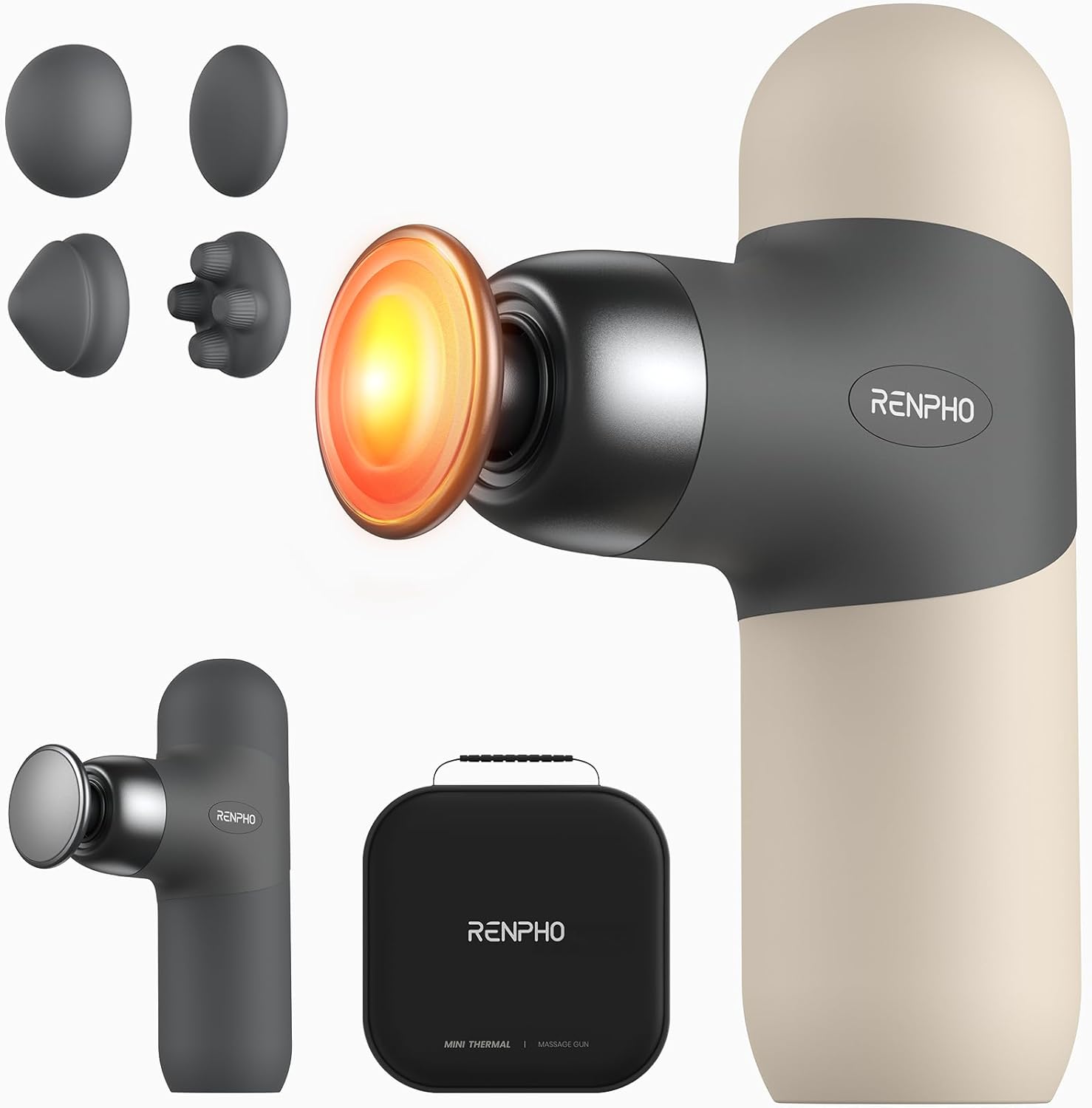 Mini Percussion Massage Guns: Palm-Sized Power
The game-changer that completely revolutionized how I recover during travel is the mini percussion massage gun. These pocket-sized devices pack surprising punch, delivering rapid pulses deep into muscle tissue to release tension and improve blood flow. I was skeptical at first—how could something the size of a computer mouse possibly make a difference? But after testing several models during a recent two-week trip through Japan, where I walked an average of 20,000 steps daily exploring Tokyo, Kyoto, and Osaka, I’m a complete convert. My mini massage gun became my nightly ritual: 5 minutes on each calf, 3 minutes on my quads, and targeted work on whatever specific area took the most beating that day. The difference was undeniable. Instead of waking up stiff and hobbling to the bathroom, I felt refreshed and ready to tackle another day of temple-hopping and neighborhood wandering. What makes these devices perfect for travel is their compact size—most weigh less than a pound and slip easily into a side pocket of your carry-on or daypack. Battery life has improved dramatically too, with newer models lasting 4-6 hours on a single charge, easily covering a week-long trip without needing to pack compact portable chargers specifically for your recovery gear. These complement other travel gadgets for digital nomads you might already pack, creating a comprehensive tech kit for modern travel.
When choosing a mini massage gun for travel, look for models specifically designed with portability in mind. The best travel-friendly versions feature quieter motors (crucial for hotel room use), multiple speed settings, and carrying cases that protect the device in your luggage. I personally prefer models with angled heads that can reach tight spots like your mid-back without requiring awkward contortions. Price-wise, you’ll find solid options in the $60-120 range, though premium models can run closer to $200. The investment pays off quickly when you consider how much more enjoyable your trip becomes when you’re not constantly battling muscle soreness. For specific recommendations, explore mini massage guns designed for travel on Amazon to compare features and read real traveler reviews. Just remember to check airline regulations—most massage guns are fine in carry-on luggage, but it’s worth confirming if you’re flying internationally or with stricter carriers.
Compression Therapy: Leg Recovery While You Rest
The unsung hero of travel recovery that I discovered during a grueling week of conference attendance and evening city exploration in Chicago is compression therapy. I’m talking specifically about portable compression leg massagers—those wrap-around devices that simulate the feeling of a massage therapist gently squeezing your legs to improve circulation. These were absolute game-changers during my trip. After spending 10+ hours daily either on my feet at the conference or walking Chicago’s incredible architecture tours, my legs would typically be throbbing by evening. But with 20 minutes of compression therapy while watching Netflix in my hotel room, I felt significantly lighter and more comfortable the next morning. The science behind compression therapy is solid—it helps flush out metabolic waste, reduces fluid retention (especially important for long flights), and improves blood flow back to the heart. For travelers who spend hours in planes, trains, or automobiles, this type of recovery tool addresses the specific challenges of prolonged sitting combined with bursts of intense walking activity.
What makes modern compression devices perfect for travel is their portability and ease of use. Unlike full-size compression boots that require carrying a bulky control unit, newer travel versions wrap around your calves like adjustable sleeves and pack flat in luggage. Battery life typically covers 4-6 sessions, and most models charge via USB, making them easy to power up with the same travel adapter you use for your phone. I particularly love using compression therapy during flights—there’s something luxurious about slipping on the sleeves, hitting the start button, and letting the gentle compression work while I read or nap. The difference in how my legs feel after a 6-hour flight is remarkable: less swelling, lighter feeling, and ready to hit the ground running upon arrival. For travelers with circulation issues, varicose veins, or just general leg discomfort from long travel days, these devices offer legitimate therapeutic benefits beyond simple relaxation. They’re especially effective when paired with other comfort gear like travel neck pillows for long flights, creating a comprehensive comfort system for transit days. When shopping, look for adjustable intensity levels and wraps that fit your calf size comfortably—some models run small, so check sizing guides carefully before purchasing.
Portable Heat Therapy: Targeted Relief Anywhere
One recovery tool that surprised me with its versatility is portable heat therapy, specifically rechargeable heating pads designed for travel. I initially dismissed these as unnecessary—who needs a heating pad when you can just take a hot bath or shower? But I learned differently during a spring road trip through the Pacific Northwest, where our Airbnb had a finicky water heater and my lower back was protesting against hours of driving. A small, cordless heating pad that I could wear while sitting in the passenger seat or working at my laptop was revelatory. Unlike traditional electric heating pads that require outlet access, modern versions use rechargeable batteries or chemical heat packs, giving you complete freedom of movement. I’ve used mine during long train rides, at outdoor concerts, while camping, and even during flights—any situation where muscle tension builds up but you don’t have access to traditional heat therapy methods.
The beauty of portable heat therapy is its ability to provide targeted relief exactly where you need it, when you need it. Lower back tension from carrying heavy travel backpacks? Shoulder soreness from hauling luggage? Cramps or general muscle tightness from pushing your body harder than usual? A compact heating pad wraps around the affected area and delivers soothing warmth that increases blood flow and relaxes tight muscles. Modern travel versions feature adjustable temperature settings, automatic shut-off timers for safety, and covers that are machine washable—a crucial feature after weeks of travel use. Battery life ranges from 2-4 hours per charge, with many models offering pass-through charging so you can use them while plugged into your portable power bank during longer sessions. For spring travelers, heat therapy is particularly valuable because it addresses the muscle tension that comes from variable weather—warm days followed by cool evenings can leave muscles feeling tighter than usual. When selecting a portable heating pad, consider whether you prefer electric rechargeable models (more expensive but reusable) or single-use chemical heat packs (cheaper but create ongoing waste). Electric versions are the more sustainable choice for frequent travelers and typically pay for themselves over several trips compared to repeatedly buying disposable heat wraps.
Compact Rollers and Massage Balls: Targeted Self-Massage
Before investing in powered recovery devices, start with the simplest and most versatile tools: compact foam rollers and massage balls. These unassuming pieces of foam or rubber have been my go-to recovery tools for years, and they remain the foundation of my travel recovery routine even as I’ve added fancier gadgets to my arsenal. The beauty of rollers and balls is their simplicity—no batteries, no charging, no noise, no weight. They just work. During a month-long trip through Southeast Asia, my travel-size foam roller and set of massage balls took up less space than a single pair of shoes but provided daily relief that kept me moving comfortably through temple complexes, hiking trails, and endless city walking. What makes these tools so effective is their ability to perform myofascial release—targeted pressure that breaks up tight spots in your muscles and connective tissue. Whether you’re dealing with plantar fasciitis from all-day walking, tight shoulders from carrying luggage, or glute pain from hours on planes, there’s a roller or ball technique that can help.
For travel, I recommend two specific additions to your recovery kit: first, a hollow foam roller that can double as packing space for small items (I stuff mine with socks, underwear, and charging cables to maximize luggage efficiency). This pairs perfectly with packing cubes and travel organizers to create an ultra-efficient luggage system. Second, a set of massage balls in different sizes and densities—typically a lacrosse-style hard ball for deep tissue work and a softer rubber ball for more sensitive areas. These balls are incredibly versatile and can reach spots that rollers can’t, especially in your feet, shoulders, and hips. My favorite technique for travel-weary feet involves placing a massage ball on the floor, standing on it, and rolling it under the arch of each foot for 2-3 minutes. After a day of walking, this simple self-massage feels absolutely heavenly and can prevent the plantar fascia tightness that plagues many travelers. For your back and glutes, simply lean against a wall with the ball positioned at tight spots and apply gentle pressure for 30-60 seconds. The key with rollers and balls is consistency—spending just 5-10 minutes daily with these tools can dramatically improve how your body feels and performs during travel. They’re also incredibly affordable, with most travel-friendly options costing under $30, making them perfect for budget-conscious travelers who want effective recovery without expensive gadgets.
Foot Recovery Gadgets: Standing Strong After Long Travel Days
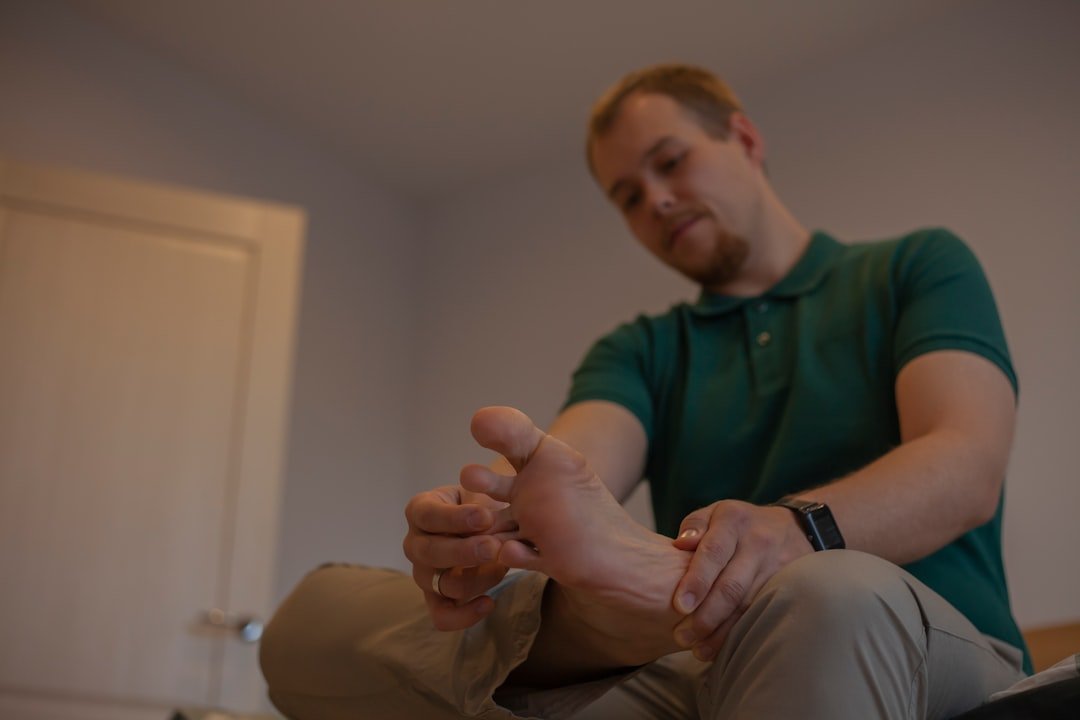
After experimenting with virtually every type of recovery gadget during my travels, I’ve learned that the tools specifically designed for foot recovery might just be the most underrated category in travel comfort. Your feet take an absolute beating during travel—long flights with swelling, endless walking on hard surfaces, and hours standing in lines or at attractions. Neglecting foot recovery is a mistake I made during my early travel adventures, and I paid for it with plantar fasciitis that made getting out of bed genuinely painful. Now, I never travel without a compact foot recovery kit, and the difference in my overall comfort and energy levels is remarkable. The centerpiece of this kit is an electric foot massager, specifically the compact models designed for travel. Unlike full-size foot bath massagers that are completely impractical for luggage, travel versions are typically flat, lightweight devices that use compression, rolling, or vibration to relieve tired feet. My current model is about the size of a tablet, weighs less than a pound, and provides 15 minutes of blissful foot massage after a long day of exploration.
What makes foot massagers so valuable for travel is their ability to address multiple issues simultaneously. The compression action improves circulation, reducing swelling from long flights or excessive walking. The rolling nodes work out tension in the arch and heel, preventing and relieving plantar fascia pain. And the sheer relaxation factor helps you wind down for better sleep—something every traveler struggles with in unfamiliar beds and time zones. I use my foot massager every night without fail, and it’s become such an essential part of my travel routine that I’ll sacrifice other items before leaving it behind. Beyond electric massagers, consider adding a few simple foot recovery tools to your kit. Wooden foot rollers are incredibly effective for arch massage and take up minimal space. Graduated compression socks are another must-have, especially for flights and long travel days—by applying gentle pressure that’s strongest at the ankle and decreases up the calf, they help prevent swelling and improve circulation. I also recommend portable stretching straps, which allow you to get an effective calf and hamstring stretch even in tight hotel rooms where you might not have space for full yoga stretches. Your feet literally carry you through your entire travel experience—investing a few dollars and a few inches of luggage space in their comfort and recovery pays dividends every single day of your trip.
Choosing the Right Recovery Gear for Your Travel Style
Not all recovery gadgets are created equal, and the right choices depend entirely on your specific travel style, destinations, and activities. As someone who’s traveled everywhere from luxury European hotels to remote hostels with shared bathrooms, I’ve learned to match my recovery kit to the trip. For business travel where luggage space is at a premium and hotel rooms are quiet, I prioritize compact, silent devices like mini massage guns and rechargeable heating pads. For adventure travel involving lots of physical activity like hiking or cycling, I bring more intensive recovery tools including compression leg massagers and foam rollers. Budget travelers should focus on the basics—massage balls and a small roller provide incredible value for under $30 total. Luxury travelers who don’t mind checking a bag might consider full-size recovery tools, though I’ve found that the compact versions often work just as well for a fraction of the space and weight. Think about your specific trip itinerary: Are you doing lots of walking on hard surfaces like cities? Prioritize foot recovery tools. Long flights or drives? Focus on circulation-improving compression devices. High-altitude hiking or intense physical activities? Invest in percussion massage for deep muscle recovery.
Another crucial consideration is power access and battery life. If you’re traveling off the grid or to destinations with unreliable electricity, prioritize manual tools like foam rollers and massage balls over battery-powered devices. For international travel, check voltage compatibility and consider universal power adapters that can handle multiple plug types. Weight is also a significant factor—every ounce counts when you’re hauling luggage through airports or train stations. Most of my recovery gear weighs less than a pound total, yet provides therapeutic benefits that would cost hundreds of dollars in spa treatments. Finally, consider noise levels if you’re sharing accommodation. Many percussion massage guns have whisper-quiet modes specifically designed for hotel use, and this feature is genuinely valuable when you’re trying to recover without disturbing roommates or neighbors. The key is building a versatile recovery kit that covers different needs—circulation, muscle tension, joint pain, and relaxation—while remaining portable enough that you’ll actually bring it. After years of experimentation, my core kit weighs under 2 pounds total and fits in a small packing cube, yet handles virtually any travel-related discomfort I encounter.
Packing Tips: Maximizing Space Without Sacrificing Recovery
One objection I often hear about traveling with recovery gear is the luggage space concern—every inch counts when you’re packing for a trip. However, I’ve developed several strategies over the years that allow me to bring a comprehensive recovery kit without sacrificing clothing or other essentials. First, think vertically and compartmentally. Many recovery gadgets, especially charging cables and smaller items like massage balls, fit perfectly into the nooks and crannies of your luggage—inside shoes, in corners of your main compartment, or in exterior pockets. I use a dedicated packing cube for recovery gear that keeps everything organized and easily accessible. This cube lives at the top of my main bag, so I can grab it quickly upon arrival without rummaging through my entire suitcase. Second, leverage the multi-functional nature of some items. My hollow foam roller, for example, doubles as storage space for small items, and some compression devices can be worn during travel (flights, long drives) rather than packed separately. This wear-while-traveling approach saves luggage space while providing therapeutic benefits during transit.
Third, prioritize quality over quantity. It’s better to bring three high-quality, versatile tools that you’ll actually use regularly than ten specialized gadgets that mostly stay buried in your luggage. My current travel recovery kit includes just five core items: a mini massage gun, compression leg wraps, a small heating pad, a hollow foam roller, and massage balls. That’s it—five items that collectively weigh under two pounds but handle virtually every muscle ache, circulation issue, or discomfort that travel throws at me. Fourth, consider what you can purchase at your destination. If you’re traveling domestically or to major international cities, you might be able to buy basic items like foam rollers or compression socks upon arrival, saving luggage space for the journey out. Finally, think about your accommodation setup. If you’re staying in vacation rentals with kitchens, you might have access to hot water for homemade heat therapy (water bottles wrapped in towels make excellent heating pads). If you’re in hotels with gyms, they might have foam rollers or other recovery equipment available for guest use. The key is being strategic about what you absolutely must bring versus what you can improvise or purchase at your destination. With thoughtful planning, you can build a comprehensive recovery kit that fits in a corner of your suitcase but dramatically improves your travel comfort and enjoyment.
Conclusion: Invest in Comfort, Enjoy Your Trip More
After years of travel experimentation and countless trips with varying levels of recovery preparation, I can say with certainty that bringing compact recovery gear has completely transformed how I experience travel destinations. Instead of pushing through pain, waking up stiff, or cutting exploration short because my body can’t keep up, I now have the tools to recover quickly and completely from whatever adventures I throw at myself. The investment is minimal—most of my core recovery kit cost under $200 total—and the returns are measured in comfortable steps, restful sleep, and the ability to fully enjoy every moment of a trip without physical limitations. Spring travel season is approaching fast, with opportunities for wildflower hikes, city festivals, road trips, and international adventures. Whether you’re planning a European spring break, a national park road trip, or just exploring a new destination on foot, I encourage you to consider adding a few recovery gadgets to your packing list. Your body will thank you, and you might just find that having the right recovery tools transforms a good trip into an unforgettable one—because you’re physically capable of doing everything you dreamed of when you booked the tickets. Don’t let muscle soreness, fatigue, or discomfort limit your travel adventures. Pack smart, recover well, and make the most of every step of your journey.