
The Universal Adapter Dilemma: Why I Finally Stopped Buying Cheap Plugs
Three years ago, I stood in a London hotel room holding a dead iPhone, a laptop at 4% battery, and a hair dryer I couldn’t use. The travel adapter I’d bought at airport security for $12 had literally started smoking when I plugged in my laptop. That was my wake-up call: not all travel adapters are created equal, and the cheapest option often costs you more in frustration—and potentially fried devices—than investing in quality gear from the start.
Since that eye-opening incident in London, I’ve tested dozens of travel adapters across five continents. I’ve learned through trial, error, and one terrifying spark show in Prague that the right adapter isn’t just about plug shapes—it’s about surge protection, charging speed, device safety, and building a reliable power ecosystem that keeps you connected wherever you roam. Let me share what I’ve learned about staying powered up around the world.
Understanding the Plug Types: It’s More Than Just Shape
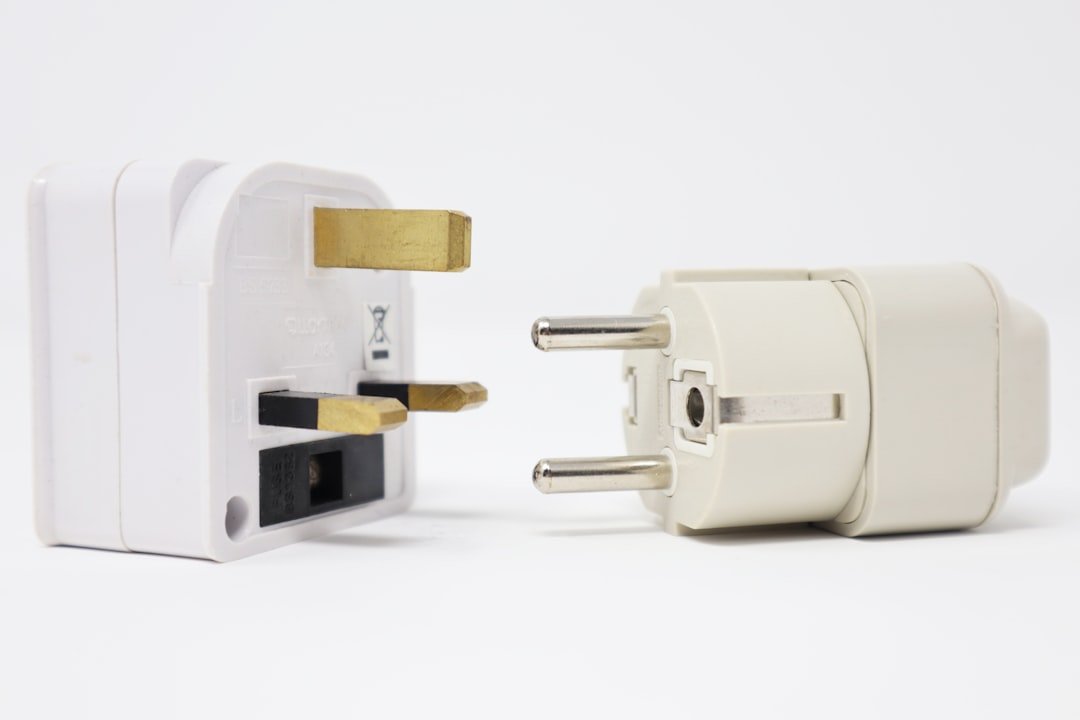
Before diving into specific adapters, here’s what most travelers don’t realize: there are 15 different plug types used across the globe. The most common you’ll encounter are Type A (North America, Japan), Type C (most of Europe, South America, Asia), Type G (UK, Ireland, Hong Kong, Singapore), and Type I (Australia, New Zealand, China). But here’s the crucial detail many miss—even when the plug fits, the voltage might not.
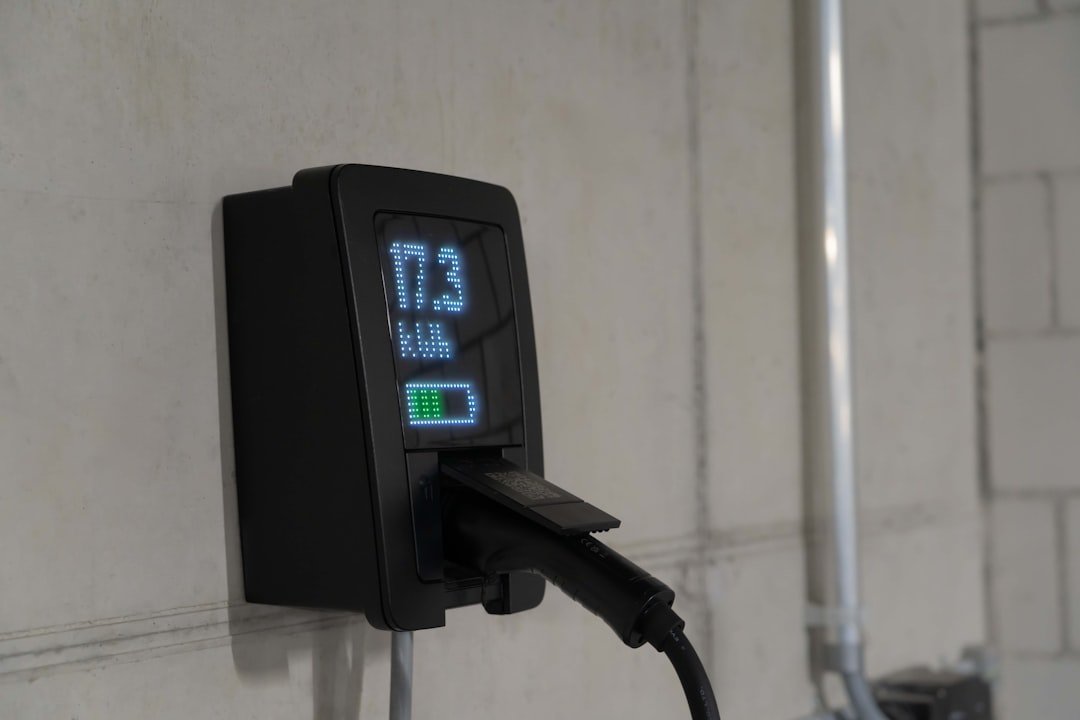
Voltage differences are where most device casualties occur. North American devices run on 110-120V, while most of the world operates on 220-240V. Modern phone and laptop chargers are “dual voltage” (look for “Input: 100-240V” on the brick), meaning they work anywhere. But your hair dryer, electric shaver, or that cheap coffee maker you bought on sale? Those are often single-voltage disasters waiting to happen. I learned this the hard way in Barcelona when my roommate’s hair dryer literally melted—a spectacular puff of smoke that still haunts me.
The right adapter handles both plug shape conversion and voltage regulation for devices that need it. Universal travel adapters with voltage conversion protect your single-voltage devices while accommodating any plug configuration you’ll encounter worldwide. This dual functionality is what separates a $10 plug adapter from a $50 power solution that actually keeps your gear safe.
Universal vs. Regional: Which Approach Works Best?
There are two schools of thought in travel adapter land: buy one universal adapter that supposedly works everywhere, or pack regional adapters for specific destinations. After years of testing both approaches, I’ve landed on a hybrid strategy that maximizes reliability without overpacking.
Universal adapters sound brilliant in theory—one device handles every plug type across 195 countries. In practice, they’re often bulky, prone to breaking, and sometimes fail to properly ground devices in older buildings. I used a popular universal adapter throughout Southeast Asia and constantly wrestled with it falling out of worn-out sockets in guesthouses and airports. The USB ports also stopped working after three months of heavy use.

Regional adapters, conversely, are purpose-built for specific plug configurations. They’re compact, durable, and rarely fail because they have fewer moving parts. I now carry a set of regional adapters covering Type A/C/G/I plugs, which handles 90% of my travel destinations. For niche locations with exotic plug types (looking at you, South Africa’s Type M and Israel’s Type H), I add those specific adapters as needed. This modular approach means if one adapter fails, I still have backups rather than being left completely powerless.
The sweet spot for most travelers? One high-quality universal adapter as your primary workhorse, plus one or two regional adapters as backup. This redundancy saved me in Tokyo when my universal adapter’s USB-C port died mid-trip—I simply swapped to my Japan-specific adapter and kept charging without missing a beat.
USB-C and Fast Charging: The Modern Traveler’s Power Needs
Here’s where most older adapter recommendations fall short: they don’t account for how we actually travel today. Between phones, tablets, wireless earbuds, smartwatches, and laptops, the modern traveler carries 5-7 USB-powered devices. And we don’t just want them charged—we want them charged fast, ideally overnight or during a quick layover.
Old-school adapters with a single USB-A port simply can’t keep up with contemporary power demands. I spent a miserable week in Rome working from cafés, constantly rotating which device got charging time because my adapter only had one slow USB port. Combined with the quality neck pillow I recommend for long flights, having reliable power transforms travel from miserable to manageable. That Rome experience convinced me to upgrade to adapters with USB-C Power Delivery and multiple high-speed ports.
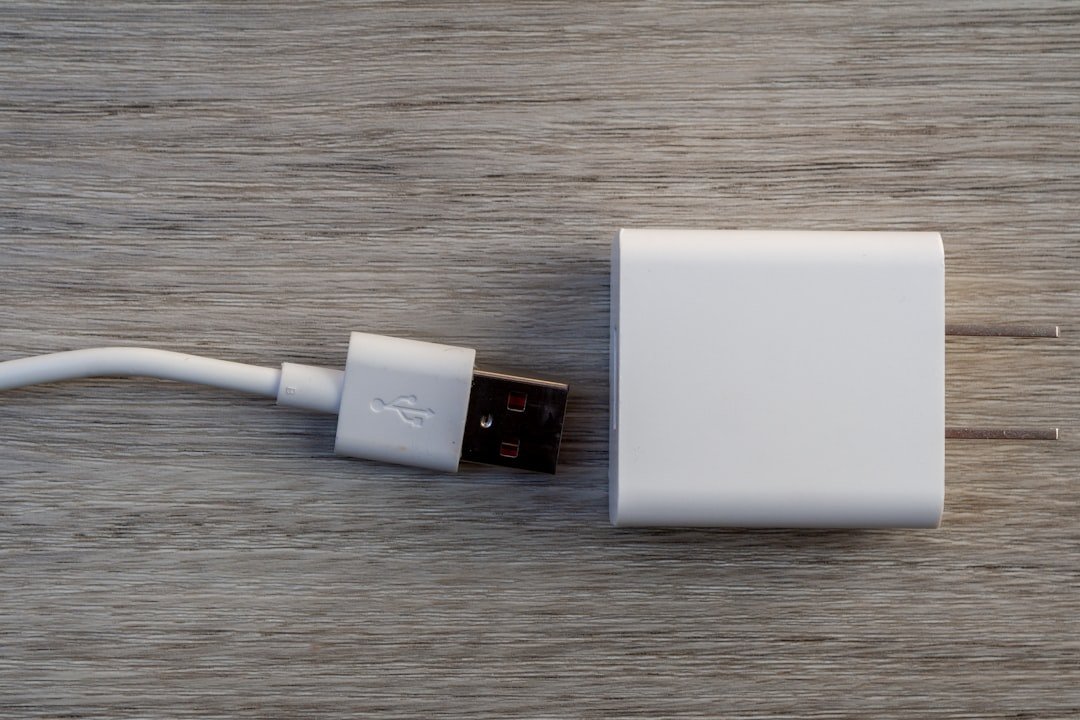
What should you look for in a modern travel adapter? At minimum, you want USB-C PD (Power Delivery) capable of 30W+ output for laptop charging, plus 2-3 additional USB-A or USB-C ports for simultaneous device charging. GaN (gallium nitride) technology has revolutionized this space—these chargers run cooler and pack more power into smaller form factors than traditional silicon chargers. My current favorite, a GaN adapter with 65W USB-C output, can charge my MacBook Pro at full speed while simultaneously fast-charging my phone and wireless earbuds case.
The time savings here is massive. Instead of waking up to a half-charged phone because your adapter’s ports trickle-charged everything overnight, modern fast-charging adapters actually top off your devices while you sleep. This matters whether you’re navigating foreign cities with Google Maps, catching early morning flights, or simply starting each day at 100% rather than playing battery roulette.
Surge Protection: Why It Matters More Than You Think
Let’s talk about what fried my laptop adapter in Prague: power surges. Many countries, especially developing nations, have unstable power grids with voltage fluctuations that can destroy sensitive electronics. Costa Rica’s电网 notoriously spikes during storms. Parts of Southeast Asia experience regular brownouts. Even “safe” destinations like Japan can have surges when power returns after outages.
Most budget travel adapters offer zero surge protection—they’re essentially pass-through devices that send whatever voltage comes out of the wall directly into your devices. This is fine for charging a phone, but potentially catastrophic for expensive electronics. After the Prague incident, I switched to adapters with built-in surge protection and never looked back.
Surge protection features to look for include joule ratings (higher is better—500+ joules is solid), indicator lights showing protection is active, and thermal fuses that cut power if the adapter itself overheats. Some premium adapters even include AC outlets with full surge protection, perfect for plugging in laptops directly rather than relying on USB charging. This feature saved my laptop during a thunderstorm in Bali—the surge protector tripped, the indicator light turned red, and my laptop emerged unscathed while the room’s television wasn’t so lucky.
Is surge protection overkill for casual beach vacations? Maybe. But if you’re traveling with expensive electronics, working remotely, or visiting destinations with known power instability, surge-protected adapters are cheap insurance compared to replacing a fried laptop or camera. Consider it travel insurance for your gear at a fraction of the cost.
Grounding and Safety: The Boring Details That Matter
Here’s a technical detail most casual travelers overlook but that becomes crucial in older buildings: grounding. Many historic hotels, guesthouses, and apartments in Europe and Asia have ungrounded two-prong outlets rather than modern three-prong grounded sockets. This creates a safety issue for devices that require grounding—most commonly laptops with metal chassis.
Proper grounding prevents electrical shock and protects devices from damage. When an adapter doesn’t make proper grounding contact, you might feel a slight tingle when touching your laptop’s metal case (I have, and it’s unsettling). Worse, you risk damaging the device’s internal components over time. I noticed this issue in a centuries-old building in Prague where every outlet was ungrounded and my laptop constantly zapped me when plugged in.

The solution? Look for adapters with grounding capabilities and safety certifications. CE certification (European Conformity) and FCC certification indicate the adapter meets rigorous safety standards. Some premium adapters feature sliding grounding pins that adapt to both grounded and ungrounded outlets, ensuring you maintain safe electrical contact regardless of the infrastructure you encounter.
Additionally, check for built-in safety shutters on AC outlets—these prevent curious children (or clumsy adults) from accidentally inserting objects into live sockets. Overcurrent protection and flame-resistant materials are other safety features worth the extra cost. These details seem mundane until you need them, at which point they become the difference between a minor annoyance and a dangerous situation.
Cruise Ship and Airplane Considerations
Cruise cabins and airplane seats present unique power challenges that many standard adapters don’t address. On ships, cabin outlets are often limited in number and strategically inconvenient. On planes, the available power (if any) varies wildly by aircraft and seat class. I’ve spent long-haul flights working from business class with abundant power, only to switch to economy on the return and find zero available outlets.
For cruisers, the game-changer is a non-surge-protected power strip. Most cruise lines ban surge protectors because they can interfere with ship electrical systems, but they allow power strips without surge protection. These compact strips turn one cabin outlet into three or four, letting you charge your phone, camera, and smartwatch simultaneously without playing musical chairs with limited outlets.

Airplane power, conversely, requires understanding your aircraft’s offerings. Many modern planes offer USB and sometimes AC power at every seat, but the output is often limited to 10-15 watts—enough for phones and tablets but not for charging laptops. Business and first class typically have EmPower ports that deliver higher wattage suitable for computers. The solution? Carry both a standard USB charger and a laptop-specific charger that can handle variable power inputs. Or do what I do: work offline during flights and charge everything during layovers where airport lounges and gate outlets provide more reliable power.
Road warriors who frequently fly might also consider battery packs as backup power. High-capacity battery packs under 100Wh are FAA-approved for carry-on and can charge a phone 4-6 times, keeping you powered even when seat power fails or isn’t available. I covered this in depth in my guide to travel power banks, but the short version is: think of it as your personal power plant that fits in a backpack pocket.
Compact vs. Feature-Rich: Finding the Right Balance
Travel adapters fall on a spectrum from ultracompact plug converters to full-featured power stations. The tiny adapters that fit on a keychain are adorable and incredibly portable, but they typically lack USB ports, surge protection, and voltage conversion—essentially just plug shapers that don’t add functionality. At the other extreme, some “travel adapters” are essentially mini power stations with AC outlets, multiple USB ports, LCD displays, and enough heft to anchor a small boat.
I’ve tested both extremes and landed somewhere in the middle. My sweet spot is adapters roughly the size of a pack of playing cards—substantial enough to include useful features but not so bulky they dominate my packing list. Mid-sized adapters typically offer 2-4 USB ports, basic surge protection, and universal plug compatibility without weighing down your carry-on.
Consider your travel style when choosing adapter size. Business travelers who pack light might prioritize ultracompact adapters that save precious space—as I discussed in my guide to lightweight luggage and backpacks, every ounce counts when you’re living out of a carry-on. Digital nomads living out of Airbnbs for weeks at a time might prefer feature-rich adapters that serve as semi-permanent power solutions. Families traveling with kids might need multiple adapters to keep everyone’s devices charged, making smaller individual units practical. Vacation travelers taking one big trip per year might invest in a premium do-it-all adapter rather than buying multiple cheaper units.
The key is matching adapter capabilities to your actual needs rather than overbuying features you’ll never use or undershooting and finding yourself underpowered. Start by counting your USB devices, checking if you need voltage conversion, and deciding whether surge protection matters for your destinations. Then choose an adapter that checks those boxes without unnecessary bulk or cost.
Building Your Travel Power Ecosystem
After years of trial and error, I’ve settled on a layered approach to travel power that works anywhere. My core kit consists of: one high-quality universal adapter with USB-C fast charging and surge protection (primary); one regional adapter for my most-visited destinations (backup); one compact power strip for hotel rooms with limited outlets (expansion); and one high-capacity battery pack for flights and airport lounges (emergency power). This system has kept me powered through everything from luxury hotels to remote jungle lodges without ever being left stranded with dead devices.
Building your own power ecosystem starts with identifying your baseline needs: how many devices do you regularly travel with? Do they require fast charging or is slow charging acceptable? Are you visiting destinations with stable power or potential issues? Answer these questions first, then select adapters and complementary gear that address your specific situation rather than buying generic “best of” lists that might not match your travel reality.
Remember that travel adapters are connectivity tools—they’re the bridge between your devices and the world’s electrical infrastructure. Investing in quality adapters isn’t just about convenience; it’s about ensuring reliable access to the digital resources that make modern travel possible. Navigation, translation, communication, entertainment, work—none of these happen without power. The right adapters keep you connected, productive, and prepared wherever your journeys take you.
Final Thoughts: Powering Your Adventures
The best travel adapter is the one you don’t have to think about—the one that simply works, day after day, country after country, quietly keeping your devices charged and ready. That’s the adapter that lets you focus on experiences rather than scrambling for outlets, that prevents fried electronics and dead batteries from derailing your adventures. It’s worth investing a few extra dollars in quality gear rather than learning the hard way (like I did in that London hotel room) that cheap adapters are expensive in the long run.
Whether you’re a frequent flyer racking up countries or an occasional vacationer taking that one big international trip, reliable power isn’t optional anymore—it’s essential. Choose adapters that match your travel style, protect your devices, and provide the charging capacity you actually need. Your future self, checking into a hotel after 20 hours of travel and desperate to charge everything, will thank you for planning ahead and packing power solutions that don’t quit when you need them most.
Safe travels, and may your batteries always stay full wherever the road takes you.