Want to travel more but spend less? Discover proven strategies for budget travel, from finding cheap flights to free activities. Save thousands without sacrificing experiences with our comprehensive money-saving guide.
Introduction: The Freedom of Affordable Travel
Here’s the honest truth: You don’t need to be rich to travel well. In fact, some of the most authentic, memorable travel experiences happen on a budget—not despite the budget, but because of it. When you’re not dropping $500/night on hotels, you’re more likely to connect with locals, discover hole-in-the-wall gems, and create stories worth telling.
We’ve traveled through 40+ countries on a shoestring, and we’ve learned that expensive doesn’t always equal better. Some of our favorite meals cost $3 at street stalls. Some of our most meaningful conversations happened in $10/night hostels. The world is full of incredible experiences that cost little or nothing—if you know where to look.
This guide isn’t about deprivation. It’s about smart allocation. Spend less on things that don’t matter (overpri
ced hotels, tourist traps) so you can spend more on what does (experiences, food, extending your trip). We’ll show you exactly how to stretch your travel budget without compromising on the quality of your adventures.
Let’s get you traveling more for less.
Chapter 1: Mastering the Flight Game
Airfare typically gobbles up 40-50% of travel budgets. Master flight savings, and everything else becomes easier.
The Golden Windows
Book domestic flights: 6-8 weeks in advance
Book international flights: 10-12 weeks in advance
Why These Windows Work:
Airlines release their lowest fares during these periods. Book earlier, and you pay premiums for flexibility. Book later, and prices surge as airlines capture desperate last-minute travelers.
Pro Strategy: Set fare alerts immediately when you start planning. The Hopper App predicts price movements with 95% accuracy and notifies you when to buy.

Tuesday Afternoon Rule
Best Booking Time: Tuesday at 3 PM Eastern Time
The Science:
Aleys often release fare sales on Monday nights. By Tuesday afternoon, competitors have matched (or undercut) those prices. This creates a temporary pricing sweet spot before weekend demand drives prices back up.
Reality Check: The savings aren’t massive (typically $30-60), but every dollar counts. More importantly, Tuesday booking gives you access to the most inventory before weekend travelers grab seats.
Budget Airline Strategies
The Players:
– International: Norwegian, Level, PLAY, AirAsia
– Domestic (US): Southwest, Spirit, Frontier, Allegiant
– Europe: Ryanair, EasyJet, Wizz Air
– Asia: AirAsia, IndiGo, Cebu Pacific
The Trade-Offs:
– ✅ Lower base fares (sometimes 70% cheaper)
– ❌ Baggage fees ($30-60 per bag)
– ❌ Seat selection fees
– ❌ No complimentary meals/drinks
– ❌ Stricter change/cancellation policies
When Budget Airlines Make Sense:
– Short flights (<4 hours) where amenities matter less – You travel with only a personal item (carry-on avoidance) – Base fare savings exceed added fees
When They Don’t:
– Long-haul flights where comfort matters
– You need multiple checked bags
– Flexible tickets (budget airlines often charge $100+ to change)
Money-Saving Hack: Credit cards that include free checked bags (like the Chase Sapphire Reserve) often pay for themselves in baggage fees alone.
The “Hidden City” Trick (Advanced)
How It Works:
Book a flight with a layover in your destination city, then skip the final leg. Sometimes flights to smaller cities cost more than flights to major hubs.
Example: Flight from NYC to Asheville, NC might cost $400. Flight from NYC to Atlanta (with a layover in Asheville) might cost $250. Book the Atlanta flight, get off in Asheville.
Critical Rules:
– ✅ Carry-on ONLY (checked bags go to final destination)
– ✅ One-way tickets only (airlines will cancel return if you miss a segment)
– ❌ Don’t do this frequently (airlines can ban you)
– ❌ Never give your frequent flyer number (tracks your no-shows)
Use Responsibly: This exists in a gray area. We don’t recommend abusing it, but occasional use isn’t going to trigger an airline crackdown.
Alternative Airports
The Strategy:
Fly into smaller secondary airports near major cities. These airports often have lower fees, less competition, and better deals.
Examples:
– Paris: Beauvais (instead of Charles de Gaulle)
– London: Gatwick or Stansted (instead of Heathrow)
– Tokyo: Narita (domestic-only alternative to Haneda)
– Los Angeles: Burbank or Long Beach (instead of LAX)
Trade-Off: Factor in transportation costs to reach your actual destination. Sometimes the cheaper flight + expensive transport costs more than the direct flight to the main airport.
Tool: Google Flights shows nearby airports automatically. Look for the “Nearby Airports” filter.
Chapter 2: Accommodation Hacks
Hotels don’t have to be your biggest expense. In fact, they shouldn’t be.
Hostels (Yes, Even for Adults)
Average Cost: $15-40/night (vs $100-300 for hotels)
What You Actually Get:
– Dormitory-style rooms (4-16 beds)
– Shared bathrooms (usually clean)
– Communal kitchens (cook your own meals)
– Traveler communities (instant friends and advice)
– Local knowledge from staff
Modern Hostels Are Not Your Dad’s Hostels:
– Many offer private rooms (still cheaper than hotels)
– Gender-specific dorms available
– En-suite bathrooms increasingly common
– Social events (pub crawls, walking tours)
– Co-working spaces for digital nomads
Our Top Platforms:
– Hostelworld – Largest selection, verified reviews
– Booking.com – Increasing hostel inventory
– Hostelz – Comprehensive hostel aggregator

Airbnb Alternatives
Vrbo (Vacation Rentals by Owner):
– Often cheaper than Airbnb (lower fees)
– Focuses on whole-home rentals (great for groups)
– Owner-managed (less corporate than Airbnb)
Homestay:
– Stay with locals in their homes
– Includes breakfast often
– Cultural exchange emphasis
– Typically cheaper than hotels
Couchsurfing:
– ✅ Completely FREE
– ✅ Authentic local experience
– ✅ Instant local connections
– ❌ Quality varies wildly
– ❌ Safety concerns (vet hosts carefully)
– ❌ Not suitable for couples/families often
House Sitting:
– ✅ FREE accommodation in exchange for pet/plant care
– ✅ Live like a local in residential neighborhoods
– ✅ Kitchen facilities and full amenities
– ❌ Responsibilities tie you down
– ❌ Competitive in desirable locations
– ❌ Requires references and trust
Top House Sitting Platforms:
– TrustedHousesitters – Premium membership (~$129/year) pays for itself in 2-3 nights
Work Exchanges (Trade Time for Accommodation)
World Wide Opportunities on Organic Farms (WWOOF):
– Work 4-6 hours/day on organic farms
– Receive food and accommodation
– Learn sustainable farming practices
– Connect with locals deeply
Workaway:
– Various projects (hostels, farms, eco-villages)
– 5 hours work per day
– Accommodation and often food included
– $44/year membership fee pays for itself instantly
HelpX:
– Similar to Workaway
– Focus on hostels, B&Bs, farms
– Trade work for room and board
Real Value: We’ve saved $2,000+ in accommodation costs through work exchanges—and gained experiences no tourist could buy.
Camping (Where Legal and Safe)
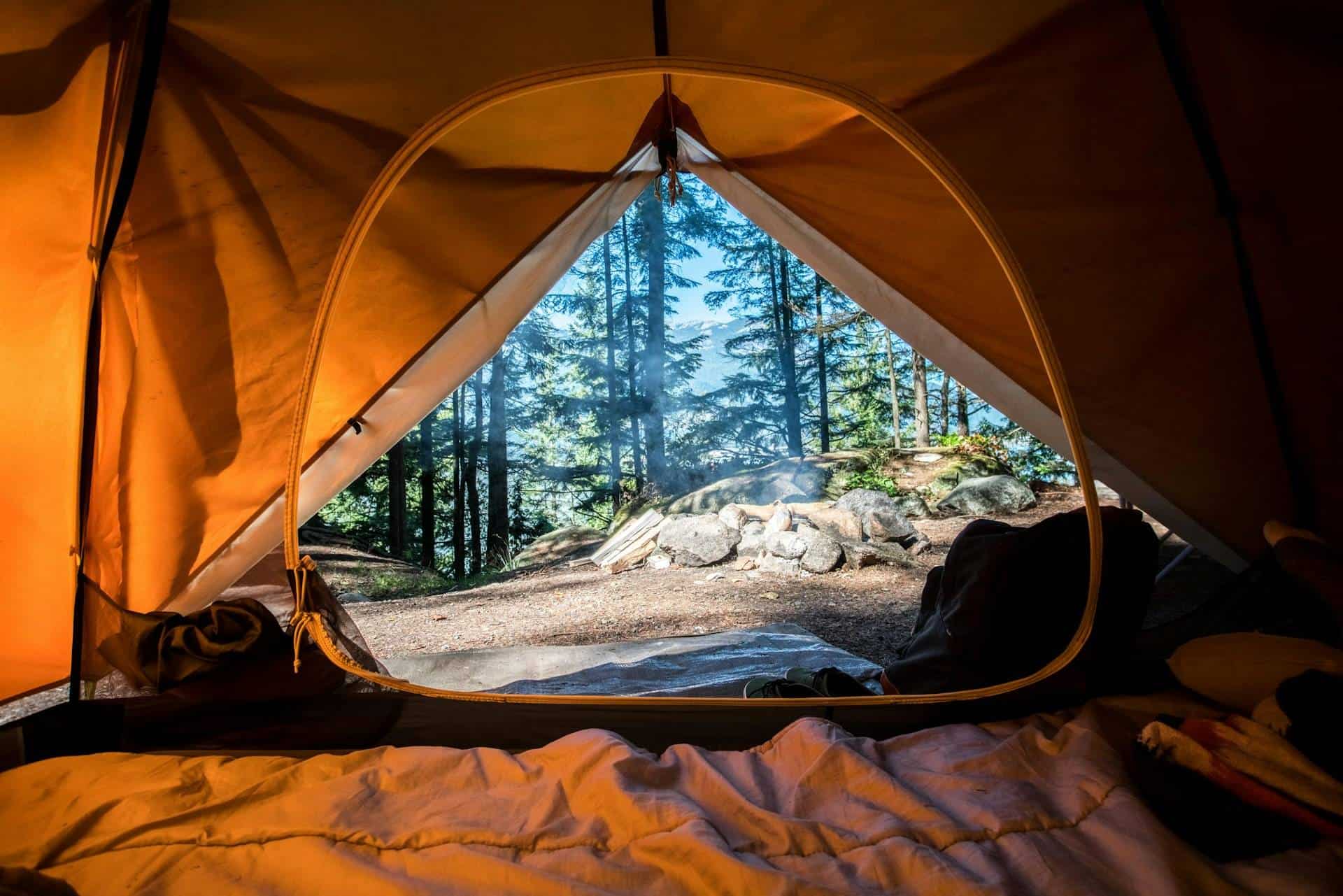
Average Cost: $15-30/night (developed campgrounds) or FREE (dispersed camping)
Budget Camping Setup:
– Coleman Sundome Tent – $60-80, reliable 3-season tent
– Teton Sports Outfitter XXL Camp Cot – $80-100, sleep off the ground comfortably
– Kelty Cosmic Down Sleeping Bag – $160-200, quality warmth-to-weight ratio
Free Camping Options:
– BLM Land (US): Dispersed camping allowed on most Bureau of Land Management land
– National Forests: Free dispersed camping outside designated campgrounds
– Apps: iOverlander (free camping database), Campendium
Critical Rules:
– Research regulations beforehand (some areas ban camping)
– Practice Leave No Trace principles
– Be bear-aware in appropriate regions (proper food storage)
– Respect private property
Chapter 3: Eating Well on a Budget
Street Food: Where the Flavor Lives
Why It’s Brilliant:
– ✅ Authentic local cuisine (not tourist-restaurant versions)
– ✅ $2-8 per meal vs $15-40 at restaurants
– ✅ Social experience (eating with locals)
– ✅ Freshly prepared (high turnover)
– ❌ Quality varies (follow the crowds)
Finding Safe Street Food:
– Look for long lines (locals know what’s good)
– Check for high turnover (food shouldn’t sit around)
– Observe food handling practices
– Start with cooked foods (safer than raw initially)
– Bring hand sanitizer and wet wipes
Our Rule: If locals are eating there, it’s probably safe. Tourist restaurants survive on first-time visitors; street food stalls survive on repeat customers.
Grocery Stores Are Your Friend
Strategy:
– Breakfast: Grocery store (yogurt, fruit, granola) = $3-5
– Lunch: Grocery store + picnic = $5-8
– Dinner: Restaurant experience = $15-30
What to Buy:
– Fresh fruit and vegetables
– Local bread and cheese
– Yogurt and granola
– Peanut butter (protein, shelf-stable)
– Local snacks (cheaper than imported)
Budget Breakfast Setup:
– Yeti Hopper Flip 12 Soft Cooler – Keeps perishables fresh for days
– Hydro Flask Food Flask – Hot meals stay hot, cold stays cold
– sporks – Light, reusable utensils
Restaurant Money-Saving Tactics
Lunch Over Dinner:
Many restaurants offer identical lunch menus at 30-50% lower prices. Same food, less demand = better deal.
Daily Specials:
Look for chalkboard specials or ask servers. Restaurants push specific dishes and often discount them.
Local Alcohol:
Imported alcohol (wine, beer, spirits) costs significantly more. Drink local—it’s better anyway.
Share Plates:
Portion sizes vary wildly. When in doubt, ask. In many countries, one main course satisfies two people.

Chapter 4: Transportation at Your Destination
Public Transport Mastery
Research Before Arrival:
– Download local transit apps
– Screenshot maps (offline access)
– Understand day pass options
– Learn peak vs off-peak pricing
Day Passes:
Most cities offer unlimited daily transit passes. If you’re taking 3+ trips/day, these pay for themselves.
Walking:
The ultimate budget transport. Plus, you see more. Plan geographically logical days (visit all attractions in one area) to minimize transport needs.
Bike Rentals:
Many cities have bike-share programs. For longer stays, renting a bicycle beats buses for flexibility and exercise.
Ride-Sharing Strategies
Uber vs Local Apps:
In many countries, local ride-sharing apps (Grab in Southeast Asia, Bolt in Europe, Ola in India) are cheaper than Uber.
Pool Options:
Uber Pool, Lyft Shared—share rides with strangers for 20-30% savings. Slower, but cheaper.
Off-Peak Travel:
Surge pricing during rush hours (morning/evening commutes). Travel midday for standard rates.
Long-Distance Budget Options
Overnight Buses/Trains:
– Save on accommodation (sleep while traveling)
– Often cheaper than flights
– See countryside you’d miss flying
– Downsides: Less comfortable, potential for theft
Rome2Rio Platform:
Compares all transport options (planes, trains, buses, ferries) with pricing and duration. Essential for route planning.
Chapter 5: Free and Low-Cost Activities
The Magic of Free Walking Tours
How They Work:
– Companies offer 2-3 hour walking tours
– You decide what to pay at the end (tip-based)
– Local guides share insider knowledge
– Groups range from 10-30 people
Why They’re Brilliant:
– Learn the city fast (orientation + history)
– Get restaurant and attraction recommendations
– Meet other travelers (built-in social network)
– Accessible entry point (no upfront cost)
Top Platforms:
– Sandemans New Europe – Major European cities
– Free Tour – Global network
– Local operators (search “[city] free walking tour”)
Tipping Reality: $10-20 per person is standard. Still cheaper than paid tours ($30-50).
Museum Free Days
Research Strategy:
Many museums offer:
– Weekly free hours (often first Tuesday of month)
– Monthly free days
– Student discounts (even for non-students with ISIC cards)
– Pay-what-you-wish hours
Examples:
– Louvre (Paris): Free for under-26 (EU residents)
– British Museum (London): Always FREE
– Metropolitan Museum (New York): Suggested admission ($25 for adults, but pay what you wish)
– Most Smithsonian museums (Washington D.C.): Always FREE
Pro Tip: Book free entry slots online in advance—they still require reservations even when free.
Nature = Free
Hiking:
– Research trails on AllTrails app
– Many countries have extensive trail networks
– Waterfalls, mountains, forests—almost always free
– Rent gear locally if needed (cheaper than buying)
Beaches:
– Public beaches are almost always free
– Some popular beaches charge chair/umbrella fees (skip those)
– Sunrise and sunset cost nothing
Parks and Gardens:
– Urban parks often free
– Botanical gardens sometimes charge modest fees ($5-10)
– Great for picnics and relaxation
Architecture and Neighborhoods
Self-Guided Walking:
– Pick a neighborhood and explore
– Notice architectural details
– Browse local markets (free entertainment)
– People-watch from cafes (buy one coffee, stay for hours)
Photography:
– Wandering with a camera costs nothing
– Captures memories you’d otherwise forget
– Forces you to observe details
Religious Buildings:
– Churches, mosques, temples often free (small donation requested)
– Incredible architecture and art
– Cultural insights
Chapter 6: Smart Packing (Less Weight, Less Fees)
Carry-On Only Strategy
Benefits:
– No checked bag fees ($30-60 each way)
– No lost luggage risk
– Faster airport experience
– Greater mobility (navigate stairs, public transport easily)
Packing Light Essentials:
– Osprey Porter 46 – Max carry-on size, opens like suitcase
– Eagle Creek Pack-It Cubes – Organization saves space
– Merino wool clothing – Wear multiple days without odor
– Scrubba Wash Bag – Hand wash clothes anywhere
The 3-2-1 Rule:
– 3 tops (rotate layers)
– 2 bottoms (pants/shorts, skirt/dress)
– 1 pair shoes (wear your heaviest pair traveling)
– Plus underwear and socks (wash frequently)
Travel-Specific Gear Worth the Investment
Items That Pay for Themselves:
– Quality travel towel: Sea to Summit DryLite Towel – Compact, antimicrobial
– Universal adapter: Epicka Universal Travel Adapter – Works in 150+ countries
– Portable power bank: Anker PowerCore 26800 – Charge phone 6+ times
– Padlocks: TSA-Accepted Locks – Secure hostel lockers
Avoid Travel-Only Items That Underperform:
– Money belts (draw attention, uncomfortable)
– Multiple gadgets (phone does most things)
– Excessive clothing (laundry exists everywhere)
Chapter 7: Technology and Apps That Save Money
Essential Travel Apps
Flight Booking:
– Skyscanner: Comprehensive search, includes budget airlines
– Google Flights: Best for date flexibility and price tracking
– Hopper: Price predictions and alerts
Accommodation:
– Hostelworld: Hostel reviews and bookings
– Booking.com: Hotels and hostels with free cancellation
– Airbnb: Alternative accommodations (compare prices first)
Transportation:
– Rome2Rio: Route planning between any two points
– Citymapper: Public transport in major cities
– Uber/Lyft: Ride-sharing
Navigation:
– Maps.me: Offline maps (crucial for areas with poor data)
– Google Maps: Download areas for offline use
Communication:
– WhatsApp: International texting and calling (free over WiFi)
– Google Translate: Offline translation for 100+ languages
Local SIM Cards vs. International Plans
Local SIM Cards:
– ✅ Much cheaper data rates
– ✅ Local phone number (useful for local bookings)
– ✅ Easy to purchase at airports or convenience stores
– ❌ Requires unlocked phone
– ❌ New number for each country
eSIMs (Newer Option):
– ✅ No physical SIM card swap
– ✅ Multiple plans on one phone
– ✅ Often cheaper than roaming plans
– ❌ Requires eSIM-compatible phone (newer iPhones, Androids)
– ❌ Limited availability in some countries
International Roaming Plans:
– ✅ Keep your number
– ✅ No setup needed
– ❌ Expensive ($10-15/day)
– ❌ Often have data caps
Our Recommendation: Local SIM for trips longer than 1 week. eSIM for multi-country trips. International roaming only for trips under 1 week or if your employer covers costs.
For destination-specific budget tips, see our guides to Colorado on a Budget.
Chapter 8: Budget Travel by Region
Europe: Smart Strategies
Biggest Money Drains: Accommodation, alcohol, intercity transport
Money-Saving Hacks:
– Eat lunch, not dinner: Many restaurants offer identical lunch menus at half price
– Grocery store breakfasts: Save $10-15/day
– City tourist cards: Include public transport + museum entry (calculate if worth it for your plans)
– Overnight trains: Save accommodation + transport simultaneously
– Eastern Europe: Cheaper than Western Europe (Poland, Hungary, Romania)
Regional Average Daily Budget:
– Western Europe: $60-100/day (budget traveler)
– Eastern Europe: $40-70/day
Southeast Asia: The Budget Paradise
Why It’s Incredible:
– Accommodation: $5-15/night (hostels), $15-30/night (guesthouses)
– Street food: $2-5/meal
– Transport: $5-10 for intercity buses
– Activities: Many temples, beaches, hikes are free or cheap
Average Daily Budget: $25-40/day covers everything comfortably
Where to Go:
– Thailand: Well-developed backpacker infrastructure
– Vietnam: Incredibly cheap, amazing food
– Cambodia: Cheapest temples (Angkor Wat)
– Indonesia: Gili Islands for diving on a budget
Latin America: Varied Budgets
Cheapest Countries:
– Bolivia: $20-30/day
– Guatemala: $30-40/day
– Nicaragua: $30-40/day
Moderate Budget Countries:
– Colombia: $40-60/day
– Peru: $40-60/day
– Ecuador: $40-60/day
More Expensive:
– Chile: $60-80/day
– Costa Rica: $60-90/day
– Argentina: Varies wildly due to inflation
Budget Tips:
– Eat at markets (mercados) instead of restaurants
– Use “colectivos” (shared taxis) instead of private transfers
– Stay in hostels (even private rooms cheaper than hotels)
– Travel in shoulder season (April-May, September-October)
Japan: Affordable Travel IS Possible
Common Myth: Japan is impossibly expensive
Reality:
– Accommodation: Capsule hotels ($20-40/night), hostels ($25-50/night)
– Food: Convenience stores ($3-6/meal), conveyor belt sushi ($10-15)
– Transport: JR Pass for long-distance, local IC cards for cities
– Attractions: Many temples charge $3-5 admission
Daily Budget:
– Strict budget: $50-70/day
– Comfortable budget: $80-100/day
Money-Saving Hacks:
– Eat at convenience stores (7-Eleven, FamilyMart, Lawson)
– Stay in business hotels (often cheaper than Western equivalents)
– Walk whenever possible (cities are pedestrian-friendly)
– Day passes for metro/subway systems
Chapter 9: Maximizing Rewards and Points
Travel Credit Cards
The Strategy:
Use travel rewards credit cards for everyday expenses, then redeem for free flights, hotel nights, or upgrades.
Top Cards for Beginners:
– Chase Sapphire Preferred: 60,000-point bonus (worth $750 in travel)
– Capital One Venture X: 75,000-mile bonus + $300 travel credit
– American Express Gold: 60,000-point bonus + excellent dining rewards
Redemption Strategies:
– Transfer points to airline/hotel partners (often 1.5-2x value)
– Book through Chase/Amex travel portals (simple but lower value)
– Use for upgraded experiences (business class, nicer hotels)
Critical Warnings:
– ✅ Pay balance in full monthly (interest erodes all benefits)
– ✅ Track annual fees (worth it for heavy travelers)
– ❌ Don’t overspend just to earn points
Airline Loyalty Programs
Free to Join:
Every major airline has a free loyalty program. Sign up before your first flight.
Maximize Earning:
– Book flights directly with airline (not through Expedia/Orbitz)
– Use airline’s dining/rental car/shopping partners
– Credit card portals often offer bonus miles for purchases
Status Reality:
Elite status requires significant flying. Most casual travelers won’t achieve meaningful status. Don’t chase status unless you fly frequently.
Hotel Loyalty Programs
Major Programs:
– Marriott Bonvoy: 30+ hotel brands worldwide
– Hilton Honors: 18 brands, easy status matches
– World of Hyatt: Fewer properties but excellent value
– IHG Rewards: InterContinental, Holiday Inn, Crowne Plaza
Value Strategy:
– Points redemption often gets 1-2 cents per point value
– Free night certificates (earned with certain cards)
– Elite status perks (breakfast, late checkout, room upgrades)
Reality Check: Don’t stay at a more expensive hotel just to earn points. The points value rarely outweighs the extra cost.
Chapter 10: Avoiding Common Budget Travel Traps
The “Free” Breakfast Trap
The Scenario:
Hotels offering “free breakfast” charge $20-40/night more than comparable hotels without breakfast.
The Math:
– Breakfast at hotel: $20-40 extra
– Breakfast at café: $5-10
– Grocery store breakfast: $3-5
– Savings: $15-35/day
Lesson: Calculate whether “free” amenities actually increase total cost.
Tourist Restaurant Zones
The Pattern:
Restaurants within 2-3 blocks of major attractions charge 50-100% more for lower quality food.
Solution:
– Walk 5-10 minutes away from attractions
– Look for restaurants filled with locals (not tourists)
– Download Google Translate to read menus in local language
– Ask accommodation hosts for neighborhood recommendations
Currency Exchange Booths
The Reality:
Airport and train station exchange booths offer terrible rates and high fees.
Better Options:
– Use local ATMs (withdraw larger amounts less frequently)
– Credit cards with no foreign transaction fees
– Avoid currency exchange unless absolutely necessary
Pro Tip: Notify your bank of travel dates beforehand to avoid fraud freezes on foreign transactions.
Excessive Travel Insurance
What You Need:
– Medical emergencies (primary concern)
– Trip cancellation (if non-refundable bookings)
– Lost/stolen luggage
What You Probably Don’t Need:
– Cancel for any reason (expensive, rarely used)
– Rental car collision (check if your credit card covers this)
– Travel delay (unless traveling during hurricane season, etc.)
Cost: Medical travel insurance typically costs 4-8% of total trip cost. Worth every penny for international travel where your domestic health insurance won’t cover you.
Sample Budget Breakdowns
Week in Barcelona (Budget Traveler)
Flights: $300 (from East Coast US, booked in advance)
Accommodation: $280 ($40/night hostel)
Food: $175 ($25/day = grocery breakfast, picnic lunch, cheap dinner)
Transport: $40 (public transport, mostly walking)
Activities: $50 (free walking tour, park time, one museum)
Miscellaneous: $50 (SIM card, laundry, souvenirs)
TOTAL: $895
Middle-ground comparison (typical tourist): $1,800-2,200
Savings: $900-1,300 (50% less)
Month in Southeast Asia (Budget Traveler)
Flights: $500 (round-trip US to Bangkok)
Accommodation: $450 ($15/night average, mixing dorms and cheap guesthouses)
Food: $300 ($10/day, mostly street food)
Transport: $250 (buses, trains, occasional flights)
Activities: $200 (temples, beaches, occasional paid activity)
Visas: $100 (varies by country)
Miscellaneous: $150 (laundry, SIM card, incidentals)
TOTAL: $1,950
Daily Average: $65/day (incredible value for a month abroad)
Conclusion: Your Adventure Awaits
Budget travel isn’t about deprivation—it’s about freedom. Every dollar you save on overpriced hotels and tourist traps is a dollar you can spend extending your trip, having amazing experiences, or simply affording to travel more often.
The strategies in this guide work. We’ve used them to visit 40+ countries on a modest income. But here’s the secret: you don’t need to do everything perfectly. Implement a few of these tactics, and you’ll see dramatic savings. Start with the big wins (flights, accommodation) and refine your approach over time.
The world is too interesting to stay home because of money concerns. With smart planning and a bit of creativity, you can see more than you ever thought possible.
So what are you waiting for? Your next adventure is out there, and now you know how to afford it.
SEO Keywords: budget travel tips, how to travel cheap, backpacker budget, travel money saving, cheap flights, budget accommodation, affordable travel, travel hacks
1 thought on “Budget Travel: How to See the World for Less (2026 Edition)”
Comments are closed.