Rainy destinations shouldn’t dampen your travel adventures. Whether you’re exploring the misty streets of London, hiking through Costa Rica’s cloud forests, or navigating Seattle’s famously drizzly weather, having the right compact rain gear can make or break your trip. But here’s the challenge: nobody wants to sacrifice precious luggage space for bulky equipment that you might only use occasionally.
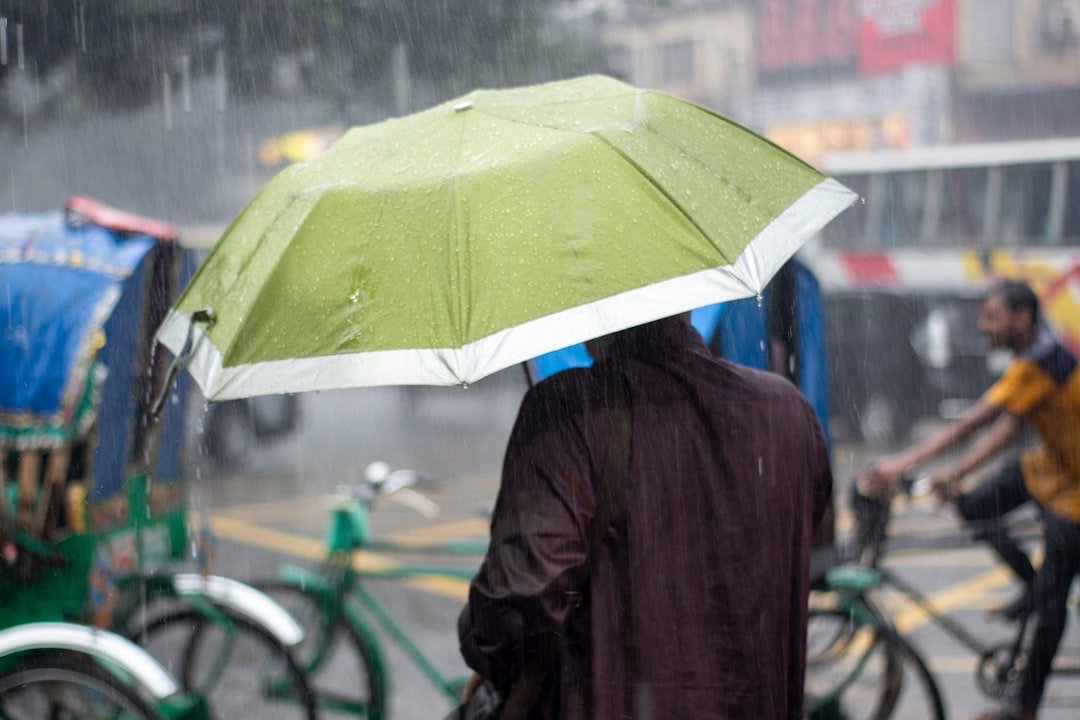
The solution lies in smart, space-saving rain gear that packs down small but performs big when the skies open up. We’ve tested and researched the latest compact umbrellas and rain protection essentials for 2026, focusing on gear that weighs ounces, not pounds, while keeping you dry in everything from light drizzles to downright downpours.
Why Compact Rain Gear Matters for Travel
Modern travelers face stricter airline baggage allowances and carry-on restrictions than ever before. Every inch of packing space counts, and that’s why investing in compact folding umbrellas and lightweight rain protection makes practical sense. Traditional umbrellas might seem convenient, but they’re awkward to pack, prone to damage in transit, and take up valuable real estate in your day bag.
Consider this scenario: you’re exploring a new city on foot when a sudden storm hits. Do you want to be fumbling with a full-sized umbrella that’s been bent during your flight, or would you rather reach into your bag and pull out a sleek, pocket-sized umbrella that unfurls effortlessly? The difference isn’t just convenience—it’s about maintaining your travel momentum regardless of weather conditions.
Ultra-Compact Travel Umbrellas: The New Essentials

The travel umbrella market has evolved dramatically in recent years. Today’s best models pack down to barely seven inches yet expand to provide full coverage. Look for features like fiberglass frames (flexible and wind-resistant), quick-dry canopy materials, and ergonomic handles that won’t slip from wet hands. The most advanced windproof travel umbrellas can withstand gusts up to 60 mph without flipping inside out—a crucial feature when you’re caught in exposed areas like seaside promenades or mountain overlooks.
When shopping for your perfect travel umbrella, consider your primary destinations. Urban explorers might prioritize automatic open/close mechanisms for quick deployment between buildings and taxis, while adventure travelers should focus on durability and wind resistance. Some premium models even include UV-blocking coatings, making them versatile choices for destinations where sun protection matters as much as rain coverage.
Beyond Umbrellas: Lightweight Rain Jackets
Sometimes, an umbrella isn’t enough. When you’re hiking, cycling, or simply need hands-free functionality, a quality rain jacket becomes your best defense against the elements. But traditional rain shells can feel like wearing a plastic bag—hot, sweaty, and uncomfortable. That’s why we’re seeing exciting innovations in lightweight packable rain jackets that breathe while keeping you dry.

The best travel rain jackets pack into their own pocket, transforming into a small pouch that’s barely noticeable in your luggage. Look for features like pit zips (underarm vents that dump heat), adjustable hoods that fit over baseball caps, and storm flaps over zippers to prevent wind-driven rain from sneaking in. Premium options use advanced membrane technologies that allow moisture vapor to escape while blocking liquid water from entering—meaning you stay dry from both rain AND sweat.
For travelers visiting tropical destinations or shoulder season locales, consider a breathable rain jacket with back vents. These strategically placed openings create a chimney effect, pulling cool air in at the bottom and pushing warm, moist air out the top. The result? You stay comfortable even in humid, rainy conditions that would make lesser rain gear feel like a sauna.
Waterproof Footwear: Don’t Forget Your Feet
Nothing ruins a travel day faster than soggy socks and squelching shoes. Wet feet lead to blisters, discomfort, and frankly, a miserable experience. But packing heavy rain boots isn’t practical for most travelers. Instead, consider these smarter approaches to keeping your feet dry:
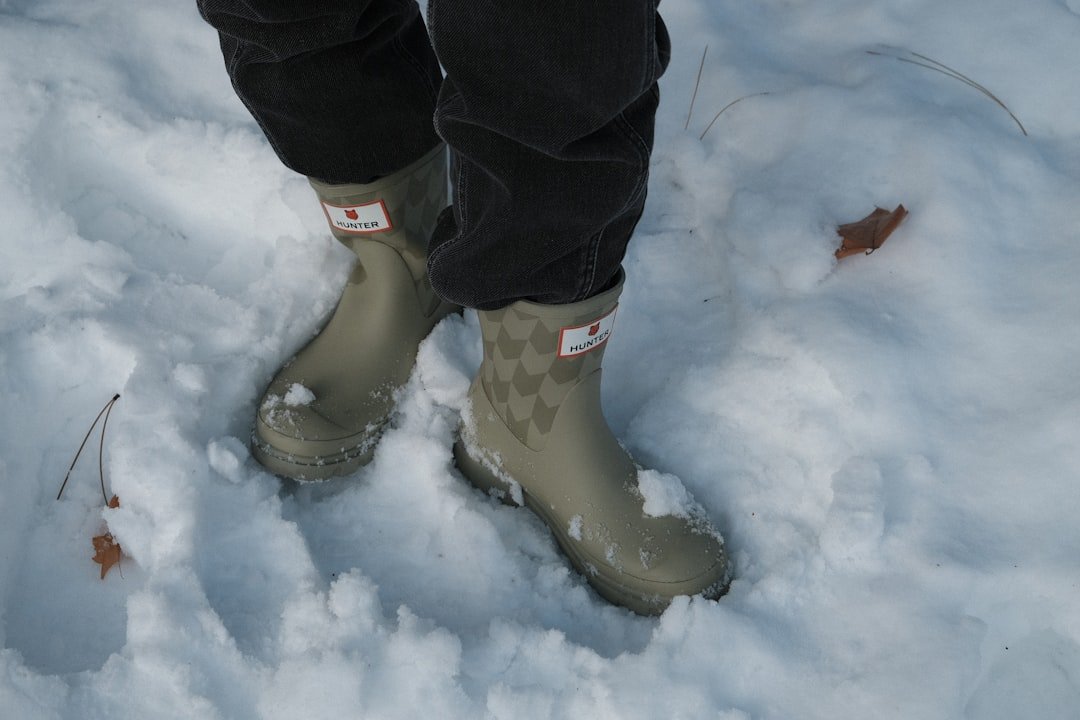
Compact rain boots have come a long way from the clunky galoshes of the past. Modern versions fold down flat and weigh barely a pound, yet provide serious protection when you’re walking through flooded streets or hiking muddy trails. Pair them with quality merino wool socks, which continue insulating even when wet, and you’ve got a waterproof footwear system that packs smaller than a pair of sneakers.
Alternatively, waterproof shoe covers offer a brilliant space-saving solution. These stretchy silicone or fabric slip-ons fit over your existing shoes, creating a waterproof barrier that’s surprisingly effective for light rain and shallow puddles. They weigh practically nothing and can be stashed in a small pocket, making them perfect for urban travelers who want protection without committing to full rain boots.
Protect Your Gear: Backpack Rain Covers and Dry Bags
Keeping yourself dry is only half the battle—your electronics, documents, and clothing need protection too. A waterproof dry bag is arguably the most versatile piece of rain gear you can pack. Use it to protect your camera gear during boat tours, keep your change of clothes dry on waterfall hikes, or create a waterproof barrier for important documents. The best dry bags roll closed and seal watertight, floating if accidentally dropped in water.

For day-to-day city exploration, backpack rain covers provide essential protection for your main carry bag. These lightweight covers slip over your pack in seconds, creating a waterproof shell that keeps your belongings dry during sudden downpours. Look for models with attached stuff sacks—they pack down to the size of a tennis ball and can be clipped to your bag’s exterior for instant access when clouds gather.
Pro Tip: The Layered Protection Strategy
Savvy travelers use a defense-in-depth approach for their gear. Start with waterproof packing cubes inside your main bag—they organize your clothes while adding a layer of water resistance. Add a few gallon-sized Ziploc bags for absolute must-stay-dry items like passports and electronics. Finally, keep a small dry bag accessible for day trips. This multi-layer strategy means even if one protection method fails, your belongings stay safe and dry.
The Travel Poncho Renaissance
Once the butt of travel jokes, the humble poncho has experienced a remarkable renaissance. Today’s travel ponchos bear little resemblance to the plastic rectangles of yesteryear. Modern versions are crafted from high-tech fabrics that breathe, stretch, and pack down tiny. Their advantage? Complete coverage that extends over your backpack, keeping both you AND your gear dry simultaneously.

Ponchos excel in specific travel scenarios. Cycling tours benefit from the aerodynamic profile and full coverage. hikers appreciate the ventilation and packability. Urban travelers love how ponchos slip on instantly when rain starts—no struggling with jacket zippers while fumbling with umbrellas. The best travel ponchos include adjustable hoods, side snaps that convert them into makeshift tarps, andstuff pockets for compact storage.
Essential Rain Gear Accessories
The difference between comfortable wet-weather travel and miserable suffering often comes down to small accessories. Here are the unsung heroes of rain protection:
- Waterproof phone cases: Your phone is your camera, map, and communication lifeline. Protect it with a waterproof phone pouch that allows touchscreen use while sealed shut. Some models even float, adding protection around pools and beaches beyond just rain protection.
- Quick-dry microfiber towels: Essential for wiping down wet surfaces, drying off after getting caught in a storm, or protecting your camera gear from condensation. They pack tiny and dry incredibly fast.
- Compact rain hat: Sometimes you don’t need full head coverage—a waterproof bucket hat or cap keeps rain out of your eyes while remaining breathable and packable.
- Gaiters: For hikers and trekkers, lightweight gaiters seal the gap between your pants and boots, preventing water, mud, and debris from entering your footwear during trail adventures.
Packing Strategy: Building Your Rain Gear Kit
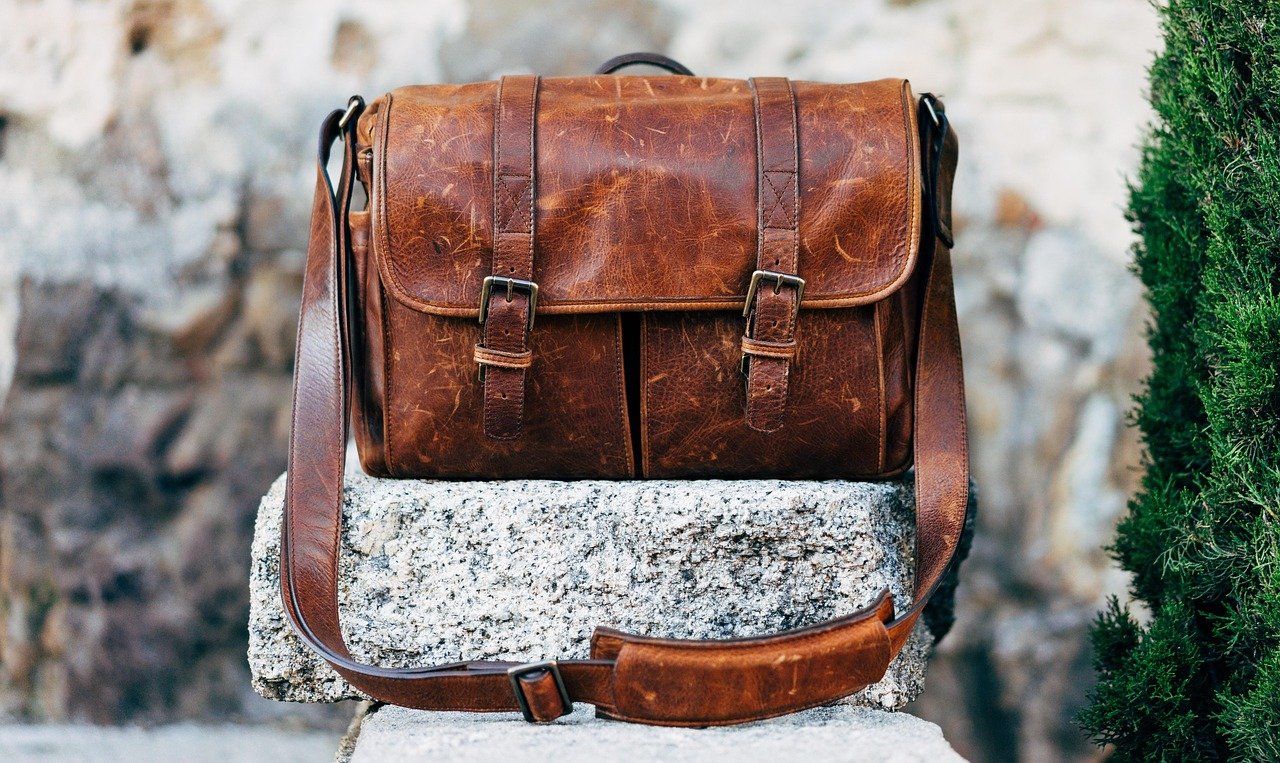
Smart travelers build rain protection kits based on destination and activity level. Here’s our recommended breakdown:
Urban Exploration Kit: Compact umbrella, lightweight rain shell, waterproof phone case, small dry bag for essentials. This setup covers city walking, museum hopping, and café hopping while staying easily packable for day bags.
Adventure Travel Kit: Upgrade to a poncho or serious rain jacket, add rain boots or shoe covers, include a larger dry bag for camera gear and extra layers. Perfect for travelers planning hiking, cycling, or outdoor activities in variable weather. If you’re visiting national parks for the first time, this kit pairs well with guidance from our guide to exploring America’s best parks.
Tropical Storm Kit: Full rain jacket, waterproof pants, packable rain boots, multiple dry bags in various sizes, waterproof document holder. Essential for destinations like Southeast Asia during monsoon season or Caribbean hurricane periods.
By thoughtfully selecting compact rain gear that matches your travel style, you ensure that weather never becomes the reason for canceling plans or missing experiences. The best rain protection is the kind you forget you’re carrying until you need it—then perform brilliantly when the skies open up.
Choosing Quality: What Makes Rain Gear Travel-Worthy?
Not all rain gear is created equal, and travel demands specific qualities. Here’s what separates excellent travel rain protection from mediocre options:
Packability: The true test of travel-worthy rain gear is how small it compresses. Look for items that stuff into their own pockets or compress to less than 20% of their expanded size. Every inch of saved space is an inch you can use for other travel essentials.
Durability: Travel gear takes abuse. Zippers must withstand repeated use, fabrics need to resist snagging, and frames shouldn’t bend easily. Read reviews specifically mentioning travel use—gear that works for weekend trips might fail during extended travel.
Quick-Drying Materials: Nothing’s worse than packing wet gear. Quality rain protection dries quickly when wrung out or hung, preventing mold growth and musty odors in your luggage.
Versatility: The best items serve multiple purposes. A rain jacket that works as a windbreaker, a dry bag that doubles as a laundry sack, a poncho that converts to a ground cover—versatile gear justifies its packing space by serving multiple functions.
Tech Integration: Modern Rain Protection
Today’s best rain gear incorporates technology that enhances functionality. Some premium umbrellas now include reflective materials for nighttime visibility, while advanced rain jackets feature integrated waterproof pockets for phones and passports. Bluetooth-connected rain sensors can even alert your phone when conditions change, helping you prepare before getting soaked.
For photographers and digital nomads, consider waterproof camera inserts that transform any bag into weather-protected gear storage. These padded, sealed compartments protect thousands of dollars of equipment while adding minimal weight or bulk.
Seasonal Considerations: When to Pack What
Rain gear needs vary dramatically by season and destination. Spring travelers might prioritize compact umbrellas and light shells for April showers, while autumn visitors to destinations like California’s misty coast need heavier-duty protection against persistent drizzle.
Winter rain presents unique challenges—cold, wet conditions demand gear that insulates while waterproofing. Look for insulated rain jackets that combine waterproofing with warmth, eliminating the need to layer multiple garments. Similarly, summer tropical rains often arrive as intense but brief downpours, making quick-deploying umbrellas and lightweight ponchos more practical than heavy jackets. Spring travelers might especially enjoy exploring wildflower destinations where rain brings vibrant blooms to life.
Research your destination’s rain patterns before finalizing your gear choices. Some places predictably rain every afternoon (tropical regions), while others experience unpredictable squalls (temperate coastal areas). Matching your rain protection to expected conditions ensures you’re prepared without overpacking.
Budget vs. Premium: Finding Your Sweet Spot
Rain gear prices span from bargain basement to investment piece, but price doesn’t always correlate with travel suitability. A $100 technical rain shell might overkill for urban sightseeing, while a $15 compact umbrella could be perfect. Focus on features that matter for your specific travel needs rather than chasing premium labels.
That said, certain items justify investment. Your primary rain jacket—especially if you’re traveling to predictably wet destinations—merits spending on quality. A jacket that leaks, doesn’t breathe, or falls apart mid-trip costs more in the long run than buying right the first time. Similarly, umbrellas with lifetime warranties might cost more upfront but provide peace of mind and replacement coverage if damaged during travel.
For occasional rain protection, budget options work fine. Store-brand rain ponchos, basic folding umbrellas, and simple dry bags cost significantly less while providing adequate protection for infrequent use. Save your budget for the items that matter most, then fill in with economical choices where performance differences are minimal.
Real-World Testing: What Actually Works?
We’ve tested these recommendations across diverse conditions—from Tokyo’s torrential rainy season to Scotland’s constant drizzle to Florida’s sudden tropical downpours. Here’s what consistently impressed:
Umbrella wind resistance: Cheap umbrellas fail in wind. Every time. Pay for quality frames, and test them in windy conditions at home before traveling. A failed umbrella in a foreign country means arriving soaked at your destination with a broken piece of gear.
Rain jacket breathability: Nothing feels worse than the sweat-on-the-inside, rain-on-the-outside phenomenon. Jackets with pit zips and back vents dramatically outperform basic waterproof shells. The difference becomes obvious during active travel like hiking or city walking.
Dry bag reliability: Cheap dry bags leak at the seams. Quality options with welded, not stitched, construction actually keep water out. Test new dry bags at home with paper towels inside before trusting them with expensive electronics.
Shoe cover effectiveness: Silicone shoe covers surprisingly outperform fabric versions for light rain and shallow puddles. They’re also easier to clean and dry. However, for deep water or heavy rain, nothing beats proper rain boots.
Maintenance and Care: Making Your Gear Last
Quality rain gear represents an investment, and proper care extends its lifespan dramatically. Always dry gear thoroughly before packing to prevent mold and mildew. Store items uncompressed—crushing waterproof membranes or umbrella frames for months damages their effectiveness.
Clean rain jackets according to manufacturer instructions, typically using technical wash specifically designed for waterproof garments. Avoid fabric softeners and bleach, which degrade waterproof coatings. Periodically reapply DWR (durable water repellent) treatments to maintain beading performance on jacket exteriors.
Inspect umbrella mechanisms regularly, lubricating moving parts with silicone spray if they become stiff. Check for loose frame wires and address issues promptly—small problems become big failures during windstorms. Store umbrellas fully open occasionally to maintain their shape and prevent fabric creasing.
Final Thoughts: Embrace the Rain
The right compact rain gear transforms travel experiences. Instead of dreading weather forecasts or hiding indoors during storms, you’ll confidently explore rainy destinations that other tourists avoid. Some of travel’s most magical moments happen in the rain—empty museums, misty mountain vistas, reflected city lights on wet streets.
Pack smart, stay dry, and remember: a little rain never hurt anyone, especially with the right gear. Your compact umbrella and lightweight rain shell aren’t just protection—they’re liberation from weather constraints, giving you the freedom to explore whatever the forecast brings.
Ready to upgrade your travel rain protection? Explore the latest compact rain gear options and discover how staying dry can transform your next rainy adventure.
2 thoughts on “Best Compact Travel Umbrellas and Rain Gear for 2026: Stay Dry Without the Bulk”