Winter’s gray grip is finally loosening across America, and nature’s most colorful spectacle is about to unfold. Spring 2026 promises to be exceptional for wildflower viewing, with meteorologists predicting spectacular blooms from California’s deserts to Texas Hill Country. After years of drought conditions, many regions received above-average winter rainfall, setting the stage for what could be the most impressive wildflower season in decades. Whether you’re chasing elusive superblooms or seeking peaceful meadows of mountain wildflowers, timing is everything—the peak display can vanish in weeks, leaving behind only memories and Instagram posts.
The science behind wildflower blooms is fascinatingly precise. Native wildflowers require what botanists call the “perfect trifecta”: steady rainfall beginning in November, sufficiently cold soil temperatures to trigger germination, and warm spring days without extreme heat waves. When conditions align, dormant seeds burst forth in synchronized masses, transforming barren landscapes into living paintings. But 2026’s forecast suggests we’re seeing more than just lucky weather patterns—climate shifts are creating what researchers call “blooming migration,” where traditional wildflower hotspots are expanding into new territories while others face uncertain futures.
California’s Superbloom Spectacle
California’s desert superbloom remains North America’s most dramatic wildflower phenomenon, and 2026 could deliver one of the most impressive shows in recent memory. Death Valley National Park, typically a moonscape of cracked salt flats and barren rock, transforms during exceptional years when winter rains trigger massive germination of desert gold, gravel ghost, and purple phacelia. The 2016 superbloom drew over 20,000 visitors to areas that typically see fewer than 1,000 annually, creating both ecological concern and economic opportunity for surrounding communities. This year’s predictions suggest Death Valley’s lower elevations along Badwater Road could see dense carpets of desert gold, those tiny yellow sunflower relatives that create the impression of spilled sunshine across the salt-encrusted earth.
Antelope Valley California Poppy Reserve offers a different but equally stunning spectacle. Unlike Death Valley’s otherworldly drama, this Mojave Desert Grassland ecosystem produces gentle rolling hills covered in orange California poppies so dense they appear as living lakes of fire against the brown hills. The reserve’s eight miles of trails wind through the bloom, but experienced photographers know the real magic happens during golden hour when the setting sun transforms each poppy into a glowing ember. Visitors should bring lightweight travel tripods for those low-light shots, as handheld photography in fading light often disappoints. The poppy reserve’s peak typically occurs mid-March through early April, but wildflower bloom updates posted on the reserve’s website help avoid disappointment—the display can change dramatically within days.

Carrizo Plain National Monument, often called California’s Serengeti, offers what many consider the most authentic superbloom experience. This remote grassland in San Luis Obispo County receives far fewer visitors than Antelope Valley despite offering equally impressive displays of goldfields, tidy tips, and baby blue-eyes. The monument’s Soda Lake Road becomes an unofficial wildflower corridor during peak bloom, with vast fields of yellow flowers stretching to the horizon beneath the Temblor Range. Photographers willing to explore beyond the main road discover hidden pockets where different flower species create natural bouquets—purple owl’s clover nestled beside orange fiddleneck and cream-colored tidy tips. The key to Carrizo is preparation: services are virtually non-existent, and cell service disappears completely. Pack high-capacity portable power banks for GPS navigation and emergency charging, along with plenty of water and sun protection. For more power bank recommendations, check out our guide on best travel power banks for international travel.
Texas Bluebonnet Season: A Lone Star Tradition
Texas takes wildflowers seriously enough to designate them the state flower, and bluebonnet season has evolved from natural wonder to cultural institution. From late March through mid-April, fields of lupinus texensis create distinctive blue carpets across Hill Country, drawing families with cameras and picnickers seeking the perfect photo backdrop. The tradition of photographing children among bluebonnets spans generations, though conservationists now urge visitors to minimize trampling through fragile root systems. Several destinations have developed designated photo areas to protect the flowers while accommodating visitors—Willow City Loop near Fredericksburg remains legendary among locals for its uninterrupted hillsides of blue mixed with Indian paintbrush and firewheel.
Brenham and Washington County claim some of Texas’s most reliable displays, with well-maintained trails and educational programs at local wildflower centers. What makes Texas wildflower season particularly accessible is the network of farm-to-market roads that wind through prime viewing areas, creating self-guided driving tours that require nothing more than a full tank of gas and a willingness to explore. Unlike California’s remote desert locations, Texas wildflower destinations typically offer restaurants, lodging, and modern amenities within easy reach. However, peak weekends (especially Easter) can create traffic congestion that rivals Austin rush hour—serious photographers should plan weekday visits or very early morning starts. For those capturing memories, travel-friendly mirrorless cameras deliver professional quality without the bulk of traditional DSLRs.
What many visitors don’t realize is that Texas’s wildflower season extends well beyond bluebonnets. From mid-April through May, different species take center stage across the state—Indian blanket in the Panhandle, bluebells in East Texas pine forests, prickly pear cactus displays in West Texas. The Lady Bird Johnson Wildflower Center in Austin maintains excellent bloom reports and species-specific viewing guides, transforming casual wildflower appreciation into botanical education. For visitors interested in native plant gardening, the center’s demonstration gardens showcase how wildflowers can be incorporated into residential landscapes, creating year-round habitat for pollinators even outside peak bloom season.
Desert Southwest: Beyond the Superbloom
While California grabs most superbloom headlines, Arizona’s Sonoran Desert offers reliably spectacular displays that fly under the radar. Saguaro National Park flanking Tucson delivers one of America’s most distinctive spring shows when giant saguaro cactus produce creamy white flowers that open at night and wilt by noon the following day. This brief blooming window typically occurs in late April through May, creating what regular visitors call the cactus moon—when thousands of saguaro flowers bloom simultaneously under desert night skies. The park’s east and west units offer different experiences: east unit trails wind through rolling foothills with dense saguaro forests, while the west unit features higher elevations and different wildflower species including penstemon, desert marigold, and fairy duster.

Sedona’s red rock country provides what might be the Southwest’s most photogenic wildflower backdrop. When spring rains cooperate, the area’s signature vermilion cliffs serve as dramatic contrast against delicate desert marigold, lupine, and Mexican gold poppy. The Hanging Garden Trail near Devil’s Bridge offers accessible wildflower viewing combined with geological wonder, while more adventurous hikers tackle the Bear Mountain trail for elevated perspectives of entire hillsides painted in yellows and purples. What sets Sedona apart is the variety of microclimates within easy driving distance—dry desert floors give way to pine-covered highlands within a few miles, creating simultaneous displays of completely different wildflower communities. Serious landscape photographers often pack graduated neutral density filters to balance bright skies with darker foregrounds, a common challenge when photographing wildflowers against dramatic scenery.
Southern Utah’s canyon country delivers wildflowers that feel almost otherworldly. Coral Pink Sand Dunes State Park produces displays of dwarf lupine and Indian paintbrush that grow directly from shifting sands, creating natural color gradients that artists would struggle to imagine. Nearby Zion National Park’s higher elevations support different species including Zion shooting star, a delicate purple flower found only in the park’s specific canyon microclimates. The key to Utah wildflower chasing is elevation gain—what’s blooming at canyon bottom might be completely different from what’s flowering at rim level. Spring typically arrives first at lower elevations (March-April) before progressing upward through May and June, effectively extending the viewing season for visitors willing to explore different elevations.
Mountain Meadows: High Elevation Blooms
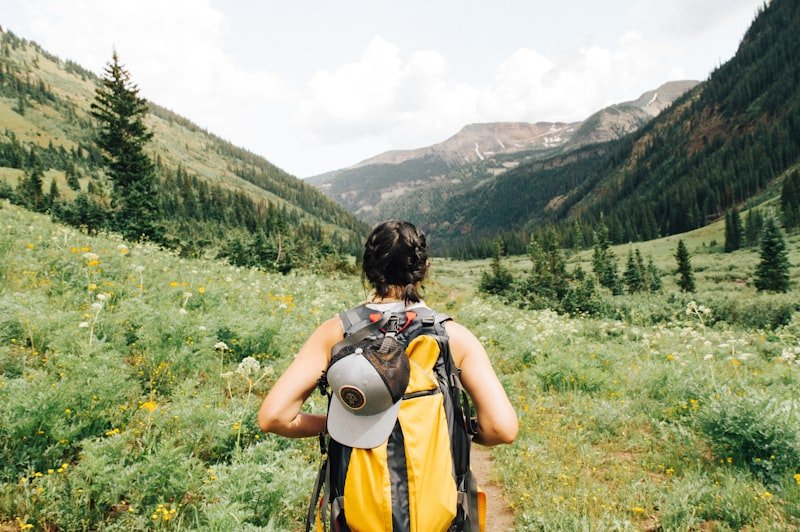
As desert wildflowers fade with rising summer temperatures, mountain wildflower season is just beginning across western ranges. Colorado’s San Juan Mountains deliver what serious wildflower enthusiasts consider America’s most spectacular high-mountain displays. From July through early August, alpine meadows explode with color—Colorado blue columbine, scarlet gilia, Indian paintbrush, and alpine sunflowers create natural gardens that make cultivated landscaping look embarrassingly inadequate. The Dallas Divide area near Ridgeway offers roadside viewing of entire hillsides covered in flowers, while more ambitious hikers tackle trails to Ice Lakes Basin for above-treeline displays against dramatic mountain backdrops.
What makes high-mountain wildflower viewing uniquely challenging is the compressed season—entire blooming periods can last just three weeks at any given elevation. However, this compression creates density of flowers that low-elevation displays rarely achieve. The trees don’t grow large above 11,000 feet, so unobstructed views stretch for miles across meadows that appear spilled with paint. Photographers should prepare for rapidly changing mountain weather—sunshine can turn to hail within minutes at high elevation. Waterproof breathable hiking boots and packable rain shells are non-negotiable equipment, as is serious sun protection given that UV intensity increases approximately 4% for every 1,000 feet of elevation gain. For mountain weather preparedness, our guide on compact travel umbrellas and rain gear offers additional recommendations.
Glacier National Park’s Logan Pass offers what might be North America’s most accessible high-elevation wildflower experience. The Hidden Lake Overlook Trail, starting directly from the visitor center, winds through meadows that in late July showcase beargrass (despite the misleading name, it’s a lily), glacier lilies, and mountain heather. What’s remarkable about Logan Pass is the combination of spectacular flowers and reliable wildlife viewing—mountain goats, bighorn sheep, and even grizzly bears frequently feed in the same meadows. The park’s Going-to-the-Sun Road provides elevation gain from valley floors to alpine passes without requiring serious hiking, making exceptional wildflower viewing possible for virtually all fitness levels. However, popularity brings crowds—serious photographers should plan sunrise visits when lighting is optimal and visitor numbers are minimal.
Planning Your Wildflower Chase
Successful wildflower viewing requires both timing and preparation, and 2026’s elongated spring season offers multiple opportunities across different regions. Begin by identifying which destinations align with your travel window and flexibility—California’s desert superblooms occur earliest (February-March), Texas follows in March-April, and mountain locations peak July-August. Official wildflower hotlines and social media accounts provide real-time condition reports, but bloom predictions remain notoriously unreliable even with modern monitoring. The most successful wildflower chasers build flexibility into their travel plans and maintain backup options when initial targets don’t cooperate.
Photography considerations should influence timing regardless of destination. Midday sunlight creates harsh contrast and washed-out colors, while early morning and late afternoon deliver softer light that makes flowers appear luminous. Overcast days actually provide ideal wildflower photography conditions—clouds act as natural diffusers, eliminating harsh shadows and rendering colors with saturation that sunny conditions cannot match. However, overcast skies may require higher ISO settings or image-stabilized lenses to prevent motion blur in breezy conditions. Wind becomes the photographer’s enemy during wildflower season—early morning typically offers the calmest conditions before afternoon thermal breezes develop.
Responsible viewing practices become increasingly critical as wildflower tourism grows. The “Instagram effect” has driven unprecedented visitation to traditional superbloom destinations, creating ecological damage from trampling, soil compaction, and habitat destruction. Conservation organizations now emphasize principles that should govern every wildflower visit: stay on designated trails, never pick flowers (even for photographs), respect wildlife that depend on wildflower habitat, and practice leave-no-trace principles. Many fragile ecosystems require years to recover from damage that occurs during a single bloom cycle. Consider visiting lesser-known destinations rather than adding to overcrowding at famous locations—dispersed visitation reduces ecological impact while often delivering superior experiences. For photographers specifically, invest in telephoto lenses that allow close-up flower images without physically approaching fragile plants.
Equipment Essentials for Wildflower Adventures
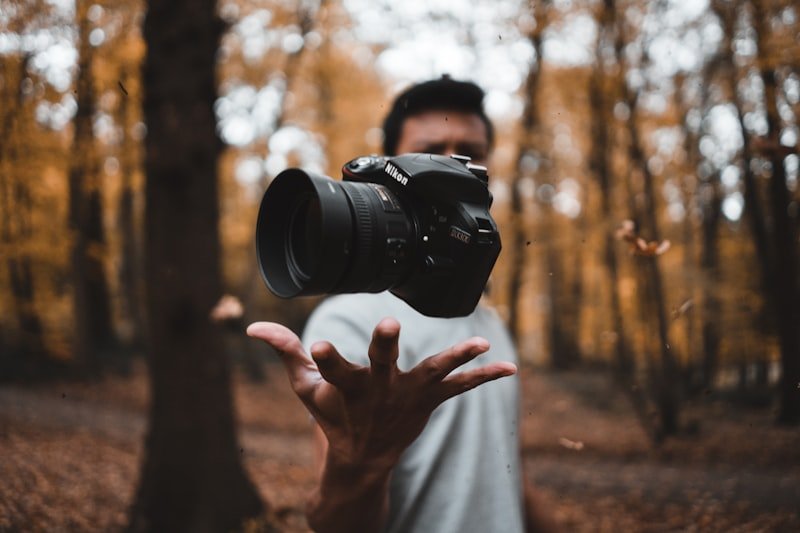
Proper equipment transforms disappointing wildflower trips into successful adventures. Beyond obvious camera gear, practical considerations make or break the experience. Sun protection is non-negotiable—desert wildflower destinations feature zero shade and UV intensity that visitors underestimate until it’s too late. UPF-rated sun hats with wide brims, sunscreen, and lightweight long-sleeve clothing provide protection that sunscreen alone cannot match. Hydration systems capable of carrying at least three liters of water become essential in desert environments, where heat exhaustion can develop surprisingly quickly even during moderate spring temperatures.
Footwear selection should match specific destination requirements. Desert superbloom chasers need sturdy hiking boots that protect against sharp rocks, cactus spines, and uneven terrain—ankle support prevents injuries that ruin trips miles from trailheads. Mountain wildflower viewers require different footwear considerations: waterproof boots handle morning dew and sudden thunderstorms common during afternoon monsoon seasons. Regardless of destination, break in new footwear well before wildflower trips—blisters transform magical experiences into miserable ordeals. Consider merino wool hiking socks that manage moisture and prevent blisters more effectively than cotton alternatives.
Navigation technology has revolutionized wildflower chasing, but traditional skills remain essential. Smartphone apps provide real-time bloom information, GPS tracking, and field guide identification, but cellular coverage disappears in precisely the areas where wildflowers are most spectacular. Download maps for offline use and carry physical topographic maps as backup in remote locations. Power becomes critical when using navigation apps in areas without charging opportunities—multiple charged battery banks should be considered essential equipment. Traditional navigation skills using map and compass aren’t obsolete, they’re insurance against technology failures that can become dangerous in wilderness environments. For more navigation tech recommendations, see our guide on best portable travel gadgets for digital nomads.
Wildflower Ethics and Conservation
The explosion of wildflower tourism driven by social media has created genuine conservation challenges that threaten the very resources visitors come to experience. Responsible behavior becomes increasingly important as visitation increases across traditional superbloom destinations. What began as niche nature appreciation has evolved into mass tourism, with consequences including soil compaction, vegetation damage, wildlife disturbance, and habitat degradation. Conservation organizations now report that some popular areas show signs of loving-them-to-death, with damaged wildflower populations taking years to recover from single seasons of excessive visitation.
The fundamental principle of ethical wildflower viewing is simple: take only photographs, leave only footprints. This translates to specific practices: stay on established trails to avoid trampling fragile root systems, never pick or remove flowers, respect wildlife by maintaining appropriate distances, and pack out all trash. Photographers face particular temptation to leave trails for better angles, but this exact behavior has destroyed wildflower populations in formerly pristine areas. Use telephoto lenses instead of approaching closely, and accept that some extraordinary displays must be admired from distance rather than experienced intimately.
Consider spreading visitation geographically and temporally rather than adding to crowds at famous destinations during peak bloom weekends. Lesser-known locations frequently offer equal or superior wildflower displays without the ecological impact and visitor congestion. Weekday visits during shoulder hours (early morning or late afternoon) reduce both crowding and environmental impact while often providing superior photography conditions. Remember that wildflowers survive in challenging environments by investing energy in reproduction rather than recovery—damage that appears minor to visitors can take years to heal, if ever.
Spring 2026’s wildflower season offers fleeting beauty that disappears almost as quickly as it arrives. Planning, preparation, and ethical behavior determine whether wildflower chasing becomes a lifelong passion or a disappointing one-off experience. Whether chasing California’s elusive superblooms, Texas’s legendary bluebonnets, or Colorado’s alpine meadows, the principles remain the same: research current conditions, prepare properly, respect fragile environments, and accept that nature operates on its own schedule regardless of human expectations. The most successful wildflower chasers learn to appreciate what nature provides rather than demanding perfect conditions, finding beauty even in years when blooms don’t meet expectations. After all, the wildflowers will bloom again next spring—these ancient cycles have continued for millennia, and with responsible stewardship, they’ll continue for millennia to come.