
After twenty-five years of crisscrossing North America, I’ve learned that the weight of your luggage can make or break a trip. I still remember my first major expedition—a 12-month thru-hike of the Appalachian Trail where every ounce mattered. That experience taught me lessons about packing light that I’ve applied to every journey since, from weekend getaways to international adventures. As spring approaches and travel demand surges across the continent, there’s never been a better time to upgrade your travel gear with options that won’t weigh you down.
The spring 2026 travel season brings exciting innovations in luggage design, with manufacturers responding to traveler demands for lighter, smarter, and more sustainable options. I’ve spent months testing the newest releases, from carry-on spinners to technical travel backpacks, and what I’ve found might surprise you. The days of choosing between durability and weight are over—today’s best options excel at both. Whether you’re planning a spring break escape to Florida’s beaches or preparing for a summer road trip through the Rockies, investing in quality lightweight luggage will transform how you travel.
Why Lightweight Luggage Matters More Than Ever
During my years as a travel writer, I’ve watched airline baggage fees climb while weight restrictions have grown stricter. A typical checked bag now costs $30-35 each way, and overweight fees can add another $100-200 to your journey. But the financial cost is only part of the equation. There’s the physical toll of dragging a heavy bag through crowded airports, up narrow staircases in European hotels, or across endless terminals during connections. I once spent three weeks in the Canadian Rockies with a suitcase that weighed nearly 50 pounds empty—by the end of that trip, my shoulders were paying the price for poor packing decisions.
Modern lightweight luggage typically weighs 40-60% less than traditional options without sacrificing durability. A standard carry-on that used to weigh 10-12 pounds now often comes in at 5-7 pounds. That’s 5+ pounds you can use for actual essentials instead of dead weight. Over the course of a trip involving multiple destinations, that weight savings compounds significantly. If you’re someone who does frequent weekend trips or business travel, those pounds add up to real physical relief.
The freedom of lightweight luggage extends beyond just weight savings. I’ve found that lighter bags are easier to stow in overhead bins, simpler to lift into train compartments, and less cumbersome when navigating cobblestone streets or hotel elevators. When I traveled through post-industrial Detroit covering urban revitalization, I could easily maneuver my bag between locations without needing a porter or rental car. That mobility matters, especially when you’re trying to maximize your travel time and minimize logistics headaches.

Hard-Shell vs. Soft-Shell: The Weight Debate
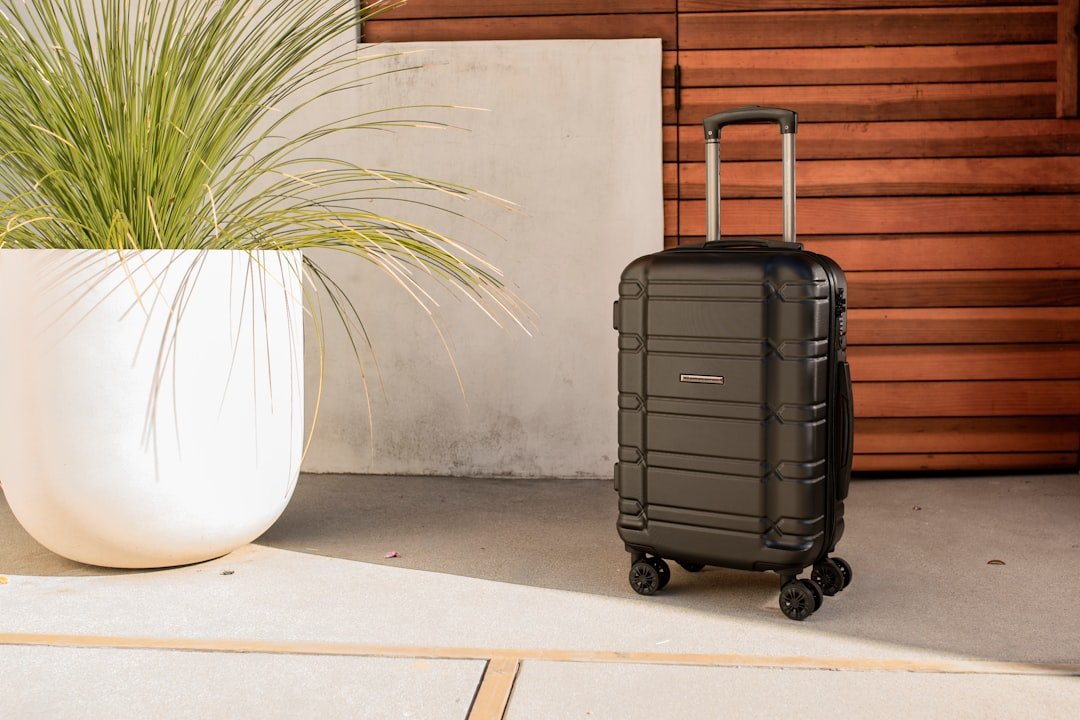
One of the most common questions I get from readers is whether hard-shell or soft-shell luggage weighs less. The answer has evolved significantly in recent years. Traditional hard-shell suitcases, especially those made from polycarbonate, were indeed heavier than their soft-sided counterparts. But manufacturing advances have changed the game. Modern polycarbonate hard-shell luggage can be just as light as soft-shell options while offering superior protection for fragile items.
During a trip through the Pacific Northwest last spring, I put both types to the test in some challenging conditions. The hard-shell spinner I was testing kept my camera gear completely dry during a sudden downpour in Seattle, while my colleague’s soft-sided bag absorbed moisture through the zippers. That said, soft-shell luggage still has advantages, especially when it comes to external pockets and expandability. If you’re the type who likes to stuff last-minute items into outer compartments, soft-shell might still be your best bet despite typically weighing slightly more.
The weight difference between modern hard-shell and soft-shell carry-ons is often less than a pound. What matters more is the overall design quality. I’ve tested 8-pound hard-shell bags that outperformed 6-pound soft-shell models in durability and packing efficiency. The key is to look for structural reinforcement without unnecessary metal components. Some manufacturers still use heavy wheel housings and handle mechanisms that add unnecessary weight—the best brands have redesigned these components using lightweight alloys and composite materials.
Travel Backpacks with Integrated Tech Features
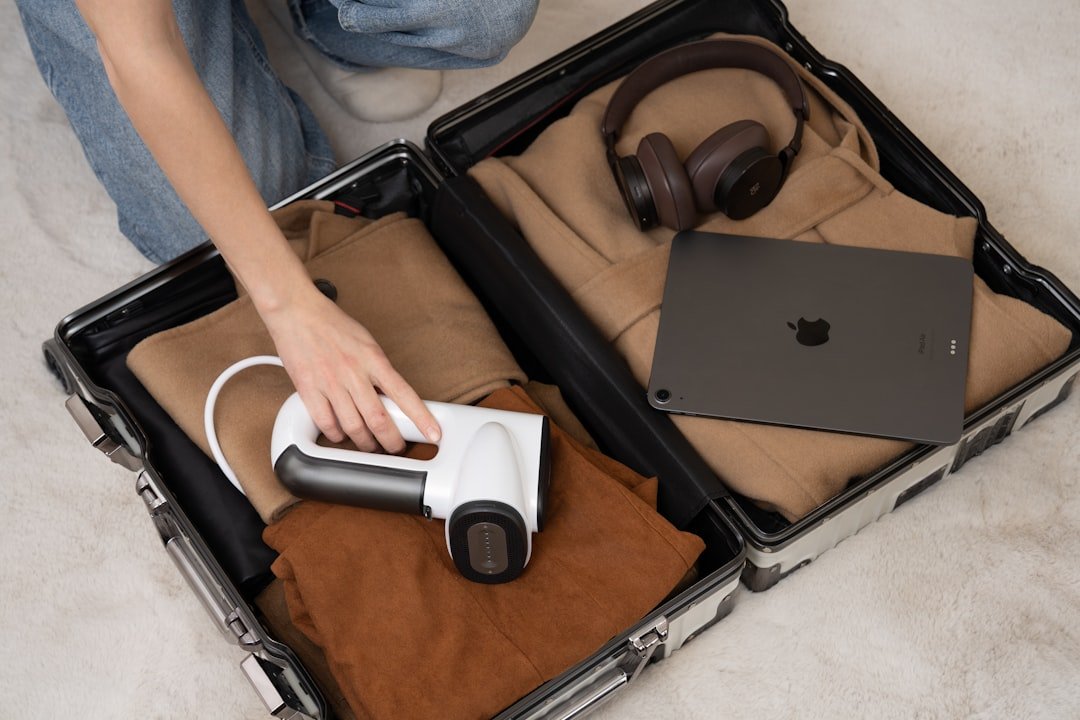
The most exciting development I’ve seen in 2026 is the integration of technology into travel backpacks. As someone who’s worked as a digital nomad from coffee shops in Mexico to hotel rooms in Montreal, having a backpack that works with my tech gear rather than against it has been transformative. The newest generation of tech-ready travel backpacks features built-in USB charging ports, dedicated laptop compartments with RFID protection, and smart organization systems that make going through TSA checkpoints infinitely easier.
Last month, I spent two weeks testing a backpack with an integrated solar charging system during a road trip through the Southwest. While the solar panel was more of a novelty for urban travel, I genuinely appreciated the dedicated tech compartments and pass-through charging port. There’s something liberating about being able to charge your phone from a power bank tucked inside your bag while keeping everything secure and organized. The ability to keep devices charged without digging through your pack might seem like a small convenience, but during a long travel day with multiple connections, it makes a meaningful difference.
What I look for in tech-integrated backpacks goes beyond just charging features. The best designs include lay-flat laptop compartments that let you keep your computer in the bag during security screenings, anti-theft designs with hidden zippers, and weather-resistant construction that protects electronics during sudden spring showers. When I was researching digital nomad gear, I discovered that backpacks with proper cable management and device-specific pockets can save you 5-10 minutes every time you need to work on the go. Those minutes add up over weeks of travel.
The Eco-Friendly Materials Revolution
Sustainable travel gear has moved from niche to mainstream, and the spring 2026 collections showcase how far eco-friendly luggage has come. I’ve been tracking this trend since writing about zero-waste travel essentials, and the innovation in recycled materials has been remarkable. Several major manufacturers now produce luggage made entirely from post-consumer recycled plastics, with some brands incorporating materials recovered from ocean waste. These aren’t just marketing gimmicks—the recycled materials I’ve tested have proven equally durable to traditional options while being significantly lighter.
Beyond recycled materials, there’s been innovation in biodegradable components and low-impact manufacturing processes. Some of the most interesting luggage I’ve tested this year features natural fiber composites, hemp-reinforced fabrics, and water-based coatings that eliminate volatile organic compounds. When I traveled through indigenous communities in British Columbia last summer, local elders appreciated that my gear reflected sustainable values rather than conspicuous consumption. That might seem like a small thing, but traveling with gear that aligns with environmental ethics opens doors to more authentic conversations and connections.
The weight advantages of eco-friendly materials are an unexpected bonus. Many recycled plastics and natural fiber composites are inherently lighter than traditional nylon and polyester. I’ve tested several sustainable luggage options that weighed 20-30% less than comparable conventional bags. If you’re trying to minimize your environmental impact while also maximizing packing efficiency, these new materials make it possible to do both without sacrificing quality or durability.
Essential Features to Look for in Spring 2026
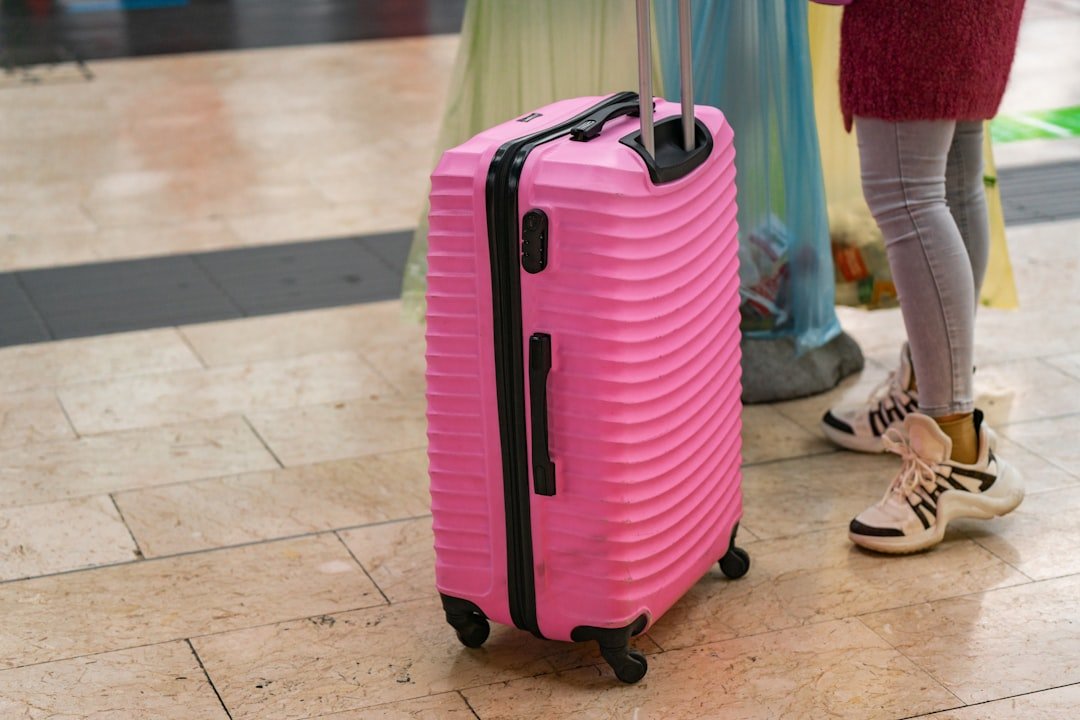
After testing dozens of luggage options over the past six months, I’ve identified several features that separate the good from the great. First and foremost is wheel quality. I can’t tell you how many times I’ve seen travelers struggling with wobbly wheels or stuck casters in airport terminals. The best modern luggage uses precision-machined spinner wheels with sealed bearings that glide smoothly over uneven surfaces. During a trip through historic Quebec City, my test bag’s four-wheel system handled cobblestones that would have defeated cheaper two-wheel designs.
Handle ergonomics matter more than most travelers realize. A telescoping handle might seem like a simple feature, but the difference between a well-designed multi-stage handle and a cheap single-stage option becomes obvious after you’ve dragged a bag through half a dozen airports. Look for handles with comfortable grips, smooth extension mechanisms, and reinforced attachment points. I once had a handle fail on a bag during a connection in Chicago—fortunately it was at the start of the trip, not the end—but that experience taught me to prioritize handle quality over aesthetics.
Compression systems have evolved significantly in recent years. The best lightweight luggage now includes built-in compression straps, removable garment panels, and intelligent pocket layouts that maximize packing efficiency. When I use packing cubes in combination with well-designed compression systems, I can fit 30% more clothing than in traditional bags. For spring travel, where you might need layers for variable weather, that extra space makes a real difference.
Warranty coverage is another often-overlooked consideration. Premium luggage brands now offer comprehensive warranties that cover airline damage, wheel replacement, and even handle failures. Spending an extra $50-100 on a bag with a lifetime warranty can save you hundreds in replacement costs over years of travel. I’m still using a carry-on I bought in 2019 because the manufacturer replaced the wheels and handle for free when they showed wear after three years of heavy use.
Packing Strategies for Maximum Efficiency
Even the best lightweight luggage won’t help if you overpack. Over the years, I’ve developed packing strategies that let me carry everything I need for two-week trips in a carry-on and personal item combination. The key is choosing versatile clothing that mixes and matches, limiting yourself to three pairs of shoes maximum, and using every inch of space efficiently. I’ve spent entire winters in mountain towns with just a carry-on by packing layers and choosing technical fabrics that pack down small.
The capsule wardrobe approach has transformed how I pack. Instead of bringing separate outfits for different occasions, I select neutral basics that can be dressed up or down with accessories. A simple dress shirt works for both business meetings and nice dinners, while quality merino wool t-shirts can be worn multiple days without washing. This approach has let me pack for everything from weekend getaways to month-long expeditions using the same basic packing formula.
Timing your purchases can save significant money. Like many travel products, luggage goes on sale during specific seasons. I’ve found the best deals on spring luggage collections in late February and early March, just as manufacturers are releasing new models. If you can wait until April or May, you’ll often find last year’s models discounted 30-50% as retailers clear inventory for summer travel season. The core technology doesn’t change that much year to year, so buying previous generation models can be a smart budget move.

Maintenance and Care for Long-Lasting Performance
Quality lightweight luggage is an investment, and proper maintenance extends its life significantly. After each trip, I wipe down hard-shell bags with mild soap and water, clean out wheel housings to remove debris, and store luggage in a cool, dry place out of direct sunlight. For soft-shell bags, I treat zippers with silicone lubricant and check for loose stitching that can be repaired before it becomes a major problem. These simple habits have kept my primary travel bag in excellent condition despite hundreds of thousands of travel miles.
When damage does occur, many manufacturers offer repair services that are far cheaper than replacement. I’ve had wheels replaced, handles repaired, and even shell panels swapped out at reasonable prices. Before you write off damaged luggage, check with the manufacturer about repair options. Some brands have remarkable customer service policies that can extend your bag’s life by years.
For travelers who want professional cleaning and restoration, luggage specialty shops in major cities offer deep cleaning, zipper replacement, and wheel overhaul services. I found a shop in Denver that completely refurbished a battered carry-on for $75—far less than buying new quality luggage. These services are particularly valuable if you have higher-end pieces that are worth maintaining rather than replacing.
Making the Right Choice for Your Travel Style
Ultimately, the best lightweight luggage for you depends on how you travel. Business travelers who need garment protection and professional appearance might prioritize different features than adventure travelers who need durability and weather resistance. Solo travelers have different needs than families. I’ve tested enough gear to know that one size doesn’t fit all—what works perfectly for my travel style might be completely wrong for yours.
If you’re mostly doing short trips and prefer to avoid checking bags, a quality carry-on spinner plus underseat personal bag combination offers maximum flexibility. For longer international trips where checking bags makes sense, invest in a larger lightweight checked bag that won’t eat into your weight allowance. Digital nomads who live out of their bags should prioritize backpack-style carry-ons with superior organization and tech integration.
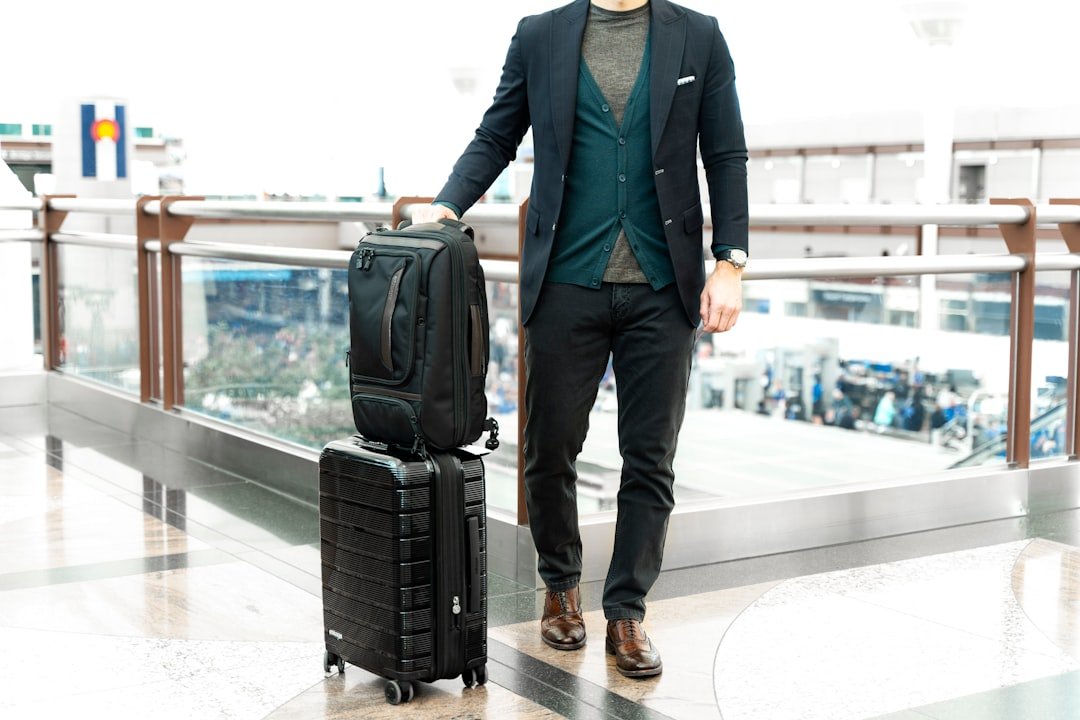
The most important thing I’ve learned after a quarter-century of travel is that your gear should serve your journey, not the other way around. The best lightweight luggage becomes almost invisible during travel—keeping your belongings secure, organized, and accessible without demanding attention or causing hassles. When you find that perfect bag, you’ll know. It’s the one you grab instinctively for every trip, the one that never lets you down, the one that feels like a travel partner rather than just a container.
Spring 2026 brings more quality lightweight options than ever before, at price points ranging from budget-friendly to investment-grade luxury. Whether you’re planning a beach escape, mountain adventure, or city exploration, there’s never been a better time to upgrade your travel gear. Your shoulders will thank you, your wallet will appreciate the baggage savings, and you might just discover that traveling light opens up possibilities you never considered when you were weighed down by heavy luggage.
3 thoughts on “Best Lightweight Luggage and Travel Backpacks for Spring 2026: Pack Lighter, Travel Farther”