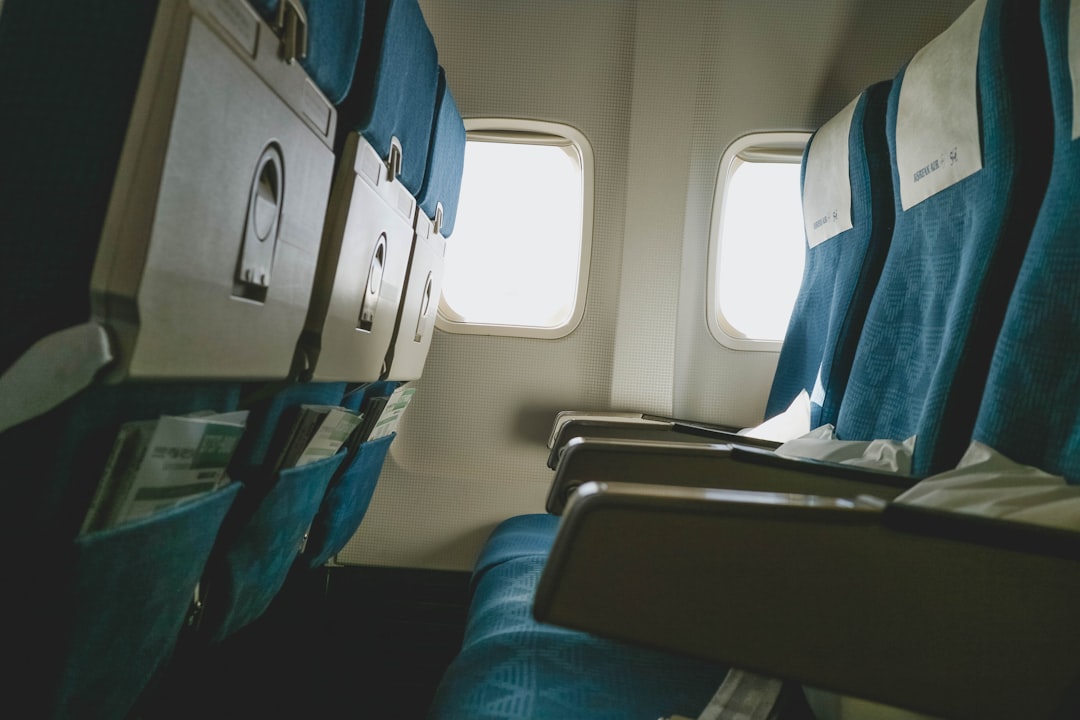
After twenty-five years of crisscrossing North America and logging countless hours in middle seats across six continents, I’ve learned that the difference between arriving refreshed and arriving wrecked often comes down to one simple piece of gear. A quality travel neck pillow isn’t just about comfort—it’s about protecting your health, preserving your sanity, and ensuring you don’t spend your first vacation day recovering from travel fatigue.
The science is straightforward: airplane seats are ergonomically terrible. They force your head forward at angles that strain neck muscles, compress cervical vertebrae, and can leave you with headaches that last for days. I learned this the hard way on a red-eye from Seattle to Boston, waking up unable to turn my head without wincing. That painful experience convinced me to take neck pillows seriously, and I’ve been testing them rigorously ever since.
What most travelers don’t realize is that neck pillows serve three critical functions beyond simple cushioning. First, they prevent your head from flopping into uncomfortable positions that strain muscles. Second, they maintain proper spinal alignment even when you’re sleeping in an upright position. Third, they create a psychological sense of personal space in crowded aircraft—a subtle but real benefit that helps me relax on packed flights.
The 2026 Neck Pillow Revolution: What’s Changed
Travel neck pillows have evolved dramatically from the U-shaped foam cushions of the early 2000s. Today’s market offers sophisticated designs with premium materials, ergonomic engineering, and thoughtful features that address every complaint travelers have ever had about neck support. The ergonomic travel pillow market has exploded with innovation, and for good reason—modern travelers are taking long-haul flights more frequently and demanding better comfort solutions.
The biggest game-changer has been the widespread adoption of high-density memory foam that actually molds to your neck rather than just squishing down. Premium memory foam travel pillows now provide consistent support that lasts for hours, unlike the flat foam of old-school pillows that compressed after minutes. Temperature-regulating materials have also transformed comfort—no more sweaty necks on long flights thanks to gel-infused foams and breathable covers.
Design innovations have been equally impressive. We’re seeing adjustable closures that let you customize fit perfectly, raised sides that prevent your chin from dropping forward, and even collapsible designs that compress to a fraction of their expanded size. The best pillows now account for different sleeping positions—side sleepers need different support than back sleepers, and manufacturers are finally addressing this reality.
Top Neck Pillow Picks for 2026
Best Overall: Cabeau Evolution S3

The Cabeau Evolution S3 has earned its place as the gold standard for serious travelers, and after testing it on flights from Tokyo to Toronto, I understand why. This pillow delivers consistent support through a combination of high-density memory foam and thoughtful design features that address every complaint I’ve ever had about travel pillows.
What sets the Evolution S3 apart is its raised front panel that prevents your chin from dropping toward your chest—a common problem that causes neck strain on traditional U-shaped pillows. The memory foam is substantial enough to provide real support without being so firm that it becomes uncomfortable during long flights. I’ve used this pillow on eight-hour overnight flights and woken up genuinely comfortable, which I can’t say about any other product I’ve tested.
The removable cover is machine washable, which matters more than you might think after a few trips through airport security and overhead bins. The snap closure lets you adjust the fit precisely, ensuring the pillow stays in position even when you’re shifting around during sleep. For serious travelers who want one pillow that handles every flight, the Cabeau Evolution S3 is worth every penny. Explore Cabeau Evolution pillows for the best current prices.
Best for Side Sleepers: Trtl Pillow Plus
Side sleepers have always struggled with traditional U-shaped pillows that simply don’t provide the right kind of support. The Trtl Pillow Plus completely reinvented neck support with its distinctive wraparound design that braces your neck like a soft splint rather than trying to cushion it like a pillow.

The science behind the Trtl is brilliant: internal ribs provide structural support while the super-soft fleece exterior creates a cozy surface against your skin. Unlike foam pillows that compress over time, the Trtl maintains its shape throughout long flights. I’ve personally used this pillow on overnight flights to Europe and arrived feeling genuinely rested—a first for me as a natural side sleeper.
What makes the Trtl particularly travel-friendly is its packability. The pillow wraps around itself and secures with a small strap, compressing to a fraction of the size of foam alternatives. This matters when you’re already carrying lightweight luggage and trying to minimize bulk. The Trtl Pillow Plus is worth considering if you’ve never found a traditional pillow that works for your sleeping style. Check out Trtl Pillow options to see if this innovative design is right for you.
Watch This Video Review: For a detailed look at how modern travel pillows work, check out this comprehensive neck pillow testing video that compares different designs in real-world conditions.
Most Compact: Therm-a-Rest Compressible Pillow
Every ounce counts when you’re traveling light, and the Therm-a-Rest Compressible Pillow proves that small size doesn’t have to mean sacrificing comfort. This pillow compresses down to roughly the size of a grapefruit but expands to provide surprisingly substantial support—making it perfect for short trips where every inch of packing space matters.
The secret is in the foam construction: unlike memory foam that permanently maintains its shape, Therm-a-Rest uses compressible foam that squishes down for packing then bounces back when you need it. I’ve stuffed this pillow into day packs for spontaneous flight delays and been grateful for its existence more times than I can count. It’s not as supportive as high-end memory foam options, but for occasional use or backup purposes, it’s absolutely brilliant.
The brushed polyester cover feels soft against skin, and the whole thing is machine washable—essential after months of travel. At roughly half the weight of traditional pillows, the Therm-a-Rest is ideal for backpackers, minimalist packers, or anyone who wants emergency neck support without carrying dedicated gear. Browse Therm-a-Rest pillows if packability is your top priority.
Best Budget Option: AmazonBasics Memory Foam Neck Pillow

Reliable support doesn’t require spending a fortune. The AmazonBasics Memory Foam Neck Pillow delivers surprisingly good performance at a price point that makes it easy to keep one in every travel bag or vehicle. After testing pillows costing three times as much, I found the AmazonBasics model performed respectably well for the price.
The memory foam provides genuine support rather than just squishing down, and the removable velour cover adds a touch of comfort that cheaper foam pillows lack. Is it as good as premium options? No. But for occasional travelers or anyone who wants backup pillows without investing heavily, the AmazonBasics pillow is absolutely adequate. I keep one in my car for road trips and another in my carry-on for unexpected delays.
The included stuff pouch is a nice touch that keeps the pillow clean during travel. At this price point, you can afford to buy multiple pillows and keep them wherever you might need them—office drawer, glove compartment, suitcase. Shop for AmazonBasics neck pillows for budget-friendly comfort.
Choosing the Right Neck Pillow for Your Travel Style
Frequency of Travel Matters
If you fly once or twice a year, a basic foam pillow or budget memory foam option will serve you perfectly well. There’s no need to invest $50-80 in premium gear that will sit in a closet for months at a time. Conversely, if you’re logging 50,000+ miles annually, investing in quality makes sense—a premium pillow that costs $80 but lasts for five years costs pennies per use and delivers vastly superior comfort.
I personally use different pillows for different trip types. For international business class where I’m trying to arrive refreshed, I pack my Cabeau Evolution S3. For domestic economy flights where I’m just trying to avoid neck strain, the AmazonBasics model works fine. Having options lets me match the gear to the occasion without overpacking.
Sleep Position is Critical
This is the factor most travelers ignore, but it matters enormously. Back sleepers generally prefer traditional U-shaped pillows with substantial front support to prevent chin drop. Side sleepers often struggle with traditional designs and may find better support from wraparound styles like the Trtl or from pillows with raised sides.

Stomach sleepers face the biggest challenge—airplane seats simply don’t accommodate this position comfortably. If this is your natural sleep style, consider a versatile travel pillow with multiple attachment options that let you position it in unconventional ways. Some travelers have success using traditional pillows vertically rather than horizontally to create chin support while stomach sleeping on tray tables.
Physical Considerations
Neck size, shoulder width, and body type all affect which pillow will work best. Taller travelers with broader shoulders often need larger pillows with longer sides that can reach around their necks comfortably. Petite travelers may find standard-sized pillows too large and may prefer compact or adjustable designs.
If you have existing neck issues or chronic pain, consult with a healthcare provider before choosing a travel pillow. Some designs work better than others for specific conditions—arthritis, herniated discs, and other cervical spine issues may respond better to particular types of support. Your comfort and health are worth getting professional advice about.
Essential Features to Look For
Material Quality
The difference between cheap foam and quality memory foam is enormous. High-density memory foam travel pillows maintain their shape for hours, providing consistent support throughout long flights. Cheap foam compresses after minutes and leaves you with essentially no support. Look for pillows that specify foam density—anything above 3.0 lbs/ft³ provides genuine support.
Cover materials matter too for comfort and hygiene. Removable, washable covers are non-negotiable for pillows you’ll use repeatedly. Moisture-wicking fabrics help prevent that sweaty neck feeling that makes long flights uncomfortable. Some premium pillows now feature cooling gel layers or phase-change materials that actively regulate temperature—a game-changer for overnight flights.
Adjustability and Fit
One size does not fit all in neck pillows. Look for adjustable closures that let you customize the fit precisely. Velcro closures work well but can snag on clothing—snap or magnetic closures are more elegant solutions. The best adjustable neck pillows let you tighten them enough to stay in position without being so tight that they become uncomfortable.
Pillow shape affects fit more than most travelers realize. Traditional U-shapes work for many people, but contoured designs with raised sides, flat backs, or asymmetrical shapes often provide better support for specific sleeping positions. Don’t assume that standard U-shape is best—experiment with different profiles to find what works for your body.
Packability
Consider how you’ll carry the pillow when it’s not in use. Bulky foam pillows take up valuable seatback pocket space and can be awkward to carry through airports. Compressible designs, inflatable options, or pillows that snap onto luggage handles make travel easier. If you’re already carrying packing cubes and other gear, a compact pillow design matters more than you might think.
Some premium pillows now come with stuff sacks or compression straps that reduce packed volume by 50-70%. These features add cost but deliver real value when you’re trying to minimize baggage. For business travelers who carry-on only, packability often becomes the deciding factor between two otherwise comparable options.
Using Your Neck Pillow Effectively
Positioning Matters More Than You Think
Most travelers just slap their pillow on and hope for the best. Proper positioning makes an enormous difference in effectiveness. For U-shaped pillows, ensure the cushion sits at the base of your neck rather than mid-neck—this provides crucial support for your cervical spine. The opening should face forward for back sleepers, rotated slightly for side sleepers.
Experiment with rotation. Some travelers find better support with the pillow opening facing backward, which creates a different support angle. Others achieve comfort by positioning the pillow slightly off-center to match their natural neck tilt. There’s no single right way—what matters is finding what works for your body and sleeping style.
Combine with Other Comfort Strategies
Neck pillows work best as part of a comprehensive comfort strategy. Combining your pillow with noise-canceling headphones, an eye mask, and proper layered clothing creates a travel environment that promotes genuine rest. I’ve found that using my neck pillow together with a footrest (either inflatable or a backpack under the seat in front) dramatically improves comfort by reducing pressure on my lower back.
Timing matters too. Don’t wait until you’re exhausted to put on your pillow—by then, your neck muscles are already strained from fighting gravity. Put your pillow on as soon as you reach cruising altitude, even if you don’t plan to sleep immediately. Preventive support beats corrective support every time.
Care and Maintenance
Dirty pillows become uncomfortable quickly and can harbor bacteria from multiple trips. Wash removable covers according to manufacturer instructions—usually machine wash cold, tumble dry low. For pillows without removable covers, spot clean with mild detergent and allow to air dry completely before use.
Inspect foam regularly for breakdown. If your pillow has developed permanent compression, lost its shape, or developed tears, it’s time to replace it. A degraded pillow provides inadequate support and can actually make neck strain worse than no pillow at all. Quality pillows typically last 2-3 years with regular use—budget options may need replacement annually.
Beyond Flights: Other Uses for Travel Pillows
Road Trips and Car Travel

Passengers on road trips face even worse ergonomics than airplane passengers. Car seats force you into fixed positions for hours, often with terrible headrest design. A quality neck pillow makes road trips dramatically more comfortable, especially for passengers who want to nap while someone else drives. I keep a dedicated pillow in my vehicle for this purpose—it’s saved my neck on countless scenic drives across America.
For drivers, neck pillows can help maintain proper posture during long stretches behind the wheel. While you obviously can’t wear a full pillow while driving, smaller lumbar support pillows can prevent the forward head position that causes neck strain. Proper posture reduces fatigue and makes you a safer driver on long journeys.
Hotel and Accommodation Comfort
Even in nice hotels, pillow quality varies enormously. I’ve slept in luxury resorts with pillows that felt like bricks and budget motels with surprisingly comfortable bedding. Carrying your own compact travel pillow guarantees consistent sleep quality regardless of accommodation. Many travelers find that combining a hotel pillow with their travel pillow provides the perfect combination of softness and support.
For side sleepers especially, hotel pillows often lack the loft needed to keep the spine aligned. Stuffing your travel pillow into the pillowcase alongside the hotel pillow creates custom support that prevents the all-too-common morning neck ache. This simple trick has saved my sleep in dozens of hotels over the years.
Emergency Seating
Airport delays, train stations, bus terminals—modern travel involves uncomfortable seating in places never designed for human comfort. A travel pillow transforms hard benches and waiting areas chairs into tolerable resting spots. I’ve spent unexpected layovers sleeping on airport floors, made bearable only by my neck pillow and a jacket for cushioning.
Camping and outdoor adventures present another use case. Even if you’re carrying a full camping pillow, a travel pillow provides backup support for reading in tents, lounging around campfires, or long car rides to trailheads. Lightweight options add minimal weight to your pack but deliver outsized comfort benefits.
The Economics of Neck Pillows
Quality travel pillows typically cost between $30 and $80, with premium brands pushing $100 for specialized designs. This seems expensive until you calculate cost per use. A $60 pillow used on 20 flights costs $3 per use—less than most airport coffees. Spread over a two-year lifespan, that’s less than a quarter per day of ownership.
Cheap pillows under $20 often seem appealing but provide poor support and deteriorate quickly. The false economy of buying multiple $15 pillows that fail after a few trips adds up quickly. Investing once in quality gear costs less over time and delivers dramatically better comfort. This is especially true if you’re trying to avoid common travel mistakes that ruin trips.
Consider the cost of NOT having adequate neck support. Arriving at your destination with neck pain, headache, or fatigue can waste the first day or more of precious vacation time. The lost enjoyment and potential medical costs far exceed the price difference between a quality pillow and a cheap one. Your comfort and health during travel deserve proper investment.
Future Trends in Travel Pillow Design

The travel pillow market continues evolving rapidly. Smart pillows with built-in speakers, heating elements, or massage functions are entering the market, though I’m skeptical about whether the complexity justifies the cost. More promising are advances in materials science—new foams that provide better support with less weight, and sustainable materials that appeal to eco-conscious travelers.
Customizable and modular designs are gaining traction. Some manufacturers now offer pillows with interchangeable inserts that let you adjust firmness and shape for different trips. Others are experimenting with 3D-printed structures that provide anatomically precise support based on neck scans. While these innovations are exciting, the fundamentals of good neck support haven’t changed: proper positioning, adequate foam density, and quality construction matter more than high-tech features.
Watch Expert Reviews: The Washington Post conducted a scientific neck pillow comparison that tested various designs in real conditions—worth watching if you’re undecided about which type to buy.
Making Your Final Decision
The best travel neck pillow is the one that matches your specific needs, travel patterns, and budget. Frequent flyers should invest in premium memory foam options like the Cabeau Evolution S3 that deliver consistent comfort over years of use. Occasional travelers can get by perfectly well with budget options from reputable brands. Side sleepers should prioritize designs like the Trtl that accommodate their position, while back sleepers have more traditional options available.
Before buying, consider reading recent customer reviews that mention your specific concerns—long flights, neck pain, side sleeping, packability. Travel gear has improved enormously in recent years, and products that were terrible five years ago may now be excellent. Conversely, some once-great products have declined in quality as manufacturers cut costs.
When possible, test pillows in person. Some airport retailers have display models you can try, and outdoor stores often carry travel pillows you can examine. Even five minutes with a pillow on a store bench can tell you whether it’s worth the investment.
Final Thoughts
A quality travel neck pillow is one of the highest-ROI investments in travel gear. For a relatively modest cost, you gain comfort, protection from neck strain, and significantly better sleep during transit. After twenty-five years and countless flights, I never travel without one—and neither should you.
The right pillow won’t solve every travel comfort challenge, but it addresses one of the most significant sources of travel fatigue and discomfort. Combine a good neck pillow with smart packing, proper hydration, and realistic expectations about sleep during transit, and you’ll arrive at your destinations ready to enjoy every moment rather than recovering from the journey.
Your neck will thank you. Your travel companions will thank you for being less cranky. Most importantly, you’ll maximize precious vacation time by arriving refreshed rather than wrecked. That’s worth every penny you invest in finding the perfect travel pillow.
Safe travels and comfortable flying!
2 thoughts on “Best Travel Neck Pillows for 2026: Ultimate Comfort Guide for Long Flights”