Why Solo Female Travel in the USA is Blooming Right Now
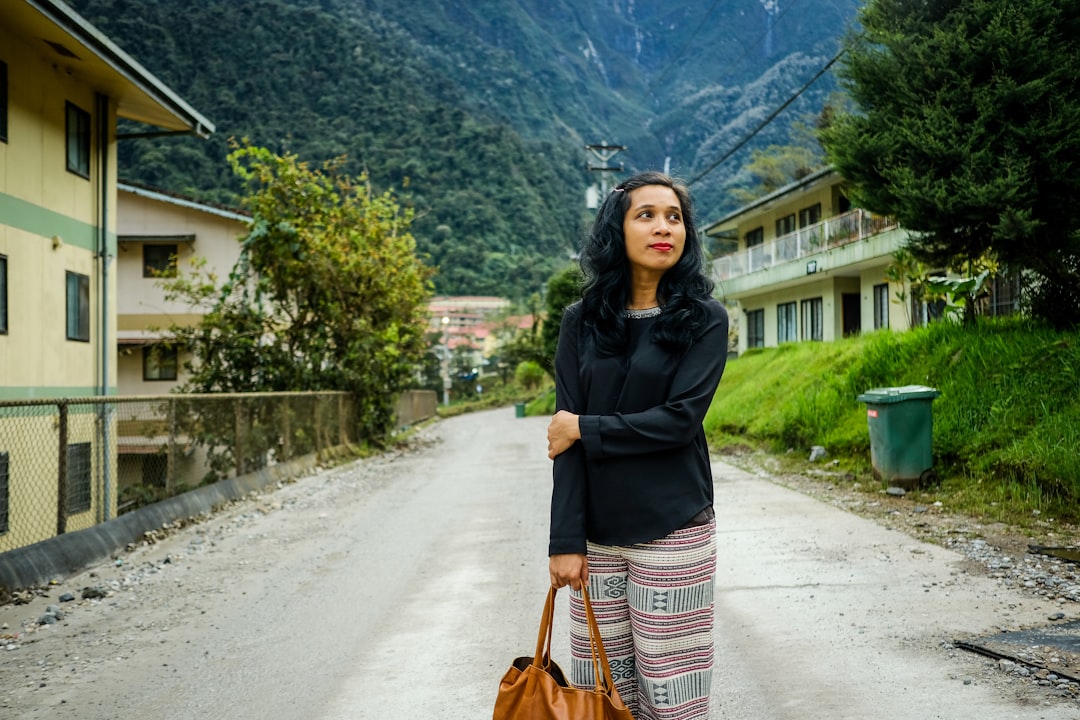
Something remarkable is happening in American travel culture. Last month, while sipping coffee in a bustling Austin café, I struck up a conversation with three different women—none of whom knew each other—who were all exploring the city solo. Ten years ago, that scene would have been rare. Today? It’s becoming the new normal. Solo female travel in the United States isn’t just growing; it’s flourishing, driven by women who are discovering that exploring alone doesn’t mean being lonely—it means being free.
The statistics back up what I’m seeing on the ground. Booking data shows solo female travel to U.S. destinations has jumped 45% since 2022, with women aged 25-45 leading the charge. But here’s what’s really interesting: it’s not just about bucket-list trips to Hawaii or California anymore. Women are tackling road trips through the Southwest, solo hiking adventures in national parks, and weekend city breaks on their own terms. The confidence is contagious.
What makes right now particularly special? The infrastructure for solo travelers has exploded. Boutique hotels now design single rooms with thoughtful touches instead of treating solo travelers as afterthoughts. Tour companies are crafting women-only adventures that prioritize safety without sacrificing authenticity. And perhaps most importantly, the online community of solo female travelers sharing real experiences—not glossy brochure fantasy—has made the jump from “maybe someday” to “why not now?” feel totally doable.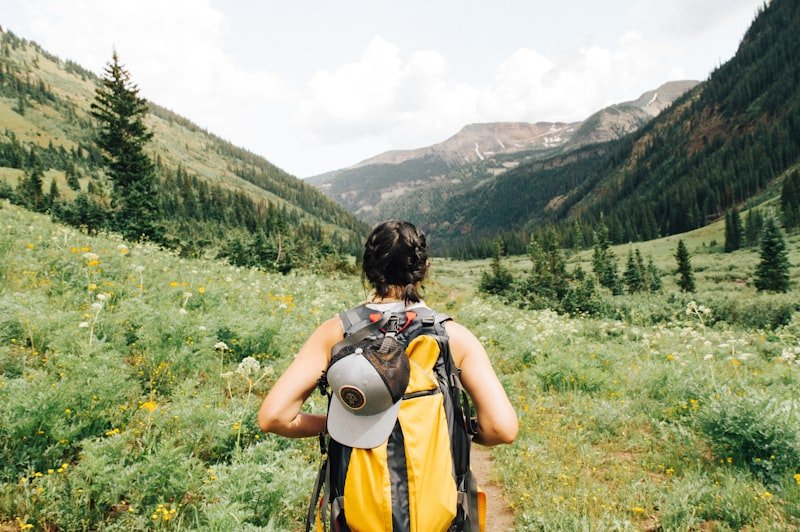
The Real Talk: Is the USA Safe for Solo Female Travelers?
Let’s address the elephant in the room immediately. Yes, solo female travel in the USA comes with considerations that male travelers rarely think about. But no, that doesn’t mean you should stay home. I’ve explored dozens of U.S. cities solo, from the cobbled streets of Boston to the desert landscapes of Arizona, and I’ve learned that safety is less about where you go and more about how you move through the world.
The reality of American cities is nuanced. Downtown Seattle during daylight hours? Generally wonderful for solo exploration. That same area at 2 a.m. after a few drinks? That’s when your intuition should be screaming “time to call a rideshare.” The key is understanding that safety isn’t binary—it’s contextual, situational, and heavily dependent on your own comfort levels and awareness.
Here’s what I’ve learned from hundreds of miles of solo travel across America: most people are genuinely kind, helpful, and respectful. The hospitality I’ve experienced—from a Memphis bartender who walked me to my car to ensure I got there safely, to a fellow hiker in Colorado who shared her trail map when my phone died—far outweighs the creepy encounters. That said, those creepy encounters do happen. Unwanted attention at bars, overly aggressive vendors, and the occasional catcalling are still realities in many places. The difference is that now, women are sharing strategies for handling these situations, turning individual experiences into collective knowledge.
Safety Strategies That Actually Work (Not Just Hype)
After years of solo travel, I’ve developed a safety toolkit that goes beyond the basics. Sure, portable door alarms and anti-theft bags are smart purchases—but the real game-changers are behavioral habits that become second nature.
First, trust your gut. Period. That “off” feeling when someone approaches you? It’s not anxiety; it’s your subconscious processing danger signals your conscious mind hasn’t caught yet. I’ve learned to politely but firmly excuse myself from situations that feel wrong, even if I can’t articulate exactly why. Better to seem rude than ignore a warning sign.
Second, develop a “safety persona.” When I’m checking into a hotel alone, I project confidence. I make eye contact, speak clearly, and move with purpose. Predators target people who seem uncertain or vulnerable. That doesn’t mean being aggressive—it means acting like you belong, because you absolutely do.
Third, build redundancy into your communication. My family gets a detailed itinerary before any trip, including hotel names, reservation confirmations, and daily check-in times. I use location sharing with my sister through my phone’s settings, and I always carry backup cash stored separately from my wallet. These aren’t paranoia measures—they’re insurance policies that let me relax and enjoy the adventure. For comprehensive safety strategies, check out my complete guide to solo travel safety.
The Best U.S. Destinations for First-Time Solo Female Travelers
If you’re new to solo travel, choosing your first destination wisely makes all the difference. After years of exploring the country alone, these are the places I’d recommend for building confidence while having an amazing time.
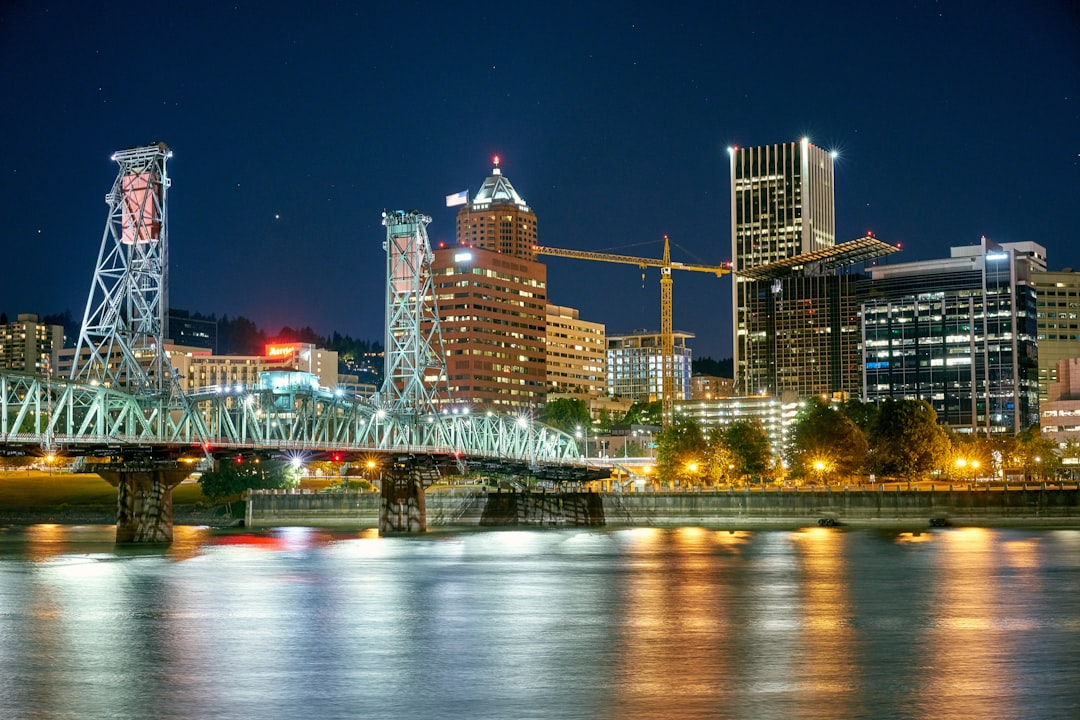
Portland, Oregon is practically custom-built for solo exploration. The city’s walkable neighborhoods, incredible food scene, and famously friendly locals create an environment where being alone feels natural, not awkward. Spend days browsing Powell’s City of Books, exploring the food cart pods, and hiking in Forest Park—all activities that are just as rewarding solo as with company. I’ve never felt unsafe in Portland, even walking alone at dusk in well-traveled areas like the Pearl District.
San Diego, California offers the perfect blend of urban excitement and beach relaxation, with a laid-back vibe that takes the pressure off. The downtown area, particularly the Gaslamp Quarter, is well-patrolled and bustling with activity. I love spending mornings at Balboa Park (where there’s always something happening), afternoons at the beach, and evenings in Little Italy dining solo without feeling out of place. The weather is practically perfect year-round, which means you can plan months in advance without worrying about seasonal disruptions.
Austin, Texas surprised me with how solo-friendly it is. Yes, it’s hot in summer. But the city’s culture of friendliness (“Southern hospitality” is real here) combined with its vibrant music scene and outdoor activities creates an energy that’s infectious even when you’re experiencing it alone. I’ve spent entire days floating the Colorado River, eating my way through taco trucks, and catching live music—all while meeting people effortlessly because Austin’s social scene is so welcoming to newcomers.
Asheville, North Carolina is where I send friends who want natural beauty without sacrificing comfort. The Blue Ridge Mountains backdrop is stunning, but what makes Asheville special for solo travelers is its walkable downtown packed with breweries, galleries, and restaurants that actively cater to individuals. I’ve never felt out of place dining alone here, and the hiking community is so active that you can easily find group hikes if you want company on the trails.
National Parks: The Ultimate Solo Adventure
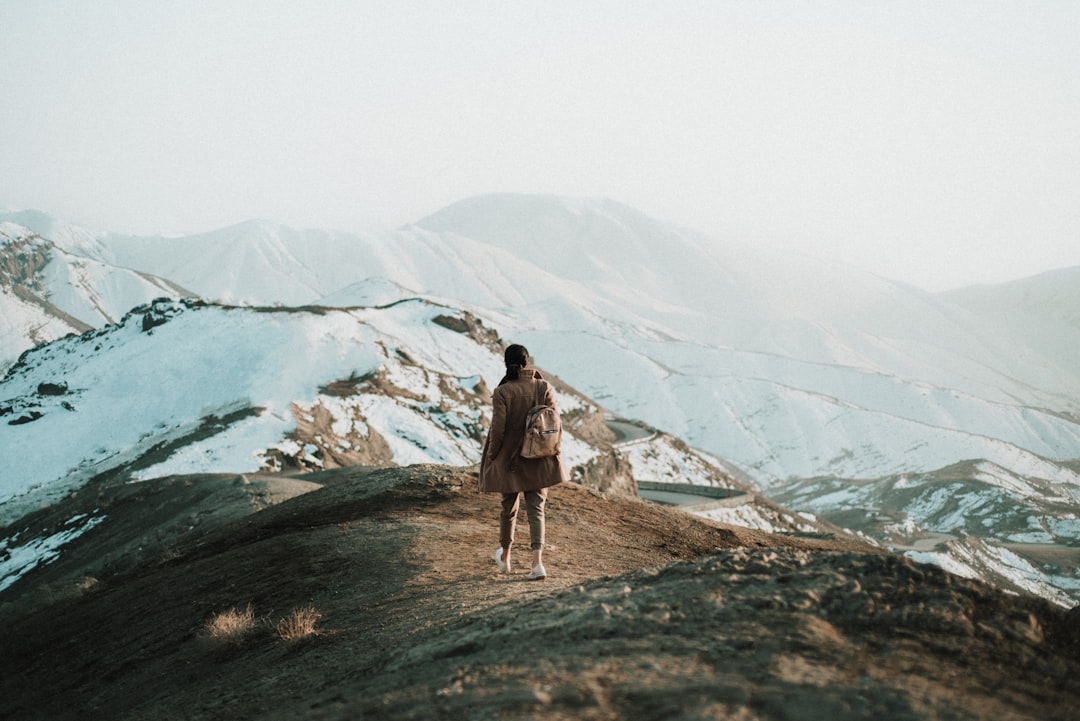
There’s something profoundly empowering about exploring a national park alone. Without the distractions of conversation, you notice more—the way light hits granite walls in Yosemite, the marmot peeking from rocks in Rocky Mountain, the absolute silence of the Grand Canyon at dawn. I’ve done dozens of solo park visits, and they’ve been some of my most transformative travel experiences.
But national parks require different safety considerations than cities. The wilderness doesn’t care about gender, but it does demand respect. Here’s how I prepare: I always carry satellite communication devices when venturing beyond cell service (yes, they’re worth every penny). I share detailed trail plans with park rangers and set firm turnaround times. I bring twice as much water as I think I’ll need, plus high-energy food. And I never, ever hike alone without telling someone exactly where I’m going and when I’ll be back. If you’re new to national parks, my guide for first-time national park visitors covers the essentials.
The payoff? Watching a sunrise over Bryce Canyon’s hoodoos without hearing another human voice. Having a entire valley in Great Smoky Mountains practically to yourself because most visitors stick to the main roads. These moments are why solo national park travel has become one of my favorite ways to experience America’s natural wonders.
Gear That Makes a Real Difference
After thousands of miles of solo travel, I’ve refined my gear kit down to items that actually matter. Yes, some products are hype—but these have genuinely changed my travel experience.
Personal Safety Alarms: I carry one on my keychain and another in my daypack. They’re not perfect, but they buy precious seconds if someone grabs you. I recommend models that hit 130+ decibels—trust me, you want something that can pierce through ambient noise and attract attention immediately.
Portable Door Locks: These small metal wedges that jam under doors from inside have given me peace of mind in countless hotels and Airbnbs. They’re lightweight, foolproof, and work even when someone has a key. I never travel without one anymore.
RFID-Blocking Wallets: Digital pickpocketing is real, especially in tourist areas. A good RFID-blocking wallet adds a layer of security without being bulky. I keep my backup credit card and emergency cash separately in my main luggage, so even if my wallet is stolen, I’m not stranded.
GPS Trackers: For longer road trips or wilderness adventures, personal GPS trackers let loved ones follow your journey in real-time. It’s not about being tracked constantly—it’s about having a lifeline if something goes wrong in areas with no cell service.
Comfortable Walking Shoes: This sounds basic, but it’s critical. Blisters and foot pain don’t just hurt—they make you vulnerable by slowing you down and affecting your mood. I invest in quality walking shoes that work for both city exploration and light trails. The right shoes mean more mobility, which means more freedom.
Meeting People When You’re Traveling Alone
One of solo travel’s biggest misconceptions is that you’ll be lonely. In reality, I’ve met more people while traveling alone than I ever did with companions. When you’re solo, you’re more approachable, and locals are often more inclined to engage with someone who’s clearly exploring independently.
That said, there’s an art to building social connections without compromising safety. Here’s what works for me: I stay in hostels or guesthouses with common areas—these create natural opportunities for conversation with other travelers. I join group activities like food tours, hiking meetups, or workshops where the shared experience breaks the ice effortlessly. I’m intentional about where I sit in cafés and restaurants—bars and counter seating are social goldmines for solo diners. To avoid common pitfalls, my guide to common travel mistakes covers what to watch out for.
Social media has changed the game too. Before any trip, I search for local female travel communities or expat groups. I’ve met up with women for coffee in cities across the country, and these connections have provided insider tips that no guidebook could offer. That said, I always meet in public places first, and I trust my gut—if something feels off about an online connection, I don’t pursue it.
Handling the Uncomfortable Moments
They happen to every solo female traveler eventually. The guy who won’t take no for an answer at a bar. The taxi driver who takes a “shortcut” that feels wrong. The street vendor who gets aggressive. The key isn’t avoiding these situations entirely—it’s knowing how to handle them when they arise.
Strategies I’ve heard that work: I’ve perfected the “I’m meeting my husband/boyfriend” line, even though I’m single. It works because it provides a socially acceptable reason for my disinterest that doesn’t escalate confrontation. I carry a fake wedding ring that I slip on when I’m walking alone at night. I never share my hotel name with strangers—I give a vague “near the river” or “downtown area” instead. I keep my phone charged and accessible at all times, with emergency contacts on speed dial.
And perhaps most importantly: I’ve learned that it’s okay to ask for help. Hotel staff, restaurant servers, shop owners—most are happy to call a taxi, wait with you until your ride arrives, or simply provide a safe space if someone is making you uncomfortable. I’ve done this multiple times, and people have invariably been kind and helpful.
Accommodation Choices That Enhance Safety
Where you stay dramatically impacts your solo travel experience. After years of trial and error, I’ve developed a system for choosing accommodations that prioritize both safety and enjoyment.
For cities, I book hotels in well-trafficked, well-lit areas near public transportation. I read reviews specifically looking for mentions of solo female travelers and their experiences. I request rooms on higher floors (but not the top floor, which can be more isolated) and away from stairwells. I always use the hotel safe for passports and backup cash.
For smaller towns or nature-focused trips, I’ve fallen in love with boutique guesthouses and bed-and-breakfasts. The personal attention from hosts who know the area provides an extra layer of security, plus they often have great local tips. I also love glamping sites and eco-lodges, which combine outdoor adventure with creature comforts and built-in community.
Airbnb can work, but I’m selective. I only book entire places (not private rooms in shared homes), and I obsessively read reviews, especially those from solo female guests. I check the location on street view to ensure the neighborhood looks safe and well-maintained. And I always book properties with superhost status and plenty of reviews.

Transportation Tips for Solo Travelers
Getting around safely is about more than just choosing transportation modes—it’s about understanding local rhythms and patterns. In cities, I prioritize staying near public transit hubs. During the day, subways and buses are generally safe, but I switch to rideshares after dark, especially in less familiar areas. I always sit near the driver on buses and in well-populated train cars.
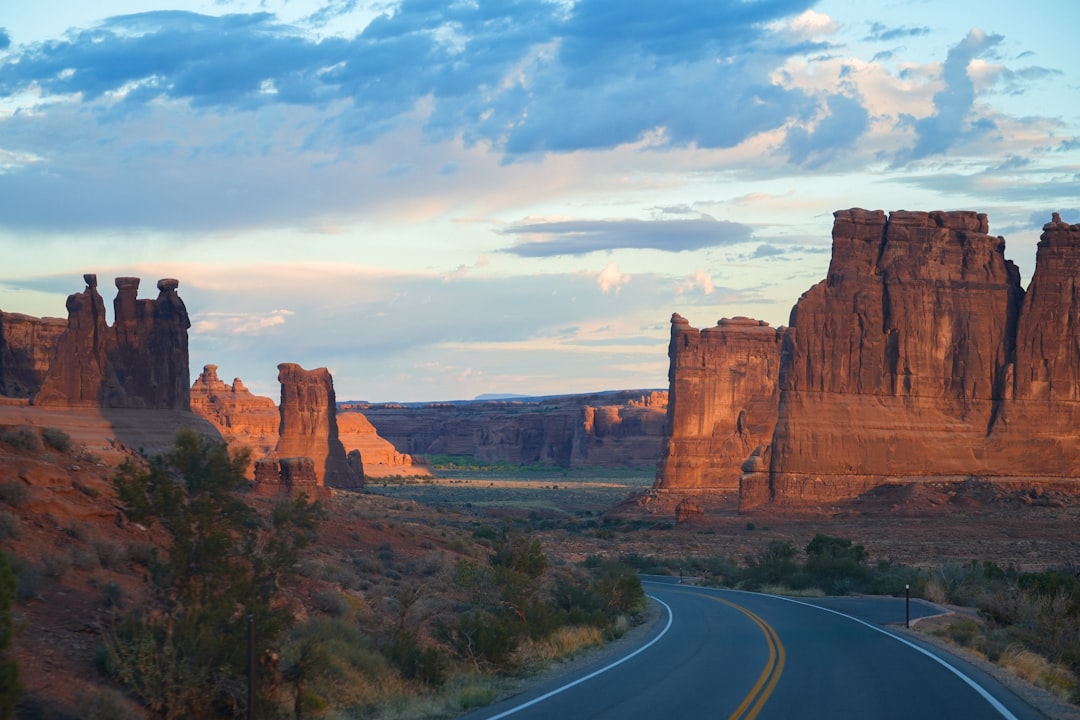
Road trips are my favorite way to see America solo, but they require planning. I map out my route with realistic driving times, identify safe stopping points every 2-3 hours, and book accommodations in advance rather than winging it. I keep my car in good condition—nothing worse than breaking down alone on a remote highway. And I always let someone know my route and expected arrival time. Proper preparation is key—see my road trip gear guide for what to pack.
When flying, I avoid red-eye arrivals when possible. Being exhausted and disoriented in an unfamiliar city at 2 a.m. is a recipe for bad decisions. If I must arrive late, I pre-book airport transfers instead of figuring out ground transportation on the fly. I also keep my phone fully charged with backup power banks so I can always access maps and ride apps.
The Transformation: What Solo Travel Changes in You
Here’s what nobody tells you about solo female travel: it’s not just about the places you see—it’s about the person you become. After your first successful solo trip, something shifts. Problems that seemed insurmountable suddenly feel manageable. Situations that would have made you anxious now feel like adventures. You develop a quiet confidence that radiates through every aspect of your life.
I’ve watched friends who swore they’d never travel alone come back from their first solo trips changed. They make decisions more decisively. They handle workplace challenges with more confidence. They navigate life’s obstacles with less fear. There’s something about proving to yourself that you can handle unfamiliar situations, solve problems, and create your own joy that rewires your brain.
The empowerment is cumulative. Each solo trip builds on the last. The woman who nervously explored Portland alone eventually road-trips through the Southwest. The anxious restaurant diner becomes the one who confidently requests a table for one. The hesitant traveler becomes the one helping other women plan their first solo adventures.
Your First Solo Trip: Practical Steps to Start
Ready to take the plunge? Here’s how to make your first solo female adventure successful: Choose a destination you’re genuinely excited about—not somewhere you think you should go, but somewhere that calls to you. Keep it manageable for your first trip; a long weekend in a walkable city is better than a week in a remote mountain town if you’re new to this.
Book accommodation with a social element—a hostel with common areas, a guesthouse with communal breakfast, or a hotel in a vibrant neighborhood. Plan just enough structure to feel secure (first night’s accommodation, airport transfer, one or two must-see activities) while leaving plenty of room for spontaneous exploration.
Pack light but smart. Bring versatile clothes that mix and match, comfortable walking shoes, and safety essentials like compact first aid kits and backup phone chargers. For a complete packing checklist, my solo travel gear guide covers everything you need. Most importantly: pack an open mind. Things will go wrong—flights get delayed, weather happens, maps get confusing. The magic of solo travel isn’t in perfect plans; it’s in how gracefully you handle the unexpected.
The Bottom Line: You’re More Ready Than You Think
Solo female travel in the USA isn’t just possible—it’s extraordinary. The country’s incredible diversity of landscapes, cities, and experiences means there’s a perfect solo adventure waiting for every type of traveler, whether you crave wilderness, culture, food, or simply the joy of discovering places at your own pace.
Yes, it requires preparation. Yes, it demands awareness. But the rewards—confidence, freedom, stories that are uniquely yours—far outweigh the challenges. The women I’ve met on the road, the experiences I’ve had, and the person I’ve become through solo travel are treasures I wouldn’t trade for anything. For budget-conscious travelers, my budget travel guide has money-saving tips.
So pack your bag. Trust your instincts. Book that ticket. The USA is waiting, and you’re more ready than you think. Your solo adventure starts the moment you decide to go—and I promise, the woman who returns will be different than the one who left, in all the best ways possible.
3 thoughts on “Solo Female Travel USA: The Ultimate 2026 Safety Guide”