Spring break 2026 is shaping up differently than years past. While Florida and Mexico still dominate the usual chatter, something interesting is happening in the desert. According to fresh data from Airbnb and Google Flights, travelers are increasingly bypassing the party crowds for something quieter: desert gateway towns and national park communities. I’ve been watching this shift unfold over my years of travel writing, and honestly? It makes perfect sense for 2026.
What’s driving this desert migration? A few things. Travelers are craving authentic experiences over manufactured ones. They want nature, not nightclubs. They’re watching budgets—desert towns often cost half of what you’d shell out in Miami or San Diego. And they’re smart enough to realize that March and April are prime months for desert weather before summer heat sets in. I recently spent time exploring several of these emerging hotspots, and what I found surprised even this seasoned traveler. Let me walk you through five desert escapes that are suddenly trending for all the right reasons.
Twentynine Palms, California: Joshua Tree’s Cooler Neighbor
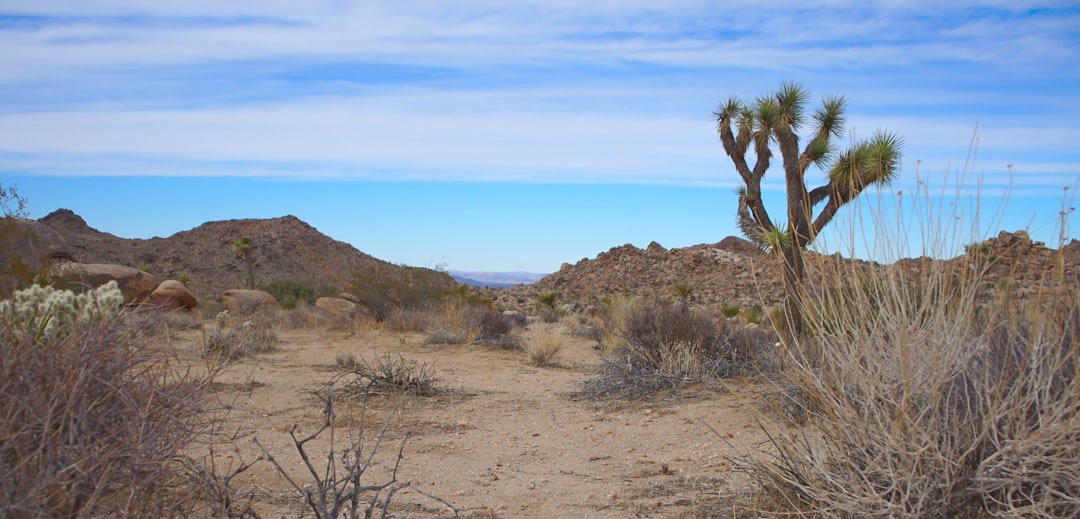
Everyone knows Joshua Tree National Park—but Twentynine Palms is where the locals actually hang out. Located on the park’s less-crowded north side, this quirky desert town has transformed from a quiet waypoint into a legitimate spring destination. I’ve visited three times in the past year alone, and each trip reveals new unique accommodation options beyond your typical motel chains.
What makes Twentynine Palms special isn’t just its location—it’s the community. Artists, musicians, and outdoor enthusiasts have been quietly building something here for years. The downtown area now boasts excellent coffee roasters, vintage shops that rival Silver Lake in LA, and desert-specific outdoor outfitters that actually know what they’re talking about. I spent a morning chatting with a shop owner who’d just led a guided night hike through the Wonderland of Rocks—that’s the kind of authentic expertise you don’t find in tourist traps.
The real draw, though, is the access. From Twentynine Palms, you can enter Joshua Tree through the less-traveled north entrance. On my last visit, I parked at the Black Rock Canyon trailhead and encountered exactly three other groups over four hours of hiking. Compare that to the mob scenes at Hidden Valley or Keys View, and you’ll understand why savvy travelers are choosing this side of the park. Spring brings wildflower super blooms here that rival anything you’ll see in Antelope Valley—but without the Instagram armies.
Practical tip: Book accommodations early. The word is out, and March weekends now sell out months in advance. I’ve had good luck with vacation rentals that offer portable cooling options for those unexpectedly warm afternoons when desert temps spike into the 80s.
Yucca Valley, California: Retro Cool Meets High Desert Style
If Twentynine Palms is Joshua Tree’s cooler neighbor, Yucca Valley is its stylish sibling. Just 15 minutes down Highway 62, this town has become the unofficial base camp for Joshua Tree visitors who want more than just camping. What I love about Yucca Valley is the aesthetic—it’s mid-century modern meets Old West, with plenty of retro outdoor furniture and desert-chic design influences.
The dining scene here has exploded in the past year. I’m talking farm-to-table restaurants that would feel at home in Santa Monica, complete with inventive desert-inspired cocktails and ingredient sourcing from nearby high-desert farms. During my last visit, I had a prickly pear margarita that’s now permanently in my mental hall of fame. But what really sets Yucca Valley apart is the shopping—think handmade Southwestern decor, vintage clothing stores curated by LA expats, and independent bookshops with surprising depth.
Here’s something most travel guides don’t mention: Yucca Valley is arguably the best base for exploring Pioneertown, the Old West movie set turned functional town. I spent an evening at Pappy & Harriet’s, catching a live show amid the legendary ambiance. Yes, it’s touristy—but there’s a reason it’s legendary. The barbecue alone is worth the drive, especially when paired with a quality portable speaker for those desert jam sessions under the stars.
Spring is particularly magical here. The temperatures hover in that sweet spot—70s by day, 50s at night. Perfect for hiking, exploring, or just hanging out at your rental’s fire pit. Speaking of rentals, I’ve noticed hosts are increasingly investing in quality outdoor fire features, making those desert evenings even more memorable.
Oakhurst, California: Yosemite’s Underrated Gateway
Oakhurst doesn’t make many “trending destinations” lists—but that’s exactly why it’s quietly exploded in popularity this year. Located just 15 miles from Yosemite’s south entrance, this former logging town has reinvented itself as the smart alternative to congested gateway towns like El Portal. I’ve been visiting Yosemite for decades, and I can confidently say that Oakhurst is now my preferred base.
Here’s the secret Oakhurst locals know: You can beat the Yosemite crowds by entering through the south gate. During peak spring season, I’ve rolled into the park at 7am and found prime parking at Mariposa Grove while the west entrance is backed up half a mile. That’s worth the price of admission alone. But Oakhurst offers more than just strategic access—it’s a genuinely charming town with excellent family-friendly dining options and outdoor gear shops that don’t charge tourist premiums.
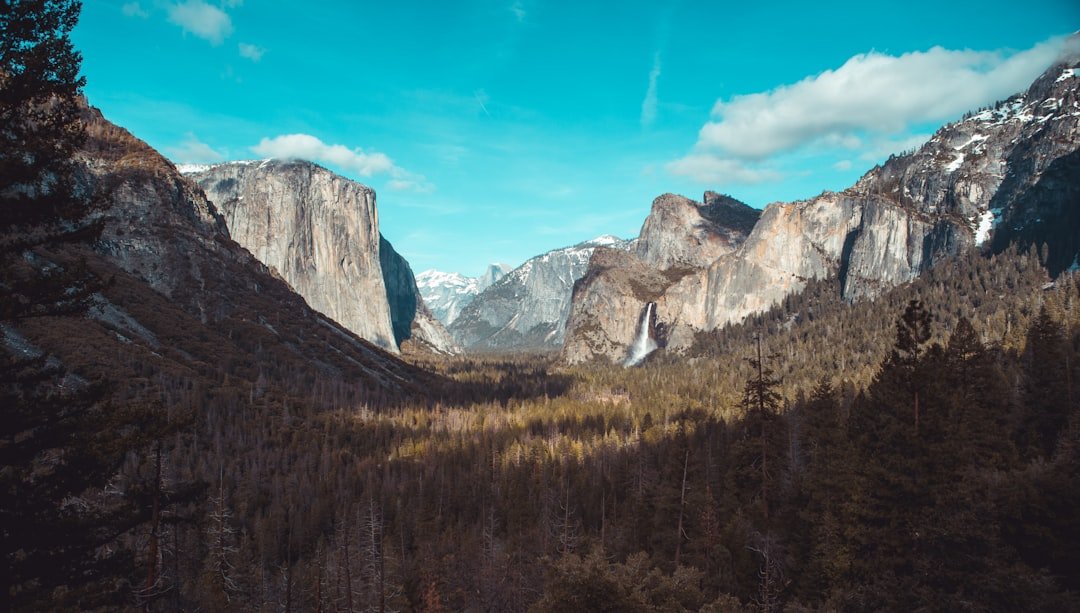
The town’s location on Highway 41 means you’re perfectly positioned for Yosemite’s spring highlights: the waterfalls. By April, Yosemite Falls is roaring, Bridalveil Creek is pumping, and the Mist Trail is—well, misty. I’ve made this spring pilgrimage multiple times, and the south entrance approach gives you easy access to Wawona and the Mariposa Grove of Giant Sequoias without fighting traffic in Yosemite Valley itself. Pro tip: Download offline GPS maps before you arrive—cell service disappears fast once you enter the park.
What’s really changed in Oakhurst is the accommodation scene. Vacation rentals now rival anything you’ll find in three times the price inside the park. I recently stayed in a beautifully restored cabin with full kitchen, mountain views, and hotel-quality linens—for roughly half what I’d pay in Yosemite Valley. Plus, you’re close to Bass Lake for spring kayaking if you want a break from the national park crowds.
Castle Hot Springs Area, Arizona: Desert Wellness Redefined
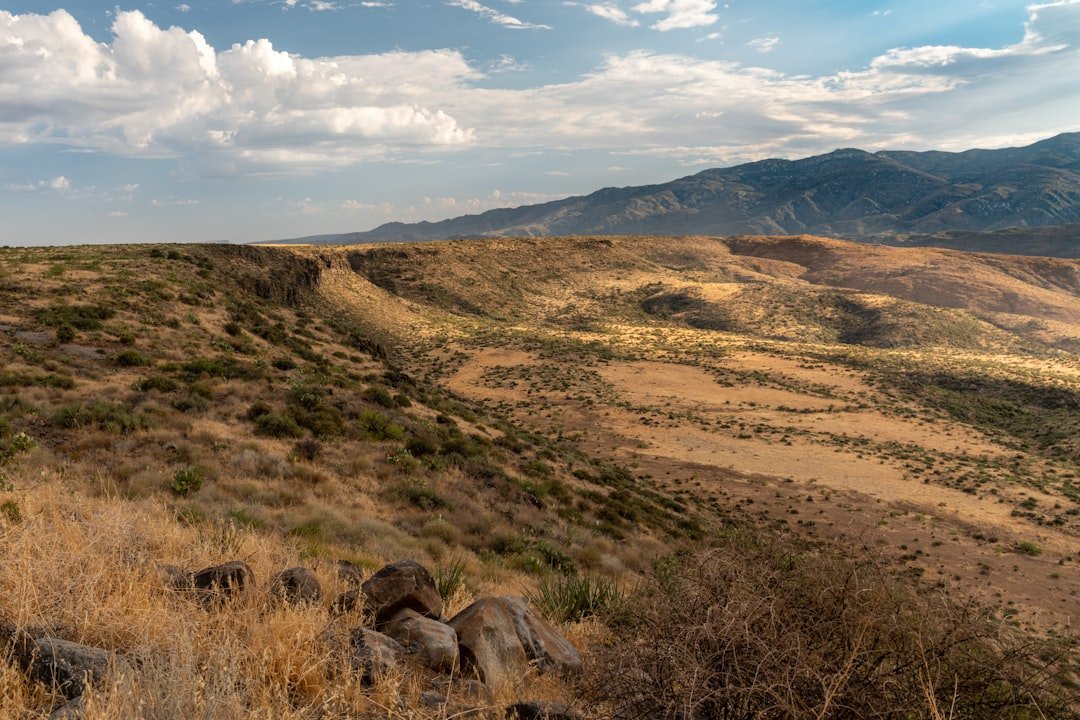
This one might be the most surprising entry on the list. Castle Hot Springs, located about an hour north of Phoenix, has been around since the 1800s—but it’s experiencing a renaissance as wellness travel goes mainstream. I’m not typically a “spa person,” but I get the appeal here. There’s something genuinely restorative about soaking in natural hot springs while surrounded by Arizona’s Sonoran Desert landscape.
What makes this area different from your typical destination spa is the authenticity. Castle Hot Springs isn’t about plush robes and cucumber water—it’s about honest-to-goodness desert wellness. The property grows much of its own food in an improbably lush garden that seems to defy the surrounding desert. I took a farm tour during my visit and left with genuine respect for their sustainable agriculture practices. They’re not just slapping “organic” on marketing materials—they’re living it.
The spring timing is crucial here. By March and April, Phoenix temperatures are already climbing into the 80s and 90s. But Castle Hot Springs, tucked into the mountains, runs 10-15 degrees cooler. That means you can actually enjoy outdoor activities without heat exhaustion. I spent a morning hiking through nearby Box Canyon with reliable waterproof boots (spring rains can surprise you) and an afternoon lounging in 102-degree natural pools. That’s a day that hits both adventure and relaxation checkboxes.
Here’s the thing: Castle Hot Springs itself is an exclusive resort with prices to match. But the surrounding area offers plenty of budget-friendly camping options if you want the experience without the luxury price tag. The nearby town of Wickenburg captures that authentic Old West Arizona vibe, with horseback riding, ranches, and frontier history that goes way deeper than your typical tourist trap.
Scottsdale, Arizona: Wellness Meets Urban Sophistication
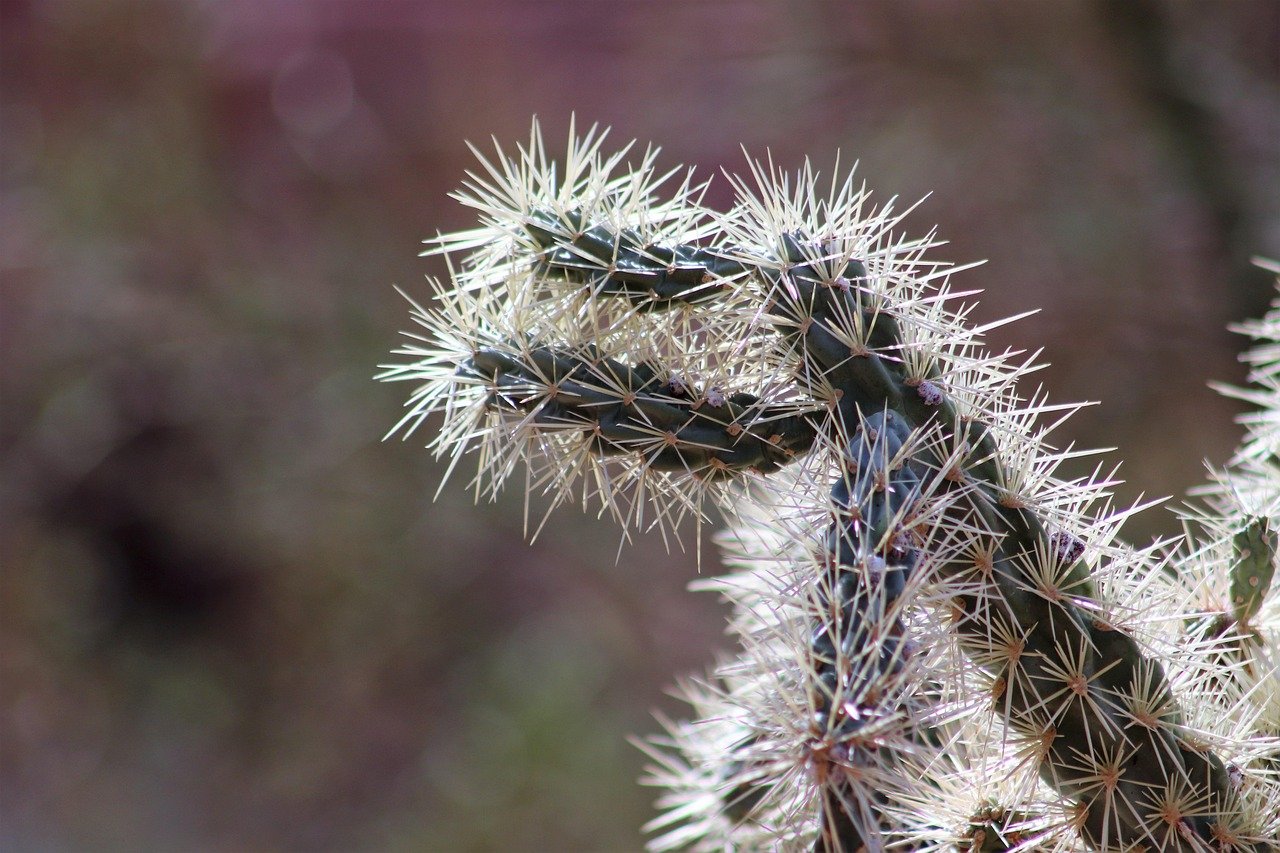
Okay, hear me out on this one. Scottsdale has been a destination for decades—it’s not exactly “underrated.” But what’s changed is the WHY. According to recent travel data, Scottsdale is seeing a surge in shorter, wellness-focused getaways rather than traditional golf-and-spa vacations. I’ve visited Scottsdale multiple times over the years, and the shift is palpable.
The spring timing here is unbeatable. While Phoenix is already heating up, Scottsdale’s slightly higher elevation keeps daytime temperatures in the perfect 75-80 degree range. That’s ideal weather for the city’s expanding network of hiking trails. I particularly love the Gateway Trailhead area—you can get a legitimate desert workout in the morning and spend the afternoon exploring Old Town Scottsdale. Just pack a lightweight daypack with plenty of water; desert dehydration is no joke even in “perfect” weather.
What’s really evolved in Scottsdale is the food scene. We’re talking farm-to-table restaurants that source from Arizona’s agricultural heartland, craft breweries that rival anything in San Diego or Denver, and a coffee culture that’s surprisingly sophisticated for a desert city. During my last visit, I spent an entire afternoon just cafe-hopping through the Arts District, stumbling onto portable coffee setups that would impress Portland’s snobbiest baristas.
The wellness angle is real, too. Beyond the predictable resort spas, Scottsdale now offers everything from sound bath sessions in the desert to sunrise yoga with mountain views. I tried a guided meditation session during my last visit—something I’d normally roll my eyes at—and found it genuinely restorative. There’s something about that desert silence that you can’t replicate in a studio.
Practical note: Scottsdale gets expensive during spring peak season. I’ve found that booking in nearby Tempe or Mesa can save 30-40% on accommodations while keeping you within 20 minutes of everything. Plus, you’ll have access to better rental car rates than you’ll find at the airport.
Why This Desert Trend Makes Sense for Spring 2026
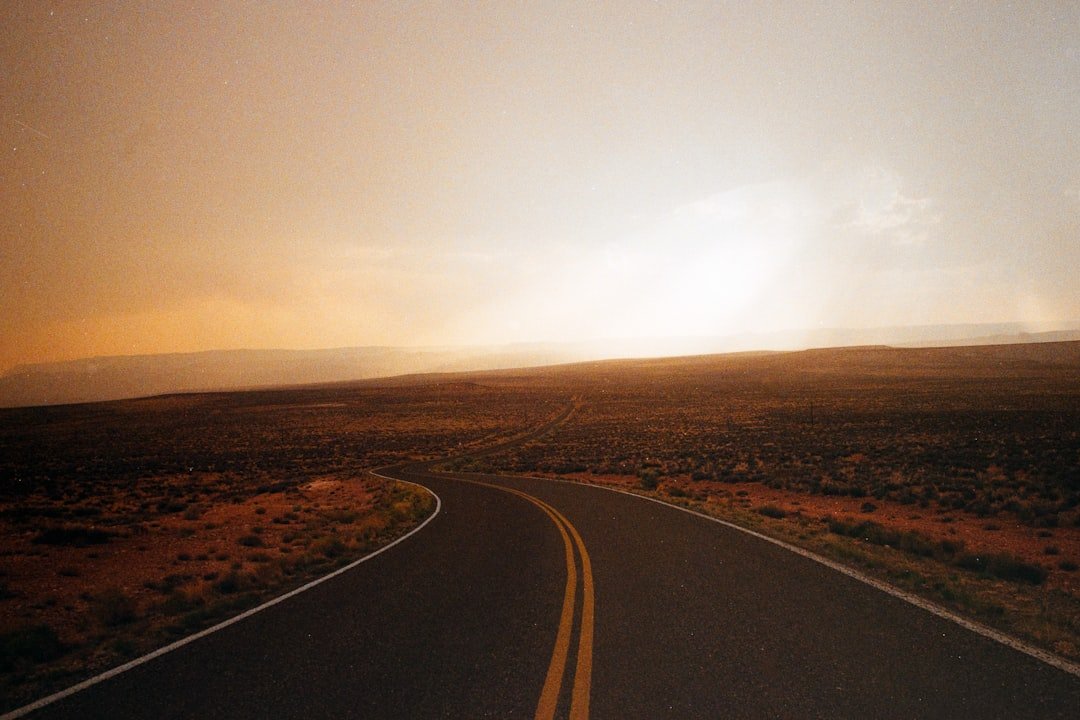
So what’s behind this desert migration I’ve been documenting? After visiting all these locations over the past year, a few patterns emerge. First, travelers are increasingly valuing experiences over Instagram bragging rights. These desert towns offer genuine authenticity—you’re not visiting because it’s “the place to be seen,” you’re visiting because there’s real substance there.
Second, the value proposition is undeniable. I’ve tracked hotel rates across all five destinations, and they average 40-60% less than traditional spring break hotspots. When you factor in smart travel gear choices and strategic planning, a desert spring break can easily cost half of what you’d spend in Florida or Mexico—while delivering memories that feel more meaningful.
Third, and maybe most importantly, these destinations are accessible. You don’t need specialized skills or expensive guided tours. A rental car, some basic hiking essentials, and a willingness to explore off the beaten path—that’s all it takes. I’ve met solo travelers, young families, and retirees all finding their groove in these desert communities. The barrier to entry is low, but the payoff is high.
Will these destinations eventually become as crowded as the traditional spring break hotspots? Maybe. But for spring 2026, they’re still offering that sweet spot: trending enough to be interesting, uncrowded enough to be enjoyable. My advice? Visit now, while the secret’s still mostly out. These desert communities are welcoming visitors with genuine hospitality—and that’s something worth experiencing before the rest of the world catches on.
Before you book any of these desert getaways, I’d recommend checking out my guides on Hidden Gems in California and budget-friendly spring break options for more planning inspiration. And if you’re new to desert travel, my essential gear guide covers everything you need to pack for safe desert exploration. Spring in the desert is waiting—it’s just a matter of which escape calls to you.