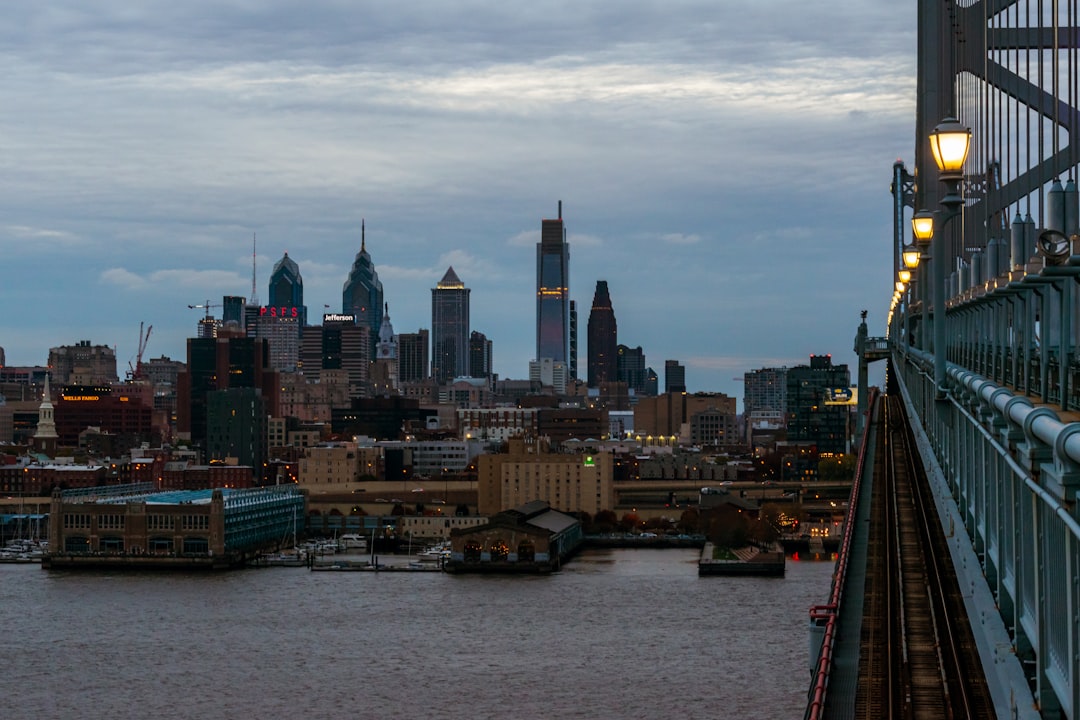
Philadelphia is about to pull off something extraordinary this summer, and honestly? It couldn’t happen to a more deserving city. As someone who’s spent countless weekends wandering Independence Hall’s cobblestones and debating the merits of cheesesteak supremacy (it’s Pat’s, fight me), I’ve watched America’s birthplace transform into a modern destination that never forgets where it came from. But 2026? That’s different. This is the year Philly becomes the epicenter of America’s 250th birthday party, and after months of digging into what’s actually happening, I’m here to tell you why you need to be there—especially if you want to experience history without feeling like you’re trapped in a textbook.
The Semiquincentennial (yeah, I had to look that up too—it means 250th anniversary) is transforming Philadelphia into a living museum meets street festival, and the energy is already palpable. I talked to locals who’ve been planning this for years, and what struck me most was how intentional they are about making this celebration feel authentic, not just touristy. This isn’t about reenactments and powdered wigs (though there will probably be some of that). It’s about understanding why Philadelphia mattered then, why it matters now, and why you’ll leave feeling differently about American history than when you arrived.
The Wawa Welcome America Festival runs for two weeks leading up to July 4th, and it’s unlike anything I’ve experienced in my years of travel writing. We’re talking free concerts, neighborhood block parties, food festivals featuring the city’s legendary culinary scene, and cultural events that showcase why Philadelphia is one of the most diverse cities in America. What impressed me most is how many events are genuinely free—this isn’t a price-gouging celebration aimed at extracting maximum dollars from visitors. The city wants you here, and they’re making it accessible.
Here’s what you need to know about the major events, along with some local secrets I’ve picked up from years of Philly visits:
The July 3rd Semiquincentennial Parade: More Than Just Marching Bands
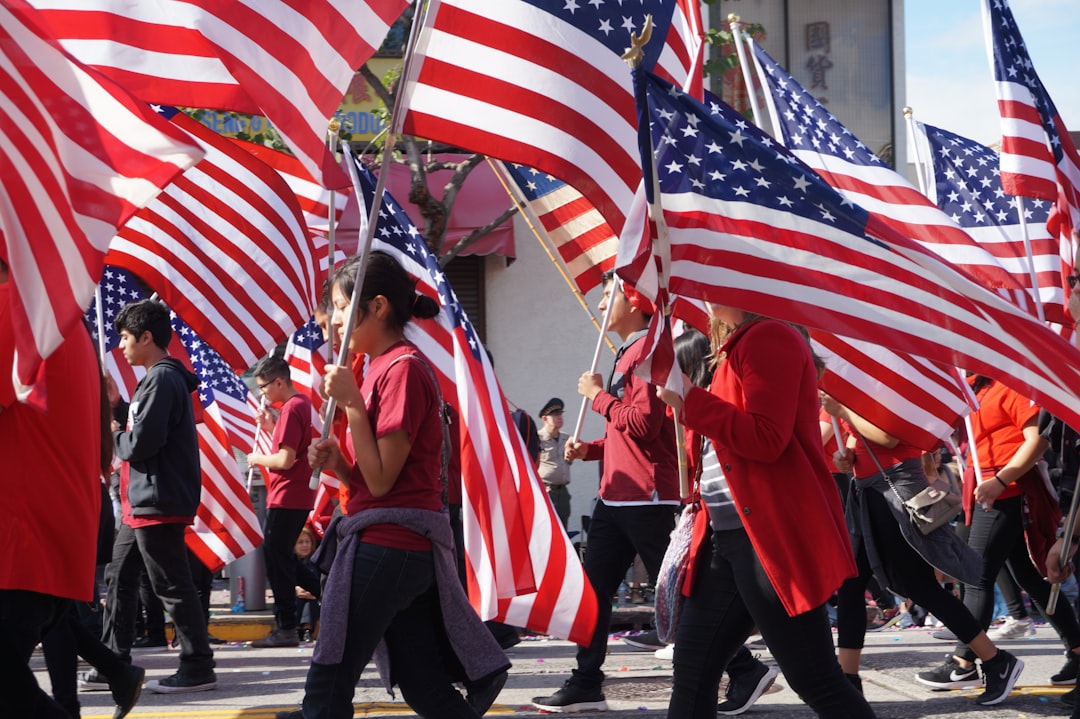
On July 3rd, Philadelphia hosts what’s being called the Semiquincentennial Parade, and let me be clear: this is not your typical small-town parade with drifting convertibles and the high school marching band. This is a meticulously orchestrated celebration of American history, culture, and progress. The parade route winds through historic areas, and I’ve been told by organizers that they’re designing it to feel like a journey through time, not just a spectacle to watch from the sidelines.
What I’m most excited about? The way they’re incorporating modern Philadelphia into the narrative. This isn’t just about 1776—it’s about how Philadelphia became a hub of innovation, culture, and resilience. You’ll see representations of the city’s industrial heritage, its artistic communities, and the neighborhoods that make Philly unique. My advice: don’t just stake out a spot and wait. The parade route will be packed, and the best views go early. Consider grabbing portable camping chairs and claiming your spot by 8 AM, especially if you want a front-row view near Independence Hall.
Pro tip: The parade ends near the Benjamin Franklin Parkway, which is where the real party begins. Instead of fighting the crowds to leave immediately, grab dinner at one of the food trucks lining the route and stick around for the evening festivities. The atmosphere transitions seamlessly from patriotic spectacle to street party, and that’s when the real Philly magic happens.
July 4th: The Celebration of Freedom Ceremony
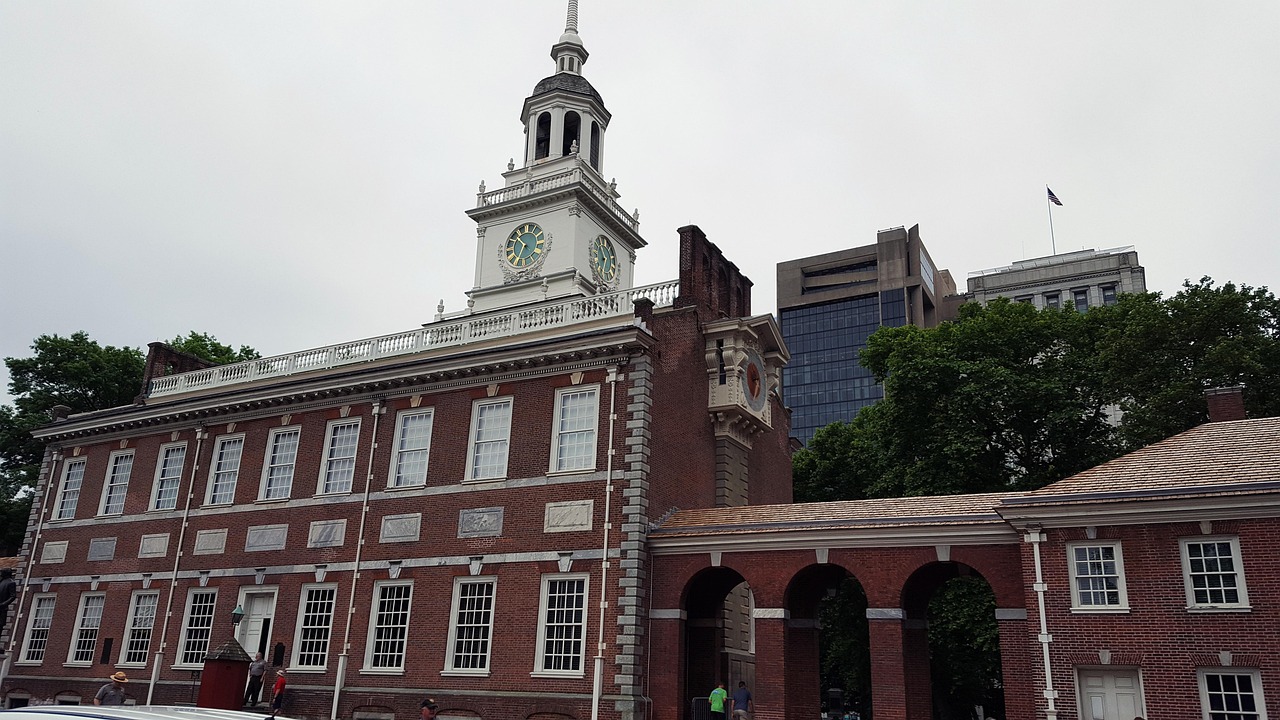
At 10 AM on July 4th, the Celebration of Freedom Ceremony takes place at Independence Hall, and this is the moment when history stops feeling abstract and starts feeling intensely personal. I attended a similar ceremony during a previous July 4th visit, and I’ll be honest—I expected it to feel cheesy. Instead, I found myself unexpectedly moved, standing in the same space where the Declaration of Independence was debated, hearing speeches that connected those revolutionary ideas to contemporary struggles for freedom and equality.
This year’s ceremony will feature speakers who can contextualize 1776 within 2026, and that’s the approach that makes Philadelphia’s celebration different from, say, Boston’s or Washington D.C.’s. Philly doesn’t just commemorate history—it interrogates it. You’ll hear about the contradictions of a nation founded on liberty while enslaving millions, about how those contradictions shaped Philadelphia, and about how the city continues to grapple with its dual identity as birthplace and battleground.
My practical advice: Arrive by 7 AM if you want a spot close to Independence Hall. The area will be secured early, and once it’s full, you’ll be watching from overflow areas with screens. Wear comfortable shoes—this is a standing event, and the cobblestones are no joke. Bring water, especially if it’s a hot July morning (and it will be). I’d also recommend packing an insulated water bottle to keep your drink cold in what will likely be sweltering heat.
After the ceremony, don’t rush away. Independence National Historical Park offers free entry to Independence Hall (tickets are required and go fast, so book months in advance), and seeing the actual assembly room where the Declaration was debated is worth the wait. The park rangers who lead these tours are passionate historians who can answer questions you didn’t even know you had about the founding era.
The National Constitution Center’s New Galleries
One of the most significant additions for America250 is the National Constitution Center’s two new galleries, and based on my conversations with museum staff, these aren’t just dusty displays of founding documents. The first gallery explores the contradictions of liberty in early America—enslavement, women’s exclusion from political life, the treatment of Native Americans. It’s unflinching in a way that many historical sites shy away from, and that’s exactly what makes it powerful.
The second gallery focuses on constitutional amendments and how the document has evolved. Interactive exhibits let you explore landmark Supreme Court cases, civil rights milestones, and contemporary debates about what “we the people” actually means. What impressed me most is how the center avoids treating the Constitution as a sacred artifact and instead presents it as a living framework that’s been contested, reinterpreted, and expanded over 250 years.
If you’re traveling with kids, this is one of the few historical attractions that genuinely engages young visitors. The exhibits are designed for multiple age levels, and there are hands-on activities that make abstract constitutional concepts concrete. Budget at least two hours here, and if you’re serious about understanding what you’re seeing, consider downloading their app beforehand for guided tours and additional context.
Benjamin Franklin Parkway: The Epicenter of Celebration
On the evening of July 4th, the Benjamin Franklin Parkway transforms into what locals are calling the biggest free concert and fireworks display in the city’s history. Having attended July 4th celebrations in Philly before, I can tell you: this is not an exaggeration. The Parkway is a spectacular mile-long boulevard modeled after the Champs-Élysées, flanked by museums and ending dramatically at the Philadelphia Museum of Art’s famous “Rocky Steps.”
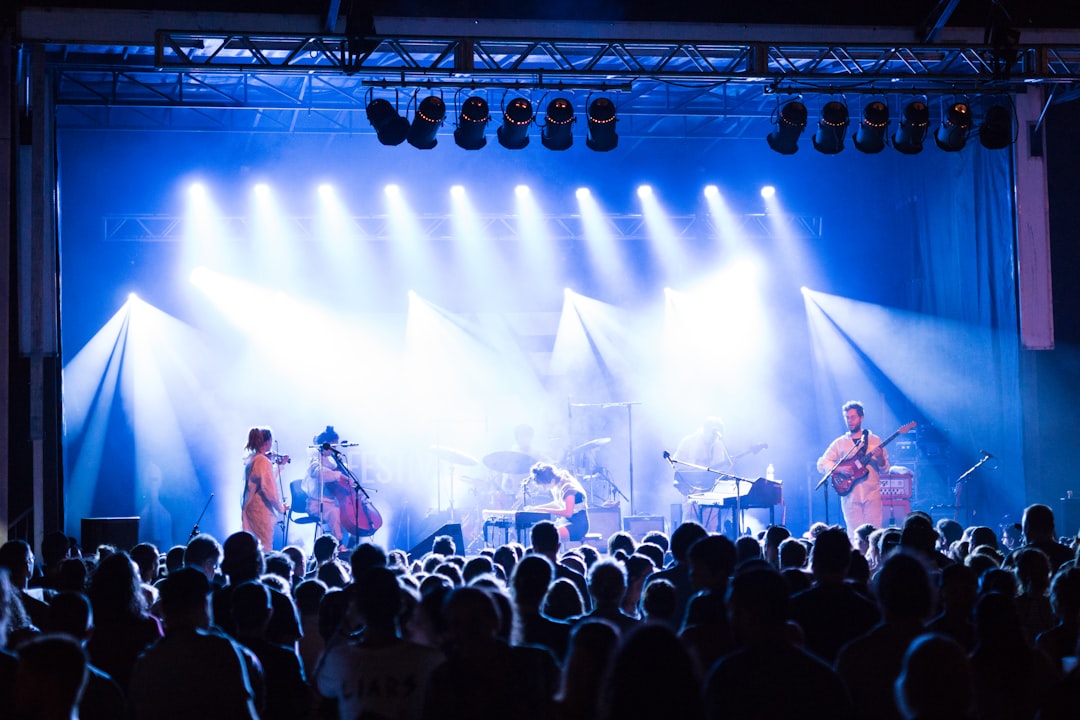
The free concert features headliners that the city has kept tightly under wraps, but based on previous years, expect A-list performers, diverse genres, and a setlist that balances patriotic favorites with songs that reflect contemporary America. What I love about this concert is how it captures Philadelphia’s identity—it’s not just about celebrating the past, but about showcasing the city’s role in shaping modern American culture, from soul music to hip-hop to indie rock.
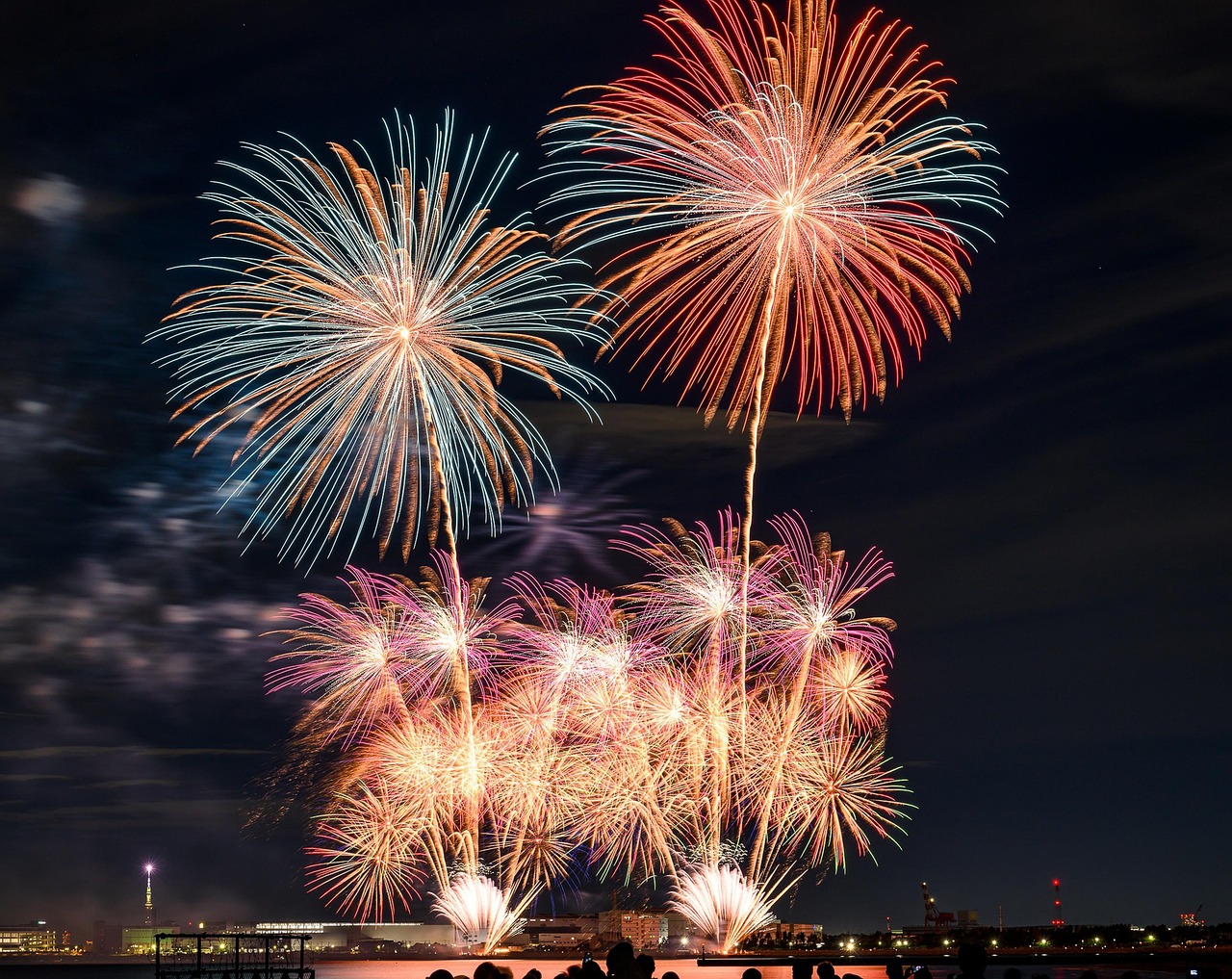
The fireworks display over the Philadelphia Museum of Art is genuinely breathtaking, and I say that as someone who’s seen fireworks in cities across America. The museum’s Greek Revival architecture provides a stunning backdrop, and the pyrotechnics are choreographed to a soundtrack that tells the American story through music. My advice: Don’t try to watch from inside the crowd pressed against the stage. The best views are actually from slightly elevated positions along the Parkway’s side streets, or from the steps of the Free Library of Philadelphia, which offers a perfect vantage point for both the concert and the fireworks.
Practical reality check: This event draws hundreds of thousands of people. The Parkway will be packed. Public transportation is your friend—SEPTA (the local transit system) will be running special service, and driving anywhere near Center City will be a nightmare. If you’re staying outside the city center, plan to take regional rail into Suburban Station and walk to the Parkway. Leave early, wear comfortable shoes, and accept that you’ll be part of a massive crowd. That’s part of the experience.
Beyond the July 4th Weekend: What Else to Explore
Here’s what most travel guides won’t tell you: Philadelphia’s America250 celebration isn’t limited to the July 4th weekend. The city has programmed events throughout the summer, and if you can visit in June or September, you’ll avoid the absolute worst of the crowds while still experiencing the special exhibitions and installations.
The Philadelphia Museum of Art is hosting a special exhibition on American art from 1776 to 2026, and it’s worth seeing even if you’re not typically an art museum person. The collection traces how American identity has been represented in visual art, from portraiture of founding fathers to contemporary works that grapple with what America means today. Plus, the view from the museum’s steps—yes, the Rocky steps—is iconic for a reason, offering a panoramic view of the skyline and the Parkway stretched out below.
For a different perspective on American history, visit Eastern State Penitentiary, the former prison that once held Al Capone and is now a haunting museum about crime, punishment, and rehabilitation. They’re offering special tours about incarceration in America from 1776 to present, and it’s a powerful counterpoint to the patriotic celebrations elsewhere in the city. This isn’t light entertainment—it’s thoughtful, sometimes disturbing, and absolutely essential for understanding the full American story.
Food lovers should not miss Reading Terminal Market, which is operating at full capacity with special America25-0 programming. Think cooking demonstrations featuring colonial-era recipes reimagined for modern palates, debates about what counts as “American” food (spoiler: it’s complicated), and plenty of opportunities to try Philadelphia’s iconic dishes without standing in two-hour lines at tourist traps like Pat’s and Geno’s. My recommendation: Hit the market for breakfast, grab a cheesesteak from one of the inside vendors (they’re better than the famous corner spots, and I will die on this hill), and explore the prepared food stands for a lunch that showcases Philadelphia’s culinary diversity.
Where to Stay: Neighborhood Strategy
Hotel prices are going to be astronomical in Center City during the July 4th weekend, and I’m talking $400-plus per night for basic rooms. If you’re flexible, here’s my strategic advice: Stay in a neighborhood just outside the core and use rideshare or public transit. Fishtown, in Northern Liberties, has boutique hotels and is a 15-minute Uber from Independence Hall. University City, near Penn and Drexel, has university accommodations that rent to visitors during summer and is a quick subway ride to downtown.
If you’re determined to stay in Center City, book immediately. Like, right now. The nice hotels—The Logan, The Rittenhouse, the Sofitel—are already filling up with corporate groups and press. For a more budget-friendly option, look into vacation rentals in neighborhoods like Bella Vista or South Philly, which are residential but accessible to the main event areas via short rideshares.
Practical Tips for Surviving the Celebration
After years of covering major events and festivals, here’s what I wish someone had told me before my first July 4th in Philadelphia:
First, download the Wawa Welcome America app (yes, it’s named after the convenience store, and that’s very Philly). It has real-time updates on event schedules, crowd conditions, and transportation changes. More importantly, it sends alerts about last-minute venue changes or weather disruptions, which can save you from showing up at the wrong place at the wrong time.
Second, pack for extreme weather. July in Philadelphia is hot—often 90 degrees plus with matching humidity. Bring a hat, sunscreen, and more water than you think you need. If you’re sensitive to heat, consider carrying a portable fan and scheduling indoor activities (museums, historic house tours) during the peak heat hours of 11 AM to 3 PM.
Third, embrace the crowd but know your exit strategy. The Parkway concert and fireworks will attract what locals estimate will be half a million people. That’s not an exaggeration. If you’re with kids or anyone who gets overwhelmed in crowds, stake out a spot early and plan to stay put. Have a designated meeting spot if you get separated (the Rocky Balboa statue at the museum is an obvious one). And know your route home in advance—don’t assume you can easily call an Uber at midnight when half a million people are trying to leave simultaneously.
Fourth, don’t overlook the smaller events. Some of the most authentic moments happen at neighborhood block parties, free museum days, and pop-up cultural events that aren’t heavily advertised. Check local event calendars and community bulletin boards. The real Philadelphia—the one that locals love—is found in these smaller gatherings, not just at the massive headline events.
Finally, be patient and kind. This is a once-in-a-lifetime celebration, and tensions will run high. Lines will be long, things will go wrong, and you’ll encounter other visitors who are stressed, tired, and overwhelmed. Channel your best Philly energy: tough but fair, direct but friendly, and always ready with a sarcastic comment about the weather.
Why Philadelphia Matters More Than Ever
Here’s what I keep coming back to as I think about America250: Philadelphia is the perfect city to host this celebration because it embodies America’s contradictions and its resilience. This is a city that was once the nation’s capital, then declined into post-industrial struggle, then reinvented itself through universities, medicine, and culture. It’s a city of deep neighborhoods, intense local pride, and a population that doesn’t just tolerate history—it argues with it, questions it, and keeps making more of it.
When you walk through Independence Hall on July 4th, 2026, you’re not just walking through a carefully preserved building. You’re walking through a space where radical ideas were debated, where compromises were made that still shape our democracy, where a diverse group of people decided to risk everything for an experiment in self-government. That experiment is still ongoing, and Philadelphia—fractured, complex, stubborn, and inspiring—is its living monument.
So yes, go for the fireworks and the concerts and the chance to say you were there for the 250th birthday. But stay for the neighborhoods, the food, the arguments about history and what it means, and the very particular feeling of being in a city that has always been at the center of the American story—even when the rest of the country wasn’t paying attention.
This is Philadelphia’s moment. It’s also America’s moment to reconnect with where we started, how far we’ve come, and how much further we still have to go. And if you’re there on July 4th, 2026, standing on the Benjamin Franklin Parkway surrounded by half a million fellow Americans, watching fireworks explode over a museum that represents our highest cultural aspirations—well, that’s not just history. That’s the ongoing, unfinished, utterly essential project of America.
And I can’t think of a better place to witness it.