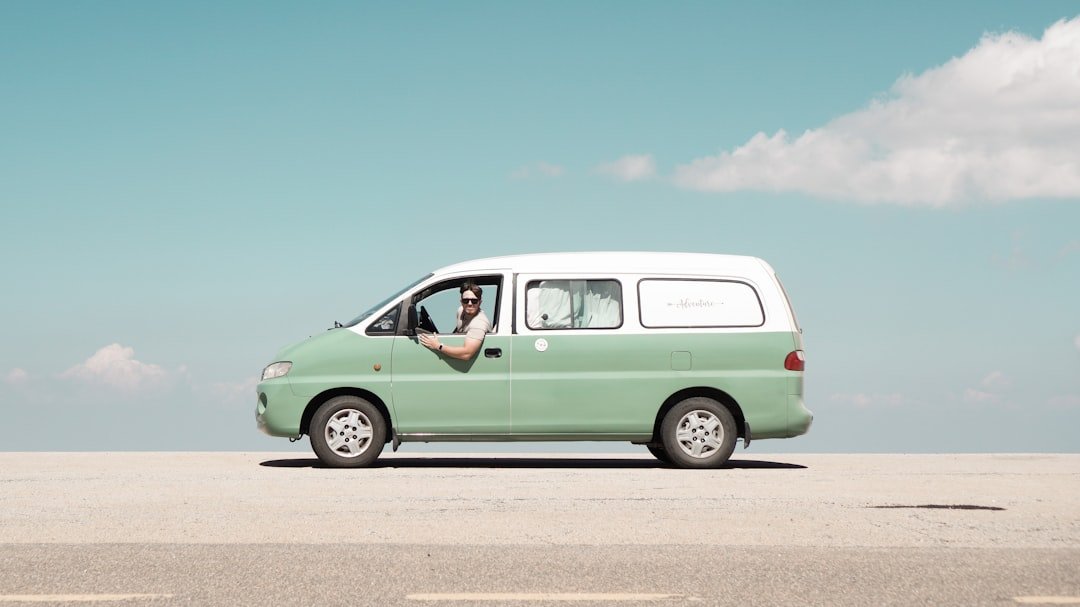
The remote work revolution didn’t just change where we work—it fundamentally transformed how we think about travel. In 2026, digital nomad visas are no longer a niche concept for a lucky few. They’ve become mainstream pathways for anyone with a laptop and a location-independent income to legally live and work abroad for extended periods. Having spent the last three years hopping between countries with these visas, I’ve learned that the difference between a seamless experience and a bureaucratic nightmare often comes down to preparation and realistic expectations. While some remote workers prefer shorter micro-vacations and weekend trips, digital nomad visas offer the opportunity for deeper cultural immersion and extended stays that transform how you experience a destination.
When I first applied for a digital nomad visa in 2024, the process felt overwhelming. Each country had different requirements, income thresholds, and application procedures. Some required proof of employment, others wanted bank statements showing six months of savings, and a few even demanded background checks from countries I’d never visited. Fast forward to 2026, and while the landscape has matured considerably, the fundamental truth remains: these visas are incredible opportunities, but they demand serious research and honest self-assessment before you pack your bags.
The 2026 Digital Nomad Visa Landscape: What’s Changed
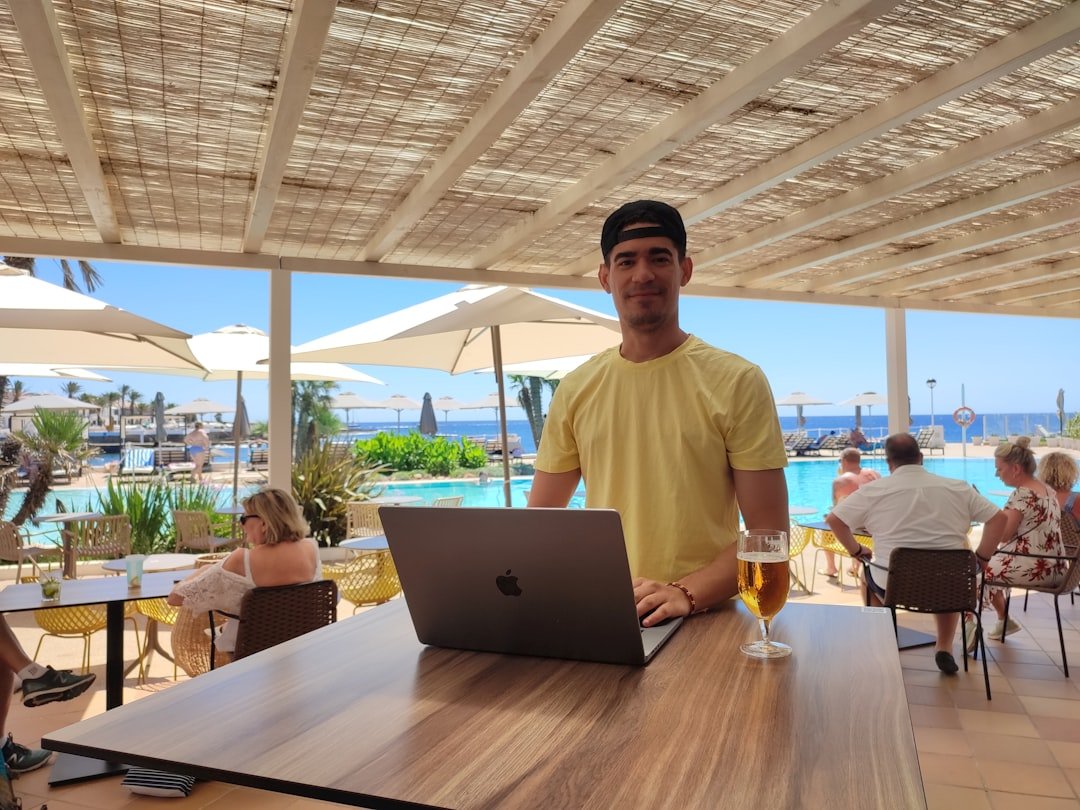
The digital nomad visa world has evolved dramatically since these programs first gained traction in 2021. Back then, only a handful of countries offered formal pathways, and the requirements were often murky or inconsistently applied. Today, over 50 countries have established digital nomad visa programs, and the competition among them has led to increasingly applicant-friendly policies. Estonia, which pioneered the concept with its Digital Nomad Visa, has been joined by heavy hitters like Portugal, Spain, and Costa Rica, each vying for the millions of remote workers seeking a change of scenery.
What’s most striking about the 2026 landscape is the specialization. Countries aren’t just offering generic nomad visas anymore—they’re tailoring programs to specific demographics. Some target tech workers with streamlined applications for recognized remote-first companies. Others focus on entrepreneurs and freelancers, offering pathways to permanent residency after demonstrating business activity. A few countries have even introduced family-friendly provisions, allowing spouses to work and children to enroll in local schools. This specialization means you can find a program that genuinely fits your situation rather than trying to squeeze into a one-size-fits-all framework.
However, this expansion has also brought more scrutiny. Countries that initially handed out visas like candy have tightened their requirements after discovering that some applicants were using the programs for tourism rather than genuine remote work. Income verification has become more rigorous, with several countries now requesting direct confirmation from employers rather than accepting self-declared earnings. Some nations have implemented physical presence requirements, ensuring you actually live in the country rather than treating the visa as a long-term tourist permit. These changes aren’t necessarily bad—they’ve improved program integrity and reduced the backlash from locals who worried about digital nomads driving up housing costs.
The competition has also led to innovative benefits beyond the basic right to live and work. Portugal’s program includes fast-track pathway to citizenship, while Costa Rica offers tax exemptions on foreign income. Georgia provides free health insurance for the duration of your stay, and Mexico has partnered with coworking spaces to offer discounted memberships to visa holders. These value-adds can significantly impact your total cost of consideration when comparing programs, so it’s worth digging into the fine print rather than just comparing application fees and income requirements.
Top Digital Nomad Visas for 2026: A Realistic Comparison

Having personally navigated the visa processes in multiple countries, I can tell you that the “best” program depends entirely on your situation—your income, your industry, your lifestyle preferences, and your long-term plans. What works perfectly for a single software engineer making $150,000 annually might be completely wrong for a freelance writer earning $45,000 with a spouse and two kids in tow. Let me break down the most compelling options for different scenarios based on my experiences and those of dozens of nomads I’ve interviewed over the past two years.
For high-income earners in tech or finance, Portugal’s D8 Visa remains the gold standard in 2026. The income requirement is steep—€820 monthly—but the benefits are substantial: a straightforward path to permanent residency after five years, access to public healthcare, and a tax regime that’s favorable for foreign income. What makes Portugal special is the genuine integration support. Unlike some countries that treat you as a temporary visitor, Portugal provides Portuguese language classes, networking events, and even job placement assistance if your remote work situation changes. The application process, managed through AIMA (Agency for Integration, Migration, and Asylum), has been streamlined significantly, with most approvals now coming through within 60 days rather than the four-month waits that were common in 2023.
For freelancers and entrepreneurs with variable income, Georgia’s digital nomad visa is arguably the most underrated option in 2026. The income requirement is just $2000 monthly, but what sets Georgia apart is the flexibility—you can prove income through bank statements showing consistent deposits over the past six months rather than providing employment contracts. This makes it accessible to freelancers whose income fluctuates month to month. The visa itself lasts one year, and crucially, it can be renewed indefinitely without leaving the country. Georgia has also invested heavily in infrastructure: free coworking spaces in Tbilisi and Batumi, reasonably priced pocket WiFi devices for reliable internet outside major cities, and a surprisingly vibrant digital nomad community that organizes weekly meetups and skill-sharing sessions. The visa fees are minimal—around $200 total—and the processing time is typically under three weeks. If you’re considering longer-term location independence, you might also find value in exploring a vanlife budget breakdown to understand alternative approaches to mobile living.
Costa Rica’s Rentista Digital program has transformed from a shaky experiment into one of Latin America’s most attractive options in 2026. The income requirement is $3000 monthly, proven through bank statements or employment contracts, and the visa is valid for two years with the option to renew. What makes Costa Rica special is the explicit provision for families—your spouse can work legally, and your children can attend local public schools at no cost. The healthcare situation is particularly appealing: while the visa doesn’t include public coverage, private insurance for a family of four runs around $200 monthly, a fraction of U.S. costs, and the quality of care in San José’s private hospitals is excellent. Costa Rica has also addressed the housing cost concerns that plagued early adopters by implementing a cap on short-term rentals in popular expat neighborhoods, ensuring more housing stock remains available for long-term residents. The application process, handled through the General Directorate of Migration, has been fully digitized, with most applications processed within 45 days.
For nomads seeking something completely different, Indonesia’s new Bali Digital Nomad Visa (launched late 2025) offers a five-year renewable visa with a $1800 monthly income requirement. This isn’t just another tourist visa extension—it’s a full resident visa that includes a tax ID number, allowing you to open local bank accounts and lease property under your own name. The economic instability that plagued Indonesia in the early 2020s has largely stabilized, and infrastructure improvements in Canggu and Ubud mean reliable high-speed internet is no longer a gamble. What’s particularly clever about this program is the provincial distribution requirement—you must spend at least six months annually outside of Bali, encouraging nomads to explore lesser-known islands like Lombok and Flores. This spreads the economic benefit beyond the already-touristed areas and gives you a more authentic Indonesian experience. The visa costs around $500 annually in fees, and while the application requires an in-person interview at an Indonesian embassy, most nominees report approval within two weeks of their interview. For video calls and client meetings from any location, I always carry a high-quality external webcam with microphone—built-in laptop cameras are notoriously poor quality, and in professional settings, appearing clear and professional makes a surprising difference in how clients perceive your reliability.
Application Process: What They Don’t Tell You
Every digital nomad visa application follows roughly the same structure on paper: submit documents, wait for approval, arrive in-country, complete registration. But the reality is messier and more time-consuming than most online guides admit. Having gone through this process five times across three continents, I’ve developed a system that prevents the common pitfalls that derail applications. The biggest mistake I see is underestimating document preparation—specifically, the authentication requirements that vary wildly between countries.
Start by creating a document checklist specific to your target country, then triple-check the official government website against third-party information. I once relied on a popular digital nomad blog that listed outdated requirements for Spain’s program, resulting in a rejected application and wasted fees. The official government source should always be your primary reference, even if the information is less user-friendly. For income verification, expect to provide more than you think is reasonable. In addition to employment contracts or bank statements, many countries now want tax returns, letters from employers confirming your remote work status, and sometimes even screenshots of your LinkedIn profile to prove your professional history. Gather all of this before you start the application—finding out you need a document that takes three weeks to obtain when you’re midway through the process is incredibly frustrating. I keep all my important documents organized in a waterproof travel document organizer that protects passports, visas, and certificates from damage while keeping everything easily accessible during application processes.
Document authentication is the hidden time sink in almost every application. Some countries require apostilles on birth certificates, criminal background checks, and marriage certificates if your spouse is accompanying you. The apostille process varies dramatically by jurisdiction—some U.S. states can process requests in a week, while others take a month or more. Factor this into your timeline, especially if you’re planning your departure date around a specific season. I learned this the hard way when I planned to start Spain in September but couldn’t get my documents authenticated until November, missing the prime autumn weather window I’d been counting on. If you’re moving with children, school enrollment adds another layer of complexity. Some countries require vaccination records and previous school transcripts translated into the local language, often by certified translators who charge premium rates.
The financial verification process has also become more sophisticated in 2026. Many countries now cross-reference your declared income with your stated profession, flagging inconsistencies. If you claim to be a software developer earning $8000 monthly but your LinkedIn profile lists you as a freelance writer, expect questions. Consistency across all your documentation is crucial—your employment contract, bank statements, tax returns, and online professional profiles should all tell the same story. I recommend doing a pre-application audit: have a friend review all your documents for discrepancies or confusing elements that might raise questions. Immigration officers are overworked and processing hundreds of applications daily; anything that makes your file stand out as unusual or unclear increases the likelihood of rejection or additional scrutiny.
Timing your application strategically can significantly improve your chances. Most countries experience application surges in January (people planning spring moves) and September (people planning winter escapes). Applying during off-peak months—March, July, November—often means faster processing times and more responsive case officers if you have questions. Build buffer time into your timeline regardless. Even the most efficient programs can experience unexpected delays due to system outages, staff shortages, or policy changes. I recommend starting your application at least six months before your planned departure date, which gives you flexibility if things take longer than expected or if you need to pivot to a different country’s program.
Reality Check: The Hidden Challenges
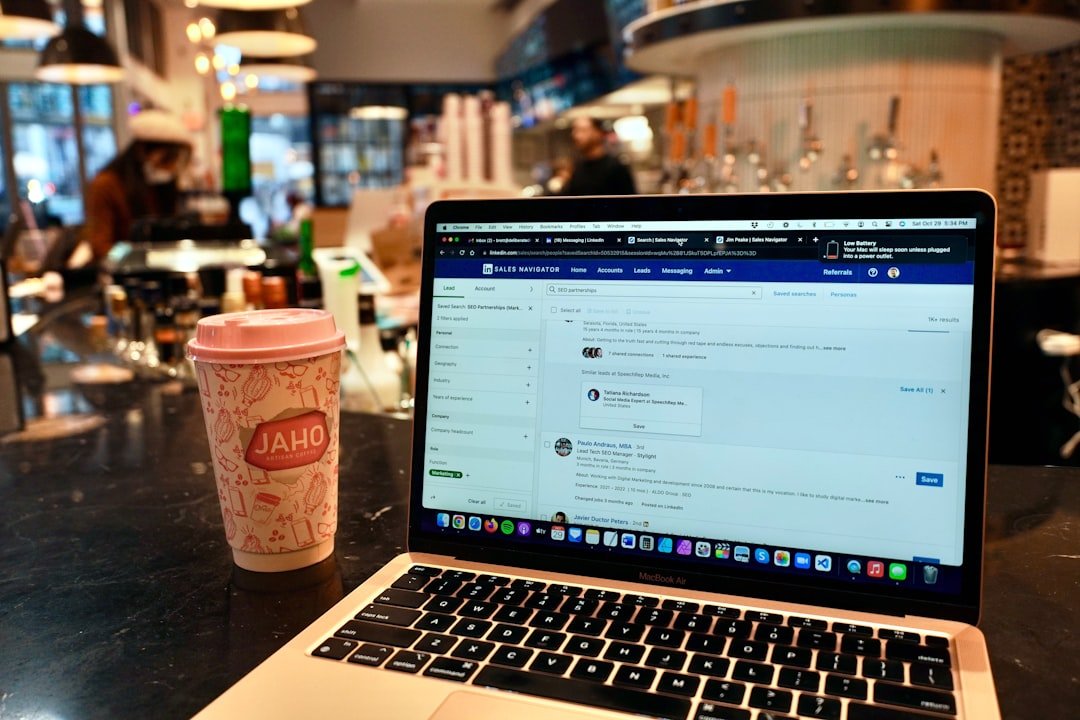
The Instagram version of digital nomad life shows laptop-from-the-beach photos and sunset coworking sessions, but the reality includes plenty of frustrations that rarely make it into travel blogs. After living as a digital nomad across three continents, I can tell you that the challenges are real but manageable—if you’re prepared for them. The most common issue I see among new nomads is underestimating the loneliness factor. It’s exciting at first, but three months in, you realize you don’t have a local community, and video calls with friends back home start feeling disconnected as their lives continue unchanged while yours is completely different. Safety considerations also vary dramatically by location and demographic—if you’re planning to travel solo as a woman, understanding solo female travel safety becomes even more critical when choosing destinations and accommodations abroad.
The housing situation in popular nomad destinations has become increasingly problematic. In cities like Lisbon, Medellín, and Tbilisi, landlords have caught on to the digital nomad trend and now price apartments specifically for this market—often 50-100% above local rates. What’s worse is the short-term preference: many landlords would rather do six-month leases at premium prices than year-long leases at market rates, creating constant housing instability for nomads. I’ve spent more time than I care to admit searching for apartments, dealing with landlords who disappear when maintenance issues arise, or discovering that the “reliable high-speed internet” promised in the listing buffers during peak hours. The solution I’ve developed is to arrive with a one-month accommodation booked through a reputable service like Airbnb (with verified reviews specifically mentioning internet reliability), then use that time to find longer-term housing through local Facebook groups and expat forums rather than international rental platforms. When moving between countries, I rely on a durable carry-on approved laptop backpack that protects my electronics while staying within airline size restrictions—after checking bags twice in my first year and dealing with lost luggage during visa application deadlines, I learned to travel light and carry everything essential on board.
Banking and financial logistics are another major headache that most people underestimate. Getting paid as a digital nomad is complicated by banking restrictions, currency conversion fees, and in some cases, outright blocks on international transfers. I’ve had clients unable to pay me because their banks flagged international transfers to certain countries as suspicious. Setting up multi-currency accounts before you leave—services like Wise and Revolut allow you to hold multiple currencies and convert at market rates—solves many of these problems. You’ll also want reliable travel credit cards that don’t charge foreign transaction fees, as those 3% charges add up quickly when you’re living abroad full-time. Emergency savings are non-negotiable. I recommend having three months of living expenses accessible in a global account that works in your destination country, not just in your home country bank where international transfers might take weeks.
The healthcare situation varies dramatically between countries, and it’s something you need to understand before you leave, not after you get sick. Some digital nomad visas include public healthcare access (Portugal), some require you to purchase private insurance (Costa Rica), and others offer no healthcare provisions at all, leaving you to rely on travel insurance or pay out-of-pocket. Travel insurance is tricky—many policies exclude pre-existing conditions, have limited coverage for long-term stays, or don’t cover digital work injuries like repetitive strain issues. I’ve found that specialist expat health insurance providers like Cigna Global and GeoBlue offer the most comprehensive coverage, though they’re pricier than basic travel insurance. Mental healthcare is particularly important to consider—living abroad can be isolating and stressful, and finding English-speaking therapists in countries where you don’t speak the language is incredibly difficult. Some nomads I know schedule virtual therapy sessions with therapists in their home countries, using platforms like BetterHelp or local equivalents.
Tax obligations are the most dangerous hidden challenge because the consequences of getting them wrong are serious. The common misconception is that digital nomads don’t pay taxes to their destination countries, but this is increasingly untrue. Many countries now consider you tax-resident after 183 days, regardless of visa type. Some digital nomad visas explicitly state you’re exempt from local taxes, but these exemptions are often limited to foreign income and don’t apply if you’re earning money within the country. The United States is particularly aggressive about taxing citizens abroad, and the FEIE (Foreign Earned Income Exclusion) rules are complex and strictly enforced. I recommend consulting with an international tax accountant before making any moves—the $500-1000 fee for professional advice is cheap insurance against tax problems that could cost you tens of thousands later. Keep detailed records of your days in each country, as immigration systems and tax authorities sometimes disagree about residency determinations.
Making It Work: Practical Tips for Long-Term Success

After three years of full-time nomadic living, I’ve learned that success isn’t just about picking the right visa—it’s about building systems and habits that make the lifestyle sustainable. The nomads who thrive aren’t necessarily the ones with the highest incomes or the most Instagrammable locations. They’re the ones who’ve figured out how to create stability while constantly moving, how to maintain relationships across time zones, and how to prioritize both productivity and genuine cultural engagement. Here’s what I’ve learned works, through trial, error, and observing dozens of other nomads’ journeys.
Building routines that travel with you is absolutely essential. When you’re constantly changing environments, your brain craves structure to feel grounded. I wake up at the same time every morning regardless of time zone, start with coffee and journaling, then dedicate two hours to deep work before checking email or Slack. This routine doesn’t require specific equipment or locations—it works in a tiny Airbnb kitchen or a modern coworking space. The key elements are consistency and portability. Some nomads I know use apps like Freedom or Cold Turkey to block distracting websites during work hours, creating enforced focus periods regardless of their environment. Others swear by the Pomodoro technique, timing work sessions across different time zones. What matters isn’t the specific system, but having a system at all rather than hoping you’ll be productive when you feel like it.
Investing in reliable gear saves you endless frustration and ultimately pays for itself in avoided problems. A lightweight laptop stand and portable keyboard transform any desk or table into an ergonomic workstation, preventing the back and neck problems that plague so many nomads. Quality noise-canceling headphones are non-negotiable for working in shared spaces or noisy apartments. I also carry a global WiFi hotspot with data plans for multiple regions—having a backup internet connection has saved me countless times when local WiFi has failed or proven unreliable. Power banks that can charge a laptop are expensive but worth every penny when you’re working from cafes or transportation hubs. The key is to prioritize portability and versatility over specialized gear—every item needs to justify its weight in your luggage by serving multiple purposes. One item that’s saved me multiple times is a high-capacity USB-C power bank that can charge my laptop twice—essential for long flights, bus rides, or coworking days with limited outlet access. I also always carry a compact universal travel adapter with multiple USB ports, as I’ve arrived in apartments with only one or two working outlets more times than I care to count.
Investing in reliable gear saves you endless frustration and ultimately pays for itself in avoided problems. A lightweight laptop stand and portable keyboard transform any desk or table into an ergonomic workstation, preventing the back and neck problems that plague so many nomads. Quality noise-canceling headphones are non-negotiable for working in shared spaces or noisy apartments. I also carry a global WiFi hotspot with data plans for multiple regions—having a backup internet connection has saved me countless times when local WiFi has failed or proven unreliable. Power banks that can charge a laptop are expensive but worth every penny when you’re working from cafes or transportation hubs. The key is to prioritize portability and versatility over specialized gear—every item needs to justify its weight in your luggage by serving multiple purposes.
Building community is perhaps the most overlooked aspect of successful nomad life. The isolation catches up with you eventually if you don’t actively address it. I’ve found that the best way to meet people is through shared interests, not just “digital nomad meetups” which can feel transactional. Join local hiking groups, language exchange meetups, or amateur sports leagues. These connections often feel more authentic because they’re based on shared activities rather than just being foreigners in the same place. That said, digital nomad communities are valuable for practical information—finding apartments, navigating visa renewals, discovering local services. Join Facebook groups and Slack channels for your specific destination before you arrive, but don’t rely on them exclusively for social connection. I also make a point of scheduling regular video calls with friends and family back home, treating these like unbreakable appointments in my calendar. The time zone math is annoying, but maintaining these relationships keeps you grounded and provides perspective when you’re struggling with local challenges.
Managing your finances as a digital nomad requires a system that works across borders and currencies. I use a multi-bank approach: a home country account for receiving payments from U.S. clients, an international account (Wise) for currency conversion and transfers, and a local account in my current country for day-to-day expenses. This system minimizes conversion fees and ensures I always have access to money regardless of where I am. Tracking expenses becomes more complicated when you’re constantly switching currencies, so I use a dedicated expense tracking app that converts everything to USD for easy comparison. Building an emergency fund is critical—I recommend six months of living expenses minimum, given the unpredictable nature of nomad life. This fund should be accessible internationally, not locked in accounts that require physical presence to withdraw. Insurance is another non-negotiable expense: health insurance, travel insurance that covers medical evacuation, and gear insurance for your electronics. The premiums add up, but one emergency can cost more than years of premiums. I back up all important documents and work files to a portable external SSD hard drive that I keep separate from my laptop—if my computer is lost, stolen, or damaged (all of which have happened to nomads I know), I can recover everything quickly without losing work or critical visa documents.
Is Digital Nomad Life Right for You in 2026?

The digital nomad lifestyle isn’t for everyone, and that’s okay. The pressure to embrace location independence can feel overwhelming in 2026, with social media constantly presenting nomad life as the ultimate freedom. But the reality is that some people thrive in this lifestyle while others are miserable, and neither outcome is wrong. Understanding yourself—your needs for stability, your tolerance for uncertainty, your social requirements—before committing to a digital nomad visa can save you from an expensive, stressful experiment that leaves you regretting the experience.
The personality traits that correlate most strongly with nomad success might surprise you. It’s not just about being adventurous or loving travel—those help, but they’re not sufficient. The most successful nomads I know are actually quite disciplined and structured in their personal habits. They’re self-motivated workers who don’t need external accountability to stay productive. They’re comfortable spending significant time alone and have internal resources for self-regulation. Perhaps most importantly, they’re adaptable problem-solvers who don’t get easily frustrated when things go wrong—and they will go wrong regularly in nomad life. If you’re someone who needs routine, struggles with uncertainty, or requires a strong local community to feel grounded, nomad life might be more stressful than liberating regardless of how appealing it looks on Instagram.
Your work situation matters tremendously. The people who have the easiest time as digital nomads are those whose work is truly location-independent and doesn’t require specific time zone alignment. If you’re in a role that requires regular meetings during U.S. business hours but you’re living in Southeast Asia, you’re looking at 3 AM conference calls and misaligned sleep schedules that will eventually catch up with you. Freelancers and entrepreneurs often have more flexibility than employees, but they also face income instability that’s exacerbated by the unpredictability of nomad life. Before applying for a digital nomad visa, have an honest conversation with your employer about expectations, or if you’re self-employed, build up a cash buffer that covers income fluctuations.
The financial reality check is crucial. Digital nomad visas have minimum income requirements for a reason—living abroad costs money, often more than you expect. Between visa fees, flights, accommodation deposits, and the startup costs of setting up in a new country, you’ll typically need $5000-10000 in savings before you even leave, regardless of the visa’s stated income requirement. Popular nomad destinations have become significantly more expensive as programs have become mainstream. Lisbon, which was cheap five years ago, now has rental prices comparable to mid-tier U.S. cities. The digital nomad visa itself costs money—application fees range from $200 to over $1000 depending on the country, and you’ll often need to pay for document authentication, translations, and travel to your nearest consulate for visa stamping. Be realistic about your budget and build in a 20% buffer for unexpected costs, because there will always be unexpected costs.
Before committing to a year-long digital nomad visa, test the lifestyle with a shorter trial run. Spend 2-3 months in your target destination using a tourist visa, working remotely if possible, and see how it feels. This trial period will reveal problems you can’t anticipate from research alone—the internet quality in your specific neighborhood, the noise levels that make focused work impossible, the social isolation that sets in after the initial excitement wears off. Many countries offer long-stay tourist visas (60-90 days) that don’t require the paperwork of digital nomad visas, making them perfect for trial runs. If the trial reveals that you love the lifestyle, you can proceed with the digital nomad visa application with confidence. If it reveals that nomad life isn’t for you, you’ve saved yourself a year-long commitment and significant expense. The digital nomad visas will still be there when you’re ready—or you might discover that a different travel style fits you better, which is equally valid.