The Traveler’s Guide to Dash Cams: Why Every Road Trip Needs Complete Visibility
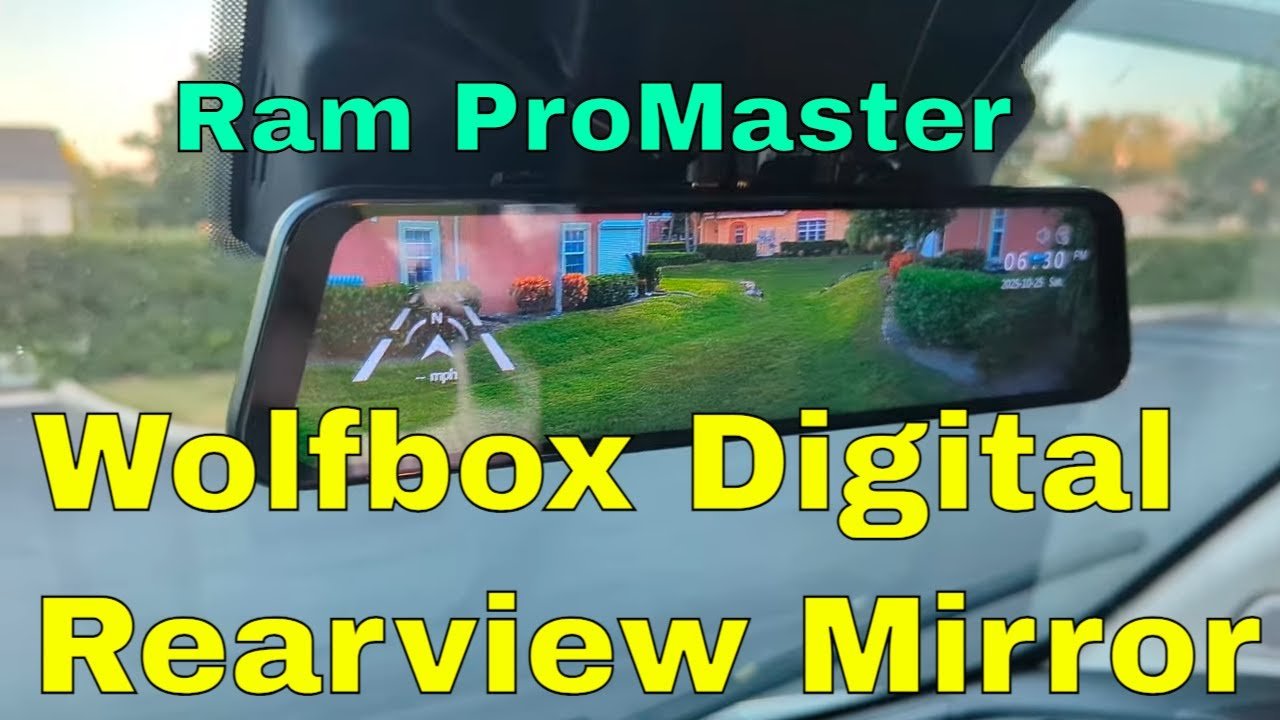
Modern travel has evolved beyond just reaching destinations—it’s about documenting journeys, ensuring safety, and capturing unexpected moments along the way. Whether you’re exploring national parks, navigating unfamiliar city streets, or embarking on cross-country adventures in a converted campervan, having complete visibility of your surroundings transforms both safety and the travel experience itself. A digital rearview mirror dash cam represents one of those travel upgrades that, once installed, makes you wonder how you ever explored without it.
The beauty of travel lies in the unexpected encounters, scenic routes, and spontaneous detours that define memorable journeys. But these same elements—unfamiliar roads, challenging navigation, and variable driving conditions—also create situations where having visual documentation and enhanced visibility becomes invaluable. From capturing breathtaking mountain passes to documenting incidents in rental parking lots, a quality dash cam system serves as both a practical safety tool and a means of preserving travel memories you might otherwise miss.
Why Digital Rearview Mirror Systems Are Game-Changers for Travelers
Traditional rearview mirrors have served drivers adequately for decades, but they come with inherent limitations that become particularly pronounced during travel. Passengers, gear, or cramped vehicle interiors can obstruct mirror visibility. Large backpacks stacked for road trips, camping equipment filling rear cargo areas, or even just a fully loaded vehicle for weekend getaways can create significant blind spots. A digital rearview mirror system bypasses these physical limitations entirely by using a rear-mounted camera that feeds live footage to a screen replacing your standard mirror.

The advantages extend far beyond simple visibility enhancement. These systems typically feature wide-angle lenses that capture significantly more of the road behind you than traditional mirrors ever could. When you’re navigating narrow mountain switchbacks, backing into tight campsites, or maneuvering through unfamiliar urban environments, that expanded field of view becomes more than just convenient—it fundamentally changes your spatial awareness and confidence. The camera positioning, typically mounted high above rear windows or doors, provides a vantage point that physically cannot be achieved with standard mirrors.
Perhaps most valuable for travelers is the recording capability. Every drive becomes documented, whether you’re cruising coastal highways or traversing remote desert roads. This documentation serves multiple purposes: it preserves scenic drives you might want to revisit, provides evidence in case of traffic incidents, and creates a visual diary of your travels that complements your photos and videos. Modern systems simultaneously record front and rear views, creating comprehensive documentation of entire journeys.
Choosing the Right Dash Cam System for Your Travel Style
Not all dash cam systems are created equal, and selecting the right one depends heavily on your travel patterns and vehicle type. For occasional road trippers in standard vehicles, simpler front and rear dash cam systems might suffice. These typically mount to windshields and record continuously, providing basic documentation and peace of mind without requiring extensive installation. However, frequent travelers, campervan converters, and adventure seekers often benefit from more sophisticated integrated systems like digital rearview mirrors.
Digital rearview mirror systems, like the Wolfbox digital mirror models, replace your existing rearview mirror entirely and connect to rear-mounted cameras. This integration creates a cleaner installation and provides superior visibility compared to add-on units. For campervan conversions and vehicles with obstructed rear views, these integrated systems become almost essential. The ability to see clearly behind you when your van is loaded with gear, or when passengers are sleeping in the back, transforms the travel experience significantly.
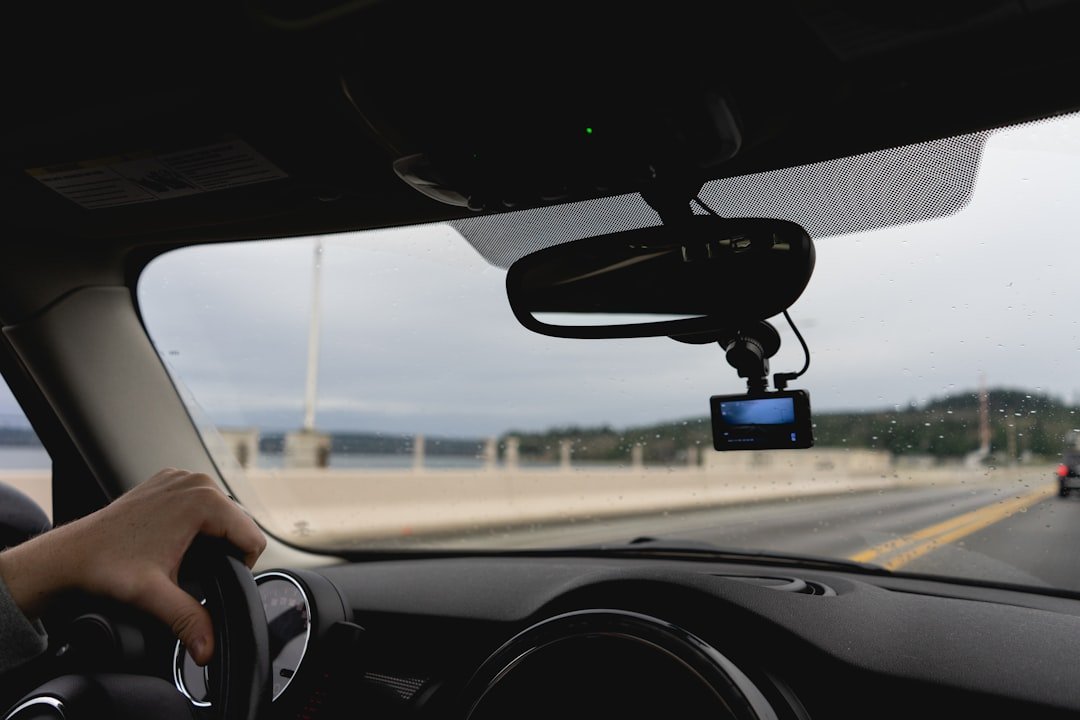
Consider resolution carefully when making your selection. Higher resolution cameras capture more detail, which becomes crucial when trying to read license plates or document specific incidents. Look for systems offering at least 1080p resolution for both front and rear cameras. Night vision capabilities also matter significantly for travelers who often drive early morning or late evening to maximize daylight hours at destinations. Advanced systems include night vision technology that maintains clarity in low-light conditions, ensuring documentation quality doesn’t suffer during dawn or dusk driving.
Storage capacity determines how much footage your system can retain before overwriting older recordings. For long road trips where you might not review footage daily, larger storage capacity or systems with loop recording become important. Some advanced models include cloud storage options, automatically uploading important footage to secure servers—valuable for extended travels where vehicle security might be a concern.
Installation Essentials: Hardwiring for Professional Results
While basic dash cam installation can be as simple as plugging into your vehicle’s cigarette lighter, serious travelers benefit from hardwired installations that operate seamlessly with your vehicle’s electrical system. Hardwiring eliminates unsightly cables running across your dashboard and ensures the system powers on and off automatically with your vehicle. For campervan conversions and custom vehicle builds, integrated electrical systems make hardwiring particularly straightforward, but the process applies equally to standard vehicles.

The hardwiring process involves connecting the dash cam to your vehicle’s fuse box, typically located behind dashboard panels or beneath steering columns. This connection taps into circuits that provide power when the vehicle is on (acc) and constant power when parked, depending on your needs. For travel documentation, you’ll want the system to activate whenever you drive, so connecting to an accessory circuit works perfectly. Some travelers prefer constant power for parking mode features that monitor the vehicle while stopped—ideal for camping in unfamiliar areas or urban environments where vehicle security might be a concern.
Professional installation always represents an option, but many travelers successfully complete hardwiring installations themselves with basic tools and careful attention to detail. The process involves identifying appropriate fuse circuits using your vehicle’s documentation or multimeter testing, connecting the dash cam’s power harness, and routing wiring neatly behind interior panels. For campervan converters working on custom builds, integrating dash cam wiring during initial electrical planning saves significant time compared to retrofitted installations.
Cable routing deserves particular attention during installation. Neatly tucked cables prevent visual distractions while driving and protect connections from vibration and wear. Most interior panels remove easily with careful prying, allowing you to route wiring behind trim pieces for clean installations. When routing rear camera cables from vehicle backs to front dashes, plan cable paths carefully to avoid pinching or interference with moving parts. The rear camera installation typically mounts high above rear windows or doors for optimal viewing angles—secure mounting here prevents camera vibration and maintains stable footage quality.
Reverse Light Integration for Enhanced Safety
One of the most valuable features for travelers, particularly those navigating unfamiliar campsites or urban environments, is reverse light integration. This feature connects your dash cam system to your vehicle’s reverse light circuit, automatically displaying the rear camera feed whenever you shift into reverse. The transformation in spatial awareness when backing up cannot be overstated—especially for larger vehicles, campervans, or vehicles towing trailers that might have limited rear visibility to begin with.

Installing reverse light integration involves identifying the reverse light wire in your vehicle’s electrical system and splicing into it. For modern vehicles with digital dashboards and complex electrical systems, this might require accessing wiring behind panels or near tail lights. A multimeter becomes essential here—testing wires to confirm which one carries power when the vehicle is in reverse ensures you connect to the correct circuit. The process varies significantly between vehicle makes and models, so consulting vehicle-specific wiring diagrams or installation guides saves considerable time and frustration.
The practical benefits for travelers extend far beyond simple convenience. When backing into unfamiliar campsites at night, navigating crowded festival parking, or positioning vehicles in tight urban spaces, having a clear rear view displayed automatically eliminates guesswork. For vehicles towing boats, trailers, or caravans, rear visibility becomes virtually nonexistent without camera systems. The integration creates seamless functionality—you don’t need to manually switch camera views or remember to activate systems. The camera simply activates whenever needed, providing critical visibility precisely when you require it most.
GPS Integration and Location Documentation
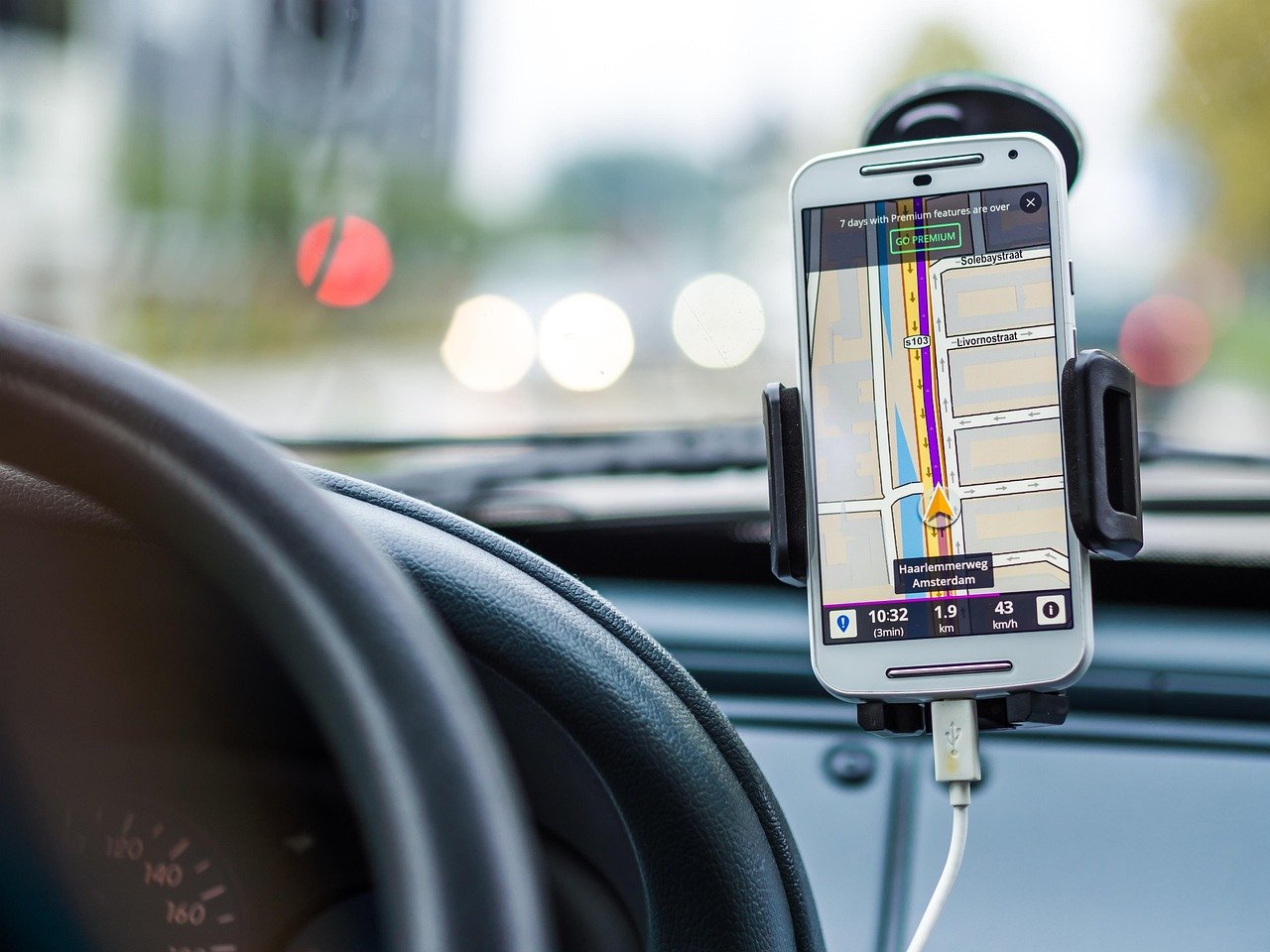
Advanced dash cam systems increasingly include GPS functionality that documents your location precisely alongside video footage. For travelers, this feature adds valuable context to recorded drives, showing exactly where specific moments occurred. When capturing scenic routes for future reference or documenting incidents, knowing precise locations transforms the utility of recorded footage. GPS data typically overlays on video as coordinates and speed information, creating comprehensive documentation that includes spatial context.
Beyond documentation, GPS integration enables valuable features like speed alerts and driving analytics that help improve travel safety. Some systems warn when you exceed preset speeds—particularly valuable when driving unfamiliar vehicles with different performance characteristics. For international travelers adjusting to different speed limits and driving conventions, these alerts provide helpful reminders that prevent accidental violations. The GPS data also creates valuable records of travel routes, distances covered, and driving patterns that complement travel journals and photography.
When selecting GPS-enabled systems, consider how GPS data gets stored and accessed. Some models include internal GPS modules that record location data directly to video files, while others connect to external GPS antennas for improved accuracy. For campervan conversions and custom vehicle builds, integrated GPS systems that connect to house electrical and monitoring systems create particularly comprehensive setups. These integrated systems might connect to solar controllers, battery monitors, and other vehicle systems, creating complete documentation of both driving and energy systems—a valuable combination for extended off-grid travels.
Advanced Features Worth Considering for Serious Travelers
Beyond basic recording and display capabilities, modern dash cam systems offer increasingly sophisticated features that enhance their value for travelers. Parking mode surveillance represents one such feature—when your vehicle is parked, the system monitors surroundings and activates recording if it detects motion or impacts. For travelers leaving vehicles unattended at trailheads, urban accommodations, or unfamiliar campsites, this security monitoring provides valuable peace of mind. Systems with built-in batteries or capacitor power can operate for limited periods without vehicle power, recording incidents even when the engine is off.
WiFi connectivity and smartphone apps have become increasingly common, allowing you to review footage, adjust settings, and download video directly to your phone without removing memory cards. This connectivity proves particularly valuable during travels when you want to immediately share impressive drives or document incidents while details are fresh. Some systems allow live streaming of camera views to smartphones—incredibly useful when positioning vehicles in campsites or maneuvering trailers where visibility from the driver’s seat might be limited. The ability to adjust camera angles or settings from your phone saves significant time compared to accessing physical controls on mounted cameras.
Cloud storage integration represents another advanced feature gaining popularity. Systems with cloud capabilities automatically upload important footage to secure servers, protecting against damage or loss of physical memory cards. For extended travels where vehicle security might be a concern, or when documenting particularly valuable footage, cloud backup ensures critical recordings survive even if equipment is damaged or stolen. However, cloud features typically require ongoing subscriptions and reliable cellular connectivity—factors to consider when evaluating whether these features justify the additional cost for your travel style.
Advanced driver assistance systems (ADAS) increasingly appear in premium dash cam models, offering features like lane departure warnings, forward collision alerts, and driver fatigue monitoring. While these safety features cannot replace attentive driving, they provide valuable additional awareness during long travel days when fatigue might set in. For solo travelers covering substantial distances, these automated alerts serve as helpful backup systems, prompting rest breaks or increased caution when driving patterns suggest fatigue or distraction.
Maintenance and Best Practices for Travel Documentation
Once your dash cam system is installed and operational, developing good maintenance practices ensures reliable performance throughout your travels. Memory card management represents the most critical ongoing consideration—high-resolution recording generates substantial data that fills memory cards quickly, especially during long travel days. For extended trips, carry spare memory cards and establish routines for transferring important footage to laptops or external drives. Some travelers create daily habits of reviewing and saving notable drives while deleting routine commuting footage to maintain available recording capacity.
Regular cleaning of camera lenses and sensors maintains image quality, particularly important for exterior-mounted cameras exposed to road grime, weather, and insects. Dashboard cameras accumulate dust and fingerprints that degrade image quality over time, while rear cameras mounted outside vehicles face even harsher conditions. Establish cleaning routines during fuel stops or overnight breaks—microfiber cloths and lens cleaning solution should travel with your essential gear. For campervan conversions and vehicles exposed to challenging conditions, consider protective covers that can be deployed when cameras aren’t in use.
Firmware updates from manufacturers often improve performance, add features, or address bugs that might affect reliability. Before extended travels, check for available updates and install them during testing periods rather than while on the road. System updates that require stable power and uninterrupted installation processes are best performed at home rather than in remote locations where failed updates could leave you without documentation capabilities. Similarly, test all system functions thoroughly before departure—reverse activation, recording quality, WiFi connectivity, and GPS accuracy should all be verified in familiar settings before relying on them during travels.
Legal Considerations and Travel Documentation Ethics
While dash cams provide valuable documentation and security, travelers should understand legal considerations surrounding their use. Regulations regarding windshield-mounted devices vary significantly between jurisdictions—some areas restrict where cameras can be mounted or require specific permits. International travelers face particularly varied regulations, with some countries strictly limiting recording capabilities in certain areas. Before traveling abroad or across state lines, research local regulations regarding dash cam use to avoid legal complications.
Privacy considerations also deserve attention when documenting travels. While filming public roads generally raises few legal issues, recording private property or individuals without permission can create complications in certain jurisdictions. When capturing particularly scenic drives or interesting locations, be mindful of what appears in your footage. Travelers documenting journeys for personal use typically face few issues, but sharing footage publicly requires consideration of privacy expectations for anyone recognizable in recordings.
Insurance considerations represent another important aspect of dash cam ownership. Some insurers offer discounts for vehicles equipped with documented dash cam systems, recognizing their value in accident reconstruction and liability determination. However, policies vary significantly regarding how dash cam footage affects claims processes. Some insurers readily accept dash cam footage as evidence, while others maintain specific protocols for evidence submission. Understanding your insurer’s position on dash cam documentation before you need it prevents complications if incidents occur during travels.
Transforming Your Travel Documentation: Beyond Simple Recording
The most sophisticated dash cam systems become integrated parts of broader travel documentation ecosystems, working alongside photography, journaling, and navigation tools to create comprehensive records of journeys. Forward-thinking travelers connect dash cam footage with GPS tracks, creating video maps that show exactly where specific drives occurred. Some combine dash cam video with drone footage, action camera shots, and traditional photography to create rich multimedia travel documentaries that capture journeys from multiple perspectives.
For social media content creators and travel bloggers, dash cam footage provides steady B-roll that would be impossible to capture safely while driving. The stabilized wide-angle perspective creates professional-quality footage that complements handheld shots and drone captures. Time-lapse features available on some models condense long drives into manageable sequences perfect for sharing—hours of desert highways or mountain passes become minutes of compelling video that communicates the scale and beauty of landscapes more effectively than static photography ever could.
Campervan converters and overlanding enthusiasts often integrate dash cam systems into comprehensive vehicle monitoring setups that include solar controllers, battery monitors, and driving analytics. These integrated systems create complete pictures of both vehicle performance and journey documentation—valuable technical records that help refine future travels and vehicle modifications. Understanding exactly how electrical systems performed during extended off-grid stays, how different driving conditions affected fuel efficiency, or which routes proved most challenging helps plan more effectively for subsequent adventures.
The evolution of dash cam technology from simple accident documentation to comprehensive travel documentation tools reflects broader changes in how we experience and share travels. Just as smartphones transformed photography and social media changed how we communicate about journeys, dash cam systems are creating new possibilities for documenting and sharing the driving experiences that connect destinations. The technology that began as security equipment has evolved into a creative tool that captures the journey itself—not just where we go, but how we travel between places.
Making the Investment: Cost-Benefit Analysis for Travelers
Quality dash cam systems represent significant investments, with integrated digital rearview mirror systems typically costing several hundred dollars plus potential professional installation fees. However, for serious travelers, these costs should be evaluated against the substantial benefits they provide. Consider the value of documented evidence in accident situations, where clear footage can prevent expensive liability disputes and insurance complications. Similarly, the security provided by parking mode surveillance potentially prevents break-ins or vandalism that would cost far more than the camera system itself.
Beyond financial calculations, consider the intangible benefits: enhanced confidence when driving unfamiliar roads, reduced stress when maneuvering in tight spaces, and the peace of mind that comes with comprehensive documentation. For solo travelers, particularly women traveling alone, the security and documentation value of dash cam systems cannot be overstated. The ability to document entire journeys creates freedom to explore remote areas or drive at unusual hours with increased confidence that help could be summoned if needed and that any incidents would be clearly documented.
Frequent travelers can amortize dash cam costs across many journeys and years of use, making the per-trip investment relatively small. For campervan converters investing tens of thousands in vehicle builds, quality documentation equipment represents a tiny fraction of overall costs while providing disproportionately valuable functionality. Digital nomads living on the road particularly benefit from systems that document their daily travels—creating records that support both security and creative projects that might generate income.
Future-Proofing Your Travel Documentation Setup
Like all technology, dash cam systems continue evolving rapidly. When investing in systems for serious travel documentation, consider future upgrade paths and compatibility. Modular systems that allow camera upgrades without replacing entire installations protect your investment as technology improves. Standardized mounting systems make upgrading cameras straightforward as better resolution or new features become available. Similarly, choosing systems from established manufacturers with good update track records helps ensure your system remains current and secure for years of travel use.
Power system considerations matter particularly for off-grid travelers and campervan converters. Systems that operate efficiently across varied voltage inputs (12V, 24V) integrate more easily with custom electrical systems. Low power draw becomes important when running off battery power for extended periods. For vehicles with solar systems, understanding dash cam power consumption helps size electrical systems appropriately—every amp-hour counts when you’re relying on solar panels and battery banks for off-grid living.
The integration between dash cam systems and other travel technology continues expanding. Future systems will likely connect more seamlessly with navigation apps, vehicle telematics, and smart home systems. When selecting current systems, consider how they might integrate with emerging technologies—open API systems that allow custom integrations future-proof your investment more than closed proprietary systems. The pace of technological change means today’s cutting-edge features will eventually become standard expectations, so choosing flexible systems that can adapt ensures longer useful life.
Conclusion: Every Journey Deserves Documentation
The transformation of dash cams from niche security equipment to essential travel gear reflects fundamental changes in how we explore and document our world. Whether you’re embarking on weekend road trips, converting campervans for extended travels, or simply commuting more safely, modern camera systems provide capabilities that enhance every journey. The combination of enhanced visibility, comprehensive documentation, and creative capture possibilities creates value far beyond simple accident recording.
For travelers, every drive represents potential—unexpected wildlife sightings, stunning light conditions, chance encounters that make journeys memorable. Having a comprehensive recording system running constantly ensures these moments aren’t lost when you’re focused on driving. The documentation provides both practical security and creative possibilities, supporting everything from insurance claims to travel content creation. As travel continues evolving toward more independent, vehicle-based exploration, the tools we use to navigate and document these journeys become increasingly important parts of the travel experience itself.
The investment in quality dash cam technology ultimately represents an investment in traveling more confidently, safely, and completely. Whether documenting familiar routes or exploring completely unfamiliar territory, the comprehensive visibility and recording capabilities transform how we experience the drives between destinations. In a world where travel increasingly means independence and self-reliance, having complete visual documentation of your journeys provides both practical security and the creative satisfaction of capturing not just where you go, but exactly how you traveled there.