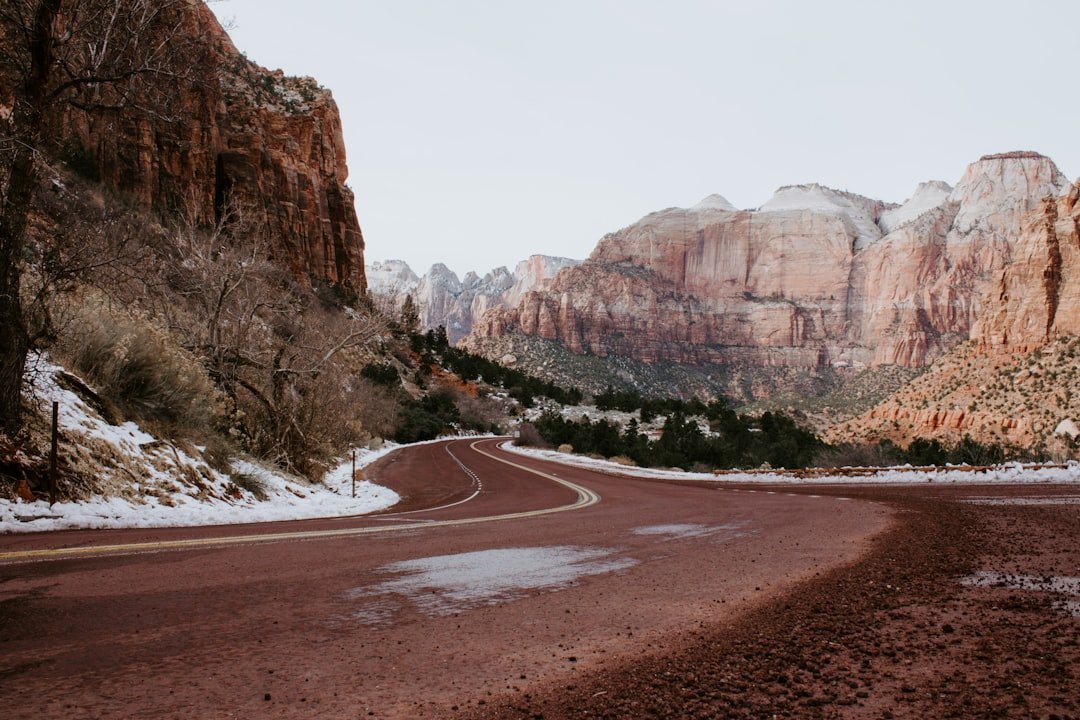
Why Spring is Zion’s Secret Season
There’s a specific kind of magic that happens in Zion National Park when winter’s grip finally loosens its hold on the canyon walls. I’ve visited Zion in every season, but spring—particularly April and May—offers this perfect window where the temperatures are mild enough for serious hiking, the Virgin River is flowing strong enough to make The Narrows accessible, and the wildflowers are putting on a show that rivals any wildflower super-bloom I’ve seen across the American Southwest. If you’re planning a multi-park spring adventure, Joshua Tree makes an excellent companion trip, offering a completely different desert ecosystem just a day’s drive away.
Most travelers flock to Zion in June, July, and August, which means they’re missing out on what I consider the park’s absolute sweet spot. By late March through May, you’ll find comfortable hiking temperatures (60s to low 80s Fahrenheit), flowing water in the canyon’s famous slot canyons, and a fraction of the summer crowds. But here’s the thing—spring in Zion also comes with its own set of challenges that you absolutely need to prepare for. Flash flood season, variable trail conditions, and that infamous shuttle system all require some strategic planning.
After spending nearly three weeks exploring Zion across multiple spring seasons, I’ve put together everything you need to know for a perfect spring visit—from must-do hikes and hidden overlooks to gear recommendations and crowd-avoidance strategies that most first-time visitors completely miss.
Spring Weather in Zion: What to Really Expect
The first thing that surprises most spring visitors is just how variable the weather can be. I’ve hiked Angels Landing in a t-shirt one day, then needed my lightweight packable rain jacket the very next afternoon when a sudden spring storm rolled through the canyon. March is still technically winter at higher elevations, with daytime highs in the 50s and 60s and nighttime temps dipping below freezing. By April, things start warming up nicely—highs in the 60s and 70s—but you can still get caught in a surprise snowstorm at the higher elevations.
May is arguably the most comfortable month, with consistently pleasant temperatures in the 70s and 80s, but that’s also when the crowds start thickening. The key is packing layers and checking the weather forecast religiously in the days leading up to your trip. I always bring moisture-wicking base layers for hiking, a warm mid-layer for early morning starts, and a waterproof shell that I can easily stuff into my daypack when the sun comes out.
What catches people off guard is the temperature difference between the canyon floor (where Zion Canyon Scenic Drive runs) and the higher-elevation trails like Angels Landing and Observation Point. You can easily experience a 15-20 degree temperature difference between these areas, so don’t let the sunny weather at the visitor center fool you into thinking you won’t need warm layers for that sunrise hike.
Top Spring Hikes: Ranked by Experience Level
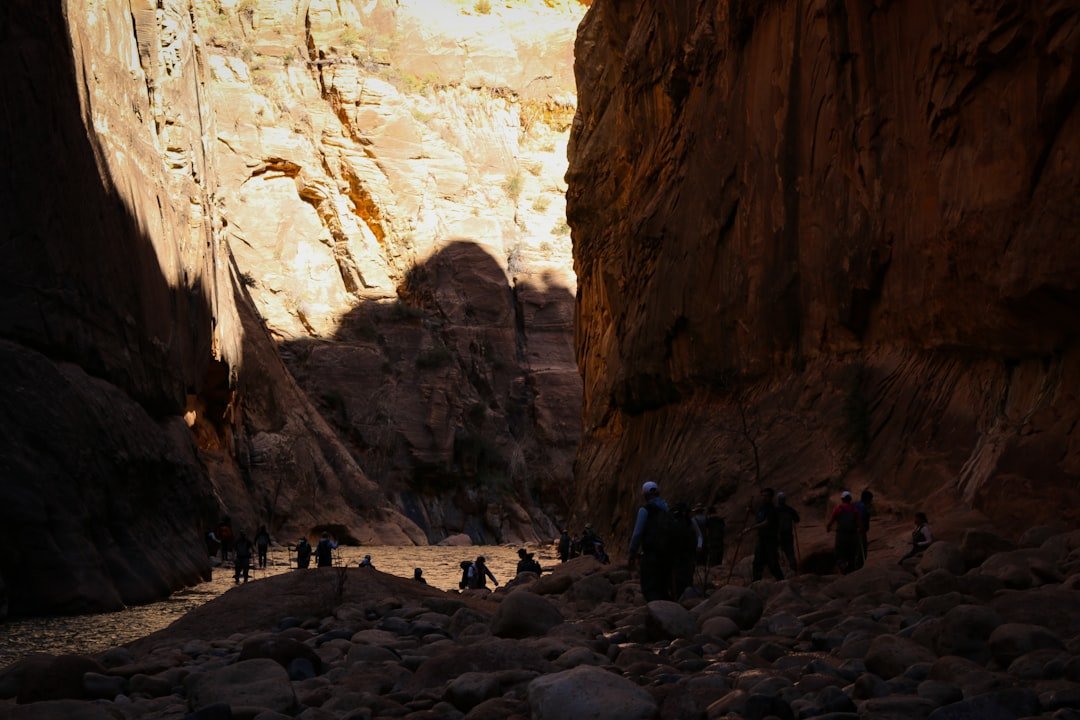
The Narrows might be Zion’s most iconic hike, but spring brings some unique considerations that can make or break your experience. The water temperature in the Virgin River during spring hovers between 45-55 degrees Fahrenheit, which means you absolutely need proper gear—specifically a drysuit or wetsuit, neoprene socks, and canyoneering boots that you can rent from local outfitters in Springdale. I’ve seen way too many unprepared hikers turn back after just 20 minutes because they underestimated how cold that water actually feels.
That said, The Narrows in spring is absolutely spectacular. The water flow is stronger than in summer, creating these dramatic cascades around every bend, and the canyon walls feel especially imposing when framed by snow-capped rims above. Spring also means better water clarity—the summer monsoon rains stir up sediment, but spring runoff from snowmelt is remarkably clear. Just pay close attention to the flash flood potential. Spring is technically flash flood season in Zion, and rangers will close The Narrows anytime the forecast calls for significant rain upstream. Check the weather radio or the NPS website before you head out.
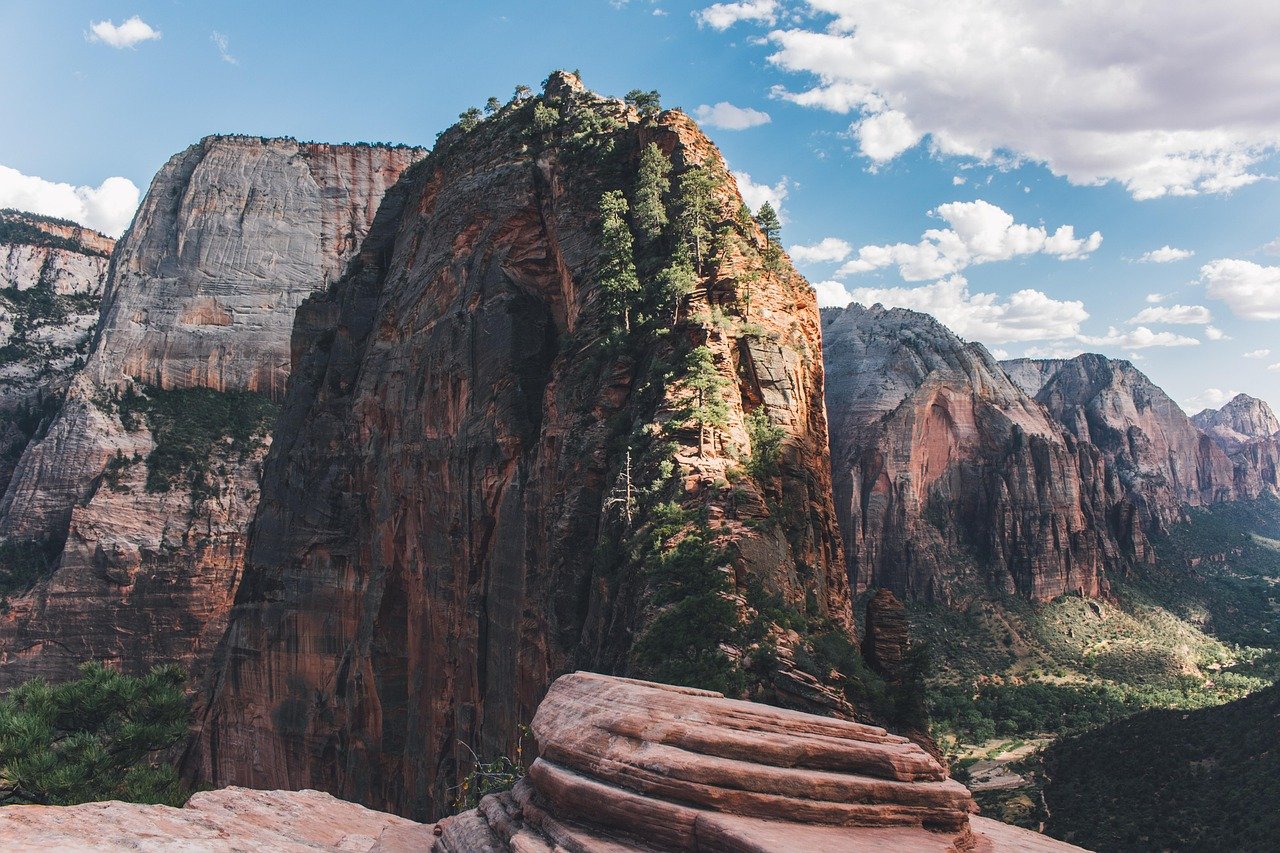
Angels Landing is arguably the best spring hike in the park, and here’s why—those challenging chains and steep drop-offs feel significantly more manageable when you’re not dealing with 100-degree heat and exposed sun. The spring temperatures mean you can tackle this hike midday without getting cooked, and the views of the canyon floor covered in fresh green growth are genuinely striking. Just know that you’ll need a permit for Angels Landing as of 2022, and those permits are competitive. Apply through Recreation.gov exactly one month before your planned visit—applications open at 8 AM Mountain Time on the 1st of the month prior.
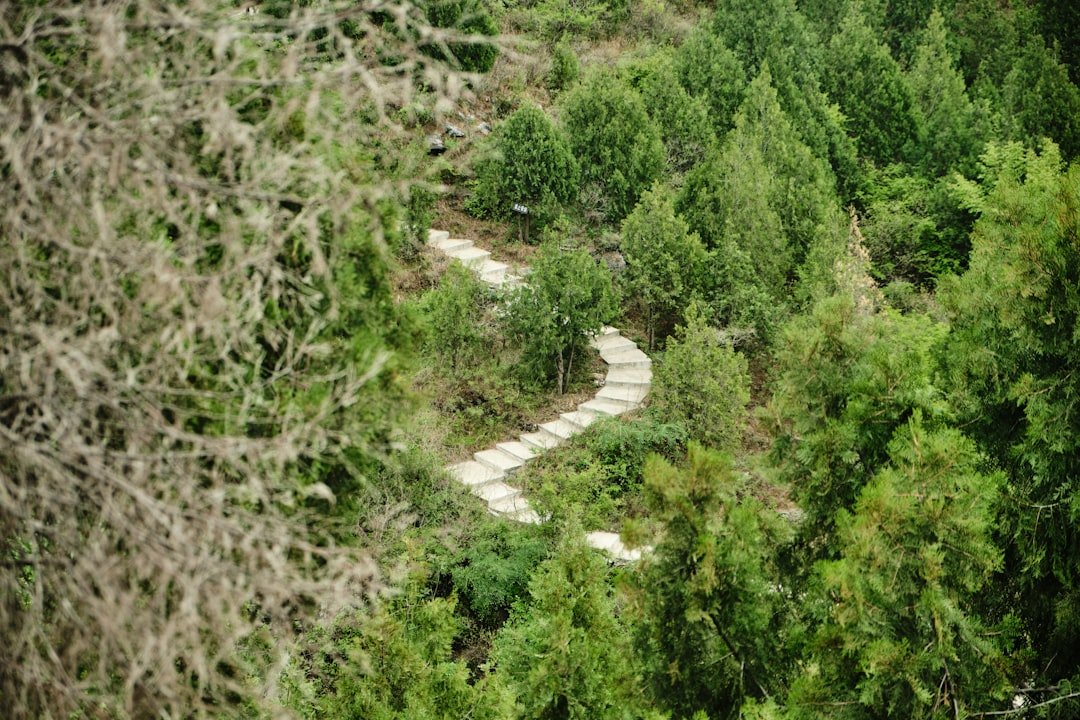
For something less crowded but equally rewarding, I highly recommend Observation Point via the East Mesa Trail. Most visitors access Observation Point from the main canyon, but that trailhead was closed due to rockfall when I last visited. The East Mesa approach is actually my preferred route anyway—it’s longer (about 7 miles round-trip) but much more gradual, and you’ll get these incredible views of the entire canyon that you completely miss from the main trail. Plus, it’s significantly less crowded, which in spring means you might actually get some solitude with those panoramic views.
Wildflowers and Wildlife in Spring
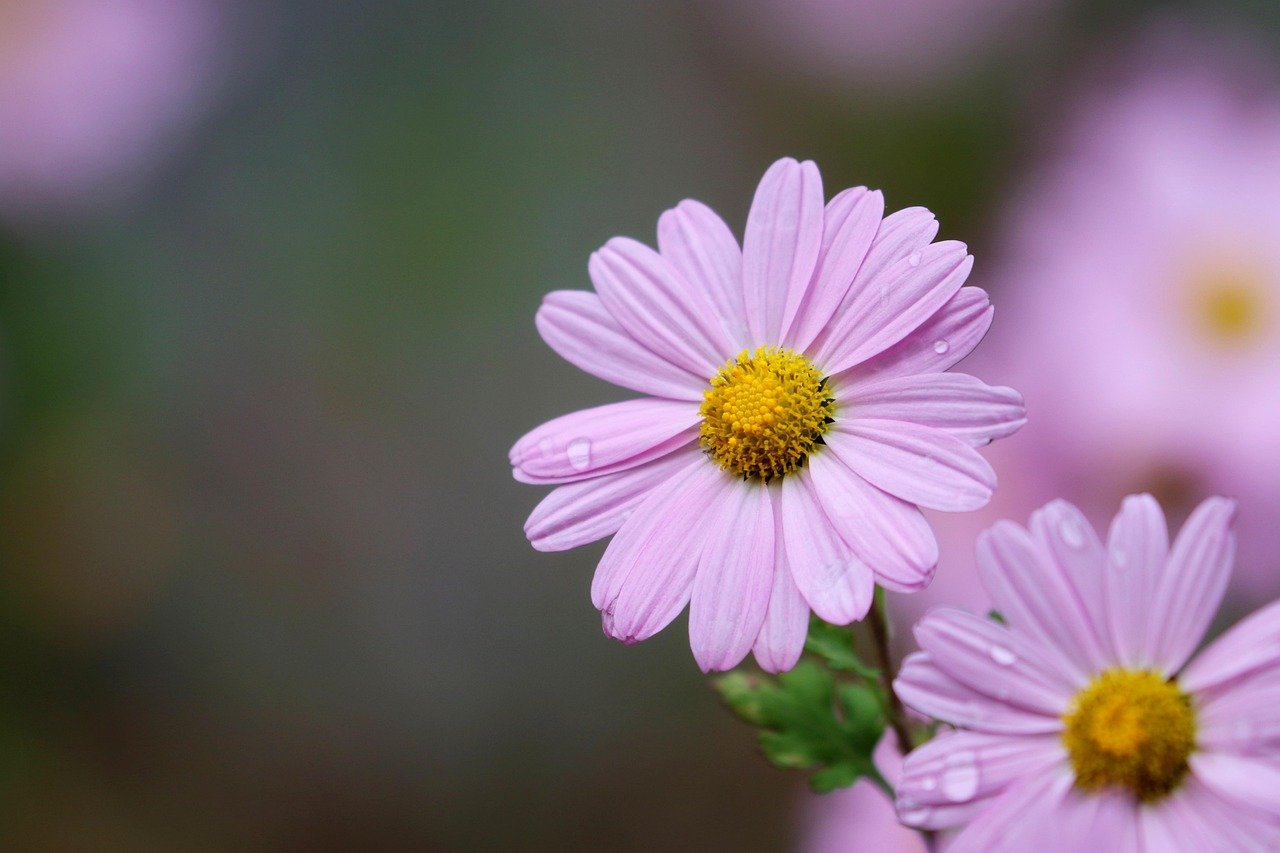
If you’re timing your visit for wildflowers, aim for mid-April through mid-May. That’s when the canyon floor erupts with desert marigold, Indian paintbrush, and delicate purple phacelia. I’ve spent entire afternoons just photographing the wildflower displays along the Pa’rus Trail, which is an easy paved walk that follows the Virgin River and offers some of the most concentrated wildflower viewing in the park. Bring a lightweight travel tripod and a macro lens if you’re serious about wildflower photography—the light is best in the early morning and late afternoon when the sun isn’t directly overhead.
Wildlife viewing is surprisingly good in spring too. The mule deer are particularly active in the mornings and evenings, and I’ve had some incredible encounters with bighorn sheep along the steep cliffs above the Scenic Drive. Spring is also when the park’s resident peregrine falcons are nesting, so you’ll often spot them soaring above the canyon walls—just be aware that some climbing routes and trails may have temporary closures to protect nesting sites. The compact binoculars I always travel with have gotten some serious use during spring Zion visits.
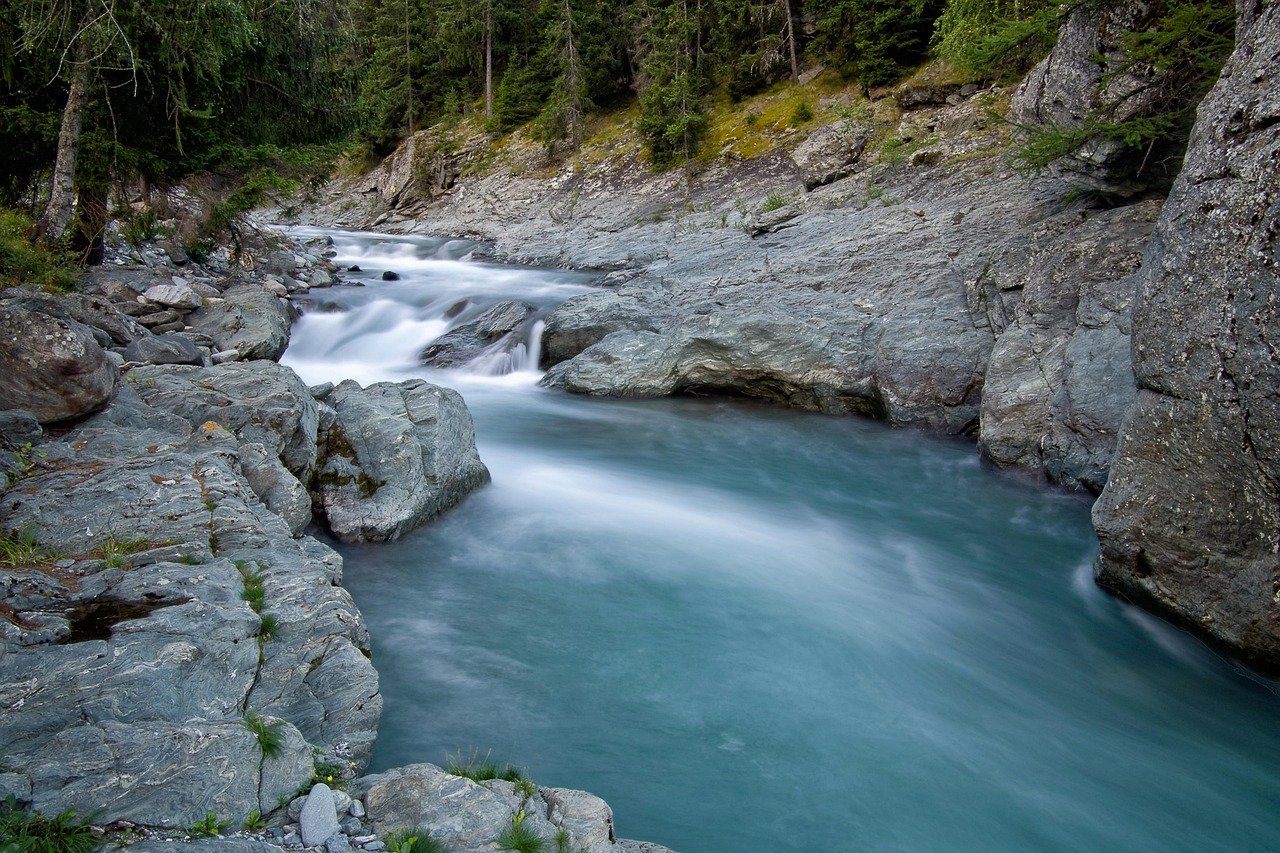
One thing that surprises most visitors is just how much water flows through the park in spring. The smaller slot canyons that are dry or barely trickling in summer come alive with snowmelt runoff, creating some pretty spectacular waterfalls along the canyon walls. Keep an eye out for these ephemeral falls—especially after a spring rainstorm—because they’re gone by June. The Weeping Rock area is particularly dramatic in spring when the cliff face is literally streaming with water.
Beating the Crowds: Spring-Specific Strategies
Here’s the reality—Zion is busy year-round now, but spring brings a different kind of crowd. You’re dealing with fewer international tour buses than in summer, but more serious hikers and photographers who know exactly what they’re doing. The shuttle system, which runs from March through October, is both your best friend and your biggest challenge. Parking at the visitor center fills up by 8 or 9 AM even on weekdays, so you absolutely need to arrive early or plan to park in Springdale and walk or take the town shuttle to the visitor center.
My golden rule for beating crowds in spring: start your hikes before 7 AM. The shuttle starts running at 6 AM, which means you can be on the trail by 6:30 if you’re committed. I’ve had Angels Landing almost entirely to myself on several spring mornings by starting that early, and the sunrise views from Scout Lookout are genuinely unforgettable. Same goes for The Narrows—arrive at the Temple of Sinawava trailhead by 7 AM and you’ll beat both the crowds and the afternoon thunderstorms that roll in during monsoon season.
Another strategy that works surprisingly well: hike during what I call the “lunch lull” between 11 AM and 2 PM. Most visitors start early, take a long lunch break, then head back out in the afternoon. If you’re willing to hike during those midday hours when everyone else is eating or resting, you’ll find significantly thinner crowds on popular trails like Emerald Pools and Riverside Walk. Just be prepared for warmer temperatures and stronger sun exposure during those hours.
Finally, consider exploring the east side of the park along the Zion-Mt. Carmel Highway. Most visitors never venture beyond the main canyon, which means trails like Canyon Overlook and the East Rim Trail see a fraction of the crowds. Canyon Overlook is particularly spectacular in spring—the trailhead starts right at the east entrance tunnel, and you get these incredible views into the entire canyon system that most day visitors completely miss. It’s only about a mile round-trip but offers some of the best payoff-per-effort scenery in the entire park.
Permits, Reservations, and Logistics
Let’s talk logistics because this is where most spring visitors get caught off guard. As I mentioned earlier, Angels Landing now requires a permit year-round, and the application process is competitive but manageable if you plan ahead. You can apply for permits on Recreation.gov starting on the 1st of the month prior to your visit—for example, apply on April 1st for a May visit. The lottery runs for several days, and you’ll find out if you got your permit about a week later. If you strike out, there are also some “day-before” permits released at 12:01 PM Mountain Time the day before your planned hike, but those go fast.
Backcountry camping also requires a permit, and spring is actually an excellent time for overnight trips if you’re experienced and prepared. The overnight zones along the West Rim Trail offer spectacular sunset and sunrise views, and you’ll have the canyon largely to yourself once the day visitors clear out. Just be absolutely certain about your weather forecasting—spring storms can roll in quickly, and exposed high-elevation camping becomes dangerous in lightning conditions. I always pack a portable weather station on overnight spring trips for that reason.
The shuttle system is free but requires some strategic planning. The shuttles run every 10-15 minutes during peak season, but they can fill up quickly at popular stops like Zion Lodge and The Grotto. If you’re planning a multi-stop hiking day, consider the Zion National Park Forever app, which shows real-time shuttle locations and helps you time your pickups more efficiently. The app also has excellent trail maps and up-to-date information on trail closures and conditions.
For accommodations, Springdale has options ranging from budget-friendly motels to high-end resorts, but spring is busy enough that you’ll want to book well in advance. For travelers planning multiple park visits, strategic budget planning can help you stretch your travel dollars further while still hitting all the highlights. I’ve stayed at several properties in town, and honestly, most are perfectly adequate for a basecamp. If you’re camping, Watchman Campground inside the park takes reservations up to six months in advance, and those sites book up almost immediately for spring dates. South Campground is first-come, first-served, but you’ll need to arrive by mid-morning on weekdays and even earlier on weekends to secure a spot.
Photography Tips for Spring Visits
Spring light in Zion is some of the most dramatic I’ve experienced anywhere in the national park system. The sun angle is lower than in summer, which means the canyon walls get these incredible sidelighting effects that bring out the red rock textures in ways you just don’t see during the harsh midday light of July and August. My favorite spot for spring sunrise is actually the Canyon Overlook trail—being above the canyon looking down as the light first hits the canyon floor is genuinely magical.
For sunset, I prefer the lower-elevation viewpoints along the Pa’rus Trail or the benches near Zion Lodge. You get these incredible last-light effects on The Watchman and the other peaks towering above the canyon, and the wildflowers in the foreground make for some pretty spectacular foreground elements. A good circular polarizer filter is essential for cutting glare off the Virgin River and really making those red rock colors pop.
The Narrows in spring requires some specific photography considerations. With the stronger water flow, you’ll want faster shutter speeds to capture the motion of the river without everything getting blown out. I typically shoot in shutter priority mode around 1/125 to 1/250 of a second, and I always use a polarizing filter to cut reflections off the water surface. The water is significantly colder in spring, which means condensation can be an issue when you bring your camera out of your bag—give your equipment time to acclimate before changing lenses or shooting to avoid fogging up your optics.
One piece of gear that’s surprisingly essential in Zion is a good hiking boot with serious traction. The park’s famous steep trails like Angels Landing and the West Rim Trail have sections where you’re walking on slickrock or sandstone that can become treacherous when wet. Spring showers are common, and those surfaces get surprisingly slick. I’ve seen plenty of people in regular running shoes struggling on the steeper sections—invest in proper footwear with aggressive tread patterns and your knees will thank you.
Essential Gear for Spring Zion Adventures
Packing for Zion in spring requires balancing between warm mornings, mild afternoons, and the possibility of sudden weather changes. I always layer my clothing system—starting with a moisture-wicking base layer, adding a light fleece or softshell jacket for temperature regulation, and topping it with a waterproof shell for those sudden spring showers. This layering system lets me adapt quickly as conditions change throughout the day without carrying excessive weight.
Footwear is where you don’t want to compromise. For day hiking, I recommend waterproof hiking boots with ankle support, especially for trails like Angels Landing where you’re navigating uneven terrain and exposed drop-offs. If you’re planning to hike The Narrows, you’ll need canyoneering boots or at least sturdy hiking sandals with good grip—regular sneakers will get destroyed by the river’s rocky bottom and offer zero traction on algae-covered stones. Local outfitters in Springdale rent neoprene socks and canyoneering boots, which I highly recommend over trying to makeshift your own gear.
Hydration is non-negotiable in the desert, even in mild spring temperatures. I carry at least three liters of water for full-day hikes, and I use a hydration bladder rather than water bottles because it encourages more frequent drinking. The dry desert air dehydrates you faster than you realize, especially at higher elevations. Add some electrolytes to your water too—you’ll be sweating more than you think, even in comfortable temperatures.
Sun protection is another essential that people underestimate in spring. The UV index at Zion’s elevation is significantly stronger than most visitors expect, and the high canyon walls can reflect sunlight, creating intense exposure conditions even on cloudy days. I apply sunscreen every two hours without fail, wear a wide-brim sun hat, and always carry polarized sunglasses for both eye protection and better visibility into the water and along canyon walls. A lightweight hiking gaiter is also smart for keeping sand and debris out of your boots. And if this is your first national park adventure, our guide to first-time park visitors covers all the basics you need to know before hitting any trail system., especially on trails like the West Rim where the trail surface can get sandy.
A Perfect 3-Day Spring Itinerary
If you’re planning a first visit to Zion in spring, here’s the itinerary I recommend to my friends. Day one is all about acclimating and getting oriented—start with the easy Pa’rus Trail in the morning to stretch your legs after travel, then take the full shuttle tour to get the lay of the land. Spend the afternoon hiking the Emerald Pools trails (Lower, Middle, and Upper if you’re feeling energetic), which give you a nice cross-section of what the park offers without being overly technical. Wrap up with sunset at Canyon Junction Bridge for that classic view of The Watchman towering above the Virgin River.
Day two is your big hiking day—tackle Angels Landing first thing in the morning (assuming you scored a permit), then reward yourself with a relatively easy afternoon hike to Riverside Walk and maybe the first mile or so of The Narrows just to sample it. If you didn’t get an Angels Landing permit, substitute Observation Point via the East Mesa Trail instead—it’s longer but less technical and offers arguably better views. Either way, you’ll put in some serious miles, so save energy for day three.
For your final day, I recommend exploring the east side of the park. Drive the Zion-Mt. Carmel Highway (no shuttle needed—your personal vehicle works for this section) and hike Canyon Overlook first thing in the morning. Then either tackle a longer hike like the East Rim Trail or do some easier exploring along the checkerboard mesa area. The scenery here is completely different from the main canyon—more expansive, more forested, and with these incredible geological formations that most day visitors miss completely.
This itinerary gives you the full Zion experience without burning yourself out, and it hits all the highlights while still leaving room for spontaneous exploration. The beauty of Zion in spring is that even if you deviate from the plan and end up spending an extra hour photographing wildflowers or just sitting by the river watching the light change on the canyon walls, you’re still having a perfect day.
Final Thoughts: Why Spring is Worth It
After multiple spring visits to Zion, I can honestly say it’s become my favorite season in the park. The crowds are manageable, the temperatures are ideal for serious hiking, and there’s this sense of renewal that you can feel in every corner of the canyon—from the first wildflowers pushing through the desert soil to the newborn bighorn sheep lambs I’ve spotted on the cliffs. Spring in Zion feels alive in a way that the harsh heat of summer just can’t match.
Is it more work than a summer visit? Absolutely. You need to plan for variable weather, potentially changing trail conditions, and the logistics of permits and shuttle timing. But that extra effort pays off in experiences that most summer visitors never have—sunrise at Angels Landing without a dozen people in your frame, The Narrows with crystal-clear water and manageable crowds, wildflower displays that transform the canyon floor into something that looks more like a painting than reality.
The key is preparation and flexibility. Check the weather religiously, pack for multiple conditions, and be willing to adjust your plans based on what the day throws at you. Some of my best Zion experiences have come from completely changing my planned itinerary because of a sudden trail closure or an unexpected weather window. Spring is unpredictable, sure, but that unpredictability is also what makes it so rewarding for the travelers willing to work with it rather than against it.
So if you’re debating between a spring or summer Zion visit, I’ll make the argument for spring every time. You’ll deal with fewer crowds, better hiking conditions, and a version of the canyon that feels both more dramatic and more intimate. Just do your homework, pack smart, and be ready for whatever Utah’s weather decides to throw at you. The rewards are more than worth it.
1 thought on “Zion National Park in Spring 2026: The Complete Guide to Perfect Timing, Fewer Crowds, and Spectacular Hikes”