Why Spring is the Secret Season for National Parks
After spending nearly a decade exploring America’s national parks in every season, I’ve learned something that surprises most people: spring might just be the best time to visit. Sure, summer gets all the glory with its long days and perfect camping weather, but spring offers something magical—fewer crowds, blooming landscapes, and wildlife emerging from winter dormancy. I’ve stood alone in Zion’s Narrows in late March, watched waterfalls roar in Yosemite before the summer crowds descend, and seen the desert floor of Death Valley transform into a sea of wildflowers that feels almost otherworldly. Spring is when these parks feel wild again, before the shuttle buses and parking lots fill to capacity. But here’s the thing—spring varies wildly across the country. What’s perfect weather in the Southwest in March can still be buried under snow in the Rockies. That’s why I’ve put together this comprehensive guide to help you pick the right parks for your spring adventures, along with the practical gear and timing tips I’ve learned through years of trial and error.
Southwest Desert Parks: March and April Magic
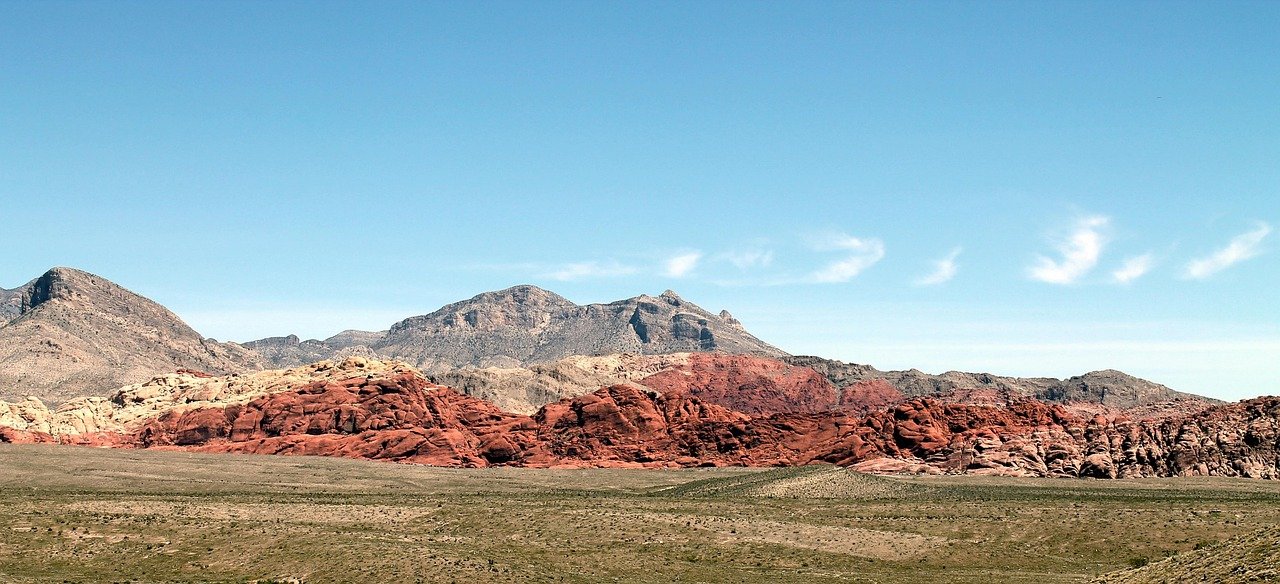
The desert Southwest comes alive in spring, and I mean that literally. Having spent multiple springs chasing wildflowers across these red rock landscapes, I can tell you that timing is everything—but when you get it right, it’s unforgettable. The window is narrow: March through mid-April is your sweet spot. By May, temperatures start climbing to uncomfortable levels, and those delicate blooms you came to see have turned to dust.
Zion National Park in Utah tops my list for spring visits, and not just because it’s spectacular (though it absolutely is). For comprehensive details on timing, hiking, and avoiding crowds, check out my complete guide to Zion in spring 2026.
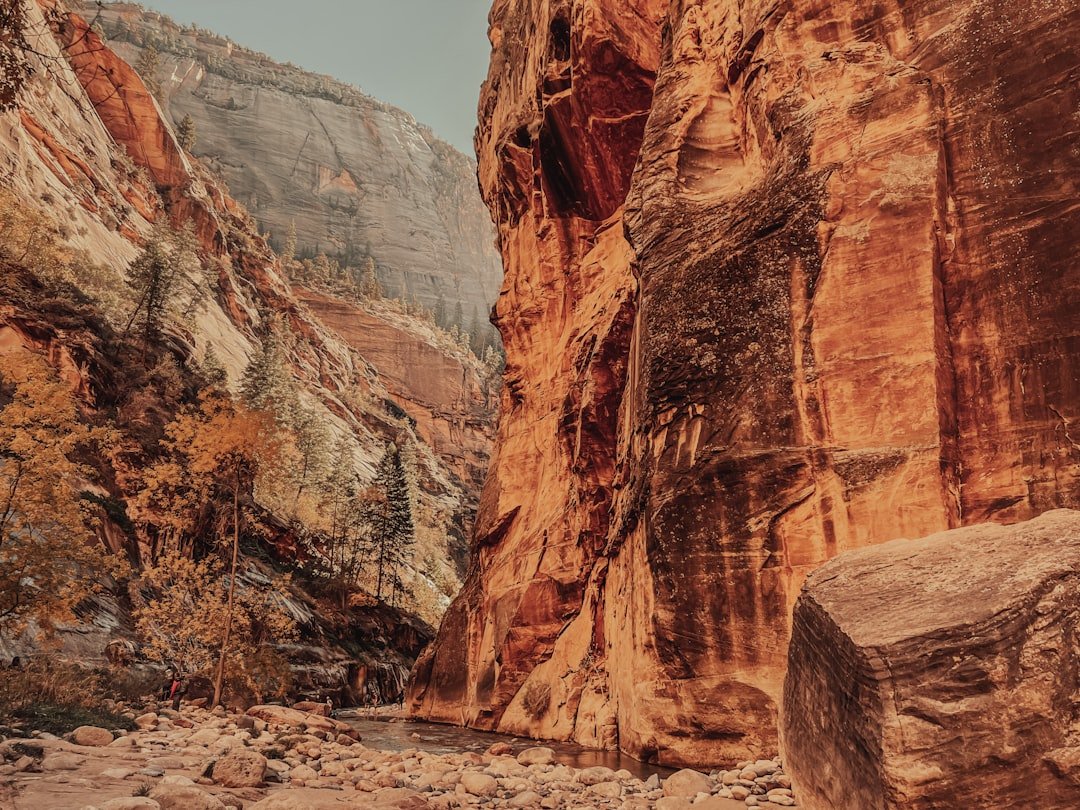
Here’s what I’ve learned from dozens of trips: visit in late March or early April, and you’ll experience the park with a fraction of the summer crowds. I’ve hiked the Narrows in early April wearing a wetsuit, sharing the canyon with maybe a dozen other people instead of the hundreds you’ll encounter in July. The water’s chilly—around 50°F—but that’s easily managed with the right dry pants and neoprene socks. The Virgin River flows at its clearest in spring, fed by snowmelt rather than summer thunderstorms that turn it into a muddy torrent. For anyone considering Zion in spring, here’s my non-negotiable advice: book your campsite or lodge reservations months in advance, as spring break crowds descend in waves.
Just across the state, Arches and Canyonlands offer a completely different spring experience. I’ve found that March can still be chilly—often dipping below freezing at night—but April brings those perfect 60-70°F days that make hiking feel effortless. The key advantage here? Wildflower season. I’ve photographed purple paintbrush, yellow cryptantha, and delicate primrose blooming against red rock formations, creating a color contrast you have to see to believe. A good telephoto lens becomes essential here, as you’ll want to capture these blooms without trampling fragile desert soil. If you’re new to national parks and feeling overwhelmed by the options, this guide to the best national parks for first-time visitors can help you prioritize based on your experience level and interests. Pro tip: visit Arches for sunrise—you’ll have the park largely to yourself, and the way first light hits Delicate Arch is worth losing sleep over.
Death Valley National Park presents perhaps the most dramatic spring transformation of all. Most years, the park is a stark, alien landscape of barren plains and jagged mountains. But every decade or so, conditions align perfectly—autumn rains, gentle winter temperatures, and just the right amount of spring sunshine—and the entire valley floor erupts into a superbloom.
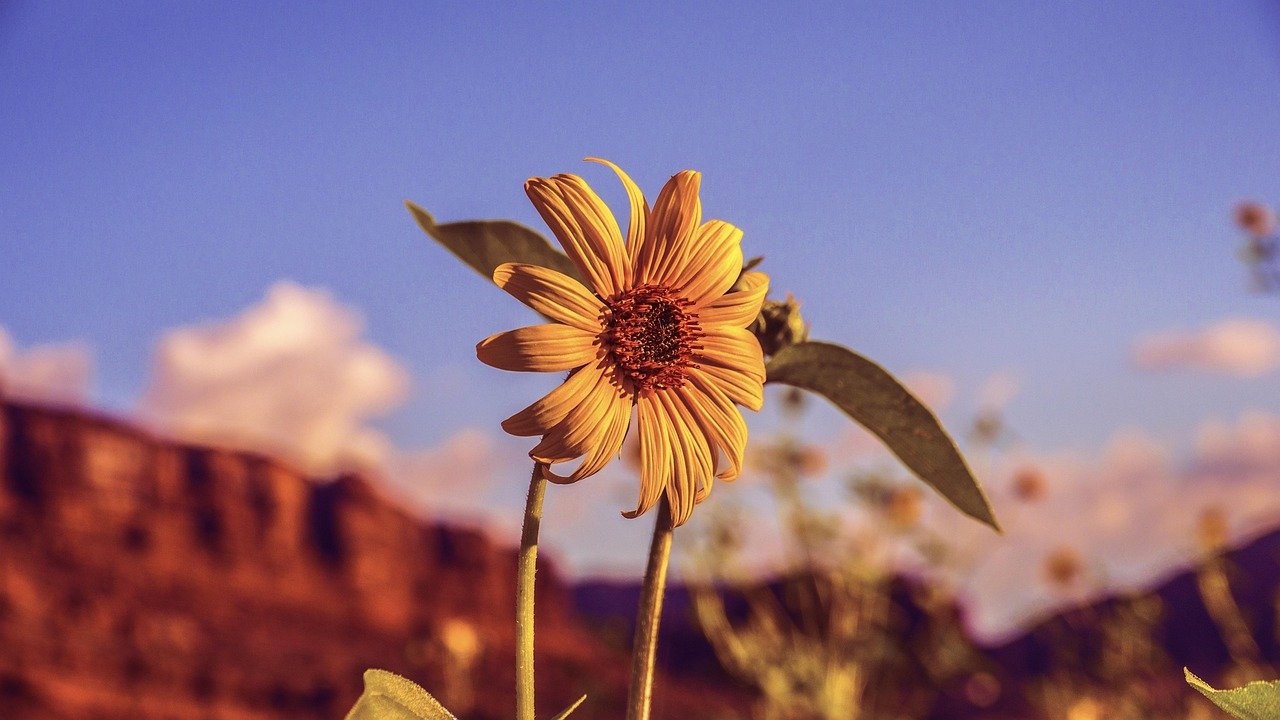
I witnessed the 2016 superbloom, and let me tell you: walking through fields of desert gold, gravel ghost, and evening primrose stretching to the horizon changed how I think about deserts forever. The 2026 superbloom is shaping up to be another once-in-a-lifetime event, with park rangers already predicting peak bloom in late February through mid-March. Even in non-superbloom years, Death Valley’s spring wildflowers are worth the trip, but you’ll need to plan strategically. Visit in late February or March, bring a reliable shade structure (temperatures can hit 90°F by midday), and stay at Furnace Creek or Stovepipe Wells—camping options are limited, and you’ll want base camps close to the prime wildflower viewing areas.
Southeast Waterfalls and Blooms: March Through May
While the Southwest is known for its subtle desert blooms, the Southeast explodes with color and water in spring. I’ve spent years chasing waterfalls across Great Smoky Mountains and the Blue Ridge, and here’s what I’ve discovered: the season is longer and more forgiving here than anywhere else. You’ve got a solid window from March through May, with each month offering something different.
Great Smoky Mountains National Park straddling Tennessee and North Carolina might be the most underrated spring park in the entire system. Here’s why I keep coming back: the spring wildflower display is unmatched anywhere in North America.
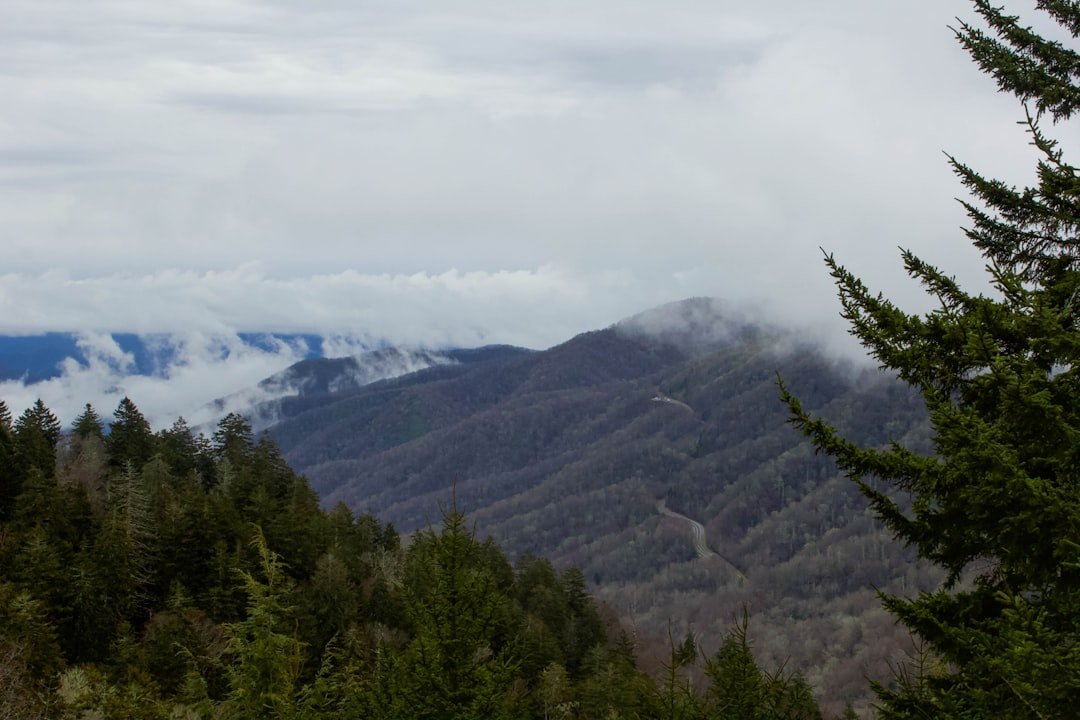
We’re talking 1,500+ species of flowering plants, including rare treasures like lady slipper orchids, trillium, and violets that carpet the forest floor in white, pink, and purple. The park’s annual Spring Wildflower Pilgrimage draws serious botanists from around the world, but you don’t need to be an expert to appreciate the show. My favorite strategy? Hit the lower-elevation trails like Deep Creek or Porter’s Creek in late March and April, when the wildflowers peak before the trees fully leaf out. As spring progresses into May, follow the bloom upward to higher elevations like Clingmans Dome, where the flame azaleas put on a show that literally glows against the mountain backdrop.
The waterfall season in the Southeast deserves special mention. After winter rains, rivers like the Tallulah in Georgia and the Pigeon in Tennessee roar at levels you won’t see the rest of the year. If waterfall chasing speaks to you (and it really should), this guide to spring waterfall chasing in the Southeast covers the best cascades across the region. But here’s the practical reality I’ve learned from years of Smokies spring trips: weather is unpredictable. I’ve had 70°F sunny days in March and snow in April. Pack layers, without question. I always bring waterproof hiking boots (spring rains turn trails into mud pits), a packable rain shell, and base layers that can handle temperature swings of 30-40°F in a single day. The other essential? A good trail app or GPS device—the Smokies’ steep terrain can be disorienting, and spring fog can roll in suddenly, obscuring views and making navigation tricky.
The waterfall season in the Southeast deserves special mention. After winter rains, rivers like the Tallulah in Georgia and the Pigeon in Tennessee roar at levels you won’t see the rest of the year.
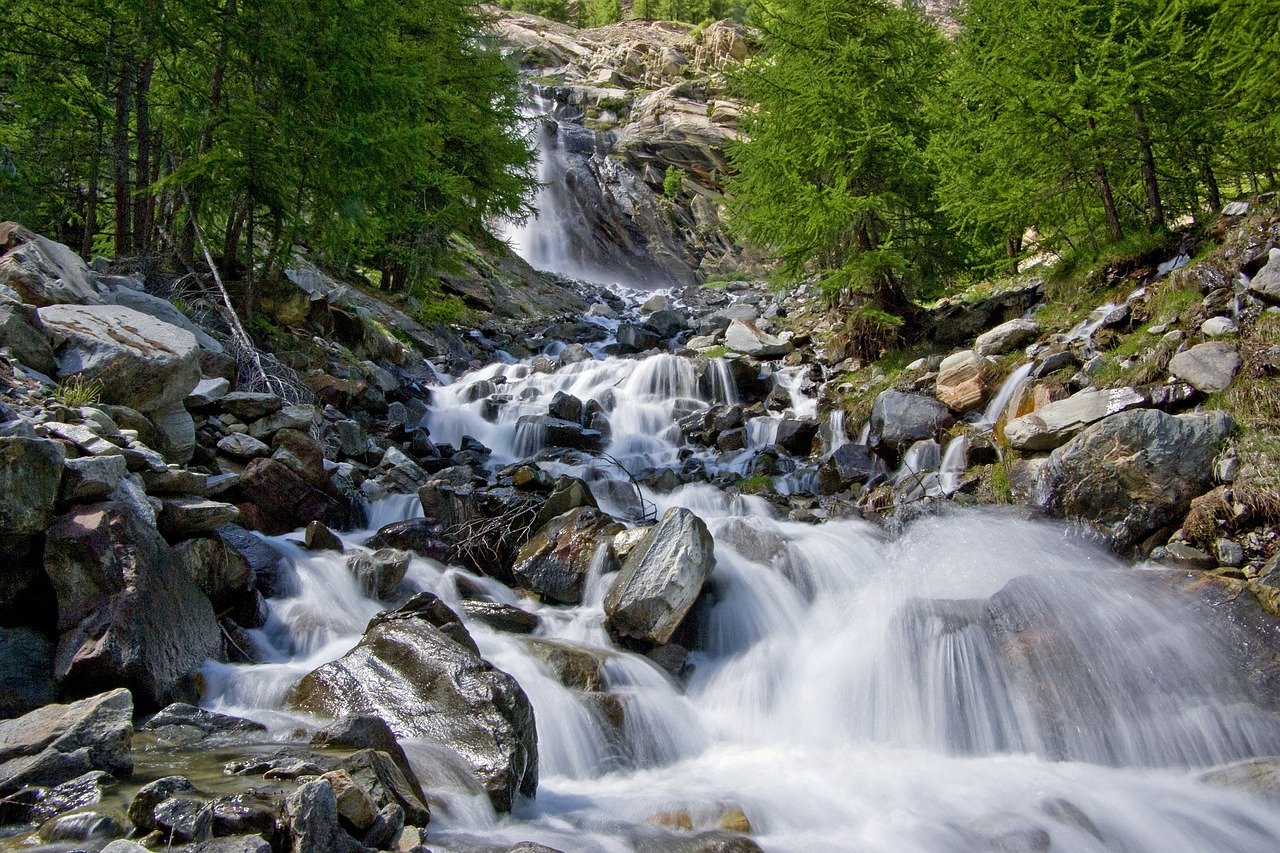
I’ve made spring trips specifically to chase waterfalls, and the payoff is incredible: greens so vibrant they almost vibrate, mist that creates rainbows in sunlight, and that thunderous roar that you feel in your chest before you even see the falls. Tallulah Gorge State Park in Georgia is one of my favorites—the five falls there put on a show that rivals anything in the western parks, but with a fraction of the crowds. Safety first, though: spring currents are deceptively powerful, and I’ve seen too many visitors ignore warning signs and wade into dangerous water. Stay on designated trails, keep kids and dogs close, and enjoy the show from a safe distance.
California’s Central Valley: The World’s Wildflower Heart
If there’s one spring destination that’s absolutely essential in 2026, it’s California’s Central Valley, specifically Antelope Valley California Poppy Reserve. Having visited during peak bloom in previous years, I can confidently say this is one of North America’s most spectacular natural phenomena—and it’s completely free.
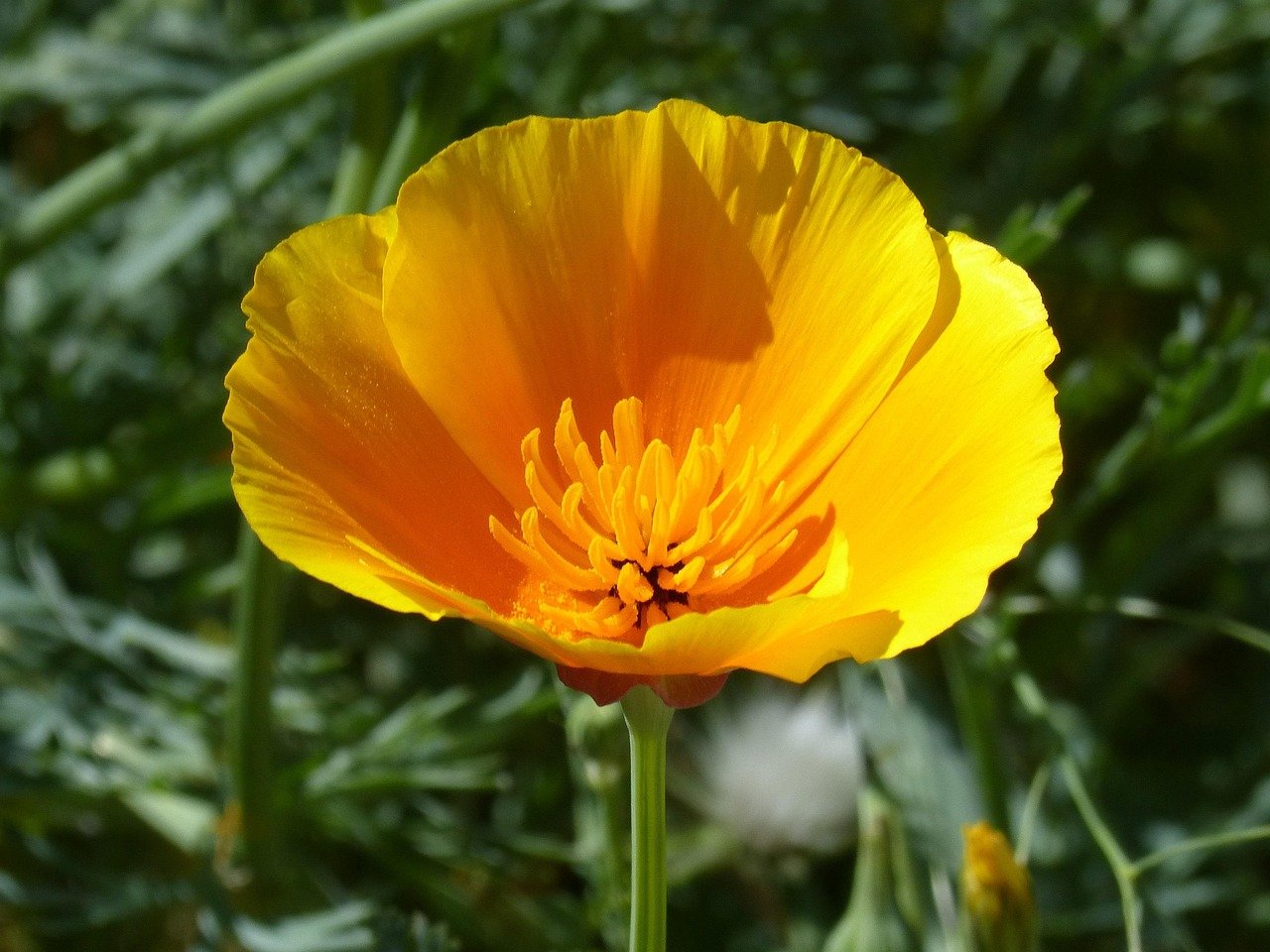
The reserve transforms into an endless sea of orange California poppies, interspersed with purple lupine, goldfields, and tidy tips that create a living mosaic stretching to the horizon.
Here’s what I’ve learned from multiple poppy season visits: timing is everything. The bloom typically peaks in mid-to-late March, but that varies wildly based on winter rainfall patterns. In dry years, the show might be minimal. In wet years—like 2026 is shaping up to be—the display can be absolutely overwhelming, with poppies so dense they look like an orange lake from a distance. The reserve’s website and social media pages post daily bloom updates, and I religiously check them starting in late February to plan my trip for peak color.
Practical tips from someone who’s been there: arrive at sunrise. Seriously. The reserve’s parking lot fills by 9am on weekends during peak bloom, and you’ll be sharing the trails with hundreds of other visitors. I’ve rolled in at 6am, had the place largely to myself, and watched the poppies open as the sun rises—a transcendently beautiful experience. The light is also far better for photography in those early morning hours, with the golden sun casting long shadows across the orange carpet. Bring comfortable trail shoes (you’ll be walking on packed dirt), plenty of water (it gets hot by midday), and maybe a small sit-pad or camping chair so you can sit and simply absorb the spectacle. Most importantly—stay on the trails. I’ve seen oblivious visitors wander off into the poppy fields to get photos, crushing the very flowers they came to see. It’s not just rude—it’s illegal, and rangers will ticket violators.
High Sierra and Rockies: Late Spring Opening
Here’s where spring gets complicated. The high-elevation parks—Yosemite, Rocky Mountain, Grand Teton—don’t really “do” spring the way other parks do. They’re still buried under snow when the desert Southwest is blooming, and their high passes might not open until July. But that doesn’t mean they’re not worth visiting in spring—just that you need to adjust your expectations and strategy.
Yosemite National Park in California is my favorite example of this. I’ve visited in April multiple times, and here’s the reality: you won’t see the famous waterfalls at peak flow (that’s May), and Tioga Road crossing the Sierra crest will almost certainly be closed due to snow. But April in Yosemite has its own magic.
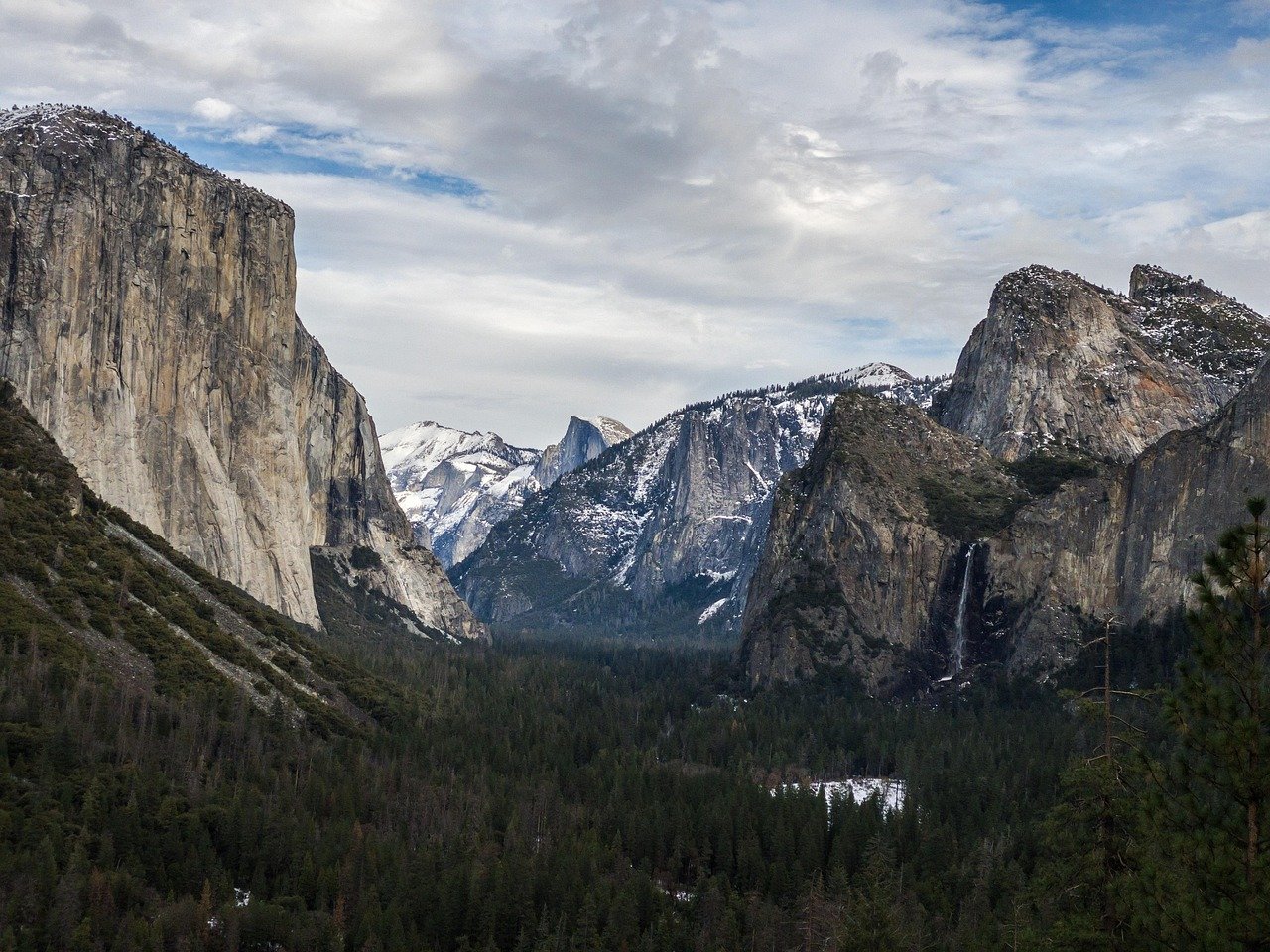
The valley floor is lush and green, dogwood trees bloom along the Merced River, and you can experience El Capitan and Half Dome without the summer mobs. The waterfalls—Bridalveil, Yosemite Falls, Nevada Fall—are already flowing powerfully by April, fed by melting snow at higher elevations. I’ve photographed these falls with snow still visible on the cliffs above, creating this incredible contrast between roaring water and frozen rock that you only get in shoulder season.
The practical tradeoff? Some trails are closed or treacherous due to snow and ice. I always bring microspikes for traction in April, and I’ve turned around on hikes that looked fine at the trailhead but turned into icy scrambles half a mile in. Check the park website for current trail conditions, carry the detailed topographic map, and don’t hesitate to adjust your plans if conditions look questionable. The valley loop trail is usually clear and offers spectacular views of the falls without the elevation gain of higher trails.
Rocky Mountain National Park in Colorado follows a similar pattern but with an even shorter spring window. I’ve had friends visit in May expecting wildflowers only to find Trail Ridge Road still buried under 20-foot snowdrifts. But for the prepared visitor, May in the Rockies offers something special: elk calving season.
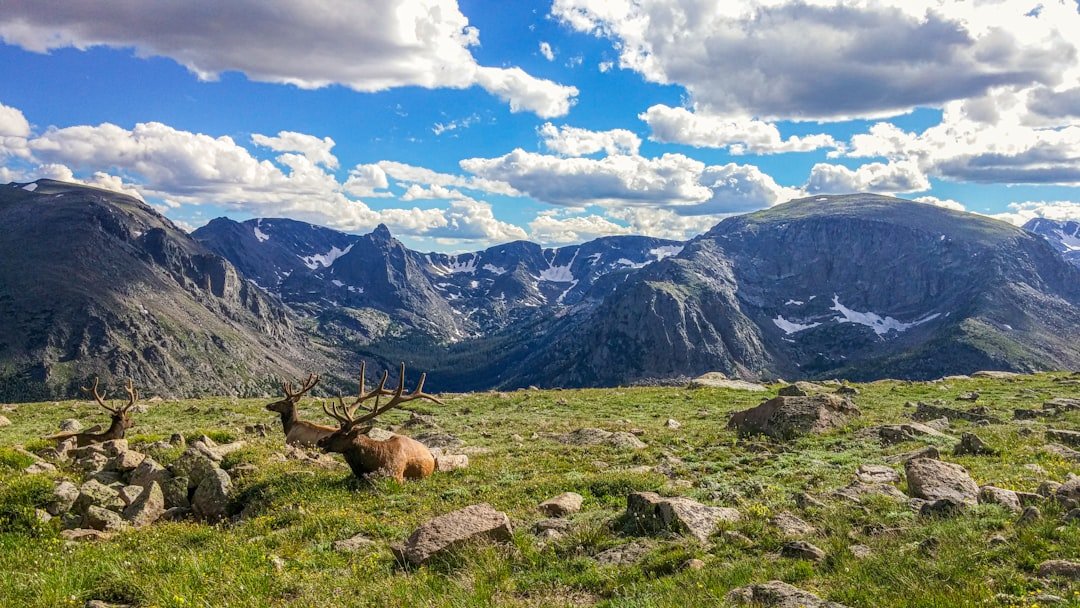
I’ve watched newborn elk calves take their first wobbly steps in meadows still dusted with snow, their mothers keeping watchful eyes on hikers. The lower-elevation trails around Bear Lake and Emerald Lake are usually accessible by late May, offering subalpine scenery without the summer crowds. Just remember: weather in the Rockies in spring is notoriously fickle. I’ve experienced 70°F sunshine and blizzard conditions within the same 24-hour period. Pack an insulated jacket, hat, and gloves regardless of the forecast, and be prepared to turn around if conditions deteriorate.
Spring Planning: The Logistics That Make or Break Trips
After years of spring national park trips, I’ve learned that preparation matters more than at any other time of year. Here are the non-negotiables I’ve adopted through trial and error:
Accommodations in spring are tricky. The popular parks—Zion, Great Smoky Mountains, Yosemite—book up months in advance, especially around spring break weeks (March and April). If you’re traveling on a budget (and who isn’t these days?), this guide to budget national park trips breaks down exactly how to experience multiple parks without breaking the bank. I’ve shown up without reservations expecting to find campsites, only to discover every single spot occupied. Now I book lodging as soon as reservations open (six months in advance for most parks). If you can’t get in-park lodging, look at gateway towns—Springdale for Zion, Gatlinburg for the Smokies, Mariposa for Yosemite. These towns fill up too, but you’ll have more options than in the parks themselves.
Gear needs change dramatically for spring travel. In summer, you can get away with basic hiking equipment. In spring, you need systems that handle variability. A good daypack with rain cover is essential—I use one that keeps my camera gear dry during sudden downpours. Layers become critical: I hike in merino wool base layers that regulate temperature whether it’s 40°F or 70°F, and I always pack a lightweight fleece and rain shell, even on forecasted-sunny days. Footwear needs to be waterproof with good traction—spring trails can be muddy, icy, or both, and I’ve ruined too many pairs of sneakers on early-season hikes.
Sun protection is another often-overlooked essential. Spring sunshine at higher elevations is surprisingly intense, especially when reflecting off snow or light-colored rock. I’ve gotten sunburned on cloudy April days in the desert Southwest. SPF 50 sunscreen, a wide-brimmed hat, and polarized sunglasses go into every pack, regardless of the forecast. I’ve also learned to carry more water than I think I’ll need—spring temperatures can be deceiving, and I’ve pushed myself harder than intended chasing waterfalls or climbing to viewpoints, only to find myself miles from the trailhead and dehydrated.
Finally, flexibility is your most important planning tool. I’ve had entire trip itineraries scrambled by late-season snowstorms, washed-out trails, or wildflower peaks that came two weeks early or late. Now I build in buffer days and have backup activities. If a trail’s closed due to snow, I know which lower-elevation alternatives offer good views. If the wildflowers aren’t peaking yet, I shift to waterfall chasing or wildlife watching. Spring is unpredictable—that’s part of its charm—but that unpredictability rewards the flexible traveler and punishes the rigid one.
Why Spring Might Be Your Best National Park Season
After exploring parks in every season, I keep coming back to spring for reasons beyond just the practical advantages of fewer crowds and milder weather. There’s something profound about experiencing these landscapes in transition—watching winter give way to summer, seeing dormant ecosystems come alive, witnessing that brief window where conditions align perfectly. I’ve hiked through Zion in a light snow squall in March, watched wildflowers bloom in Death Valley’s dust, and stood beneath Yosemite Falls at peak flow when the roar vibrated in my chest. These moments feel fleeting and precious in a way that summer’s perfection never does.
Spring also teaches patience and awareness. You’re not guaranteed the perfect conditions you might get in July. The wildflowers might not be peaking. The mountain pass might still be closed. The trail you came to hike might be a muddy mess. But in those constraints, I’ve found some of my most memorable park experiences—unplanned waterfalls I discovered while waiting for trails to clear, wildlife sightings I wouldn’t have made if I’d stuck to my original itinerary, conversations with rangers and fellow travelers that only happened because I was forced to slow down and adapt.
The practical benefits are undeniable, of course. I’ve secured campsites in April that would be impossible to book in August. I’ve photographed famous landmarks at sunrise without fighting for tripod space. I’ve had trails largely to myself, feeling more like an explorer than a tourist. But the real magic of spring in the national parks is that it reminds you these are dynamic, living systems—not static theme parks designed for your convenience. The wildflowers bloom on their own schedule. The waterfalls roar when the snow melts, not when your vacation starts. The wildlife moves and migrates according to ancient rhythms, not the calendar.
That unpredictability, if you embrace it, makes spring trips feel more authentic and rewarding. You’re not just visiting a park—you’re stepping into a seasonal narrative that’s been playing out for millennia, and you’re seeing it at its most dynamic and dramatic. And that, more than anything else, is why spring has become my favorite season for exploring America’s best idea. The crowds will come later. The perfect weather will arrive in due time. But right now, in these transitional months, the parks feel wild, alive, and entirely yours.
1 thought on “Best National Parks to Visit in Spring: Your Complete 2026 Guide”