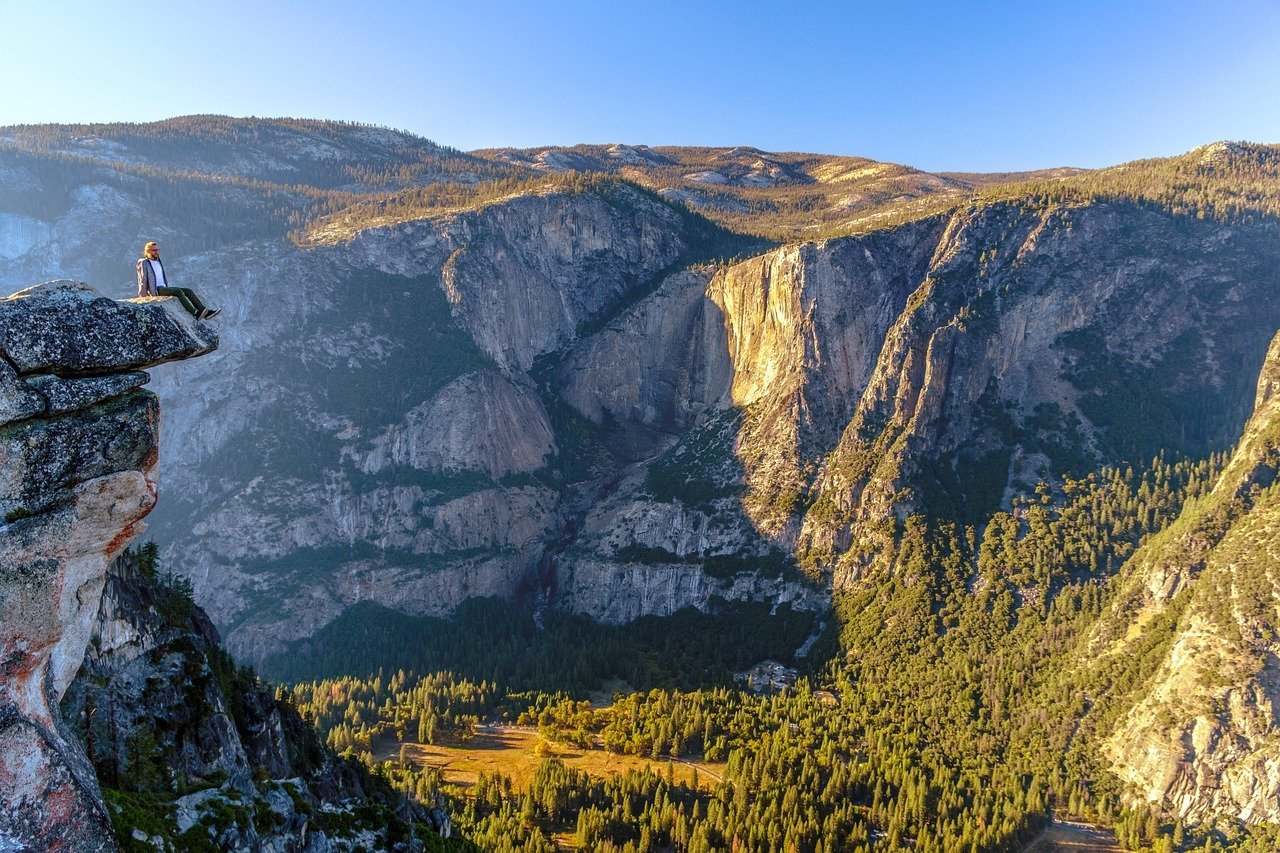
Why National Parks Are the Ultimate Budget Travel Hack
Let me be straight with you: I used to think national park trips were reserved for retirees with RVs and families with minivans full of expensive gear. Then I spent a summer hitting parks on a shoestring budget, and I realized I couldn’t have been more wrong. The truth is, America’s national parks are arguably the best deal in travel, period. We’re talking world-class scenery, unforgettable experiences, and adventures that don’t require a trust fund to enjoy.
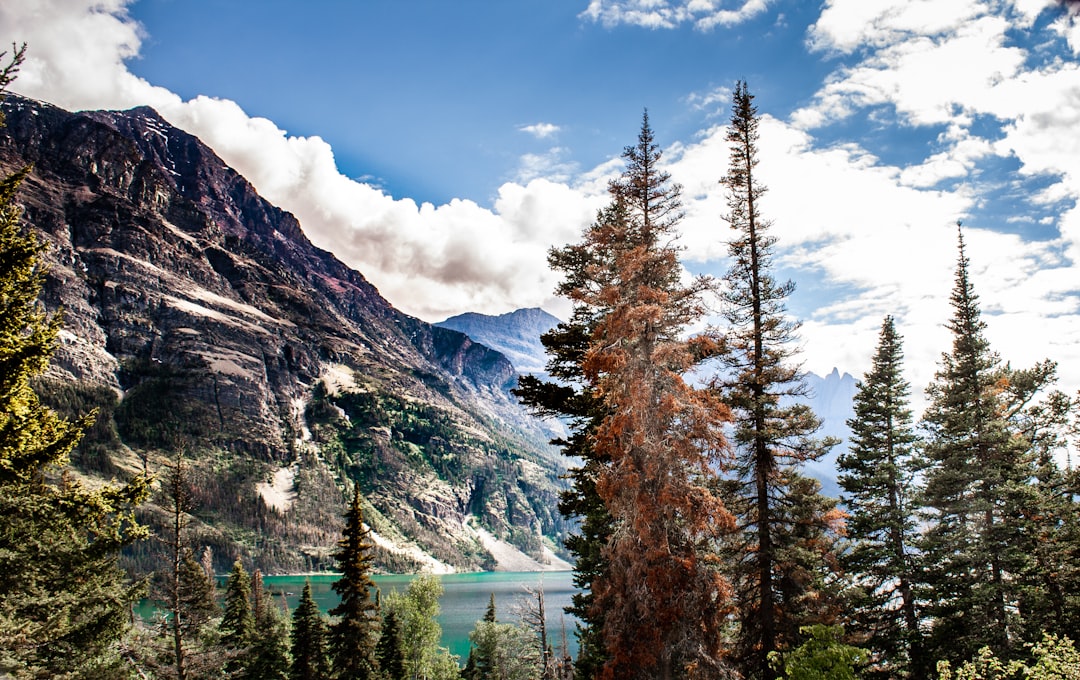 Here’s what blows my mind: a single National Parks Pass costs $80 and gets you into over 2,000 federal recreation sites for an entire year. That breaks down to pennies per visit if you hit even a handful of parks. Compare that to a single day at Disney World or a round of drinks at a resort bar, and suddenly the math starts looking incredibly attractive. But the pass is just the beginning—I’ve learned that the real savings come from knowing WHERE to go, WHEN to visit, and HOW to plan like a budget-savvy traveler instead of a tourist.
I’ve crisscrossed the country from Acadia to Zion on a tight budget, and I’m going to share exactly how you can experience America’s greatest natural treasures without breaking the bank. These aren’t theoretical tips I read somewhere—these are strategies I’ve personally used to stretch my travel budget further than I ever thought possible. Grab your carry-on travel backpack, and let’s dive into the art of budget national parks travel.
Timing is Everything: The Secret Seasons Strategy
The biggest mistake I see budget travelers make with national parks? Visiting during peak season and then complaining about crowds and prices. Here’s the thing: national parks are open 365 days a year, but 80% of visitors cram into just 3-4 months. Want to save money AND have a better experience? Learn to work the shoulder seasons like a pro.
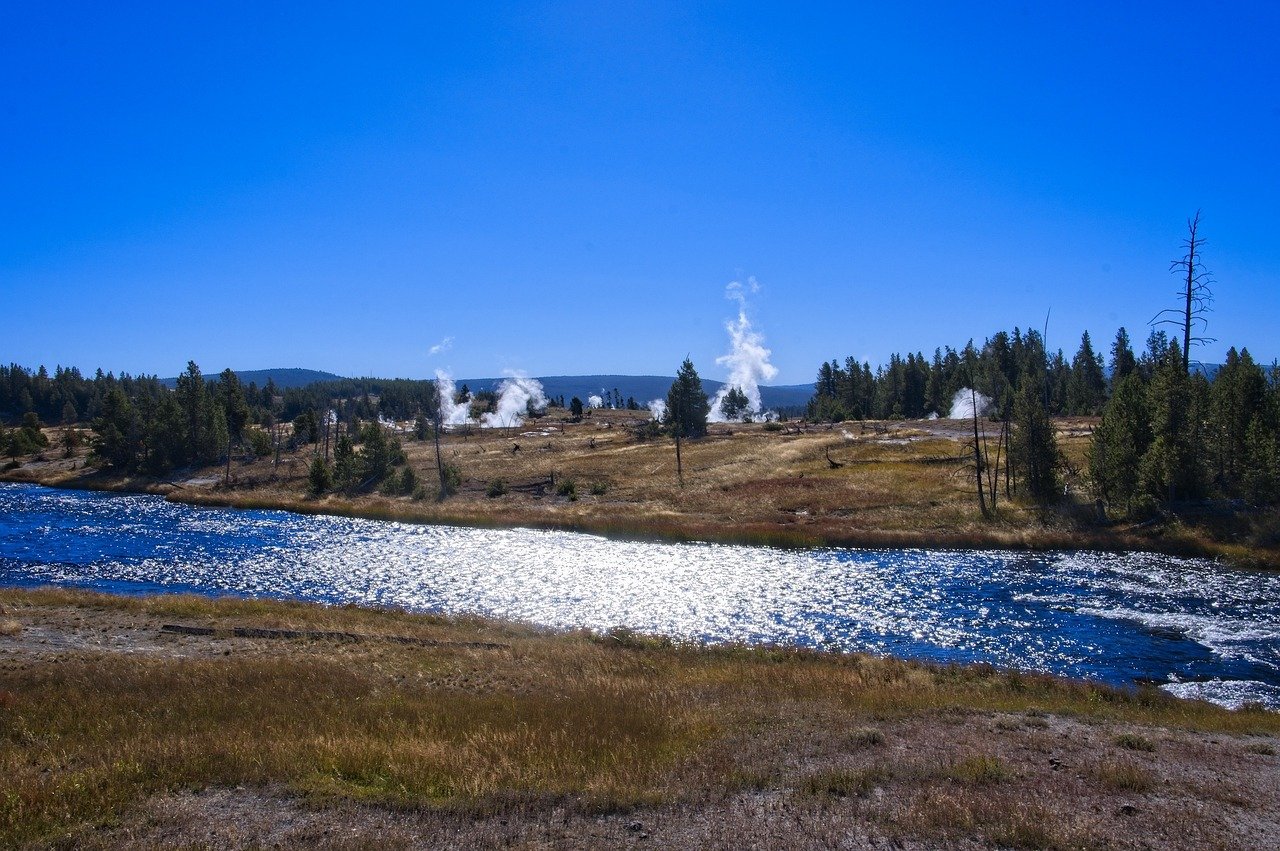
I visited Yellowstone in late September and literally had entire geothermal basins to myself. The weather was crisp but perfect for hiking, I scored a campsite for $15 that would have cost $35+ in July, and I watched elk bugling during mating season—a experience most summer visitors never get. The key is understanding each park’s shoulder season sweet spot. For desert parks like Zion and Arches, April and October are golden months: comfortable temperatures, thinner crowds, and off-season camping rates. Mountain parks like Glacier and Rocky Mountain are spectacular in September when aspens turn gold and summer crowds vanish.
Winter is another secret weapon. Sure, some roads close, but you can access parts of parks year-round, and the scenery transforms into something completely different. I’ve photographed Yosemite Valley in snow with about 10% of the summer crowd, and I paid winter rates on accommodations. Some parks even offer free entrance on specific days throughout the year. It’s not about avoiding crowds entirely—it’s about being smart about WHEN you show up. Pack quality base layers for variable weather and you’ll stay comfortable in any season.
Camping vs. Lodging: Maximizing Your Accommodation Budget
Here’s where the real savings kick in: camping inside national parks is ridiculously affordable compared to hotels. We’re talking $15-30 per night for developed campgrounds with bathrooms, sometimes even showers. I’ve spent weeks traveling through multiple parks, sleeping in prime locations for less than a single night at a mid-range hotel would cost. But here’s the catch—you need to know how to navigate the reservation systems and have backup plans.
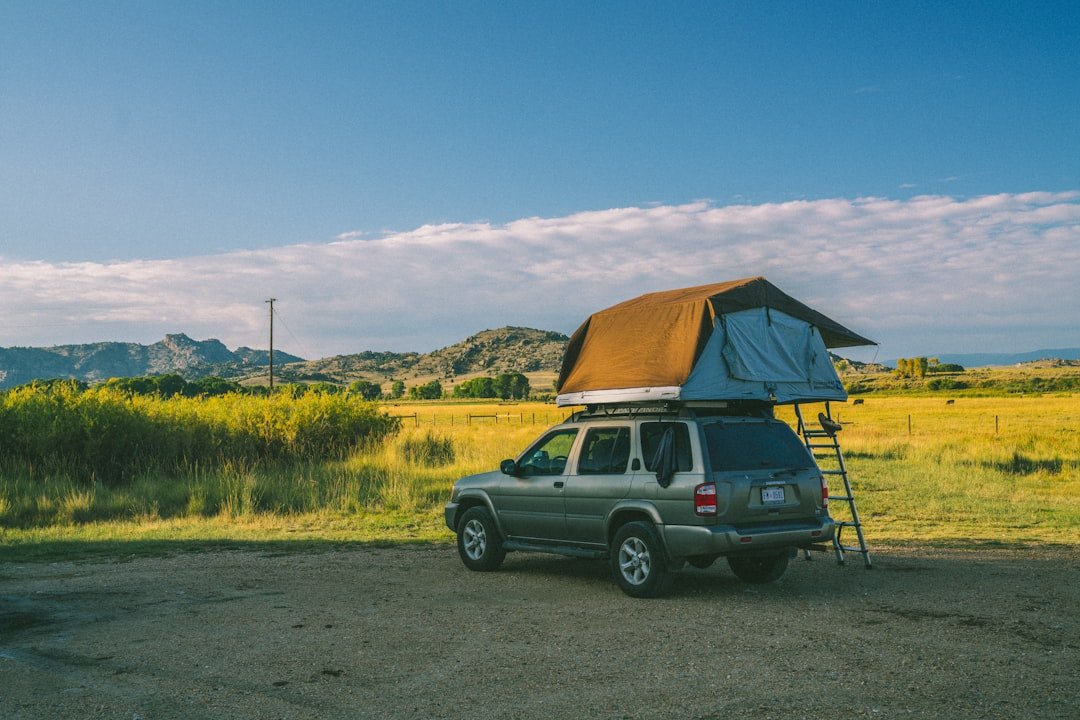
Developed campgrounds in popular parks book up months in advance, sometimes within minutes of reservations opening. That’s why I always have a strategy: first choice is reserved campground, second choice is first-come-first-served campground, third choice is dispersed camping outside the park boundary. Dispersed camping on BLM or National Forest land is often free, and you’d be surprised how close these sites can be to park entrances. I’ve found incredible free camping spots just 15 minutes from park entrances that offered stunning views and total privacy.
For gear, you don’t need to invest thousands upfront. Start with basic lightweight camping tents and a warm sleeping bag, then upgrade as you discover what you actually need. I’ve seen plenty of people with top-of-the-line gear who quit after one trip, while others with basic equipment have been camping for decades. Focus on the essentials first: a reliable tent, warm sleeping bag, comfortable sleeping pad, and basic cooking setup. Everything else is optional.
The Free Activities Strategy: What’s Actually Worth Your Time
Here’s something that might shock you: most of the best experiences in national parks are completely free. Ranger-led programs? Free. Scenic drives? Free (beyond the entrance fee). Hiking to iconic viewpoints? Free. Wildlife viewing? Free. The only things that typically cost extra are guided tours, specialized activities like horseback riding, and concessions inside the park. Focus on the free offerings and you’ll have just as memorable an experience as someone dropping hundreds on extras.
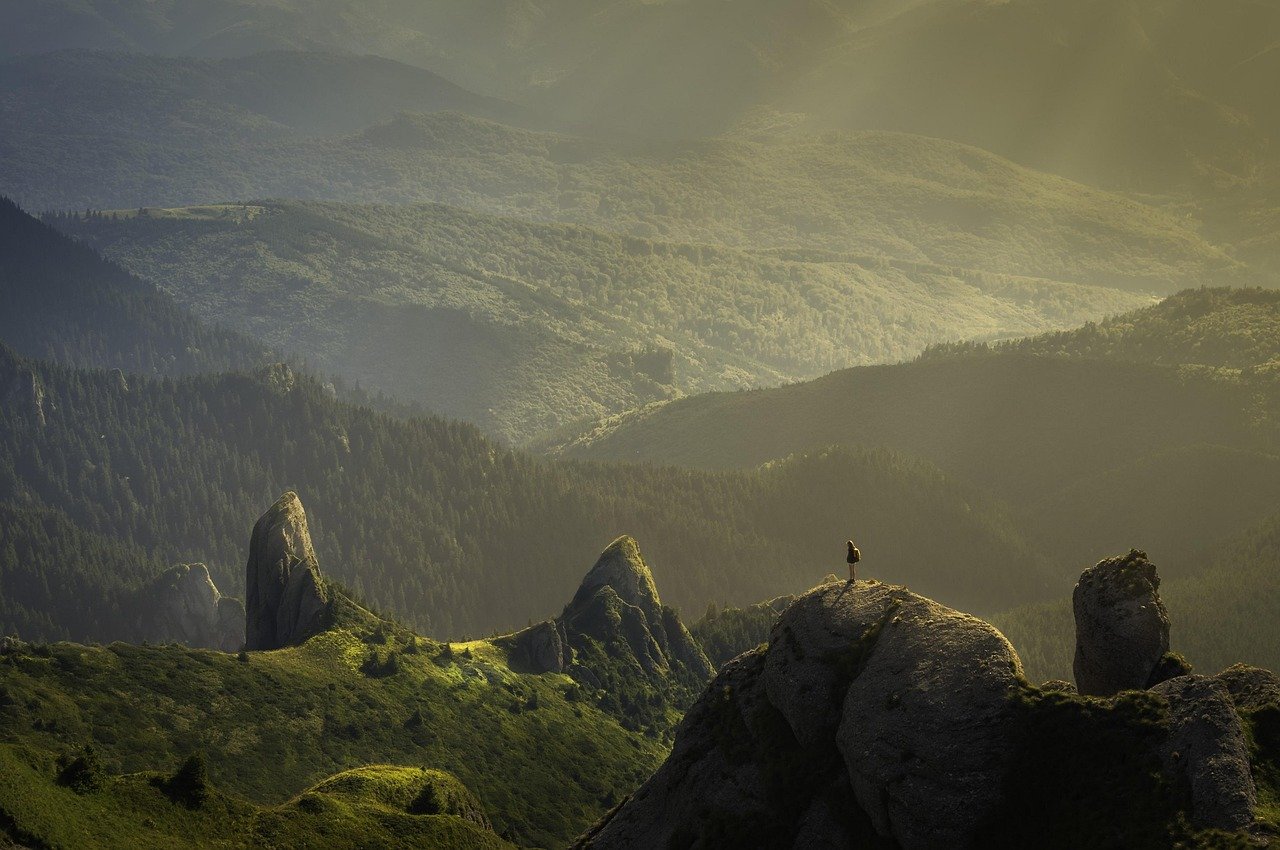
I’ve spent entire days in parks like Great Smoky Mountains without spending a cent beyond entrance fees, and those days rank among my favorite travel memories ever. Sunrise at Clingmans Dome, hiking to Abrams Falls, exploring Cades Cove—absolutely free and absolutely world-class. The same goes for places like Badlands National Park, where I spent three days hiking, photographing, and exploring the otherworldly landscape for basically nothing.
Ranger programs are particularly underrated. I’ve joined guided walks with rangers who’ve worked in the parks for decades, learning about geology, wildlife, and history I never would have discovered on my own. Evening programs at campgrounds are free entertainment that’s often genuinely fascinating. Junior Ranger programs aren’t just for kids either—I earned my badge at Grand Teton and learned more about the ecosystem in two hours than I had from years of casual visits.
Food Strategy: Eating Well Without Restaurant Prices
Restaurant prices inside national parks can be eye-watering, and honestly, the food is often nothing special. The budget move? Pack your own meals and cook at camp. I meal prep before trips, packing easy breakfasts, make-ahead lunches for hiking, and simple dinner recipes I can cook on a camp stove. This isn’t just about saving money—it’s about eating better food than you’d find at most park lodges.
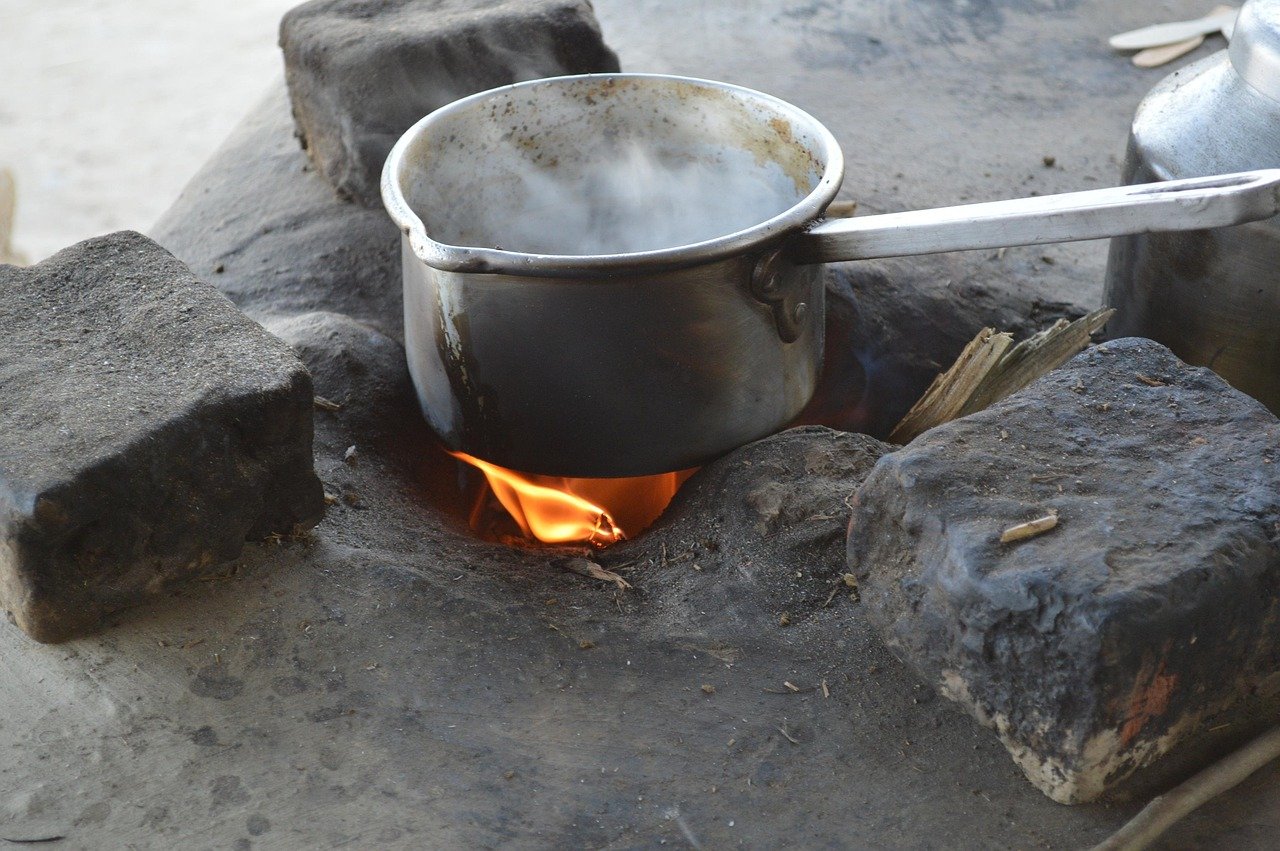
My go- to system: oatmeal with nuts and dried fruit for breakfast, wraps or sandwiches for lunch (easy to pack and eat on the trail), and one-pot meals like chili, pasta, or stir-fry for dinner. I invest in good portable cooler technology to keep food fresh, and I’ve learned that a reliable camp stove is worth its weight in gold. A few quality spices can transform basic camp meals into something genuinely enjoyable. Pro tip: freeze gallon jugs of water before your trip—they double as ice and as your water source as they thaw.
For snacks on hikes, I pack energy bars, nuts, dried fruit, and jerky. It’s way cheaper than buying snacks at visitor centers and usually healthier too. I allow myself one restaurant meal per trip as a treat, usually on the last day as a celebration. Everything else comes from my camp kitchen, and I’ve eaten better on $20 per day than many people spend on restaurant meals that cost triple that. Don’t forget a reusable water bottle to stay hydrated on trails.
Transportation: Getting There Without Going Broke
Getting to national parks can be one of the biggest expenses, especially if you’re flying. Here’s where strategic planning pays off. First, consider regional airports instead of major hubs—I’ve saved hundreds flying into smaller airports near parks. Second, if you’re renting a car, book early and compare prices across multiple companies. Sometimes flying into a different city entirely can yield significant savings.
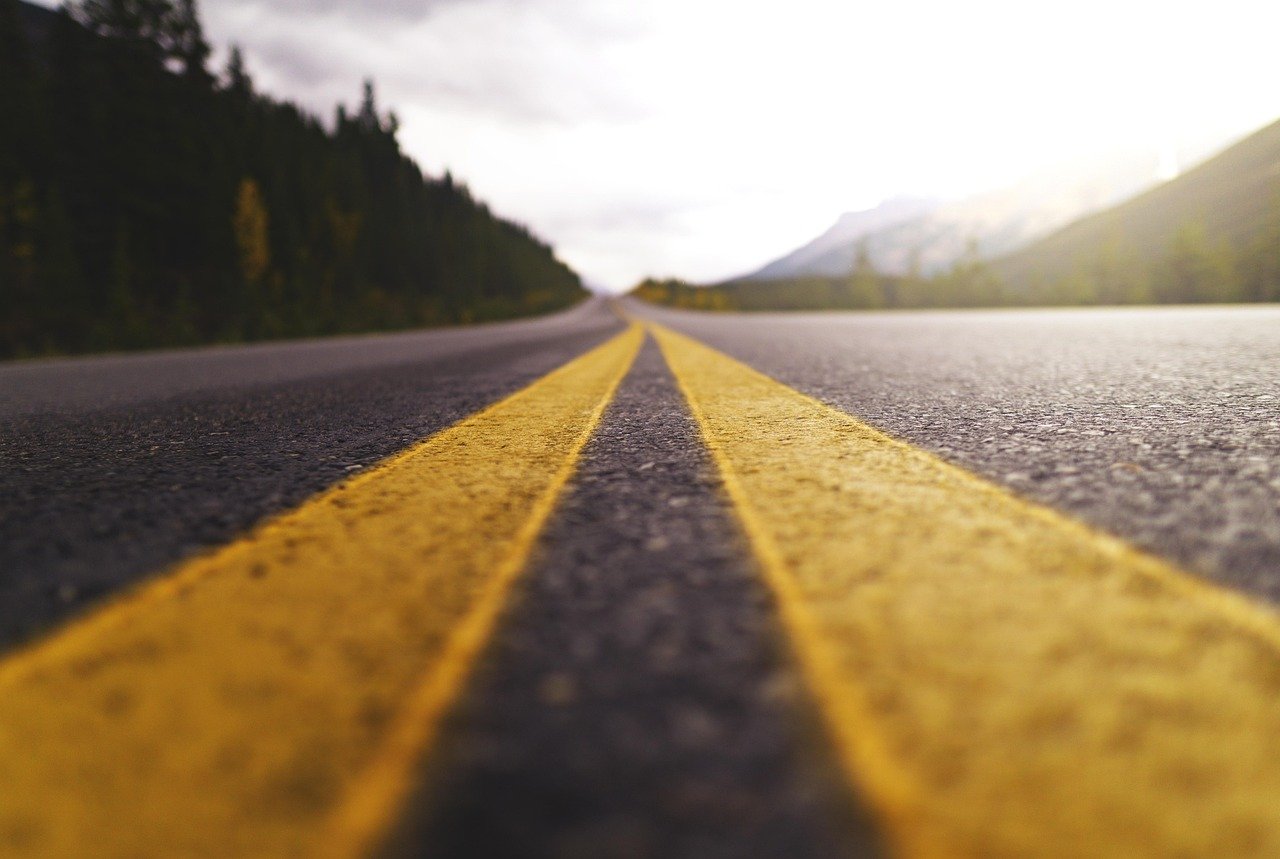
Gas inside parks is typically expensive, so fill up before entering. I map out gas stations along my route and plan fuel stops strategically. For multi-park trips, I plan efficient routes that minimize backtracking—this saves both time and money. If you’re flexible on timing, consider road trips during shoulder seasons when gas prices might be lower and you’ll get better fuel economy without A/C cranking full blast.
For those without cars, don’t rule out parks entirely. Some are accessible by public transportation or shuttle services. Yosemite has YARTS buses that connect from various cities. Great Smoky Mountains has trolleys from nearby towns. It requires more research and planning, but car-free park visits are absolutely possible for budget travelers willing to do the homework.
Free Camping and Low-Cost Alternatives
Let me share something that completely changed my national parks travel: dispersed camping on public land outside park boundaries. I’m talking about FREE camping on BLM land, in National Forests, and on other public lands. Some of my favorite camping spots ever have been free sites just minutes from park entrances, with stunning views and zero crowds. The key is knowing where to look and being prepared with proper equipment.
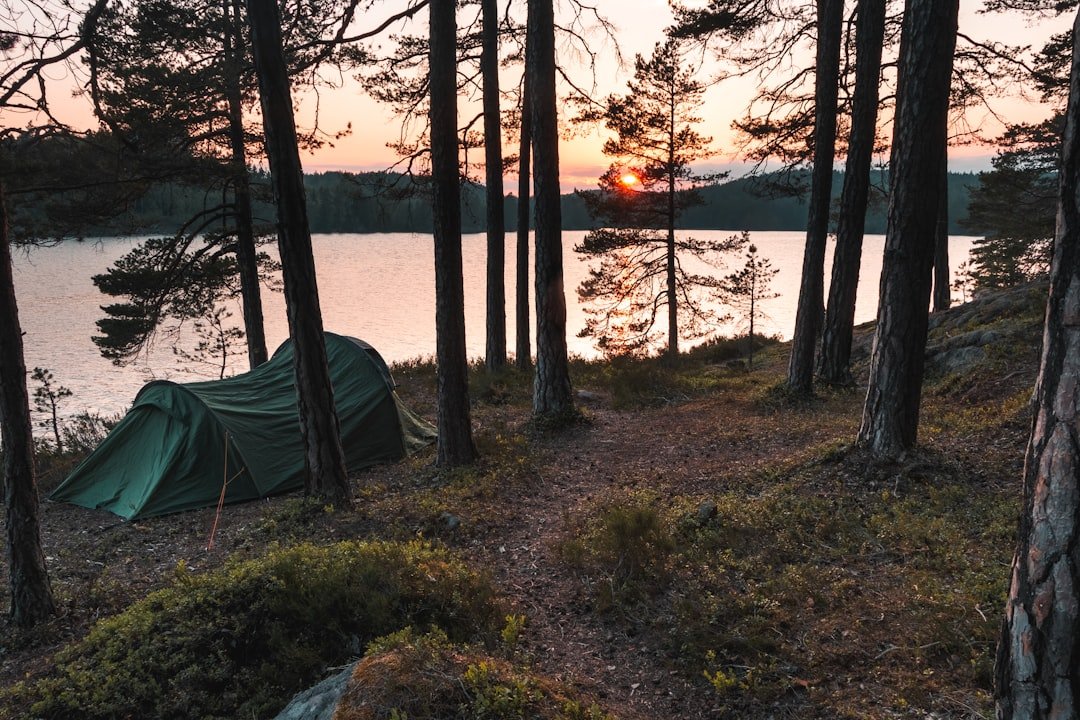
Websites and apps like Campendium, iOverlander, and Recreation.gov are goldmines for finding free and low-cost camping. I’ve found incredible spots with sunset views over canyons, creekside sites, and even areas with minimal cell service for true disconnection. Most free camping requires more self-sufficiency—you’ll need to bring your own water, practice proper waste disposal, and be prepared with primitive conditions. But if you’re willing to trade some convenience for massive savings and often better locations, it’s absolutely worth it.
Another option I’ve used successfully: camping just outside park boundaries in private campgrounds or KOAs. These are often cheaper than hotels and still put you close enough for daily park access. I’ve found family-owned campgrounds with excellent facilities, friendly owners who share local secrets, and rates that make extended stays affordable. Plus, you’re supporting local businesses instead of big concessionaires.
The Pass Strategy: Maximizing Your Annual Investment
I mentioned the $80 America the Beautiful Pass earlier, but let me break down exactly how to maximize this investment. This pass covers entrance fees at over 2,000 sites, including all 63 national parks plus hundreds of national monuments, historic sites, recreation areas, and more. Even better, it covers everyone in your personal vehicle at sites that charge per-vehicle fees. That means if you’re traveling with friends or family, everyone’s covered with one pass.
Here’s my strategy: I plan to visit at least 5-6 parks or federal sites per year to break even on the pass. Usually, I end up visiting way more. Last year, I hit 12 different sites with my pass, making the effective cost per visit less than $7. That’s insane value when you consider that some parks charge $35 per vehicle just for a seven-day pass. The math gets even better if you’re visiting multiple parks on a single budget road trip.
Pro tip: Some parks have waived entrance fees entirely—about a third of national parks are always free. These are often smaller units but can be absolutely worthwhile. I’ve discovered hidden gems that way, places I might have skipped if I was focused only on the big-name parks. Your pass also gets you discounts on some amenity fees like camping and boat launches, though these discounts vary by site.
Smart Packing: What You Actually Need vs. What’s Nice to Have
The biggest budget mistake I see? People buying expensive specialized gear they don’t actually need. You don’t need $200 hiking boots for most trails. You don’t need a high-tech tent with every feature imaginable. You don’t need branded technical clothing from head to toe. What you DO need: broken-in comfortable shoes, layers for changing weather, a decent rain jacket, sun protection, and basic camping equipment if you’re camping.
I’ve completed multi-day park trips with gear from discount stores and it worked perfectly fine. Yes, quality matters for certain items—you don’t want a cheap sleeping bag that won’t keep you warm at night. But there’s a middle ground between bargain-bin junk and top-of-the-line professional gear. I prioritize spending on items that affect comfort and safety: good waterproof hiking boots, a reliable tent, warm sleeping bag. Everything else can be basic without compromising your experience.
For clothing, I stick to synthetic or wool fabrics that dry quickly and layer effectively. Cotton kills, as they say—once cotton gets wet, it stays wet and loses insulating properties. I learned this the hard way on an early trip when a sudden rainstorm soaked my cotton jeans and I spent the rest of the day cold and miserable. Now, even budget synthetic fabrics from discount stores perform better than expensive cotton for outdoor activities. A lightweight rain jacket is essential for sudden weather changes.
Safety Gear Essentials for Budget Travelers
Safety doesn’t have to break the bank, but it’s non-negotiable. I never hike without a basic first aid kit, and in bear country, bear spray is mandatory insurance. A reliable headlamp or flashlight has saved me more times than I can count, usually when I’ve underestimated a hike duration. Navigation tools like maps or a GPS device are worth the investment—getting lost is expensive in more ways than one.
The trick is buying safety gear that multiplies. A good headlamp works for camping, reading in your tent, and emergency situations. Bear spray doubles as wildlife protection and peace of mind. A comprehensive first aid kit handles everything from blisters to minor injuries. These aren’t places to cut corners, but you also don’t need top-of-the-line everything. Mid-range safety gear typically performs just as well as premium options for most travelers.
Sample Budget Breakdown: A Real-World Example
Let me break down an actual trip I took last summer to show you what’s possible. I spent five days visiting three different parks in the Southwest, and my total budget was under $400. Here’s exactly how that broke down: America the Beautiful Pass ($80, which I used for multiple trips that year), gas ($120), camping fees ($60 for five nights), groceries for the entire trip ($80), and miscellaneous expenses ($60 for park souvenirs and one restaurant meal). That’s it.
Compare that to what many people spend on a single resort weekend, and you’ll see why I’m passionate about national parks as budget travel. For less than $400, I experienced landscapes that people travel from around the world to see, camped in incredible locations, hiked trails that offer views money literally cannot buy, and created memories that will last a lifetime. I slept under stars in places with zero light pollution, watched sunrises that made early wake-ups feel like a privilege, and saw wildlife I’d only ever seen in photos before.
The key was planning every aspect strategically, being flexible with timing, and focusing on experiences rather than comforts. I cooked my own meals, camped instead of staying in hotels, visited during shoulder season when everything was less crowded and cheaper, and took advantage of every free activity the parks offered. It wasn’t luxurious, but it was absolutely perfect. As I’ve shared in other guides like campervan boondocking in Arizona, the secret is smart planning over big spending.
Final Tips from the Road
After years of budget national parks travel, here are the final nuggets of wisdom I’ll leave you with. First, flexibility is your best budgeting tool. If you can shift your travel dates by a week or two to avoid peak season, you’ll save significantly and probably have a better experience. Second, research like crazy before you go—know which parks have free entrance days, which campgrounds take reservations versus first-come-first-served, and what activities don’t require extra fees.
Third, connect with other budget travelers. Online forums and groups are treasure troves of current information about road conditions, camping availability, and money-saving strategies. I’ve learned about free campsites I never would have found on my own, gotten tips on which ranger programs are worth attending, and discovered strategies for beating the reservation systems from people who’ve figured it out through trial and error.
Finally, don’t let a tight budget keep you from experiencing America’s greatest treasures. The national parks were created for everyone, not just those with unlimited resources. With smart planning, strategic timing, and a willingness to embrace a simpler style of travel, you can experience these incredible places without breaking the bank. I’ve done it on a shoestring budget for years, and some of my absolute favorite travel memories come from those budget-conscious park trips.
So grab your pass, pack your sense of adventure, and get out there. The national parks are waiting, and they’re more accessible than you think. Trust me—your future self will thank you for making it happen. Whether you’re planning a budget camping trip to the Florida Keys or a solo adventure following solo female travel safety tips, the principles remain the same: plan smart, travel light, and experience everything.
Audio started playing anytime I opened this web-site, so irritating!