Why Spring is Magic for Southeast Waterfalls
There’s something almost primal about standing before a thundering waterfall in spring. After months of winter quiet, the Southeast’s waterways come alive with a raw power you have to experience to understand. I’ve chased waterfalls across the country, but nothing compares to spring in the Southern Appalachians—the rush of water, the mist on your face, the way sunlight catches the spray like diamonds. It’s not just pretty; it’s alive.
Spring rainfall and snowmelt transform trickle-summer streams into roaring cascades. Waterfalls that might be mere trickles by July become thundering spectacles in March and April. The moderate temperatures mean you’re not freezing or sweltering—you’re perfect. Plus, spring wildflowers paint the forest floor in whites, pinks, and purples, creating a multi-sensory experience that summer crowds never see.
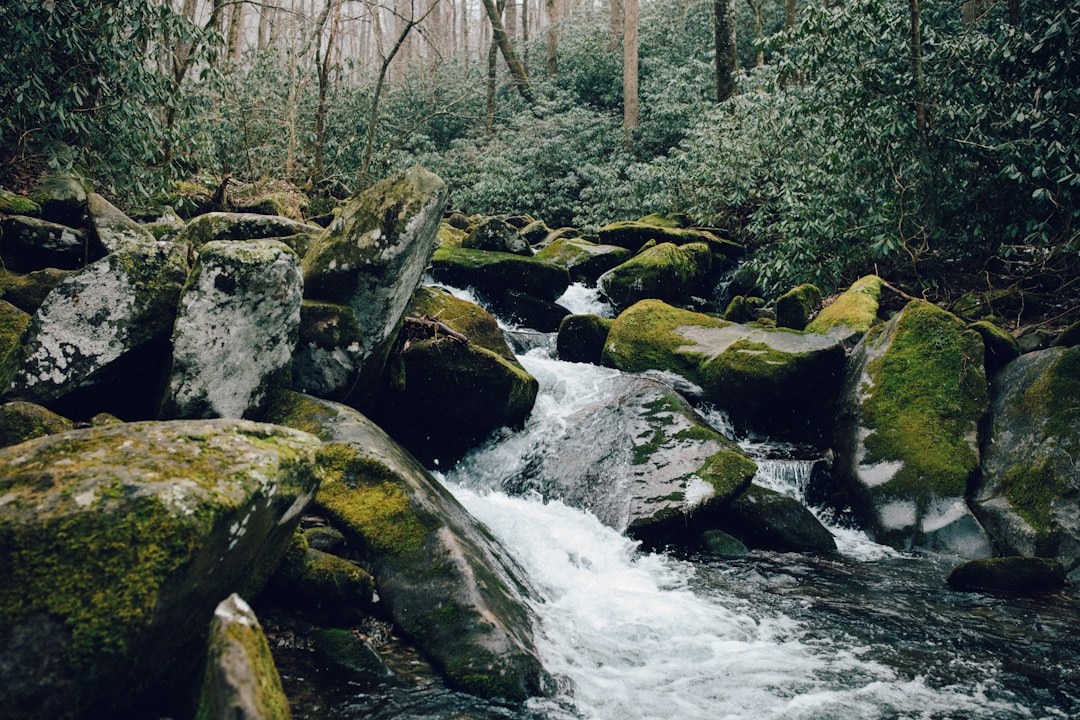
I’ve spent the last five years exploring Southeast waterfalls in every season, and spring consistently delivers the most dramatic displays. But timing matters. Late March through mid-May is your sweet spot—early enough for peak flow, late enough for comfortable hiking weather. Miss this window, and you’re dealing with either bone-dry trickles (August) or flooded trails (February).
The Gear That Makes Waterfall Chasing Safe and Enjoyable
Before we dive into specific destinations, let’s talk gear. Waterfall chasing isn’t like regular hiking. You’re dealing with wet rocks, slippery slopes, and constantly changing conditions. The right equipment doesn’t just make the trip more enjoyable—it keeps you safe.
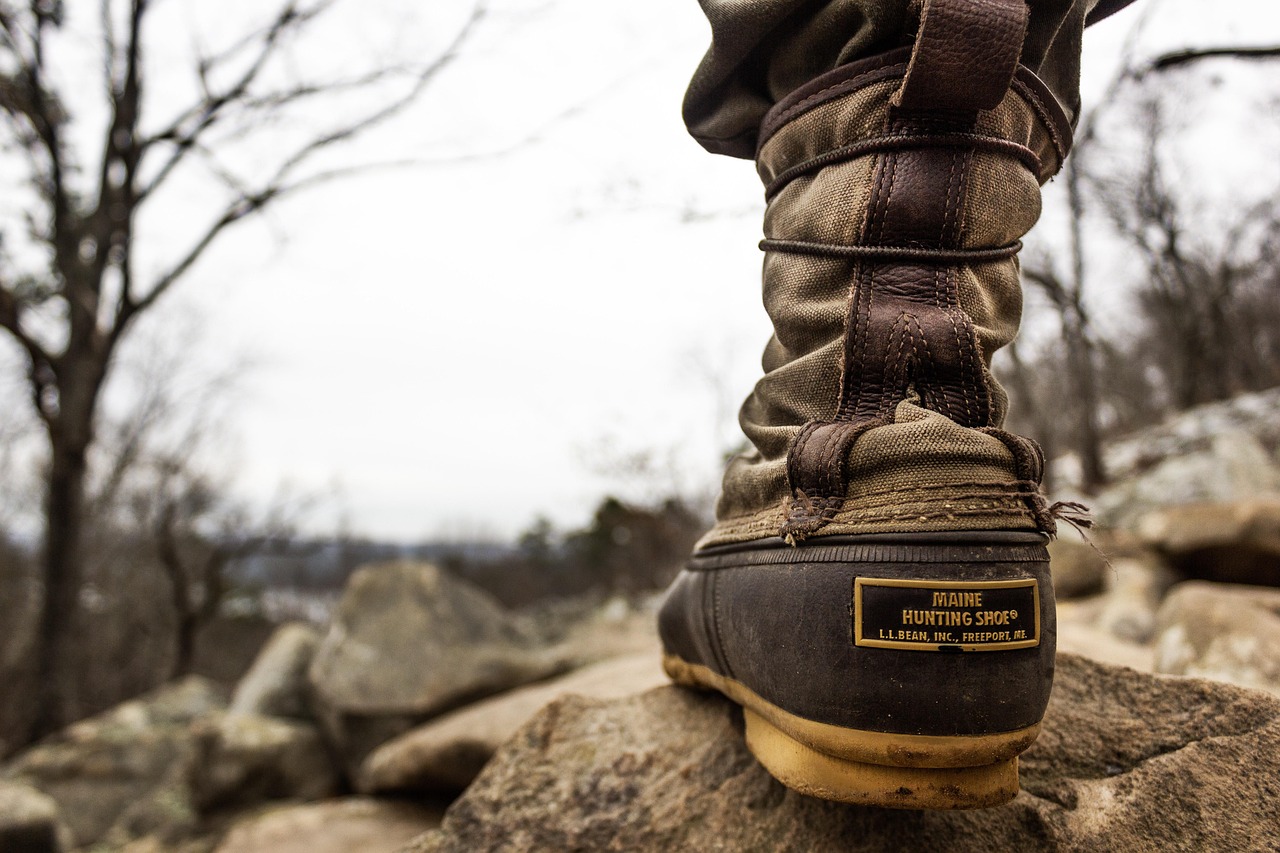
Footwear is non-negotiable. I learned this the hard way years ago, attempting a waterfall trek in regular running shoes. Ended up soaking wet, slipping all over the place, and turning back halfway. Now I never hit the trails without waterproof hiking boots with aggressive tread. The waterproofing matters—you’re going to get wet, but your feet don’t have to suffer. Look for boots with Gore-Tex or similar waterproof membranes and ankle support for uneven terrain. Good footwear is an investment that pays off whether you’re waterfall chasing or taking a budget national parks trip.
Traction devices are a game-changer. Even experienced hikers slip on wet rocks. I always carry trekking poles for stability, especially when scrambling around waterfalls. They’re not just for older hikers—anyone navigating slick riverbanks benefits from the extra points of contact. Plus, they’re great for testing water depth before you commit to stepping in.
Dry bags are essential. Your phone, camera, extra layers—keep them in waterproof dry bags. I once lost a smartphone to a waterfall plunge (don’t ask). Learned my lesson. Now everything stays dry regardless of how wet I get. Trust me, you’ll get wet. It’s part of the experience.
Layer smart. Spring weather in the Southeast is unpredictable—mild one moment, chilly the next, especially in waterfall microclimates. I layer with moisture-wicking base layers, a lightweight rain jacket, and pack a fleece. The mist from larger waterfalls creates its own weather system—what feels comfortable at the trailhead can feel downright cold standing beside a roaring cascade for 30 minutes.
Great Smoky Mountains Waterfall Circuit: The Big Three
The Great Smoky Mountains National Park is waterfall chaser’s paradise, with over 2,000 miles of streams and dozens of named waterfalls. But don’t waste your time on tourist traps. Here are the three worth your time, each offering something unique.
Grotto Falls is my go-to recommendation for first-time waterfall chasers. Why? Because it’s the only waterfall in the Smokies you can walk behind. The trail—Trillium Gap Trail—is a moderate 2.6-mile roundtrip through old-growth forest. In spring, trillium (hence the name) and other wildflowers carpet the forest floor. The waterfall itself is about 25 feet high, cascading over a rock overhang creating a small cave. Walking behind it feels primal, like entering a secret chamber.
Pro tip: Go early. By 10am on spring weekends, this trail is packed. I’ve had the place to myself at 7am—just me, the waterfall, and morning light catching the spray. That’s the experience you want. Parking is at the Trailhead on Roaring Fork Motor Nature Trail, a one-way loop that’s worth the drive itself—historic structures, rushing streams, and lush forest.
Laurel Falls is the park’s most popular waterfall for a reason—it’s gorgeous and accessible. The 2.6-mile roundtrip trail is paved (though steep in sections), making it family-friendly. In spring, Laurel Falls splits into two cascades totaling about 80 feet. The upper and lower sections are both photogenic, with the upper falls featuring a dramatic plunge pool perfect for long-exposure photography if you’re into that.
Here’s the thing about Laurel Falls—it’s crowded. Like, really crowded. I’ve seen parking lots overflow by 8am on spring weekends. If you want the solitude experience, this isn’t your spot. But if you want a stunning waterfall without an all-day hike commitment, it’s perfect. Just accept that you’ll share the experience with a hundred of your closest friends.
Abrams Falls is where you go when you want the full waterfall experience without the crowds. It’s a 5-mile roundtrip hike to a 20-foot waterfall that’s wider than it is tall, creating a dramatic cascade over rock ledges. What makes Abrams special is the volume—this waterfall pours water, creating a thunderous roar you hear before you see. The pool at the base is tempting for swimming, but I don’t recommend it in spring—the water is bone-chillingly cold and currents are strong.
The trail follows Abrams Creek through lush forest, with several smaller cascades along the way. It’s not technically difficult, but it’s longer than the other two. Bring water, wear those waterproof boots we talked about, and allow 3-4 hours roundtrip. You’ll be rewarded with one of the most powerful waterfall experiences in the park, often with far fewer crowds than the shorter trails.
Beyond the Smokies: Hidden Waterfall Gems
While the Smokies get the attention, serious waterfall chasers know the Southeast offers incredible cascades beyond the national park boundaries. These spots require more effort to reach but deliver experiences that feel like your own private discovery.
Rainbow Falls in Western North Carolina is worth the drive. Located near Highlands, NC, this 150-foot waterfall is the highest in North Carolina and creates a constant rainbow in its mist on sunny days—hence the name. The trail is a moderate 1.5-mile roundtrip, but be prepared for stairs—lots of them. About 150 stairs lead to the base, where you’ll get soaked from the spray. Bring that rain jacket.
What makes Rainbow special is the setting—it’s in a gorge with steep rock walls covered in rare plants and moss. The geology here is different from the Smokies, with more dramatic rock formations and exposed granite. In spring, surrounding trails feature wildflowers like trillium, lady slipper, and mountain laurel. It’s a full ecosystem experience, not just a waterfall photo op.
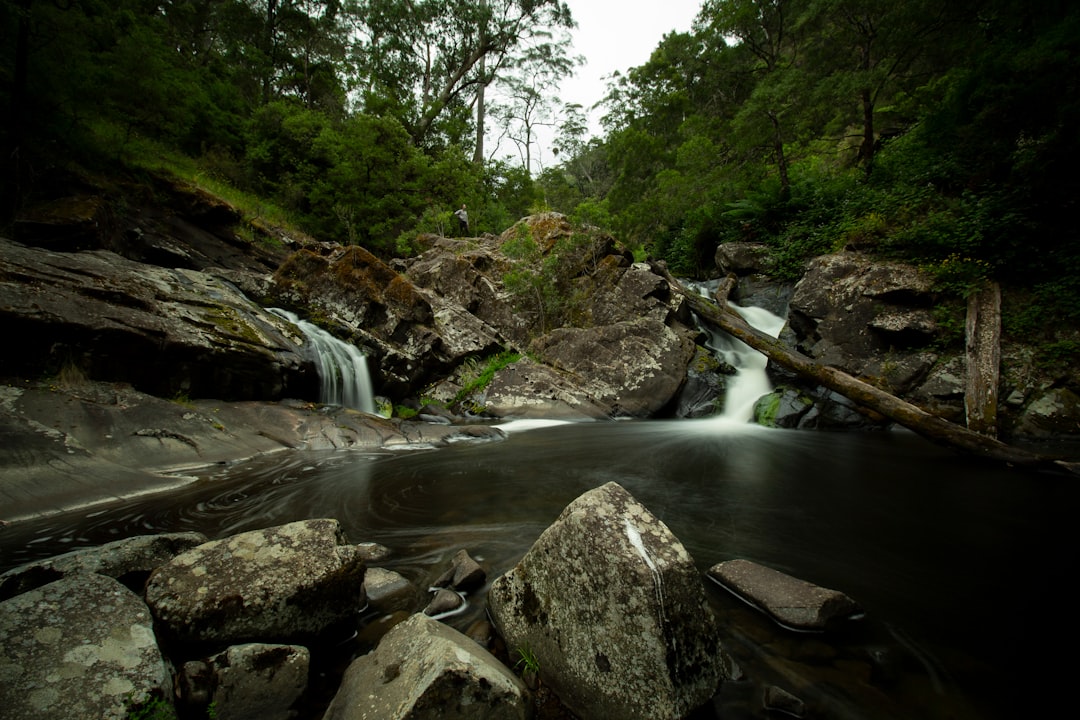
Raven Cliff Falls in South Carolina is my pick for the most photogenic waterfall in the Southeast. Located in Caesars Head State Park, this 420-foot cascade drops through a narrow fissure in a granite cliff face. The trail is a challenging 4-mile roundtrip with significant elevation gain, but the payoff is extraordinary—you can walk behind the waterfall (carefully!) and see it from multiple perspectives.
Timing matters here. Visit in mid-April when mountain laurel blooms around the falls—the pink flowers against dark rock and white water is stunning. The trailhead is at Caesars Head State Park, which charges a modest admission fee. Worth every penny. Plan for a half-day adventure, and bring plenty of water—this hike is more strenuous than it looks on paper.
Tallulah Gorge State Park in Georgia offers something different—a waterfall system you can experience from above and below. Tallulah Gorge is two miles long and nearly 1,000 feet deep, with several waterfalls cascading through it. The Hurricane Falls trail descends 1,000 stairs (yes, really) to a suspension bridge spanning the gorge, offering jaw-dropping views of the falls below.
Here’s what makes Tallulah special: In spring, when water flow is highest, you can witness scheduled water releases from the dam upstream—sudden surges that transform the falls from trickles to thundering cascades. It’s like watching a waterfall wake up. Check the park’s schedule for release times. The gorge also features rim trails for less ambitious hikers, offering panoramic views without the thousand-stair commitment.
Photography Tips for Waterfall Chasing
If you’re carrying a camera (and you should be), spring waterfall photography requires specific techniques. Moving water, changing light, and constant spray create challenges that regular travel photography doesn’t prepare you for.
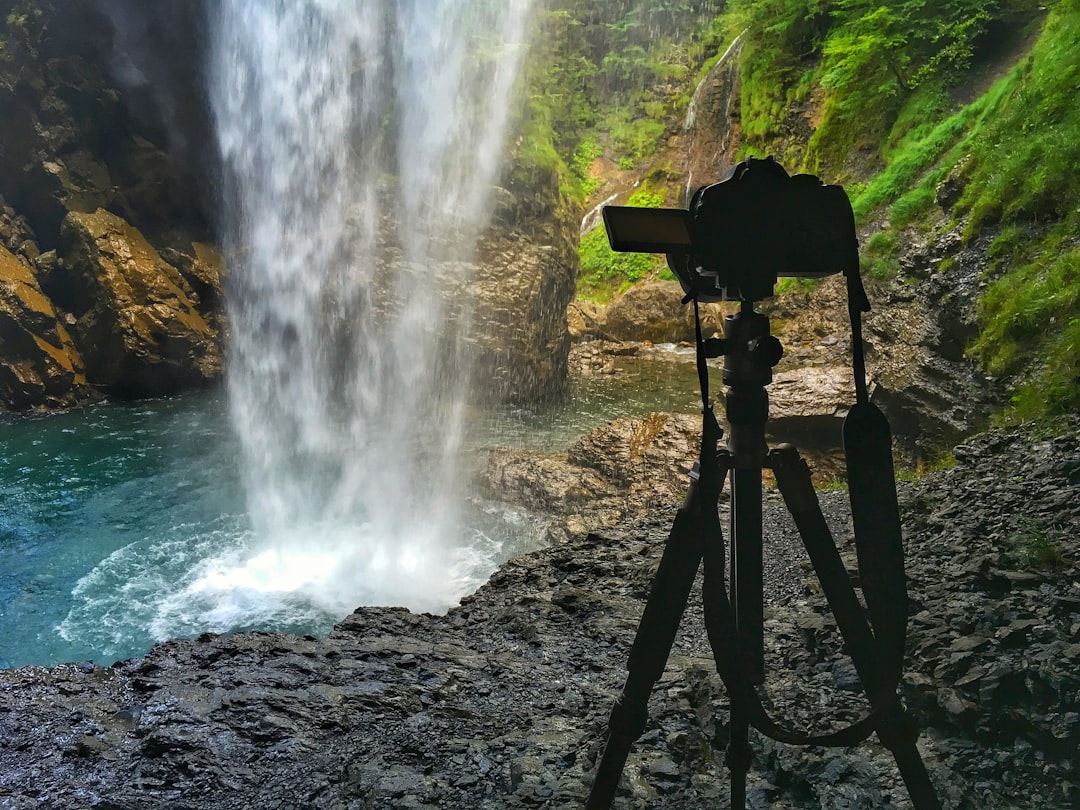
Long exposure is the secret sauce. That silky, smooth water look? It requires slow shutter speeds—think 1/4 second to several seconds depending on the flow. You’ll need a travel tripod for this. I know, adding weight to your hike sucks. But there’s no way around it for waterfall photography. Look for lightweight carbon fiber models that pack down small—worth the investment if you’re serious about waterfall photography.
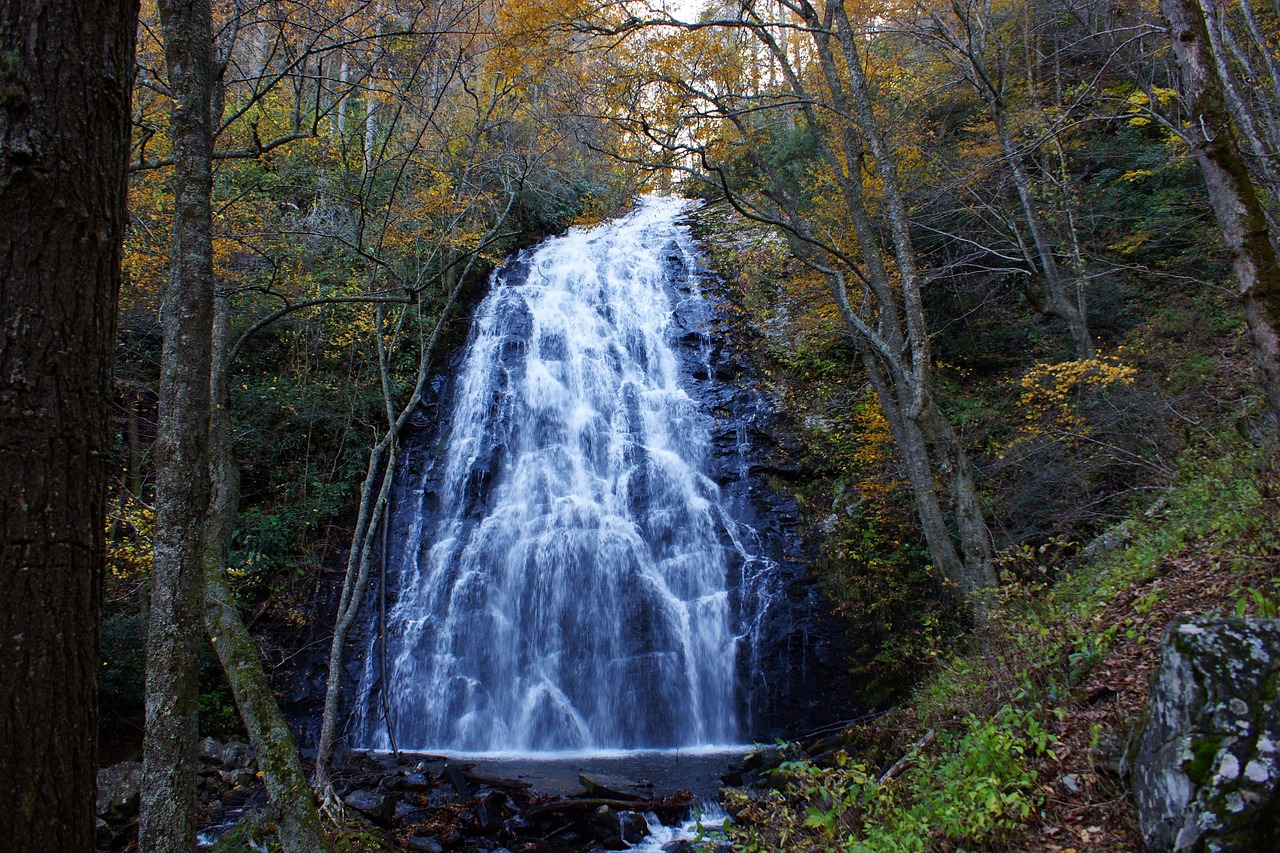
Polarizing filters are non-negotiable. They do two things: reduce glare on wet rocks and water (making colors pop), and allow longer exposures by cutting light. I never shoot waterfalls without a circular polarizer. The difference in image quality is dramatic—you’ll see details and colors that are washed out without it. Plus, they help manage reflections on water surfaces, creating more dynamic compositions.
Protect your gear. Waterfall spray is relentless. Even if you don’t get rained on, the mist will soak your camera given enough time. I use a microfiber cloth constantly, wiping down lenses and camera bodies between shots. For heavy spray situations (like behind Grotto Falls), consider a rain cover or even a plastic bag with a hole cut out for the lens. Better safe than repairing water-damaged electronics.
Shoot during “blue hour.” The hour after sunrise and before sunset provides soft, even light that’s perfect for waterfall photography. Midday sun creates harsh contrast and blown-out highlights on white water. Overcast days are actually ideal—clouds act as a giant softbox, eliminating harsh shadows. I’ve gotten some of my best waterfall shots during light rain—colors are saturated, and wet surfaces reflect light beautifully.
Safety Considerations That Actually Matter
I shouldn’t have to say this, but every year, people get hurt or worse chasing waterfalls. Let’s be clear: waterfalls are powerful, unpredictable natural features that command respect. Here are the safety rules I never break, no matter how many times I’ve visited a location.
Never swim above a waterfall. Ever. Currents approaching waterfalls are deceptively strong—even calm-looking pools can have undertows that pull you toward the edge. Every year, there are fatalities from people ignoring this rule. It’s not worth it. Enjoy the view from designated safe areas.
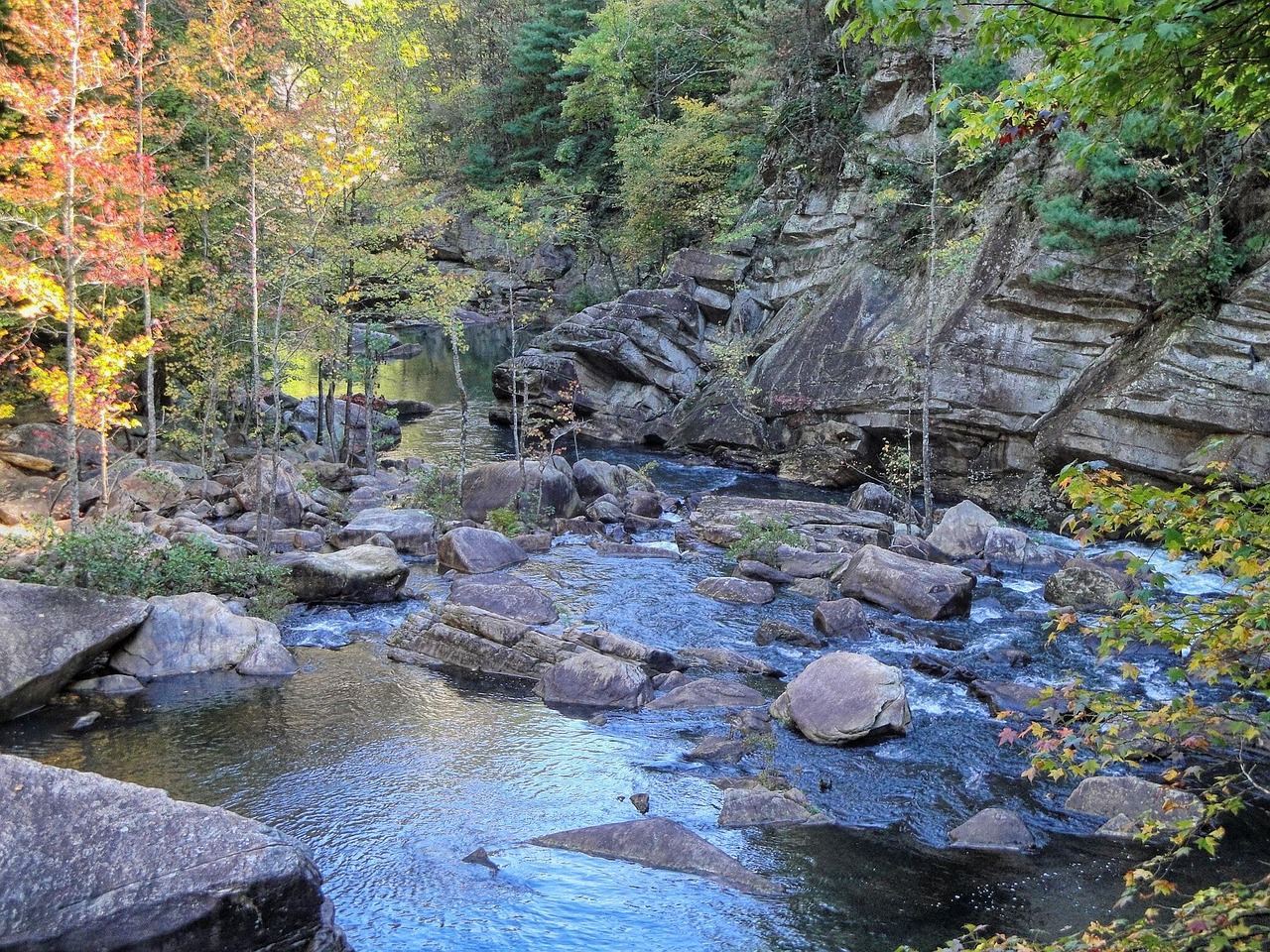
Stay on marked trails. I know, I know—you saw an Instagram shot from some unmarked perch and want to recreate it. Here’s the thing: unmarked areas around waterfalls are often unstable, with loose rock and slippery surfaces covered in deceptive moss. What looks solid might crumble under your weight. Rangers close trails for a reason—respect the closures. That perfect shot isn’t worth a broken leg or worse.
Check water levels before you go. Spring rainfall can turn trickles into raging torrents overnight. I always check park websites and local weather reports before heading out. Some trails close temporarily during high water. Others become hazardous even if officially open. Use good judgment—if conditions look beyond your skill level, there’s no shame in turning back. Waterfalls aren’t going anywhere.
Carry a first aid kit and know how to use it. Slips, trips, and falls are common around waterfalls. Cuts, scrapes, and sprains happen. A basic kit with bandages, antiseptic, and pain relievers handles most minor injuries. For remote locations, consider adding a whistle and emergency blanket. Cell service is spotty in many waterfall areas—don’t rely on calling for help quickly.
Planning Your Waterfall Chasing Trip
Ready to chase some waterfalls? Here’s how I plan a multi-day Southeast waterfall adventure, maximizing your time and minimizing hassle.
Base yourself strategically. The Southeast’s waterfall destinations are spread across several states. I recommend choosing a base location and doing day trips rather than constantly packing and unpacking. Gatlinburg, TN works for Great Smoky Mountains access. Asheville, NC puts you within reach of Western North Carolina waterfalls. Highlands, NC is perfect for that area’s gems. Each town has plenty of lodging, restaurants, and supplies.
Prioritize quality over quantity. I’ve made the mistake of trying to hit too many waterfalls in one day—rush, rush, rush, barely spending time at each location. Now I aim for 2-3 waterfalls per day maximum, spending real time at each. Sit, watch, listen. Waterfalls are meditative. Rushing defeats the purpose. Some of my best waterfall memories aren’t about seeing the falls—it’s about sitting on a rock, eating lunch, and just letting the sound wash over me for an hour.
Download offline maps. Cell service is unreliable in many waterfall areas, especially in the mountains. I always download offline maps using hiking apps or GPS devices. Park apps often have trail maps available for download. Don’t rely on following crowds—you might end up at the wrong trailhead or miss a turn on an empty trail.
Start early, every single day. I’m talking sunrise-early. Waterfall trails get crowded as the day progresses, especially on weekends. Early morning light is also better for photography—softer, more directional. Plus, you’ll have trails to yourself. There’s something magical about being the first person at a waterfall, watching the day’s light paint the mist as the sun rises. It’s a spiritual experience that afternoon crowds never get.
Check seasonal access. Some waterfall trails close seasonally or have limited access. The road to Clingmans Dome in the Smokies closes in winter. Some trails close for bear management or falcon nesting. Always check current conditions on park websites before you go. Nothing worse than driving two hours to find a trailhead closed.
Extended Waterfall Adventures: Multi-Day Itineraries
If you’ve got more than a weekend, here’s how I structure a comprehensive Southeast waterfall tour that hits the highlights without feeling rushed.
3-Day Smokies Focus: Day 1: Grotto Falls and Roaring Fork Motor Nature Trail (easy acclimation day). Day 2: Laurel Falls early, then Abrams Falls for the afternoon (longer, more challenging). Day 3: Choose based on energy—either Chimney Tops (strenuous but incredible views) or easier trails like Cataract Falls. Stay in Gatlinburg or Townsend for easy park access.
4-Day Western North Carolina Loop: Day 1: Drive to Highlands, NC, hit Rainbow Falls. Day 2: Whitewater Falls (highest waterfall in the eastern US) and surrounding trails. Day 3: Dupont State Forest (multiple waterfalls in one area—Triple Falls, High Falls, Hooker Falls). Day 4: Sliding Rock and Looking Glass Falls (both easily accessible, perfect for a relaxed final day). Base in Brevard or Asheville.
5-Day Ultimate Tour: Combine the above with a day at Tallulah Gorge in Georgia. This itinerary covers the full range of Southeast waterfall experiences—from behind-the-falls adventures to gorge treks to casual roadside cascades. You’ll see different ecosystems, geology, and waterfall types. It’s a comprehensive introduction that will turn you into a lifelong waterfall chaser.
The Unexpected Joy of Waterfall Chasing
After years of chasing waterfalls across the Southeast, what surprises me most isn’t the waterfalls themselves—it’s how they’ve changed my relationship with nature. I used to be a destination-oriented traveler—get there, see it, check it off the list, move on. Waterfalls taught me to slow down.
There’s a rhythm to waterfall hiking that you can’t rush. The sound of approaching water grows gradually as you near. The air gets cooler and more humid. You feel the spray before you see the falls. It’s a multi-sensory experience that builds anticipation and rewards presence. I’ve spent hours at a single waterfall, watching how light changes the scene, listening to how water volume shifts after rain, noticing wildlife that comes and goes.
Spring waterfalls are particularly special because they represent transition—the earth waking up, winter’s stillness giving way to spring’s energy. There’s hope in that transition, renewal. Standing beside a roaring cascade, feeling the mist on my face, I feel connected to something larger than myself. It’s not just about pretty pictures or checking items off a bucket list. It’s about being present in a moment of natural beauty that’s been repeating for millennia and will continue long after I’m gone.
So get out there. Chase those waterfalls. But don’t rush. Take your time. Sit. Listen. Let the sound of rushing water wash away whatever stress you brought with you. That’s the real magic of waterfall chasing—it’s not just about what you see. It’s about how you feel when you’re standing there, small and temporary beside something ancient and enduring.
The waterfalls will be there next spring, and the spring after that. But this spring? This spring is yours. Don’t miss it.