Why I Took My First Solo Road Trip (And Why You Should Too)

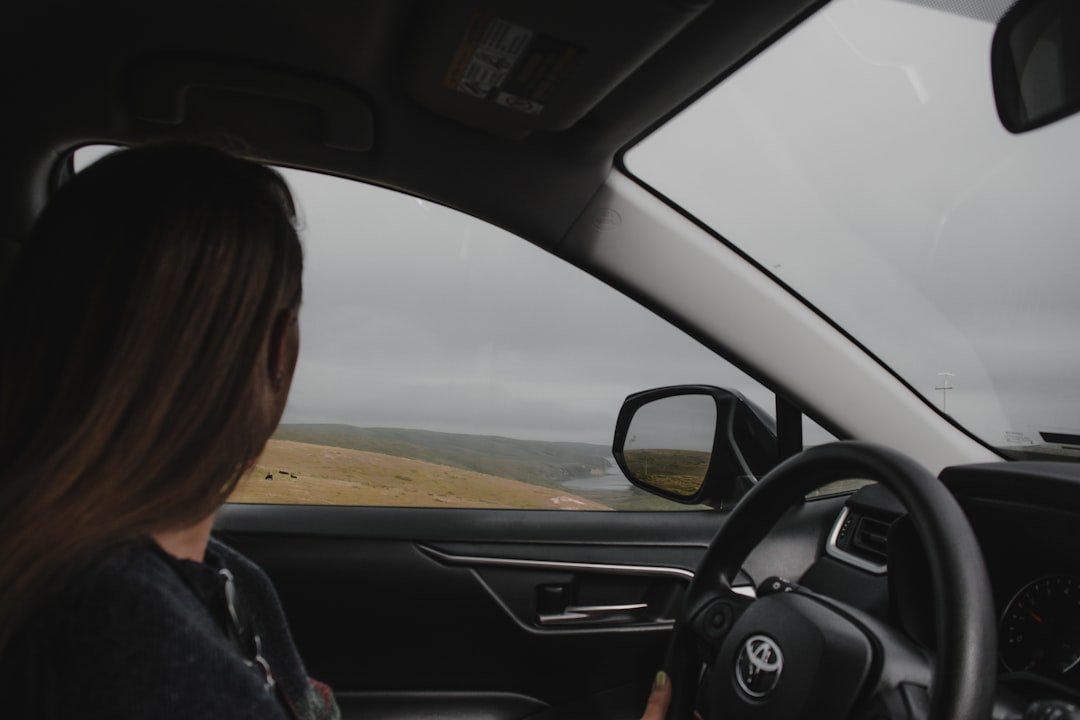
I’ll never forget the morning I sat in my car, keys in hand, staring at the open highway ahead of me. No passengers. No itinerary dictated by anyone else’s preferences. Just me, a tank of gas, and two weeks of freedom stretched out before me. I was terrified. I was also more excited than I’d been in years. That first solo female road trip across America changed everything about how I travel—and it can do the same for you.
Here’s the thing about solo female road trips: they’re not just about getting from point A to point B. They’re about proving to yourself that you can handle whatever the road throws at you. Flat tires in the middle of nowhere? You’ve got this. Navigating unfamiliar cities alone? Absolutely. Choosing every stop, every detour, every roadside attraction based on exactly what you want? That’s the kind of freedom most people never experience.
After years of road tripping solo across America—through the Pacific Northwest, down the California coast, across the Southwest, and up the East Coast—I’ve learned that safety isn’t about fear. It’s about preparation. The women I’ve met who have the most incredible solo travel stories aren’t reckless; they’re just really well-prepared. They’ve done their research, they trust their instincts, and they know how to handle emergencies before they happen.
This guide is everything I wish someone had told me before that first solo trip. We’re going to cover vehicle preparation, route planning, accommodation safety, communication strategies, and the specific gear that makes solo female road tripping not just safe, but genuinely enjoyable. Because here’s what nobody tells you: solo road trips can be some of the most empowering, confidence-building experiences of your life. You just need to know how to do them right.
Vehicle Preparation: Your Safety Foundation
Your vehicle is your lifeline on a solo road trip. It’s your shelter, your transportation, and your emergency backup all rolled into one. Before you even think about departure day, your car needs to be in the best possible shape. I learned this lesson the hard way when my radiator blew in rural Wyoming—and let me tell you, waiting three hours for a tow truck in 95°F heat is not the adventure you want.
Start with a full mechanical inspection. This isn’t just about oil changes (though yes, absolutely get that done). You want a mechanic checking belts, hoses, battery, brakes, and tires. Speaking of tires: if they’re nearing the end of their life, replace them before the trip. I don’t care if they might last another 5,000 miles. Solo female road trips are not the time to gamble on tire integrity. Quality all-season tires with good tread are non-negotiable for cross-country driving.
Emergency supplies are where most people cut corners, and it’s a mistake. Your car should have a dedicated emergency kit that includes jumper cables (or better yet, a portable jump starter—no relying on strangers for jumps), a spare tire that’s actually inflated, a jack that works, and basic tools. I also carry a portable air compressor because tire pressure issues are incredibly common on long trips.
Here’s something most guides don’t mention: window tint and sunshades. Privacy matters when you’re sleeping in your car or just changing clothes at a rest area. Window tint (within legal limits for your state) and a good windshield sunshade give you control over visibility and temperature. They also keep your car cooler when parked—something you’ll appreciate in the South or Southwest.

Finally, tech safety. Your phone is your primary navigation and communication tool, which means it needs to stay charged. A quality phone mount with wireless charging keeps your phone visible for navigation and juiced up simultaneously. I also keep a dash cam installed—not just for accident documentation, but for peace of mind. If something feels off while driving, that camera is recording everything.
Route Planning: The Art of Safe Adventures

Route planning for solo female road trips is different than planning with others. You’re balancing adventure with accessibility, scenic detours with reliable cell service, and spontaneous exploration with the security of always having options. My approach has evolved over years of solo tripping, and it’s all about calculated risks rather than reckless wandering.
Start with your primary route using navigation apps, but then layer in research about stopping points. I don’t just mean gas stations—I’m talking about safe rest areas, well-lit truck stops, and towns with multiple accommodation options. Apps like Roadtrippers are fantastic for this because they show campgrounds, viewpoints, and attractions along your route. But here’s my rule: always know where the next three safe stopping points are. If you miss one, you have options.
Driving hours per day is a personal calculation, but for solo trips, I recommend capping it at 6-8 hours maximum. Fatigue is dangerous, and it creeps up faster when you’re the only driver. I learned this after a brutal 12-hour driving day that left me so exhausted I made poor decisions about where to stop for the night. Now I build in buffer time and shorter daily distances. Better to arrive at your destination mid-afternoon with energy to explore than to stumble in at dark, stressed and depleted.
Season matters enormously for solo female road trips. Winter driving across the Rockies? Probably not your first solo trip. Summer through the Deep South? Be prepared for heat management. Spring is ideal for much of the country—wildflowers, moderate temperatures, fewer weather extremes. Fall is spectacular for foliage drives but remember that popular areas get crowded. Choose your season based on both your comfort level and the routes you’re planning.
Here’s a route planning secret that transformed my solo trips: identify your “no-go” zones in advance. These might be areas with limited cell service, extremely remote stretches, or regions you’re just not comfortable navigating alone. That doesn’t mean you can’t ever visit them—it just means you need a different strategy. Maybe you tackle those areas with a travel companion later, or you build in extra precautions like satellite communication devices. Knowing your boundaries isn’t weakness; it’s smart risk assessment.
Accommodation Safety: Where to Sleep Without Stress

Let’s talk about something most guides gloss over: where you’re going to sleep each night. Accommodation is one of the biggest sources of anxiety for solo female road trippers, and understandably so. You’re tired, maybe disoriented, and you need to make quick decisions about where it’s safe to rest. After years of trial and error, I’ve developed a system that works consistently.
Hotels are straightforward if you follow basic safety protocols. I always book in advance rather than driving around looking for vacancies—spontaneity is less important than having a guaranteed safe place to stay. When booking, I prioritize hotels with interior room access (no exterior doors facing parking lots), well-lit parking areas, and 24-hour front desks. Ground floor rooms near exits are convenient, but second-floor rooms are actually safer—you’re less accessible from the outside. I also scan recent reviews specifically mentioning safety and solo female travelers.
Here’s a rule I never break: I never tell hotel staff or fellow travelers that I’m traveling alone. If asked, I’ll say I’m meeting someone later, or my partner is parking the car. Is this deceptive? Maybe. Does it matter? No. Your safety is more important than strangers knowing your exact situation. I also keep my room number private—there’s no need for anyone at the front desk to announce it loudly, and I never share it with other guests.
For campers, the calculus changes. I love solo camping, but it requires extra precautions. I only camp in established campgrounds with other campers present—remote dispersed camping alone is not something I recommend for first-time solo female road trippers. Quality tents with good ventilation are essential (car camping in a sealed vehicle is dangerous due to carbon monoxide risk), and I always camp within sight of other tents. National park and state park campgrounds are generally safe and well-patrolled, but trust your instincts—if a campground feels off, move to the next one.
Car sleeping is its own art form, and many solo female road trippers love the flexibility it offers. If this appeals to you, invest in window shades that provide complete privacy and consider a car mattress that makes overnight sleeping genuinely comfortable. Safe car sleeping locations include well-lit rest areas (many allow 8-hour parking), truck stops (24-hour activity means security), and designated overnight parking areas. Walmart parking lots are a classic option—call ahead to confirm the specific store allows overnight parking.
On-the-Road Safety: Practices That Keep You Secure
Daily safety practices are what separate confident solo female road trippers from anxious ones. These aren’t complicated rules—they’re simple habits that become second nature after a few days on the road. I’ve developed these through years of solo travel, and they’ve never let me down.
First: the gas station rule. I never let my tank get below half full, especially in remote areas. Running out of gas alone is preventable and potentially dangerous. When pumping gas, I lock my doors, stay aware of my surroundings, and if something feels off, I get back in my car and leave—better to find another station than take chances. Same for rest areas: if it feels sketchy, keep driving. Your instincts are honed for survival; listen to them.
Interacting with strangers requires a specific set of skills. Be friendly but maintain boundaries. I’ve had countless lovely conversations with locals at diners, gas stations, and viewpoints—but I also have a standard script if conversations get too personal. “My husband is meeting me at the next stop” or “I’m traveling with a friend, just got separated for the day” are both effective deflections. Is this lying? Technically. Does it matter? Absolutely not. Stranger safety is more important than complete honesty.
Your online presence matters more than you might think. I never post my real-time location on social media while traveling solo. Those beautiful Instagram photos? They get posted after I’ve moved on, preferably after I’ve checked into my next destination. Check-ins and live updates are essentially broadcasting your exact location to anyone who might be watching. Wait until you’re somewhere else to share where you were.
Weather and terrain awareness are crucial for solo road trippers. Check forecasts daily, especially if you’re traveling through areas with extreme conditions. Mountain passes in the Rockies can be treacherous with sudden weather changes. Desert driving requires knowing about heat safety and flash flooding. I carry emergency weather radio for areas with spotty cell service. There’s no shame in adjusting your route based on conditions—that’s smart travel, not giving up.
Emergency preparedness isn’t pessimistic; it’s empowering. Know where the nearest hospitals are along your route. Carry a physical map as backup to your phone. I keep comprehensive roadside emergency kits with first aid supplies, flashlights, and basic tools. If you’re traveling through extremely remote areas, consider a satellite messenger device that can send SOS signals even without cell coverage. These devices are affordable and literally lifesaving in true emergencies.
Communication: Staying Connected While Traveling Solo

Communication strategy is probably the most important aspect of solo female road trip safety. The freedom of traveling alone doesn’t mean being cut off from support—it means having smart systems in place so someone always knows where you are and when you’re expected to check in. I’ve refined my communication protocols over years of solo travel, and they provide both safety and peace of mind.
Start by designating a primary contact person back home. This should be someone reliable who will actually notice if you don’t check in as planned. I share my complete itinerary with this person, including planned routes, accommodation bookings, and check-in times. Every evening, I send a quick update: “Made it to Grand Canyon, staying at X campground, heading to Y tomorrow morning.” It takes thirty seconds and creates a safety net that’s invaluable.
Cell service reliability varies enormously across America, and you need to plan accordingly. Before heading into areas with spotty coverage, download offline maps using Google Maps or your preferred navigation app. I also carry a high-capacity power bank that can charge my phone multiple times—dead phones are dangerous when you’re traveling alone. Consider a cell signal booster if you’re traveling through extremely remote areas regularly.
Here’s a communication rule I take seriously: I never tell people I meet on the road that I’m traveling alone. Not at gas stations, not at restaurants, not at viewpoints. It’s an easy boundary to maintain, and it eliminates risks before they develop. If someone asks, “Where are you headed?” I’ll give a vague answer: “Exploring the Southwest for a couple weeks.” If they push: “Meeting friends in Arizona.” Friendly but not revealing details—this is your standard approach.
For longer solo road trips, especially through remote areas, consider carrying a satellite communication device. These have come down dramatically in price and allow two-way messaging and SOS capability even without cell service. I carry one for backcountry travel, and knowing I can summon help anywhere provides enormous confidence. Modern devices are small, lightweight, and have excellent battery life.
Beginner-Friendly Routes: Where to Start Your Solo Road Trip Adventure

Choosing your first solo route is crucial. You want something scenic and rewarding but not so remote or challenging that you’re constantly stressed. After years of solo road tripping and talking to countless other women who travel alone, I’ve identified routes that are perfect starting points—high reward, manageable risk, and plenty of support infrastructure along the way.
Pacific Coast Highway (California): This is probably the most famous scenic drive in America, and for good reason. Highway 1 along California’s coast offers jaw-dropping ocean views, charming small towns, and plenty of services. The road can be slow going, but that’s part of the appeal—lots of pullouts for photos, short hikes, and ocean gazing. Accommodation ranges from budget motels to luxury resorts, and you’re never more than an hour from a town with full services. Best in spring or fall when summer crowds have thinned but weather is still pleasant.
Blue Ridge Parkway (Virginia/North Carolina): This 469-mile scenic road connects Shenandoah National Park to Great Smoky Mountains National Park, winding through Appalachian mountain culture and stunning vistas. Driving is relaxed (speed limits are lower, and there’s minimal commercial traffic), and towns along the route offer classic Southern hospitality. Spring brings wildflowers, fall delivers incredible foliage, and summer is lush and green. Plenty of campgrounds, lodges, and small inns mean you have flexibility in accommodation choices.
Utah’s Mighty Five (Arches, Bryce, Canyonlands, Capitol Reef, Zion): If red rock desert scenery calls to you, southern Utah is unbeatable. The five national parks are connected by reasonable driving distances, and the area has excellent infrastructure for tourists. Spring and fall are ideal (summer is brutally hot, winter brings snow). Small towns like Moab and Springdale offer great bases for exploration, and you’ll find plenty of other travelers around—safety in numbers while still having the independence of solo travel. I’d recommend this route for intermediate road trippers who are comfortable with longer drives between services.
New England Fall Foliage Loop: For autumn travel, a circular route through Vermont, New Hampshire, and Maine captures peak fall colors at their finest. Small towns, covered bridges, farm stands, and that legendary New England charm make this route feel like a storybook. Driving distances are manageable, services are frequent, and the area is generally very safe. Late September through mid-October is prime time, though it’s also popular—book accommodations well in advance.
Great River Road (Mississippi River states): This lesser-known route follows the Mississippi River through ten states, from Minnesota to Louisiana. You can choose sections based on your interests and time available. The upper stretches through Minnesota and Wisconsin offer blufftop river views and charming river towns. Middle sections through Illinois and Missouri blend urban stops with rural beauty. Lower stretches through Tennessee, Mississippi, and Louisiana dive deep into Southern culture and food. Pick your segment based on season and interests.
Essential Gear: What Makes Solo Female Road Tripping Genuinely Comfortable

Packing for solo road trips is different than group travel—you’re entirely responsible for everything, and there’s no one to share the load. That said, you don’t need to bring your entire house. After years of refining my gear list, I’ve identified the items that genuinely make solo female road tripping safer, easier, and more enjoyable.
Navigation and Communication: Your phone is your primary tool, but redundancy matters. I carry a tablet with downloaded maps as backup. A quality phone mount positioned at eye level makes navigation safer (no looking down at your lap). For charging, I use a dual-port car charger so both my phone and backup device can charge simultaneously while driving.
Sleep and Rest: Quality sleep is non-negotiable for safe driving. If you’re camping, a comfortable sleeping pad and appropriately rated sleeping bag make the difference between restful nights and misery. For car sleeping, a window shade system that creates complete privacy is essential. And I always travel with a compact travel pillow—whether I’m sleeping in hotels, campgrounds, or my car, consistent pillow comfort makes every night better.
Safety and Security: A portable door alarm provides extra security in hotel rooms (it wedges under the door and emits a loud alarm if opened). Personal safety alarms on your keychain draw attention if you ever feel threatened. A small tactical flashlight serves both practical and security purposes. And I always carry a small pepper spray (check local laws—some states have restrictions on possession and use).
Comfort and Convenience: Electric coolers that plug into your car’s 12V outlet are game-changers for road trip food—no more buying ice daily. A compact camping stove and basic cookware let you prepare simple meals, saving money and giving you control over your food options. A comfortable folding chair transforms rest area picnics and campground evenings from perching to genuinely relaxing.
The Reality Check: Managing Fear vs. Actual Danger
Let’s have an honest conversation about fear and solo female road trips. Before my first solo trip, I was absolutely terrified. Every horror story I’d ever heard played in an endless loop through my brain. What if my car breaks down in the middle of nowhere? What if someone tries to hurt me? What if I get lost and can’t find help? These fears are normal, they’re valid, and they don’t need to stop you from having incredible solo adventures.
Here’s what nobody tells you until you actually start solo road tripping: the vast majority of people you encounter are genuinely kind and helpful. I’ve had countless experiences where locals went out of their way to help me—from the gas station attendant who warned me about road conditions ahead, to the couple who insisted I share their campfire dinner, to the motel clerk who upgraded my room because she thought I looked exhausted after a long day of driving. Yes, you need to be cautious and aware. But you also need to be open to genuine human connection, because those moments often become the highlight of solo trips.
The reality is that everyday life statistics show you’re actually safer on a well-planned road trip than you are in many routine activities. Driving to work every day, going out at night in your hometown, crossing busy streets—these all carry risks. The key difference with solo road tripping is that you’re actively managing those risks through preparation and awareness rather than moving through them passively.
That said, your comfort zone is personal and valid. Maybe you’re not ready for a cross-country solo trip, and that’s absolutely fine. Start with weekend trips within your home state. Work up to week-long adventures in familiar regions. Build confidence gradually. There’s no trophy for rushing into situations that feel overwhelming. Smart solo travelers know their boundaries and push them gradually, not all at once.
Something that helped me enormously was connecting with other solo female travelers through online communities and forums. Reading their experiences, learning their strategies, and seeing that thousands of women road trip solo safely every year completely changed my perspective. These communities are also invaluable for real-time advice—if you’re unsure about a specific route or destination, chances are someone in these groups has firsthand experience.
The truth is, solo female road trips will change you. You’ll return home more confident, more capable, and with a deep sense of self-reliance that permeates every area of your life. Problems that seemed overwhelming before your trip will feel manageable afterward. Situations that used to intimidate you won’t anymore. There’s something about navigating cross-country adventures alone that rewires your brain in the best possible way.
Planning Your First Solo Road Trip: A Step-by-Step Checklist
Ready to start planning your own solo female road trip adventure? Here’s the practical checklist I wish I’d had before my first trip. Follow these steps, and you’ll be prepared for everything the road throws at you.
3-6 Months Before:
- Choose your season and basic route (consider weather, crowds, and your comfort level)
- Start researching destinations and stops along your route
- Begin budgeting for fuel, food, accommodation, and activities
- If your vehicle needs major service, schedule it now (not right before departure)
- Start following solo female travel hashtags and forums for inspiration and tips
1-2 Months Before:
- Book accommodations for key stops (especially in popular destinations)
- Make a detailed route plan with alternative stops every 2-3 hours
- Research cell service coverage along your route and identify gaps
- Start gathering essential gear and safety equipment
- Share your itinerary with your designated contact person
- Check your vehicle’s registration, insurance, and emergency roadside assistance coverage
2-4 Weeks Before:
- Get your vehicle professionally serviced (oil, fluids, brakes, tires, battery)
- Practice using your navigation apps and download offline maps
- Test all emergency equipment (jump starter, air compressor, etc.)
- Purchase and test any new gear you’ll be bringing
- Make copies of important documents (registration, insurance, roadside assistance numbers)
- Plan your communication schedule with your contact person back home
1 Week Before:
- Check weather forecasts for your route and adjust plans if necessary
- Do a final gear check and test everything
- Pack your car strategically (frequently needed items easily accessible)
- Set up automatic payments for any bills due during your trip
- Do a trial run of your daily communication plan with your contact person
- Get plenty of sleep and finalize any last-minute details
Departure Day:
- Do a final vehicle walk-around (tires, lights, fluid levels)
- Confirm your first night’s accommodation
- Text your contact person that you’re starting your trip
- Breathe. You’ve prepared thoroughly. You’re ready for this.
Why Solo Female Road Trips Are Worth Every Bit of Preparation
After reading all this, you might be thinking: this sounds like a lot of work. And honestly? It is. Planning and preparation for solo female road trips takes time, effort, and attention to detail. But here’s what nobody tells you until you actually do it: every bit of that preparation comes back to you tenfold in confidence, experiences, and memories that last a lifetime.
There’s a specific kind of freedom that comes from solo road tripping that you can’t get any other way. Wake up when you want. Stop when something catches your eye. Drive an extra hundred miles because the sunset looks promising ahead. Take that random detour to see the world’s largest ball of twine (yes, I’ve actually done this). Every decision is yours, and the consequences—both good and bad—are yours to learn from. That kind of autonomy is incredibly empowering.
The challenges you’ll face on a solo road trip will teach you things about yourself that no classroom or workplace ever could. You’ll learn how to solve problems independently. You’ll discover reserves of resilience you didn’t know you had. You’ll figure out what you’re capable of when no one else is there to help or judge. These aren’t just travel skills—they’re life skills, and they’ll serve you long after your road trip ends.
I’ve met women on solo road trips who are conquering grief, recovering from divorce, celebrating milestone birthdays, marking career changes, and just needing space to figure out what comes next. Solo road trips provide something rare in our overconnected world: uninterrupted time with your own thoughts. Problems that seemed insurmountable back home often feel manageable after days of driving and thinking. Questions that felt confusing often clarify when you have hours of highway contemplation.
The memories you’ll make are unlike any group travel experience. Without the buffer of companions, you’ll connect more deeply with places and people. You’ll have conversations with locals that never would have happened if you’d been traveling with others. You’ll notice details—the quality of light at sunset, the smell of desert rain, the sound of waves through an open car window—that group travelers often miss in conversation and distraction.
Will you be scared sometimes? Absolutely. Will you have moments where you question what you were thinking? Probably. Will there be challenges and complications and things that don’t go according to plan? Undoubtedly. And here’s what I promise you: you’ll handle them. You’ll figure it out. You’ll discover capabilities you didn’t know you had, and you’ll come home knowing yourself in a way that only solo adventure can teach.
The American highway system is waiting for you. National parks, scenic byways, small towns, big cities, coastal highways, mountain passes—every single mile is accessible right now, today, to you alone. The freedom that previous generations of women fought for, the independence that so many take for grantedyou can claim it fully by planning and executing your own solo road trip adventure.
So check your maps, service your vehicle, pack your gear, and start planning. The road doesn’t care that you’re traveling alone—it only cares that you show up prepared. And when you do? The experiences, growth, and confidence that await you are absolutely worth every bit of preparation. Your solo female road trip adventure is waiting—all you have to do is start the engine.