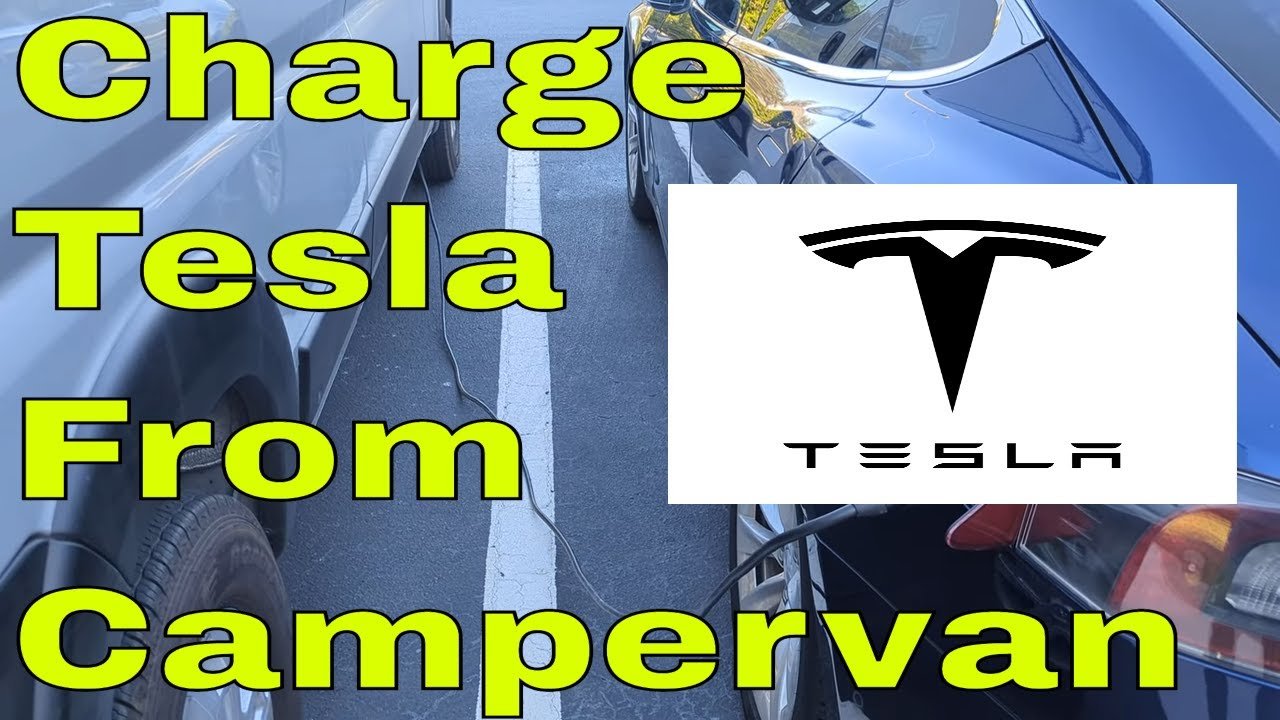
The Rise of the Dual-Vehicle Travel Lifestyle
The open road calls to different adventurers in different ways. For some, it’s the freedom of a campervan that lets you wake up to ocean sunrises one morning and mountain vistas the next. For others, it’s the silent, smooth acceleration of an electric vehicle that makes every journey feel like flying into the future. But what happens when you’re the kind of traveler who wants both? Enter the emerging lifestyle of dual-vehicle travel, where campervan living meets electric vehicle ownership to create something entirely new.
This isn’t just about having two vehicles in your garage. It’s about creating a travel ecosystem that maximizes freedom, minimizes environmental impact, and opens up possibilities that single-vehicle travelers can only dream of. Imagine having the ability to explore deep into the wilderness with your campervan, then unloading your electric bike or smaller EV for nimble urban adventures. Or picture yourself parked at a stunning campsite, your campervan’s solar array silently charging your electric car while you hike, cook, and enjoy nature. This is the reality for a growing number of travelers who are rethinking what it means to be road-trippers in the electric age.
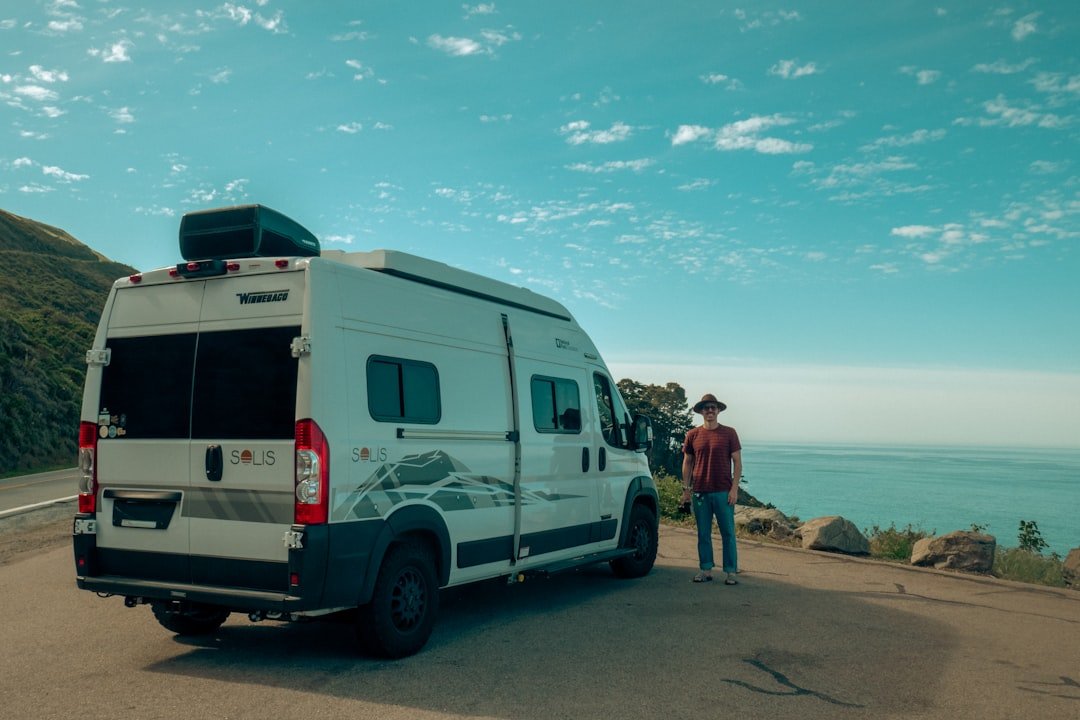
Understanding the Energy Synergy
The magic of combining a campervan with an electric vehicle lies in the energy synergy between them. Modern campervans, especially those built for off-grid living, often feature substantial battery banks and solar arrays designed to keep everything running for days without hookups. What many travelers don’t realize is that this same energy system can potentially serve double duty, keeping your campervan comfortable while also providing emergency or supplemental charging for your electric vehicle.
Consider a typical well-equipped campervan with a 37-kilowatt-hour battery bank and 1,280 watts of solar panels on the roof. On a sunny day, such a system might generate around 5 kilowatt-hours of electricity. That’s enough energy to add approximately 15-20 miles of range to a typical electric vehicle. Over the course of a week parked in a sunny location, you could theoretically accumulate 100 miles of range purely from the sun. It’s not about fully charging your EV from empty—it’s about extending your travel possibilities and creating redundancy in your travel plans.
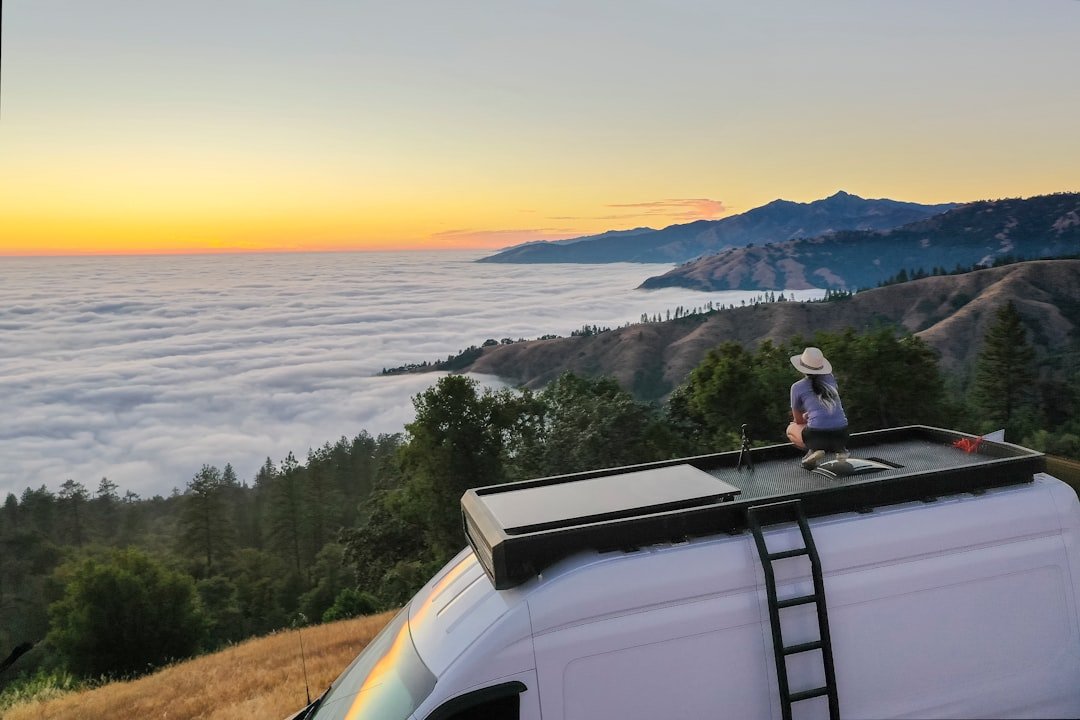
This energy sharing concept transforms how you think about travel logistics. Instead of being tethered to charging stations, you gain a degree of independence that lets you explore more remote destinations with confidence. Your campervan becomes a mobile power station, and your electric vehicle becomes your exploration pod for day trips and urban adventures. If you’re interested in learning more about campervan solar power setups, there are comprehensive guides available that dive deeper into the technical details.
The Practical Benefits for Different Travel Styles
The beauty of this dual-vehicle approach is how adaptable it is to different types of travelers and journeys. For the weekend warrior who uses a campervan for camping trips but commutes in an electric vehicle during the week, the ability to charge the EV from the van creates a seamless bridge between outdoor adventures and daily life. You can return from a camping trip with your EV already charged and ready for Monday morning, all without ever visiting a public charging station.
Long-term travelers, particularly those living the van life full-time, find value in having a smaller, more maneuverable vehicle for errands and explorations. Parking a full-sized campervan in downtown areas or navigating narrow coastal roads can be stressful. Having an electric car or even electric bicycles that you can charge from your van’s solar system gives you freedom to explore urban areas, visit crowded attractions, or tackle challenging roads without the hassle of maneuvering a large vehicle.
For families, this setup offers flexibility that single-vehicle travel can’t match. Parents can take the campervan to set up camp while teens take the electric vehicle to explore a nearby town. One person can run errands or scout locations while the other stays at camp. The possibilities multiply, and so does the spontaneity that makes travel memorable.
Real-World Applications and Scenarios
Imagine parking your campervan at a beautiful forest service campground for a week. Your solar panels soak up sunlight each day, quietly charging your van’s battery bank. Each evening, you plug in your electric vehicle, adding 15-20 miles of range. Over the course of your stay, you accumulate enough charge for a substantial day trip to a nearby attraction, trailhead, or town that would have been out of reach if you’d had to drive the campervan or find an EV charging station.

Or consider the scenario of attending outdoor festivals or events. You can park your campervan at a primitive campsite miles from the venue, using your electric vehicle to commute back and forth each day. Your van’s solar system keeps the EV charged, and you avoid the hassle and expense of finding both camping and parking closer to the event. Plus, you have a comfortable base to return to, with all the amenities of home waiting for you.
Emergency preparedness is another compelling application. In areas prone to natural disasters or power outages, having a mobile power source that can charge your electric vehicle provides genuine peace of mind. When hurricanes threaten coastal areas or wildfires force evacuations, your campervan becomes both shelter and transportation fuel source, giving you options that other travelers simply don’t have.
Technical Considerations Made Simple
You might be wondering about the technical aspects of charging an electric vehicle from a campervan. The concept is surprisingly straightforward. Modern campervans with substantial battery banks typically include inverters that convert DC battery power into AC electricity—the same type that powers your home outlets. When you add a high-quality power inverter capable of handling the load, you essentially have a mobile charging station.
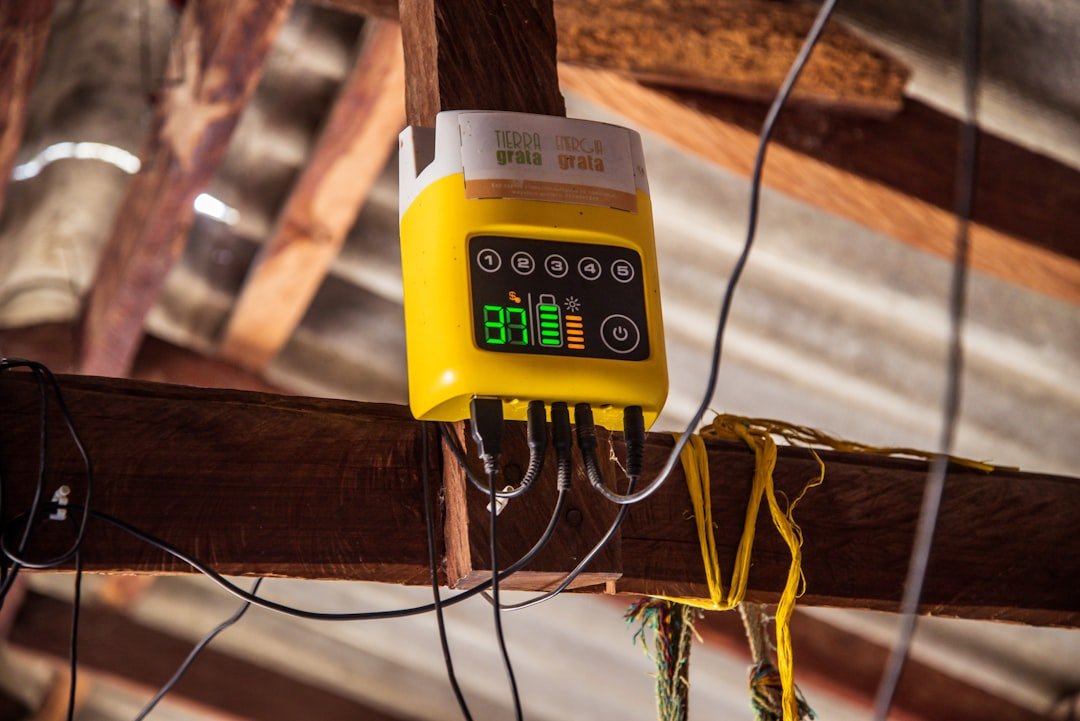
The charging speed depends on several factors: the size of your van’s battery bank, the output capacity of your inverter, and how much sun your solar panels receive. Realistically, most campervan-to-EV charging happens at relatively slow speeds, often adding 3-4 miles of range per hour. This isn’t about fast charging—it’s about overnight charging, gradual top-ups, and having backup options when you need them. A quality battery monitoring system helps you track energy flow and optimize your charging schedule.
Safety is naturally a concern when dealing with high-capacity electrical systems. Quality components, proper installation, and appropriate safety mechanisms are non-negotiable. This includes circuit breakers, surge protection, and monitoring systems that let you track energy flow and battery levels. Most importantly, you need to understand your van’s energy budget—how much power you have available versus how much you need for daily living, and how much you can spare for vehicle charging without compromising your comfort.
The Solar Advantage: Harvesting Free Energy
One of the most compelling aspects of this travel setup is the role of solar power. When your campervan’s roof is covered with solar panels, you’re essentially harvesting free energy from the sun. Every photon that hits your panels is potential energy for both your van living systems and your electric vehicle. Over the course of a year, this can amount to hundreds of kilowatt-hours of free electricity—enough to power thousands of miles of EV driving.
The environmental benefits are substantial. You’re not just reducing your carbon footprint by driving electric vehicles; you’re powering those vehicles with clean, renewable solar energy. Your travels become genuinely sustainable, powered by the same sun that warms your camping days. For eco-conscious travelers, this alignment of values and lifestyle is deeply satisfying.
Solar power also creates a degree of energy independence that’s rare in modern life. Instead of being dependent on charging infrastructure, utility companies, or fossil fuel stations, you’re generating your own transportation fuel. Every day you wake up to a fresh batch of solar energy, ready to power whatever adventure you’ve planned.
Planning Your Dual-Vehicle Travel Adventures
Successfully managing a campervan and electric vehicle combination requires some planning and strategy. The first consideration is energy management. You need to understand your van’s typical daily energy consumption and calculate how much surplus you have available for EV charging. This varies by season, location, and weather—solar production in Arizona in July is very different from Washington in December.
Campsite selection becomes an art form. You’ll develop an eye for sites that offer good solar exposure, safe parking for both vehicles, and convenient access to the areas you want to explore. Some travelers prefer established campgrounds with amenities, while others seek out primitive sites on public lands. The beauty of having your own power source is that you’re not limited to sites with electrical hookups.
Routing and trip planning take on new dimensions. You might choose to stay longer at each destination to allow more time for solar charging. Your travel pace might slow, which many travelers find enhances their experience—you have time to truly explore each area rather than rushing from place to place. The constraint of slower charging becomes an opportunity for deeper, richer travel experiences.
Gear and Equipment Essentials
If you’re considering this lifestyle, certain equipment makes the experience much more practical and enjoyable. A high-quality inverter is essential—it needs to be large enough to handle EV charging but also efficient enough not to waste your precious solar energy. Look for pure sine wave inverters from reputable manufacturers, and don’t skimp on capacity. Being able to charge at 12 amps or more makes a significant difference in how quickly you can add range.
Monitoring systems are equally important. You need to know how much energy your solar panels are producing, how much is stored in your batteries, and how much you’re using for both van systems and EV charging. Modern battery monitors and energy management systems make this information readily available, often through smartphone apps that let you track everything from your phone.
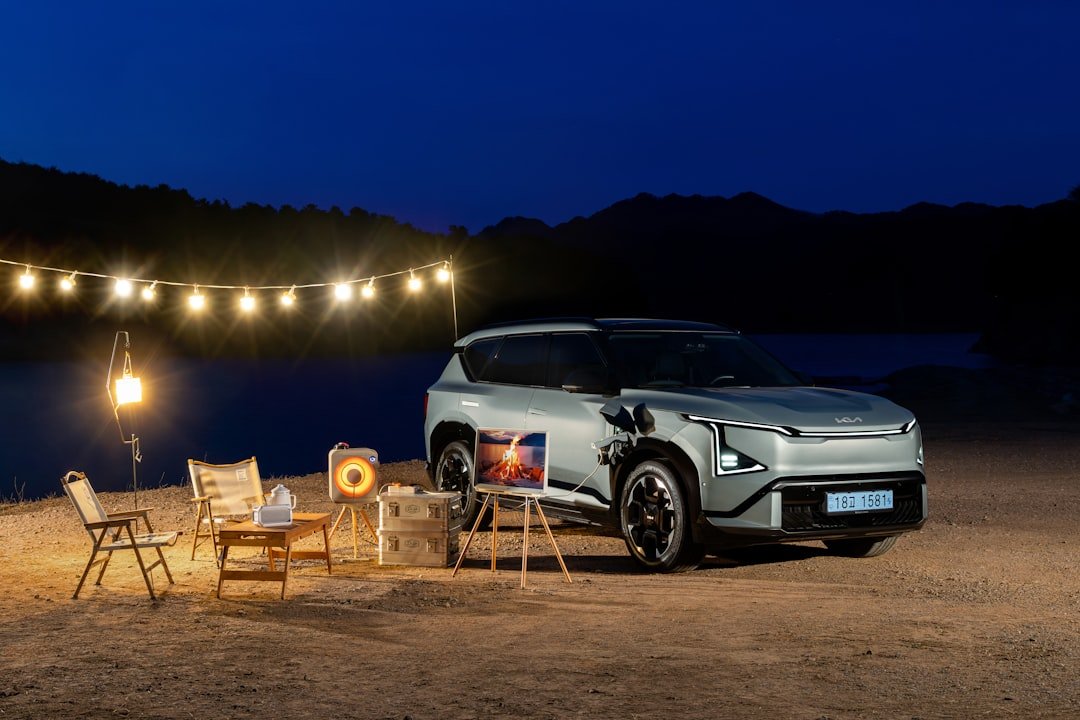
The physical connection between your vehicles matters too. Heavy-duty charging cables designed for EV charging, proper connectors, and weatherproof storage for your charging equipment all contribute to a system that works reliably trip after trip. Quality here pays dividends in reliability and safety.
Financial Considerations and Return on Investment
Setting up a campervan with the capacity to charge an electric vehicle represents a significant financial investment. Solar panels, batteries, inverters, and installation can easily run into five figures. However, it’s helpful to think of this as an investment in energy independence rather than just equipment. Every kilowatt-hour you generate is money you’re not spending on charging stations or fuel.
For full-time travelers, the economics can be particularly compelling. Eliminating monthly electric bills, reducing fuel costs, and avoiding campground fees (by choosing primitive sites) all contribute to offsetting the initial investment. Over several years of travel, the system can pay for itself multiple times over.
There’s also the consideration of rising energy costs. When you own your energy production system, you’re insulated from increases in electricity prices. Your cost per mile for EV driving remains stable year after year, regardless of what happens to energy markets. In an era of volatile energy prices, this predictability has genuine value.
Lifestyle Flexibility and Future-Proofing
Beyond the practical benefits, there’s something deeply satisfying about this level of energy independence. You’re participating in the transition to sustainable transportation in a tangible way. Your travels demonstrate that renewable energy can power real adventures, not just theory. Every time you drive your EV on energy harvested from your van’s solar panels, you’re living proof that a sustainable transportation future is already here.
This lifestyle also future-proofs your travel plans. As charging infrastructure continues to expand, you’ll have even more options. But you’ll never be entirely dependent on it. You’ll have the freedom to choose—charging at stations when it’s convenient, charging from your van when it’s not. That flexibility is increasingly valuable in a rapidly changing world. If you’re interested in other campervan smart technologies that can enhance your travels, there are many options to explore.
Is This Lifestyle Right for You?
The campervan-plus-EV lifestyle isn’t for everyone. It requires an appreciation for both technical systems and outdoor living. There’s equipment to maintain, systems to understand, and planning to embrace. If you prefer the simplicity of renting a car and staying in hotels, this might feel like overkill. But if you’re the kind of traveler who finds satisfaction in self-sufficiency and enjoys the puzzle of optimizing systems for maximum benefit, this could be your perfect travel setup.
The ideal candidate for this lifestyle is someone who loves both outdoor adventure and the quiet, smooth driving experience of electric vehicles. They’re technically inclined enough to understand their energy systems or willing to learn. They value sustainability and independence. And most importantly, they have the financial resources to invest in quality equipment that will serve them reliably for years.
Getting Started: A Practical Path Forward
If this lifestyle appeals to you, there are several ways to ease into it. Some travelers start with a campervan and gradually add capacity for EV charging. Others already own an EV and decide to upgrade their van’s electrical system to enable charging from solar. Still others build their entire system from scratch, designing their campervan specifically with this dual-vehicle capability in mind.
The learning curve is real, but so is the community of travelers doing similar things. Online forums, YouTube channels, and gatherings provide opportunities to learn from others who are already living this lifestyle. You’ll find that most enthusiasts are eager to share their experiences, both successes and mistakes, helping newcomers avoid common pitfalls.
Looking Ahead: The Future of Multi-Vehicle Travel
As both electric vehicles and campervans continue to evolve, the possibilities for this lifestyle will only expand. Battery technology is improving, solar panels are becoming more efficient, and vehicle-to-load (V2L) technology is making it easier for EVs themselves to power other devices. Some new EVs can even act as backup power sources for homes during outages—imagine reversing the equation and having your EV power your campervan occasionally.
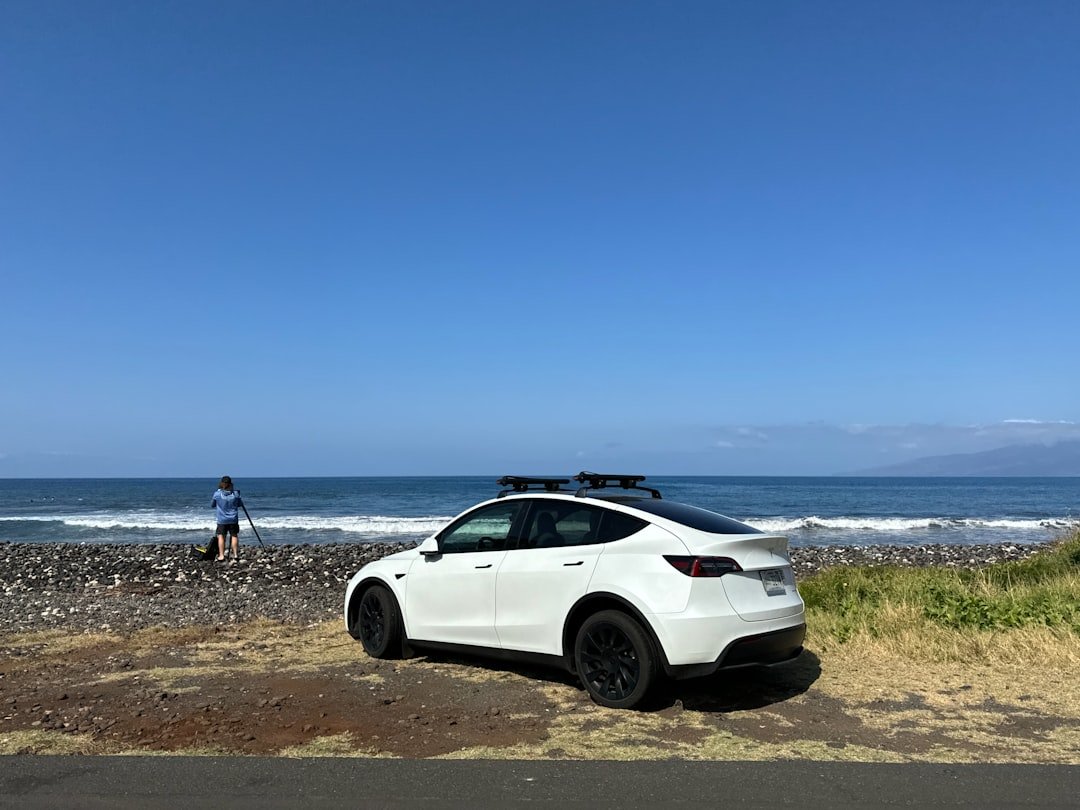
The trend toward smaller, more efficient electric vehicles also opens possibilities. Electric bikes, scooters, and even compact EVs can be charged easily from campervan solar systems, providing last-mile transportation that complements your main campervan perfectly. The ecosystem is expanding, and with each innovation, new travel possibilities emerge.
Embracing the Adventure
Ultimately, combining a campervan with an electric vehicle is about more than just energy management or equipment. It’s about embracing a new kind of travel freedom—the freedom to explore independently of charging infrastructure, to live sustainably while adventuring, and to design a travel lifestyle that matches your values and dreams. Whether you’re parked in a forest watching your solar meter climb, or driving your EV on energy harvested from the sun days earlier, you’re participating in something quietly revolutionary.
The road ahead is charged with possibility, and with the right setup, you’ll be ready to follow it wherever it leads—powered by the sun and driven by adventure.