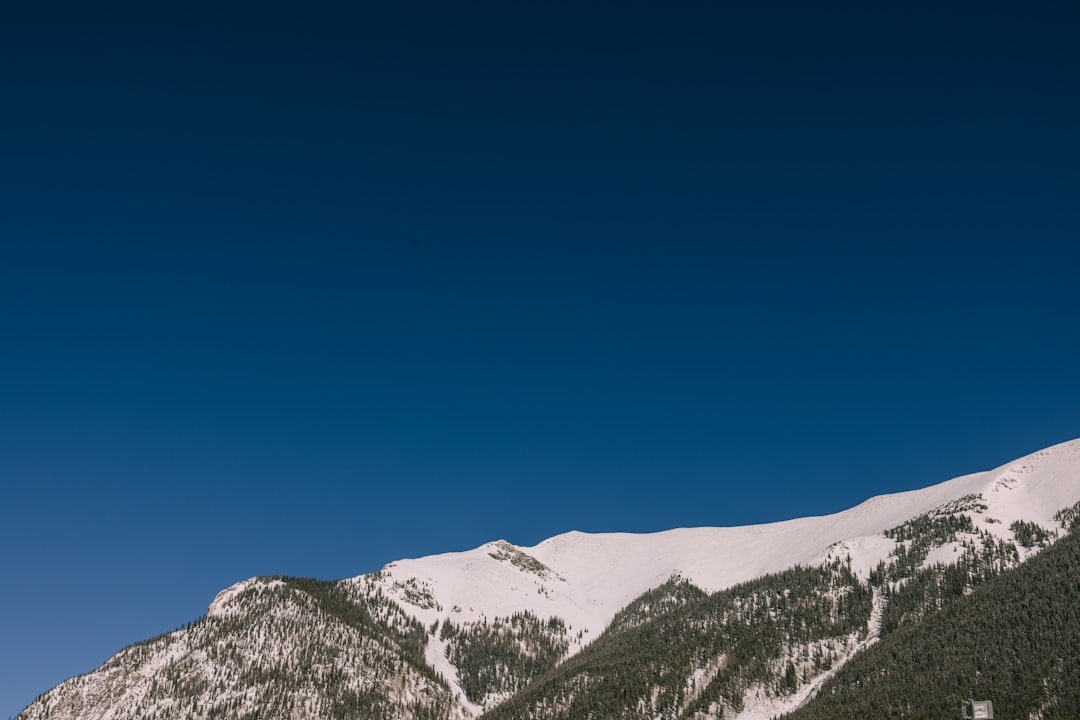
There’s something magical about skiing in March and April that the winter crowds never experience. The air is warmer, the sun feels stronger on your face, and suddenly you’re shedding layers while carving turns through perfect corn snow. I’ve spent countless spring days in Colorado’s mountains, and I’m convinced this is when skiing becomes truly unforgettable—it’s not just about the sport anymore, but the entire experience of being in the mountains during their most vibrant season.
 Last March, I found myself at Arapahoe Basin on what should have been a mediocre day—temperatures hovering around 45°F at the base, slushy conditions forecasted. Instead, I skied some of the best runs of my life. The snow had softened into perfect carveable corn, the parking lot was alive with music and barbecues, and strangers were high-fiving like we’d all known each other for years. That’s the thing about spring skiing in Colorado: it’s equal parts athletic performance and tailgate party, and the combination is absolutely electric.
Why Spring Skiing in Colorado Hits Different
The advantages of late-season skiing go way beyond just feeling comfortable. Colorado’s high-altitude resorts maintain impressive snow bases well into spring—often better than what you’ll find in January or February. Arapahoe Basin, affectionately known as A-Basin, consistently operates until mid-June, while Winter Park and Loveland frequently push into May. Snowpack accumulates all winter, then spring storms refresh it, creating conditions that can actually outpeak mid-season.
Then there’s the daylight factor. In December, you’re racing sunset by 3:30 PM. In March? You’ve got until 6:00 PM, which means more runs, longer breaks, and that golden hour light that makes everything look like a cinematic masterpiece. I’ve skied until my legs burned, then lingered on the patio until the sun dipped behind the peaks, watching the mountains turn that incredible purple-orange that only happens in spring.
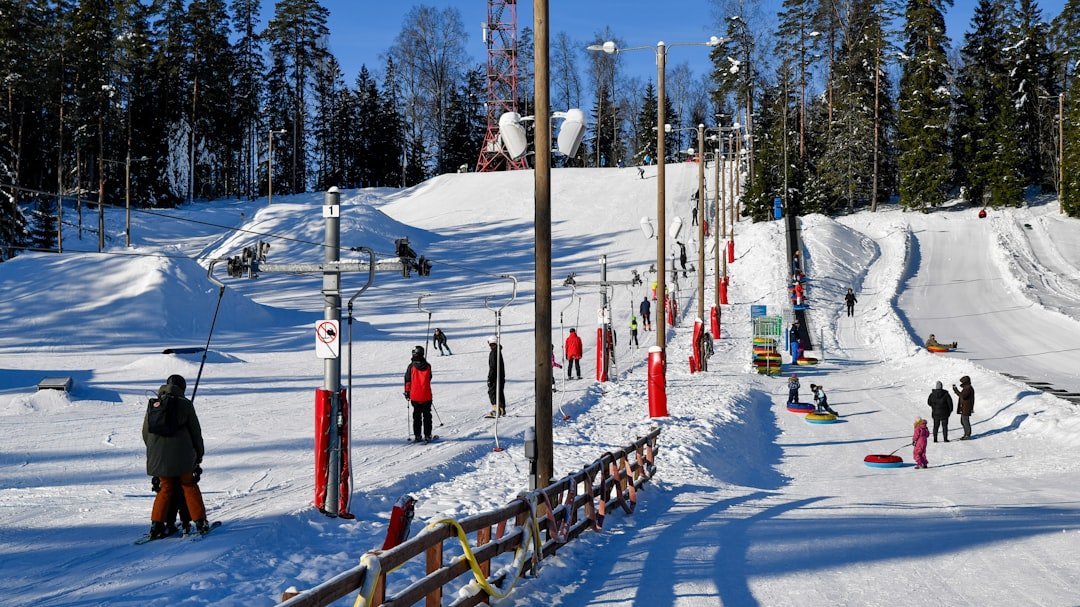
The crowds thin out significantly too. Spring break weeks aside, you’ll find shorter lift lines and more space to spread out. Families with young kids have largely headed home, serious skiers are saving their quads for next season, and what’s left is a mix of locals and spring enthusiasts who are all there for one reason: to soak up every possible moment of mountain life before summer takes over.
The Best Colorado Resorts for Spring Skiing
Not all Colorado resorts are created equal when it comes to late-season performance. Through years of trial and error (and more than a few disappointing trips to closed-too-early resorts), I’ve developed a reliable shortlist of destinations that deliver exceptional spring experiences.
Arapahoe Basin: The undisputed king of Colorado spring skiing. With base elevations over 10,500 feet and north-facing terrain that holds snow remarkably well, A-Basin is your best bet for consistent conditions into June. The East Wall offers expert terrain that stays firm longer than anywhere else, while intermediate runs like High Noon serve up perfect corn by late morning. The beach scene at the base—complete with grills, coolers, and music—is legendary. Pack proper polarized sport sunglasses because you’ll be squinting into reflected sun all day.
Winter Park: Mary Jane territory delivers some of the best tree skiing in Colorado, and the snow holds up beautifully through April. The resort’s high elevation and predominantly north-facing slopes mean you’ll find soft turns long after other areas have turned to mush. Plus, the town of Winter Park offers genuine mountain community vibes without the pretension of some resort towns. I’ve spent memorable afternoons here skiing soft bumps while snow showers drifted through the trees, then transitioning to sunny patios by 2 PM.
Aspen Snowmass: If your budget allows, Aspen delivers an unmatched spring experience. Aspen Mountain’s焕ined groomers become perfectly carveable by mid-morning, while Snowmass offers more varied terrain across its massive expanse. The après scene here is next-level—Eleven212, the new venue atop Aspen Mountain, serves up incredible views with your cocktails. What really sets Aspen apart is the attention to detail: snow grooming that borders on artistic, seamless lift operations, and a level of service that makes everything feel effortless.
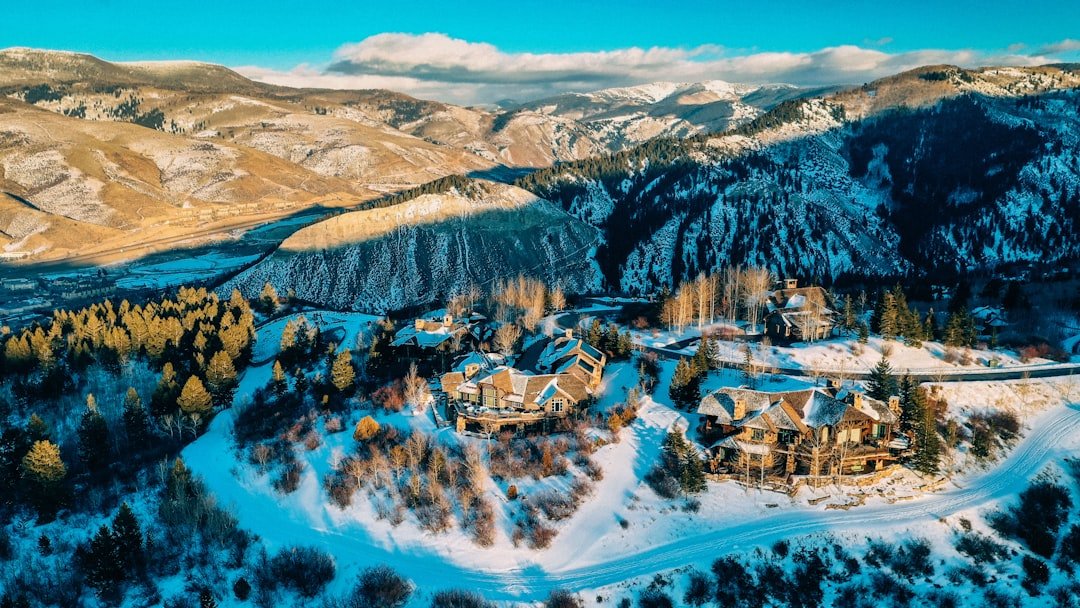
Loveland: Often overlooked for glitzier destinations, Loveland delivers pure spring skiing with minimal crowds and surprisingly good snow retention. The basin’s high elevation (topping out at 13,010 feet) and exposed terrain mean it can get windy, but on calm days, you’ll find excellent conditions and virtually no lift lines. It’s bare-bones compared to mega-resorts, but sometimes that’s exactly what you want—unpretentious skiing focused on the sport itself.
What to Pack for Spring Skiing
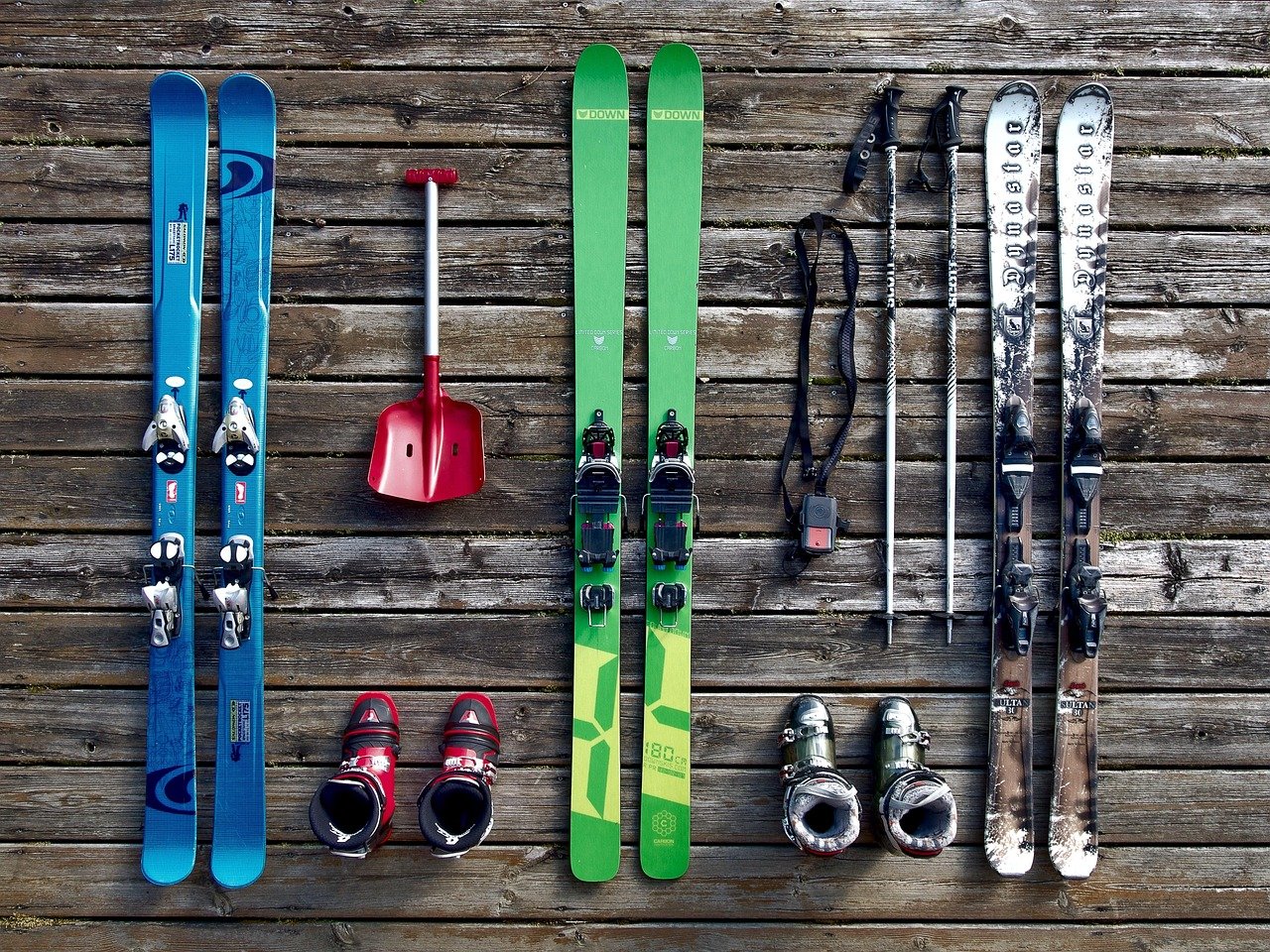
Spring packing requires a completely different mindset than winter trips. The key is versatility—weather can shift from t-shirt conditions to full-on winter storm in hours. I learned this the hard way during a mid-April trip to Steamboat where temperatures swung 40 degrees in 24 hours. And while skiing isn’t typically considered a budget-friendly activity, smart gear investments can save you money across multiple seasons.
Your base layer game needs to be adaptable. Start with lightweight merino wool base layers that regulate temperature whether it’s 25°F or 50°F. Unlike synthetic options, merino naturally resists odor—crucial when you’re sweating more in warmer temps. I prefer quarter-zip tops for easy ventilation control during those mid-morning heat spikes.
Mid-layers should be easily removable. A lightweight fleece or thin insulated vest that stuffs into your pocket gives you options without bulk. I’ve become evangelical about packable down vests for spring skiing—they provide surprising warmth for their weight and disappear into your pack when temps climb.
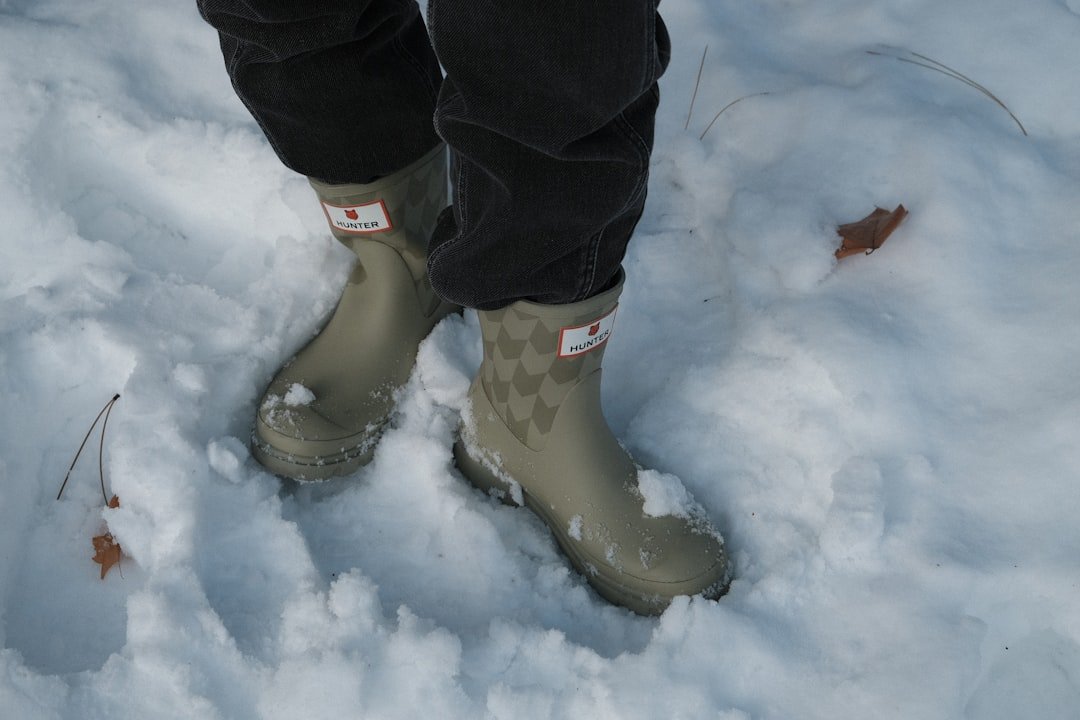 Your outer shell choice becomes critical in spring conditions. Waterproof breathable jackets with pit zips allow you to regulate temperature without removing layers—especially important during those wet spring snows. Look for waterproof ski jackets with underarm vents; you’ll use them constantly as temperatures rise through the day. I prefer shells over insulated jackets for spring because they’re more versatile across widely varying conditions.
Don’t underestimate sun protection. At altitude, UV radiation intensifies significantly, and spring sun reflects aggressively off snow. Pack SPF 50+ sport sunscreen and apply it religiously—your face, neck, and especially the underside of your chin (reflected sun burns are real). A UV protection neck gaiter pulls double duty as sun shield and face warmer when conditions turn. And quality goggles with photochromic lenses automatically adjust to changing light conditions—worth every penny when you’re skiing from 9 AM to 4 PM.
Spring snow behaves differently than winter snow, which means your ski preparation needs adjustment. Warmer temperatures make snow stickier—that slow, suction feeling that kills momentum. The solution? Warm-temperature wax specifically formulated for spring conditions. Most spring ski wax kits include temperature-specific options; choose the one matched to the expected range (usually 28°F to 45°F for Colorado spring). Proper waxing makes a surprisingly dramatic difference in how your skis perform in soft snow.
Timing Your Spring Ski Trip
Not all spring weeks are created equal. Understanding Colorado’s snow cycle and weather patterns helps you target optimal conditions. March typically delivers the most consistent snow—storms still roll through regularly, replenishing surfaces, while temperatures haven’t yet reached full melt mode. By April, you’re trading some snow quality for significantly warmer days and longer daylight.
My sweet spot? Mid-to-late March. You get the best of both worlds: recent snowfall maintaining surface quality, daytime temperatures regularly reaching the 40s at base areas, and that magical spring energy without the full-on slush fest of late April. Plus, resort operations are still at full capacity—some lifts and terrain parks close as seasons progress, reducing your options.
That said, die-hard spring enthusiasts target late April and even May for specific experiences. Arapahoe Basin’s legendary “Beach” scene reaches peak madness in May, with tailgating that would make college football fans jealous. Winter Park’s spring festival typically brings pond-skimming competitions and live music. If your priority is atmosphere over perfect snow, these late-season events deliver unforgettable party vibes.
Monitor weather patterns religiously in the week leading up to your trip. Spring storms in Colorado can drop impressive snowfall—sometimes 12+ inches in 24 hours. Conversely, unseasonably warm spells can rapidly deteriorate conditions. I use multiple weather apps and check resort webcams daily; seeing current surface conditions helps me pack appropriately and set realistic expectations.
Spring Snow Conditions: What to Expect
Understanding different snow types helps you plan your day around optimal conditions. Spring skiing revolves around three primary surface types, each requiring slightly different approaches.
Corn Snow: The holy grail of spring surfaces. Overnight, spring snow freezes solid. As the sun hits it, it softens from the outside in, creating that perfect carveable texture—like skiing through butter. The key is timing: too early and it’s an ice rink, too late and it’s mush. The window varies by aspect and elevation but typically occurs mid-morning. South-facing slopes corn first; north-facing terrain holds firm longer. I plan my days to hit south-facing runs around 10:30 AM, then work to north-facing terrain as the day progresses.
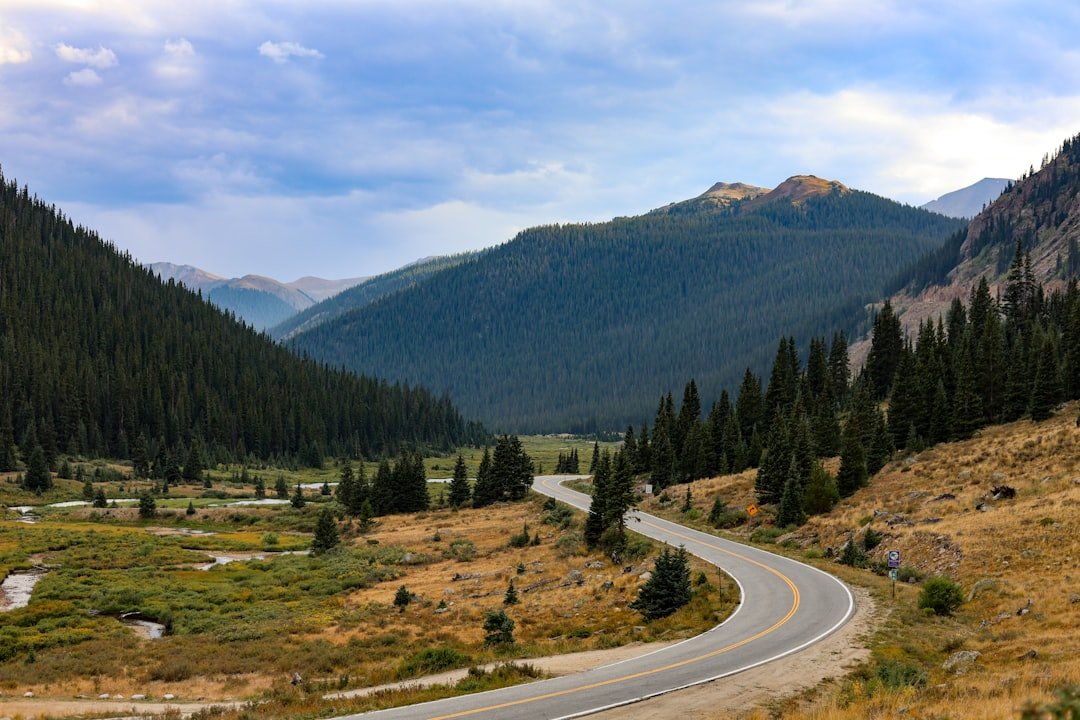
Slush: Corn’s evil twin. When corn snow gets over-softened by prolonged sun and warm temperatures, it transitions to slush—heavy, grabby, and exhausting. Slushy conditions typically develop by early afternoon, especially on south-facing slopes and lower-elevation terrain. While still skiable, it requires different technique: stay centered, use a wider stance, and be patient with turns. Slush is also when spring injuries spike—people underestimate how significantly it affects balance and control.
Spring Powder: Yes, it happens. Spring storms can deliver surprisingly dry powder, especially at higher elevations. Unlike winter powder, spring snow often arrives with wind, creating wind-buffed surfaces that ski incredibly smoothly. The difference is temperature—spring powder stays cold and dry thanks to overnight freezes, creating some of the most unique conditions of the year. I’ve experienced 10-inch powder days in April that rivaled anything January offered.
The freeze-thaw cycle dictates everything during spring skiing. Nights freeze surfaces solid; morning sun gradually softens them. Understanding this cycle transforms your experience—instead of fighting conditions, you work with them. Early birds get firm groomers; late risers get soft slush. Smart skiers plan around the cycle, hitting different elevations and aspects as conditions evolve through the day.
The Road Trip Experience
Getting to Colorado’s ski resorts in spring adds another layer to the adventure. Mountain passes that were treacherous in January become drivable, opening up options for scenic routes and extended exploration. I’ve driven lesser-known scenic byways in spring that would have been impossible in winter, discovering ghost towns, hot springs, and mountain vistas that most visitors never see.
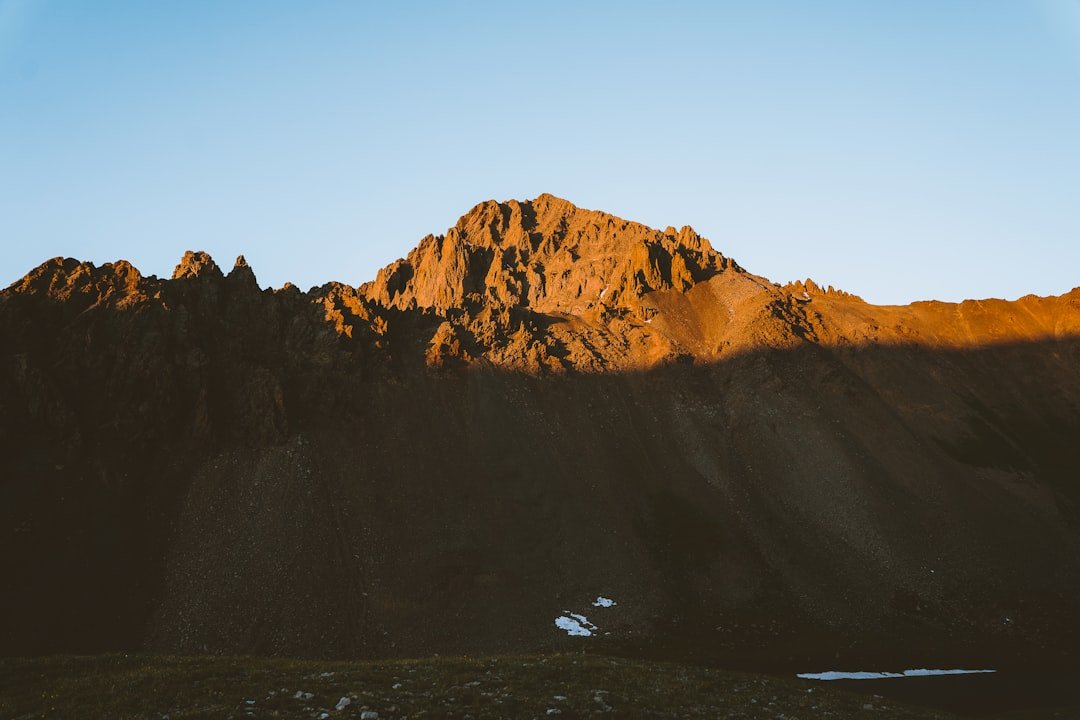
Your vehicle needs preparation too. Spring weather in the Rockies is notoriously fickle—sunny one moment, blizzard conditions the next. I always carry chains even if roads look clear; weather changes fast at elevation. Emergency car kits with blankets, food, water, and first-aid supplies are non-negotiable. And check tire pressure—altitude changes can significantly affect it, impacting both safety and fuel economy.
Consider the drive part of the destination. Instead of rushing straight to resorts, build in stops at hot springs (like those in Glenwood Springs), historic mining towns (Georgetown and Silver Plume are gems), or hiking trails that are finally accessible without snowshoes. Some of my most memorable Colorado moments happened during unplanned stops while driving between ski areas—discovering perfectly preserved Victorian architecture in Leadville, or stumbling upon a herd of elk near Alma.
Après-Ski and Beyond
Spring après-ski culture deserves its own category. The warmer temperatures transform base areas into vibrant social scenes that simply don’t exist in January. People linger in t-shirts and sunglasses, music spills from every direction, and there’s a collective sense of squeezing every drop of enjoyment from the season.
A-Basin’s beach scene sets the standard—skiers and snowboarders flow from slopes to tailgate setups in the parking lot, grills firing up, coolers opening, and speakers playing everything from bluegrass to hip-hop. It’s inclusive, unpretentious, and distinctly Colorado. No reservations needed, no dress codes, just people celebrating their shared love of mountains.
Aspen and Vail offer more polished après experiences. Upscale venues like Aspen’s Eleven212 or Vail’s Tower provide sophisticated settings with mountain views that justify the premium pricing. These places attract a different crowd—business travelers, destination skiers, celebrities—but the energy is equally contagious, just with better wine lists and groomer patios.
Don’t overlook smaller resort towns for authentic local vibes. Winter Park’s base area has casual bars where locals mix with visitors, sharing stories and swapping condition reports. Breckenridge’s Main Street offers dozens of options from dive bars to craft breweries. These places lack the polish of mega-resorts but compensate with genuine character and significantly lower prices. After days of skiing, your muscles will thank you for some compact recovery tools to help you bounce back faster for the next day on the slopes.
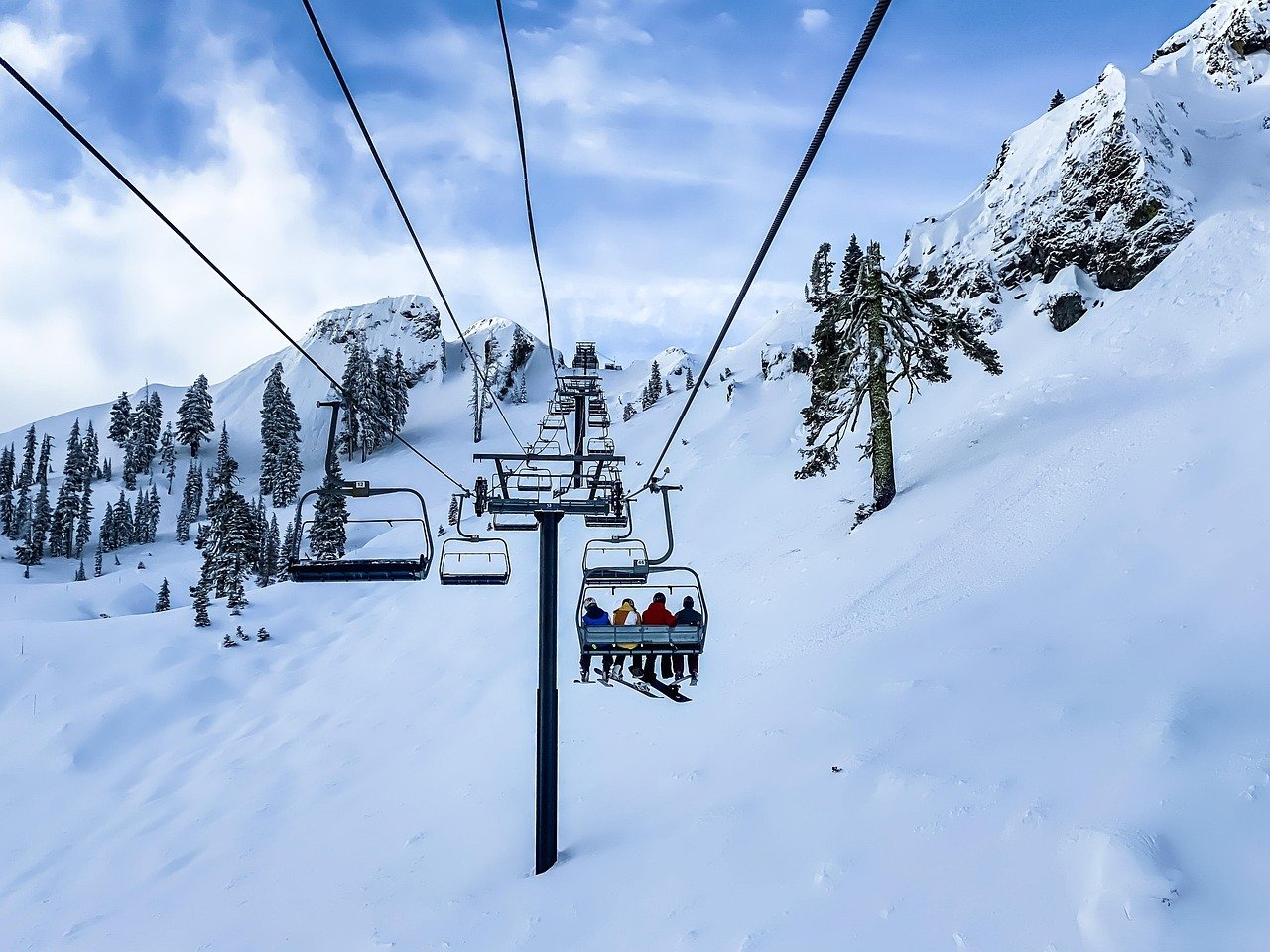
Beyond the resort bases, spring opens up activities that are impossible in winter. Hot springs feel magical after skiing, especially surrounded by snow. Hiking trails at lower elevations become accessible, offering perspectives on the mountains you only get from ground level. And mountain towns come alive—festivals, farmers markets, outdoor concerts—that replace the quiet hush of winter with vibrant community energy.
Making the Most of Your Spring Ski Experience
The best spring ski trips balance on-mountain time with off-slope exploration. My ideal day starts early—first lift to catch firm groomers before they soften—then shifts to longer breaks as temperatures rise. I’ll ski hard from 8:30 to 11:00, take a leisurely lunch, then return for afternoon laps as conditions soften. This pattern maximizes both snow quality and energy management.
Don’t fixate on vertical feet logged. Spring is about savoring experiences—the perfect turn, the incredible view, the patio conversation. I’ve had days with barely 5,000 vertical feet that were more memorable than 20,000-foot days in January, simply because I slowed down enough to appreciate where I was and what I was doing.
Embrace the variability. Some days will exceed expectations; others will challenge your patience. That foggy morning where visibility is terrible might clear by noon to reveal the most stunning snow-capped peaks you’ve ever seen. That “too slushy” afternoon might deliver the most playful, forgiving turns of your life. Spring skiing rewards flexibility and perspective—qualities that make you a better skier regardless of conditions.
Most importantly, connect with people. Spring skiing’s social energy is its secret weapon. Strike up conversations on chairlifts, join someone’s tailgate, ask locals for their favorite runs. I’ve learned more about Colorado skiing from random strangers during spring après than from any guidebook or website. The shared experience creates instant community—everyone there chose to be in those mountains during that specific week, and that commonality builds bridges that last well beyond the trip.
The Bottom Line
Spring skiing in Colorado isn’t just “late-season skiing”—it’s an entirely different sport with its own culture, techniques, and rewards. The combination of reliable snow, comfortable temperatures, extended daylight, and unmatched social energy creates something truly special. Whether you’re carving perfect corn at A-Basin, celebrating on Aspen’s patios, or exploring quiet corners of Loveland, spring offers a uniquely Colorado mountain experience that every skier should experience at least once.
So when does winter end and spring begin? In Colorado’s high country, the answer is: whenever you’re ready. The mountains will be there, waiting with soft snow and sunny skies, ready to show you why sometimes the best skiing happens when everyone else has already packed away their gear. See you on the slopes—I’ll be the one with the biggest grin, probably mid-yoga pose on A-Basin’s beach.