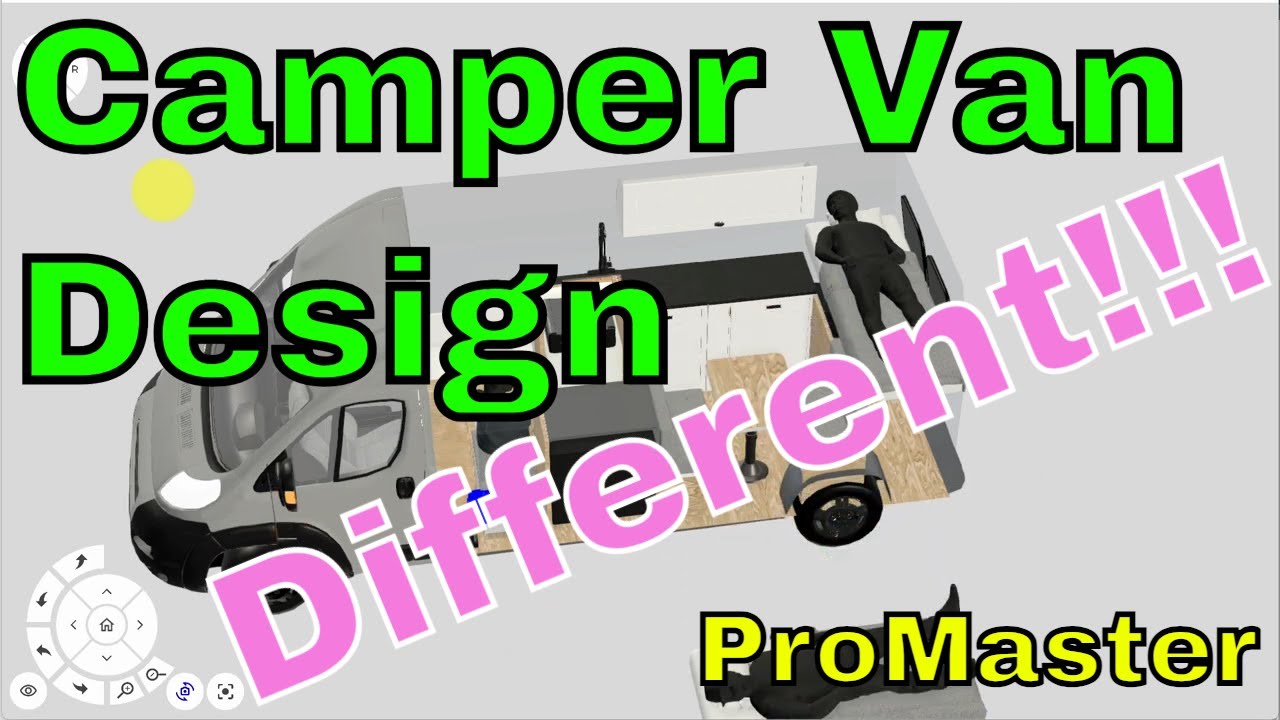
The floorplan of your campervan isn’t just about where things fit—it’s the foundation of your entire travel experience. A well-designed layout transforms a metal box into a comfortable home on wheels, while a poorly planned one can make every day on the road feel like a struggle. After spending months planning and building out a 2025 Ram ProMaster, I’ve learned that the secret to van life happiness lies in thinking differently about space, weight distribution, and how you actually live when traveling.
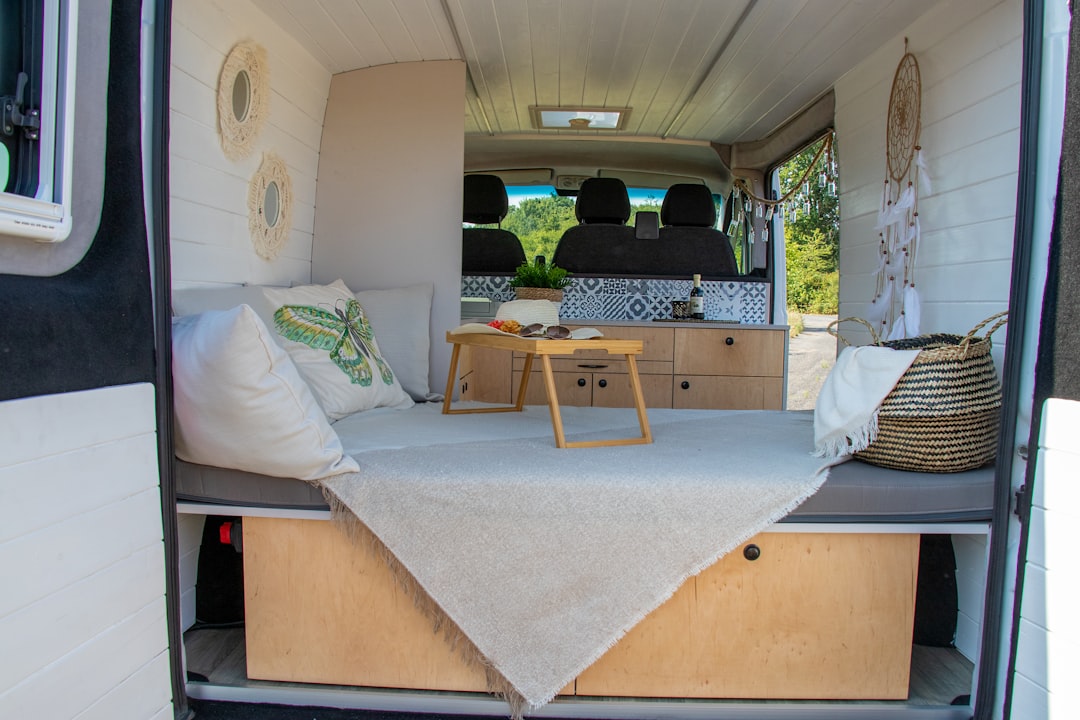
The Foundation: Understanding Your Van’s Unique Constraints
Every van has its own personality, and the Ram ProMaster 2500 with a 159-inch wheelbase is no exception. With roughly 12 feet of usable length and about 6 feet of width, you’re working with a compact rectangle that needs to house everything you need for life on the road. The high roof gives you standing room, but that doesn’t mean you should fill every vertical inch with cabinets.
The ProMaster’s front-wheel-drive architecture actually works in your favor for layout planning. Unlike rear-wheel-drive vans where you want weight over the back wheels for traction, a ProMaster benefits from having weight distributed toward the front. This opens up possibilities that other van builders don’t have—like placing heavy components like batteries and water tanks further forward in the vehicle. Working with van conversion kits can help streamline your build process.
The Sleeping Question: One Bed or Two?
Most van builds follow a predictable pattern: a fixed bed in the back with storage underneath, often called a “garage.” But what if that doesn’t fit your life? The breakthrough moment in our design came when we realized that a single large bed wasn’t the only answer.

We’re creating a split sleeping arrangement with two separate bed areas. One bed occupies a back corner, while a second bed sits off to the side. The side bed is designed to rest above the back bed during the day, freeing up valuable floor space. This convertible approach means you don’t sacrifice living area during daylight hours just to have sleeping space at night. For those prioritizing sleep comfort on the road, check out our guide on Van Life Sleep Secrets.
This unconventional approach solves a critical problem: preserving garage space for large gear. Fold-up e-bikes, inflatable kayaks, and outdoor equipment need room to breathe. By splitting the sleeping arrangement, we maintain that depth while still having comfortable places to sleep.
The Garage: Designing Around Your Adventure Gear
Before sketching any layout, measure your largest items. Our folding e-bikes stand approximately 36 inches high, 28 inches front-to-back, and 21-22 inches wide. The inflatable kayak adds another dimension to consider. These measurements dictate the minimum dimensions of your garage space and directly influence how high your sleeping platforms need to be positioned.

When the garage is essentially filled with bikes, a kayak, and tool boxes, you realize quickly that every inch counts. This is why thinking vertically becomes so important. The space above your gear can become comfortable sleeping quarters, but only if you’ve planned the height carefully. Consider van storage solutions that maximize every cubic foot of space.
Weight Distribution: The Hidden Factor in Van Design
Where you place things matters more than you might think. The electrical system—batteries, inverter, charge controller—represents significant weight. Instead of following the conventional approach of mounting everything over the rear wheel wells, we positioned the main electrical components behind the driver’s seat, forward in the van.
This placement serves multiple purposes. First, it adds weight over the front axle of our front-wheel-drive ProMaster, improving traction. Second, it keeps heavy components low and centered. Third, it creates a natural division between the driving cab and living area. The 37kWh battery bank might seem massive, but positioning it thoughtfully makes it work for rather than against the vehicle’s handling.
Battery monitoring systems help you keep track of your power usage and ensure your electrical setup serves your needs without overloading your system. If you’re interested in learning more about electrical systems, our solar power setup guide covers the essentials.

Kitchen and Bath: Making Every Square Foot Work Hard
The kitchen occupies the passenger side near the sliding door—a practical choice that makes loading groceries easy and creates a natural workspace. A large refrigerator sits underneath the dinette, maximizing cold storage while using the dinette structure as support. This integration approach, where furniture serves dual purposes, is key to efficient van design.

For the bathroom, we took a minimalist approach that doesn’t feel minimal in use. A dry toilet hides beneath a seat on the driver’s side. The seat back folds up to create a privacy wall around the toilet when needed, then folds down to become regular seating the rest of the time. This transformable design means you have a functional bathroom without dedicating permanent floor space to it.
A designated shower floor near the sink utilizes a pull-out faucet, eliminating the need for a separate shower stall. The entire bathroom footprint is essentially invisible until you need it, which is exactly how space-constrained design should work. Compact RV sinks and pull-out faucets are perfect for these tight spaces.
Water Systems: Thinking in Three Dimensions
Water storage doesn’t have to consume prime floor space. Our 39-gallon freshwater tank mounts over the passenger-side wheel well, using space that’s otherwise difficult to utilize effectively. The 36-gallon gray tank undermounts beneath the van, keeping it completely out of the living area.

This three-dimensional thinking—using wheel wells, underbody space, and vertical volume—doubles your effective storage capacity. When you stop thinking of your van as a single floor level and start seeing it as a three-dimensional puzzle, solutions appear where you thought there were only constraints.
12V water pumps and fresh water hoses are essential components that make these water systems function reliably on the road. For more on water system installation, see our guide on van life water systems.
Climate Control: Planning for All Seasons
A comfortable van needs to handle both summer heat and winter cold. The split-system air conditioner places the inside unit high on the wall for optimal air distribution, with the external components tucked underneath the van. This positioning maintains headroom while providing powerful climate control.
For heating, a high-capacity electric unit powered by that substantial 37kWh battery bank means you can run the furnace for extended periods without worrying about draining your house bank. When your electrical system is sized correctly, you stop thinking about power conservation and start thinking about comfort.
Portable air conditioners and RV furnaces are worth researching to find the right climate solution for your specific van and travel style. For more on temperature control, check out our article on campervan temperature control.
The Reality Check: What We’d Do Differently
Every floorplan evolves through iterations, and ours is no exception. The key insight? You don’t need to follow convention. The most successful van layouts aren’t copies of other builds—they’re responses to how you actually travel, what you bring along, and what makes you comfortable.
If you’re planning your own van build, start by listing your non-negotiables. Is it garage space for bikes? A dedicated workspace for remote work? A shower that doesn’t require campground facilities? Once you know what matters most, work backward from there. The rest of the layout will fall into place around those priorities. Consider exploring van build planning guides for additional insights.
The Freedom of Custom Design
Building out a campervan isn’t just about construction—it’s about designing a life that fits your values and priorities. Whether you choose a conventional floorplan or something entirely unique, the key is thinking deeply about how you’ll use the space day to day, week to week, month to month.
The best van layout is the one that disappears when you’re using it. You stop noticing where things are and just start living. When your floorplan supports your life instead of constraining it, that’s when you know you’ve designed it right.
Starting Your Floorplan Journey
For anyone staring at an empty van and wondering where to begin, take heart. Every van builder started exactly where you are. Measure your space, list your priorities, and don’t be afraid to try unconventional approaches. The van life community is filled with builders who’ve solved similar problems—reach out, ask questions, and learn from others’ experiments.
Your perfect floorplan is out there. It might not look like anyone else’s, and that’s exactly the point. Van life is about freedom, and that freedom starts with a layout that works for your unique adventure.
6 thoughts on “Campervan Floorplan Design Secrets: How to Create the Perfect Van Life Layout”