Why the National Cherry Blossom Festival Deserves a Spot on Your 2026 Travel Calendar
Standing on the Tidal Basin’s edge at sunrise last April, watching the first light hit those clouds of pink and white blossoms, I understood why over a million people make this pilgrimage each year. The National Cherry Blossom Festival in Washington D.C. isn’t just a pretty photo op—it’s one of America’s most spectacular spring celebrations, marking the enduring friendship between the United States and Japan. But here’s what most visitors don’t realize: timing is everything, and the difference between peak bloom and missing it entirely can be just 48 hours.
After spending a week exploring every corner of this three-week festival, I’ve compiled everything you need to know about experiencing the cherry blossoms like a local. From dodging the crowds to finding those hidden photography spots, this guide will help you make the most of Washington D.C.’s most fleeting natural spectacle.
The Science Behind Peak Bloom: What 2026 Visitors Need to Know
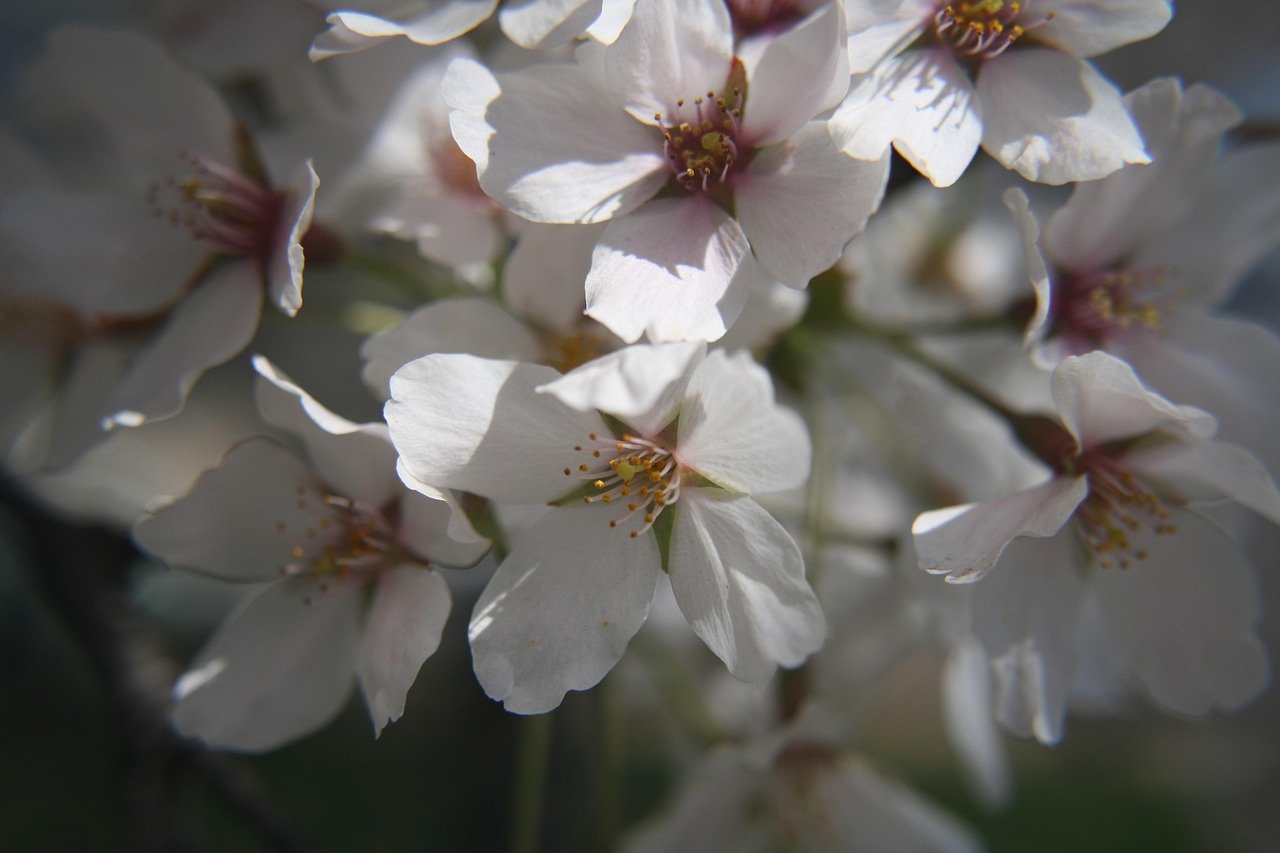
The cherry blossoms around the Tidal Basin are primarily Yoshino trees, and their bloom window is notoriously unpredictable. The National Park Service tracks these trees obsessively, updating their bloom predictions twice weekly as we approach the festival. Peak bloom—the magical period when 70% of the blossoms are open—typically occurs between March 20 and April 15, but climate change has pushed this earlier in recent years. For 2026, I’d recommend targeting the last week of March through the first week of April, though you’ll want to monitor the NPS bloom watch starting in early March.
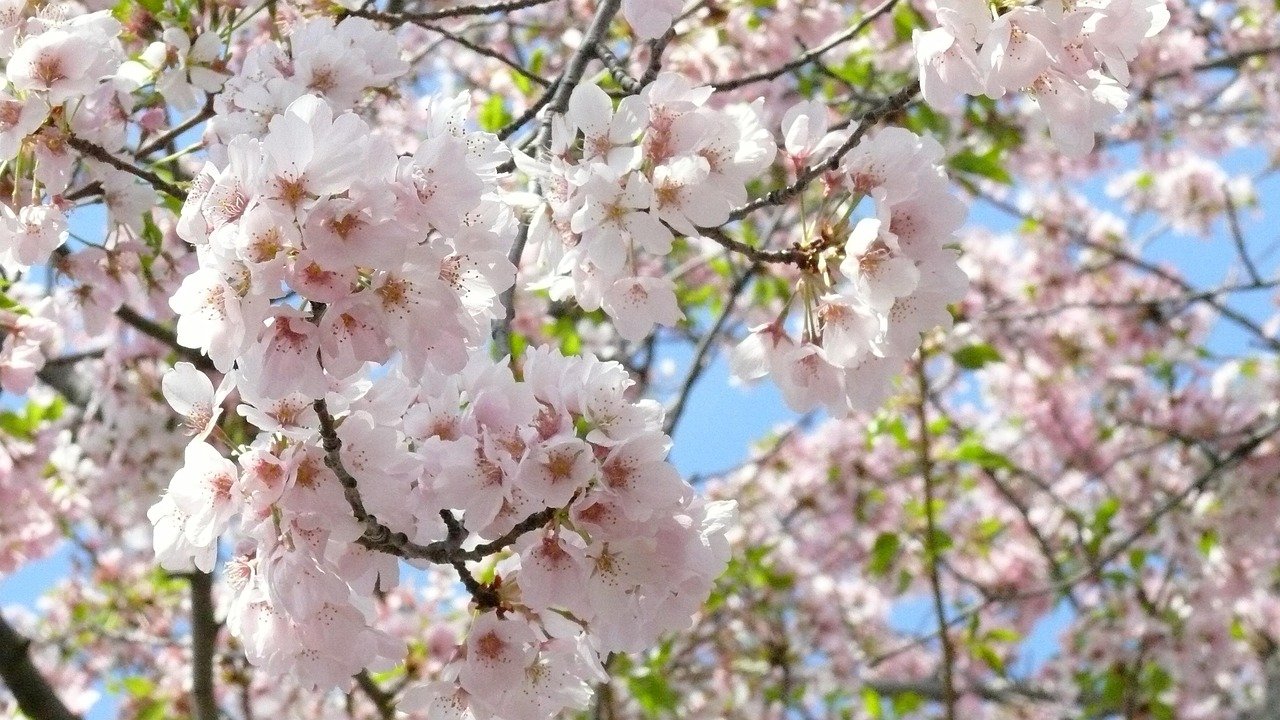
What’s fascinating about these trees is their history. The original 3,000 trees were a gift from Tokyo Mayor Yukio Ozaki in 1912, and those first plantings were done by First Lady Helen Taft and the Japanese ambassador’s wife. Of that original shipment, only about 100 survive today, but the current grove of 3,700 trees creates that ethereal canopy you’ve seen in photographs. The Yoshino variety produces those classic single white blossoms with hints of pink, while Kwanzan trees (which bloom two weeks later) feature double pink blossoms and are clustered around the Washington Monument.
Weather plays a crucial role in both bloom timing and duration. Cool, calm weather extends the bloom period to about a week, while rain, wind, or unseasonably warm temperatures can cut it to just four days. I learned this the hard way in 2024 when an unexpected storm stripped half the blossoms overnight. Monitor the forecast closely and build flexibility into your travel plans—these trees don’t wait for anyone’s schedule.
Navigating the Festival Like a Pro: Logistics That Actually Matter
Let’s address the elephant in the room: this festival gets crowded. Like, shoulder-to-shoulder, no-personal-space crowded. But I discovered that strategic timing turns a frustrating experience into something magical. The golden hour? Dawn. Arrive at the Tidal Basin by 6:30 AM on weekdays, and you’ll have the pathways largely to yourself. Weekend mornings still see early risers, but nothing compared to the 10 AM to 4 PM crush.
Getting there requires planning. Metro’s Blue, Orange, and Silver lines all serve the Smithsonian station (12-minute walk), but here’s the insider tip: take the Green Line to Waterfront station and walk through the fish market area. You’ll approach the basin from a less crowded angle and can grab coffee at the wonderful Wharf District before heading toward the blossoms. If you’re driving (which I don’t recommend), arrive before 7 AM and expect to pay premium rates at the few available garages. I’ve found that staying in Arlington or Crystal City and using Metro works best—these areas offer comfortable travel pillows for early morning starts and keep you outside the festival traffic zone.
The festival encompasses three weeks of events, but you don’t need to attend everything. The opening ceremony and lantern lighting ceremony are must-dos for cultural immersion, but the parade (while impressive) creates massive crowds and transportation headaches. I personally prefer scattering my visits across multiple days rather than attempting one marathon session. Your feet will thank you—trust me, I walked 25,000 steps my first day and needed serious recovery time. Speaking of which, packing a portable foot massager in your luggage isn’t a bad idea for evening recovery at your hotel.
Beyond the Tidal Basin: Cherry Blossom Locations the Crowds Miss
While the Tidal Basin commands the most attention—and rightfully so—some of my most peaceful blossom moments happened elsewhere. Hains Point, at the tip of East Potomac Park, offers spectacular tree-lined pathways with a fraction of the visitors. I spent a golden hour there photographing blossoms against the Potomac River backdrop, and I had entire sections to myself. The Washington Monument grounds feature Kwanzan cherry trees that bloom later in April, providing a second chance if you miss peak Yoshino bloom.
For something entirely different, head to the National Arboretum in Northeast D.C. This 446-acre research facility contains diverse cherry tree varieties and offers guided tours during bloom season. The grounds are expansive enough that crowds disperse naturally, and you’ll find specimens here that aren’t on the Tidal Basin tour. Another hidden gem? Dumbarton Oaks in Georgetown. This historic estate features a curated cherry blossom collection in its meticulously designed gardens, and the quiet elegance offers a completely different vibe from the carnival atmosphere at the Tidal Basin.
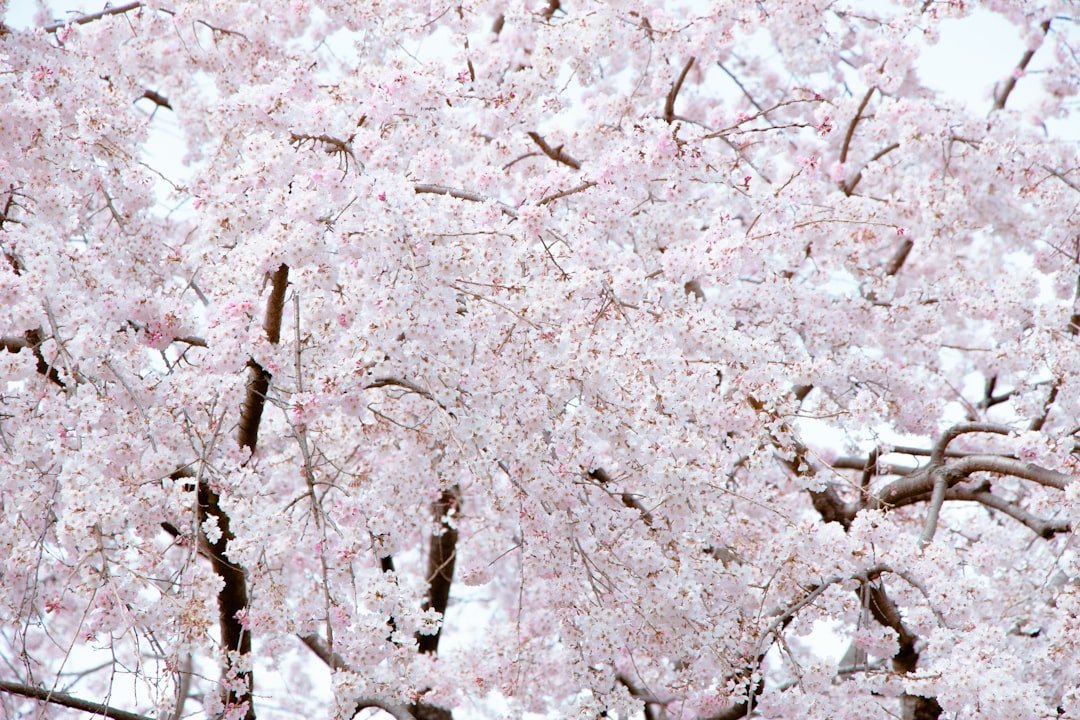
My absolute favorite discovery was the Stanton Park neighborhood on Capitol Hill. These residential streets are lined with cherry trees planted decades ago, creating a tunnel of blossoms that feels like something out of a Studio Ghibli film. No crowds, no vendors, no designated photo zones—just locals walking their dogs beneath falling petals. This is where you’ll experience the authentic, unplugged magic of cherry blossom season, and it’s worth the short Metro ride east from the National Mall.
Each of these locations has its own character and timing. The Kwanzan trees at the Washington Monument bloom roughly two weeks after the Yoshino variety, so if you’re traveling mid-April, don’t assume you’ve missed everything. The National Arboretum’s collection spans different varieties, ensuring some blossoms throughout the spring. Download a reliable portable phone charger before you go—you’ll want your camera ready at each location, and battery drain is real with all those photos.
Capturing the Perfect Blossom Photo: Beyond the Obvious Shots
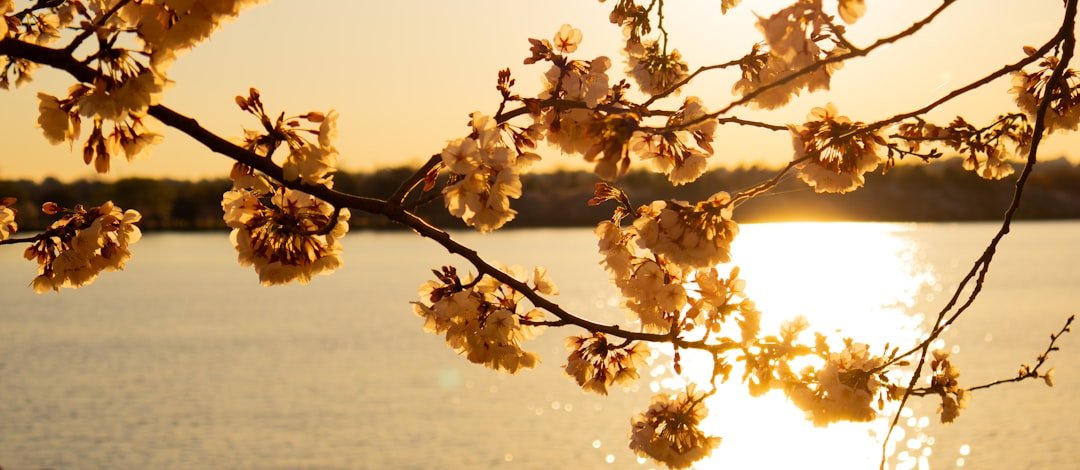
You’ll see thousands of visitors doing the same pose: standing directly in front of a tree, arms outstretched, blossoms framing their face. And that’s fine—get that classic shot if you want it. But the most compelling images happen when you look beyond the obvious. The reflection of blossoms in the Tidal Basin at sunrise creates a mirror effect that doubles the visual impact. The Jefferson Memorial framing through a canopy of blossoms provides scale and context. Blossoms backlit by afternoon sun take on an ethereal, translucent quality that iPhone cameras capture surprisingly well.
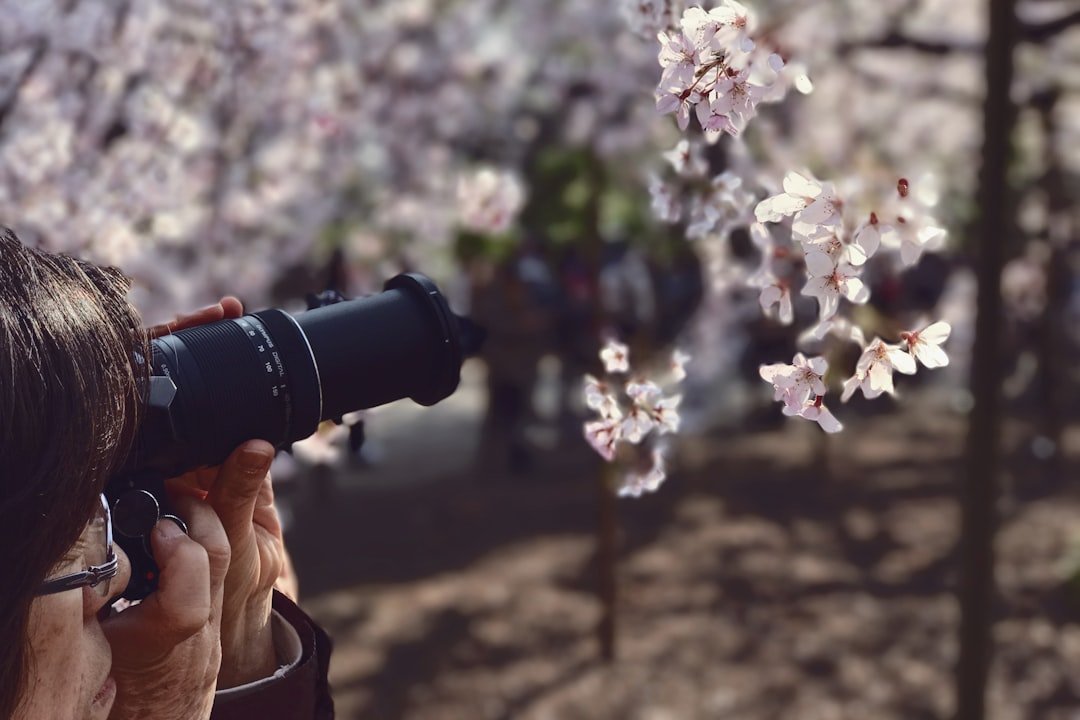
I found my favorite shots by simply walking and watching for moments: a child examining a fallen blossom, a couple’s silhouette against a tree at twilight, ripples in the basin carrying single petals like tiny boats. These unplanned images tell a richer story than the perfectly posed Instagram shots. For equipment, I used a DSLR with a 24-70mm lens, but honestly, modern smartphones produce remarkable results if you understand their limitations. Avoid digital zoom, embrace natural light, and don’t obsess over technical perfection—the blossoms themselves provide enough beauty that nearly any composition will work if you’re mindful of framing.
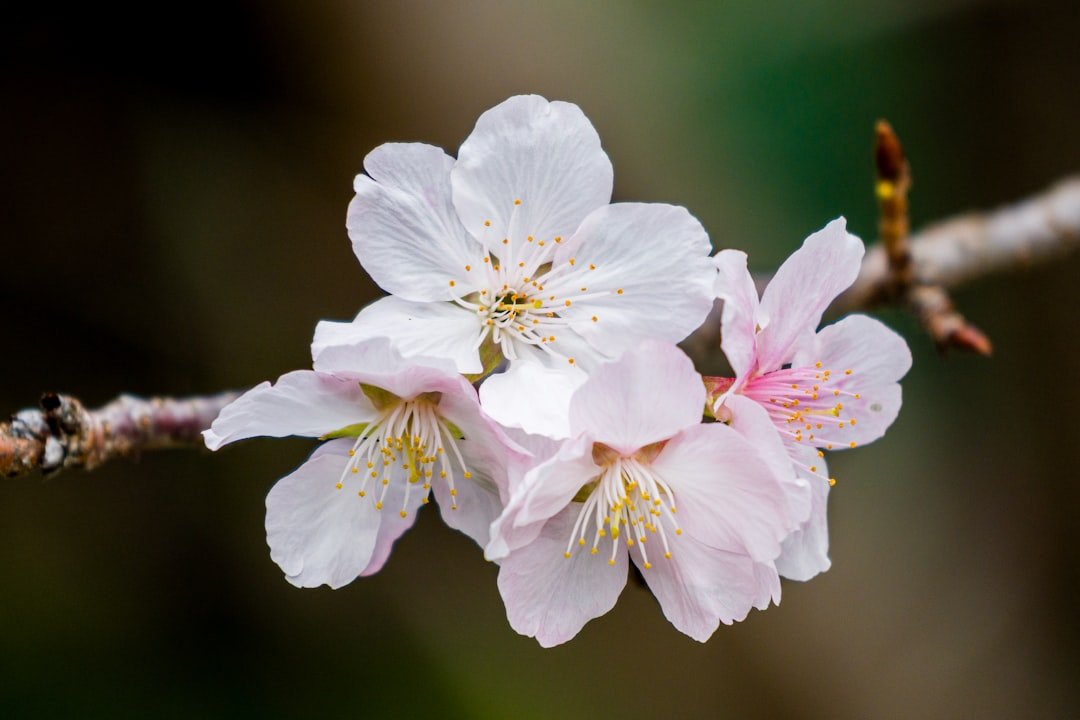
The golden and blue hours—sunrise and sunset—offer dramatically different moods. Morning light is soft and diffuse, ideal for those dreamy pastel compositions. Evening creates dramatic contrast between the darkening sky and luminous blossoms. I photographed the same tree at both times and got two completely different emotional responses. If you’re serious about photography, invest in a lightweight travel tripod for low-light situations, but don’t let equipment become a burden. Some of my favorite images were shot handheld while walking, embracing the slight motion blur that conveys the ethereal, fleeting nature of the blossoms.
Practical Festival Survival: What Nobody Tells You
The weather during festival week is notoriously fickle. I experienced 70-degree sunshine one day and 45-degree drizzle the next. Layering isn’t optional—it’s survival. A waterproof, packable shell saved me multiple times when spring storms rolled in unexpectedly. Comfortable walking shoes are non-negotiable. You’ll easily cover 5-10 miles daily exploring different blossom locations, and your feet will punish you for poor footwear choices. I logged 35 miles in three days and was grateful for my broken-in hiking boots.
Food and water availability is surprisingly limited around the Tidal Basin. There are a few food trucks, but lines stretch forever during peak times. Pack snacks and a refillable water bottle—there are water fountains near the Jefferson Memorial and MLK Memorial, but not in between. I packed protein bars, fruit, and sandwiches, which saved me both time and money. For coffee, the Wharf District (south of the basin) has excellent cafes, and the walk there provides a nice break from the crowds.
Restrooms are the festival’s biggest logistical challenge. There are portable facilities near the Jefferson Memorial and FDR Memorial, but lines during peak times can exceed 30 minutes. My strategy: use facilities at museums on the National Mall (the Hirshhorn and Sculpture Garden are convenient) or restaurants in the Wharf District before heading to the basin. It sounds basic, but planning bathroom breaks can genuinely improve your experience. Trust me on this one.
For families with children, the festival presents specific challenges. Strollers become navigational hazards on crowded pathways, and little legs tire quickly. I recommend bringing a lightweight baby carrier for travel instead of a stroller if possible, and building in playground stops—there’s a great one near the carousel on the National Mall. Pack entertainment for waiting in lines, and accept that you’ll see less but experience more deeply by slowing to your children’s pace. The wonder on their faces discovering falling petals makes the logistical challenges worthwhile.
Where to Stay: Strategic Accommodation Choices
Your hotel location dramatically impacts your festival experience. Stay on the National Mall if budget permits—properties like the Willard InterContinental offer historic luxury and walking access to everything. However, be prepared to pay premium rates during festival weeks. For a balance of convenience and value, I recommend the Penn Quarter or Mt. Vernon Square neighborhoods. These areas are Metro-adjacent, walkable to the mall, and offer luggage with pockets for organizing festival gear.
Crystal City and Arlington in Virginia provide excellent Metro access and typically lower rates than D.C. proper. The Yellow and Blue lines whisk you to the festival in under 20 minutes, and you’ll find more dining options for evening meals when you’re blossom-exhausted. I stayed in Crystal City and loved having a residential neighborhood to return to each night—the contrast between festival chaos and quiet streets made for better sleep.
For budget travelers, consider Georgetown or Capitol Hill guesthouses. These aren’t the cheapest options, but they offer character and local flavor that chain hotels lack. Capitol Hill, in particular, provides easy access to those lesser-known cherry blossom streets I mentioned earlier. Wherever you stay, book early—festival weeks sell out months in advance, and last-minute options are either unavailable or outrageously priced. I met multiple visitors who’d commuted from Baltimore due to lack of D.C. availability, and that’s not an adventure I’d wish on anyone.
Beyond Blossoms: Making a Complete Trip Out of Your D.C. Visit
The cherry blossoms are spectacular, but Washington D.C. offers enough attractions to fill a week easily. The Smithsonian museums are free and world-class—use them as your rainy day backup plan. The National Museum of African American History and Culture requires timed entry tickets, so book those months in advance. For a different spring experience, consider combining your blossom visit with the Antelope Valley California Poppy Reserve if you’re doing a cross-country spring flower tour.
Georgetown’s historic streets offer completely different scenery after a day of blossom viewing. The C&O Canal towpath provides peaceful walks away from crowds, and the neighborhood’s dining scene is excellent for celebration meals after long festival days. For solo travelers, D.C. is exceptionally safe and walkable, making it ideal for spontaneous weekend trips. I felt comfortable exploring alone at dawn and twilight, which gave me some of my most peaceful blossom moments.
If you’re extending beyond the district, Mount Vernon (George Washington’s estate) makes an excellent day trip. The grounds feature their own cherry tree history and provide a fascinating complement to the Tidal Basin experience. Alexandria, Virginia’s Old Town offers colonial architecture and waterfront dining that feel worlds away from festival crowds. These excursions give your trip depth and prevent blossom fatigue from setting in.
For active travelers, the Capital Crescent Trail provides car-free biking between Georgetown and Bethesda, passing through Rock Creek’s own cherry tree groves. Rent bikes in Georgetown and spend a half-day exploring—combining physical activity with blossom viewing creates a more rounded experience. Just bring a compact bike helmet if you’re particular about safety gear, as rental equipment varies in quality.
The Bottom Line: Is the National Cherry Blossom Festival Worth It?
After my week immersed in pink petals and festival crowds, the answer is complicated but ultimately yes. This isn’t a relaxing, passive experience—it requires planning, early mornings, and strategic navigation of crowds. But those moments standing beneath clouds of blossoms, watching petals drift onto the Tidal Basin’s glass surface, create memories that feel almost otherworldly. The combination of natural beauty, historical significance, and cultural celebration creates something genuinely unique in the American travel landscape.
The key is managing expectations and planning strategically. If you want a solitary, contemplative experience, time your visits for dawn and explore beyond the Tidal Basin. If you’re traveling with family, accept that you’ll see less and move slower, building in breaks and alternative activities. If you’re a photographer, commit to multiple location visits and embrace changing light conditions. The rewards match your preparation level, and that’s true of nearly all great travel experiences.
For me, the cherry blossoms represent something deeper than pretty flowers—they’re a reminder of nature’s fleeting beauty and the ways cultures find common ground through shared appreciation of that beauty. Standing beside visitors from dozens of countries, all watching the same blossoms with similar wonder, reminded me why travel matters in an increasingly divided world. That moment of collective awe is worth every early morning and crowded pathway.
1 thought on “Washington D.C. Cherry Blossom Festival: The Complete 2026 Guide for Peak Bloom”