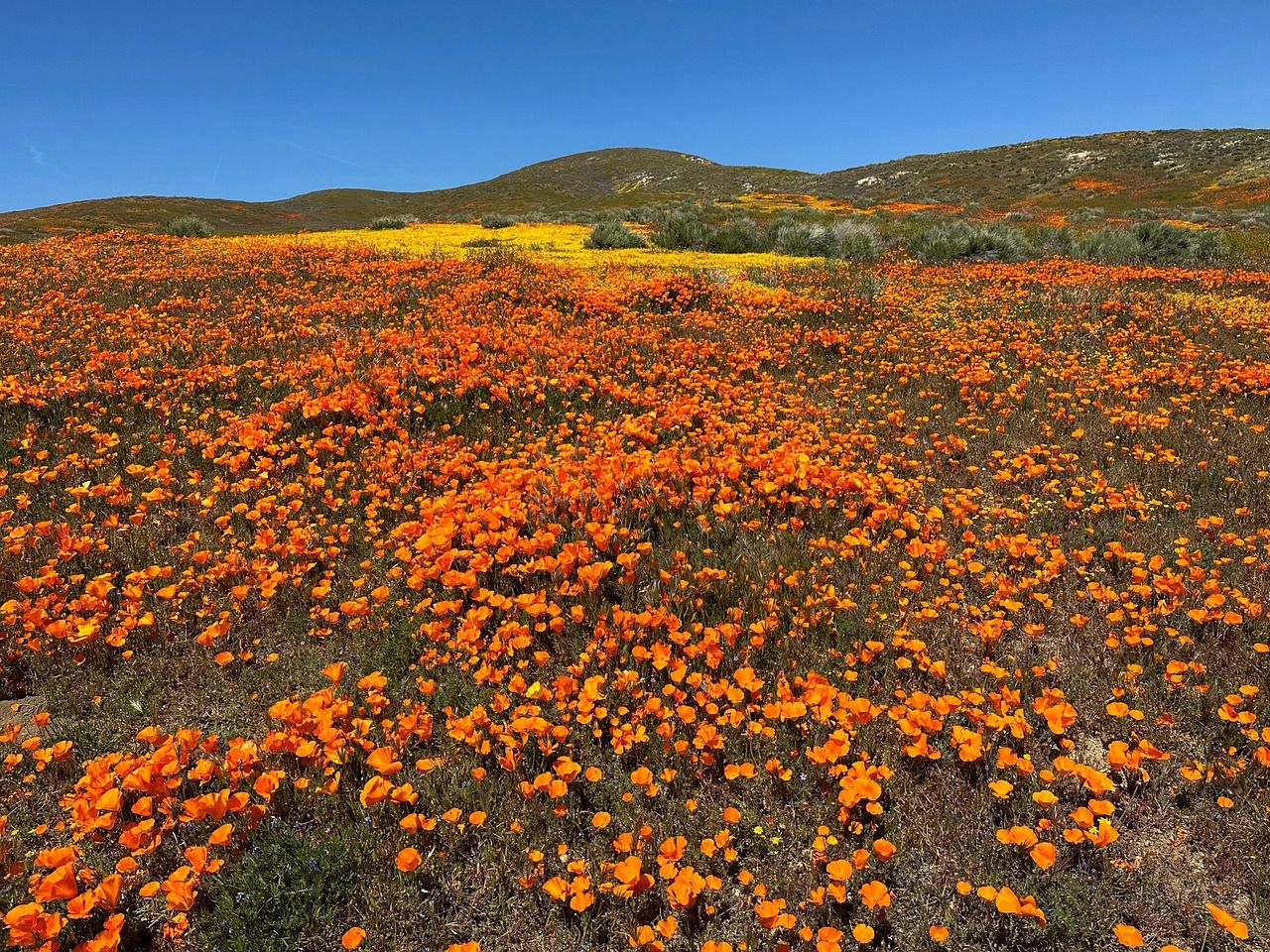
Standing on a windswept hill in Lancaster, California, watching endless fields of California poppies unfurl their orange petals toward the morning sun, I understood why this place draws photographers and nature lovers from across the country. The Antelope Valley California Poppy Reserve isn’t just another wildflower viewing spot—it’s a carefully protected 1,800-acre state natural reserve where the official state flower creates one of North America’s most spectacular natural displays. After three separate visits spanning different bloom intensities, I’ve learned that timing, preparation, and knowing the hidden gems transform this from a casual day trip into an unforgettable experience.
What makes this reserve special isn’t just the sheer number of poppies—it’s the accessibility. Unlike Death Valley’s remote superbloom locations or Carrizo Plain’s backcountry isolation, Antelope Valley sits just 75 miles north of Los Angeles, making it the most convenient place to experience California’s wildflower magic. The reserve’s eight miles of trails wind through gently rolling hills that, during peak bloom, transform into a living mosaic of orange, gold, and purple as poppies mingle with fiddleneck, lupine, and tidy tips. But here’s what most first-time visitors don’t realize: the poppy display changes daily, sometimes hourly, depending on sunlight and temperature. Visit on a cold, overcast morning and you’ll see mostly closed buds. Return the next afternoon at 2 PM under full sun, and those same hills will be ablaze with open flowers.
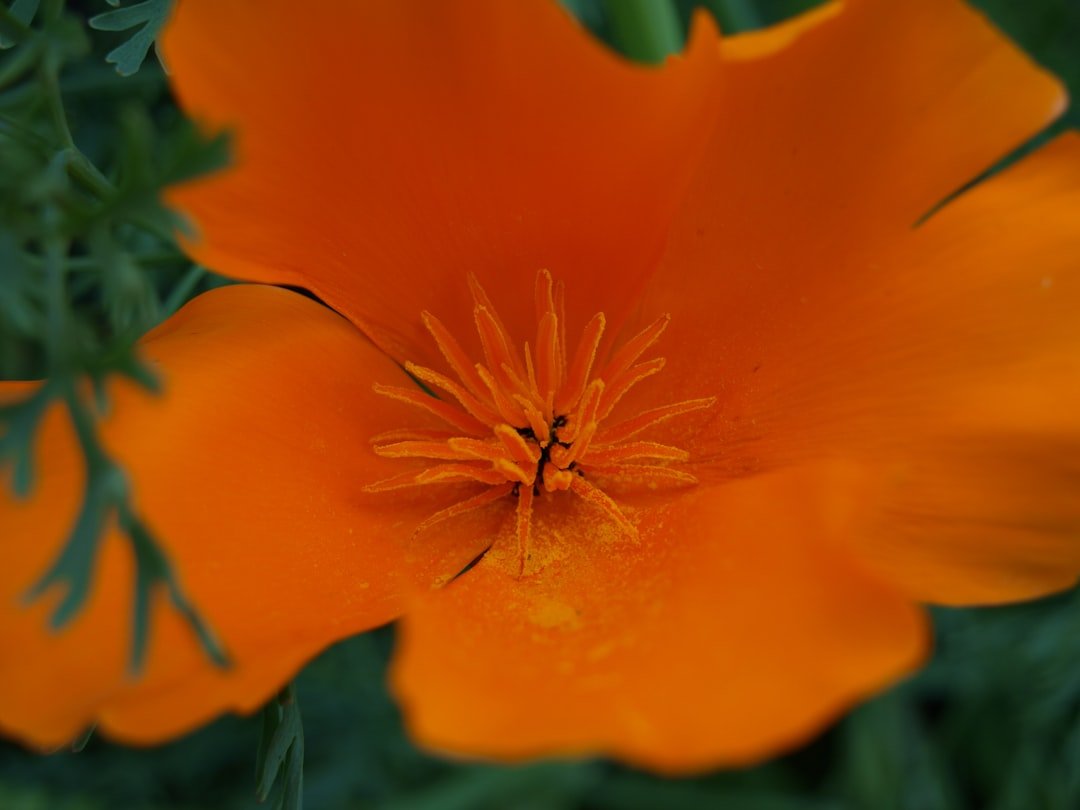
The science behind this spectacular display fascinates me every time I visit. California poppies (Eschscholzia californica) are phototropic—they open their petals in response to sunlight and close tightly at night or during cold, cloudy weather. This isn’t just aesthetic; it’s protection. The flower’s delicate reproductive organs need warmth to function, so closing conserves heat during chilly desert nights. For photographers, this means understanding the poppy’s daily rhythm is crucial. Mid-morning (9-11 AM) provides that golden light where poppies are partially open, creating those iconic half-bloomed shots. But if you want fields of fully open orange flowers stretching to the horizon, plan your visit for peak sunlight hours between noon and 4 PM. Bring a lightweight travel tripod for those windless shots—Antelope Valley is notorious for afternoon gusts that can blur even the steadiest handheld photos.
Timing Your Visit: The March Sweet Spot
After years of monitoring bloom patterns, I’ve learned that mid-March through mid-April represents the optimal window for Antelope Valley visits. The reserve’s wildflower season typically stretches from mid-February through May, but peak bloom—the magical period when poppy coverage reaches 60% or more across the hills—usually occurs during a narrow 2-3 week window in late March. In 2023, the superbloom peaked around March 20th. In 2024, a cooler winter pushed peak bloom to early April. For 2026, meteorologists are predicting another exceptional bloom year thanks to above-average rainfall in November and December 2025, which means we could see peak conditions as early as March 15th.
But here’s the secret most visitors miss: the PoppyCam live feed on the reserve’s website is your best friend. Before making the drive, check the live camera feed to see current bloom conditions in real-time. I’ve made the mistake of driving two hours only to find closed poppies due to unexpected cold fronts. Now, I check both the PoppyCam and the Lancaster weather forecast—sunny days with temperatures above 65°F are your best bet for fully open flowers. Weekday visits offer significantly fewer crowds, especially Tuesday through Thursday, when you might entire sections of the trail system to yourself. If you must visit on weekends, arrive before 8 AM to secure parking—the lot fills by 9:30 AM on peak spring weekends.
Weather considerations matter more than most casual visitors realize. The reserve sits at 2,600-3,000 feet elevation, creating a microclimate that’s often 10-15 degrees cooler than Los Angeles. I’ve visited on 75°F LA days only to find shivering 55°F temperatures at the reserve, with poppies tightly closed against the chill. The solution? Layer up with a lightweight windbreaker and bring sun protection. The high desert UV intensity surprises many visitors—sunscreen and a wide-brim sun hat are non-negotiable, even in March. The reserve offers virtually no shade, and I’ve seen plenty of sunburned visitors retreating to their cars after just an hour of photography.
 The Trail System: Where to Find the Best Displays
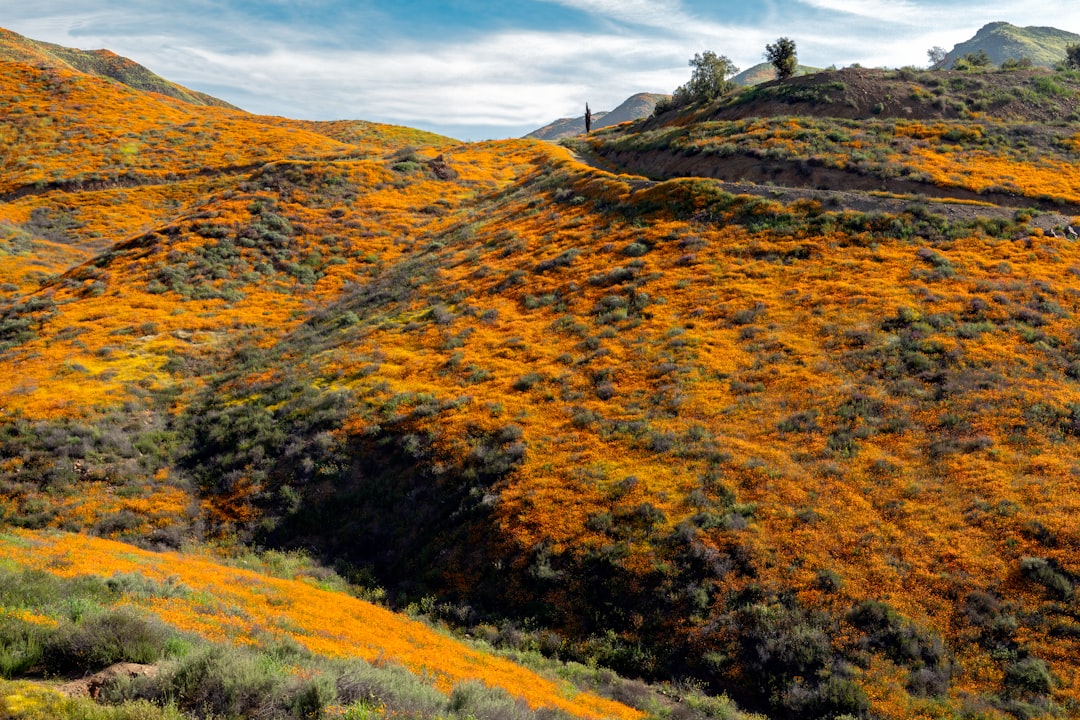
The reserve’s trail network surprises first-time visitors with its variety and accessibility. The main trail loop—a relatively flat 3-mile circuit—delivers consistent poppy coverage and is perfect for families or those wanting an easy photography walk. But for serious photographers seeking that iconic shot of endless orange hills, I recommend the North Loop Trail, which climbs to higher elevations and offers panoramic views across the entire reserve. During peak bloom, the Vista Point trail provides that classic Instagram shot: layers of orange hills fading into distant purple mountains beneath endless blue sky.
My favorite strategy involves combining trails for maximum coverage. Start early on the North Loop for sunrise shots of partially opened poppies catching that golden morning light. As the day warms and flowers fully open (usually by 11 AM), transition to the Valley Loop Trail, where denser poppy concentrations create those carpet-like foregrounds. Save the Vista Point trail for mid-afternoon, when the lower sun angle creates dramatic shadows across the hillsides. This approach requires 4-5 hours total, but the variety of perspectives and lighting conditions makes it worthwhile. Wear sturdy hiking boots—the trails are well-maintained but can be muddy after spring rains, and I’ve seen plenty of sneakers sinking into unexpected puddles.
Photography enthusiasts should know that the best shots aren’t necessarily from the designated overlooks. While Vista Point delivers those sweeping landscape compositions, some of my most intimate poppy portraits came from smaller side trails where fewer visitors venture. The Antelope Loop Trail, particularly the section running parallel to Avenue I, offers cleaner backgrounds without distant parking lots or roads marring your compositions. Bring a telephoto lens (70-200mm or equivalent) to compress those orange fields against distant mountains. And don’t forget a polarizing filter—it saturates the orange poppy colors while deepening that impossibly blue California sky.
The reserve’s accessibility surprises many first-time visitors. All trails are ADA-compliant with packed gravel surfaces, and I’ve seen visitors in mobility scooters accessing some of the best poppy viewing areas. The main visitor center offers restrooms, water fountains, and educational exhibits about the Mojave Desert Grassland ecosystem. However, services are minimal—no food service, limited cell service, and no gear rentals. Pack everything you need: plenty of water (at least 2 liters per person), snacks, and all camera equipment. I always carry a portable power bank for phone charging, since my camera battery drains faster in the cold morning temperatures.

Beyond the Reserve: Hidden Wildflower Spots
While the official reserve delivers the most reliable poppy displays, experienced wildflower chasers know that surrounding areas often offer equally impressive shows with fraction of the crowds. The best-kept secret? poppies bloom along Avenue I (the road leading to the reserve) for nearly two miles before you even reach the entrance. During peak superbloom years, I’ve photographed spectacular displays from roadside pullouts, capturing images that look indistinguishable from reserve shots but with zero crowds and golden hour lighting unavailable within the park boundaries. Use caution when pulling over—traffic moves fast, and not all drivers are expecting stopped vehicles.
For those willing to venture farther, the surrounding Antelope Valley region offers several lesser-known wildflower locations. The Arthur B. Ripley Desert Woodland State Park, located just 15 miles west of the poppy reserve, protects a different ecosystem featuring Joshua trees and desert woodland, creating fascinating contrast photos when combined with poppy shots. During exceptional bloom years, I’ve found dense poppy concentrations along Munz Ranch Road and along the base of the Tehachapi Mountains. These areas require more research and sometimes four-wheel drive, but the solitude and unique compositions reward the extra effort. A reliable GPS app with offline maps becomes essential when venturing beyond the reserve—cell service disappears quickly.
Timing plays out differently in these satellite locations. Poppies along Avenue I often peak several days earlier than the main reserve due to slightly warmer microclimate conditions. Conversely, higher elevation areas like the Tehachapi foothills peak later, extending your wildflower viewing window by up to two weeks if you’re strategic about location hopping. I’ve photographed peak poppy displays in the reserve during late March, then returned to find fresh blooms at higher elevations in mid-April. This staggered peak timing means dedicated photographers can enjoy nearly a month of prime conditions if they understand how elevation and aspect influence bloom timing.
The desert wildcard is wind. Antelope Valley earns its name—gale-force winds are common, particularly in afternoon. I’ve had entire photography sessions ruined by 40 mph gusts that make tripod work impossible and keep poppies tightly closed. The solution? Embrace the wind photographically. Use faster shutter speeds to freeze poppy motion (1/500 second or faster), or lean into long exposure techniques that blur the flowers into painterly abstractions. Just be prepared with weather-sealed camera gear—fine dust gets everywhere during windy conditions, and I’ve spent hours cleaning sensor dust after particularly blustery sessions.

Practical Planning: Logistics and Accommodations
Most visitors make Antelope Valley a day trip from Los Angeles, but experiencing the reserve at different times of day reveals dramatically different poppy behaviors. I’ve done dawn-to-dusk photography sessions, watching closed buds at 6 AM transform into fully open carpets by noon, then closing again as temperatures drop in evening. For serious photographers, staying overnight in Lancaster or Palmdale allows sunrise access without the 2+ hour early morning drive from LA. The Hampton Inn & Suites in Lancaster offers decent rates and reliable parking, while budget travelers find acceptable motels along Avenue I. Reserve accommodations well in advance—hotels book solid during peak superbloom years, sometimes months in advance.
Packing strategy makes or break your experience. Beyond camera gear and sun protection, bring layers—temperatures can swing 30 degrees between morning and afternoon. I’ve experienced 40°F mornings requiring a warm fleece jacket, followed by 75°F afternoons perfect for t-shirts. The reserve has no shade, so a portable camping chair provides welcome relief during long photography sessions. Don’t forget basic first aid supplies—the gravel trails occasionally twist ankles, and I’ve treated my share of minor scrapes from aggressive poppy photography. The visitor center sells bottled water, but prices are premium, so pack plenty.
The biggest mistake I see first-time visitors make? Underestimating the physical demands. Eight miles of trails might not sound like much, but combined with camera gear weight, elevation gain, and temperature swings, it’s surprisingly tiring. Pace yourself, particularly if you’re not acclimated to high desert conditions. I allocate 5-6 hours for a comprehensive visit, which allows time for multiple trail sections, photography breaks, and return trips to the car for gear swaps. There’s no shame in splitting your visit across multiple days—many locals buy annual passes specifically to visit several times per season, capturing different bloom stages and lighting conditions.
Respect the ecosystem. While it’s tempting to venture off-trail for that perfect poppy close-up, stay on designated paths. The Mojave Desert Grassland soil is fragile, and foot traffic damages the very wildflowers you’re there to admire. I’ve watched visitors trample pristine poppy patches for selfies, creating bare spots that take years to recover. Use your zoom lens instead of your feet. The same goes for picking poppies—not only is it illegal, but each picked flower represents thousands of seeds that won’t replenish next year’s display. The reserve’s “take only photos, leave only footprints” policy isn’t just catchy signage—it’s essential for preserving this resource for future visitors.
The Superbloom Phenomenon: What Makes 2026 Special
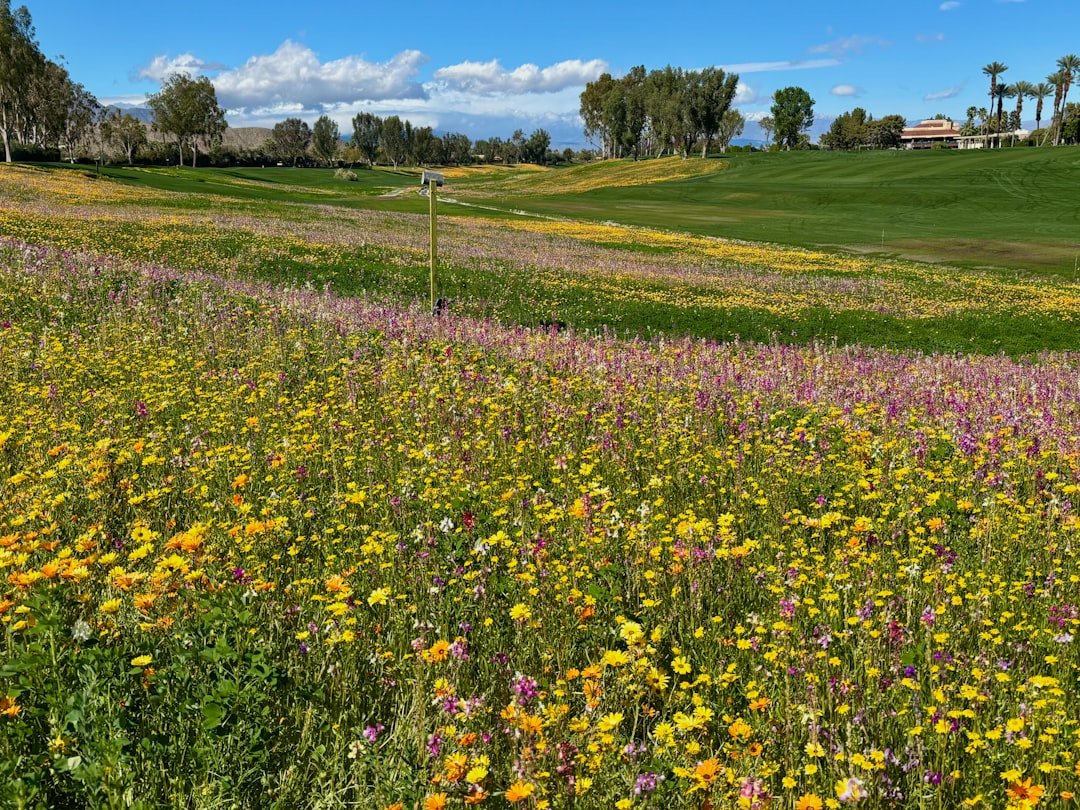
Not every spring delivers a superbloom—that rare convergence of conditions when dormant wildflower seeds burst forth in spectacular synchronized masses. The science requires what botanists call the “perfect trifecta”: steady rainfall beginning in November, sufficiently cold soil temperatures to trigger germination, and warm spring days without extreme heat waves. When these factors align, dormant seeds that may have lain dormant for decades create carpets of color so dense they’re visible from space. The 2016 superbloom drew over 20,000 visitors to areas that typically see fewer than 1,000 annually, while 2023’s display generated international media coverage.
Early indicators suggest 2026 could deliver another exceptional superbloom. Winter 2025-2026 brought above-average rainfall across Southern California, with November and December recording 150% of normal precipitation. This rainfall pattern mirrors conditions that preceded the 2016 and 2023 superblooms. The reserve’s official bloom updates, posted weekly on their website, show promising germination rates as of late February 2026. However, wildflower displays remain notoriously fickle—a single March heatwave can trigger rapid blooming and equally rapid fading, while extended cool conditions can prolong displays by weeks.
What makes superbloom years different from average seasons? It’s about density and diversity. During average years, you’ll find scattered poppy patches interspersed with brown hillsides. During superblooms, those same hillsides become nearly solid orange, with other wildflowers like goldfields, tidy tips, and lupine creating natural bouquets of color. The experience feels almost overwhelming in scale—standing on Vista Point during peak superbloom, surrounded by 360 degrees of solid color stretching to the horizon, creates a humbling perspective on nature’s abundance. These conditions don’t happen annually—superblooms occur perhaps once or twice per decade, making each one a must-see event.
Photographically, superblooms present both opportunities and challenges. The obvious benefit is density—more flowers per frame means stronger compositions without hunting for isolated poppies. But this density also makes standout shots more difficult. When every hillside looks spectacular, the challenge becomes finding unique perspectives rather than just documenting abundance. I’ve found that focusing on micro-details during superblooms—single poppies backlit by setting sun, pollinators working the flowers, abstract patterns of color—often yields more memorable images than yet another wide landscape of endless orange. Consider macro photography equipment if you have it—the intricate details of individual poppies reward close inspection.
Beyond the Flowers: Wildlife and Ecosystem
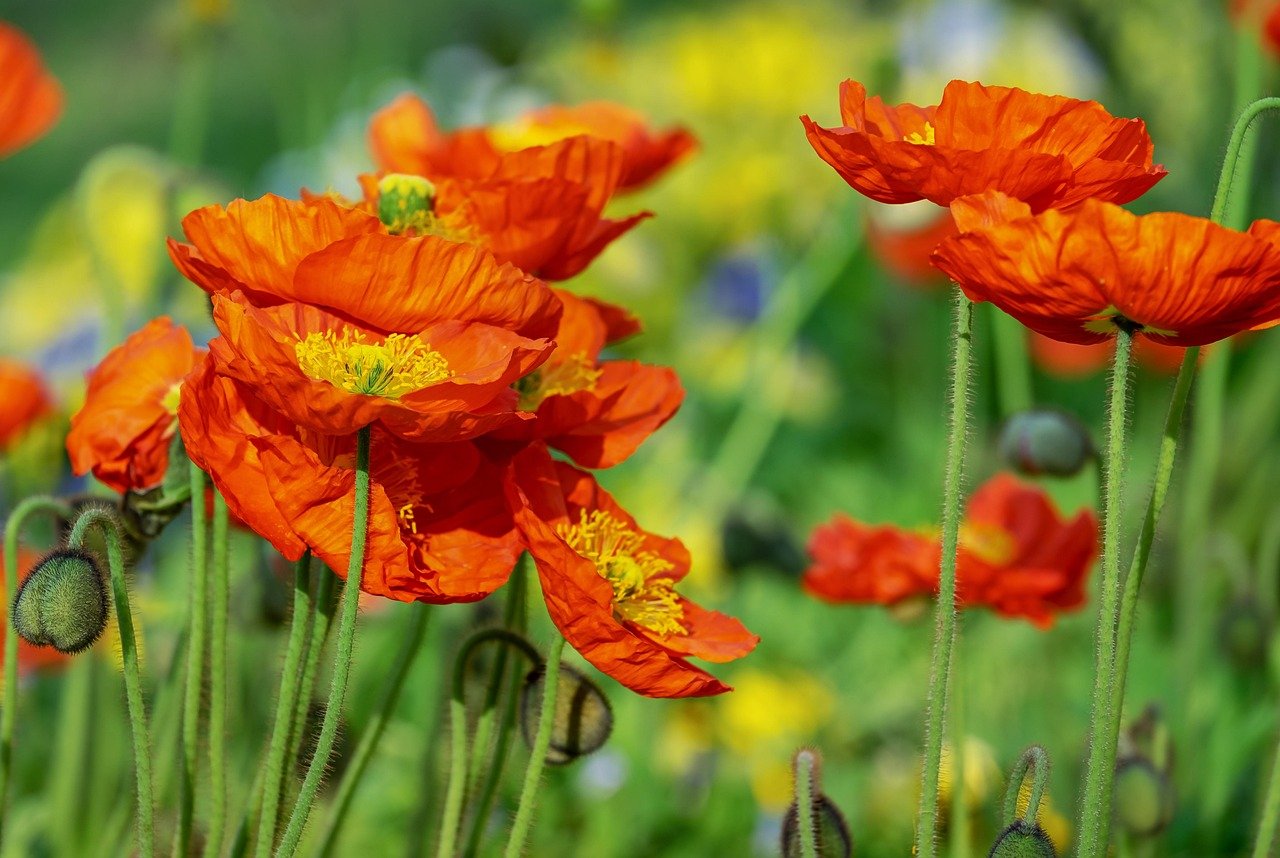
The poppy reserve protects more than just wildflowers—it’s a refuge for the Mojave Desert Grassland ecosystem, one of California’s most endangered habitats. While visitors focus on orange flowers, the reserve supports remarkable biodiversity if you know where to look. I’ve photographed desert kit foxes at dawn, watched red-tailed hawks hunting over the hills, and found dozens of butterfly species working the poppy patches. The reserve’s location along the Pacific Flyway makes it excellent for spring birdwatching, particularly for raptors and songbirds stopping during migration.
For wildlife photographers, early morning delivers the best opportunities. The reserve opens at sunrise, and that first hour of golden light often reveals mammals and birds before human activity pushes them into cover. I’ve had particularly good luck with coyotes and jackrabbits along the less-traveled northern trails. Bring a compact pair of binoculars for spotting opportunities before committing to long lens setups. The visitor center sells a basic wildlife checklist, but serious naturalists should download the iNaturalist app to document sightings and contribute to citizen science databases.
The geology fascinates me as much as the biology. Those gentle rolling hills aren’t random—they’re ancient alluvial fans deposited by streams flowing from the Tehachapi Mountains over millions of years. This geologic history created the perfect soil conditions for poppies: well-drained sandy loam that retains just enough moisture for wildflowers but not so much that grasses outcompete them. The result is a carefully balanced ecosystem where poppies dominate because they’ve evolved exactly these conditions. During my visits, I’ve noticed how poppy density changes with soil type—areas with finer sand support denser carpets, while rocky outcrops create natural framing elements in landscape compositions.
Understanding this ecosystem explains the reserve’s strict rules. No dogs (they disrupt ground-nesting birds). No drones (they stress wildlife). No off-trail travel (fragile soil crusts take decades to recover). These aren’t bureaucratic annoyances—they’re essential protections for an already-threatened ecosystem. The Mojave Desert Grassland has lost over 80% of its historic range to development, making reserves like Antelope Valley critical refuges. When you visit, you’re not just seeing flowers—you’re witnessing one of California’s last intact grassland ecosystems.
Extending Your Trip: Combining with Other Spring Destinations
Antelope Valley sits perfectly positioned for combination trips with other Southern California spring destinations. The Joshua Tree National Park region, just two hours east, offers a completely different desert ecosystem where spring brings blooming cacti and Joshua trees. I’ve done trips combining both—morning poppy photography in Antelope Valley, afternoon drive to Joshua Tree for sunset among the iconic twisted trees. It’s a long day but delivers two completely different desert experiences in a single trip. A well-stocked snack supply becomes essential for these marathon photography days.
For coastal contrast, Santa Barbara and the Channel Islands make excellent 2-3 day add-ons. While Antelope Valley delivers desert wildflowers, the coast offers completely different spring experiences: gray whale migration, blooming coastal bluffs, and wildflowers in the Santa Ynez Mountains. I’ve crafted itineraries starting in Los Angeles, hitting Antelope Valley for poppies, then driving west to Santa Barbara for coastal wildflowers and Channel Islands boat trips. The diversity within a relatively small geographic area never ceases to amaze me—desert to ocean in less than three hours.
Budget considerations matter. The reserve charges $10 per vehicle for parking, a reasonable fee that directly supports conservation efforts. However, costs add up: gas for the drive, meals, accommodations if staying overnight, and photography gear expenses if you’re investing in new equipment. For travelers watching expenses, consider combining Antelope Valley with free activities in Los Angeles—museums with free admission days, hiking in Griffith Park, beach walks in Santa Monica. The reserve’s proximity to LA means you can experience world-class wildflower displays and urban culture in a single trip without breaking the bank.
For international visitors, Antelope Valley fits perfectly into a California spring itinerary. I’ve recommended the reserve to European clients doing the classic San Francisco to Los Angeles drive, timing their LA arrival for late March to catch peak bloom. The reserve adds a uniquely California experience that complements more traditional attractions like Hollywood, Disneyland, and Santa Monica. Just remember that March weather is unpredictable—I’ve experienced perfect sunshine and sudden downpours within the same week. Pack compact rain gear just in case, and check weather forecasts religiously in the days leading up to your visit.
The Bottom Line: Is It Worth the Trip?
After multiple visits across varying bloom conditions, I can confidently say that Antelope Valley California Poppy Reserve delivers even during average years. But during superbloom years, it becomes one of North America’s most spectacular natural displays, absolutely worth traveling for. The combination of accessibility, reliable displays, and well-maintained facilities makes it superior to more remote wildflower locations. Yes, you’ll share the trails with crowds during peak weekends. Yes, you’ll deal with wind and temperature swings. But standing on a hillside surrounded by endless orange poppies stretching to the horizon, watching the setting sun transform each flower into a glowing ember against darkening hills—that’s a moment of natural beauty that photographs can never fully capture.
The real question isn’t whether to visit, but how to prepare. Check the PoppyCam before you go. Arrive early for parking and golden hour light. Bring layers, sun protection, and plenty of water. Stay on trails and respect the fragile ecosystem. And most importantly, be patient with the poppies themselves—they operate on nature’s schedule, not yours. Some visits deliver瞬间 magic; others require waiting for clouds to clear or flowers to open. But when conditions align and those orange carpets stretch before you under endless blue sky, you’ll understand why this place has captivated visitors for generations.
Plan your March 2026 visit now. Monitor bloom reports starting in late February. Book accommodations early if staying overnight. And prepare yourself for one of California’s most spectacular natural shows. The poppies don’t wait—and neither should you.
1 thought on “Antelope Valley California Poppy Reserve: The Complete March 2026 Guide”