Why Florida Deserves More Than Just Theme Parks
Let me be straight with you: I used to think Florida was all about mouse ears and overcrowded beaches. Then I spent two weeks road-tripping the state, driving over 1,500 miles from the Panhandle to the Keys, and I realized I couldn’t have been more wrong. Florida’s got this incredible diversity—crystal-clear springs, ancient oak canopies, Gulf Coast sunsets that’ll stop you dead in your tracks, and coastal roads that rival California’s Highway 1. The trick is knowing WHERE to go and HOW to route it so you’re not stuck in tourist trap traffic.
Here’s what blows my mind: most visitors hit Orlando and Miami and call it good, missing entire swaths of the state that offer authentic experiences without the theme park price tags. I’m talking about Old Florida towns where time stands still, natural springs so clear you can see fish from 50 feet away, and coastal drives where the only traffic is pelicans crossing the road. After years of exploring America’s scenic byways, I can confidently say Florida’s scenic drives are some of the most underrated in the country.
I’ve crisscrossed the Sunshine State multiple times, testing different routes and timing, and I’m going to share exactly how to craft the perfect Florida road trip itinerary. These aren’t generic recommendations from a tourism board—these are routes I’ve personally driven, stops I’ve made, and experiences that have transformed how I think about Florida travel. Grab your road trip essentials, and let’s dive into the art of Florida exploration.
The Gulf Coast Loop: Sunsets, Springs, and Old Florida Charm
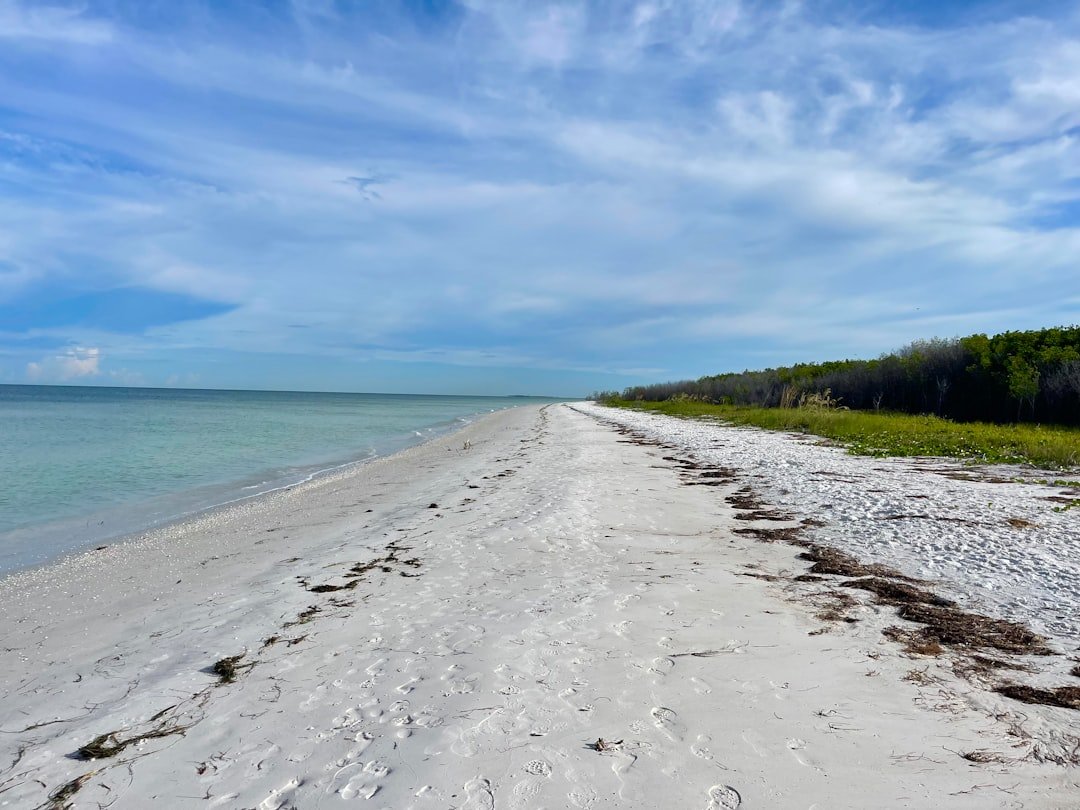
This is the route I recommend for first-time Florida road trippers. Start in Tampa or St. Petersburg, then head north along the Gulf Coast, eventually looping back through the interior. You’re looking at 5-7 days minimum, but honestly? I’ve spent 10 days on this loop and still felt like I was rushing. The Gulf Coast has this laid-back vibe that’ll make you want to linger.
The star of this route is Highway 30A, a 24-mile stretch that’s become legendary among Florida road trip enthusiasts. But here’s the thing—don’t just blast through it. I made that mistake on my first trip, treating it like a checklist. On my second trip, I spent three days just on 30A, hopping between beach towns like Seaside, Rosemary Beach, and Alys Beach. Each one’s got its own personality, and the beach cruiser culture here is next level. Park the car and bike between towns—it’s how the locals do it.
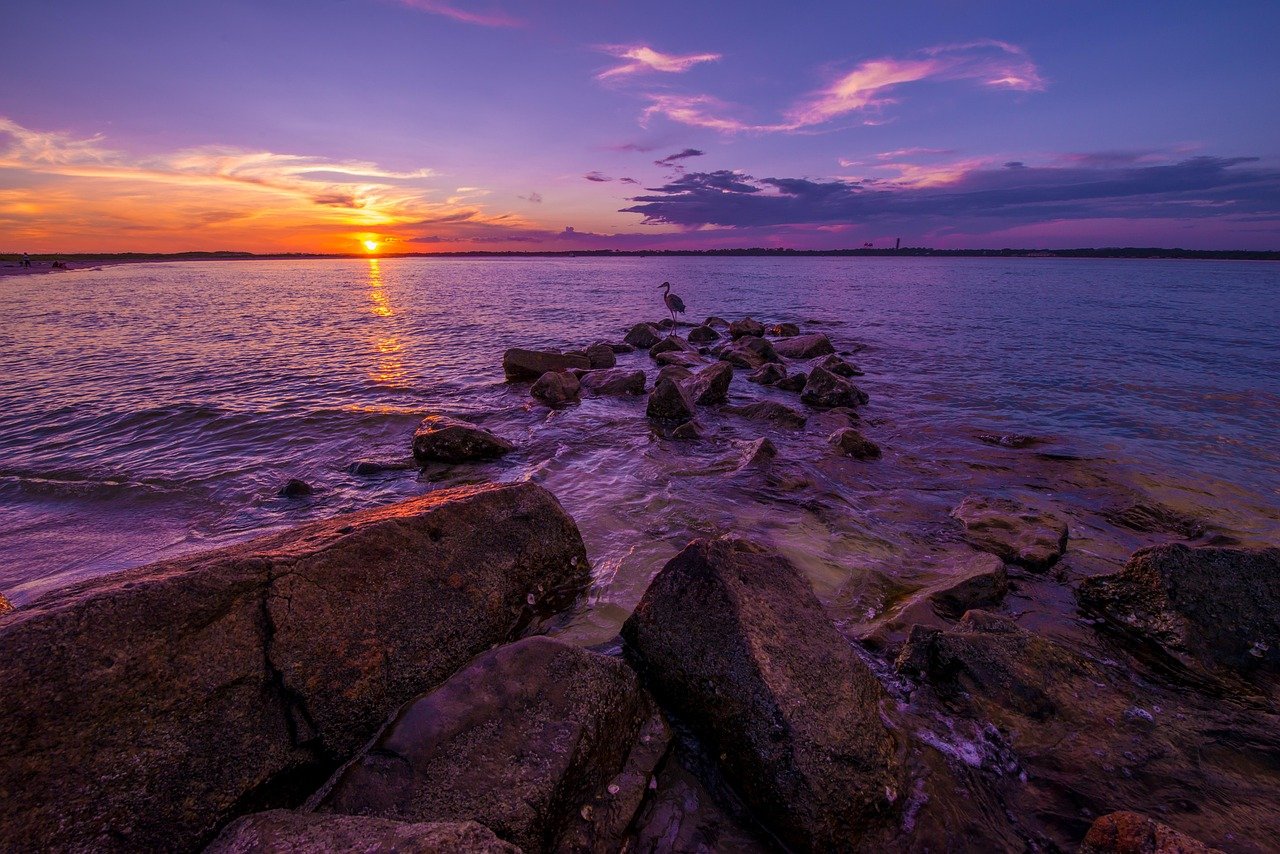
From 30A, head west toward Panama City Beach, then north up to Apalachicola. This is where Old Florida really shines. Apalachicola feels frozen in time, with oyster boats in the harbor and historic buildings downtown. I spent an entire afternoon just wandering the waterfront, watching shrimp boats come and go. The oysters here are legendary—like, seriously, some of the best I’ve ever tasted. Factor in a fresh seafood dinner at one of the local joints.
From Apalachicola, cut inland toward Tallahassee, then head south toward the natural springs region. This is where Florida’s hidden magic happens. Places like Wakulla Springs and Ichetucknee Springs offer crystal-clear water that stays 72 degrees year-round. I brought a snorkel set and spent hours drifting down natural lazy rivers, spotting turtles and fish. These springs aren’t just swimming holes—they’re entire ecosystems that feel like stepping into a different world.
The A1A Scenic Coastal Byway: Atlantic Ocean Mastery
Okay, so the Gulf Coast is incredible, but the Atlantic Coast? That’s a whole different vibe. The A1A Scenic & Historic Coastal Byway runs along Florida’s Atlantic coast, and it’s hands down one of the most scenic drives in America. I’ve done coastal drives from Big Sur to Maine’s Acadia, and A1A holds its own against any of them.
Start in Jacksonville and head south. The stretch through St. Augustine is particularly gorgeous—you’re driving alongside the ocean with Spanish moss-draped oaks on one side and breaking waves on the other. St. Augustine itself is worth at least a day. It’s the oldest continuously inhabited European-established settlement in the continental U.S., and the history here is palpable. I wandered the cobblestone streets for hours, popping into historic sites and snapping photos of architecture that dates back to the 1700s.
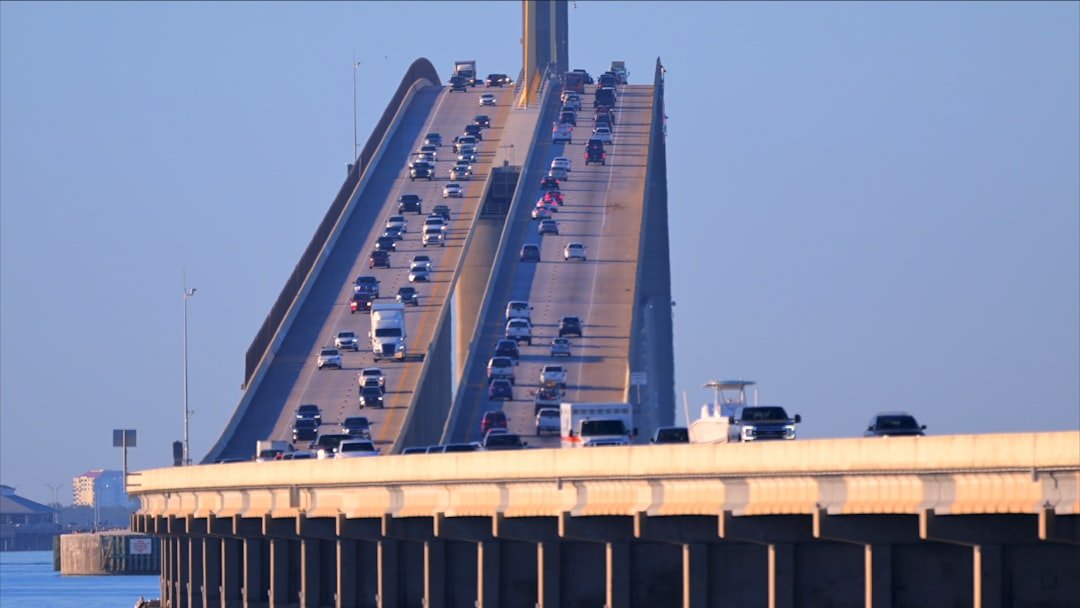
Continue south toward Daytona Beach, but here’s a pro tip: time your drive with low tide if possible. There are sections where you can actually drive on the beach (yes, literally on the sand). I did it at sunset and felt like I was in a car commercial. Just make sure you’ve got a reliable vehicle and check the tide schedules—getting stuck in soft sand is not the memory you want.
The stretch from Daytona to Cocoa Beach is pure Florida surf culture. Stop at the Cocoa Beach Pier for classic beach vibes, then continue south toward the Space Coast. This area’s fascinating because you’ve got this juxtaposition of pristine nature and high-tech space infrastructure. I timed my visit to coincide with a rocket launch from Kennedy Space Center, and honestly? Watching a rocket arc over the ocean while standing on a beach is one of the most surreal experiences I’ve had traveling. Even without a launch, the visitor complex is worth the half-day commitment.
The Overseas Highway to Key West: America’s Caribbean Adventure
If you only do one Florida road trip, make it this one. The Overseas Highway (US Route 1) from Miami to Key West is 113 miles of pure magic, much of it over water. You’re essentially island-hopping via bridges, with the Atlantic on one side and the Gulf on the other. I’ve driven this three times now, and it never gets old.
Here’s my advice: don’t rush it. I’ve seen people blast down to Key West in 4 hours, and they’re missing the point. The Keys are about the journey, not just the destination. I recommend taking 2-3 days minimum. Stop at Key Largo for snorkeling—I brought my underwater camera and got shots of coral reefs that looked like something from a nature documentary. Islamorada’s got this laid-back fishing village vibe that’s perfect for a leisurely lunch.
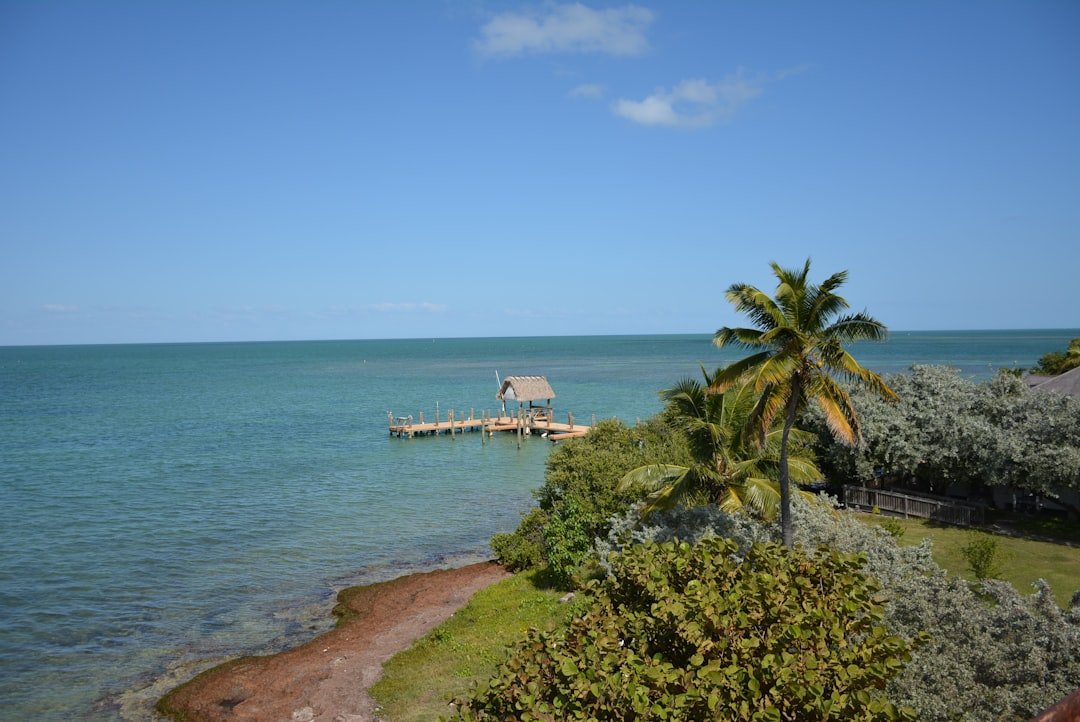
The Seven Mile Bridge is the showstopper. There’s an old bridge parallel to the new one, and it’s this surreal industrial landscape against endless water. I pulled over at the parking area and just walked part of the old bridge. The sunsets here? Next level. I planned my drive to hit Marathon around golden hour, and the way the light hits the water is something I’ll never forget.
Key West itself is worth at least a couple of days. Yeah, it’s touristy, but lean into it. Duval Street’s chaos is part of the experience. I spent one evening bar-hopping, another just exploring the historic neighborhoods. The sunset celebration at Mallory Square is cheesy but absolutely essential—street performers, crafts, and that moment when the sun drops below the horizon and everyone cheers. Don’t skip it.
For camping, check out the best campsites in Florida Keys for budget-friendly options that put you right in the heart of the action without breaking the bank.
Central Florida’s Hidden Springs Loop: Nature’s Wonderland
Most people think central Florida means theme parks, and yeah, Orlando’s got that in spades. But about an hour north of the tourist corridors? There’s this incredible network of natural springs that’ll blow your mind. This is where I go when I need to detox from civilization.
The loop I’ve perfected starts in Ocala, hits at least three major springs, and loops back through some gorgeous horse country. Ocala National Forest is massive—like, bigger than Rhode Island—and it’s got this pristine quality that feels removed from modern Florida. I’ve spent weeks exploring just this area and still feel like I’ve barely scratched the surface.
Silver Glen Springs is my go-to first stop. The water’s so clear you can see submerged formations from the surface. I brought a kayak and paddled into the spring run, spotting manatees in the wild. That’s the thing about these springs—wildlife viewing is next level. In addition to manatees, I’ve seen alligators, otters, and more bird species than I can count.
Salt Springs Run is another highlight. It’s less developed than Silver Glen, which means fewer crowds but more effort to access. I parked at the boat ramp and paddled upstream, eventually reaching the spring head. The entire trip took about three hours round-trip, and I saw maybe three other people the whole time. That’s the kind of solitude that’s increasingly rare in Florida.
Factor in a stop at Juniper Springs if you’ve got time. It’s got this historic mill house that’s been around since the 1930s, and the surrounding vegetation is prehistoric-looking. I hiked some of the trails here and felt like I was wandering through a set from Jurassic Park. Just be prepared—Florida hiking is different from mountain hiking. It’s flatter, but the humidity and insects can be intense. Pack insect repellent and plenty of water.
The Panhandle Parkway: Southern Charm Meets Gulf Beauty
Florida’s Panhandle is geographically and culturally closer to Alabama and Georgia than to Miami. The vibe’s different—slower, more Southern, with this incredible stretch of coastline that’s sometimes called the Emerald Coast. The water here really is emerald-colored, and the sugar-white sand beaches are some of the best in the country.
I usually start this route in Pensacola and work east toward Panama City. Pensacola’s got this cool naval aviation history, and the National Naval Aviation Museum is legitimately world-class, even if you’re not into military stuff. The aircraft collection is insane, and admission is free. I spent a full morning here and could’ve stayed longer.
From Pensacola, head east toward Destin. The drive along Highway 98 is gorgeous—ocean views the entire way. Destin itself has become pretty developed, but there’s a reason people flock here. The fishing’s legendary, and the beaches are postcard-perfect. I chartered a fishing rod for a half-day and caught more snapper than I knew what to do with. Even if you’re not into fishing, just walking the harbor and watching the boats come in is entertainment enough.
The stretch from Destin to Panama City Beach includes some of the highest dunes in Florida. Stop at Grayton Beach State Park—the coastal dune lakes here are incredibly rare, found only in a few places worldwide. I hiked the trails and spotted deer, armadillos, and all sorts of birdlife. The beach here is pristine and way less crowded than some of the public access points.
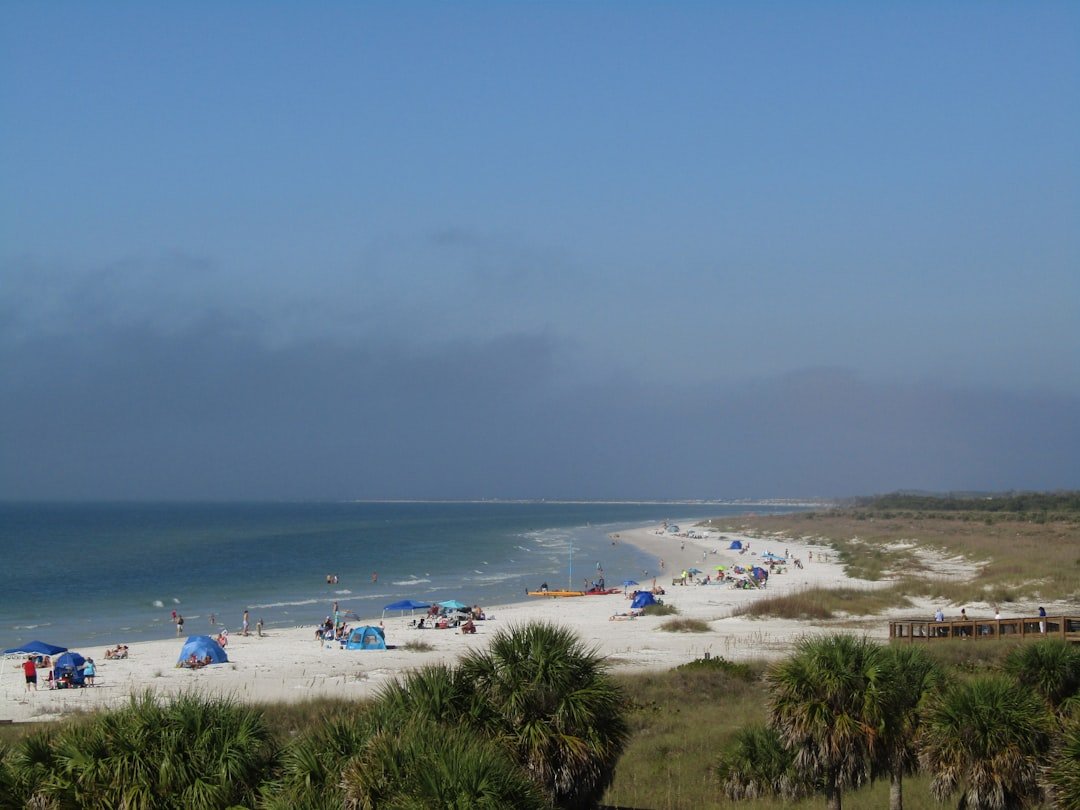
Panama City Beach itself has undergone a renaissance post-Hurricane Michael. The pier is rebuilt, the beach is back to its gorgeous self, and there’s this energy of rebirth. I spent my final evening watching the sunset from the pier, surrounded by locals who clearly love their community. It was a reminder that Florida’s not just about pretty landscapes—it’s about the people who call this place home.
Timing Your Florida Road Trip: Season Strategy Matters
Here’s where most people mess up Florida road trips: they come in July or August and then complain about the heat and hurricanes. Don’t get me wrong—summer can be great if you’re prepared, but timing your trip strategically makes a massive difference in both comfort and cost.
The shoulder seasons (April-May and September-October) are sweet spots. You’ll get better weather, thinner crowds, and lower prices on accommodations. I did a spring trip once, timing it with the spring weather window before summer humidity really kicks in, and it was perfect. Water temperatures were still comfortable for swimming, but the air wasn’t oppressive yet.
Winter is fantastic if you’re escaping cold climates. January and February see ideal temperatures—perfect for hiking, outdoor activities, and beach time without the heat. Just be prepared for occasional cold fronts. I’ve had 80-degree days followed by 50-degree mornings within the same week. Pack layers.
Hurricane season runs June through November, with peak activity in September and October. That said, I’ve done fall trips and had absolutely perfect weather. The key is flexibility—have contingency plans, monitor weather apps, and don’t book non-refundable accommodations far in advance. Weather radio or emergency apps are worth downloading for real-time updates.
Where to Stay: Camping vs. Hotels vs. Rentals
Florida’s got accommodation options ranging from budget camping to luxury resorts, and the right choice depends on your travel style and budget. I’ve done all three over multiple trips, and each has its advantages.
Camping is incredible if you’re properly equipped. Florida’s state parks are some of the best in the country, with well-maintained campgrounds that put you right in the middle of natural areas. I’ve woken up to manatees swimming past my campsite and fallen asleep to the sound of ocean waves. That said, summer camping requires serious cooling gear—temps regularly hit the 90s with humidity to match. A quality portable fan can make the difference between miserable and manageable.
Hotels are convenient but pricey, especially in peak season. I’ve found that staying just outside main tourist areas saves significantly without adding much drive time. For example, staying 15 minutes inland from the beach can cut rates in half. Use booking apps to compare prices across platforms.
Vacation rentals are my go-to for longer trips. Having a kitchen lets you save on food costs, and the space is unbeatable for groups. I’ve rented everything from beach condos to canal houses in the Keys. Just be aware of cleaning fees and minimum night requirements, especially during peak periods.
What to Pack: Florida-Specific Essentials
Florida’s climate and environment require some specific gear that you might not need elsewhere. After multiple trips, I’ve refined my packing list to essentials that I genuinely use.
First up: sun protection is non-negotiable. The Florida sun is no joke, especially in summer. I pack wide-brim hats, SPF 50+ sunscreen, and lightweight long-sleeve shirts. Reapply sunscreen more often than you think you need to—I learned this the hard way after a brutal sunburn on my first trip.
Rain gear is essential, especially in summer afternoon thunderstorm season. I carry a lightweight rain jacket and compact umbrella. These storms are usually short-lived but can be intense. Better to be prepared than soaked.
Insect protection, particularly in natural areas and during evening hours. Mosquitoes can be brutal, especially near water. I use repellent with DEET for serious protection and picaridin for everyday use. A mosquito head net might look dorky, but you won’t care when everyone else is getting eaten alive.
Water gear: if you’re planning to hit springs or do any snorkeling, a mask and snorkel set is worth the investment. Even basic gear opens up underwater worlds that you’d otherwise miss. I also bring water shoes—some springs have rocky entrances, and Florida’s got some interesting shoreline that’s easier to navigate with proper footwear.
Finally, a good portable cooler for day trips and road snacks. Keeping drinks cold and having fresh fruit available makes a huge difference in comfort, especially in summer heat. I pack mine with ice each morning and refill as needed.
Final Tips from the Road
After thousands of miles driving Florida’s highways and backroads, here are the nuggets of wisdom that’ll make your road trip smoother. First, toll roads are common—especially around Miami, Orlando, and on some bridges. Consider getting a SunPass or E-PASS if you’re doing extensive driving. It’ll save time and sometimes money compared to cash tolls.
Parking can be brutal in popular areas, especially Key West and South Beach. Arrive early, be prepared to walk, and have backup parking locations mapped out. I once spent 45 minutes circling for parking in Key West—lesson learned.
Fresh water is everywhere—take advantage of it. I always carry multiple water bottles and refill at fountains, restaurants, and hotels. Staying hydrated is crucial in Florida’s heat.
Finally, embrace the slow moments. Some of my best Florida experiences weren’t planned—they were spontaneous stops at roadside attractions, random beach access points I stumbled upon, and conversations with locals at hole-in-the-wall restaurants. The beauty of a road trip is the freedom to follow your curiosity. That diner that looks sketchy but has a line out the door? Stop there. That historical marker you almost missed? Pull over. These detours are where the magic happens.
Florida’s got something for every type of traveler—nature lovers, beach bums, history buffs, foodies. The key is understanding that the real Florida exists beyond the theme parks and tourist strips. It’s in those small coastal towns, spring-fed rivers, and stretches of highway where all you see is water and sky. Whether you’re planning a spring break beach getaway or a multi-week exploration, this state delivers in ways you won’t expect until you experience it for yourself.
So grab your keys, cue up your favorite road trip playlist, and get out there. Florida’s waiting, and it’s way more than you’ve been led to believe. Trust me—your only regret will be not allowing enough time.
4 thoughts on “Florida Road Trip Itinerary: The Ultimate 2026 Guide to Scenic Routes”