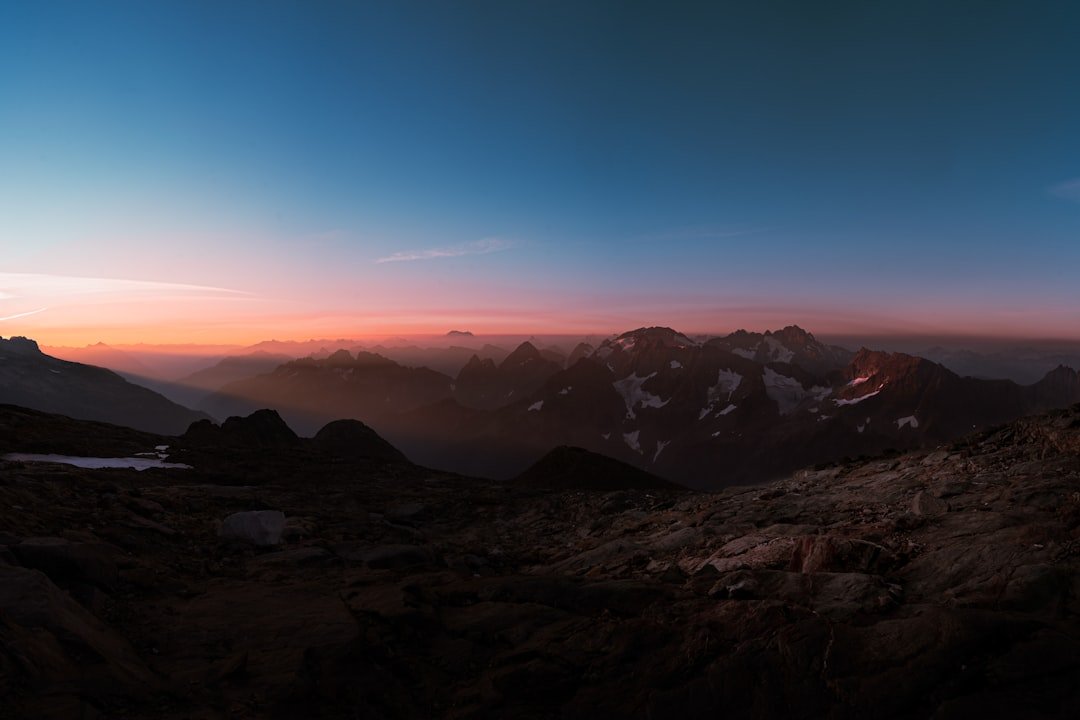
There’s a sweet spot in the National Park camping calendar that most travelers miss completely. It’s that magical window between winter’s closure and summer’s chaos—late April through May—when the weather is mild, the crowds are thin, and the camping is at its absolute best. I’ve spent years chasing this shoulder season across the American West, and I’m convinced it’s the single smartest time to pitch a tent in some of our most iconic parks.
Shoulder season camping isn’t just about avoiding crowds (though that’s a massive perk). It’s about catching these landscapes at their most revealing. The air is crisp but not bone-chilling. The trails are open but not gridlocked. And wildlife? They’re actively shaking off winter, making for some of the best animal encounters you’ll ever experience. I’ve watched elk calves take their first steps in Yellowstone’s meadows and seen desert wildflowers carpet the floor of Arches National Park—all without jostling for position with hundreds of other visitors.
Let me walk you through seven National Parks where late April through early May camping hits differently, along with what you need to know to make the most of this narrow window.
Bryce Canyon National Park, Utah
April in Bryce Canyon is something else entirely. You’re catching the tail end of shoulder season here, which means you’ve got those famous hoodoos largely to yourself before the summer hordes descend. I camped at North Campground last April, woke up to sunrise painting the canyon walls in shades I didn’t know existed in nature, and had the Queen’s Garden Trail practically to myself. Nights still dip near freezing, but daytime temps hover in that perfect 50-60°F range—ideal for hiking without wilting. For more on spring camping preparation, check out my guide to essential gear for unpredictable April weather.
Here’s the thing about Bryce in spring: you’re getting this otherworldly landscape without the summer crush. By June, you’re fighting for parking spots at every overlook. In late April? You roll up, grab a spot, and soak it in. The campground is first-come, first-served, but in shoulder season, you’ve actually got a shot at snagging a site. Just be prepared for cold nights—I learned this the hard way my first trip through.
A quality 30°F sleeping bag makes all the difference here. You want something that’ll keep you warm through those chilly high-desert nights without roasting you when the sun climbs. And don’t skimp on the sleeping pad—that’s where most of your insulation comes from.
Grand Canyon National Park (South Rim), Arizona
Spring is what I call the “Goldilocks zone” for the Grand Canyon. Summer brings scorching temps that make hiking into the canyon genuinely dangerous. Winter brings icy trails and road closures. But April through May? You’ve got daytime highs in the 50s and 60s on the rim, perfect conditions for tackling those corridor trails without heat exhaustion looming over every switchback.
I’ve done the Grand Canyon in every season, and spring camping at Mather Campground is hands down my favorite. You’re not competing with the summer crowds for phantom ranch reservations or jockeying for position at popular overlooks. The campground takes reservations, and shoulder season means you’ve actually got a shot at booking with reasonable notice—unlike July, where you’re planning six months out.
The weather can be fickle though. I’ve experienced snow in late April and 80°F days in May. Moisture-wicking base layers are non-negotiable here. You want to be able to shed layers as you descend into the canyon (it gets significantly warmer the further down you go) and add them back as you climb out. Trust me on this—I’ve made the mistake of hiking in cotton, and it ended with a miserable, sweat-soaked climb back to the rim.
For canyon camping, I swear by a lightweight day pack. You’re not carrying overnight gear into the canyon unless you’re properly permitted for backcountry camping, but you do need water, food, and layers. A well-ventilated pack that doesn’t trap sweat makes those rim-to-rim day hikes infinitely more enjoyable.
Arches National Park, Utah
Here’s a statistic that’ll make your jaw drop: Arches saw over 1.8 million visitors in 2024, with the bulk of them crowding in between June and August. Visit in late April, and you’re looking at a completely different experience. The weather is mild—highs in the 60s to low 70s—the wildflowers are starting to pop, and you can actually snag a campsite at Devil’s Garden without entering the online reservation lottery that defines summer camping here.
Devil’s Garden Campground is the only developed campground in the park, and it’s legendary for a reason. You’re camping among the rocks, with some sites offering views that belong on postcards. In shoulder season, the reservation requirement relaxes slightly, and even when reservations are required, competition is markedly lower than peak season. I’ve scored sites just two weeks out in April—impossible come July.
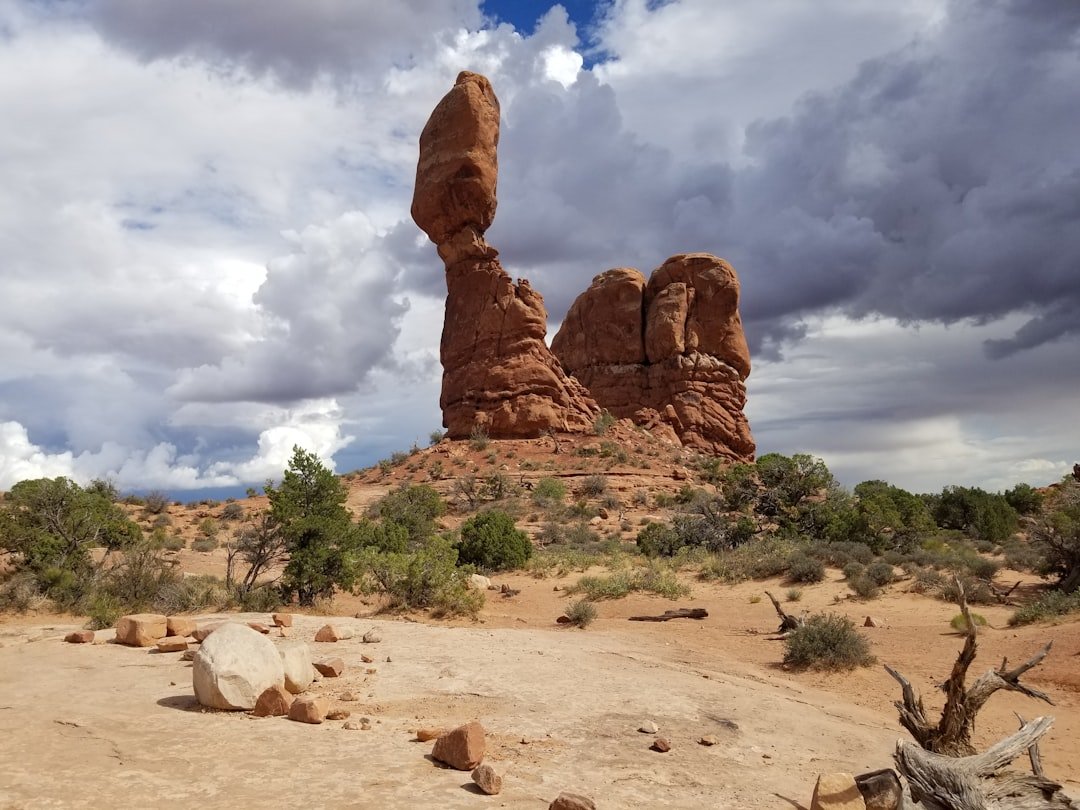
The desert sun is no joke even in spring, though. I learned this on an early April trip when I got a bit cocky about the “mild” temperatures and ended up with a nasty sunburn after a half-day hike. A good sun hat and reef-safe sunscreen are absolute must-haves, regardless of how pleasant the air feels.
One piece of gear that’s transformed my desert camping: a portable shade canopy. Devil’s Garden has precious little natural shade, and having a designated cool zone makes hanging out at camp during midday genuinely pleasant instead of something you endure until the sun dips low enough to hike again.
Zion National Park, Utah
Zion in spring hits this perfect balance that I haven’t found elsewhere. The Virgin River is flowing strong with snowmelt (spectacular for photographers), the waterfalls are at their most dramatic, and temperatures are climbing into that sweet spot where you can tackle Angels Landing or the Narrows without heat stroke or hypothermia. Watchman Campground, right inside the park, takes reservations—and unlike summer, you’re not competing with thousands of other campers for every single site.
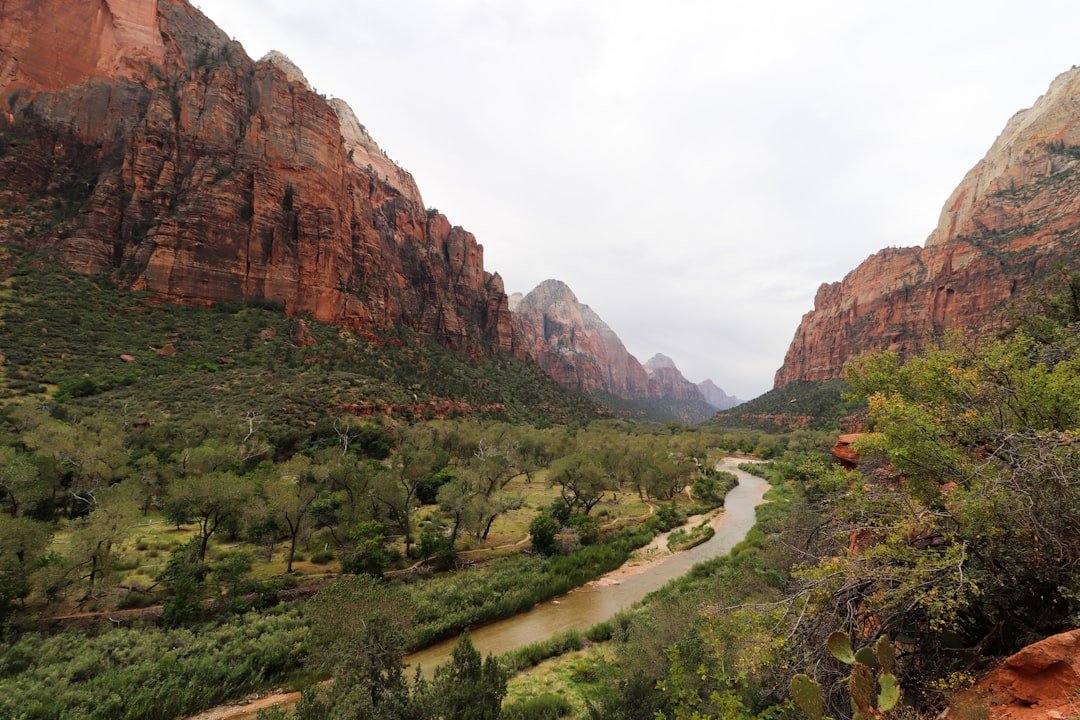
Here’s the thing about Zion in spring: you need to be prepared for variable conditions. I’ve hiked the Narrows in April when the water was a teeth-chattering 45°F, and I’ve done it in May when it was almost comfortable. The difference? Preparation. Neoprene socks and a dry pants setup make the Narrows doable even in colder months. Rent gear in Springdale if you don’t own it, but book ahead—shoulder season is getting popular enough that rental shops can run low on key sizes.
Zion’s shuttle system is in full swing by April, which is actually a good thing—you’re not fighting for parking at the visitor center or popular trailheads. Just factor in shuttle timing when you’re planning your daily hikes. I like to pack a compact camping chair for Watchman Campground. The sites are well-spaced but lack developed seating, and having a comfortable perch for morning coffee or evening stargazing makes the experience feel decidedly less rustic.
Great Smoky Mountains National Park, Tennessee/North Carolina
Spring in the Smokies is this explosion of life that you have to see to believe. The wildflowers alone—over 1,500 species—put on a show that rivals any fall foliage display. But here’s the secret: late April through May catches that sweet spot after the peak spring bloom crowds (who flock here in March and early April) have thinned, but before summer’s heat and humidity settle in like a wet blanket.
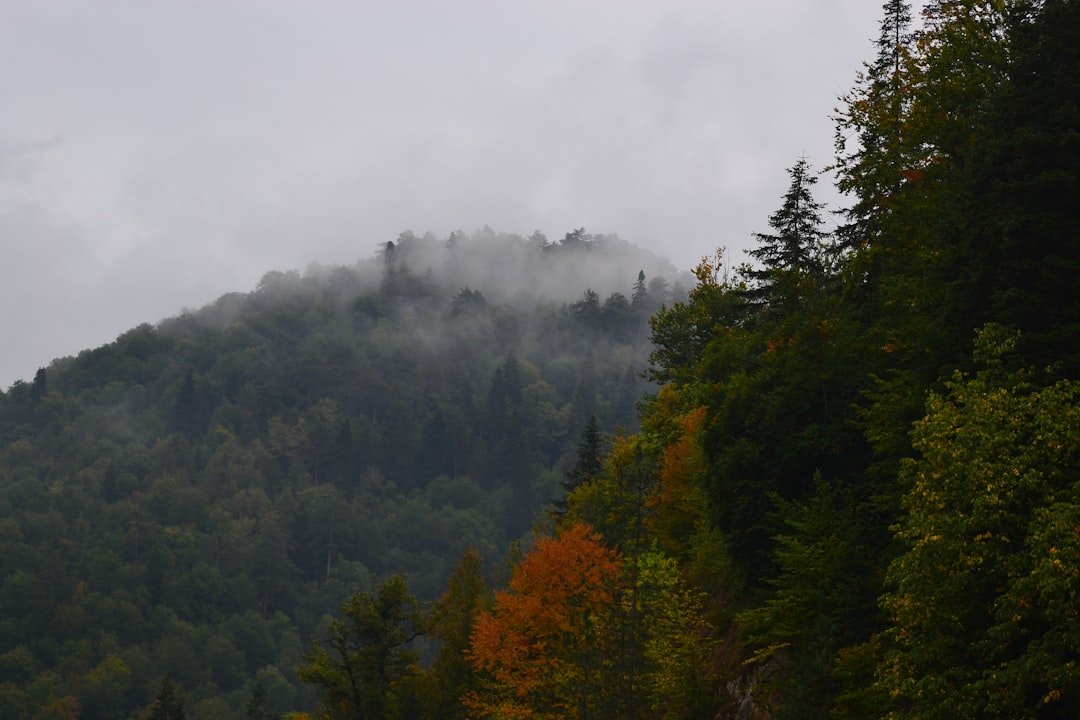
I’ve camped at Cades Cove and Elkmont, and both have their charms. Cades Cove offers those wide-open valley views and prolific wildlife (I’ve seen black bears on literally every visit). Elkmont feels more secluded, with that old-growth forest vibe that makes you forget you’re in one of the most-visited parks in the system. Spring weather here is mild but can be wet—afternoon thunderstorms are practically a daily occurrence in May.
This is where waterproof hiking boots earn their keep. The trails can be muddy, and those afternoon downpours come on fast. Pair them with merino wool hiking socks, and your feet will thank you after a day of slogging through spring puddles.
Bear safety is non-negotiable in the Smokies, especially in spring when they’re actively foraging. All the bear canister rules apply, but I’ll add this: keep your campsite fastidious. I’ve seen rangers issue citations for less than a candy wrapper left out. A proper bear canister isn’t just regulation—it’s peace of mind when you’re sleeping in what is essentially bear country.
Olympic National Park, Washington
Olympic in spring is this moody, atmospheric experience that’s completely different from the dry, clear-sky hiking you get in the desert parks. You’re catching the rainforest at its most lush, waterfalls are pumping, and the famous sea stacks at Ruby Beach are dramatically shrouded in mist more often than not. The trade-off? You’re dealing with precipitation—it’s a temperate rainforest, after all.
I’ve camped at both Kalaloch and Mora, and each offers a different slice of Olympic’s magic. Kalaloch sits right on the coast, with some sites offering ocean views that’ll make you question why you ever pay for lodging. Mora gives you easier access to the Hoh Rain Forest and that Hall of Mosses trail that looks like it was lifted straight from a fantasy novel. Both take reservations, and spring is noticeably easier to book than summer.
Weather is the variable you need to plan for here. I’ve experienced everything from crisp sunshine to sideways rain in the span of an April afternoon. A quality rain jacket isn’t optional gear—it’s the difference between a memorable trip and a miserable one. Pair it with a proven waterproof tent and you’re set for whatever Pacific Northwest weather throws at you.
The camping here is wet, often muddy, and absolutely spectacular. I bring a ground tarp for every trip—it protects your tent floor from abrasion and provides a clean staging area for muddy boots and gear. Olympic will teach you to embrace the damp, but there’s no reason your tent floor has to suffer for it.
Canyonlands National Park, Utah
If Arches is Bryce Canyon’s popular sibling, Canyonlands is the introverted one that people overlook—and spring is arguably the best time to discover why that’s a mistake. The Island in the Sky district offers sweeping canyon vistas without the crowds, and the Needles District serves up some of the most underrated hiking in the entire park system. Late April through May gives you comfortable temperatures for exploring both. Utah’s Mighty Five are spectacular this time of year—here’s why May might be the perfect window for your visit.
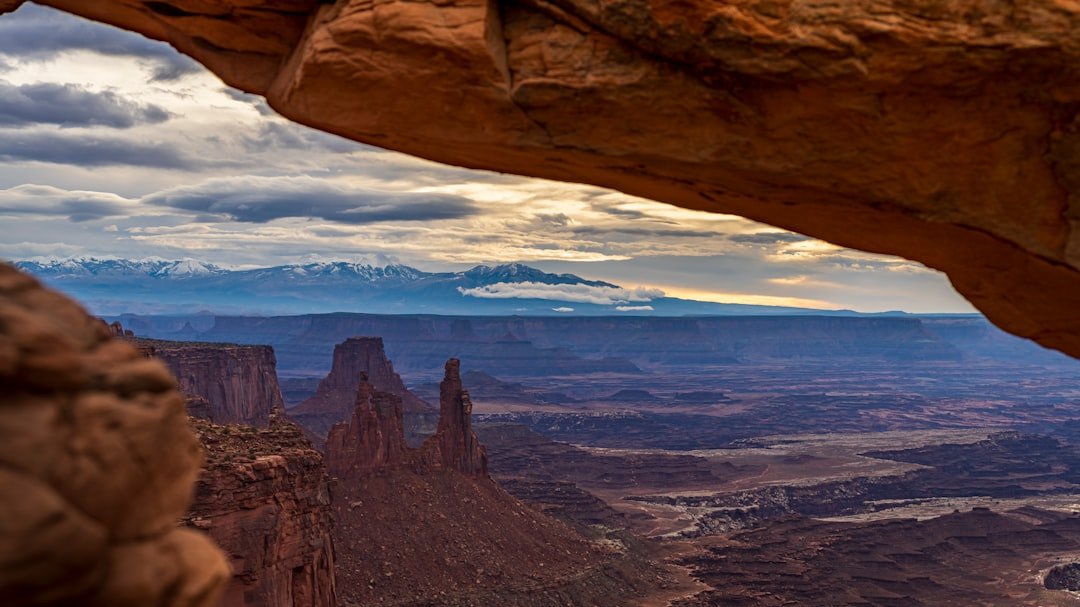
Willow Flat Campground (Island in the Sky) is first-come, first-served, and I’ve never had trouble snagging a site in spring. The views alone are worth the price of admission—you’re camping on the edge of a massive canyon system with sunrises that’ll have you setting an alarm even on vacation. Squaw Flat (Needles District) also works on a first-come basis and puts you right in the middle of some of the most unique geology you’ll ever see.
Canyonlands is remote in a way that some of the more famous parks aren’t. You need to be self-sufficient here. I always carry a reliable camping stove and enough fuel for the duration of my trip—there are no services within the park boundaries. A water filtration system is also smart; water sources can be sparse depending on which district you’re exploring, and being able to refill from natural sources adds flexibility to your route planning.
The desert sun here is every bit as intense as Arches, despite Canyonlands receiving fewer visitors. I treat sun protection as mandatory—UPF-rated clothing, broad-brimmed hat, and plenty of sunscreen. There’s virtually no natural shade in most of Canyonlands, so you need to create your own.
The Shoulder Season Advantage
After camping in National Parks across every season for the better part of a decade, I keep coming back to this spring window. There’s something about catching these landscapes in transition—the thaw, the bloom, the wildlife emerging from winter—that feels more authentic than the polished peak-season experience. You’re not just visiting a park; you’re witnessing it come alive.
The logistics are easier too. Campground reservations, while still competitive, aren’t the bloodsport they become in July. You can actually be spontaneous—decide on a Thursday to head out for the weekend and have a reasonable shot at securing a campsite. Try that in August and you’re looking at fully booked campgrounds and overflow parking nightmares.
Weather, while variable, is generally cooperative. You’re not battling extreme heat (summer) or extreme cold (winter). You’re not contending with road closures or seasonal facility shutdowns. Everything is open, accessible, and operating at full capacity, minus the crushing visitation numbers that define the peak season experience.
What Makes Shoulder Season Camping Different
Here’s what nobody tells you about spring camping in the National Parks: it requires a different mindset than summer camping. You need to be comfortable with variability. Weather can shift dramatically in a single day—sunny morning, snow by afternoon, clear skies by sunset. I’ve experienced all three in the span of 24 hours at Bryce Canyon.
You also need to be more self-reliant. Some facilities and services may have limited hours even in late spring. Visitor centers might not be operating on full schedules. Ranger programs could be sporadic. You’re camping in these parks at a time when the seasonal infrastructure is still ramping up, which means you need to come prepared with your own knowledge, gear, and backup plans.
But that’s kind of the point, isn’t it? You’re trading convenience for experience. You’re choosing a bit more uncertainty in exchange for dramatically fewer crowds, more intimate wildlife encounters, and the chance to see these places in a light that most visitors never experience. The people who camp in shoulder season are there for the parks, not the amenities.
Gear That Makes Shoulder Season Camping Work
After years of spring camping trips, I’ve refined my kit down to the essentials that handle variable conditions without weighing me down. A three-season tent with a solid rainfly is your foundation—you want ventilation for mild days but weather protection for those sudden spring squalls. Mine has seen me through everything from desert dust storms to Pacific Northwest downpours.
Sleep system is where most people cut corners and regret it. I’ve moved away from rectangular bags in favor of a mummy bag rated to 20-30°F paired with an insulated pad. The mummy shape eliminates dead air space that your body has to work to heat, and the pad prevents conductive heat loss into the ground. Even when temps are mild during the day, high-elevation and desert environments can drop shockingly cold at night.
Clothing follows the layering system: base layers for moisture management, insulating mid-layer for warmth, shell for protection. I can add or shed pieces as conditions dictate, which is crucial when temperatures swing 30-40 degrees between dawn and midday. Cotton gets left at home—it’s worthless once it gets wet, and in spring, everything eventually gets wet.
Lighting is another category where I’ve upgraded my kit. A powerful headlamp with good battery life extends your day well past sunset and makes those middle-of-night bathroom calls infinitely less stressful. Pair it with a compact camp lantern for cooking and card games, and you’ve got a lighting setup that handles everything from pre-dawn trail departures to late-night stargazing sessions.
Planning Your Shoulder Season Trip
Here’s the reality: shoulder season is gaining popularity. Word has gotten out that spring is the secret weapon for National Park camping, and competition for campsites is increasing accordingly. You can’t roll up on a Friday afternoon in May and expect to snag a prime site at Zion the way you could five years ago. Some advance planning is required.
That said, the planning window is dramatically shorter than peak season. Where summer trips often require six months of advance booking, spring camping can frequently be arranged just a few weeks out. I check Recreation.gov regularly for cancellations and have scored some fantastic sites through persistence and timing.
Weather monitoring becomes part of your daily routine in the weeks leading up to your trip. I watch forecasts religiously, packing for the range of possibilities rather than the specific prediction. Spring forecasts in mountain and desert environments are notoriously fickle—better to have warm clothes you don’t need than to need warm clothes you don’t have.
Flexible itineraries are your friend. I always have backup plans for each park I visit. If trails are closed due to snow or runoff, I know which alternatives are accessible. If campgrounds are full, I’m aware of Bureau of Land Management dispersed camping options outside park boundaries. This flexibility has saved more than one trip from becoming a bust.
Why Shoulder Season is Worth It
I’ve stood at Delicate Arch at sunset in July, pressed shoulder-to-shoulder with hundreds of other visitors. And I’ve stood there in late April with maybe a dozen other people, watching the same sunset paint the sandstone in those impossible shades of red and gold. The experience is fundamentally different—one feels like you’re checking a box, the other feels like you’re actually experiencing a place.
That’s the shoulder season advantage in a nutshell. You’re not just seeing the National Parks—you’re seeing them in a way that most visitors never will. You’re catching the transition seasons, the quieter moments, the wildlife encounters that happen when the crowds thin out. You’re camping in parks that feel vast and wild rather than managed and crowded.
So as you’re planning your 2026 National Park adventures, give serious consideration to that April-May window. The weather might be less predictable than mid-July, the facilities might be operating on limited schedules, and you’ll definitely need to pack for variable conditions. But what you get in exchange—uncrowded trails, campsites with views, wildlife actually behaving wild—is worth every bit of extra preparation.
These parks are spectacular whenever you visit. But there’s something special about catching them in that brief window between winter’s dormancy and summer’s chaos. Something that makes you feel like you’re seeing these places the way they were meant to be seen. And that’s not an experience you can put a price tag on.