The Weather Whiplash Reality of Spring Camping
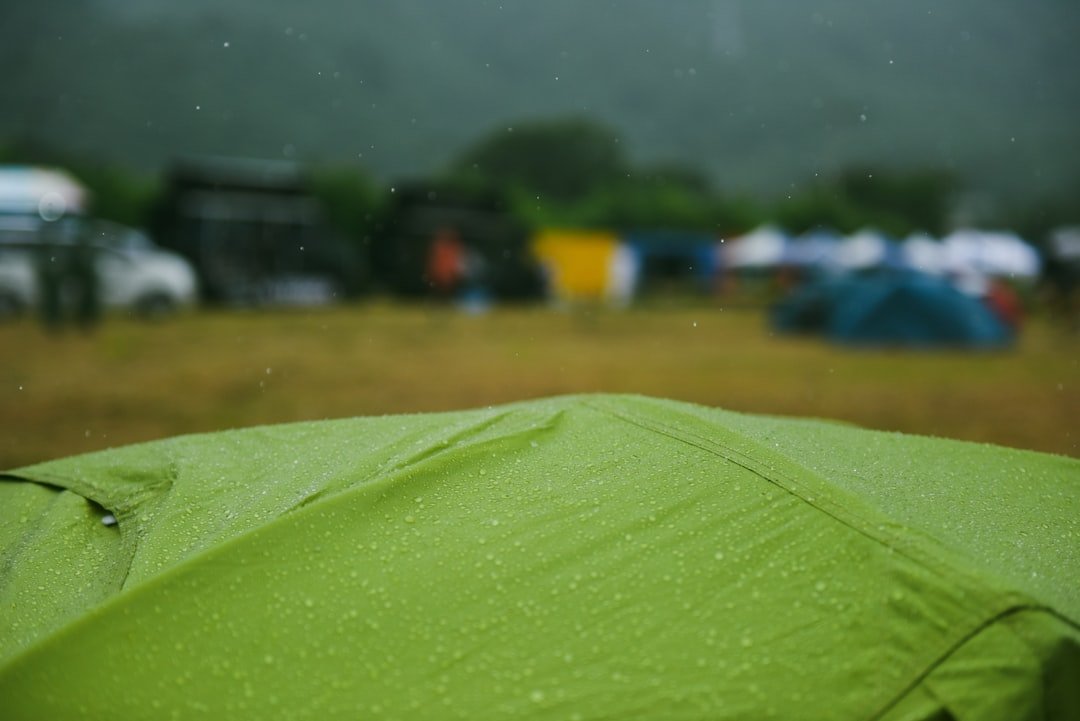
I learned this lesson the hard way in Yosemite back in April 2022. One day I’m hiking in a t-shirt under brilliant sunshine, the next I’m huddled in my tent watching snow pile up on my rain fly. Spring camping in national parks serves up this kind of weather whiplash on a silver platter, and if you’re not prepared, it’ll chew up your weekend getaway and spit out a miserable, shivering version of yourself.
The truth is, shoulder season camping—those magical weeks between winter’s bite and summer’s crowds—offers some of the most rewarding experiences you can have in our national parks. Wildflowers burst from thawing ground, waterfalls roar with snowmelt, and you’ll often have trails nearly to yourself. But success requires a completely different mindset and gear list than your typical July camping trip.
After a decade of spring camping trips across the western national parks, I’ve developed a system that keeps me comfortable regardless of what Mother Nature throws my way. Let me walk you through exactly how to prepare for the unpredictability and set yourself up for an unforgettable spring adventure.
Understanding Spring Weather Patterns
Spring weather in mountainous national parks follows a reliable but frustrating pattern: mornings start crisp and clear, clouds build by midday, and afternoon brings either rain, snow, or occasionally, both. The temperature swing can easily exceed 30 degrees between sunrise and sunset.
I check three weather sources before any spring trip: the National Weather Service’s point forecast for my specific camping area, NOAA’s predictive maps for storm systems, and the park’s own weather page. What I’m looking for isn’t just the forecast—it’s the trend. Is a cold front moving in? Are temperatures expected to drop overnight? These details dictate my gear choices.
Elevation plays a massive role too. You might be camping at 4,000 feet but planning hikes to 8,000 feet. That’s a completely different climate zone. I once camped in 50-degree weather only to hit a trailhead the next morning where it was 27 degrees with biting wind. Now I always pack for the highest elevation I’ll visit, not just where I’m sleeping.
The Foundation: A Weather-Proof Sleep System
Your sleep system is where you win or lose spring camping. That comfortable 40-degree bag that’s perfect for July backpacking? It’ll leave you miserable when temperatures drop into the 20s at 10,000 feet. I’ve switched to a 20-degree-rated mummy sleeping bag as my minimum for any spring trip, with a thermal liner layered underneath when the forecast looks particularly cold.
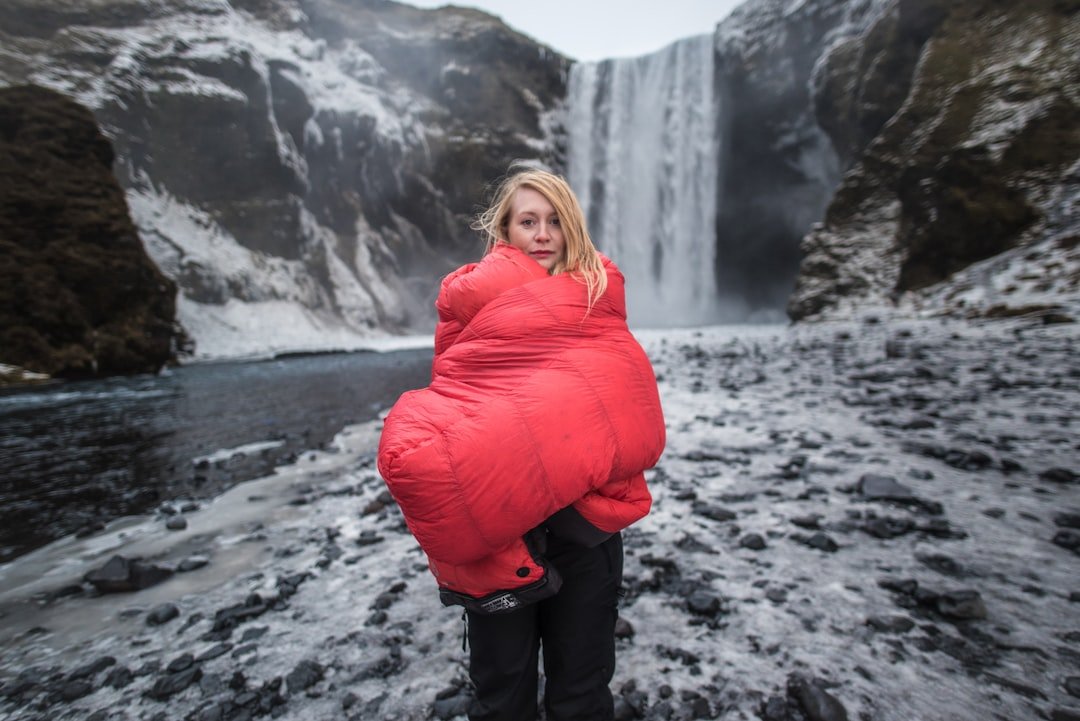
The sleeping pad matters just as much as the bag. All that insulation underneath you does nothing if you’re lying directly on cold ground. I use a closed-cell foam pad combined with an insulated inflatable pad—two to three inches of total separation between me and the earth. This setup has kept me warm on sub-freezing spring nights when my tent-mates were shivering in their expensive bags.
Don’t overlook a quality camping pillow either—proper sleep position affects how warm you stay. Proper sleep position affects how warm you stay, and trying to improvise with clothes bundled in a stuff sack never works as well as you think it will.
Tent Selection and Setup Strategies
Your spring tent needs to handle two critical challenges: wind and precipitation. Lightweight three-season tents work great, but only if you know how to position them properly. I always look for natural windbreaks—stands of trees, rock formations, or terrain features—while avoiding obvious hazards like dead branches overhead.
Stakeout matters immensely in spring. Those convenient skewer-style stakes that come with most tents? Useless in loose spring soil. I switched to heavy-duty aluminum Y-beam stakes that grip like crazy, and I carry at least six extras for guylines. A properly guyed tent can laugh at 40-mph winds that would collapse or carry away a minimally staked one.
Consider adding a footprint or ground cloth underneath your tent floor—spring camping often means camping on damp or muddy ground. Spring camping often means camping on damp or muddy ground, and that extra layer protects your investment while providing an additional moisture barrier.
Clothing: The Layering System That Works
Spring weather demands a strategic approach to clothing. The old cotton-is-death rule still applies, but modern materials have made layering more effective than ever. My system starts with merino wool base layers top and bottom—wool insulates even when wet and resists odors during multi-day trips.
The midlayer is your temperature regulation workhorse. I carry both a lightweight fleece and a compressible puffy jacket, switching between them based on activity level. When I’m hiking, I generate heat and often wear just the base layer. The moment I stop, the midlayer goes on before I have a chance to cool down.
The outer shell is your insurance policy against sudden storms. A quality rain shell with pit zips serves double duty: it cuts wind while trapping heat, and the underarm vents prevent that sweaty, clammy feeling when you’re exerting. I learned this lesson when a “light rain shower” turned into three hours of steady precipitation at 8,000 feet.
Camp Kitchen and Cold-Weather Cooking
Cooking in spring conditions presents unique challenges. Canister stoves can struggle in cold weather, with fuel pressure dropping as temperatures dip. I switched to a liquid fuel stove for spring trips—more reliable in cold and easier to gauge remaining fuel.
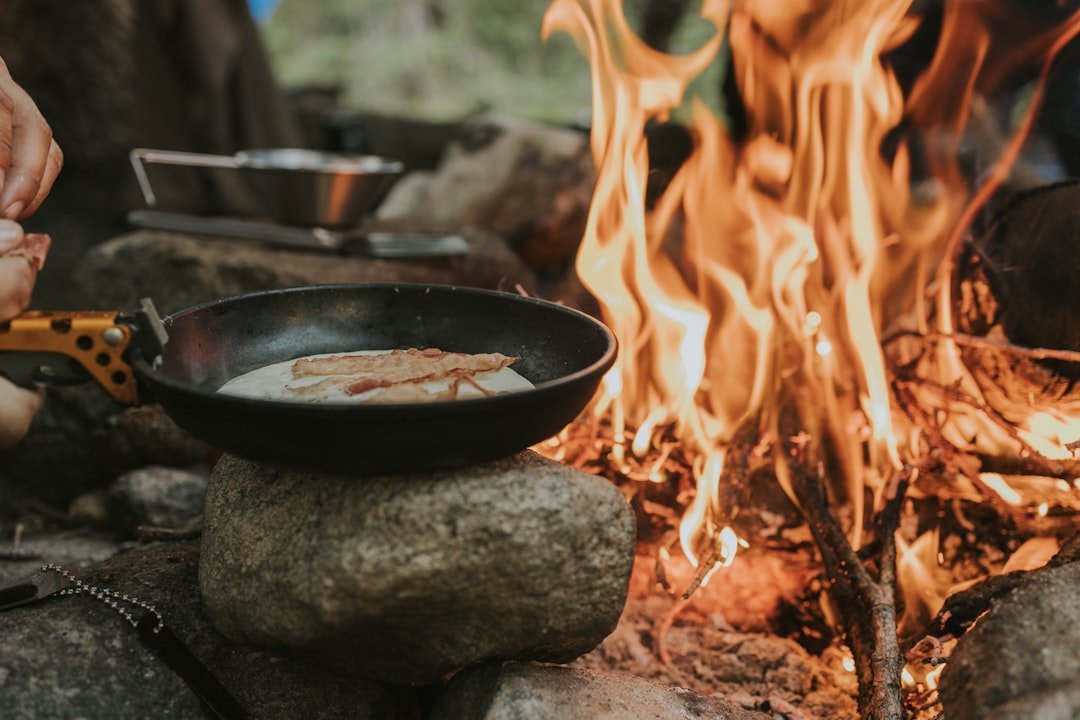
Your food choices should shift toward warm, calorie-dense meals. Freeze-dried meals heat quickly and pack efficiently, but I also bring real food—cheese, salami, nuts—for sustained energy. An insulated mug keeps coffee hot through crisp spring mornings.
Water management changes in spring too. Streams rage with snowmelt, but that water is ice-cold. I treat it immediately with a water filter rather than trusting chemical treatments that work slower in cold temperatures. And I always keep water bottles inside the tent at night—nothing’s worse than frozen water in the morning.
Footwear and Trail Conditions
Spring trails live in a constant state of transition—snow, ice, mud, and dry patches often coexist within a few hundred yards of each other. The waterproof hiking boots that work well in summer might leave you with soaked feet when snowmelt turns trails into creeks.
I’ve become a convert to hiking gaiters for spring trips. They keep mud, snow, and water out of your boots while providing extra insulation around your ankles. Combine them with merino wool hiking socks and your feet stay dry through conditions that would soak lesser systems.
Traction devices are essential at higher elevations. Those compact microspikes that strap to your boots? Worth every penny when you hit an unexpected snowfield. I carry them even when the trailhead looks clear.
Essential Spring Gear Checklist
Beyond the big items, small gear choices make or break spring comfort. A reliable headlamp with fresh batteries is non-negotiable—spring days feel shorter than they are.
I always pack a thermal emergency blanket and waterproof fire starter. These weigh almost nothing but provide crucial backup if weather deteriorates unexpectedly.
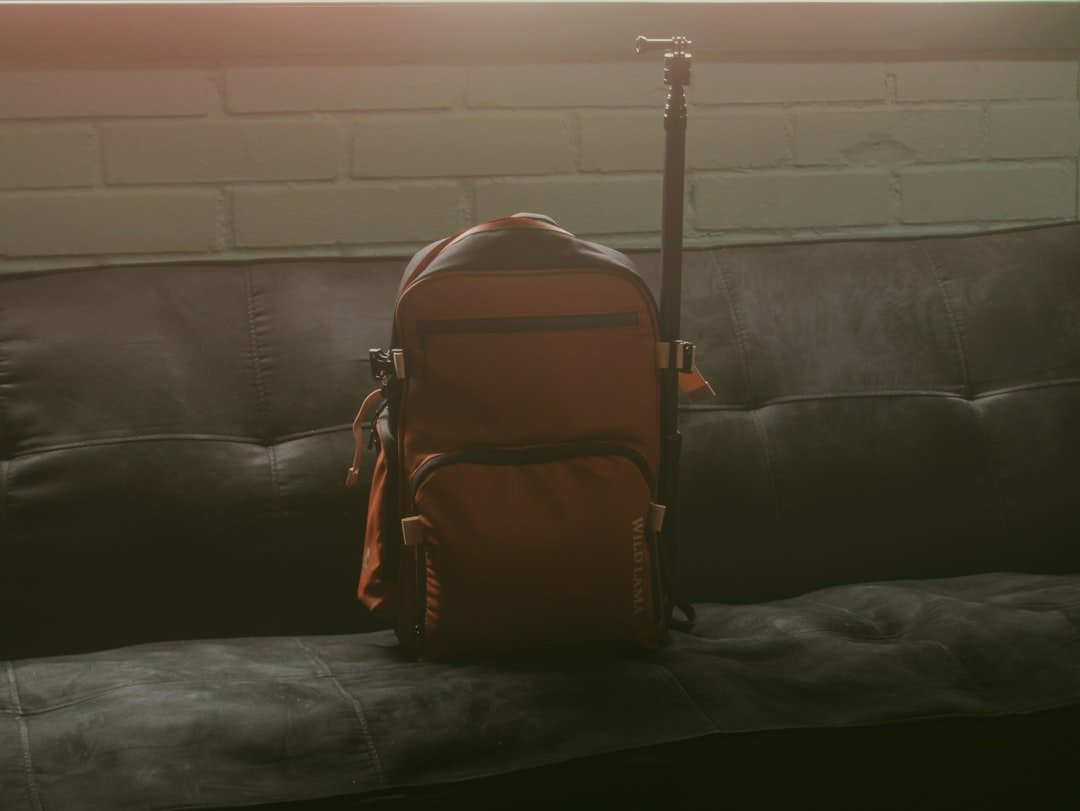
Don’t forget sun protection. Spring sun at altitude is surprisingly intense, and snow reflection amplifies UV exposure. Sunscreen, polarized sunglasses, and a brimmed hat are as essential as rain gear in spring.
Timing Your Trip for Maximum Rewards
Success in spring camping often comes down to timing—I’m not just talking about which weekend you choose, but how you schedule each day. In shoulder season, I aim for an early arrival at camp. Setting up in daylight, while temperatures are still relatively mild, beats struggling with a tent in the dark and cold.
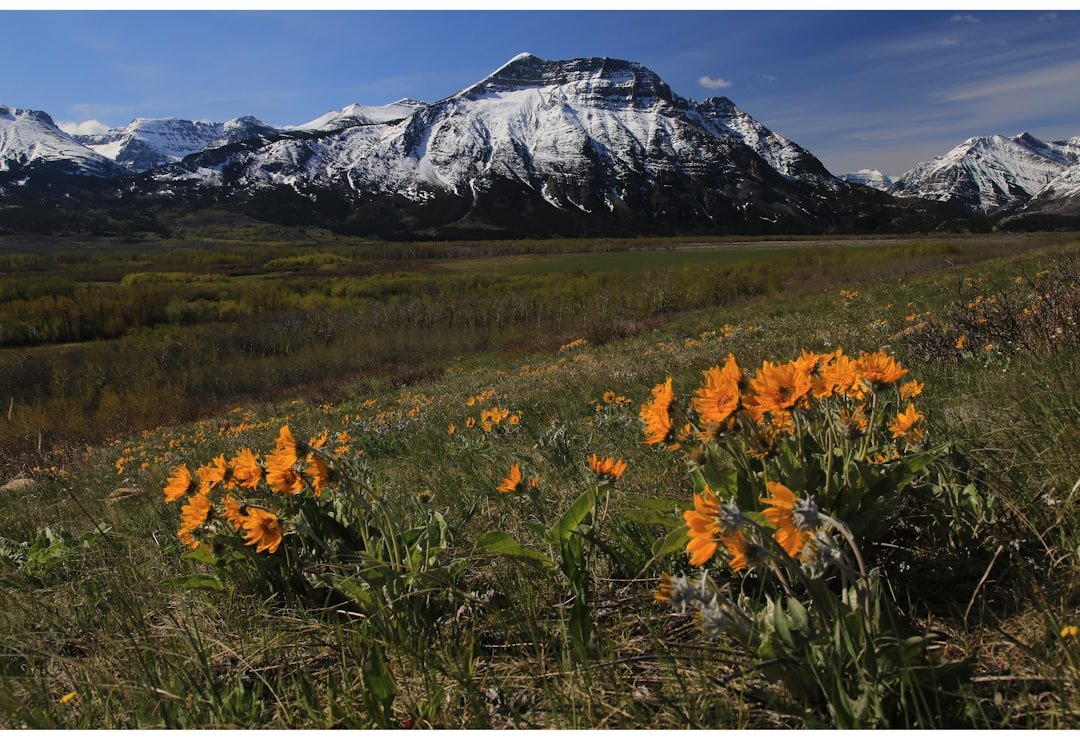
Morning launches work better for activities. By 10 AM, temperatures have warmed, trails have firmed up overnight, and you’ll often catch incredible wildflower displays before afternoon clouds roll in. I plan my biggest activities for mid-morning through early afternoon, then retreat to camp as weather typically becomes more unsettled.
Monitor conditions constantly during your trip. That stunning forecast from three days ago might be completely wrong by day two. I’ve learned to adjust plans based on what I’m seeing, not what the prediction promised. Flexibility isn’t just convenient in spring—it’s essential for safety.
Specific Park Considerations
Each national park presents unique spring challenges. Olympic National Park combines rainforest downpours with high-elevation snow, demanding full waterproof everything. Desert parks like Canyonlands and Arches experience dramatic temperature swings—scorching midday heat followed by near-freezing nights.
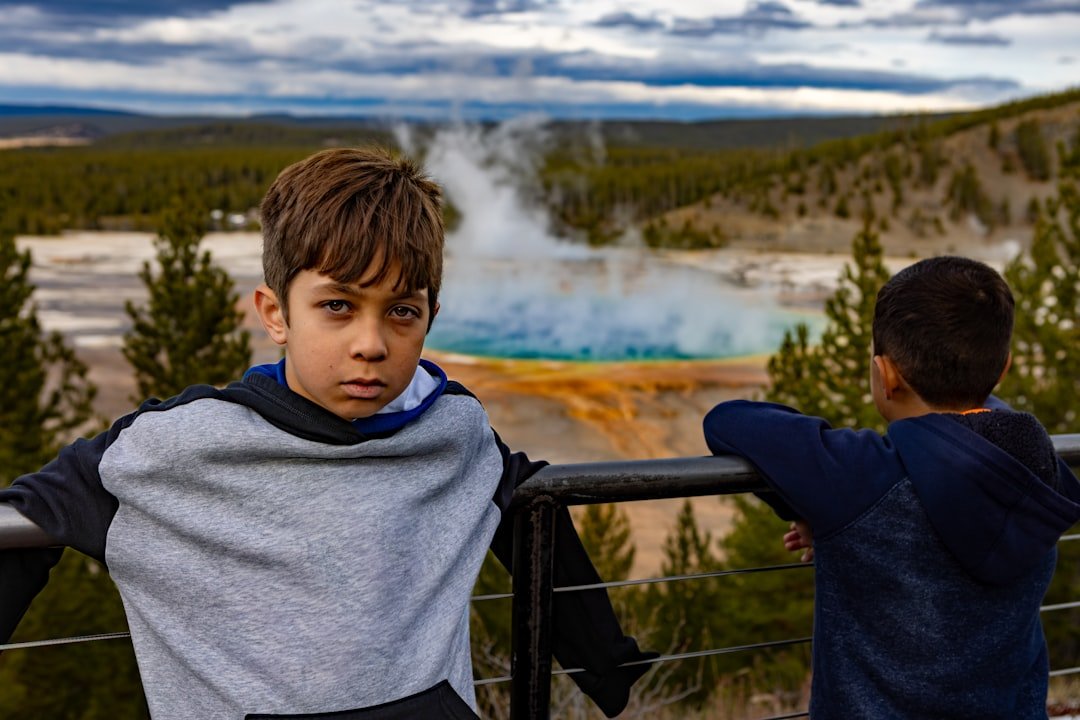
High-elevation parks like Rocky Mountain and Grand Teton often have limited access in spring. Many campgrounds remain closed, and snow can block high-country trails well into June. I research road and campground status obsessively before heading out—the park websites and recreation.gov provide current conditions that absolutely affect trip planning.
For managing temperature variations across different parks, I’ve found that smart temperature control strategies make the difference between comfort and misery. The same principles apply whether you’re in a tent or a vehicle—it’s all about preparation and adaptability.
Spring Wildlife Watching Opportunities
One of spring camping’s greatest rewards is the wildlife activity. Animals emerge from winter dormancy, migration patterns bring species through parks, and baby season makes for incredible observations. Spring wildlife watching offers some of the year’s best opportunities—if you know where to look.
But active wildlife means extra precautions. Food storage becomes critical as hungry bears emerge from dens. All food, trash, and scented items must be secured properly—either in bear boxes where provided or in bear-resistant containers. I never cook near my tent and always change clothes after dinner to avoid food smells on my sleeping bag.
Putting It All Together: A Real-World Spring Weekend
Last April, I camped in a high-elevation campground where the Saturday forecast called for “partly cloudy, high of 48.” Here’s what actually happened: Saturday dawned clear at 27 degrees. By noon, under brilliant sunshine, I was hiking in shirtsleeves. At 2 PM, clouds rolled in and temperatures dropped 15 degrees in an hour. By 4 PM, I was in my tent watching graupel (soft hail) bounce off my fly. Sunday morning broke crisp and clear again.
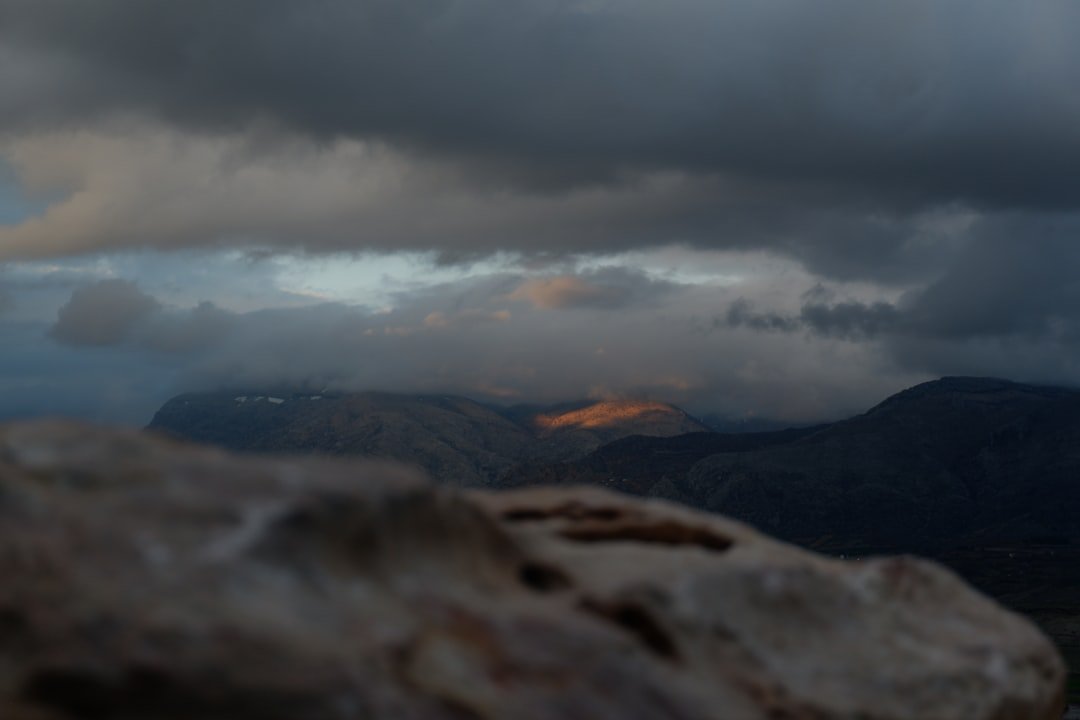
Because I’d prepared for exactly this kind of whiplash, the weekend was fantastic rather than miserable. I slept warm, stayed dry, ate hot meals, and hiked through conditions that would have sent an unprepared camper packing. That’s the spring camping advantage—you experience the parks in a way summer visitors never do, with dramatic weather adding to the adventure rather than ending it.
The Bottom Line
Spring camping in our national parks offers some of the most rewarding outdoor experiences you’ll ever have—but only if you respect the conditions. The unpredictability that makes it special also makes it demanding. Prepare your gear, study the weather, and embrace the flexibility that shoulder season demands.
The payoff? Trails you practically share with the wildlife. Wildflower displays that paint entire meadows in technicolor. Waterfalls at their thundering peak. And the profound satisfaction that comes from meeting nature on its own terms and walking away with stories you’ll tell for years.
Your summer camping trips will always be there. But this spring? That window’s closing fast. The mountains are calling, and they’ve got quite a show in store for those who come prepared.
2 thoughts on “Spring Camping in National Parks: Essential Gear and Preparation for Unpredictable April Weather”