Why Natural Light Matters in Van Life
There’s something magical about waking up to sunlight streaming through your windows, even when your bedroom happens to be on wheels. After spending three years living out of a converted campervan, I’ve learned that natural light isn’t just a luxury—it’s essential for mental health and making a small space feel livable. The difference between a dark, cave-like van interior and one filled with natural light is the difference between feeling claustrophobic and feeling like you’re on a constant adventure.
When we started planning our ProMaster conversion, one of our top priorities was maximizing natural light without sacrificing structural integrity or security. We spent weeks researching window options, placement strategies, and installation methods. What we discovered along the way changed everything about how we approach van life design. Whether you’re building out your own rig or trying to decide whether to add windows to an existing setup, understanding the impact of natural light will transform how you experience travel on the road.
The Psychology of Light in Small Spaces
Living in 80 square feet changes your relationship with your environment. Small spaces can quickly feel oppressive without adequate natural light, and research consistently shows that daylight exposure directly impacts mood, sleep quality, and overall well-being. During our first year of van life, we noticed a pattern: the days we spent in sunny campsites with windows open were infinitely more enjoyable than those spent parked under dense tree cover or stuck in gray weather with interior lighting only.

Natural light serves multiple functions in a campervan beyond just illumination. It provides a connection to the outdoors, making the space feel larger than its actual dimensions. This psychological expansion is crucial when you’re living full-time in a vehicle. The right windows can make your van feel like a glass-walled observatory rather than a metal box. We’ve found that strategic window placement creates sightlines that constantly remind us of the beautiful locations we’ve chosen to park in, whether that’s a mountain vista, desert landscape, or forest canopy.
Choosing the Right Window Style for Your Travel Style
Not all van windows are created equal, and the best choice depends heavily on how you plan to use your vehicle. For full-time van life, we prioritized ventilation and natural light over minimalism. Fixed windows might look sleek, but they limit airflow and can make your van feel stuffy during warm weather travels.

Awning-style windows, which push outward from the bottom, became our top choice for several reasons. These windows create a rain-proof ventilation solution that’s essential for shoulder season travel when you need airflow but can’t leave everything open. The awning design lets fresh air in while keeping road spray and rain out, and the integrated screens provide bug protection during summer camping in mosquito-heavy areas. We installed a 1100mm x 450mm window in our sliding door and a 1000mm x 500mm window on the driver’s side dinette area. These dimensions were carefully calculated based on our interior layout—specifically, the height of our future dinette table (approximately 38 inches) and the placement of other built-in components like the fridge and water tank.
Window Placement Strategies for Maximum Light
Where you place windows matters just as much as what type you choose. In our ProMaster design, we prioritized windows in areas where we spend the most time: the dinette and kitchen zones. This approach complements other aspects of van life floorplan design, where function drives every layout decision. The dinette window, positioned at seated eye level, serves as our picture frame to the world during meals and work sessions.

The kitchen window provides light for cooking tasks and creates an open feel while preparing food, making the cramped cooking area feel significantly more spacious. One often-overlooked consideration is how window placement affects your interior design flexibility. By placing windows higher on the walls, we maintained valuable storage space below while still getting excellent natural light penetration. This approach also preserves privacy—you can see out without feeling exposed to campsite neighbors. We avoided putting windows in the bedroom area intentionally, preferring a darker sleeping space for better rest and the flexibility to install blackout curtains for summer mornings when the sun rises at 5 AM.
The Installation Process: What to Expect

Adding windows to a factory van interior might seem intimidating, but with proper planning and the right tools, it’s entirely manageable for DIY builders. The process involves precise measurement, template creation, careful cutting, and proper sealing to prevent leaks. What looks simple on video requires meticulous attention to detail—the difference between a successful installation and water damage problems down the road can be as little as an eighth of an inch in your measurements.
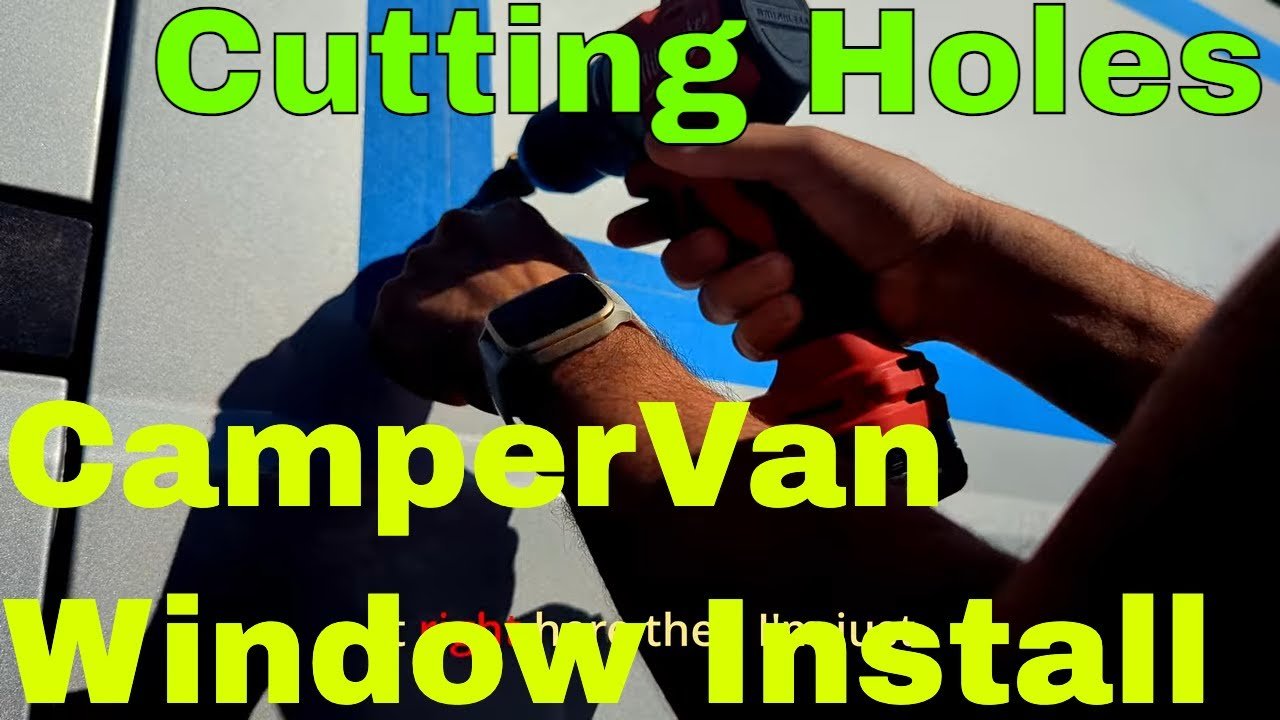
The cutting process itself requires specific tools designed for metal work. You’ll need a quality jigsaw with metal cutting blades, a step bit for creating starter holes, and cutting oil to keep blades from overheating. The most nerve-wracking part for most builders is actually making that first cut into perfectly good van walls, but proper preparation eliminates most of the anxiety. Creating a template from cardboard or craft paper lets you verify placement before committing to permanent cuts, and drilling pilot holes from the inside out ensures your exterior marks align perfectly with your interior measurements. You’ll also need a quality step drill bit for creating clean starter holes, and it’s worth investing in a good metal-cutting jigsaw blade designed for the thickness of van body metal.
Balancing Light Loss with Insulation Value
Every window you add creates a thermal weak point in your van’s insulation. Single-pane windows, common in many RV applications, transfer heat significantly faster than insulated walls. For full-time van life, especially in varied climates, this becomes a real consideration. We chose double-pane acrylic windows specifically for their insulation properties, which reduce condensation and heat transfer compared to single-pane alternatives.

The insulation trade-off is worth it for the psychological benefits of natural light, but it does impact your heating and cooling needs. As we discuss in our guide to campervan temperature control, managing heat loss through windows is essential for comfortable van living in varied climates. In winter, we use thermal curtains that attach with Velcro around window openings to create an insulating air gap. In summer, reflective window covers reduce solar heat gain during peak sun hours. This approach lets us enjoy the benefits of natural light when we want it while maintaining temperature control when conditions demand it. Understanding your typical travel climate helps determine the right balance between glass surface area and insulation requirements.
Ventilation and Airflow Considerations
Natural light isn’t the only reason to add windows to your campervan. Proper ventilation is absolutely critical for moisture control, which is a constant battle in small living spaces. Cooking moisture, condensation from breathing, and humidity from wet gear all need somewhere to go. Without adequate airflow, you’ll deal with mold, mildew, and that distinctive musty smell that plagues poorly ventilated RVs.
Our window placement strategy considers airflow patterns as much as light penetration. Proper ventilation works hand-in-hand with other systems like your solar power setup and electrical system to create a comfortable living environment. The sliding door window creates a cross-breeze with the opposite side windows when parked, and the positioning relative to our roof vent fan creates a natural convection current that pulls fresh air through the living space. This passive ventilation system works surprisingly well, reducing our need to run the electric fan during mild weather. When choosing window locations, think about how air will move through your space rather than just where windows will look best.
Privacy Solutions That Don’t Block Light
One concern that frequently comes up with van windows is privacy. Parking in urban areas or busy campgrounds can make you feel like you’re living in a fishbowl. However, there are excellent solutions that maintain natural light while providing privacy when you need it. We’ve used multiple approaches depending on the situation and found that having options is ideal.
Frosted privacy film is an excellent permanent solution for bathroom or bedroom areas where you never need clear visibility. It lets in diffused light while completely obscuring the interior view. For windows where we want flexibility, we use snap-in shades that can be removed in seconds when we want to enjoy the view. Magnetic curtain rods with light-filtering curtains provide another option, allowing quick privacy while still letting some natural light penetrate. The key is planning your privacy solutions during the build phase rather than trying to add them later as an afterthought.
Maintenance and Long-Term Care
Windows are relatively low-maintenance components, but they do require some attention to keep functioning properly. Regular cleaning of both interior and exterior surfaces maintains light transmission and keeps your views clear. The moving parts of awning windows benefit from occasional lubrication with silicone spray, and it’s worth periodically checking that all mounting screws remain tight after miles of vibration washboard roads.
The seals around your windows deserve particular attention. Quality butyl tape and proper installation technique should keep water out for years, but extreme temperature cycling can sometimes cause minor gaps to develop. We make it a habit to inspect window seals during our seasonal maintenance checks, looking for any cracks, gaps, or compression in the sealing material. Catching problems early prevents much more serious water intrusion issues later. It’s also smart to keep spare window hardware and quality sealant in your repair kit—you don’t want to discover a leak problem when you’re miles from the nearest hardware store.
The Impact on Travel Experience
After installing our windows and spending months traveling with them, the impact on our daily van life experience has been profound. Mornings start naturally with gradually increasing light rather than abrupt alarm clocks. Cooking in a bright, airy kitchen makes meal preparation feel less like a chore and more like part of the adventure.

Even rainy days feel cozy rather than depressing when we can watch the weather through our windows while staying warm and dry inside. The windows have also changed how we choose campsites. We’re more likely to seek out scenic locations where we can enjoy the views from inside the van, essentially giving us a picture window to whatever beautiful spot we’ve chosen to park. During a recent week in the mountains, we spent hours watching snow fall through the dinette window while drinking coffee—small moments of beauty that wouldn’t be possible in a windowless van. These experiences have reinforced that the effort and expense of adding quality windows was absolutely worth it for our travel lifestyle.
Budget Considerations and ROI
Quality windows represent a significant investment in your van build, but they’re one component where we don’t recommend cutting corners. Cheap windows may look fine initially, but they’re more likely to develop leaks, fail mechanically, or have poor insulation properties. Budget roughly $200-400 per quality RV window, plus installation supplies and tools if you don’t already own them. The awning-style windows we chose were generic Asian imports rather than name-brand options, saving money while still providing good performance.

Consider also that windows add real value to your vehicle if you eventually decide to sell. A well-executed window installation with quality components is a selling point that discerning buyers will recognize and appreciate. When calculating your build budget, factor windows as essential infrastructure rather than optional accessories. The return on investment comes not just in resale value but in daily quality of life throughout your ownership. For the full-time van lifer, that daily enjoyment is worth far more than the upfront cost difference.
Alternative Options for Renters and Temporary Setups
Not everyone is in a position to cut holes in their vehicle, and that’s okay. There are still ways to improve natural light without permanent modifications. Portable window options exist for many van models, particularly for the sliding door area. These aftermarket solutions install using existing mounting points and can be removed if you sell the vehicle or return a lease. While they don’t offer the same seamless look as built-in windows, they provide much of the same benefit in terms of light and ventilation.
Another approach for those hesitant about permanent modifications is to focus on maximizing existing openings. Many cargo vans come with factory windows in the rear doors or cab area. Upgrading these to higher-quality units with better insulation and ventilation properties can significantly improve your living environment without cutting new holes. Reflective window coverings can also help manage heat gain in existing windows without requiring structural changes. Work with what you have before deciding that permanent modifications are necessary.
Final Thoughts on Windows and Van Life
The decision to add windows to your campervan represents a fundamental choice about what kind of travel experience you want to create. Are you building a stealthy, minimalist rolling bunker, or a light-filled mobile home that celebrates its surroundings? For us, the answer was clear from the beginning: we wanted our van to feel like a home, not just a vehicle. Windows were essential to that vision.
Every time we park in a new location and the morning light reveals another beautiful view through our windows, we’re grateful we made the investment. The mental health benefits of natural light, the ventilation advantages, and the connection to our surroundings have transformed van life from something we tolerate into something we genuinely love. If you’re on the fence about adding windows to your build, our experience suggests that prioritizing natural light will pay dividends in daily enjoyment throughout your travels. After all, the whole point of van life is to experience the world—why would you want to block the view?
1 thought on “Campervan Windows and Natural Light: How the Right Glass Transforms Van Life”