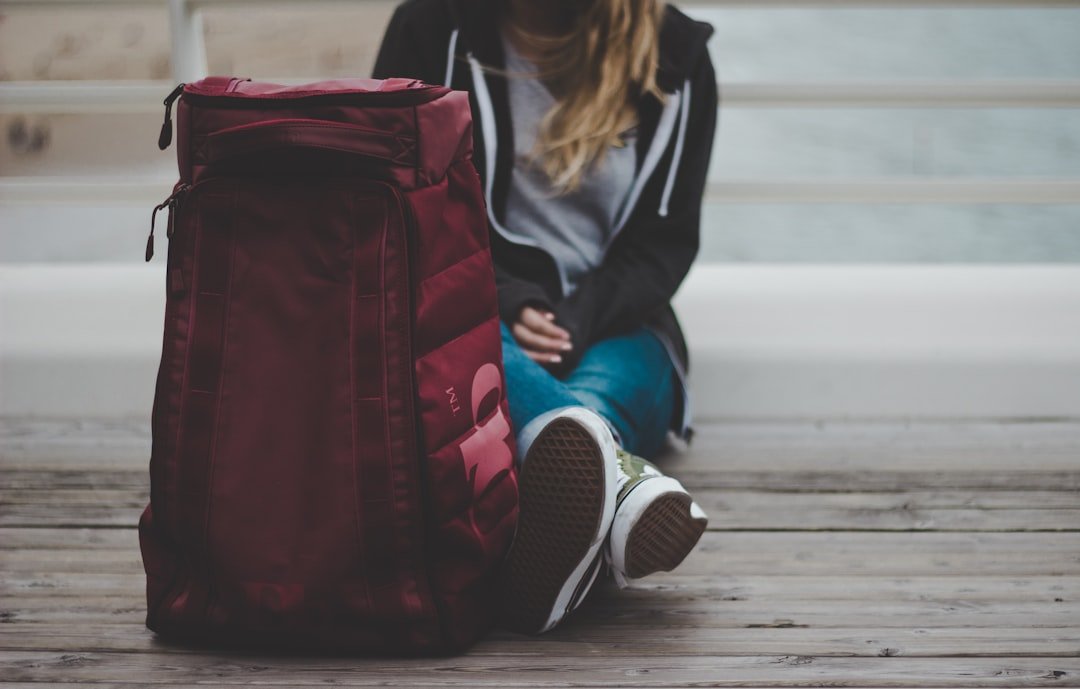
The Art of Packing Light: Lessons from 6 Months of One-Bag Travel
I’ll never forget the moment I stood in the middle of a cobblestone plaza in Sevilla, dragging my suitcase across uneven stones while fellow travelers breezed past with nothing more than a streamlined backpack on their shoulders. Sweat dripping down my back, wrestling a 50-pound monstrosity up three flights of stairs in a centuries-old building—that was my wake-up call. I was doing it wrong.
That trip changed everything. Over the past six years, I’ve traveled through 30+ countries with nothing more than a carry-on backpack, and I’ve learned that packing light isn’t just about convenience—it’s about freedom. When you’re not weighed down by excess stuff, you can hop on that overnight train without advanced booking, navigate crowded markets without crushing toes, and actually enjoy the journey instead of managing your luggage.
But here’s what most guides won’t tell you: packing light isn’t about deprivation. It’s about intentionality. I’ve spent weeks in European winters and tropical adventures with the same compact bag, and I’ve never felt like I was missing out. Let me show you exactly how I do it.
The Golden Rule: The 80/20 Packing Principle
Before we dive into specific gear, here’s the philosophy that transformed my packing: we wear 20% of our clothes 80% of the time. The problem is, we pack for the imaginary scenarios—the “what if I get invited to a formal dinner” or “what if it unexpectedly snows in July.” I’ve been there, and I’ve carried those clothes through entire trips without ever wearing them.
The solution? Ruthless editing. For every item you consider packing, ask yourself: “Would I be willing to carry this up five flights of stairs?” If the answer is no, it stays home. I’ve learned that I can hand-wash a merino wool t-shirt in a hotel sink and have it dry by morning. I’ve discovered that packing cubes compress my wardrobe by 30% while keeping everything organized. Most importantly, I’ve realized that nobody notices—or cares—that I wore the same outfit twice in one week.
Building Your Light-Packing Foundation
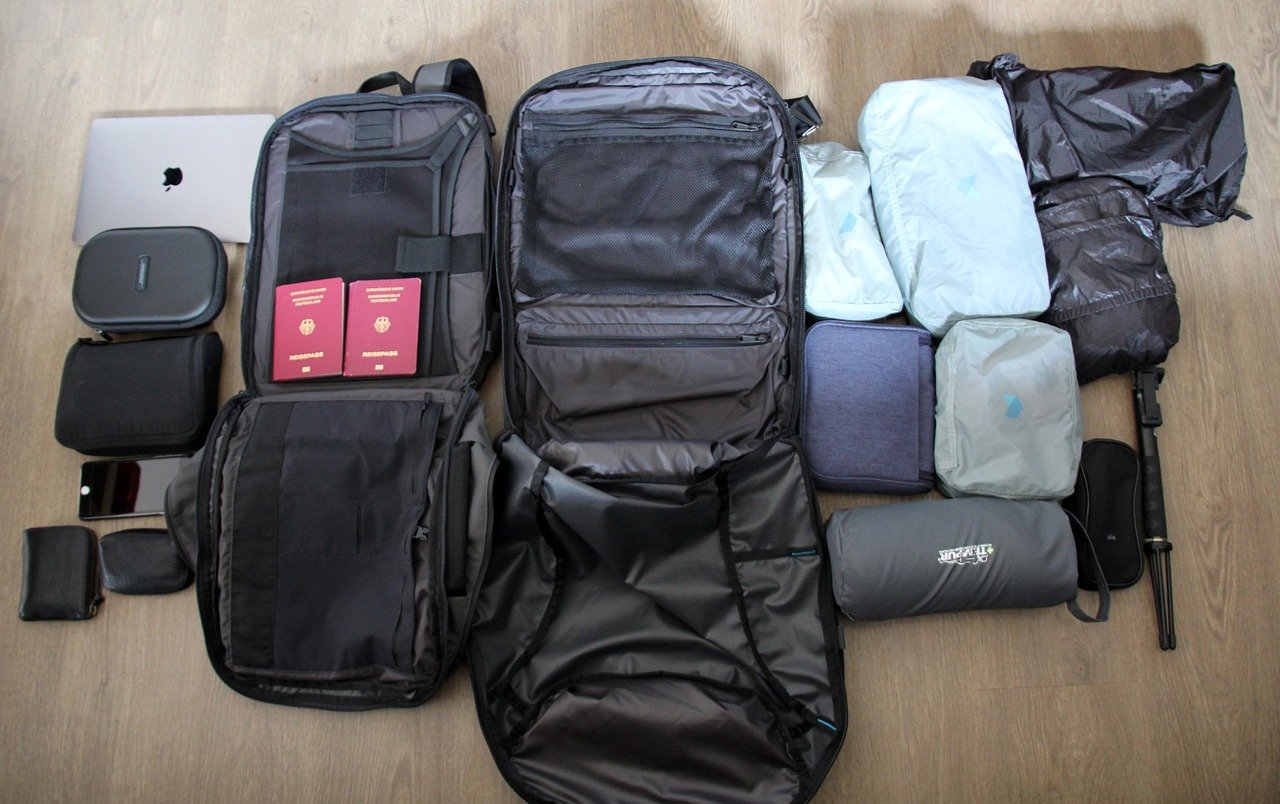
Let’s start with the foundation: your bag. After testing dozens of options across multiple continents, I’ve settled on a 40L carry-on backpack as the sweet spot for extended travel. It’s large enough for 2-3 week trips but small enough to avoid checked bag fees. The key is finding one with a suspension system that doesn’t make your shoulders scream after hours of walking.
I’m currently using a lightweight travel backpack that weighs just 2 pounds empty, leaving me with 38 pounds of capacity for everything else. Compare that to traditional luggage that weighs 5-7 pounds before you’ve packed a single item. Those pounds add up fast when you’re running through airports or navigating subway stairs.
The Capsule Wardrobe Strategy
Here’s my exact clothing formula for extended trips, regardless of destination:
Tops (5 items): 3 short-sleeve merino wool or synthetic blend t-shirts, 1 long-sleeve base layer, 1 lightweight button-down or nice blouse. Merino wool is worth every penny—it resists odors, regulates temperature, and can be worn for days between washes. I’ve traveled with just three merino wool travel shirts for two-week trips and never felt limited.
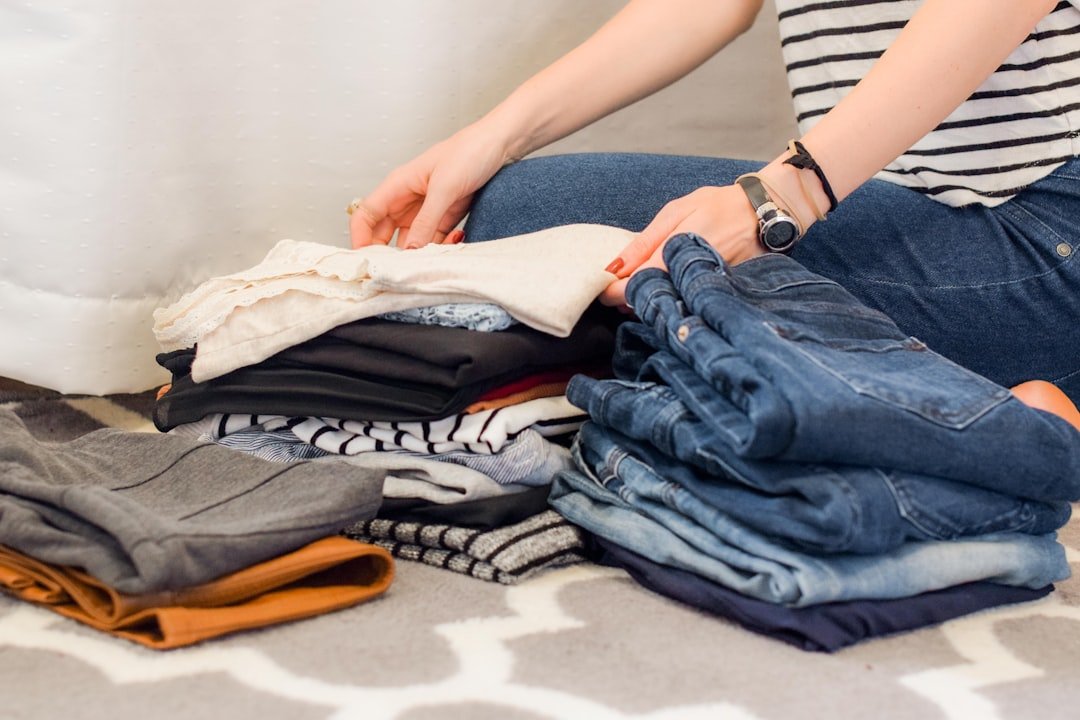
Bottoms (3 items): 1 pair of travel-friendly pants (convertible or quick-dry), 1 pair of dark jeans or nice trousers, 1 pair of shorts or skirt. That’s it. I’ve worn the same pair of travel pants for 10 days straight across different cities, hand-washing them every few nights. The key is choosing pieces that mix and match—everything should coordinate with everything else.
Layers (2 items): 1 lightweight packable down jacket or fleece, 1 rain shell. The down jacket compresses into a pocket-sized ball and provides serious warmth without bulk. A quality packable down jacket has kept me comfortable in everything from Andean highlands to Scandinavian winters.
Underwear & Socks (7 sets): Merino wool or synthetic blends only. Cotton kills when you’re traveling—it takes forever to dry and holds odors. I use merino wool travel underwear that can be hand-washed and air-dried overnight. Same for socks—no cotton, ever.
Footwear (2 pairs): 1 comfortable walking shoes (worn on travel days), 1 lightweight sandals or flip-flops. That’s right, two pairs total. I’ve walked 15+ miles through cities in my trusty travel sneakers and changed into sandals at my accommodation. Both pairs serve multiple purposes—my sandals double as shower shoes in hostels.
The Toiletry Revolution
This is where most travelers overpack by accident. You don’t need full-sized bottles of anything. I use a hanging toiletry bag with clear compartments, filled exclusively with 3-ounce containers. The trick? Solid toiletries. Solid shampoo bars, toothpaste tabs, and solid cologne or perfume eliminate liquid weight entirely and last for months.
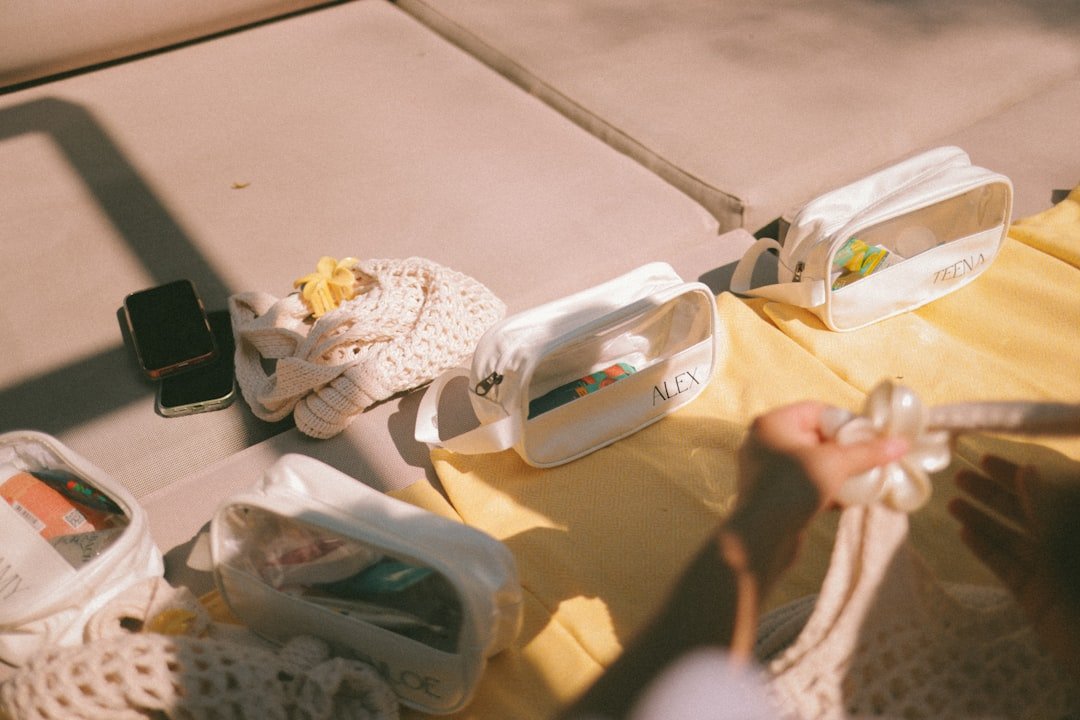
My toiletry kit weighs less than 8 ounces total but includes everything I need: solid shampoo, solid conditioner, toothpaste tabs, floss, razor, deodorant, and a small first-aid kit. I’ve never found myself wishing I’d packed full-sized bottles—refilling small containers is quick, and the space savings are enormous.
Tech & Entertainment: The Minimal Setup
I’ve watched travelers haul laptops, tablets, e-readers, cameras, and multiple chargers through airports. It’s unnecessary weight. My tech kit fits in a small pouch and includes: my phone (which serves as camera, map, entertainment, and communication device), a high-capacity power bank, and a universal charging cable.
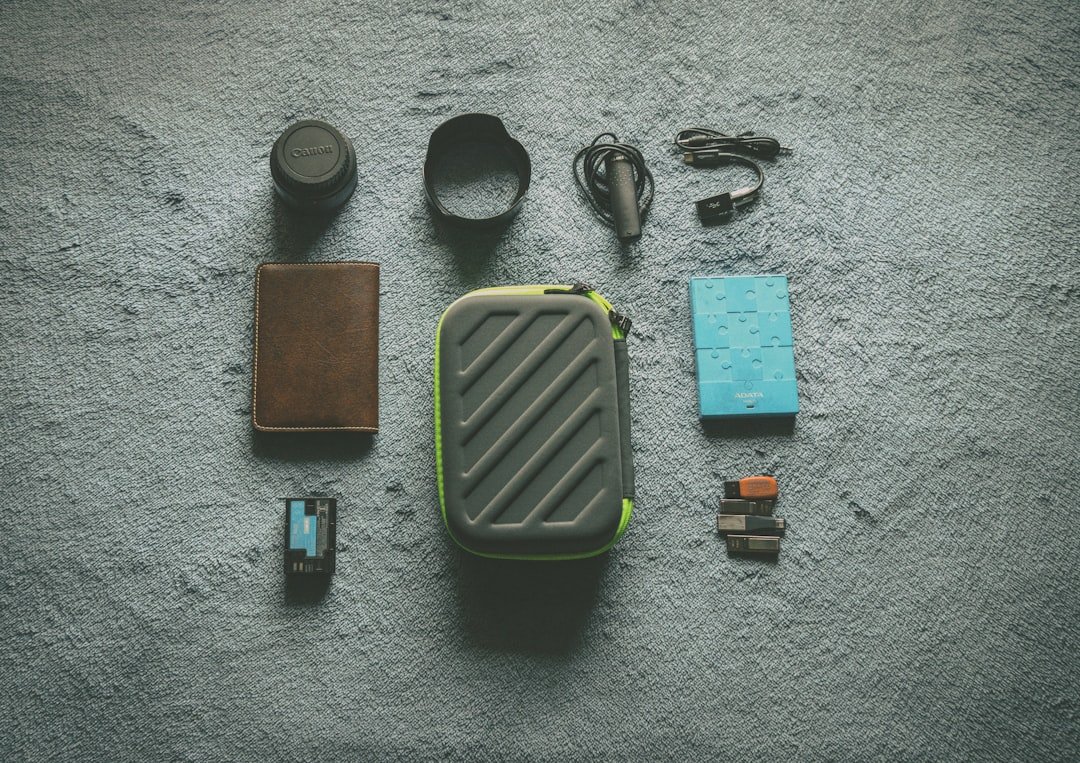
For longer trips, I bring a lightweight laptop, but that’s the exception. Most travelers don’t need separate devices—a modern smartphone handles 90% of travel needs. Every pound matters when you’re carrying it all day.
Smart Accessories That Save Weight
Some accessories pull their weight by eliminating the need for other items. A quick-dry microfiber towel, for example, replaces bulky hotel towels and doubles as a beach blanket, picnic mat, or even additional padding for fragile items. A pack of laundry detergent sheets allows you to wash clothes anywhere, reducing the number of outfits you need to pack.
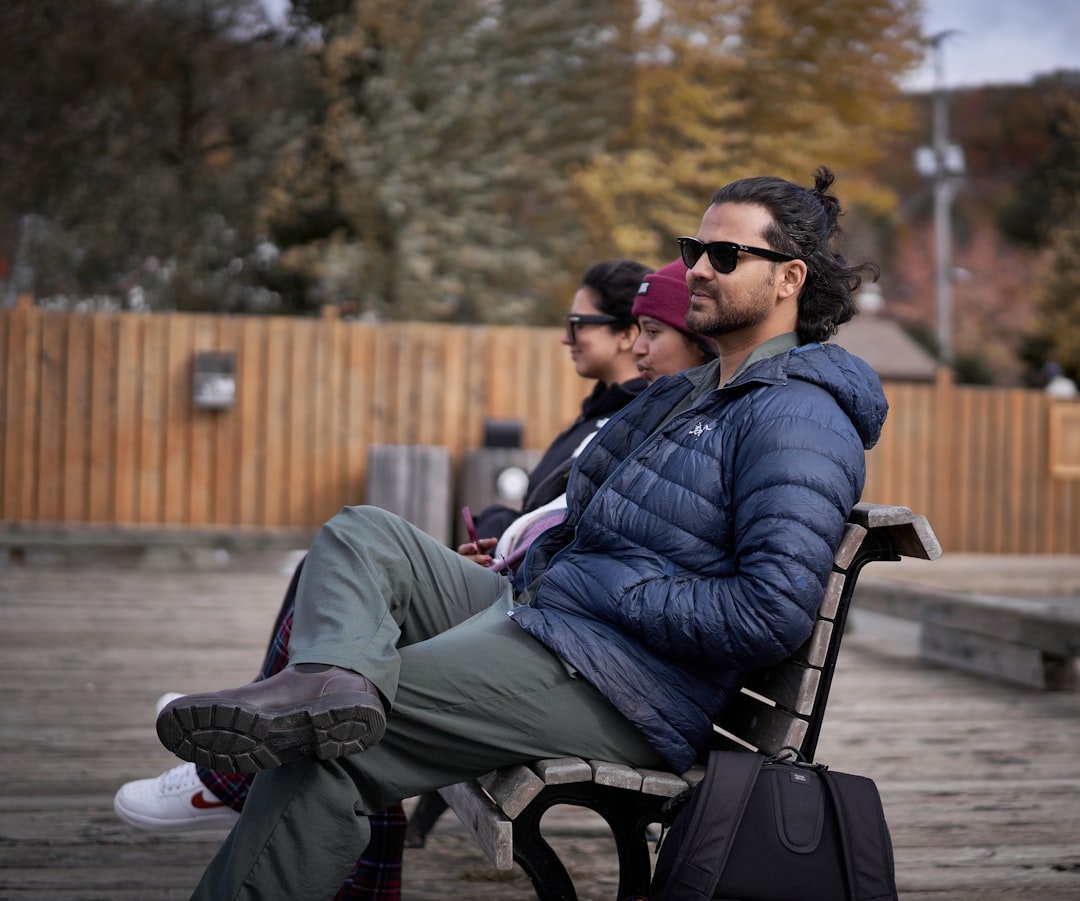
I also carry a packing folder for wrinkle-prone items like dress shirts or blouses. It compresses clothing while keeping it crisp, eliminating the need for ironing or steaming at destinations. One lightweight scarf or sarong serves multiple purposes: airplane blanket, modesty cover for religious sites, beach cover-up, or even an improvised bag.
The Final Check: Reality Test Your Bag
Before any trip, I do the “airport test.” I pack my bag completely, then walk briskly for 15 minutes around my neighborhood. If my shoulders are hurting or I’m adjusting straps constantly, something needs to come out. I’ve removed entire categories of items this way—books I’d planned to read, extra shoes I thought I might need, gadgets I’d convinced myself were essential.
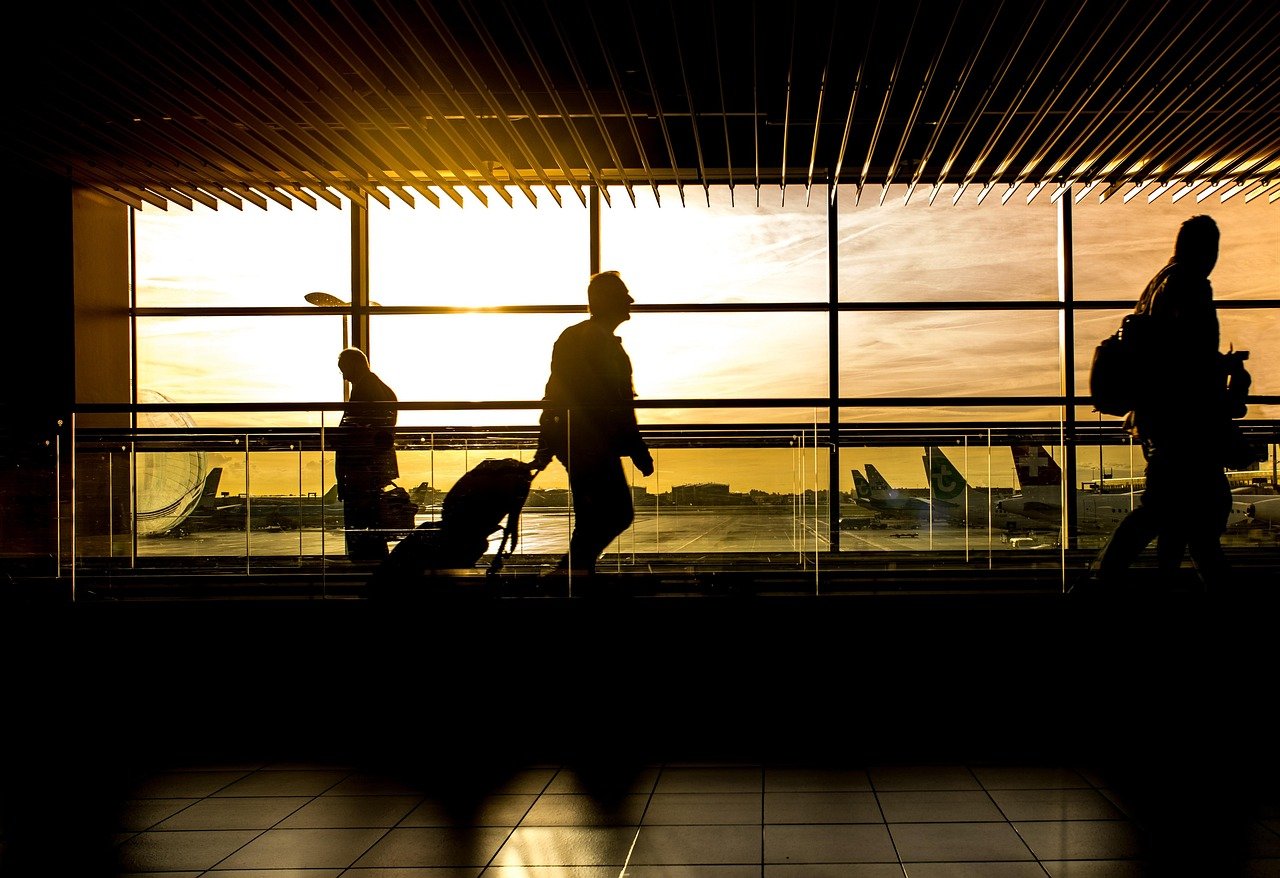
Here’s another reality check: lay out everything you plan to pack, then remove 20% of it. Seriously. Put 20% back in your closet. I’ve done this before every major trip for six years, and I’ve never once reached my destination wishing I’d packed those “just in case” items. Never.
Extended Travel Special Considerations
For trips longer than three weeks, the strategy shifts slightly. Instead of packing more, I plan for resupply points. I know where to find travel adapters, toiletries, and clothing along my route. Many veteran long-term travelers use the “buy it there” approach—pack for one week, then replace items as needed during the journey. It’s often cheaper than buying premium travel gear at home, and it supports local economies.
I also embrace the 3-day rule for laundry: every three days, I do a wash. Whether it’s hotel sinks, hostel laundry rooms, or local services, staying on top of laundry means I need fewer clothes overall. A small elastic travel clothesline lets me dry laundry anywhere, eliminating the need for 7+ outfits.
The Emotional Side of Packing Light
Here’s something nobody talks about: packing light is emotionally freeing. When I’m not worrying about my luggage, I’m more present. I accept spontaneous invitations without calculating whether I can safely store my bags. I navigate crowded spaces without anxiety. I’ve found that traveling with less means experiencing more.
The first time you’ll walk through an airport, bypass baggage claim, and step directly into a taxi or train with everything on your back, you’ll understand. It’s not just about convenience—it’s about liberation. That heavy suitcase in Sevilla taught me a lesson I’ve carried ever since: the less you bring, the more you gain.
Your Turn: Start with One Trip
Don’t overhaul everything at once. Try packing light for your next trip, even if it’s just a weekend getaway. Test the principles. See how it feels to move unencumbered. I’m confident that once you experience the freedom of one-bag travel, you’ll never go back to hauling excessive weight.
The gear matters, but the mindset matters more. Every item in your bag should earn its place through utility and versatility. Pack with intention, travel with freedom, and discover what so many light-packing converts already know: less truly is more.
Related Reading: For more on travel gear essentials, check out Essential Road Trip Gear: What You Really Need (2026 Edition) or dive deeper into clothing organization with Best Packing Cubes and Travel Organizers for 2026. If you’re deciding on luggage, our guide to Best Lightweight Luggage and Travel Backpacks compares top options for extended travel.
1 thought on “How to Pack Light for Extended Travel: Lessons from 6 Months of One-Bag Travel”