Why Spring is Prime Time for Black Hills and Badlands
There’s something magical about hitting the Black Hills and Badlands in spring. After months of winter quiet, the landscape transforms into a canvas of newborn wildlife, blooming wildflowers, and dramatic weather that makes photographers drool. I’ve spent years exploring South Dakota’s iconic destinations, and I’ve learned that spring offers the most rewarding experiences—if you know when to go and what to expect.
The timing matters here. Spring brings baby bison calves (those adorable “red dogs” born in April-May), pronghorn fawns, and bighorn sheep lambs dotting the grasslands. The dramatic thunderstorms that roll across the Badlands create moody, otherworldly lighting you won’t find in summer. But here’s the thing: catch it too early, and you’re still looking at snow-dusted peaks. Too late, and summer crowds descend. Through trial and error (and plenty of wrong turns), I’ve figured out the optimal windows for a spring 2026 road trip through this underrated region.
The Route: Your Ultimate Spring 2026 Black Hills and Badlands Itinerary
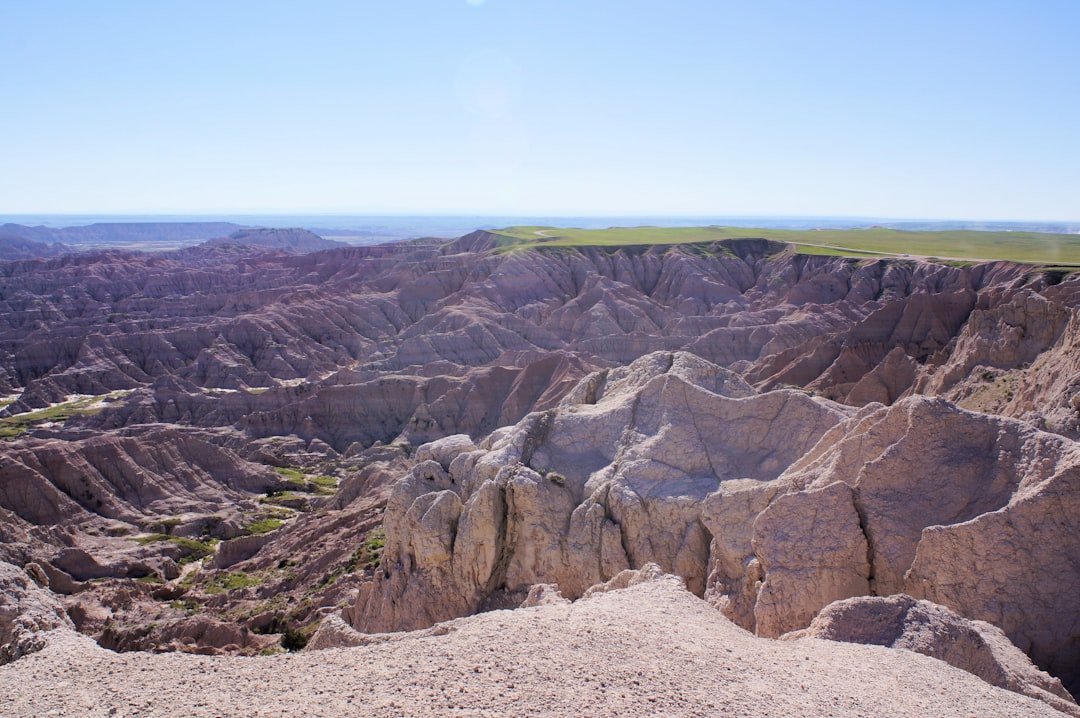
This isn’t just a drive—it’s a journey through some of America’s most diverse landscapes. The classic route connects Rapid City to Badlands National Park, then loops through the Black Hills, covering roughly 400 miles over 5-7 days. I recommend taking it slow. Spring weather can be unpredictable, and you’ll want flexibility to linger when you find those perfect wildlife encounters or storm-chasing opportunities.
I broke my spring trip into logical sections: Badlands National Park (2 days), Mount Rushmore and Keystone area (1 day), Custer State Park and Needles Highway (2 days), Wind Cave National Park (1 day), with an optional Devils Tower day trip if you have extra time. This pacing lets you actually experience each area instead of just checking boxes. For more scenic driving inspiration, explore these scenic USA road trip routes for spring featuring wildflowers and waterfalls. Annual parks pass is worth it if you’re hitting multiple national parks in 2026.
Day 1-2: Badlands National Park – Spring Wildlife and Storm Watching
Start your adventure in Badlands National Park, where the otherworldly rock formations take on a surreal quality under spring storm clouds. The park’s 244,000 acres of sharply eroded buttes, pinnacles, and spires look dramatically different than the brochures—moody, atmospheric, and alive with newborn wildlife.
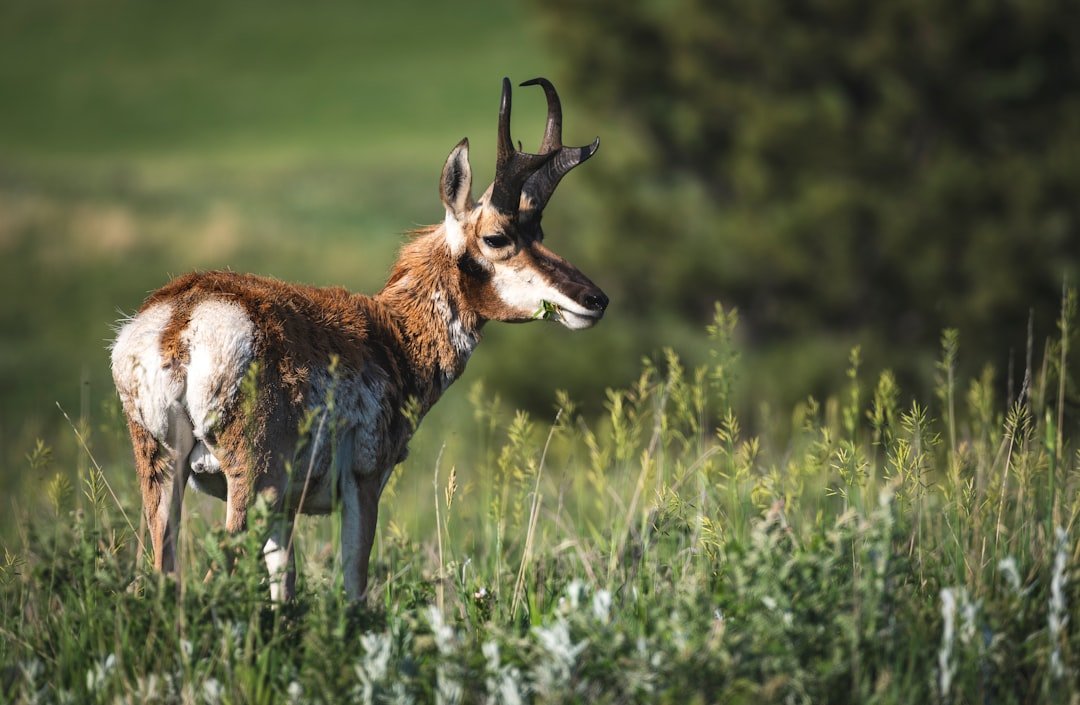
The sweet spot for timing? Mid-April through mid-May. That’s when pronghorn does are giving birth to fawns, and bison calves are hitting the ground running (literally—they can run within hours of birth). I spent an entire morning just watching a herd of bison near the Sage Creek Rim Road, counting至少 eight calves stumbling around on spindly legs while their massive mothers grazed contentedly. Bring compact travel binoculars for safe wildlife viewing from your vehicle.
Spring storms roll through frequently, creating spectacular cloud formations that photographers dream about. I caught a thunderstorm building over the Pinnacles Overlook one evening, and the way the light played across the layered rock formations was unlike anything I’ve seen in summer. Lightweight travel tripods are essential for those long-exposure shots of storm clouds moving across the badlands. The park’s remote scenery is worth capturing, and spring’s dramatic lighting adds depth you won’t find during clear summer days.
Don’t miss the Door Trail and Window Trail for accessible hiking, but be prepared for mud—spring rains make trails slick. The Notch Trail offers that classic badlands overlook experience, but the ladder can be treacherous when wet. Stick to boardwalks and shorter trails if conditions are muddy, and always carry waterproof hiking boots for unexpected puddles and stream crossings.
Day 3: Mount Rushmore and Keystone Area
From Badlands, it’s roughly an hour’s drive to Mount Rushmore National Memorial. Spring is perfect here—smaller crowds than summer, cool temperatures for walking the Presidential Trail, and clear mountain air that makes the carved granite faces pop against blue skies.
The monument itself is awe-inspiring, but spring adds an extra dimension. I visited in late April and had the boardwalk nearly to myself, watching clouds drift between the presidents’ faces. The lighting was crisp and clean, unlike summer’s harsh midday sun. Wide-angle lens comes in handy here for capturing the full scale of the sculpture against the Black Hills backdrop.

Pro tip: Time your visit for early morning or late afternoon. The angle of light makes the faces more dimensional, and you’ll avoid bus tours. Spend some time in the Lincoln Borglum Visitor Center to understand the engineering marvel—that granite is harder than the steel carving tools, and the work took 14 years to complete. Spring’s moderate temperatures make exploring the museum more comfortable than summer’s heat.
The Keystone area offers reasonable lodging and dining options, plus easy access to other Black Hills attractions. If you’re camping, spring means easier reservations than summer, but nights can still dip near freezing—pack a 30-degree sleeping bag and warm layers for campfire evenings.
Day 4-5: Custer State Park and Needles Highway – Spring Wildlife Spectacle
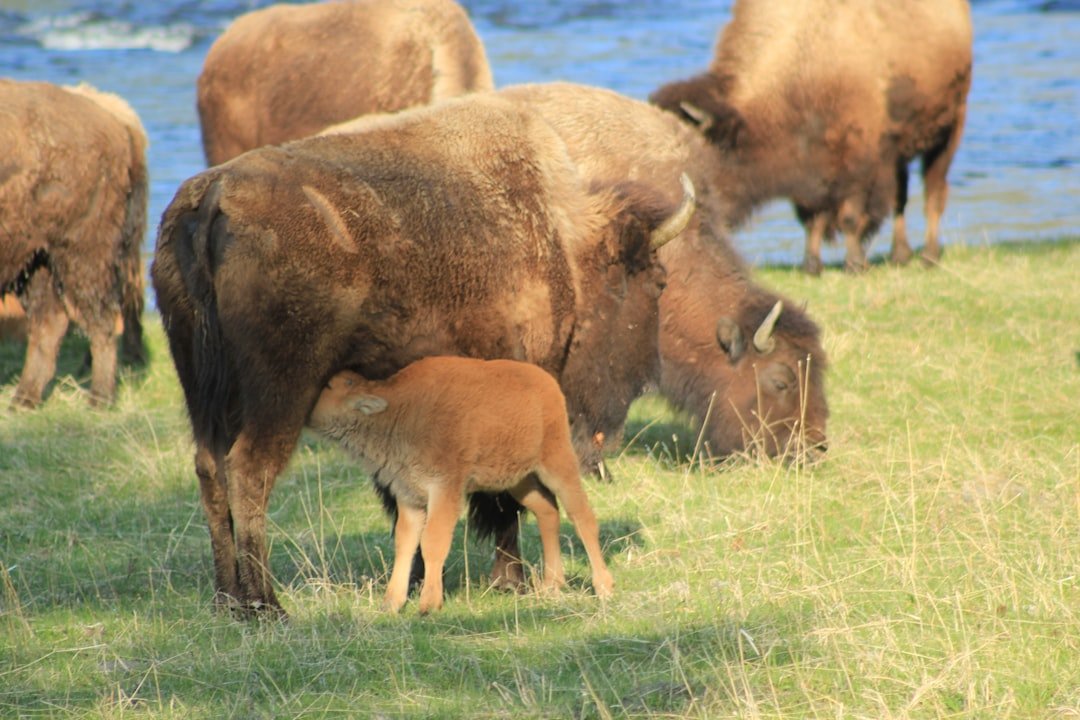
Custer State Park is where spring really shines. This 71,000-acre park is home to one of the largest publicly-owned bison herds in North America (around 1,300 animals), and late April through May is prime calving season. I spent an entire day just driving the Wildlife Loop Road, counting dozens of rusty-red calves sticking close to their mothers, while bull bison grazed unconcernedly a few hundred yards away.
The spectacle is unforgettable: newborn bison calves, called “red dogs” for their reddish-orange coats, can run within hours of birth. Watch from your vehicle—never approach wildlife on foot. Spring also brings pronghorn fawns, elk calves, and burros along the Iron Mountain Road. Telephoto zoom lens is invaluable here for safe, respectful wildlife photography from a distance.
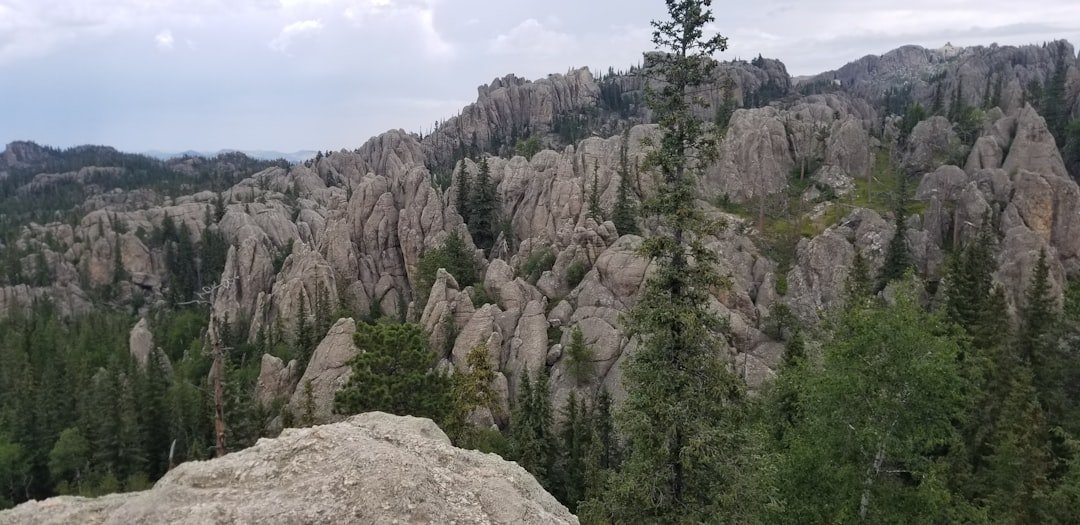
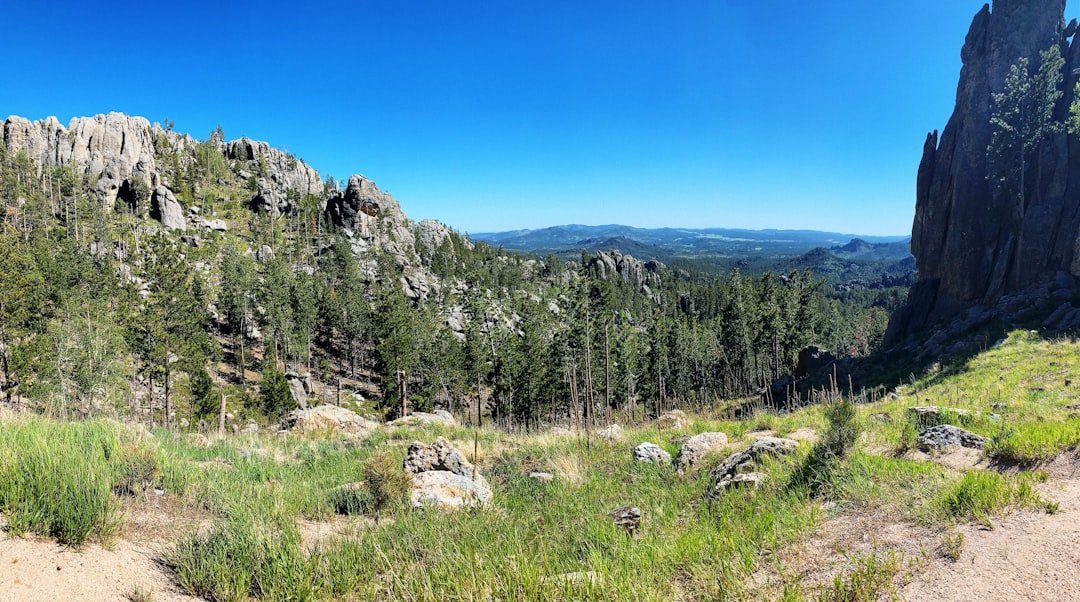
The Needles Highway (SD 87) is a spring highlight, with granite spires and tunnels carved through rock. Spring’s muted greens make the pink granite pop, and you’ll have the road mostly to yourself before summer traffic. Drive slowly and pull over at every turnout—views like the Needle’s Eye and Cathedral Spires aren’t to be rushed. The road is narrow with tight curves, so quality phone mount for navigation is essential so you can keep eyes on the road while following directions.
Sylvan Lake is spectacular in spring, with mirror-calm waters reflecting granite formations. Pack a picnic and enjoy the solitude—summer brings crowds, but spring weekdays are blissfully quiet. If you’re hiking, the Sunday Gulch Trail offers waterfall views that peak during spring snowmelt. Collapsible hiking poles help with creek crossings and muddy trails.
Day 6: Wind Cave National Park – Underground Adventure
Wind Cave National Park, one of America’s oldest national parks (established 1903), offers a completely different spring experience. The cave maintains a steady 53°F year-round, making it perfect for cool spring days when you want a break from variable weather. But the real spring magic happens above ground on the prairie.
Spring brings bison calves to the park’s surface herds (Wind Cave and Custer State Park share a bison herd that moves between the two). I watched a group of eight calves racing across the prairie, kicking up their heels in pure joy. The park’s prairie dog towns are active in spring, with pups emerging from burrows to explore above ground. Stay in your vehicle and watch from a distance—these charismatic critters are fun to observe but should never be approached.
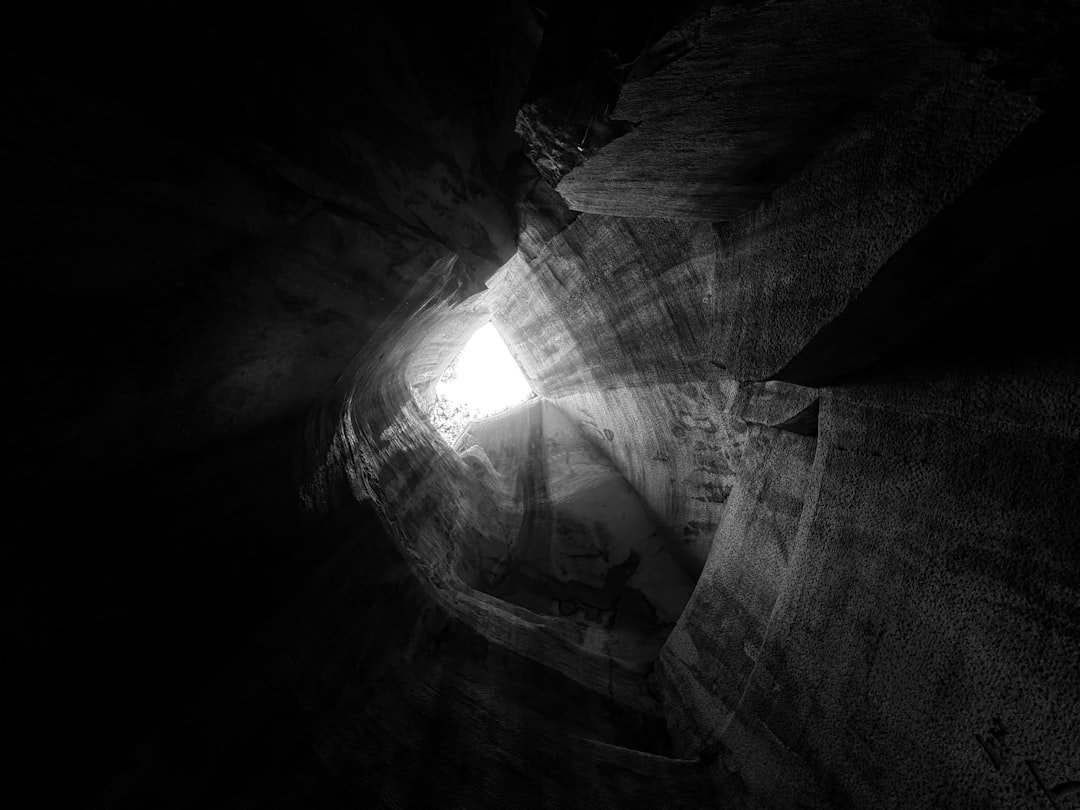
Cave tours fill up on spring weekends, so book ahead. The Natural Entrance Tour is the classic introduction, descending 200 stairs into the cave’s mysterious depths. If you’re claustrophobic, the Garden of Eden Tour stays closer to the entrance but still showcases the cave’s rare boxwork formations (95% of the world’s boxwork is found in Wind Cave). Light packable jacket is perfect for the cave’s constant cool temperature.
Above ground, spring hiking trails are often muddy but reward you with wildflowers and wildlife. The Rankin Ridge Trail offers panoramic views of the Black Hills, and you’ll likely spot bison and elk from the summit. Spring means fewer bugs than summer, so trail conditions are nearly ideal despite occasional mud.
Optional Day Trip: Devils Tower, Wyoming
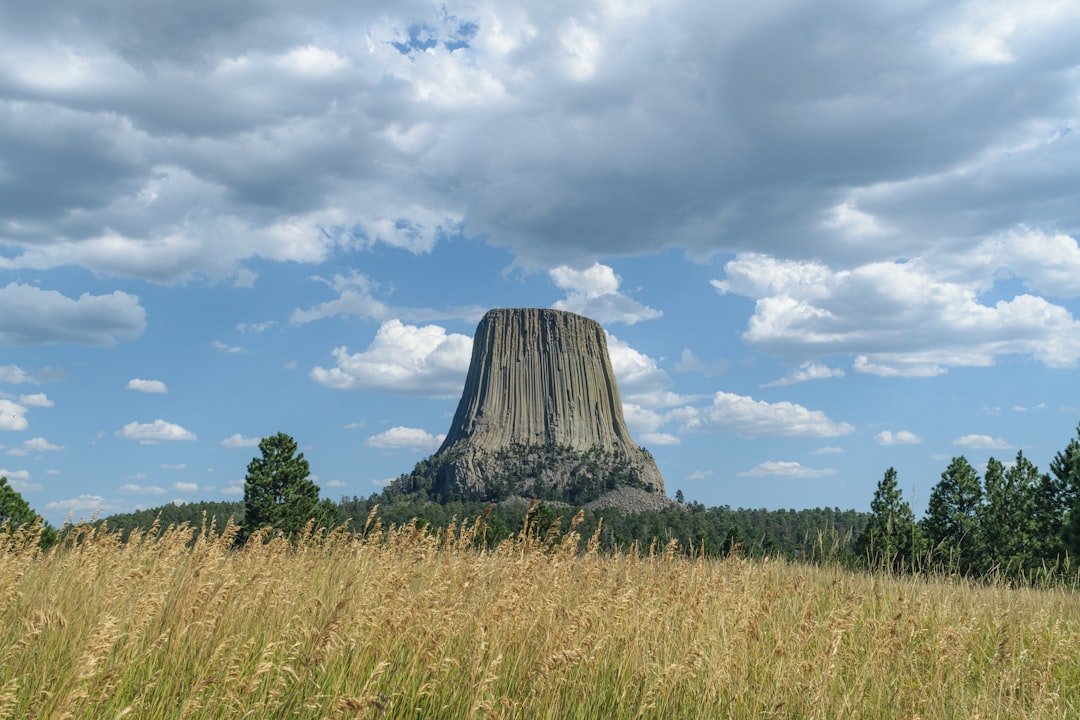
If you have an extra day, Devils Tower National Monument in Wyoming makes a perfect spring add-on. The drive from Custer takes about 2 hours each way through beautiful Black Hills scenery. Spring brings smaller crowds than summer, and the tower’s dramatic columns are especially photogenic against storm clouds.
The tower’s vertical columns rise 867 feet from base to summit, creating a truly otherworldly sight. Spring means prairie dog pups are active in the town at the monument’s base, and wildflowers like pasqueflower and prairie smoke bloom along the trails. The 1.3-mile Tower Trail circles the base, offering close-up views of the columns and plenty of photo opportunities. Waterproof trail shoes handle mud and creek crossings on this popular trail.
Spring Packing Essentials for Black Hills and Badlands
Spring in the Black Hills means weather whiplash—sunny mornings can turn into afternoon thunderstorms, and temperatures swing from freezing at night to 70°F by day. Layering is non-negotiable. I learned this the hard way on a 2024 trip when I packed for summer and ended up buying a hoodie in Wall Drug after a surprise snowstorm.
Start with moisture-wicking base layers (they keep you warm when wet, unlike cotton). Add a fleece midlayer for chilly mornings and a waterproof shell for sudden rain showers. Temperatures can drop 30 degrees from afternoon to evening, so pack layers you can add or remove easily. For camping, a 20-degree sleeping bag handles spring’s unpredictable nights better than a summer-weight bag.
Footwear matters. Spring means mud, slush, and stream crossings. Waterproof hiking boots with good tread are essential—trail running shoes might work for dry days, but you’ll regret them after one Badlands thunderstorm. Low-profile gaiters keep mud and rocks out of your boots on messy trails.
Don’t forget sun protection. Spring sun at higher elevations (Black Hills rise to 7,242 feet) is stronger than you think, especially when reflecting off light-colored badlands rocks. Pack SPF 50 sunscreen, sunglasses, and a brimmed hat even on cool days.
Where to Stay in Spring 2026
Spring offers flexible accommodation options. For camping, Custer State Park’s campgrounds open in April (some earlier depending on weather). Reservation season starts January 1st for the year, so book ASAP for May weekends. Dispersed camping in Black Hills National Forest is free and plentiful in spring, but check current fire restrictions before building campfires.
Lodging in Keystone, Hill City, and Custer offer motel and hotel options at lower spring rates than summer. I’ve stayed at the Rocket Motel in Keystone—basic, clean, and centrally located. For a splurge, the State Game Lodge in Custer State Park offers historic charm and wildlife viewing right from your porch (bison often graze the lawn). Book at least a month ahead for spring weekends—locals know the secret of spring travel and fill rooms quickly.
For spring-specific camping preparation, including handling unpredictable April weather, refer to this guide on spring camping in national parks with essential gear recommendations. Rapid City makes a convenient base with its airport and chain hotels, but you’ll spend more driving time. I prefer staying closer to the action in Custer or Keystone, where you can roll out of bed and be on a trail in 15 minutes.
Budget Planning for Your Spring Road Trip
Here’s the beauty of spring travel in the Black Hills: it’s cheaper than summer, less crowded, and the wildlife viewing is world-class. Entrance fees stack up though, so plan ahead. Badlands National Park charges $30 per vehicle (valid 7 days), while Wind Cave and Jewel Cave charge $15 per person. Mount Rushmore charges $10 per car parking fee. If you’re visiting three or more national parks in 2026, the $80 America the Beautiful Pass pays for itself quickly.
Custer State Park charges a $20 entrance fee per vehicle (valid 7 days), or $6 per person for South Dakota residents. Camping runs $20-30 per night depending on hookups. Motels in spring range from $80-150 per night, significantly less than summer’s $150-300 rates.
Food costs are reasonable—expect $15-25 per person per meal at local restaurants. Gas prices in South Dakota typically run below the national average, but you’ll still spend $80-120 on fuel for a 5-day trip covering 400 miles. Gas finder app helps locate the cheapest stations along your route.
Spring Photography Tips for Black Hills and Badlands
Spring offers unique photographic opportunities you won’t find in summer. The key is embracing dramatic weather and being ready when conditions align. I’ve spent entire afternoons chasing storms across the Badlands, waiting for that perfect moment when sunlight breaks through dark clouds to illuminate the layered formations.
Golden hour lasts longer in spring—sunrises around 6:30 AM and sunsets near 8:00 PM in May give you flexible shooting schedules. The soft morning light makes baby wildlife glow, especially that reddish-orange coat on bison calves. Overcast days are actually better for badlands photography—harsh midday sun washes out those subtle color variations in the rock layers.
Pack a polarizing filter to cut glare from wet rocks and deepen blue skies in stormy weather. A tripod is non-negotiable for landscape shots in low light or for those moody long-exposure storm photos. And bring extra batteries—cold spring mornings drain camera batteries faster than you’d expect.
For wildlife, a telephoto zoom lens (70-200mm or longer) lets you keep safe distance while filling the frame. Never approach wildlife on foot for a photo—bison can run 35 mph and are unpredictable. Use your vehicle as a blind, shooting from open windows with the engine off to reduce vibration.
Putting It All Together: Your Spring 2026 Black Hills and Badlands Adventure
After years of spring visits, I’ve learned that flexibility and preparation make the difference between a good trip and an unforgettable one. Check weather forecasts daily but be prepared for anything—I’ve experienced sunshine, snow, and thunderstorms all in one April day. Spring is fickle, but that unpredictability creates those magic moments you’ll talk about for years.
The rewards are worth it: baby bison calves racing across green prairies, dramatic storm clouds roiling over badlands buttes, granite needles framed by new-growth ponderosa pine, and the thrill of having iconic sites largely to yourself. Spring’s moderate temperatures mean you can hike longer and explore deeper without summer’s heat exhaustion.
Most importantly, slow down. The Black Hills and Badlands deserve more than a drive-through visit. Spend time watching wildlife from your vehicle (safely), pull over at every scenic turnout on Needles Highway, and let those badlands sunsets burn into your memory. Spring’s solitude and spectacle make this region shine, and 2026’s timing—coming off a relatively mild winter—should make for exceptional wildlife viewing and wildflower displays.
The Black Hills and Badlands in spring aren’t just a road trip—they’re a revelation. And once you experience that newborn bison calf stumbling across green prairie under a dramatic spring sky, you’ll understand why locals guard this secret season fiercely. Book early, pack layers, and prepare for one of America’s most underrated spring adventures.
2 thoughts on “Black Hills and Badlands National Park: The Ultimate Spring 2026 Road Trip Guide”