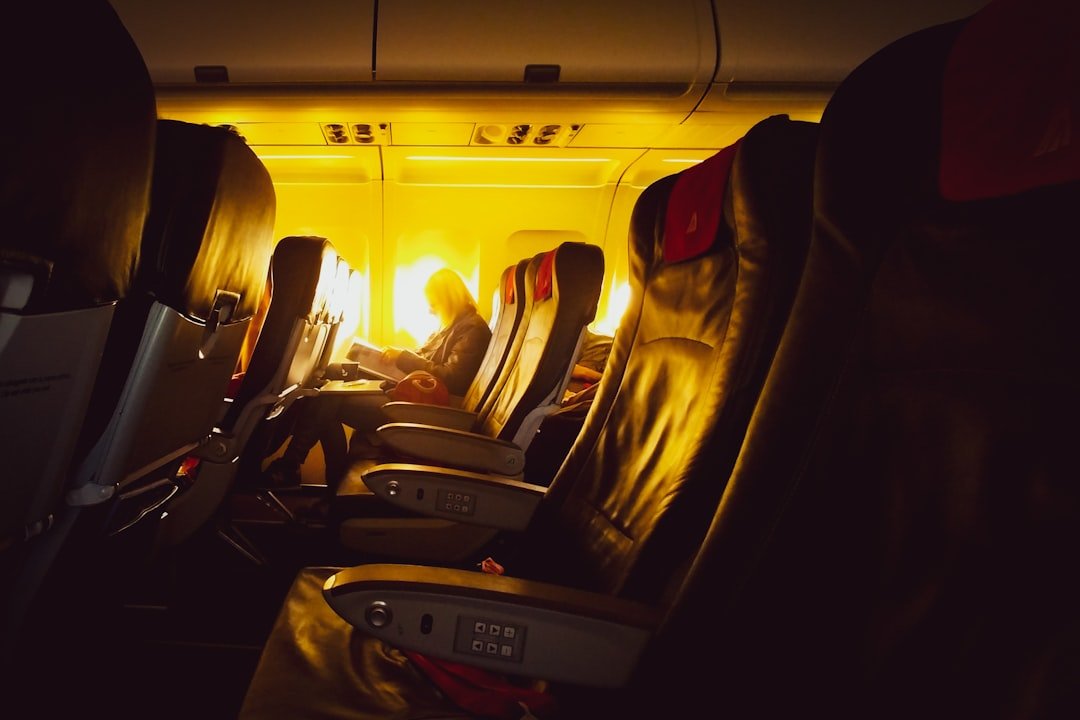
I used to lose the first three days of every international trip to jet lag. You know the feeling — you drag yourself through cobblestone streets in a haze, nodding off during museum tours and waking up at 3 AM convinced you’ve missed your flight. It wasn’t until I started researching circadian rhythm science that I realized jet lag isn’t just “part of traveling.” It’s a problem you can solve, or at least minimize dramatically, with the right approach.
After years of crossing time zones — from overnight flights to Tokyo to red-eyes back from London — I’ve built a system that draws on sleep research, trial-and-error, and a few gadgets that genuinely make a difference. This isn’t about popping melatonin and hoping for the best. It’s a phased strategy that starts days before your flight and follows you through your first full day at your destination. If you’re tired of wasting vacation days in a fog, here’s exactly what works.
Why Jet Lag Happens (And Why Some People Get It Worse)
Your body runs on an internal clock called the circadian rhythm — a roughly 24-hour cycle controlled by a cluster of neurons in your brain called the suprachiasmatic nucleus. This clock uses light, temperature, and meal timing to stay synchronized with your home time zone. When you cross multiple time zones faster than your body can adjust, everything falls out of whack. Your gut expects dinner when your new location says it’s breakfast. Your brain releases sleep hormones at the wrong times. Your core body temperature — which normally dips at night — is still running on the old schedule.
The general rule: your body adjusts about one time zone per day. Carrying a good insulated water bottle through the airport helps you stay ahead of dehydration before you even board. A five-hour difference? Expect roughly five days of feeling off without intervention. Eastbound travel is typically harder than westbound because you’re trying to fall asleep earlier than your body wants to, which is harder than staying up later. Having a supportive travel pillow that you actually use can make a surprising difference in how rested you feel on arrival. Age matters too — older adults often experience more severe symptoms, and some people are genetically more sensitive to circadian disruption.
Phase One: Start Adjusting Before You Fly
The biggest mistake travelers make with jet lag is waiting until they land to start dealing with it. The most effective strategy begins two to three days before departure. If you’re flying east, shift your bedtime and wake time 30 to 60 minutes earlier each day. Heading west? Stay up a bit later and sleep in a bit longer. This doesn’t need to be dramatic — even small shifts give your circadian clock a head start.
Meal timing is surprisingly powerful here. Your digestive system has its own circadian rhythm, and eating meals at times that align with your destination’s schedule can help “train” your body in advance. If you’re flying to London from New York, try eating dinner an hour earlier and breakfast an hour earlier for two days before departure. It sounds trivial, but research from the University of Surrey showed that meal timing shifts can accelerate circadian adaptation by up to 25%.
Light exposure is the other critical lever. In the days before an eastbound trip, get bright light early in the morning and avoid it in the evening. For westbound travel, flip it — seek bright light in the evening and sleep in a darker morning environment. A compact light therapy lamp can help if natural sunlight isn’t cooperating with your schedule, especially during winter months when dawn comes late.
Phase Two: Surviving the Flight Itself
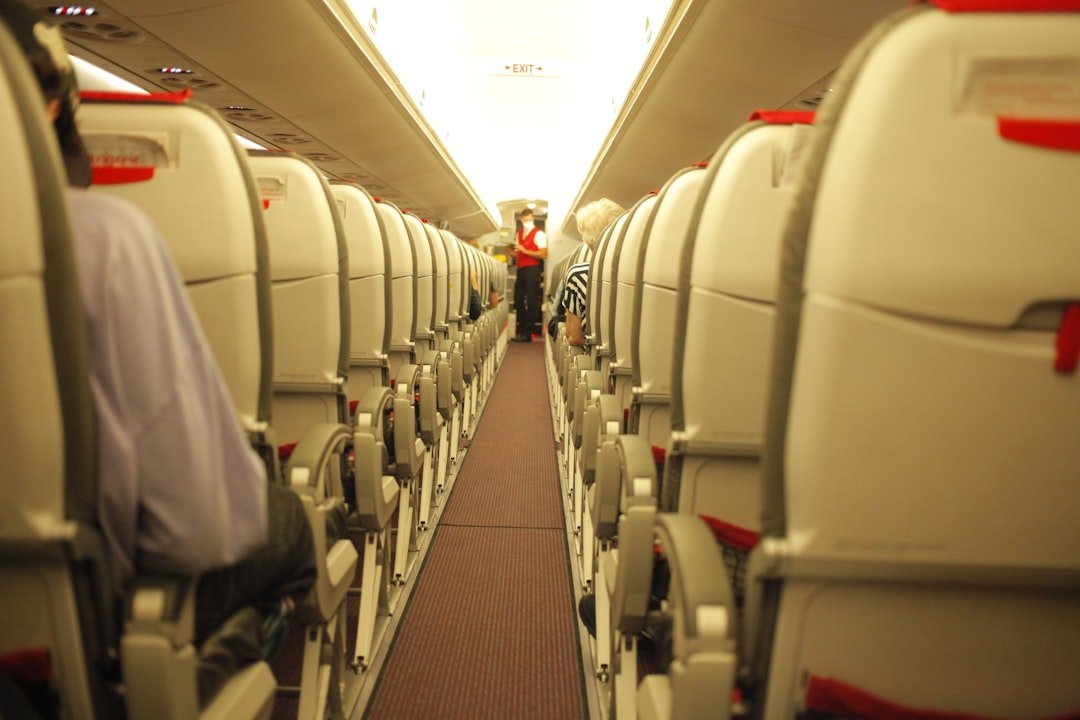
How you handle yourself in the air sets the tone for your entire recovery. The moment you board, set your watch to your destination time zone. This isn’t just symbolic — it forces you to think about whether you should be sleeping or staying awake based on where you’re going, not where you came from.
Hydration matters more than almost anything else at 35,000 feet. Cabin humidity runs between 10 and 20 percent — drier than most deserts — and dehydration worsens every jet lag symptom from headaches to brain fog. Drink at least eight ounces of water every hour you’re in the air. Skip the alcohol and go easy on caffeine. I know, I know — the free wine is tempting. But alcohol disrupts sleep architecture even when it makes you drowsy, and caffeine consumed at the wrong time (based on destination time) can delay adaptation by hours.
When it’s sleep time at your destination but you’re wide awake, a good travel neck pillow and a solid pair of noise-canceling headphones are non-negotiable. I used to scoff at neck pillows until I took a 14-hour flight without one and arrived with a neck spasm that lasted three days. Now I consider it essential equipment. Noise-canceling headphones don’t just block engine drone — they create a psychological signal to your brain that it’s time to rest, which helps enormously when you’re trying to sleep at an unnatural hour.
An eye mask is equally important because cabin lights don’t always align with your sleep schedule. Flight attendants serve meals on their timeline, not yours. A good mask lets you block out the cabin while everyone else is watching their third movie. Pair it with high-quality earplugs as a backup for when headphones run out of battery.
Phase Three: The Critical First 24 Hours at Your Destination

What you do in the first 24 hours after landing determines how quickly you recover. The single most important rule: do not nap. I know this feels impossible when you’ve been awake for 22 hours and your hotel bed is right there. But napping reinforces your old sleep schedule and delays adaptation. Instead, get outside. Sunlight is the most powerful circadian reset signal your body has — it suppresses melatonin production and tells your brain what time it actually is. Even 30 minutes of outdoor light exposure in the morning after an eastbound flight can shift your clock significantly.
If you absolutely cannot stay awake, limit naps to 20 minutes and set an alarm. Anything longer pushes you into deep sleep, which will make waking up brutal and further confuse your internal clock. Some travelers I know use a technique called “caffeine napping” — drink coffee, immediately nap for 20 minutes, and wake up as the caffeine kicks in. It’s not elegant, but it works in emergencies.
On your first evening, resist the urge to go to bed ridiculously early. Aim to stay awake until at least 9 PM local time. If you can make it to your normal bedtime — adjusted for the new time zone — you’ll sleep more deeply and wake up feeling dramatically better on day two. A low-dose melatonin supplement (0.5 to 3 mg) taken 30 minutes before your target bedtime can help signal to your body that it’s time to sleep. Don’t overdo it — more melatonin doesn’t equal more sleepiness, and high doses can leave you groggy the next morning.
The Fasting Protocol: A Hack Worth Trying
One of the more interesting jet lag strategies I’ve adopted comes from research at Harvard’s Beth Israel Deaconess Medical Center. The idea is that a 12-to-16-hour fast ending with a meal at your destination’s breakfast time can effectively “reset” your food clock, which acts as a secondary circadian timekeeper. The protocol goes like this: fast for 12 to 16 hours before the breakfast you want to wake up for at your destination. Break the fast with a protein-rich meal, and your body interprets this as “morning.”
In practice, this means I stop eating about six hours before my flight and don’t eat on the plane unless it aligns with a meal at my destination. I pack high-protein travel snacks to break the fast appropriately. Does it work perfectly every time? No. But I notice a meaningful difference when I follow it versus when I don’t, and the research backs up the mechanism. At minimum, it prevents the digestive misery of eating airplane meals at random hours.
Gear That Actually Helps With Jet Lag Recovery
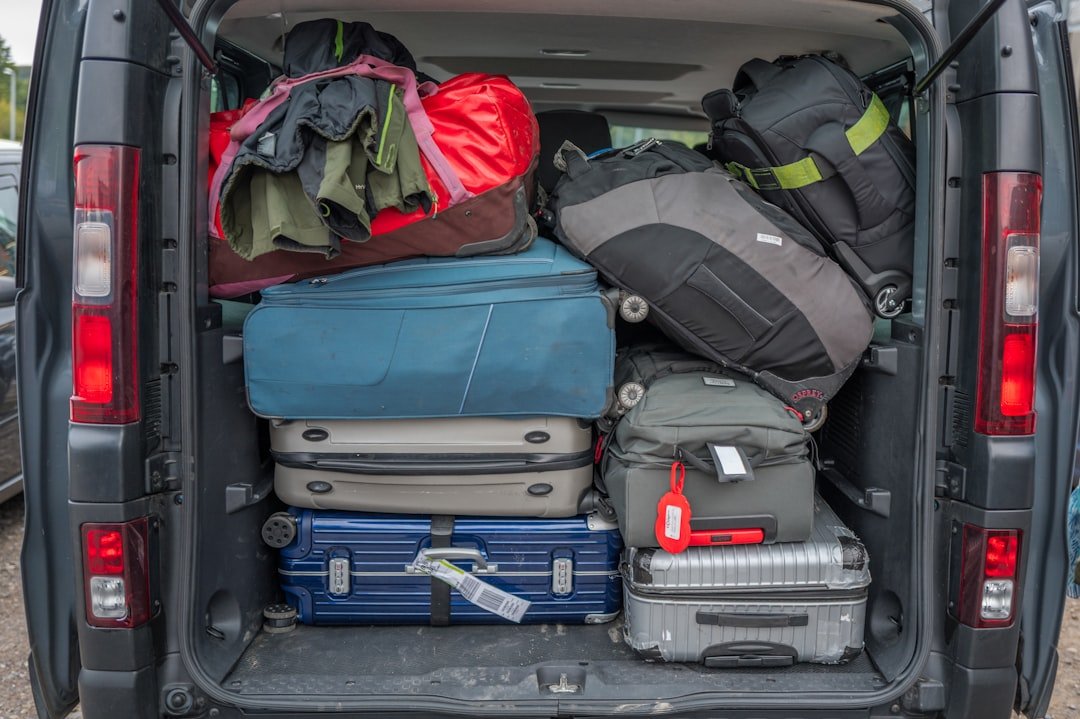
Beyond the sleep mask and earplugs, there are a few items I now pack specifically for managing time zone transitions. A mini massage gun helps work out the stiffness from long flights and promotes relaxation before bed. Compression socks improve circulation during the flight, which reduces the heavy-leg feeling that makes it harder to stay active after landing. And a reliable power bank ensures your phone — with its sleep tracking apps and sunrise alarm features — stays charged throughout the adjustment period.
If you travel internationally often, having the right travel adapter is essential for keeping all these devices powered. There’s nothing worse than arriving at your hotel with a dead phone, a dead power bank, and no way to charge either because your plug doesn’t fit the outlet. I keep a universal adapter permanently in my carry-on — it’s one of those “set it and forget it” essentials that saves you from scrambling at airport convenience stores.
Exercise and Movement: Your Secret Weapon
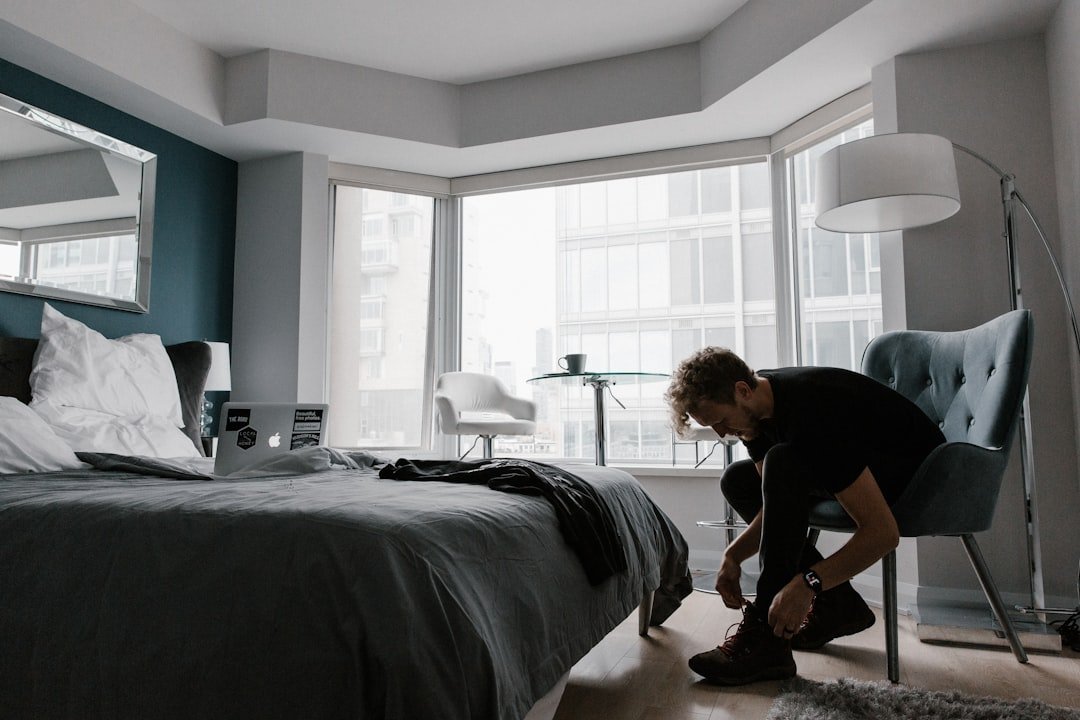
Light exercise on your first day accelerates adaptation more than almost anything else. I’m not talking about a full workout — a brisk 30-minute walk or gentle yoga does the trick. The combination of movement, light exposure, and body temperature elevation helps reset your circadian clock. Many hotels now have basic fitness centers, but honestly, a walk through the neighborhood serves double duty: you get exercise and start orienting yourself to your new surroundings.
Timing matters here. Morning exercise reinforces an earlier circadian phase (helpful for eastbound travelers), while late afternoon or early evening exercise pushes your clock later (useful for going west). Don’t exercise within three hours of your target bedtime, as the elevated core temperature will make falling asleep harder. I also pack a foldable travel yoga mat for hotel room stretching sessions — it takes up almost no space in my luggage and makes a huge difference in how my body feels after being crammed into an airline seat.
What I’ve Stopped Doing
Sometimes knowing what to avoid is as valuable as knowing what to do. I no longer take sleeping pills on flights — they leave me disoriented and don’t address the underlying circadian mismatch. I’ve stopped eating heavy meals during flights because digestion at altitude is sluggish and discomfort makes sleep harder. And I’ve abandoned the “tough it out” approach entirely. Jet lag isn’t a badge of honor; it’s a solvable problem that robs you of precious vacation time.
I also stopped booking important activities for my first full day at a destination. As I mentioned in my guide on common travel mistakes that ruin trips, overpacking your first day’s itinerary is a recipe for misery. Build in a buffer. Plan something low-key — a neighborhood walk, a casual lunch, exploring a nearby park. Save the museum marathons and all-day excursions for day two or three when your brain is actually functioning.
Putting It All Together: My Complete Jet Lag Protocol
Here’s the condensed version I follow every time I cross more than three time zones. Two to three days out, I start shifting sleep and meal times toward my destination. I use a light therapy lamp in the morning for eastbound trips. The day before, I begin the fasting protocol. On the flight, I hydrate aggressively, set my watch to destination time, sleep only when it’s nighttime where I’m going, and avoid alcohol entirely. After landing, I get immediate sunlight exposure, stay active, skip the nap, and take a low dose of melatonin before my target bedtime.
Does it eliminate jet lag completely? No — nothing does when you’re asking your body to operate on a fundamentally different schedule. But it consistently gets me functional on day one and close to normal by day two, instead of spending the first half of my trip in a daze. If you’re someone who travels internationally often enough to consider Global Entry, this protocol pays for itself in recovered vacation days within a single trip.
The bottom line: jet lag is not inevitable suffering. It’s a physiological process you can influence with timing, light, movement, and a few smart packing choices. Start before you leave, respect the science, and you’ll be exploring your destination with clear eyes instead of dragging yourself through it like I used to. Your future self — the one actually enjoying day one in Tokyo or Paris — will thank you.
4 thoughts on “How to Beat Jet Lag: The Science-Backed Strategy I Use After Every Long-Haul Flight”