Why E-Bikes Are Transforming Van Life Adventures
The freedom of van life meets the thrill of two-wheel exploration in a combination that’s redefining adventure travel. Electric bikes have emerged as the ultimate campervan companion, solving the perennial dilemma of how to explore beyond your parked vehicle while carrying everything you need. No longer limited to hiking distance or constrained by finding parking for a larger vehicle, van lifers can now cover miles of scenic terrain, reach remote trailheads, and discover hidden gems that would otherwise remain out of reach. The electric assist eliminates the sweat factor, letting you arrive at your destination fresh and ready for adventure rather than exhausted from pedaling a heavy conventional bike.
What makes e-bikes particularly game-changing for van dwellers is their ability to extend your adventure radius exponentially. A typical van day might involve driving to a trailhead, hiking a few miles, and returning to camp. With e-bikes, that same day can include exploring multiple destinations, covering twenty miles of varied terrain, and experiencing landscapes that would require hours of driving to access separately. The electric motor flattens mountains, turns headwinds into breezes, and allows you to carry gear—fishing equipment, photography gear, picnic supplies—that would make traditional biking impractical. You’re not just traveling differently; you’re accessing a completely different scale of adventure.
The Garage Dilemma: Designing Your Campervan for E-Bike Storage
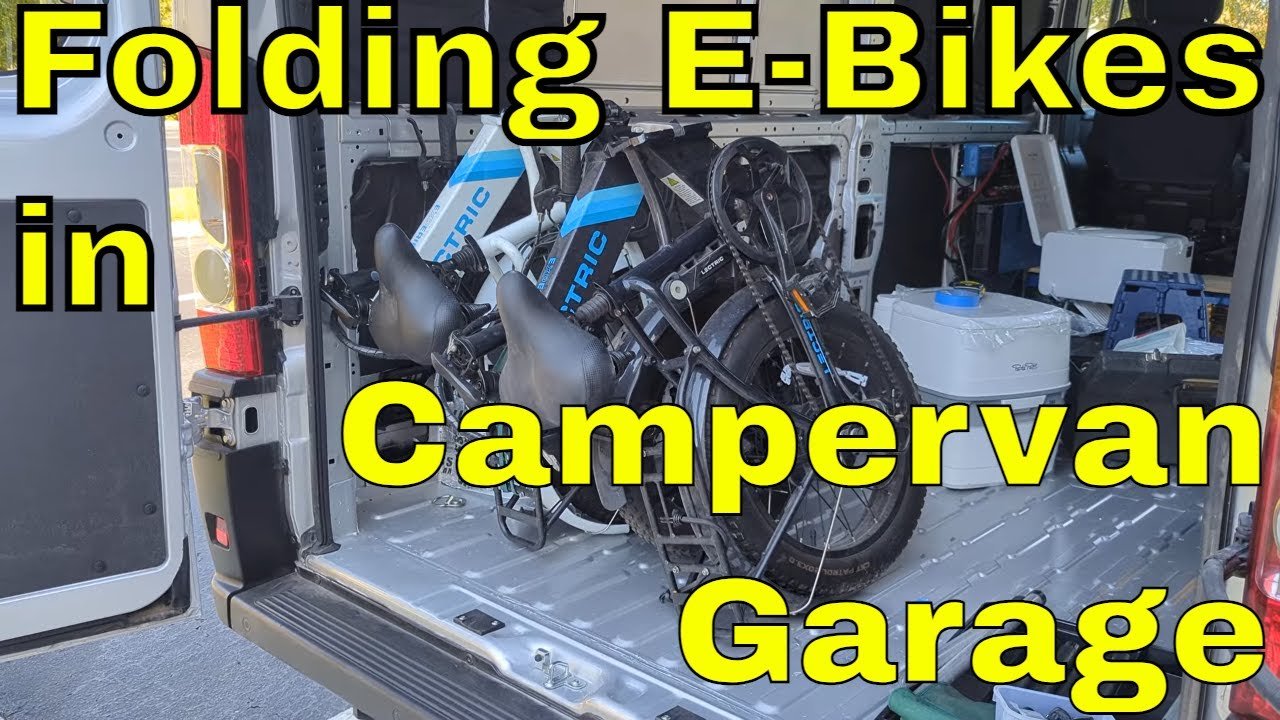
The challenge of integrating e-bikes into van life isn’t about whether they’re worth it—it’s about where to put them. Campervan real estate is precious, and dedicating square footage to bike storage requires careful planning and smart design choices. The garage area, typically the space beneath a raised bed platform, becomes prime territory for e-bike storage, but it demands precise measurements and thoughtful layout planning. Most folding e-bikes measure approximately 36 inches high, 28 inches front-to-back, and 21-22 inches wide when folded—dimensions that directly influence your interior design and sleeping platform height.
Successful garage design starts with working backward from your bikes. Measure your specific e-bikes carefully, including any protruding handlebars, pedals, or accessories. These measurements dictate the minimum clearance height for your bed platform, which must be high enough to accommodate the bikes while still allowing comfortable sleeping space above. Many van builders discover too late that they’ve built their platform too low, forcing awkward bike loading routines or requiring platform reconstruction. The garage space also needs to accommodate other gear: water tanks, electrical components, and additional adventure equipment. Smart builders use the wheel wells as natural dividers, creating designated zones for bikes while maximizing every cubic inch of available space.
Folding E-Bikes: The Van Life Sweet Spot
When choosing e-bikes for campervan travel, folding models emerge as the clear winner for space-conscious van dwellers. Full-size e-bikes offer superior performance on paper, but they consume enormous amounts of precious storage space and require heavy-duty racks that consume exterior storage capacity. Folding e-bikes, particularly models like the LECTRIC XP Lite 2.0, collapse into compact packages that slide easily into garage spaces, under bed platforms, or even into dedicated storage cabinets. The folding mechanism typically reduces the bike’s footprint by 50% or more, transforming it from a space-hogging obstacle into a manageable piece of gear that coexists peacefully with your other van life essentials.
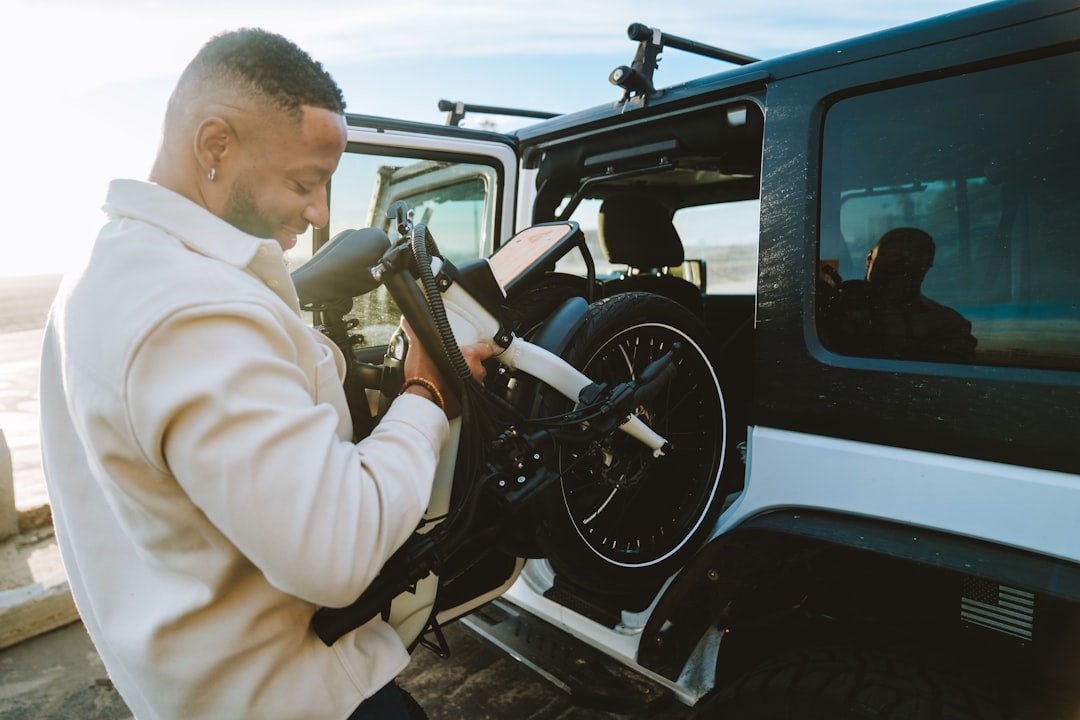
The advantages extend beyond mere storage. Folding e-bikes are significantly easier to load and unload through standard van doors, eliminating the need for elaborate exterior rack systems that can block rear doors or interfere with other equipment. They’re lighter to maneuver, making solo travel more manageable when you need to move bikes in and out of the garage. Modern folding e-bikes have evolved dramatically from early compromises, now offering excellent battery range, powerful motors, and comfortable riding positions that rival their full-size counterparts. For van dwellers specifically, they represent the perfect balance between performance and practicality—enough bike for serious adventures while remaining compact enough to live with full-time in a small space.

Layout Planning: Making Every Inch Work
Designing a campervan layout around e-bikes requires thinking holistically about how all your systems interact. The garage space doesn’t exist in isolation—it’s connected to your bed platform, water storage, electrical systems, and overall weight distribution. Smart van builders place e-bike storage near side doors for easy loading, but this must be balanced against wheel well placement and structural considerations. The height of your bed platform, determined by your bike clearance needs, affects headroom, window placement, and even where you can safely stand up inside your van. It’s a three-dimensional puzzle where each piece influences every other piece.
The most successful e-bike garage designs incorporate versatility and future flexibility. Removable storage bins, adjustable shelving, and modular tie-down systems let you reconfigure the space as your needs evolve. Some van dwellers create split-level platforms that provide dedicated bike zones while maintaining maximum usable storage. Others design their garage spaces to serve double-duty, transitioning from bike storage to gear organization or even workspace depending on the adventure. The key is planning for how you’ll actually use the space day-to-day, not just how the bikes will fit when parked. Consider the loading process: can you easily slide bikes in and out? Is there room to maneuver around them while accessing other gear? Does the layout work for solo travel or require two people to manage safely?
Our guide to campervan floorplan design explores these layout considerations in depth, helping you visualize how different configurations affect your daily living and adventure potential.

Battery Management: Powering Your Electric Adventures
Your e-bike batteries aren’t just transportation components—they’re part of your van’s electrical ecosystem that needs careful consideration. Most quality e-bike batteries contain between 400-800 watt-hours of energy, which is substantial compared to typical van house batteries. Charging multiple e-bike batteries overnight can consume significant power, especially if you’re already running a refrigerator, lights, and other essentials. However, this challenge also presents an opportunity: properly managed, e-bike batteries can serve as backup power sources or even be integrated into your campervan electrical system for emergency power.
Smart van dwellers install dedicated charging stations with clear visibility of battery status indicators, preventing accidental over-discharge or overheating concerns. Consider whether you’ll charge while driving (using DC-DC converters) or primarily when plugged into shore power. The location of your charging setup matters too—garage areas can heat up significantly in warm weather, and batteries prefer moderate temperatures for longevity and safety. Some builders incorporate ventilation fans or temperature monitoring in their battery charging zones. Planning also involves cable management: routing charging cables so they’re accessible yet secured for travel, and ensuring your inverter or alternator charging system can handle the combined load of house batteries and e-bike batteries simultaneously.
Security deserves special attention when storing valuable e-bikes and batteries in your van. Quality bike locks should secure both frames and wheels even inside your garage, and consider installing motion-sensor alarms or additional security measures for peace of mind. Your bikes represent thousands of dollars of investment, and van security requires layers of protection beyond just locking your doors.
Beyond the Bike: Gear Integration and Multi-Sport Adventures
One of e-bikes’ greatest strengths is their ability to unlock multi-sport adventures that would be logistically impossible otherwise. Imagine paddling a remote lake in your inflatable kayak that you biked to, or fly fishing a stretch of river that’s inaccessible to vehicles. Your e-bike becomes a shuttle vehicle, letting you access trailheads for point-to-point hikes, explore multiple climbing areas in a single day, or scout photography locations without driving rough roads. The combination of van and e-bike creates an adventure system where each mode of transport extends the capabilities of the other.
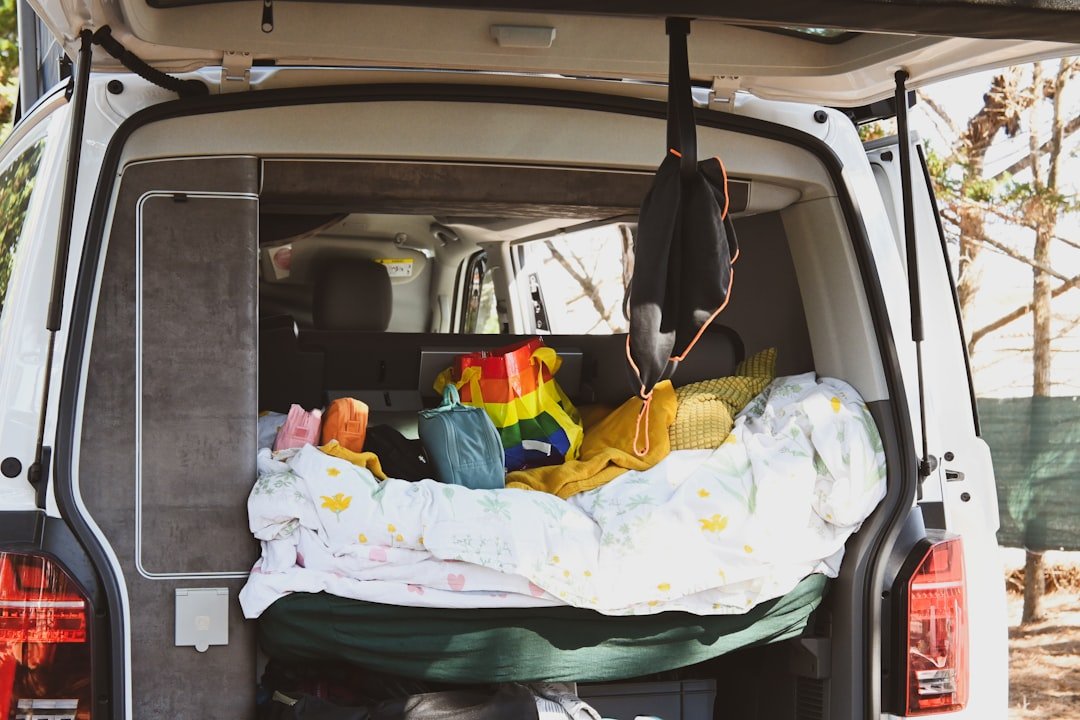
This versatility demands thoughtful gear storage. Your garage design should accommodate not just bikes, but the equipment that accompanies your varied adventures. Inflatable kayaks, fishing gear, climbing equipment, photography drones, and outdoor clothing all need dedicated homes. Smart van dwellers create storage systems that keep gear organized, protected, and accessible. Use vacuum bags for compressible items, magnetic knife strips for tools, and clear bins with labels for quick identification. The goal is creating systems where you can grab what you need for a specific activity without unpacking your entire van—a particularly valuable capability when weather changes suddenly or adventure opportunities arise unexpectedly.
Consider also the maintenance needs of your equipment. Portable bike tools, tire repair kits, and spare parts should have dedicated homes near your bike storage. Small workspaces or fold-down tables can make roadside repairs and routine maintenance much more manageable. The most successful van adventure setups are those where maintenance isn’t an afterthought but an integrated part of the design.
Choosing Your E-Bike: Key Considerations for Van Life
Selecting the right e-bike for campervan travel involves balancing multiple factors beyond just storage size. Battery range directly affects your adventure radius, and while 30-40 miles might sound sufficient, remember that carrying gear, climbing hills, and riding off-road can significantly reduce actual range. Consider models with removable batteries that you can charge separately from the bike, or even purchase spare batteries for extended adventures. Motor power matters too—750W motors handle steep terrain and heavy loads better than smaller 250W options, though they consume more battery power and may not be legal on all bike paths.
Tire selection deserves careful thought based on your intended use. Standard street tires work well for pavement and light gravel, but if you plan on exploring trails or accessing remote campsites, consider e-bikes with knobby tires or the ability to swap them. Weight capacity becomes crucial when you’re loading bikes with gear for day trips—some models handle 250-pound loads better than others. Think through your typical use case: are you primarily doing scenic rides on paved roads, or do you plan on tackling rough forest service roads and singletrack trails?
The folding mechanism itself deserves scrutiny. Some bikes fold quickly and intuitively, while others require multiple steps and can pinch fingers during operation. Test fold and unfold times—it makes a bigger difference than you might think when you’re loading bikes after a long day of adventure. Consider also the weight of the bike itself; lifting a 60-pound e-bike into a tall garage space is significantly more challenging than managing a 45-pound model. Finally, research the brand’s reliability, parts availability, and dealer network. When you’re living on the road, you can’t always wait weeks for specialized replacement parts if something breaks.
Destinations Unlocked: Where E-Bikes and Vans Shine Together
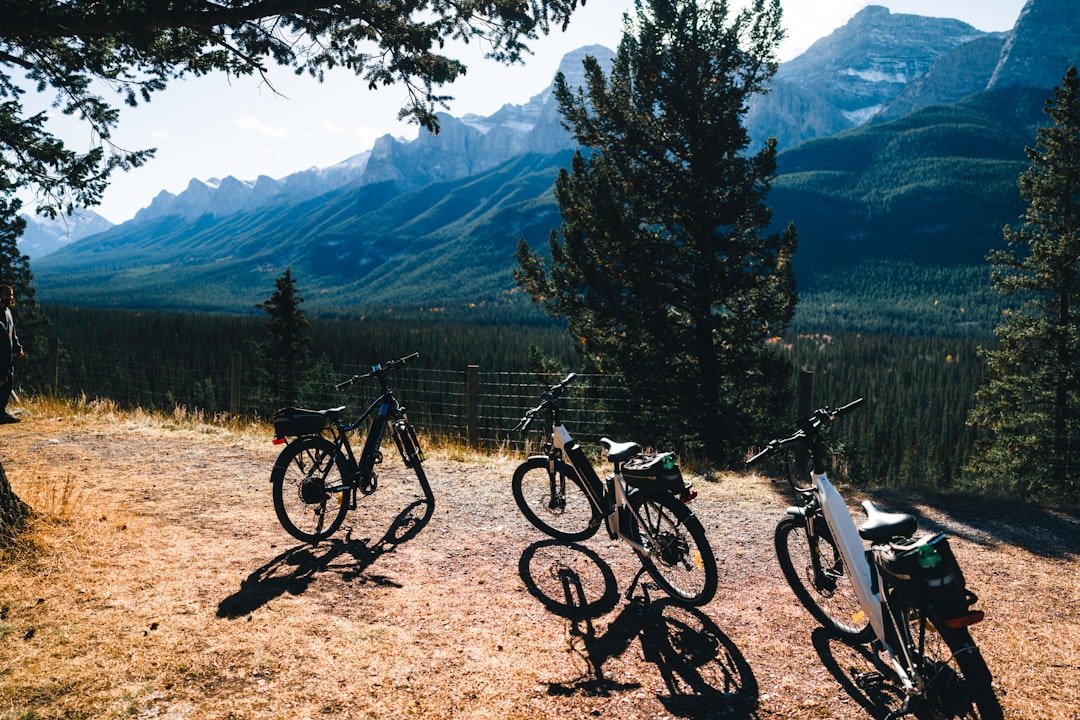
The combination of campervan and e-bikes opens up entire categories of destinations and experiences that neither mode of transport could access alone. National parks become infinitely more explorable when you can bike from dispersed campsites to trailheads, visitor centers, and scenic overlooks without fighting for parking or dealing with shuttle systems. The same electric assistance that flattens hills for van dwellers also makes these destinations accessible for travelers who might not be up to rigorous cycling, allowing multi-generational adventures where fitness levels vary widely among participants.
Coastal areas take on new dimensions when you can bike between beaches, lighthouses, and scenic viewpoints that would be difficult to access from a single campsite. Imagine waking up on the Oregon Coast and biking to three different beaches before lunch, or exploring California’s Highway 1 without constantly finding parking at every turnout. Mountain towns become base camps for exploration rather than destinations themselves, with your van serving as home base while your e-bike accesses high-alpine trails, fishing spots, and scenic drives that would be exhausting in a car but impractical on a regular bike.
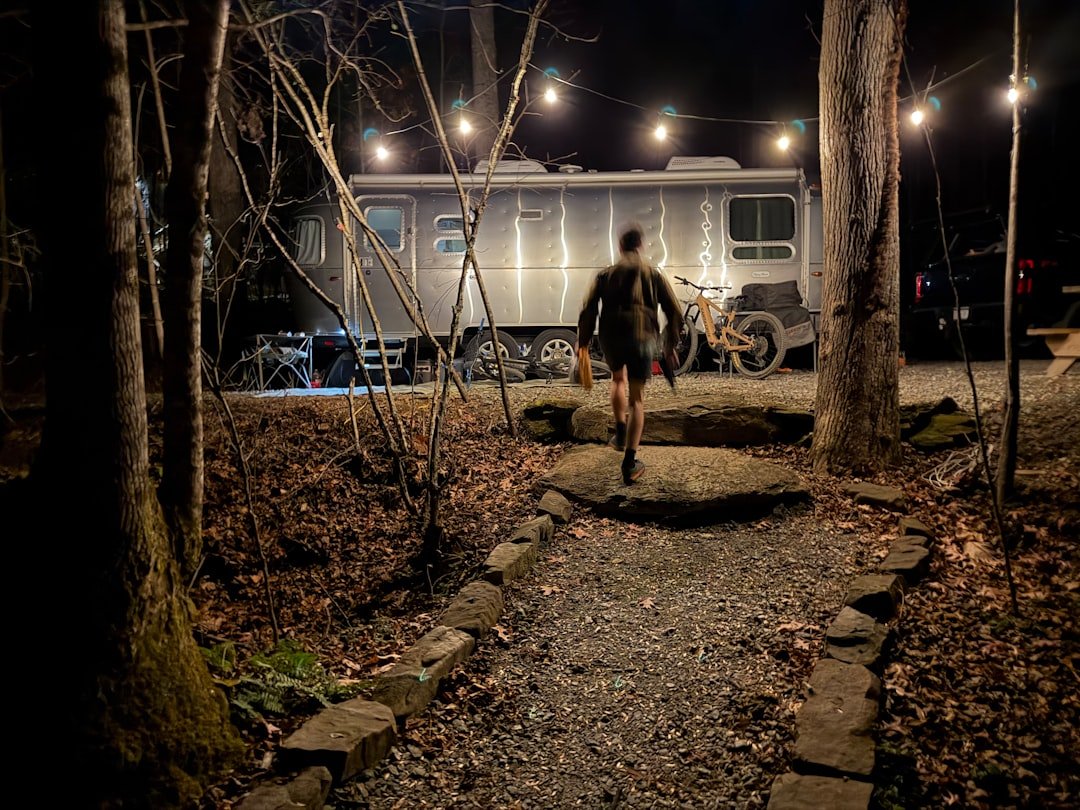
The versatility shines in shoulder seasons and less-traveled areas. Spring and fall weather can be unpredictable, but with e-bikes, you can make quick decisions about route changes based on conditions without wasting time relocating your entire camp. Remote BLM land becomes infinitely more accessible when you can bike miles from your van to explore canyons, ridges, and viewpoints that would require substantial driving to access otherwise. This expanded radius means you can camp farther from crowds while still enjoying extensive exploration of the surrounding area.
Spring camping in national parks takes on new possibilities with e-bikes, allowing you to access early-season trails and viewpoints while maintaining flexibility as weather conditions change.
Getting Started: Practical Steps for Adding E-Bikes to Your Van Life
If you’re convinced that e-bikes belong in your van life future, start with assessment rather than immediate purchase. Rent different models for day trips to understand what battery range, motor power, and riding style actually suit your needs. Measure your van’s available space—including door opening dimensions—and create cardboard cutouts of different bike sizes to test loading scenarios. Think through your typical adventures: do you prioritize range and power for rugged terrain, or compactness and weight for easier handling? These answers should drive your purchase decisions rather than marketing materials or online reviews.
Budget appropriately for the complete system, not just the bikes. Quality locks, helmets, repair kits, and e-bike travel accessories add up quickly. Consider whether you need exterior bike racks for certain adventures or if interior storage will suffice for your typical use. Plan your electrical upgrades to handle charging needs, and consider whether solar panels will supplement your alternator charging for extended off-grid stays. If you’re building out a new van, design the garage space around your bikes from day one—it’s far more cost-effective than retrofitting later.
Start with simpler adventures close to home while you learn your bikes’ capabilities and develop loading/unloading routines. There’s a learning curve to managing e-bikes in van life, from efficient packing systems to battery management to route planning that accounts for charging needs. Give yourself time to develop these systems before embarking on ambitious expeditions. The van life community offers invaluable insights—connect with other van dwellers who have integrated e-bikes to learn from their experiences and avoid common mistakes. The initial investment in learning and setup pays dividends in years of adventures that combine the freedom of van living with the exploration range of electric bicycles.
The convergence of van life and e-bike technology represents more than just a gear combination—it’s a fundamentally different way of experiencing travel and adventure. You’re no longer choosing between the comforts of mobile living and the intimate connection with landscape that comes from traveling under your own power. With e-bikes, you get both: the basecamp comfort and self-sufficiency of van life, plus the immersive exploration and physical connection with terrain that cycling provides. It’s the best of both worlds, opening up adventures that were previously logistically impossible or physically impractical. For van dwellers willing to tackle the storage and integration challenges, e-bikes unlock a new dimension of travel freedom—one where the journey itself becomes as rich and varied as the destinations.