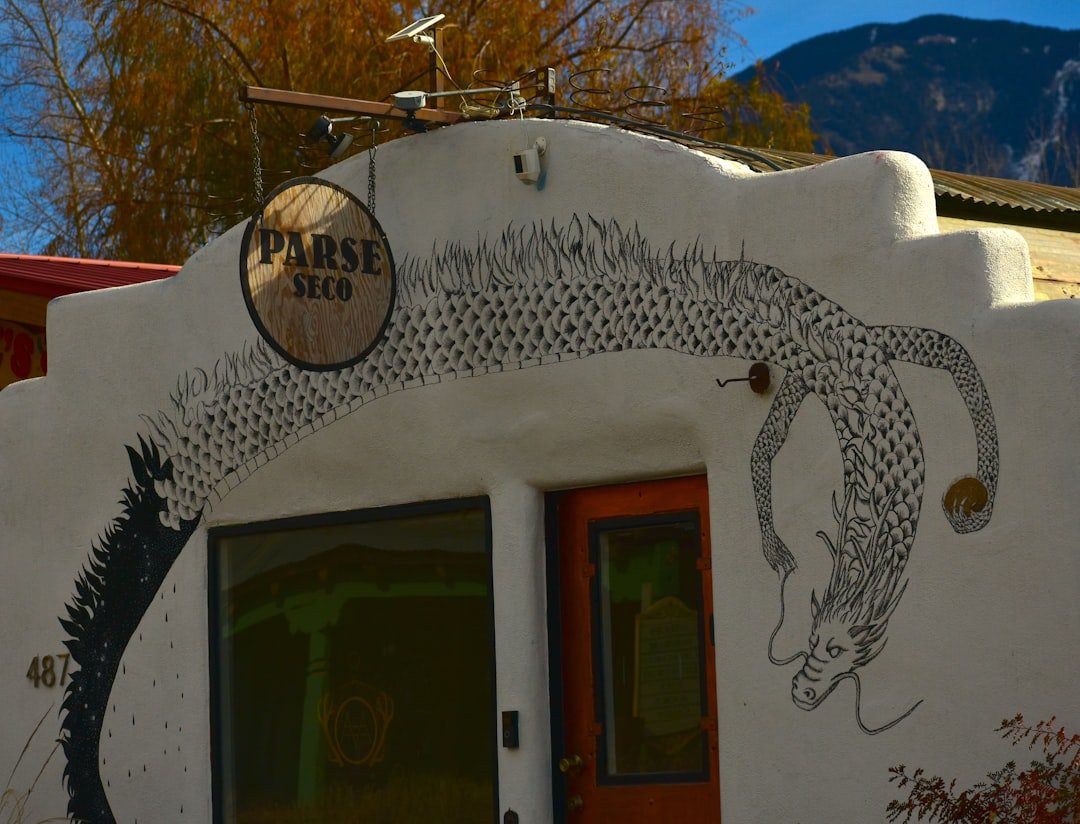
I showed up in Taos on a Tuesday afternoon in late June, windows down, the Rio Grande Gorge stretching out to my left like the earth had cracked open just for the drama of it all. My plan was simple: two nights, maybe three. I stayed five. That’s the thing about Taos — it doesn’t ask you to linger. It just makes leaving feel like a bad idea.
This high-desert town in northern New Mexico has been pulling that trick on people for centuries. Artists, outlaws, seekers, and skiers have all washed up here and found reasons to stay. What makes Taos different from every other “charming mountain town” in America is that it doesn’t try. There’s no marketing polish, no curated Main Street experience. It’s raw, weird, and genuinely ancient — Taos Pueblo has been continuously inhabited for over a thousand years. If you’re planning a summer trip in 2026, here’s everything I wish I’d known before I drove in.
Getting There and When to Go
Taos sits at about 7,000 feet in the Sangre de Cristo Mountains, roughly 130 miles north of Albuquerque and 70 miles from Santa Fe. There’s a tiny regional airport if you’re flying private, but most people fly into Albuquerque and rent a car. The drive itself is half the experience — the High Road to Taos from Santa Fe winds through tiny villages, past adobe churches, and across pinon-juniper hills that smell like warm earth and resin.
Summer is peak season, and for good reason. Daytime temperatures hover in the mid-80s, but the altitude keeps things from feeling oppressive. Afternoon thunderstorms roll in around 3 PM most days from July through August — dramatic, brief, and honestly kind of magical. I’d aim for June if you want wildflowers and lighter crowds, or September if you prefer cooler nights and the aspens starting to turn. July’s Taos Pueblo Pow Wow is worth building a whole trip around if you can swing it.
Where the Art Lives
Taos has been an art colony since the late 1800s, when Eastern painters discovered the quality of light here and essentially refused to leave. The quality of that light hasn’t changed — there’s something about the high altitude, the thin air, and the way the desert reflects golden-hour warmth that makes everything look like a painting waiting to happen.
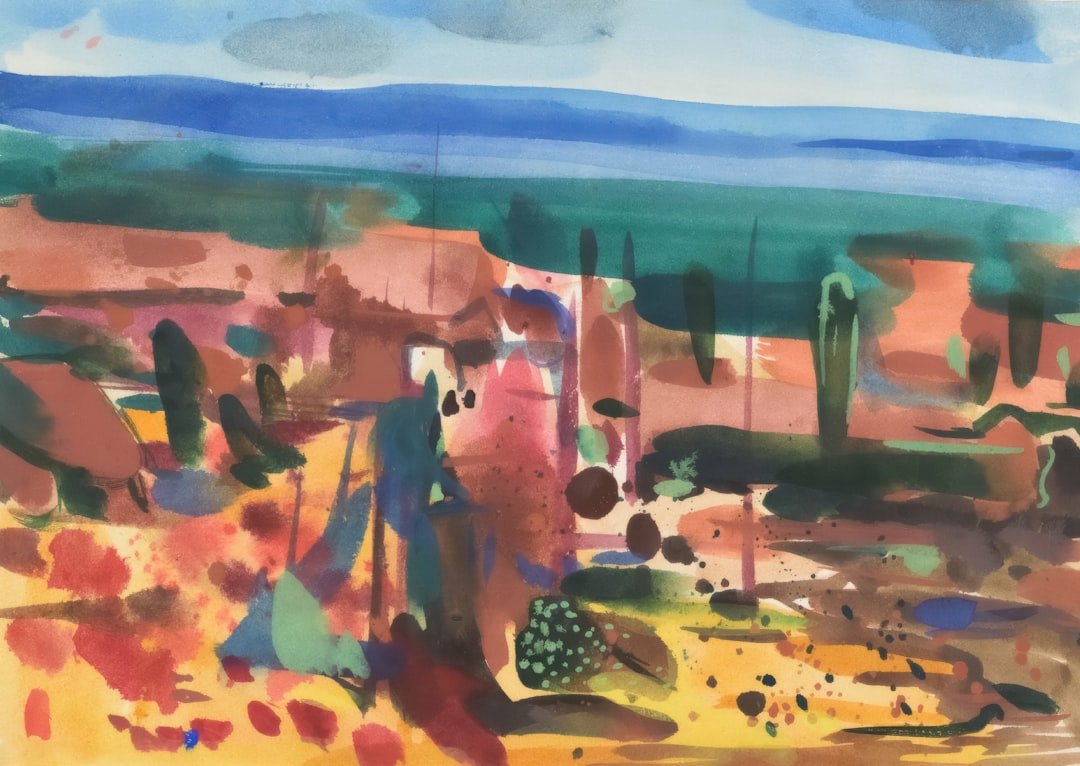
Start at the Harwood Museum of Art on Ledoux Street. It’s small enough to see in under two hours but packs in an impressive collection of Taos Society of Artists work alongside contemporary pieces. The Millicent Rogers Museum, a few minutes north of the plaza, showcases Pueblo and Hispanic art — jewelry, pottery, textiles — that’ll make you rethink every souvenir you’ve ever bought. If you’re carrying a good day pack, wander the galleries along Canyon Road and Bent Street. Many are artist-owned, and the owners are genuinely happy to talk about their work rather than just ring up sales.
Taos Pueblo: A Living World Heritage Site
This is the centerpiece, and no amount of preparation makes it less stunning. Taos Pueblo is a multi-story adobe complex that’s been home to the Red Willow people for over 1,000 years — it’s both a UNESCO World Heritage Site and a National Historic Landmark. Photography is restricted in certain areas, and the Pueblo closes periodically for tribal ceremonies, so check the official website before you go.
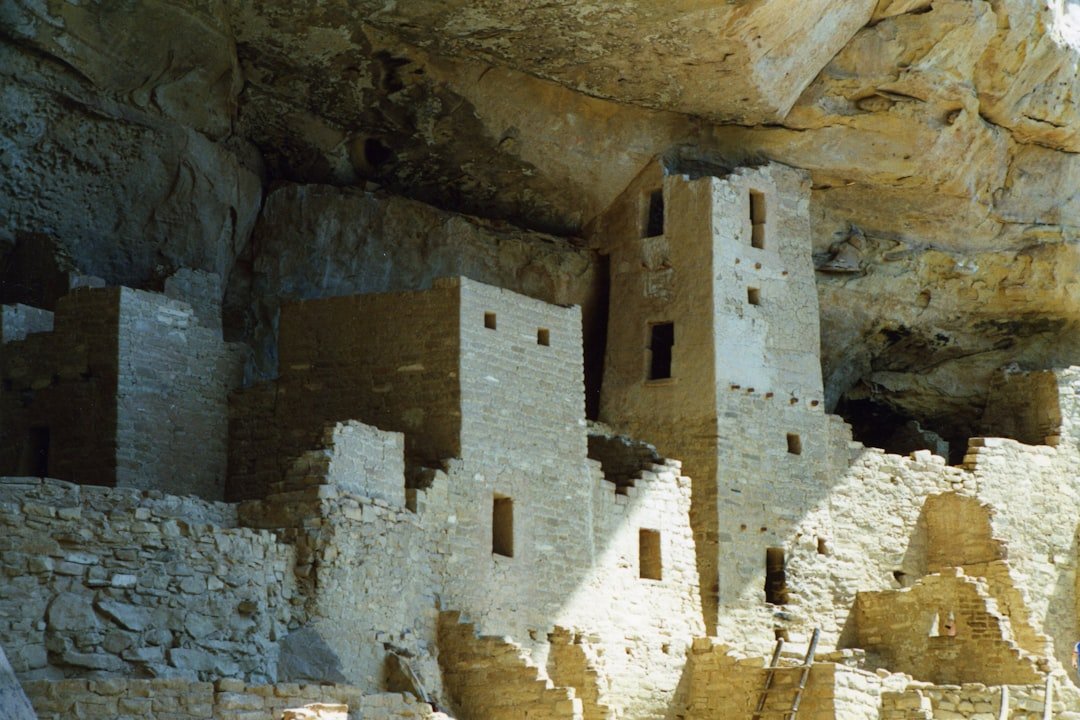
The guided tours are led by tribal members and are absolutely worth the modest fee. My guide talked about the architecture — no electricity, no running water in the main structures — with the kind of pride that makes you understand this isn’t a museum piece but a living community. The Pueblo also has a stunning collection of handmade jewelry and pottery for sale directly from the artists, and the prices are more honest than anything you’ll find in town. Bring cash.
The Rio Grande Gorge and High-Desert Hiking
About ten miles west of town, the earth simply opens up. The Rio Grande Gorge drops 800 feet straight down, and the bridge spanning it is one of those structures that makes your stomach flip when you walk to the middle and look over the railing. It’s free, it’s always open, and sunrise is the time to be there — the gorge fills with shadow while the mesas beyond light up in layers of copper and gold.
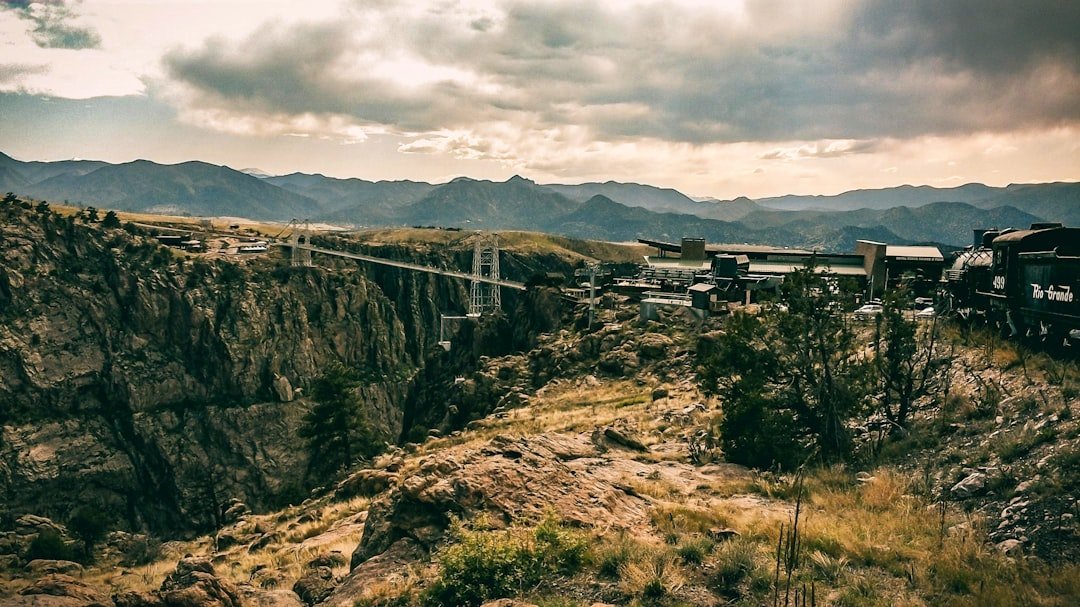
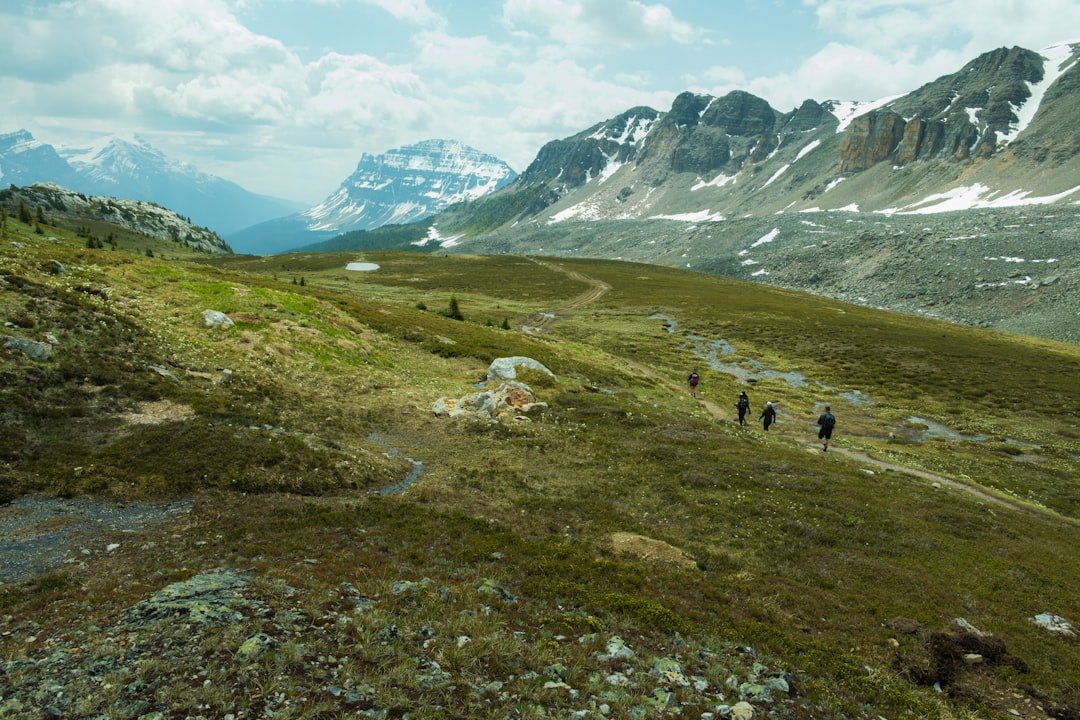
For hiking, the West Rim Trail runs along the gorge’s edge for about seven miles round-trip and delivers constant views with minimal elevation gain. If you want something more challenging, the Williams Lake Trail in Taos Ski Valley climbs through conifer forest to an alpine lake at 11,040 feet. Bring layers — even in summer, the temperature at that elevation can drop 20 degrees in an hour. I wore a packable windbreaker and was grateful for it by the time I hit the lake.
Soaking It In: Hot Springs and Slow Mornings
Northern New Mexico sits on a geothermal gold mine, and the hot springs near Taos are a big part of the local rhythm. Ojo Caliente, about 45 minutes south, is the upscale option — multiple mineral pools, a spa, and a lodge if you want to make a night of it. But the experience I keep thinking about is Manby Hot Springs, a set of primitive pools carved into rock along the Rio Grande. You hike about a mile down to the river, and there they are — warm, clothing-optional, and completely uncommercialized.
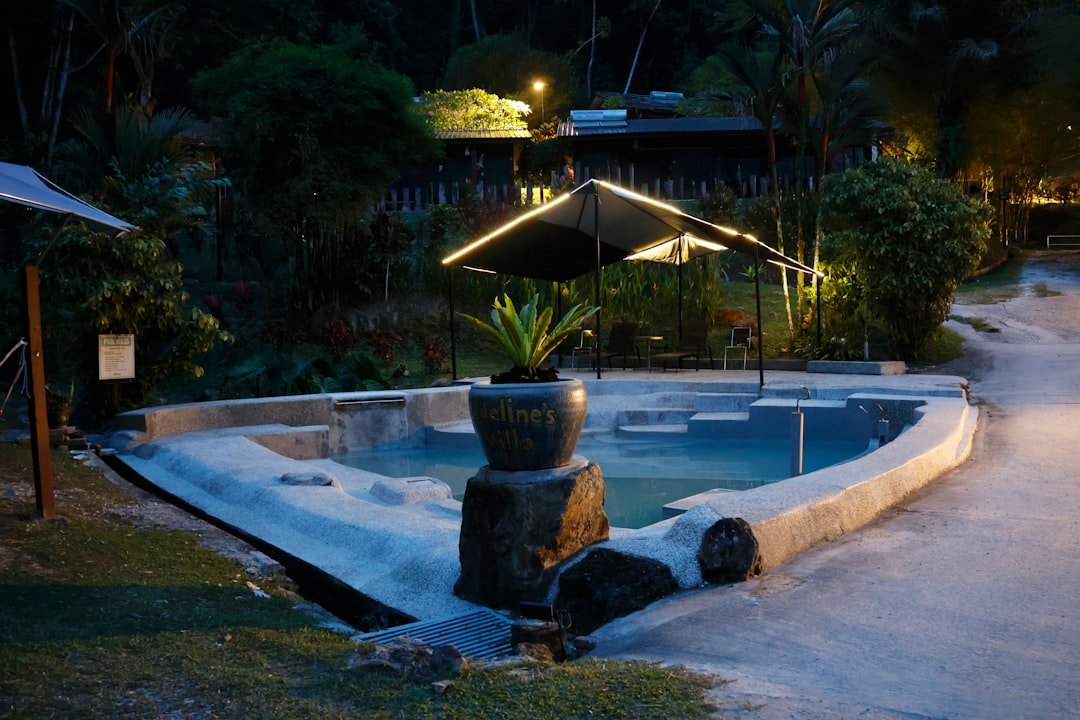
Be respectful: pack out everything you bring in, and understand that these springs are on Bureau of Land Management land that’s meaningful to the local Pueblo communities. A good waterproof daypack is essential here — you’ll want towels, water, and probably some reef-safe sunscreen since there’s zero shade.
Eating and Drinking in Taos
Taos doesn’t have the restaurant density of Santa Fe, but what it lacks in quantity it makes up for in authenticity. The local cuisine is a genuine blend of Pueblo, Hispanic, and Anglo traditions, and the green chile here is different from what you’ll find further south — earthier, smokier, and absolutely addictive. I ate at Orlando’s New Mexican Cafe twice. Their carne adovada burrito is the kind of meal that makes you briefly forget every other burrito you’ve ever had.
For coffee, start your mornings at World Cup Cafe on the plaza — strong brew, good pastries, and a portable coffee setup won’t be necessary when the real thing is this close. For dinner, The Love Apple serves farm-to-table New Mexican cuisine in a converted adobe chapel. Reservations are essential in summer. And don’t skip the Taos Mesa Brewing Mothership — craft beer on a mesa with panoramic views of the Sangre de Cristos. There’s usually live music on weekends, and the beer stays cold in the high-desert breeze.
Practical Tips for Your Taos Trip
Altitude is the thing nobody warns you about enough. At 7,000 feet, you’ll feel it — shortness of breath on stairs, faster dehydration, and a sunburn risk that’s no joke. Drink way more water than you think you need. I went through a gallon a day without even trying. Sunscreen and a wide-brimmed hat aren’t optional accessories here — they’re survival gear.
Lodging ranges from budget motels on the main drag to boutique inns tucked into quiet neighborhoods. The Historic Taos Inn, right in the center of town, has adobe-style rooms, free live music in the lobby bar, and a location that lets you walk to everything. If you want something quieter, look at the B&Bs in the foothills east of town — many have stunning mountain views and serve breakfasts built around local ingredients.
For a longer trip, Taos pairs beautifully with Santa Fe (90 minutes south) and makes a fantastic road trip stop if you’re driving between Denver and Phoenix. The desert wildflowers in late spring are a bonus if you time it right — the mesas light up with purple and gold blooms that are gone by mid-June.
Why Taos Stays With You
I’ve been to a lot of small towns that bill themselves as “authentic” and “unchanged.” Most of them are selling a version of those things. Taos isn’t selling anything. It’s just there — ancient, artistic, occasionally weird, and unapologetically itself. The pueblo has stood for a millennium. The gorge doesn’t care if you photograph it. The green chile will be smoky regardless of your opinion.
What got me was the pace. Nobody in Taos seems to be in a hurry, and after about 36 hours, neither was I. My five-day “accident” turned into the most restorative trip I’d taken all year. If you’re building a summer 2026 travel list and looking for something that isn’t a national park campground or a coastal resort, point your car toward northern New Mexico. Pack a good journal, bring more water than you think you need, and let Taos do what it does — which is absolutely nothing on your schedule and everything for your state of mind.