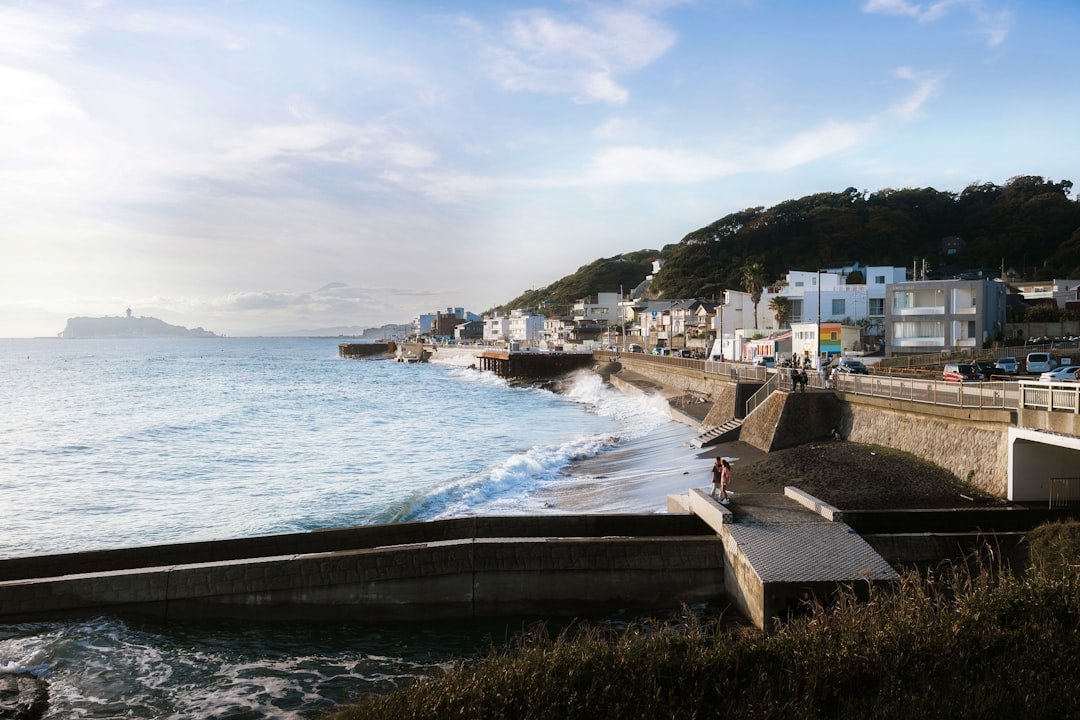
Every summer, millions of Americans flock to the same stretch of coastline. Myrtle Beach. Ocean City. Virginia Beach. The Outer Banks bottleneck. I’ve done them all, and I’ll be honest — there’s a reason they’re popular. But there’s also a point where popularity becomes its own punishment, where you spend more time looking for parking than looking at the ocean, where your “relaxing beach day” feels more like a music festival you didn’t sign up for.
A few years ago, I started going the other direction. Instead of following the crowds to the biggest, most Instagrammed shoreline, I started hunting for the towns just one or two exits off the main drag — the places where you can still hear the waves over the sound of your own thoughts. What I found surprised me. The East Coast is absolutely loaded with small beach towns that deliver everything you’re actually looking for: uncrowded sand, local seafood that doesn’t come from a freezer, and the kind of slow, salt-air mornings that make you forget what day it is.
Here are seven of my favorites heading into summer 2026, spread from Maine to Florida. None of them require reservations six months in advance. All of them are worth the detour.
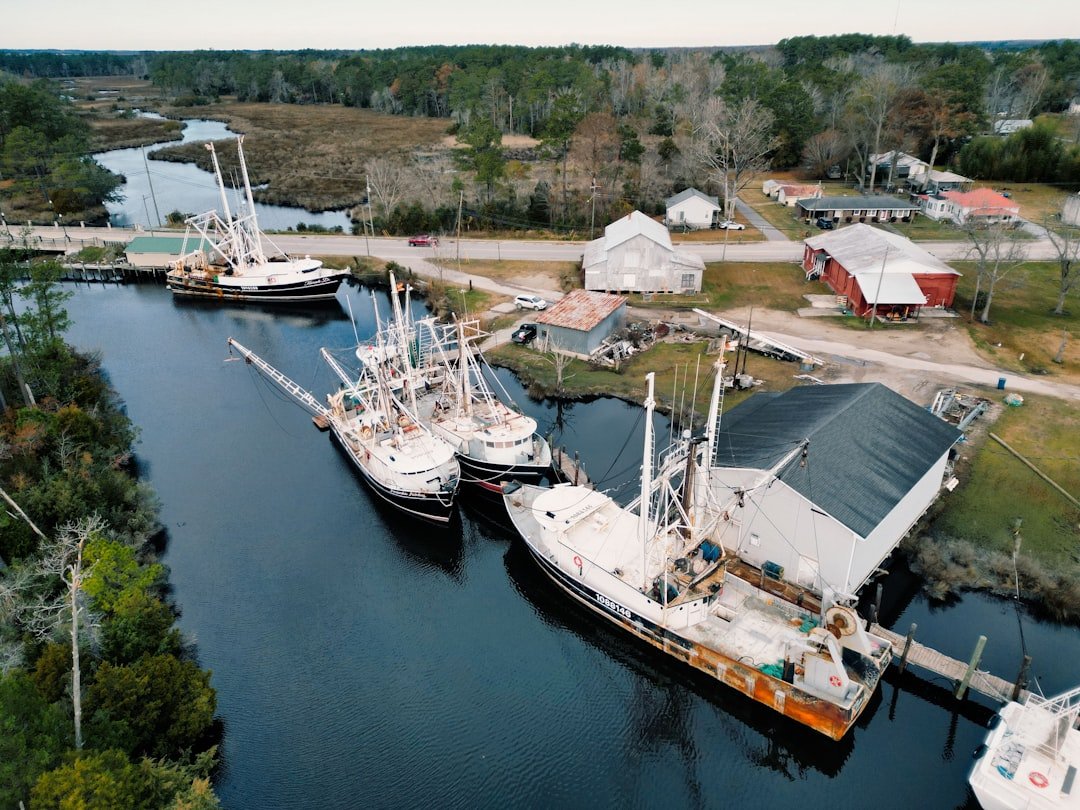
Beaufort, North Carolina: Where Pirate History Meets Quiet Shores
I stumbled into Beaufort on a rainy Tuesday in June, looking for nothing more than a hot meal and a dry place to sit. What I found was a waterfront town so charming it practically redefined the word for me. Founded in 1709, Beaufort is the third-oldest town in North Carolina, and its historic district — a grid of centuries-old homes with wide porches and picket fences — looks like it was designed by someone who genuinely loved living there.
The beach situation here is different from the barrier island resort towns. You take a short ferry to Shackleford Banks, an uninhabited island where wild horses have roamed for hundreds of years. No boardwalk. No vendors. Just nine miles of undeveloped beach and a herd of Spanish mustangs that couldn’t care less about your camera. I spent an entire afternoon walking the shoreline and saw maybe six other people. Back in town, the boardwalk along Front Street has a handful of excellent seafood spots — I still think about the blackened mahi-mahi at Blue Moon Bistro. Pack a quality compact beach cooler because the best way to experience Shackleford is with a picnic lunch and zero schedule.
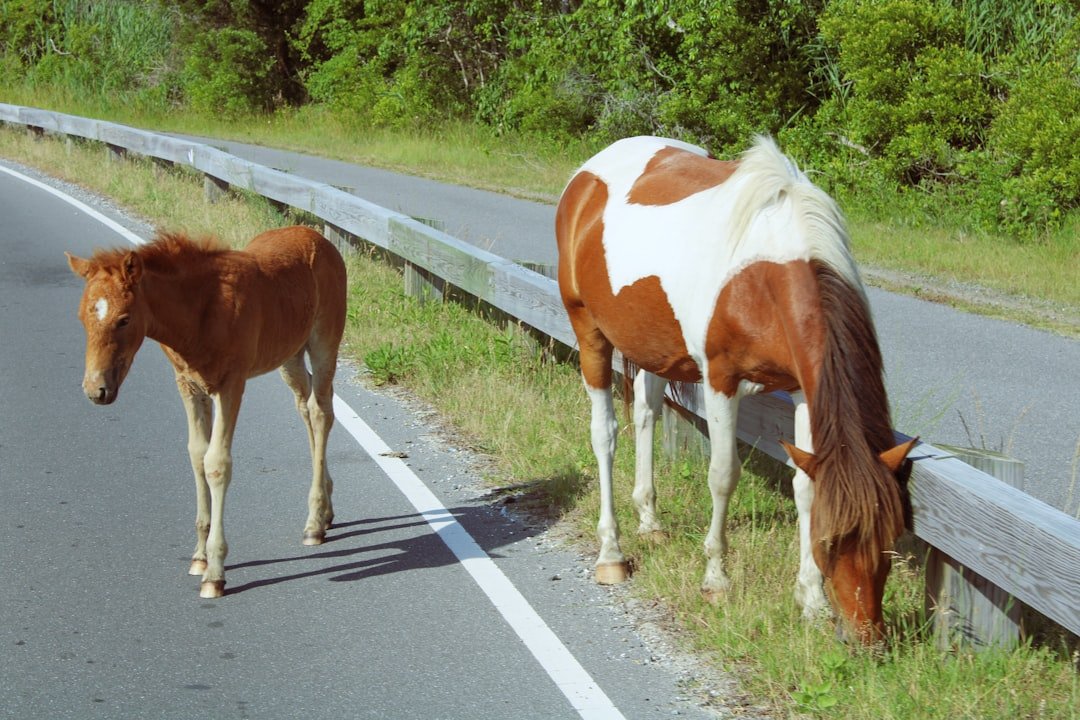
Chincoteague Island, Virginia: Wild Ponies and the Anti-Boardwalk
If Beaufort’s wild horses intrigued you, Chincoteague will feel like a homecoming. This Virginia island sits just south of the Maryland border, and while its neighbor Assateague gets most of the fame for its wild pony population, Chincoteague is where you actually want to sleep at night. The town has a quiet, working-waterfront feel — no high-rises, no outlet malls, no miniature golf emporiums. Just seafood restaurants, family-owned motels, and a sunrise that paints the marsh grass gold every single morning.
The main attraction is Assateague Island National Seashore, accessible via a short bridge. The beach here is wide, clean, and blissfully uncrowded, and the pony herds wander freely through the dunes. Summer brings the famous Pony Swim — usually late July — when the Chincoteague Volunteer Fire Department rounds up the ponies and swims them across the channel. Even if you miss it, the island delivers. Bring a decent pair of waterproof binoculars for spotting ponies at distance, and don’t skip the Chincoteague oysters, which are some of the best on the entire Eastern Seaboard.
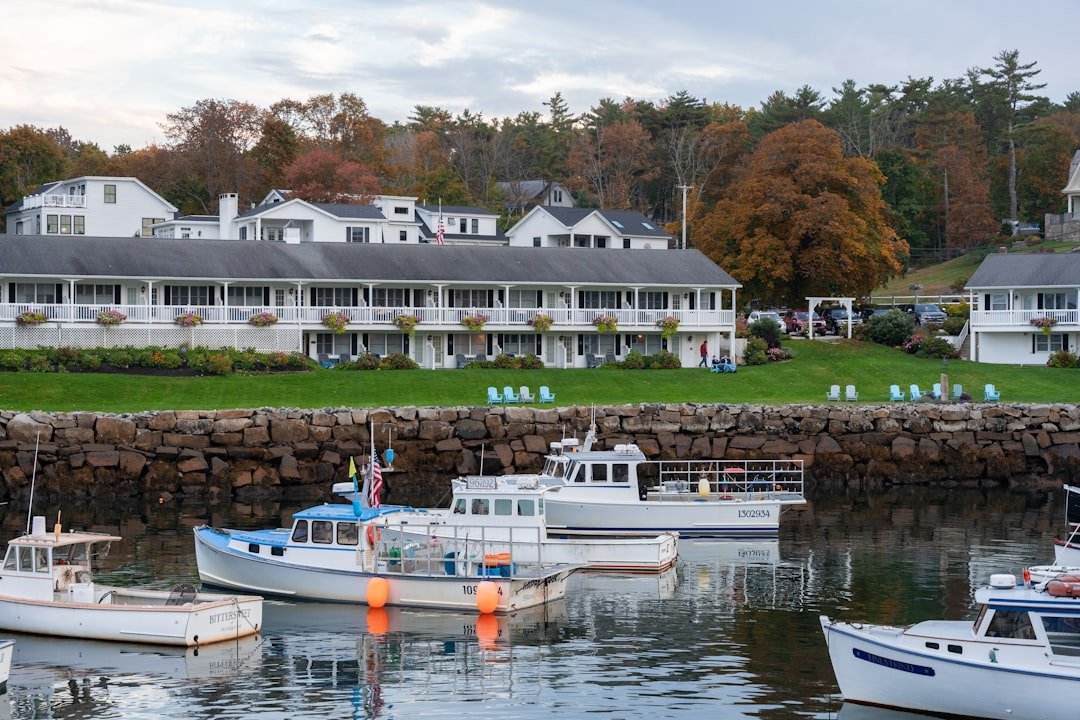
Cape Porpoise, Maine: The Quiet Side of the Kennebunks
Everyone knows Kennebunkport. The Bush compound, the tourist throngs, the boutiques selling $80 candles. But three miles down the road sits Cape Porpoise, a working lobster village that somehow missed the memo about becoming a tourist trap. This is where I go when I want the Maine coast experience without the performance of it all.
The harbor is picture-perfect in a way that doesn’t feel curated — lobster boats bobbing alongside weathered docks, the Goat Island Light flashing across the water, and a handful of restaurants serving lobster rolls that would make a Portland chef weep. The Pier 77 Restaurant sits right on the dock and serves the freshest lobster I’ve ever eaten, full stop. For beaches, Goose Rocks Beach is a three-mile crescent of sand that rarely feels crowded, even on a July weekend. It’s the kind of place where you actually get to know the family next to you because there’s enough space to be friendly without being on top of each other. A portable beach shade tent is essential here — the New England sun may feel gentle, but it burns fast on reflective sand.
Watch Hill, Rhode Island: Gilded Age Charm Without the Hamptons Price Tag
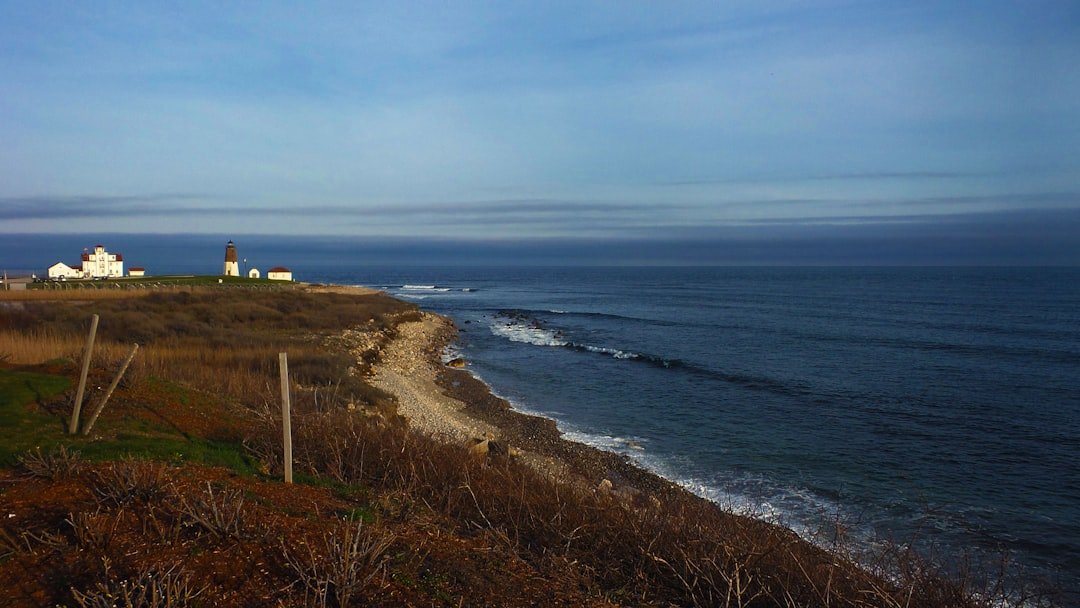
I almost didn’t include Watch Hill because part of me wants to keep it to myself. This tiny Rhode Island village at the state’s southwestern tip is what the Hamptons might look like if the Hamptons had better manners and lower self-regard. There’s a graceful, old-money feeling here — the Ocean House resort presides over the bluff like a white palace, Victorian cottages line the side streets, and the Watch Hill Lighthouse has been guiding ships since 1808.
The beach is the main event. Napatree Point is a mile-long sand spit that juts into Little Narragansett Bay, and on a weekday in June or July, you might share a quarter-mile of sand with a dozen other people. The water is calm enough for kids, clear enough to see your feet, and warm enough (by New England standards) to actually swim. Downtown Watch Hill is walkable in about ten minutes — a few boutique shops, an excellent ice cream stand, and a classic flying-horse carousel that’s been operating since 1883. If you’re planning a New England beach road trip, pair this with Cape Porpoise for a coastal route that covers the best of both states. A good ultralight beach chair is the only gear you really need here — everything else is walking distance.
Swansboro, North Carolina: The Friendly City by the Sea
Swansboro sits where the White Oak River meets the Atlantic, about halfway between Wilmington and the Outer Banks, and it’s one of those places that makes you wonder why more people haven’t figured it out yet. The downtown is tiny — maybe four blocks of restaurants, galleries, and antique shops along the waterfront — but it pulses with genuine small-town warmth. This isn’t a place putting on a show for tourists. The waitress at the breakfast joint knows the regulars by name, the bait shop owner will tell you where the flounder are running, and the sunsets over the river are absolutely free.
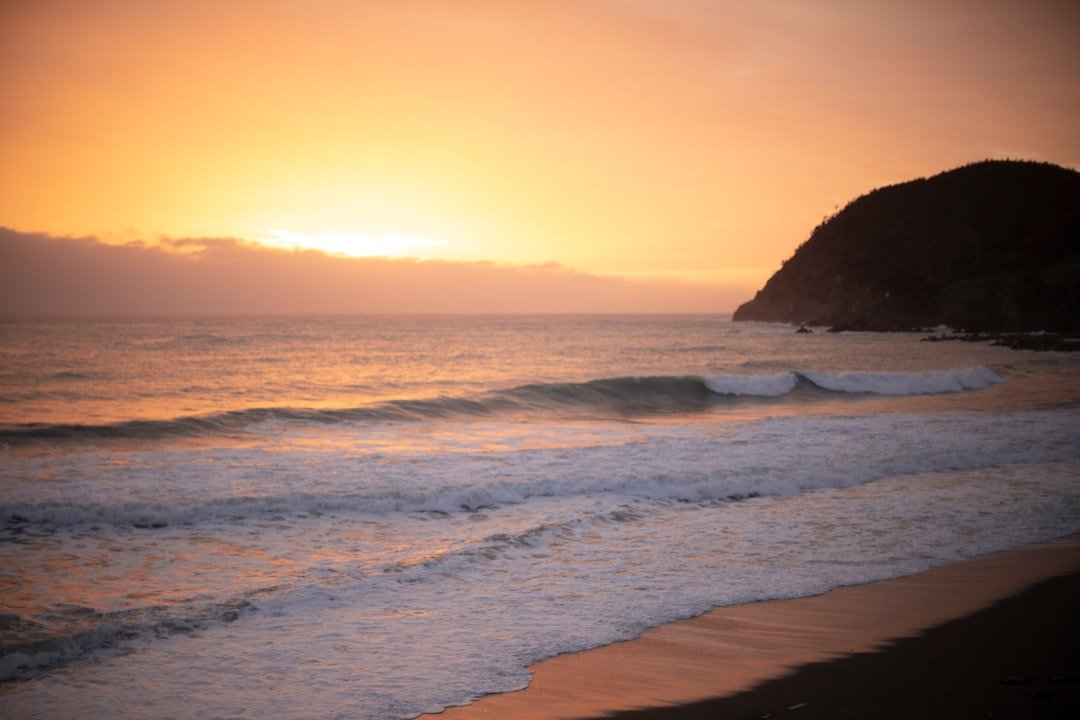
The beaches here are across the bridge on Hammocks Beach State Park, an untouched barrier island accessible only by passenger ferry or private boat. What you’ll find is three miles of wide, undeveloped Atlantic shoreline with no buildings, no concessions, and no crowds. The paddle from Swansboro to the island takes about an hour by kayak, and it’s one of the most peaceful stretches of water I’ve ever navigated. If you’re bringing your own kayak, invest in a solid car roof rack system — the put-in is easy but you’ll want gear that holds up. Back in town, I recommend the shrimp and grits at Yana’s Ye Old Drug Store, a converted pharmacy that serves some of the best low-country food I’ve had outside Charleston.
Tybee Island, Georgia: Savannah’s Saltier, Sleepier Neighbor
Tybee Island sits twenty minutes east of Savannah, and it’s the rare beach town that genuinely serves two purposes: a standalone destination for people who want to do nothing but sit on the sand, and a convenient base camp for people who want to split their time between the beach and one of the South’s great cities. I’ve done both, and honestly, the second option might be the perfect summer trip. Mornings on Tybee, afternoons in Savannah’s squares, evenings eating shrimp I watched come off a boat that morning.
The island itself is modest — no high-rise condos, no sprawling resorts, just a collection of weathered cottages, family-owned restaurants, and a lighthouse that’s been standing since 1736. Tybee Beach on the south end is the busiest (relatively speaking — we’re comparing it to itself, not to Daytona), while the north end near the river mouth is quieter and better for finding intact sand dollars. The Tybee Island Light Station is worth the climb for a panoramic view that stretches from Savannah to the Atlantic horizon. A waterproof phone pouch is clutch here — you’ll want photos from the kayak tours through the marsh, and Georgia’s salt water is not kind to electronics. Don’t leave without eating at The Crab Shack, where you sit on a screened deck over the water and they bring you buckets of blue crab that were probably swimming that morning.
Fernandina Beach, Florida: Victorian Elegance at the End of the Road
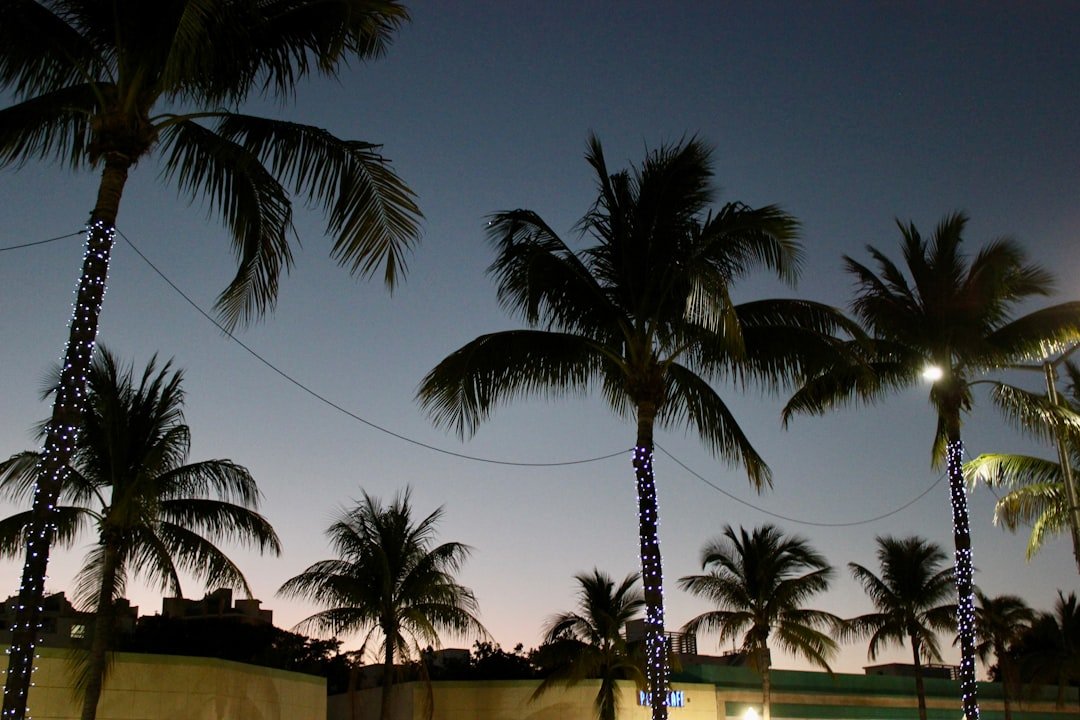
Fernandina Beach sits on Amelia Island at Florida’s northeast corner, about as far from the Miami scene as you can get while still being in the same state. This town has been under eight different flags during its history — a claim no other American municipality can make — and that layered past shows up in the architecture. The downtown historic district is a collection of Victorian buildings that house independent bookstores, wine bars, and enough antique shops to keep you busy for an entire afternoon.
The beach here runs for thirteen uninterrupted miles, and on most days, you’ll have enormous stretches of it to yourself. Fernandina Beach Main Beach has lifeguards and parking if you want the easy version; for something wilder, head to Amelia Island State Park at the island’s north end, where you can ride horses on the beach and fish from the surf. The town is also the terminus of the Florida-Georgia border coastline, making it a natural waypoint if you’re linking it with Tybee Island for a coastal road trip through both states. For a multi-day stay, a good set of packing cubes will keep your car organized as you hop between beach stops and historic downtown explorations.
Planning Your Own East Coast Beach Town Road Trip
The beauty of these seven towns is that they can be linked into a single coastal road trip — or cherry-picked for long weekends depending on where you live. If you’re going for the full experience, start in Cape Porpoise and work your way south through Watch Hill, then skip down to Chincoteague, continue to Beaufort and Swansboro (they’re only two hours apart), push on to Tybee Island, and finish in Fernandina Beach. That’s roughly 1,200 miles of coastline, and you could do it comfortably in two weeks.
Timing matters. June is the sweet spot for northern towns — warm enough to swim, quiet enough to enjoy. July and August bring the crowds everywhere, but these towns absorb them far better than their famous neighbors. September might be the best-kept secret: water temperatures peak, kids are back in school, and rates drop. A reliable road trip cooler is non-negotiable for any of these routes — there are too many roadside seafood stands and farmers markets to pass up, and you’ll want cold drinks for those beach afternoons.
The most important thing I’ve learned from years of chasing uncrowded coastlines is this: the best beach town isn’t the one with the most amenities or the biggest boardwalk. It’s the one where you stop checking your phone because the view in front of you is genuinely better than anything on a screen. These seven towns delivered that for me, and if you give them a chance this summer, I think they will for you too.
2 thoughts on “7 Underrated East Coast Beach Towns for Summer 2026: Skip the Crowds, Keep the Charm”