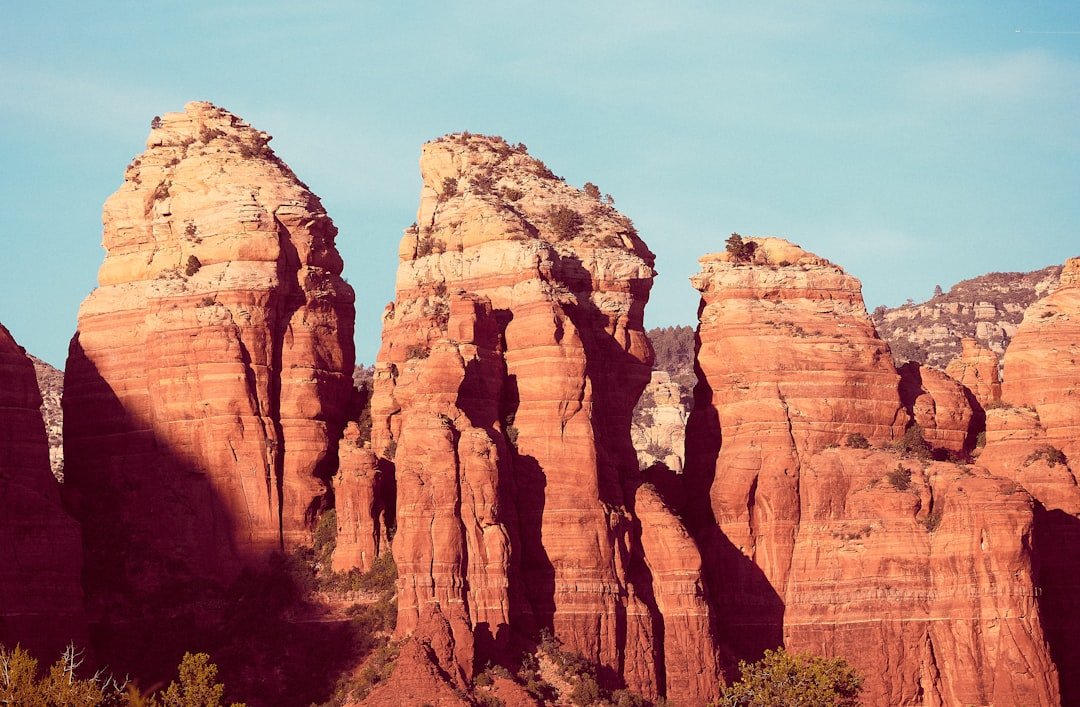
I’ll be honest — I rolled into Sedona expecting crystals, tourists, and overpriced smoothies. What I found instead was a high-desert landscape so absurdly beautiful that I_extended my trip by three days and still didn’t want to leave. The red rocks around Sedona don’t just sit there looking pretty; they shift color by the minute, cycling from burnt orange to deep crimson to dusty rose depending on where the sun hangs in the sky. If you’ve never stood at the base of a 200-foot sandstone spire while the morning light paints it gold, you’re missing one of the Southwest’s genuine wonders.
Getting There and When to Go
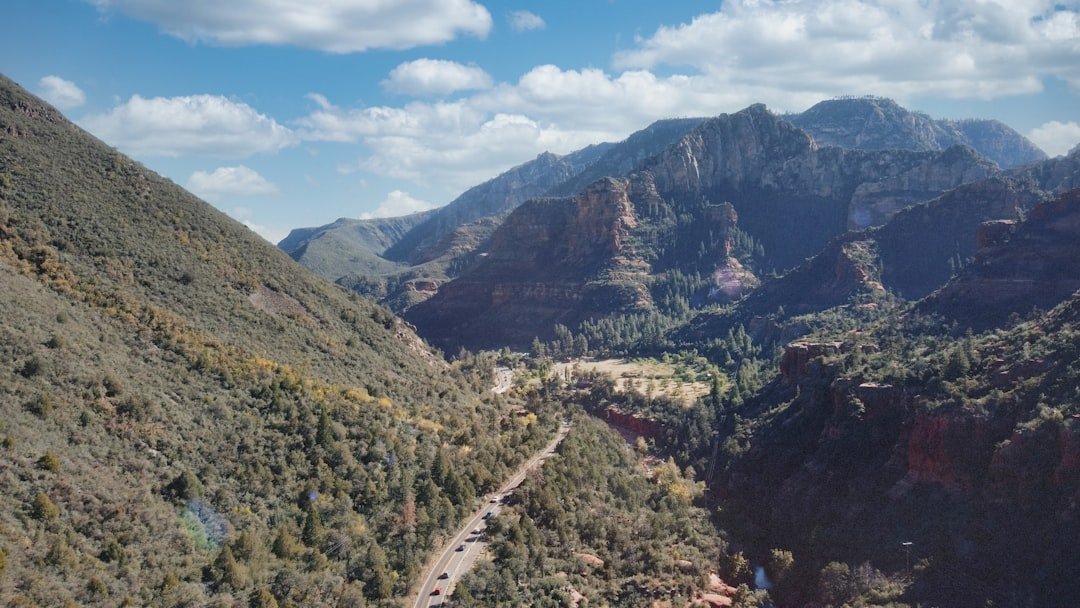
Sedona sits about two hours north of Phoenix and 45 minutes south of Flagstaff, perched right along Highway 89A through Oak Creek Canyon. Most people fly into Phoenix Sky Harbor and rent a car — it’s a straightforward drive north on I-17, then you wind through the canyon on 89A, which is worth the trip all by itself. Flagstaff’s tiny airport is closer if you can find a flight that works.
Here’s the thing about timing: everyone visits in spring (March through May) and fall (October through November). Those are objectively gorgeous seasons, with mild temperatures and clear skies, but they’re also when trailhead parking lots fill by 7 AM and hotel rates double. My sweet spot? Late September. The summer monsoons have just ended, the crowds haven’t arrived yet, and the desert greens up briefly before fading to gold. Winter is underrated too — you might see snow dusting the red rocks, which is a photographer’s dream, and you’ll practically have the trails to yourself.
Summer (June through August) gets brutally hot — regularly over 100°F — and that’s also monsoon season, which means flash floods can shut down trails without warning. If you do go in summer, plan your hikes for dawn and carry more water than you think you need. A good insulated water bottle isn’t optional; it’s survival gear.
The Trails You Actually Want to Hike
Sedona has over 400 miles of trails, which is wonderful and also completely overwhelming. Let me save you some decision fatigue. If you only have a few days, these are the ones that matter.
Cathedral Rock Trail
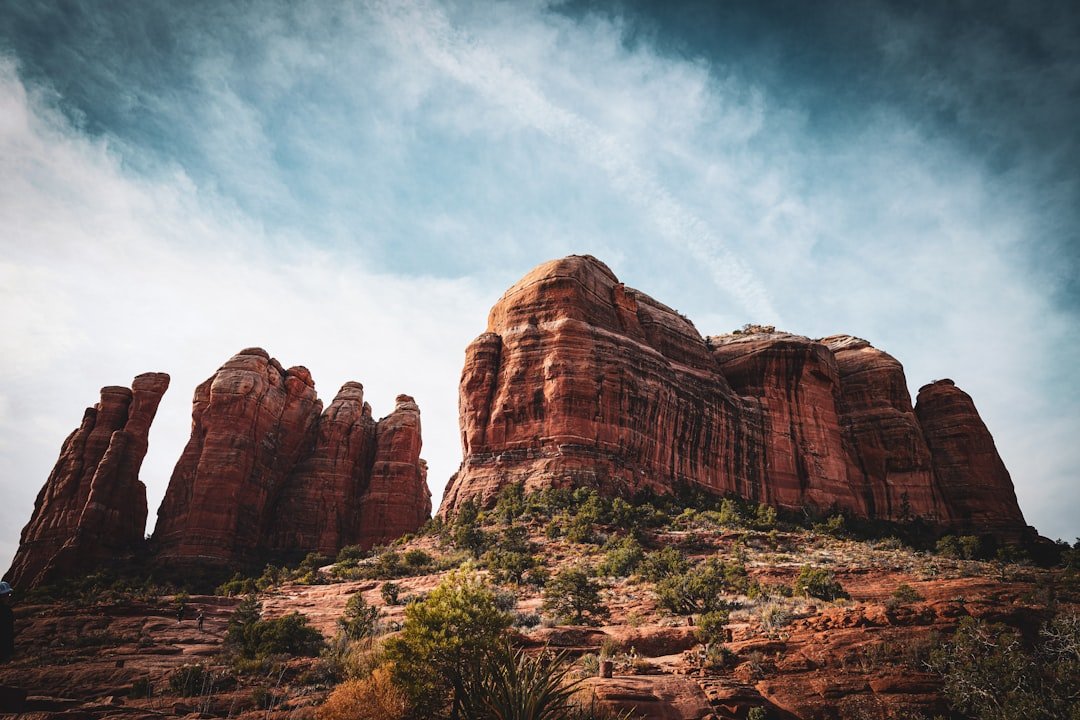
This is the one you’ve seen on every Sedona postcard. The trail is short — barely 1.2 miles round trip — but it’s steep and requires some scrambling up slickrock. The saddle at the top frames a view so dramatic it doesn’t look real. Go at sunrise if you can manage it. Not only do you get the best light, but you’ll beat the crowds that turn this trail into a conga line by mid-morning. Wear shoes with real grip — trail runners or hiking shoes with aggressive tread make the scramble much less sketchy.
Devil’s Bridge
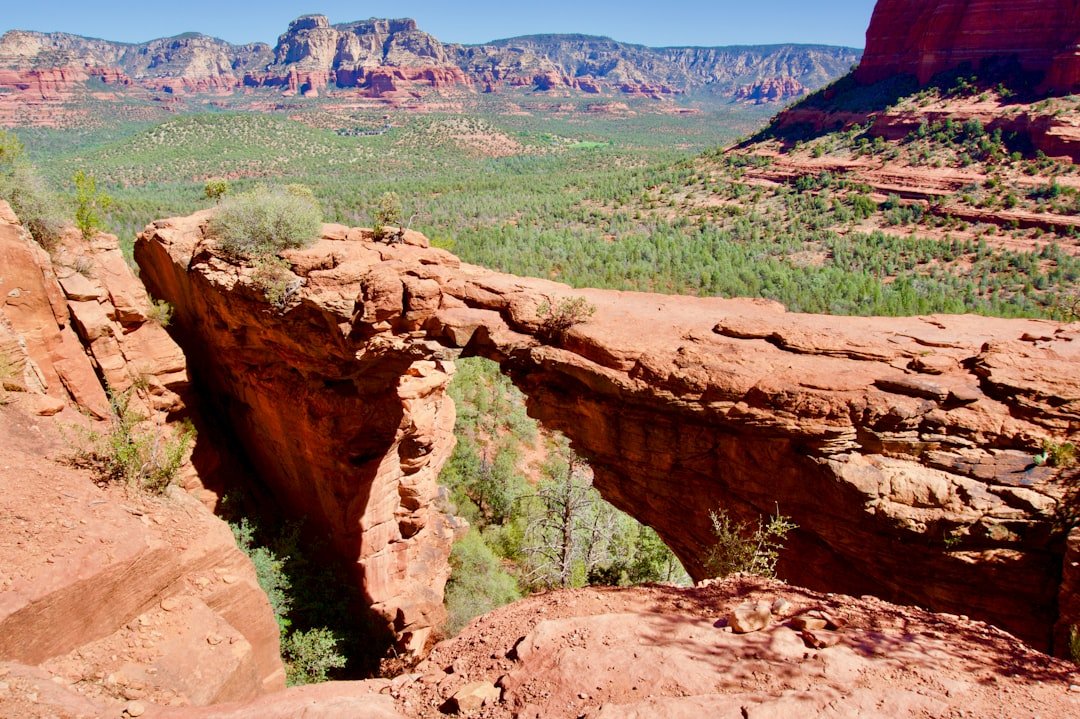
Yes, it’s crowded. Yes, you’ll wait in line for the photo. And yes, it’s still worth it. The natural sandstone arch sits at the end of a roughly 4-mile round trip that’s moderate until the final push, where carved stone steps lead you up to the bridge itself. Walking out onto that thin span of rock with nothing but open air on either side is one of those moments where your brain fully grasps the concept of exposure. If you’re nervous about heights, you don’t have to walk all the way across — just standing at the edge is thrilling enough. A small daypack with a hydration bladder is perfect for this one since you’ll want both hands free for the scramble section.
Boynton Canyon and the Secret Subway
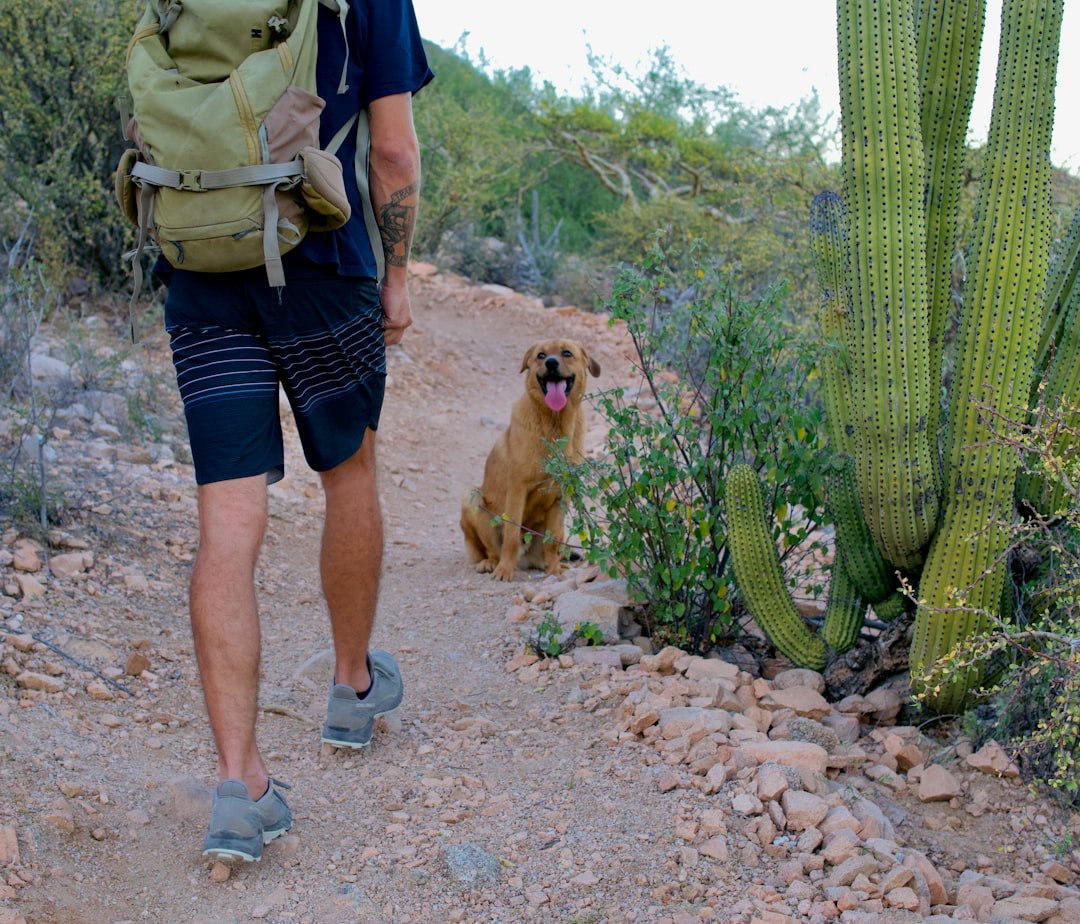
Boynton Canyon is one of Sedona’s four main vortex sites, and the trail runs about 2.5 miles each way through a beautiful box canyon. But here’s the insider move: about halfway up the main trail, look for an unmarked spur to the left that leads to a hidden cave sometimes called the “Subway Cave” or “Birthing Cave.” It’s a naturally formed tunnel in the rock that frames a perfect view of the canyon below. There’s no signage, so you’ll need to pay attention or use a GPS track. It’s not a secret anymore, but it still feels like a discovery.
The Vortex Question
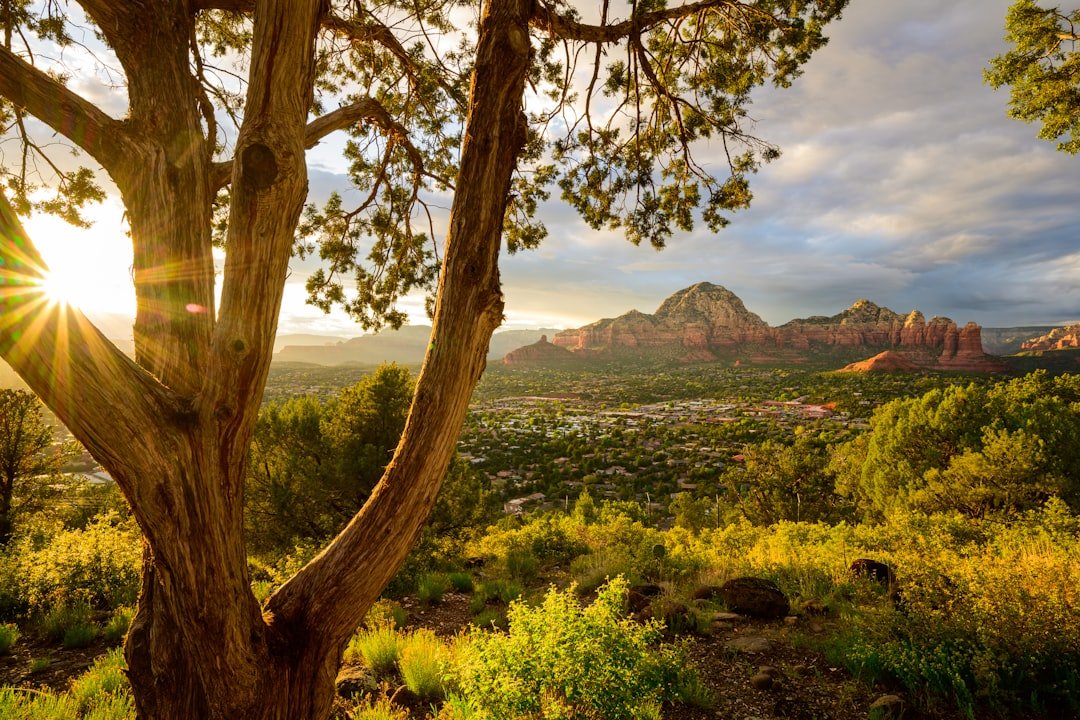
I can’t write about Sedona without addressing the vortex thing. Whether or not you buy into the idea that certain spots around town emit concentrated spiritual energy, the vortex sites — Cathedral Rock, Bell Rock, Airport Mesa, and Boynton Canyon — are undeniably some of the most spectacular natural areas you’ll find anywhere. I’m not going to tell you I felt my chakras realign, but I will say that sitting quietly on a rock at Airport Mesa watching the sunset paint the entire valley in shades of amber and violet was one of the most peaceful experiences of my traveling life. Call it energy, call it beauty, call it whatever you want — it works.
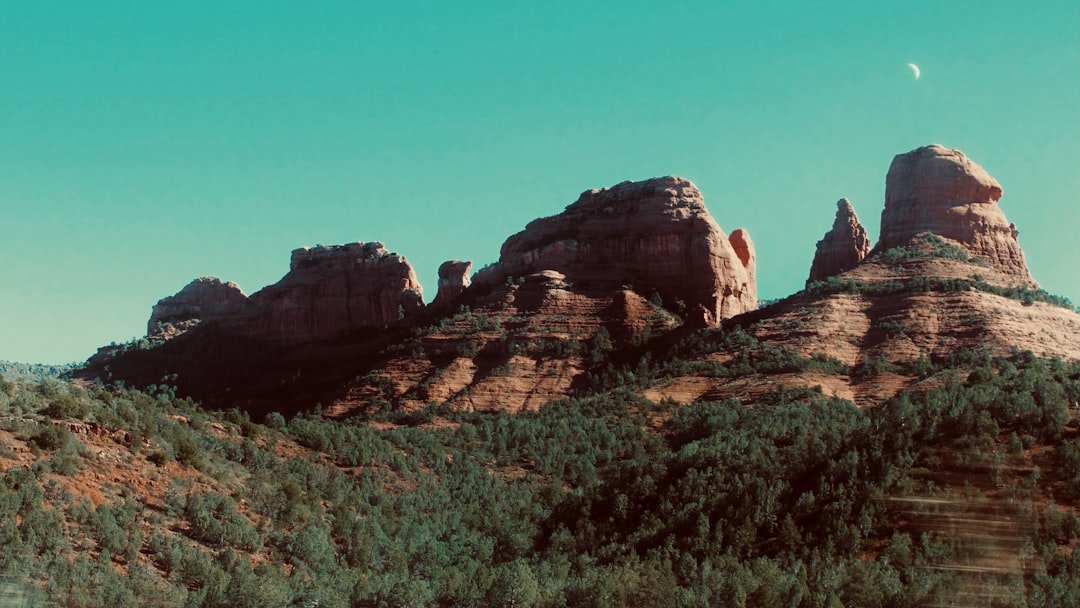
If vortex-hunting is on your list, Bell Rock is the most accessible — you can see it right from Highway 179 and there are trails circling it at various difficulty levels. Airport Mesa is the easiest to reach and offers arguably the best sunset views in the entire area. Bring a compact travel blanket and settle in for the show.
Where to Stay Without Going Broke
Sedona accommodation is expensive. That’s just the reality. Hotel rooms during peak season easily run $300-500 a night, and even the modest motels jack up their rates. But there are ways to play this. First, consider staying in Cottonwood, about 25 minutes south. It’s a quirky old mining town with genuinely good restaurants and motels at half the price. You’ll drive a bit more, but you’ll save enough to fund a nice dinner in town.
If you want to stay in Sedona proper, look at the smaller inns along Highway 179 rather than the big resorts in Uptown. Places like the Sedona Rouge or the Adobe Village Inn offer character without the luxury markup. Booking well ahead — I’m talking months — makes a huge difference.
Camping is another option entirely, and it’s a fantastic one if you’re up for it. The camping experience around Sedona ranges from developed campgrounds at Cave Springs and Manzanita in Oak Creek Canyon to dispersed camping on forest service land. A decent lightweight three-season tent and you’ve got the cheapest room in town with the best possible view of the stars.
Eating and Drinking in Town
Sedona’s food scene punches above its weight for a town of 10,000 people. Elote Café is the one everyone talks about — elevated Mexican/Southwestern cuisine using local ingredients — and it deserves the hype. Reservations are essential, sometimes weeks out, but you can also eat at the bar if you show up early. The cowboy candy (candied jalapeños) alone is worth the trip.
For something more casual, check out the Hudson on Highway 179 for upscale comfort food with mountain views, or grab a green chile burger at the Cowboy Club in Uptown. And if you see a food truck called The Indi Cow doing Indian-Mexican fusion, get in that line immediately. I still think about those paneer tacos.
The Uptown Experience (and How to Navigate It)
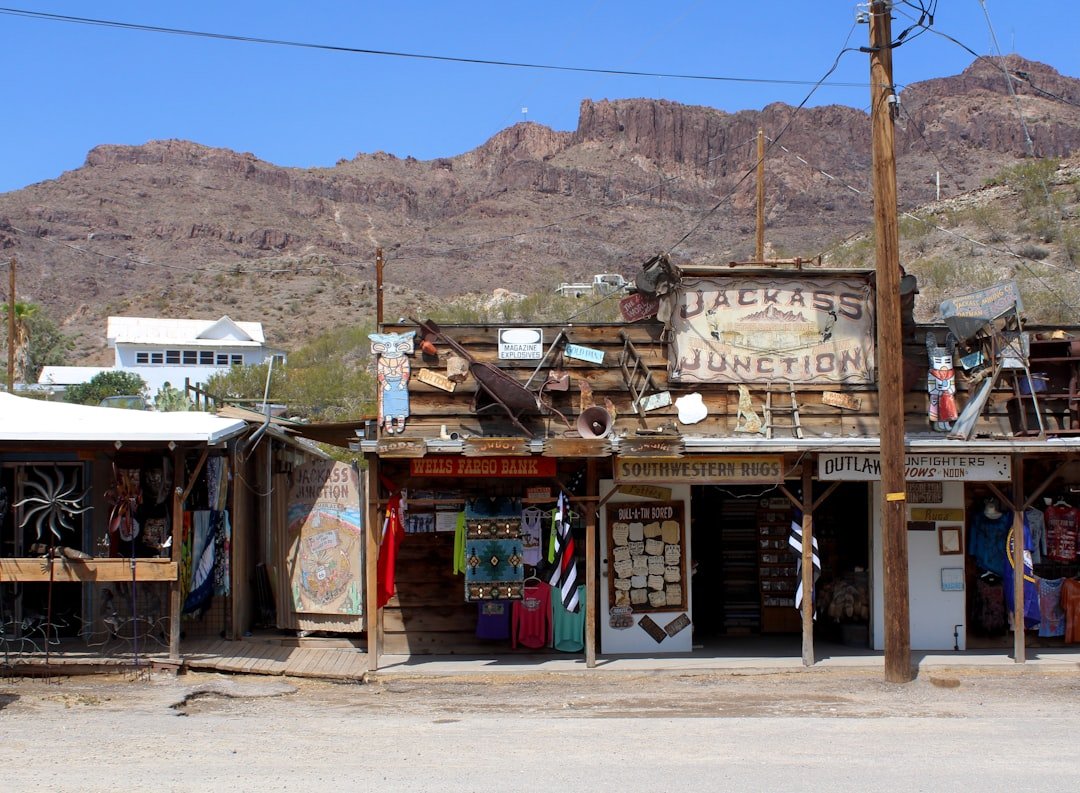
Uptown Sedona is the tourist hub — a walkable stretch of shops, galleries, and crystal stores running along Highway 89A. It’s easy to be cynical about it, and sure, there’s plenty of overpriced turquoise and questionable energy healing on offer. But mixed in with the tourist traps are some genuinely excellent art galleries showcasing local painters and sculptors who draw inspiration directly from the landscape surrounding you. Take an hour to browse, grab an iced coffee, and enjoy the people-watching. It’s part of the Sedona experience.
Parking in Uptown is a headache, especially on weekends. Your best bet is the municipal lot behind the shopping center at the intersection of 89A and 179. It fills up too, but it’s the largest option. Better yet, stay somewhere within walking distance and leave the car behind. A portable phone charger is clutch here since you’ll be taking roughly a thousand photos.
Practical Tips I Wish Someone Had Told Me
First, the Red Rock Pass. You need one to park at most trailheads, and the cost is minimal — around $5 per day or $15 for the week. You can buy them at kiosks near the trailheads or online through the Forest Service. Skip it and you’ll come back to a parking ticket, which costs considerably more.
Second, the shuttle system. Sedona launched a free shuttle that serves the most popular trailheads from a central parking hub at 3270 Chavez Ranch Road. During peak season, it runs every 15-20 minutes and eliminates the nightmare of circling Cathedral Rock’s tiny lot for 45 minutes. Use it. It’s genuinely great.
Third, download offline maps. Cell service is spotty throughout the canyons and nonexistent on many trails. I use a GPS hiking app with offline maps loaded before every hike, and it’s saved me from wrong turns more than once.
Fourth, hydrate like it’s your job. The high desert elevation (4,300 feet) combined with dry air means you’ll dehydrate faster than you realize. I drink at least a liter before hitting the trail and carry two more in my pack. A hydration pack makes this effortless compared to fumbling with bottles on the move.
Day Trips Worth the Drive
If you have extra time, Jerome is a 30-minute drive southwest and probably the most interesting ghost town in Arizona. It’s perched on the side of Cleopatra Hill, half-abandoned and half-revived as an artists’ colony with killer views and a surprisingly good wine scene. The Jerome Winery does a solid tasting with panoramic views of the Verde Valley.
Jordan Road into Red Rock Crossing is another must — it’s where that iconic shot of Cathedral Rock reflected in Oak Creek comes from, and it’s even better in person. Crescent Moon Picnic Area gives you the best vantage point for this classic view. The road trip coffee setup you bring along will make the early morning drive to catch sunrise here infinitely more pleasant.
And if you’re up for a longer excursion, the Grand Canyon’s South Rim is about two hours north. It’s an obvious addition, but pairing Sedona’s intimate red rock up-close experiences with the Grand Canyon’s staggering vastness in the same trip is a one-two punch of Arizona’s finest. Just make sure your sunscreen game is solid — there’s zero shade at either destination.
Final Thoughts
Sedona earned every bit of its reputation. The landscape is extraordinary, the trails are varied enough to challenge any fitness level, and even the touristy parts of town have genuine charm. My advice? Plan for three or four days minimum — anything less and you’ll spend half your trip regretting what you didn’t have time to see. Book early, pack more water than you think you need, and set at least one alarm for sunrise. The rocks are beautiful all day, but those first golden minutes of morning light are something you’ll carry with you long after you’ve driven back down through Oak Creek Canyon and returned to the real world.
And maybe pick up a crystal while you’re there. I didn’t plan to, but there’s something about this place that makes you do things you didn’t expect. Mine sits on my desk now, a small piece of red rock country reminding me that I need to go back.
3 thoughts on “Sedona for First-Timers: Red Rock Trails, Hidden Caves, and What Nobody Tells You”