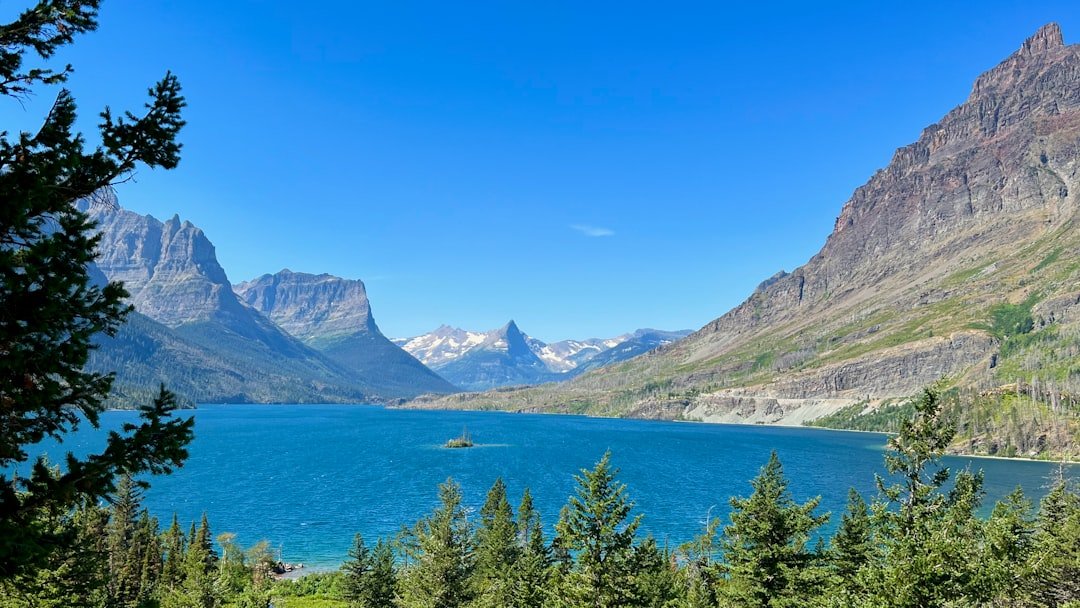
I showed up at Glacier National Park on a Tuesday in late June expecting the kind of elbow-to-elbow madness I’d experienced at Yellowstone the summer before. What I found instead was a place so vast, so absurdly layered with mountain ranges and glacial valleys, that the crowds thinned out the moment I stepped past the first trailhead parking lot. That’s the thing about Glacier — it doesn’t look like much from the visitor center. Then you drive ten minutes into the interior, round a corner, and suddenly you’re staring at a turquoise lake ringed by peaks that still hold snow in July, and you wonder why you ever considered going anywhere else.
Glacier National Park sits in northwestern Montana along the Canadian border, preserving over a million acres of what biologists call the Crown of the Continent ecosystem. It’s one of the few places in the lower forty-eight where grizzly bears, wolves, wolverines, and mountain lions all share the same rugged turf. The park has been slowly losing its namesake glaciers for decades — there were roughly 150 in the mid-1800s, and now there are fewer than 30 that meet the scientific definition — which makes this a place to visit sooner rather than later if you want to see ice carved into the landscape by millennia of winter.
When to Visit and How to Get There
The single most important thing to understand about Glacier is that Going-to-the-Sun Road, the fifty-mile highway that bisects the park, doesn’t fully open until late June or sometimes even mid-July depending on snowpack. If you visit in May or early June, you’ll have access to portions of the road and some lower-elevation trails, but the full experience requires patience. I think late June through mid-September is the sweet spot. July and August bring the most reliable weather, wildflowers at higher elevations, and all trailheads accessible, but you’ll also deal with the biggest crowds at popular spots like Logan Pass and Avalanche Lake.
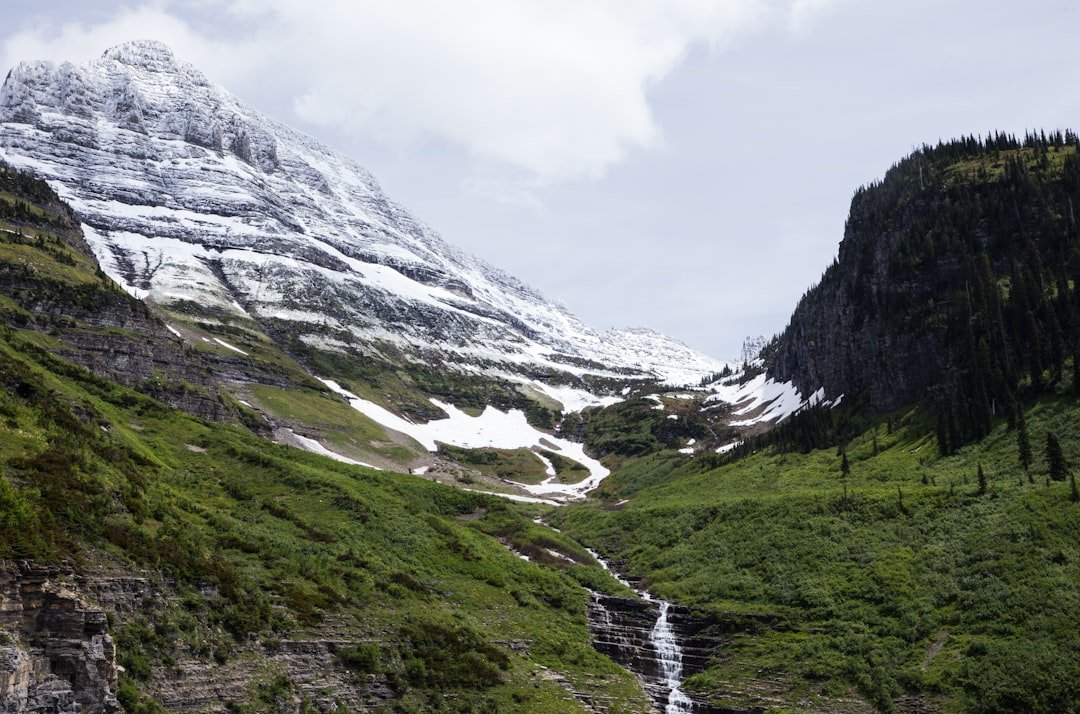
Flying into Glacier Park International Airport in Kalispell is the easiest option — it’s about thirty minutes from the West Entrance. Missoula is another choice, about two and a half hours south, and often has cheaper flights. If you’re combining this with a bigger Montana road trip, driving from Bozeman takes about four hours through some genuinely stunning country. I drove the Beartooth Highway into the area from Wyoming, which added an extra day but was worth every winding mile.
You’ll need a vehicle to explore the park properly. A National Parks annual pass saves money if you’re hitting multiple parks, and the park shuttle system along Going-to-the-Sun Road is free and eliminates the headache of full parking lots at popular trailheads.
Driving Going-to-the-Sun Road
This is the reason most people come to Glacier, and honestly, it lives up to the hype. The road climbs from Lake McDonald on the west side up to Logan Pass at 6,646 feet, then drops down to St. Mary Lake on the east side. The entire drive takes about two hours without stops, but you should plan on at least half a day because every pullout demands a photograph and several of them demand a short hike.
Start early — I mean sunrise early — especially in July and August. The Logan Pass parking lot routinely fills by 8:30 AM, and once that happens, you’re circling or taking the shuttle. The section between the Loop and Logan Pass is where the drama kicks in: the road narrows to barely two lanes, hugs cliff faces, and opens up to views that make you grip the steering wheel a little tighter. If you’re not comfortable with heights, let someone else drive this section.
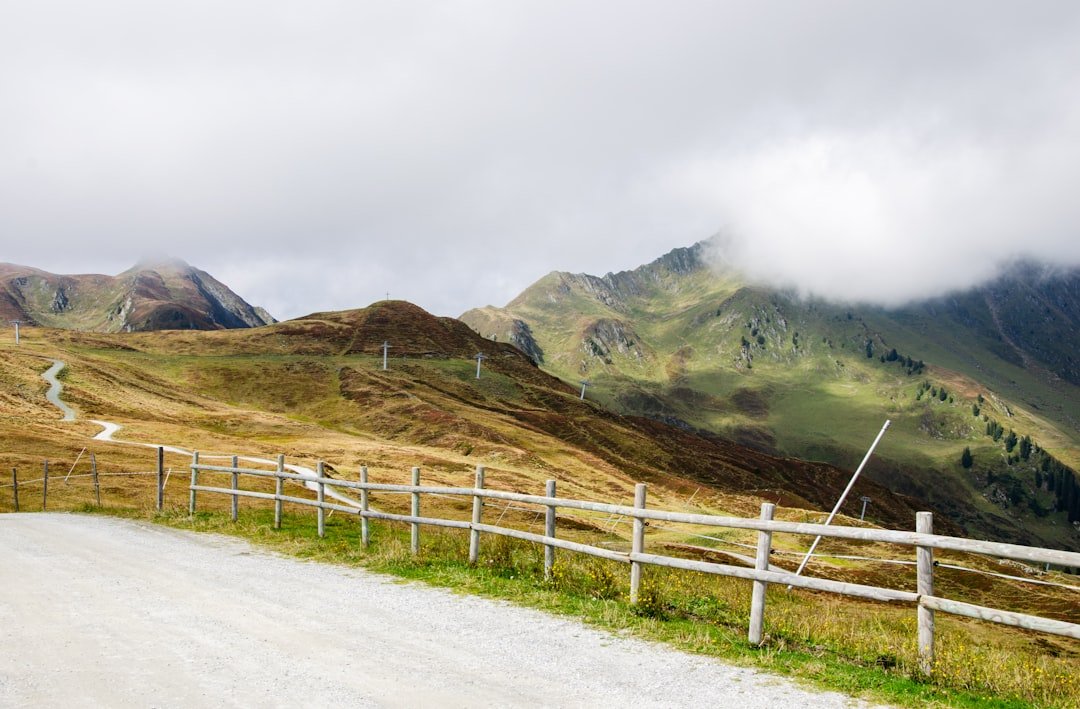
Key stops along the way include the Weeping Wall, where groundwater seeps through the rock face directly onto the road (your car gets a free car wash), Jackson Glacier Overlook — the only place along the road where you can see one of the park’s remaining glaciers — and Big Bend, which offers the classic panoramic view that appears on every Glacier postcard. Bring a waterproof camera bag because the weather shifts from sunny to sideways rain in minutes at these elevations.
The Hikes That Actually Matter
Glacier has over 700 miles of trails, and nobody has time for all of them. After three separate trips, these are the ones I keep coming back to.
Hidden Lake Overlook (2.7 miles round trip, moderate). Starting from the Logan Pass Visitor Center, this trail crosses alpine meadows that burst with beargrass and glacier lilies in July before reaching an overlook of Hidden Lake with Bearhat Mountain rising behind it. I’ve seen mountain goats on this trail every single time — they graze right alongside the boardwalks like they own the place, because technically they do. The trail continues down to the lake shore if you want to add another mile and 780 feet of elevation loss, but the overlook itself is the payoff.
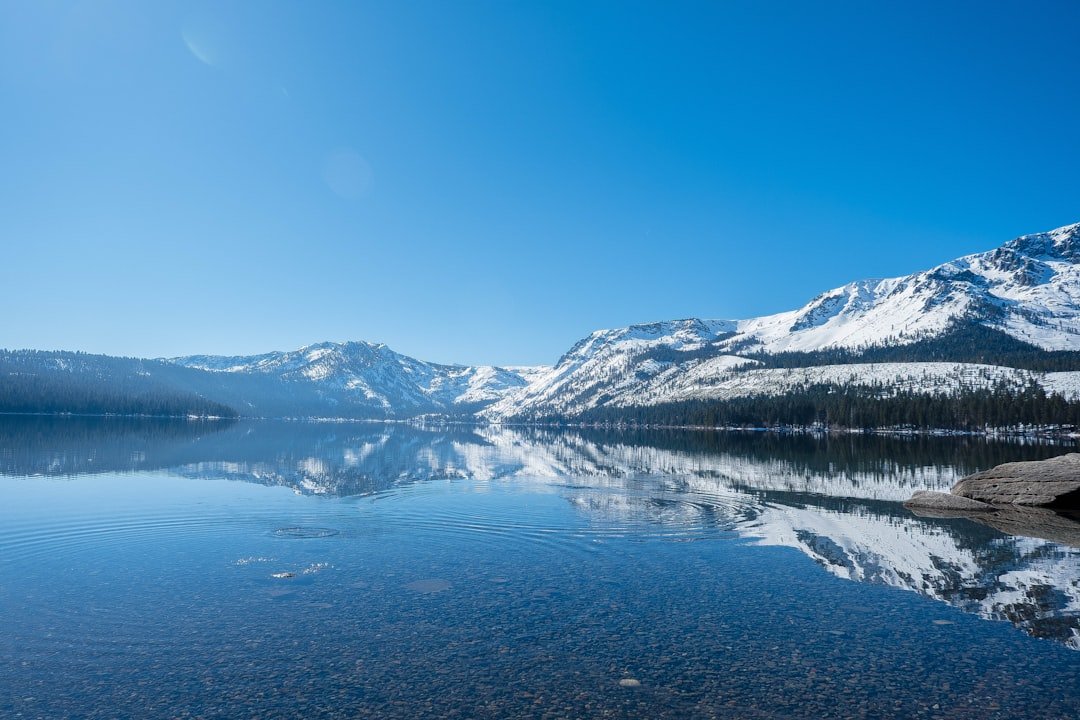
Avalanche Lake (5.7 miles round trip, moderate). This was my first Glacier hike and it remains my sentimental favorite. The trail follows Avalanche Creek through a cathedral of old-growth western red cedars and hemlocks before opening up to a lake surrounded by sheer cliffs with three waterfalls cascading down the far wall. Go early or go late — midday in July, you’ll be sharing the shoreline with what feels like half of Montana. A lightweight day pack with a packed lunch turns this into a perfect half-day adventure.
Grinnell Glacier Trail (10.6 miles round trip, strenuous). If you only do one big hike in Glacier, make it this one. Starting from the Many Glacier area on the east side, the trail climbs through wildflower fields, passes three alpine lakes, and terminates at Upper Grinnell Lake, which sits directly below the glacier itself, filled with icebergs that calved off the ice field. The turquoise color of the water is almost impossible to believe — I kept thinking someone had dumped food coloring in it. Start before 7 AM, carry at least three liters of water, and bring trekking poles for the descent, which punishes your knees.
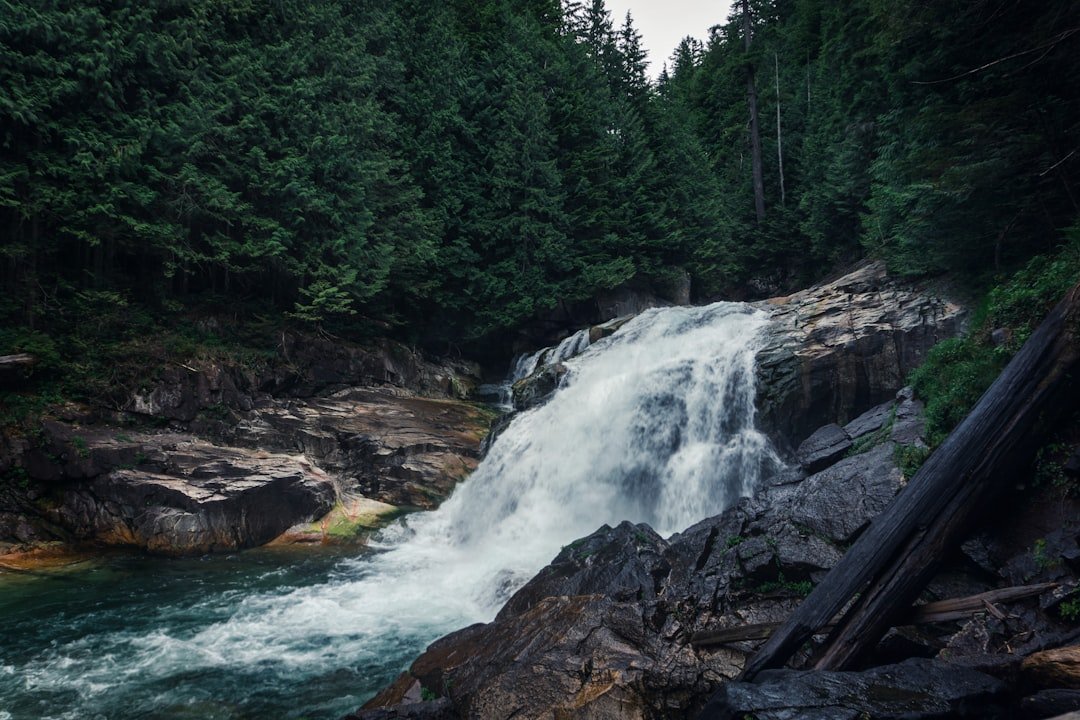
St. Mary Falls and Virginia Falls (3.6 miles round trip, easy to moderate). A shorter hike that delivers two excellent waterfalls. St. Mary Falls is a powerful cascade over red and green argillite rock, and Virginia Falls, another half mile up the trail, is taller and more dramatic with far fewer visitors. The trailhead is right off Going-to-the-Sun Road, making it a perfect leg-stretcher between scenic drive stops.
Wildlife: What You’ll Actually See
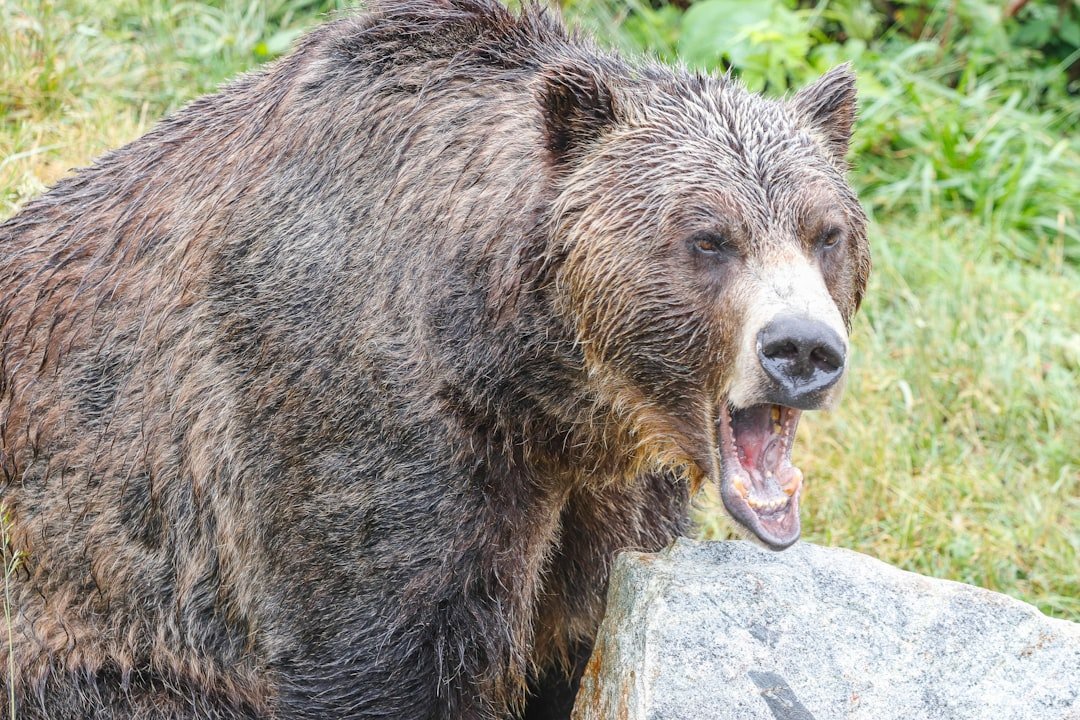
Glacier is one of the best parks in the country for wildlife viewing, and I don’t say that lightly. Grizzly bears are the marquee attraction — the Many Glacier area and Logan Pass are your best bets for spotting them, especially in the early morning when they forage in meadows. I watched a sow and two cubs methodically turn over rocks looking for insects near Grinnell Lake, and it was one of the most riveting thirty minutes of my traveling life. Keep at least 100 yards away and carry bear spray on every hike — not in your backpack, on your belt where you can reach it in two seconds.
Mountain goats are practically guaranteed at Logan Pass. Bighorn sheep frequent the Going-to-the-Sun Road pullouts along the east side. Elk and moose appear in the lower valleys, especially near Fishercap Lake in the Many Glacier area. I’ve also spotted wolves twice in the North Fork region, though that requires patience and serious luck. If wildlife photography is your thing, a telephoto lens in the 200-400mm range lets you get close without actually getting close.
Where to Stay Inside the Park
Glacier has several historic lodges built by the Great Northern Railway in the early 1900s, and staying in one of them is part of the experience. Many Glacier Hotel, perched on the shore of Swiftcurrent Lake, is the most iconic — a massive Swiss-chalet-style building with a lobby that opens directly to mountain views that will stop you mid-sentence. Lake McDonald Lodge on the west side is smaller and more intimate, with a cozy fireplace lounge that’s perfect after a rainy day hike.
These lodges book up months in advance, often by January for the following summer. If you’re planning a trip now for this summer, check for cancellations obsessively — they happen, especially in the weeks right before dates. Bring a high-capacity power bank because some lodge rooms have limited outlets.
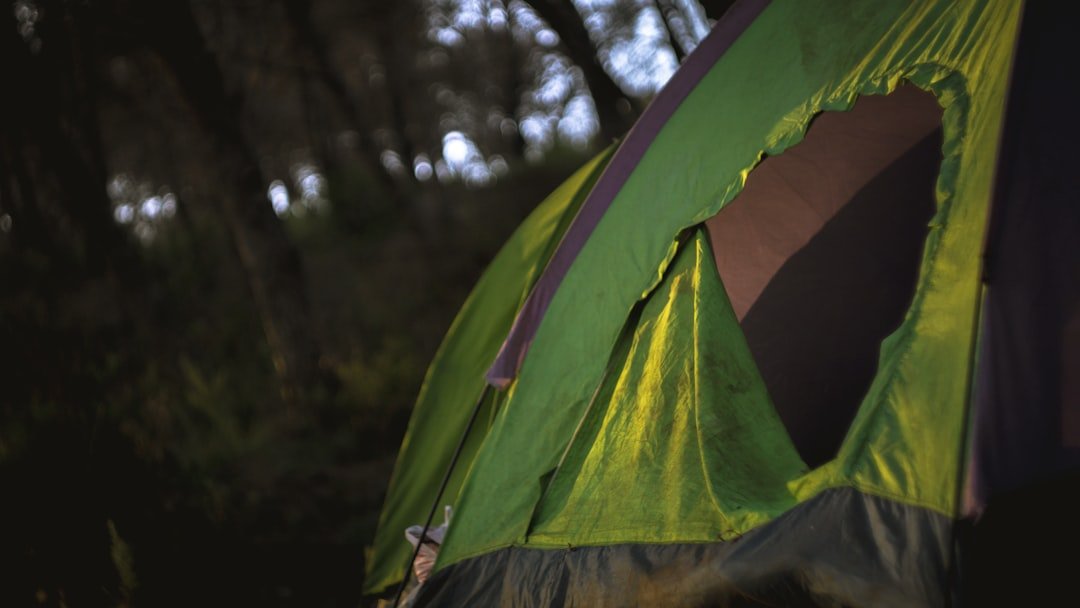
Camping is the budget-friendly alternative, and Glacier has thirteen campgrounds. Most are first-come, first-served, which means arriving by mid-morning to snag a site. Fish Creek Campground on the west side and Many Glacier Campground on the east side are the most popular and fill fastest. If you’re planning to camp, our national park camping gear guide has the essentials covered. A good three-season tent with a solid rain fly is non-negotiable here — thunderstorms roll through fast and hard in July.
The Many Glacier Area: Glacier’s Best Kept Semi-Secret
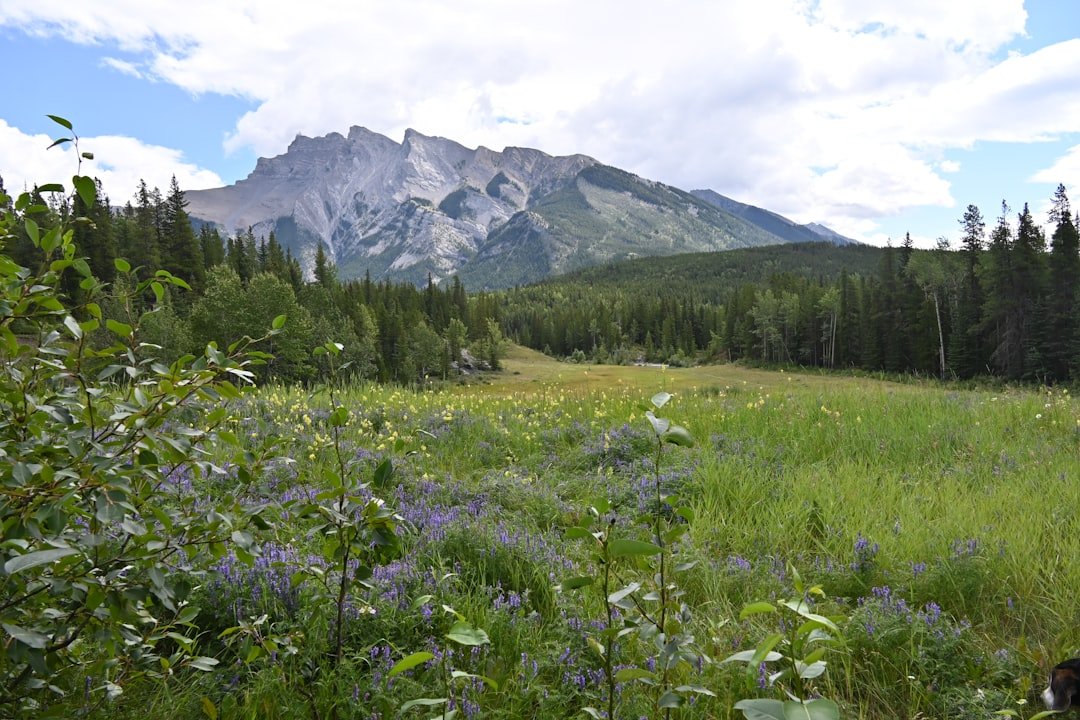
Most visitors concentrate along Going-to-the-Sun Road and the Lake McDonald corridor. If you have the time, drive the hour and a half to the Many Glacier area on the east side of the park. It’s where the biggest peaks, the deepest valleys, and the best wildlife converge. The Grinnell Glacier Trail starts here, as does the Swiftcurrent Pass Trail, which offers some of the most dramatic scenery in the entire park with a fraction of the foot traffic you’ll find on the west side.
The Many Glacier Hotel also runs boat tours across Swiftcurrent Lake and Lake Josephine, which is a great way to see the scenery if you’re traveling with people who aren’t up for long hikes. The boats have been running since the 1930s, and the tour guides are surprisingly knowledgeable about the park’s geology and history.
What I Pack for Glacier
The weather in Glacier can swing thirty degrees in a single day, and I’ve been caught in snow at Logan Pass in August. Layers are not optional — they’re the strategy. I start with a moisture-wicking base layer, add a fleece or lightweight down jacket, and always carry a packable rain jacket regardless of what the forecast says. Sturdy waterproof hiking boots with ankle support are essential on the rocky, uneven trails — I learned this the hard way after rolling an ankle on the Grinnell Glacier trail in running shoes my first visit.
Other essentials: sunscreen (the sun at 6,000+ feet is no joke), insect repellent (the mosquitoes near standing water in June are aggressive), a hydration bladder for longer hikes, and a small first aid kit. Cell service is virtually nonexistent inside the park, so download offline maps before you lose signal. I use a dedicated handheld GPS unit for backcountry routes, but phone GPS with downloaded maps works fine for established trails.
Practical Tips That Took Me Multiple Trips to Learn
The east side of the park is generally less crowded than the west side, so consider staying in St. Mary or Babb rather than West Glacier if you want easier access to trailheads with fewer people. The wildlife viewing is also better on the east side, particularly in the Many Glacier and Two Medicine areas.
Water is everywhere in Glacier — streams, waterfalls, lakes — but don’t drink from any of it without filtering or treating. Giardia is present in the park’s waterways, and spending the rest of your vacation in a motel bathroom is not the souvenir you want. A portable water filter or purification tablets are worth their weight in gold on longer hikes.
If you’re planning to visit in 2026, check the NPS website for the latest on Going-to-the-Sun Road opening dates and any vehicle reservation requirements. The park has been experimenting with timed-entry systems for peak season, and the rules have shifted slightly each year. Being flexible with your dates — even by a day or two — can make a huge difference in what’s accessible and how crowded it feels.
Glacier is the kind of place that ruins other national parks for you. After you’ve stood at the shore of a turquoise alpine lake with a glacier calving ice into it while mountain goats graze in the meadow behind you, everything else starts to feel a little less dramatic. It’s worth the planning, worth the drive, worth the early mornings. Just go — while there are still glaciers left to see.