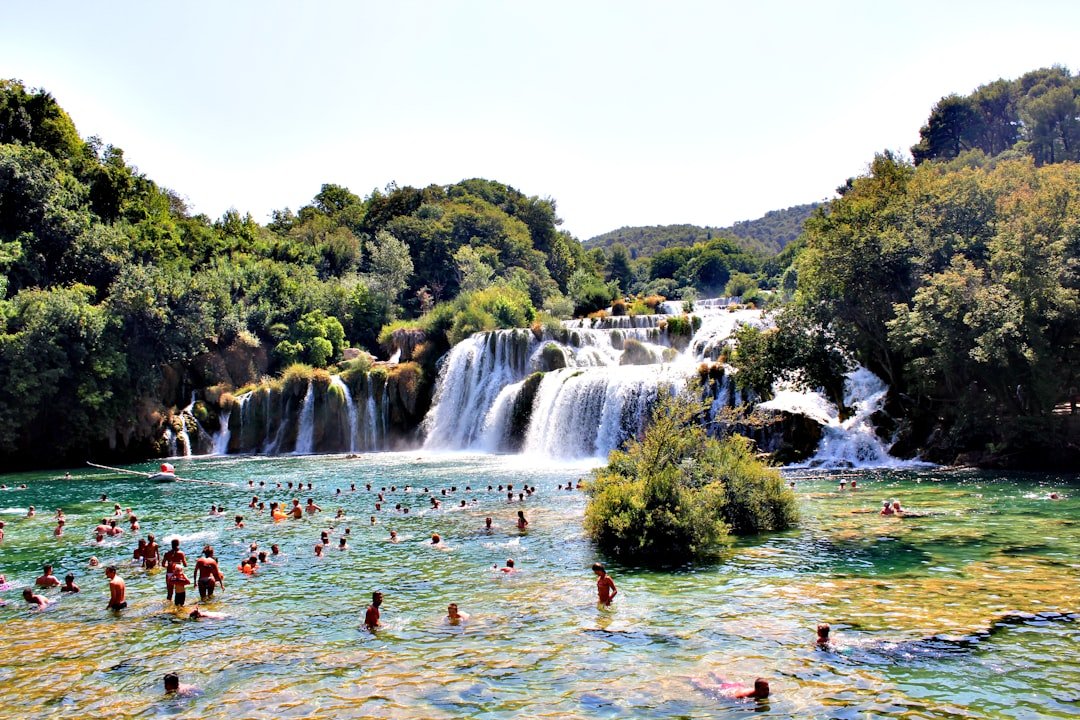
I’ve chased swimming holes across more states than I care to count, and I’ll tell you this: nothing — and I mean nothing — beats the feeling of finding that perfect natural pool on a scorching July afternoon when the asphalt is soft and your car’s A/C gave up two hours ago. Hotel pools are fine. Beaches are great. But a hidden swimming hole carved by centuries of moving water, surrounded by rock walls and forest canopy? That’s the kind of magic that keeps me pulling off highways onto dirt roads I probably shouldn’t trust.
Summer 2026 is shaping up to be a hot one across most of the country, and if you’re the type who’d rather hike to your swimming destination than fight for a pool chair, this guide is for you. I’ve swum in every spot on this list, and I’m sharing the ones that actually live up to the hype — plus a few that most travelers still haven’t discovered. Bring a solid waterproof dry bag because cell service is spotty at best near most of these gems, and you’ll want your phone safe when you’re cliff-jumping into the deep end.
Hamilton Pool Preserve — Dripping Springs, Texas
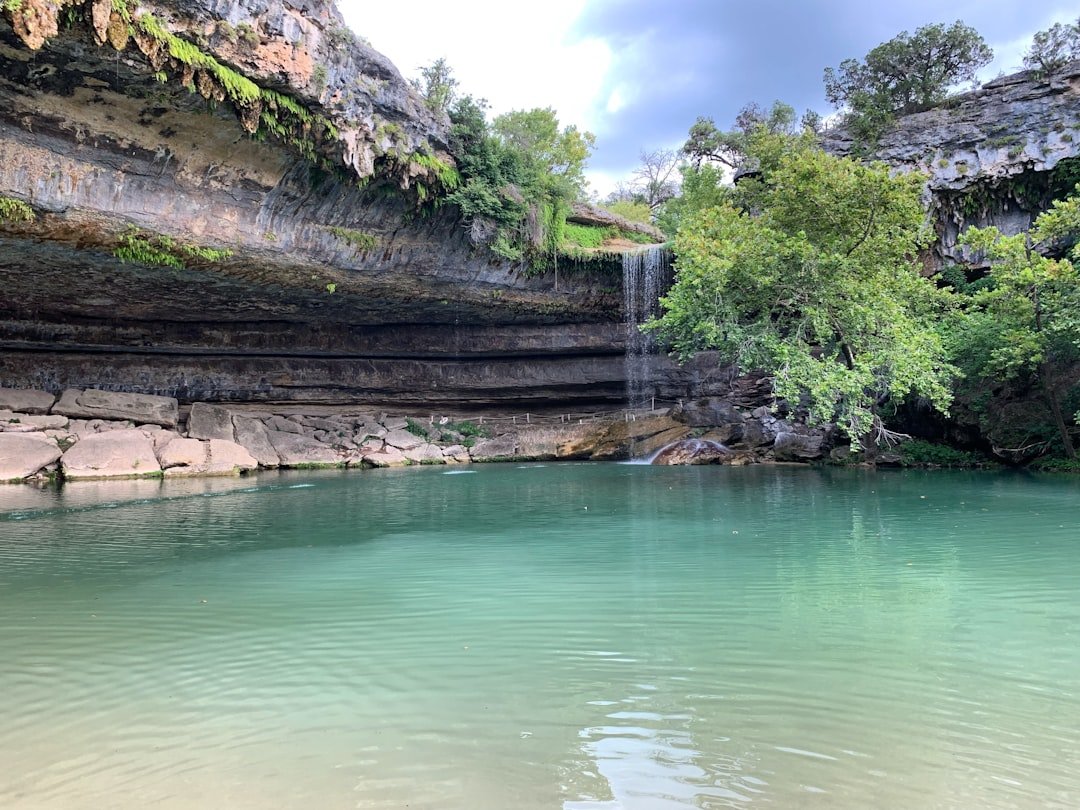
Let’s start with the crown jewel. About 45 minutes west of Austin, a collapsed underground river dome created one of the most surreal swimming spots in the country. The grotto stretches 50 feet overhead, with stalactites dripping mineral water into a jade-green pool below. Ferns cling to the overhang like something out of a Jurassic Park set piece. I visited last August when Austin was pushing 105 degrees, and the air inside the grotto felt a good 20 degrees cooler. It’s the kind of place that makes you stop talking mid-sentence.
Here’s the catch: Hamilton Pool requires reservations from May through September, and they sell out fast. Book through the Travis County Parks website at least two weeks ahead. The hike down is short — maybe a quarter mile — but the rocks get slippery. A good pair of water hiking shoes will save you from a very embarrassing spill in front of a crowd of onlookers. Water levels vary with drought conditions, so check the county website before driving out. When the pool is full, it’s absolutely worth the planning effort.
Slide Rock State Park — Sedona, Arizona
Sedona gets all the attention for its red rock formations and vortex tours, but the real treasure is Slide Rock, where Oak Creek has worn smooth chutes into the red sandstone over millennia. You literally slide down natural water slides into pools below. The rock is slick from decades of water flow, and the experience is somewhere between a waterslide and a natural lazy river. I’ve seen grown adults giggle like kids on their first run.
The park sits at 4,500 feet elevation, so even in peak summer the water stays refreshingly cold — somewhere around 50 degrees from the creek’s spring sources. It’s a shock to the system on entry, but on a 95-degree Sedona afternoon, that shock becomes pure relief. The park charges an entrance fee and gets crowded on weekends, so arrive before 10 AM if you want a prime spot. Pack your essentials in a waterproof swimming backpack because everything within ten feet of the creek will get wet.
Falling Water Falls — Ozark National Forest, Arkansas
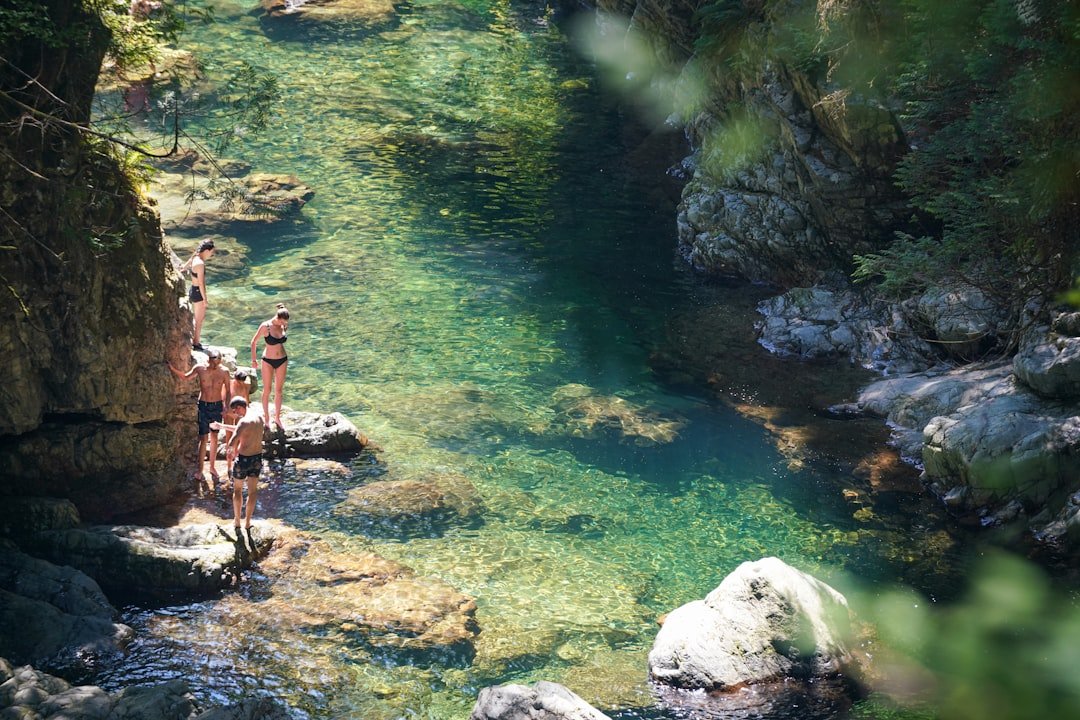
The Ozarks keep their best secrets well-hidden, and Falling Water Falls is proof. Tucked into the Boston Mountains section of the Ozark National Forest, this 10-foot waterfall pours into a deep pool that’s perfect for swimming. The water is clear enough to see the rocky bottom, and the surrounding forest is so dense that the humidity drops the moment you step under the canopy. It’s the kind of place where you can float on your back and hear absolutely nothing but water and birdsong.
Getting there requires navigating some Forest Service roads that your GPS will pretend don’t exist. Download offline maps before you go — I use a handheld GPS navigator as backup because cell service vanishes about 20 minutes into the forest. The hike from the parking area is less than half a mile, but it’s rocky and uneven. Water levels depend on recent rainfall, so the pool is deepest in spring and early summer. By late August, it can get shallow enough that jumping isn’t safe.
Devil’s Waterhole — Ink”dfs Lake State Park, Texas
Yeah, the name is intimidating, but Devil’s Waterhole is one of the most accessible swimming holes on this list, carved into the pink granite of the Texas Hill Country. The pool sits in a natural basin surrounded by massive boulders, and there’s a popular cliff-jumping spot that draws crowds on summer weekends. The water is surprisingly deep — 15 to 20 feet in the center — and the granite walls stay cool to the touch even when the sun is brutal overhead.
Inks Lake State Park charges a modest entrance fee, and you can camp right there if you want to make a weekend of it. The Texas Hill Country is packed with worthwhile stops, and if you time it right in spring, you can catch the bluebonnet trails on your drive in. For swimming, bring a quick-dry travel towel — the hike back to the car is short but you’ll want to dry off fast in that Texas heat.
Johnson’s Shut-Ins State Park — Middle Brook, Missouri
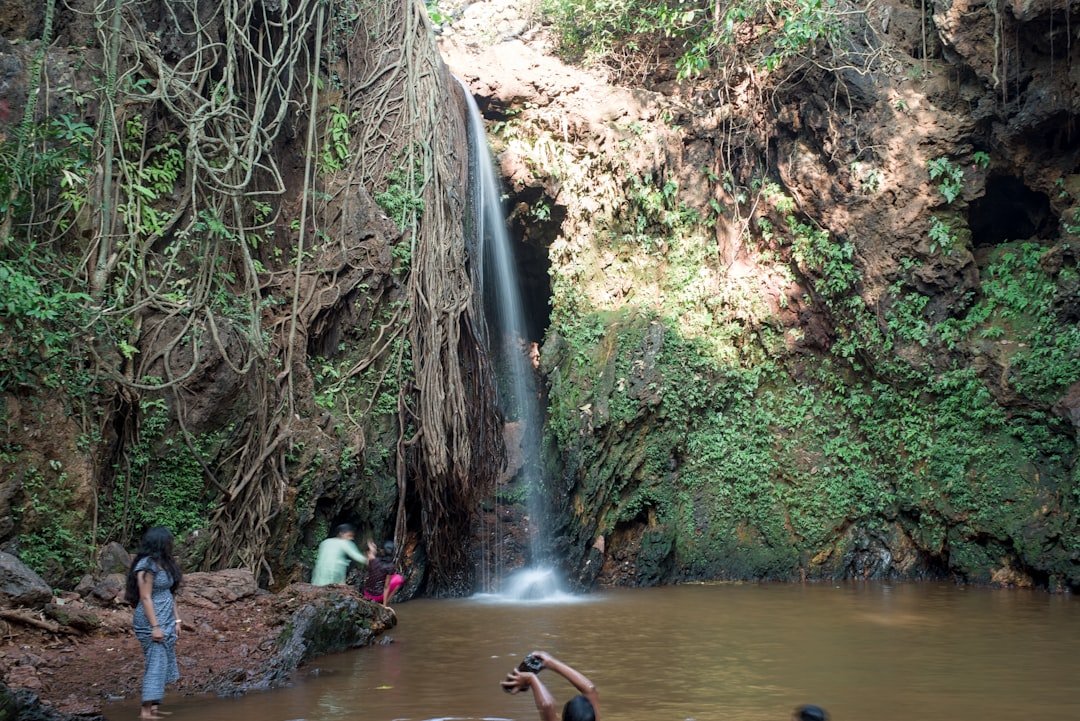
This one’s a natural water park, plain and simple. The East Fork Black River has carved chutes, potholes, and small cascades into ancient volcanic rock, creating a series of connected pools that you can slide between. Some are calm and perfect for floating. Others have enough current to give you a gentle ride. The volcanic rhyolite rock is smooth from eons of water erosion, so unlike some swimming holes where you’re dodging sharp rocks, here you can actually relax.
Johnson’s Shut-Ins took a hit from a reservoir breach in 2005, but the park has been beautifully restored, and the swimming area is better than ever. There’s a boardwalk and trail system that makes access easy. Weekends in July and August draw serious crowds from St. Louis, which is about two hours north, so plan accordingly. If you’re planning a longer Midwest adventure, you could easily pair this with a Lake Superior Circle Tour later in the summer for the ultimate freshwater road trip.
Fanning Springs — Fanning Springs, Florida
Florida has more natural springs than anywhere else in the country, and while most travelers flock to Ginnie Springs or Ichetucknee, Fanning Springs delivers the same crystal-clear, 72-degree water with a fraction of the crowds. The spring pumps out millions of gallons daily into the Suwannee River, and the swimming area is a broad, inviting pool with a sandy bottom. On a hot June day in north Florida — where the humidity can feel like walking through warm soup — plunging into that spring water is transcendent.
The park is small and well-maintained, with a floating dock, restrooms, and picnic areas. Entry is cheap, and you can bring a snorkel gear set to explore the spring vent where the water pushes up from the aquifer. Manatees sometimes visit in cooler months, though by summer they’ve moved to deeper waters. If you’re road-tripping through Florida, this makes an excellent stop between the panhandle and central Florida attractions.
Glacier Gorge — Rocky Mountain National Park, Colorado
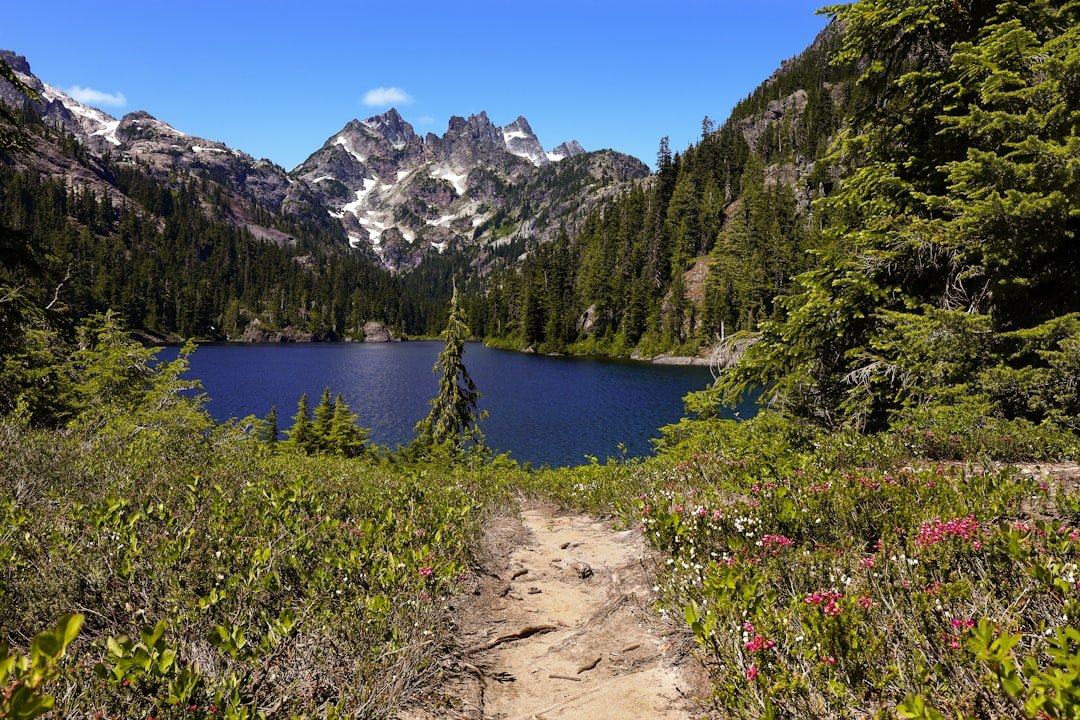
I’m ending with the most ambitious swimming hole on this list, because sometimes the best rewards demand the most effort. The Glacier Gorge trail in Rocky Mountain National Park leads past three alpine lakes — The Loch, Glass of Water, and Sky Pond — each more stunning than the last. Sky Pond sits at over 10,000 feet, ringed by sheer granite cliffs, and while the water is absolutely frigid (we’re talking maybe 55 degrees on a warm August day), jumping in is a rite of passage for any serious adventurer.
The hike to Sky Pond is roughly 9 miles round-trip with significant elevation gain. Start early — before dawn if you can — because afternoon thunderstorms roll in fast above treeline and they’re not negotiable. You’ll want proper waterproof hiking boots, plenty of water, and a healthy respect for altitude. If you’re planning a summer road trip through Colorado, pair this with our road trip planning guide for tips on beating the crowds at popular trailheads. Rocky Mountain National Park now requires timed-entry reservations from late May through mid-October, so book early through Recreation.gov.
What to Pack for Swimming Hole Adventures
Swimming holes aren’t hotel pools. They’re wild places with uneven terrain, cold water, and zero amenities, and packing accordingly makes the difference between a great day and a miserable one. Beyond the basics — swimsuit, sunscreen, towel — here’s what I never leave without.
First, water shoes with grip are non-negotiable. Rocks are slippery, and a twisted ankle two miles from your car is a problem. Second, a proper insulated water bottle — you’ll drink more than you think, especially at elevation. Third, a compact first aid kit with bandages and antiseptic. Cuts happen on rocks, and natural water sources aren’t the cleanest for open wounds.
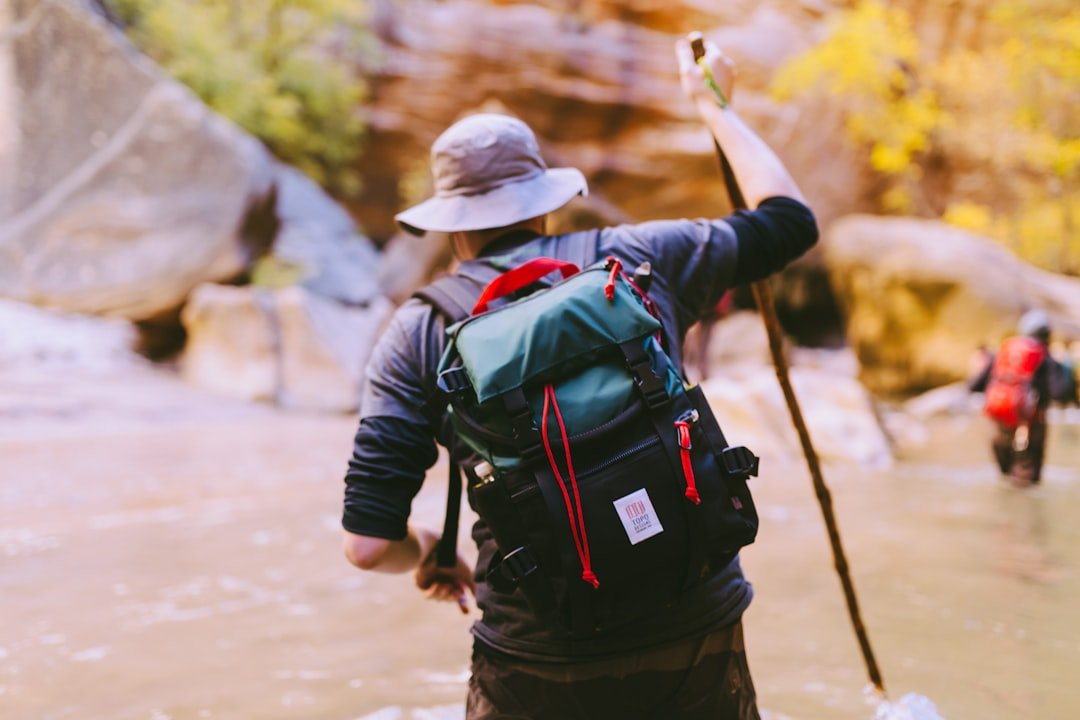
I also always bring a waterproof phone pouch for photos — because you’ll want them — and a packable daypack that can handle getting wet. If you’re planning to camp near any of these spots, check out our guide to hiking trail essentials for a more comprehensive packing list.
Final Thoughts on Finding Your Perfect Swimming Hole
The best swimming holes aren’t always the most famous ones. Some of my favorite afternoons have been spent in unnamed pools I stumbled across while exploring Forest Service roads or following a creek upstream just to see where it went. The spots I’ve shared here are proven winners, but the real joy is in the discovery — pulling over when you see a trailhead marker, following the sound of running water, and finding your own secret swimming spot.
Just remember to respect these places. Pack out everything you bring, don’t disturb wildlife, and skip the sunscreen and bug spray if you’re entering a natural spring — the chemicals damage the ecosystem. Most of these spots have survived for thousands of years without us. Let’s make sure they’re still around for the next thousand summers.
1 thought on “Hidden Swimming Holes Across America: 7 Secret Spots for Summer 2026”