The Memorial Day Camping Crush Is Coming. Here’s How to Outsmart It.
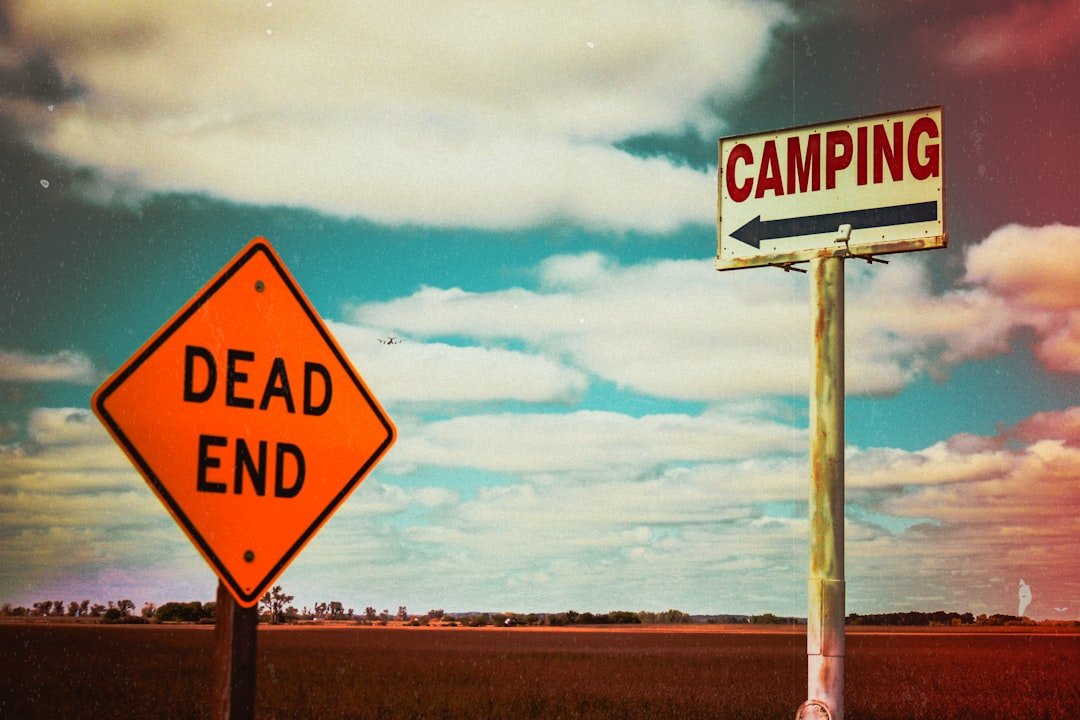
Last Memorial Day, I learned the hard way what happens when you leave campground reservations to the last minute. After three hours of scrolling through Recreation.gov at 11 PM on a Tuesday—refreshing, searching, and watching every decent site within 200 miles vanish—I ended up at a sketchy private campground that charged $85 per night for a patch of dirt next to a busy highway. The train rattled past every 47 minutes. All night long.
I’m not making that mistake again. Neither should you.
Memorial Day 2026 is shaping up to be even crazier. Campground reservation platforms are reporting the fastest inventory depletion in their history. RV rentals are booked solid for weeks around the holiday. The Great American Road Trip is back in a big way, and everyone’s heading outdoors at the exact same time.
But here’s the thing: with the right strategy, you can still snag an incredible spot. You just need to know where to look, when to book, and how to think like a savvy traveler who’s been around the block a few times. Let me walk you through everything I’ve learned from years of Memorial Day road trips—the good, the bad, and the absolutely worth it.
Why Memorial Day 2026 Is Different (and More Competitive)
First, let’s talk about why this year is particularly intense. The road trip renaissance that started in 2020 hasn’t slowed down—if anything, it’s accelerated. RV ownership hit record levels in 2025, with younger generations (millennials and Gen Z) leading the charge. Campground booking platforms like Recreation.gov and Hipcamp are seeing unprecedented demand, with prime sites disappearing in seconds rather than minutes.
National Road Trip Day falls on Friday, May 22nd this year—the Friday before Memorial Day. It’s not just a clever hashtag; it’s become a cultural moment that kicks off the summer travel season. Translation: everyone with a vehicle and a sense of adventure is planning to hit the road that weekend.
Gas prices have stabilized compared to the wild swings of previous years, making long-distance driving more predictable for budget planning. And with domestic flight costs climbing—average domestic trip costs for April and May 2026 jumped 20% year-over-year—the road trip has become the smart money move for travelers who want to maximize their getaway budget.
The financial arithmetic is straightforward: that family flying to a theme park destination for Memorial Day is looking at $5,124 on average for domestic airfare and lodging. Meanwhile, a well-planned road trip with camping can easily come in under $1,500—including gas, food, and campground fees. The math doesn’t lie, and millions of travelers are running the same numbers you are.
The Booking Window: When You Need to Reserve
Here’s the harsh reality that took me a few years to accept: the golden age of spontaneous Memorial Day camping is over, at least for popular destinations. National parks and high-demand state parks now operate on reservation systems that open exactly six months in advance. Miss that window? You’re scrambling for scraps.
For Memorial Day 2026 (which is Monday, May 25th), the six-month booking window opened in late November 2024. I know, I know—you’re reading this in April, thinking I’ve already missed the boat. But don’t panic. There’s still strategy to work with, even this close to the holiday.
First, understand that cancellations happen. Life gets in the way for people who booked months ago. Kids get sick. Work schedules change. Weather forecasts look sketchy. Savvy campers monitor reservation platforms for cancelled spots, especially within 2-7 days of a holiday weekend when people’s plans firm up. I’ve snagged some of my best sites this way—a premium riverfront spot at Yosemite that someone else had to give up, a forest service campground site near Glacier that opened up three days before the holiday.
Second, look beyond the obvious destinations. Everyone’s trying to book Zion, Yellowstone, and the Grand Canyon for Memorial Day. But within an hour or two of those marquee parks, you’ll often find national forest campgrounds, BLM land, or lesser-known state parks that don’t require reservations six months out. They might not have the Instagram fame, but they’re often quieter, cheaper, and every bit as beautiful.
Destination Strategy: Think Beyond the National Parks
Speaking of those marquee parks, let me be blunt about Memorial Day: unless you booked six months ago, they’re probably not happening. And that’s okay. Some of my most memorable Memorial Day trips have been to places I hadn’t originally considered—hidden gems that surprised me with their beauty and lack of crowds.
National forests are your Memorial Day secret weapon. Most people don’t realize that national forests surround many popular national parks, offering camping that’s often first-come, first-served or reservable on shorter notice. The forest service campgrounds tend to be more basic (fewer amenities, smaller sites), but they’re also quieter, cheaper, and located in equally stunning landscapes. Last Memorial Day, I scored a site in a national forest just outside Great Smoky Mountains National Park when every park campground had been booked for months. The forest service campground was half the price, had zero crowds, and offered the same mountain access.
BLM (Bureau of Land Management) land is another option, especially in the West. These public lands often allow dispersed camping for free—no reservations, no fees, no designated sites. You’re essentially boondocking on public land, which requires more self-sufficiency (you’ll need to bring your own water, pack out all trash, and have a toilet system), but the freedom and solitude are unbeatable. Just make sure to check specific BLM field office regulations before you go, as rules vary by location.
State parks are worth investigating, too. While popular state parks near major cities fill up quickly, many state parks in more rural areas have availability even close to Memorial Day. I’ve found some gems this way—a lakeside state park in the Midwest that still had sites a week before the holiday, a mountain state park in the South with incredible views and zero reservation competition.
The Private Campground Option: When It’s Worth Paying Up
I’ll be honest: I used to turn my nose up at private campgrounds. They seemed expensive compared to public campgrounds, often packed with RVs and amenities that felt more like suburban neighborhoods than outdoor experiences. But after that night next to the noisy highway with the $85 price tag, I’ve softened my stance—with conditions.
Not all private campgrounds are created equal. The worst ones are exactly what you’d expect: crowded, overpriced, thin walls, noisy neighbors, zero connection to nature. But the best private campgrounds can actually enhance your trip, especially for Memorial Day when you’re competing with everyone else for a place to stay.
What separates the good from the bad? Location is key. I’ve stayed at private campgrounds that were strategically positioned near public land entrances—giving me easy access to hiking and exploration during the day, while providing a guaranteed basecamp at night. Some offer shuttle services to popular trailheads, which can be a game-changer when parking fills up at trailheads by 7 AM on holiday weekends.
Amenities matter more than I used to think. A clean shower house after a day of hiking? Worth it. A camp store that sells ice and firewood when you realize you forgot both? Extremely convenient. Organized activities that keep kids occupied so adults can actually relax? Parents of young children will pay premium rates for that feature alone.
That said, do your research before booking. Read recent reviews on multiple platforms. Look for photos that show actual campsites, not just marketing shots. Check the cancellation policy—some private campgrounds have strict non-refundable policies, which is risky when you’re booking months in advance and weather could be unpredictable. And be realistic about what you’re paying for: are you paying for location and convenience, or are you paying for a fancy clubhouse you’ll never use?
Route Planning: Beat the Traffic Before It Beats You
Here’s a Memorial Day truth that applies regardless of where you’re heading: everyone else is leaving Thursday evening and returning Monday afternoon. If you want to avoid spending hours parked on the interstate, adjust your schedule.
Leaving early Friday morning (pre-dawn, like 4-5 AM) has become my go-to strategy. I’m on the road before the masses, hitting my destination by early afternoon with time to set up camp in daylight. The trade-off is that I’m tired from the early wake-up, but that’s nothing a good night’s sleep and a strong cup of coffee can’t fix. Plus, there’s something magical about watching the sunrise from behind the wheel, the highway mostly empty, the whole day stretched out before you.
Returning home Tuesday morning is another game-changer. Most travelers are racing back Monday afternoon and evening, creating brutal traffic. By staying an extra night and leaving Tuesday morning, I’ve turned a five-hour drive into a stress-free four-hour cruise, with empty highways and no road rage. The bonus? That extra day feels like a mini-vacation within the vacation—a last bonus morning of coffee by the campfire, one more hike, a leisurely breakfast without the pressure of packing up.
If you must travel during peak times, use traffic apps strategically. Waze and Google Maps can reroute you around jams, but only if you’re paying attention. I keep my phone mounted where I can see it, with the app running and audio alerts enabled. When it suggests an alternate route, I take it—sometimes it’s a backroads detour that adds 15 minutes but saves an hour of gridlock. Other times it’s routing me through small towns I’d never otherwise visit, which has led to some great discoveries.
Plan your route to include buffer time for stops. Memorial Day traffic isn’t just about congestion—it’s also about crowded rest areas, long lines at gas stations, and packed fast-food restaurants. I build in 20-30% extra travel time on holiday weekends, which reduces stress and gives me flexibility to detour for interesting sights without feeling like I’m falling behind schedule.
Packing Smart: The Memorial Day Weekend Essentials
After years of overpacking and underpacking, I’ve settled on a Memorial Day gear list that covers variable spring weather without requiring a trailer to haul it all. The key is versatility and preparation for the specific challenges of holiday weekend camping.
Weather is always the wildcard in late May. You might have perfect 75-degree sunshine, or you might get hit with a cold snap that drops temperatures into the 30s at night. I always pack layers: a base layer for sleeping, mid-layers for daytime, and a waterproof outer layer for rain. A lightweight packable rain jacket takes up minimal space but keeps you dry when spring storms roll through.
Sleeping gear is where I don’t compromise. A sleeping bag rated 10-15 degrees colder than the expected low temperature ensures I’ll sleep comfortably regardless of unexpected cold snaps. A quality sleeping pad with proper insulation is just as important as the bag—without it, you’ll feel cold even in a warm sleeping bag because you’re losing heat to the ground. I learned this the hard way during a Memorial Day trip to the mountains, shivering all night despite a 20-degree bag because my pad was too thin.
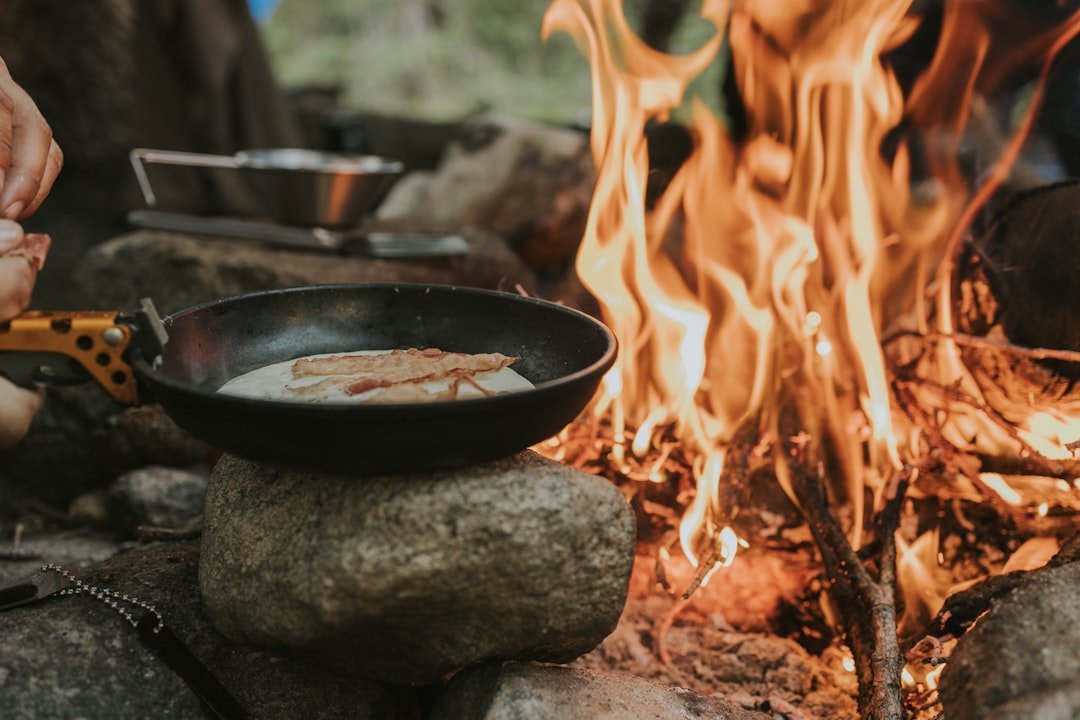
Camp kitchen equipment should be simple but functional. I’ve graduated from elaborate multi-burner stoves to a single reliable propane camp stove that does everything I need. Cast iron cookware is versatile—you can cook everything from bacon and eggs to steak dinners over the same pan, and it’s virtually indestructible. A good cooler is non-negotiable for Memorial Day food storage; I use a rotomolded cooler that keeps ice for 3-4 days even in warm weather, which means I’m not making daily ice runs.
Don’t forget entertainment options. There will likely be downtime—rainy afternoons, relaxed evenings, early mornings before everyone else wakes up. A comfortable camp chair makes a huge difference for enjoying campfire time. A portable table provides surface area for cooking, eating, and games. A waterproof Bluetooth speaker lets you set the mood without worrying about dew or unexpected rain. And yes, bring backup power for your devices—a high-capacity power bank keeps phones charged for navigation, photos, and those all-important campground apps.
Lighting is another category where a little investment pays off. LED lanterns provide bright camp lighting that doesn’t attract bugs like traditional lanterns. Headlamps keep your hands free for camp chores. And solar string lights add ambiance without needing battery replacements. I’ve also started carrying light sticks as backup lighting—they’re cheap, lightweight, and provide hours of gentle light for tent navigation or marking camp boundaries for kids.

Food Strategy: Eat Well Without the Hassle
Memorial Day camping food should strike a balance between special occasion celebration and practical outdoor cooking. You’re on vacation, after all—you want meals that feel like a treat, not just sustenance. But you also don’t want to spend your entire weekend chained to a camp stove or dealing with complicated food prep in less-than-ideal conditions.
My approach centers on what I call “camping semi-homemade”—using quality prepared foods as a base and adding fresh elements to elevate them. For example, a premium freeze-dried backpacking meal might sound basic, but add fresh vegetables, a protein source, and some spices, and suddenly you’re eating a restaurant-quality backcountry dinner. It’s faster than cooking from scratch, tastier than basic camp food, and requires minimal cleanup.
Breakfast is where I keep it simple but satisfying. Instant oatmeal packets with added nuts and dried fruit provide warmth and energy without morning cooking effort. For something more substantial, bagels with cream cheese or English muffins with peanut butter offer easy carbs and protein. If I’m feeling ambitious, I’ll make a breakfast burrito kit: scrambled eggs, cheese, beans, and salsa wrapped in shelf-stable tortillas, wrapped in foil and reheated on the camp stove.
Lunch is often about grab-and-go options that don’t require cooking mid-day. Trail mix, jerky, and crackers provide sustained energy for hikes. Tuna or chicken packets with crackers and fresh vegetables make for easy protein. Peanut butter and jelly on bread or tortillas is classic for a reason—it keeps well, requires no refrigeration, and provides solid calories for active days.
Dinner is where I bring the celebration. Grilled meats are always a hit—vacuum-sealed steaks or marinated chicken thighs cook quickly over a campfire or stove. Foil packet meals are brilliant for camping: combine protein, vegetables, and seasonings in heavy-duty foil, seal tightly, and cook in hot coals or on a grill grate. My favorite foil packet combos include salmon with asparagus and lemon, chicken with sweet potatoes and bell peppers, or vegetarian options like mixed vegetables with quinoa and spices.
Don’t forget snacks and drinks. Memorial Day deserves some treats—s’mores ingredients are non-negotiable, obviously. But also consider salty snacks for trail fuel, fresh fruit for hydration, and electrolyte powder to replace what you’re sweating out during active days. For drinks, I pack a large insulated water bottle that keeps ice water cold all day, plus quality instant coffee for morning caffeine without complicated brewing setup.
Activity Planning: Make Every Moment Count
The best Memorial Day trips balance active adventure with relaxing downtime. You don’t want to be so scheduled that you’re stressed about sticking to an itinerary, but you also don’t want to spend the entire weekend wondering what to do next. My approach is to identify 2-3 must-do activities and let everything else be spontaneous based on weather, energy levels, and mood.
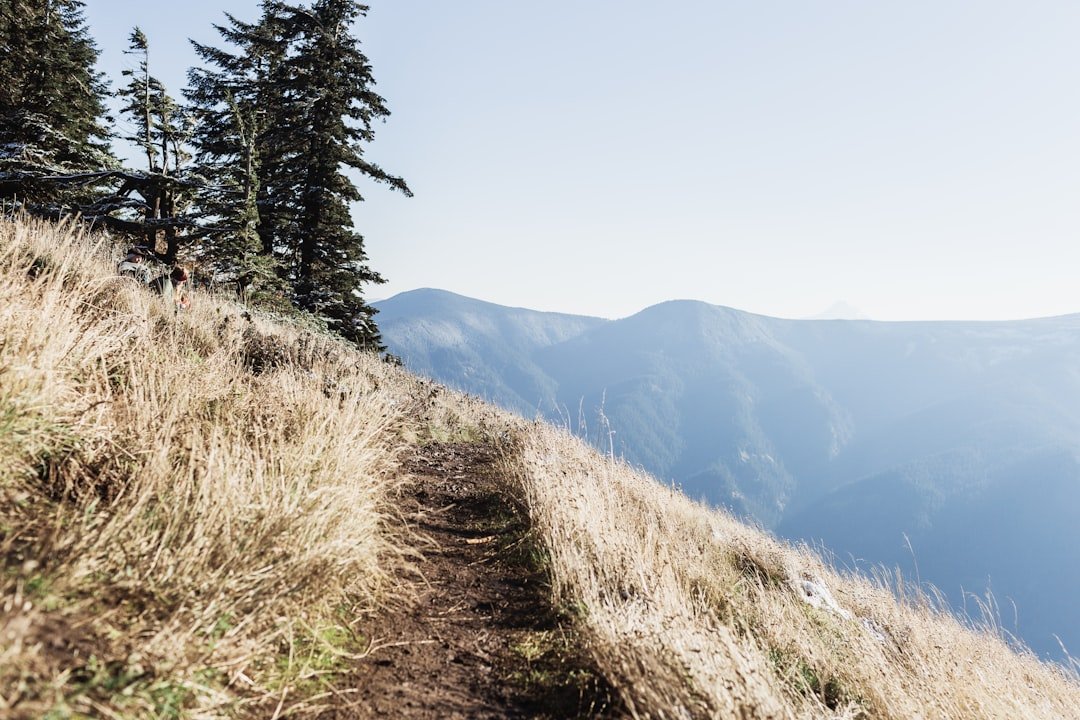
For hiking destinations, I research trails ahead of time but stay flexible about which ones I’ll actually tackle. On holiday weekends, popular trailheads can fill by early morning, so I always have backup options—shorter trails, less popular trailheads, or even roadside scenic stops that don’t require hiking. The AllTrails app or similar hiking apps are invaluable for finding trail alternatives when your first choice is packed. I also carry downloaded offline maps in case cell service is spotty, which it often is in desirable camping areas.
Water activities are perfect for Memorial Day weekend, especially in warmer destinations. Even if you’re not camping directly on water, many campgrounds are within driving distance of lakes, rivers, or swimming holes. A portable inflatable kayak or inflatable paddleboard can transform your trip, giving you access to scenery and solitude that land-based visitors never experience. Just make sure to check local regulations about watercraft access and wear a personal flotation device—safety first, especially on holiday weekends when waterways are crowded with inexperienced boaters.
Relaxation is part of the program too. Some of my favorite Memorial Day moments have been completely unplanned: napping in a hammock, reading a book by the creek, lingering over coffee while the sun comes up, or sitting around the campfire talking until the embers die down. These aren’t activities you can schedule, but you can create space for them by not over-scheduling every minute. Build in buffer time between planned activities. Say “yes” to detours and side trips that look interesting. Some of my best discoveries have been completely spontaneous—a hidden waterfall mentioned by a local, a roadside farm stand selling fresh berries, a scenic overlook that wasn’t in any guidebook.
The Weather Wildcard: Spring Storms and Temperature Swings
Let’s be real about Memorial Day weather: it’s notoriously unpredictable. You might have perfect sunshine and temperatures in the 80s, or you might get hit with rain, cold snaps, or even late-season snow in higher elevations. The key is preparing for everything without packing like you’re moving house.
Rain gear is non-negotiable. I bring a quality waterproof rain jacket, rain pants, and waterproof hiking boots—and I’ve used all of them on Memorial Day trips. A compact umbrella is surprisingly useful for camp cooking or quick trips to the bathroom when you don’t want to full-on gear up. And a separate rain fly or tarp creates a dry space for cooking, eating, and hanging out when the weather turns nasty.
Cold weather preparation is about layers and insulation. Temperatures can drop 30-40 degrees from day to night in spring, especially at higher elevations. I pack a thermal base layer for sleeping and cold mornings, a fleece jacket for mid-layer warmth, and a packable puffer jacket for serious cold. A warm beanie and lightweight gloves make a huge difference for comfort around the campfire on cold nights.
Hot weather gear is equally important in some regions. If you’re heading to the desert or southern destinations, daytime highs can easily hit the 90s. A wide-brim sun hat, sunscreen, and polarized sunglasses are non-negotiable protection. Lightweight UPF-rated clothing keeps you cooler than exposed skin. And cooling towels wrapped around your neck provide surprising relief in extreme heat.
The tent itself is your weather fortress. Make sure your rain fly is properly staked out with tight guylines—slack fabric flaps in wind and lets water pool. A groundsheet or footprint under your tent protects the floor from abrasion and moisture. And bring extra tent stakes—the basic wire stakes that come with most tents are flimsy, especially in windy conditions or loose soil.
Memorial Day Specifics: Crowds, Noise, and Etiquette
Let’s address the elephant in the campground: Memorial Day is crowded. There’s no way around it. But understanding crowd dynamics and practicing good campground etiquette can make the experience significantly better for everyone.
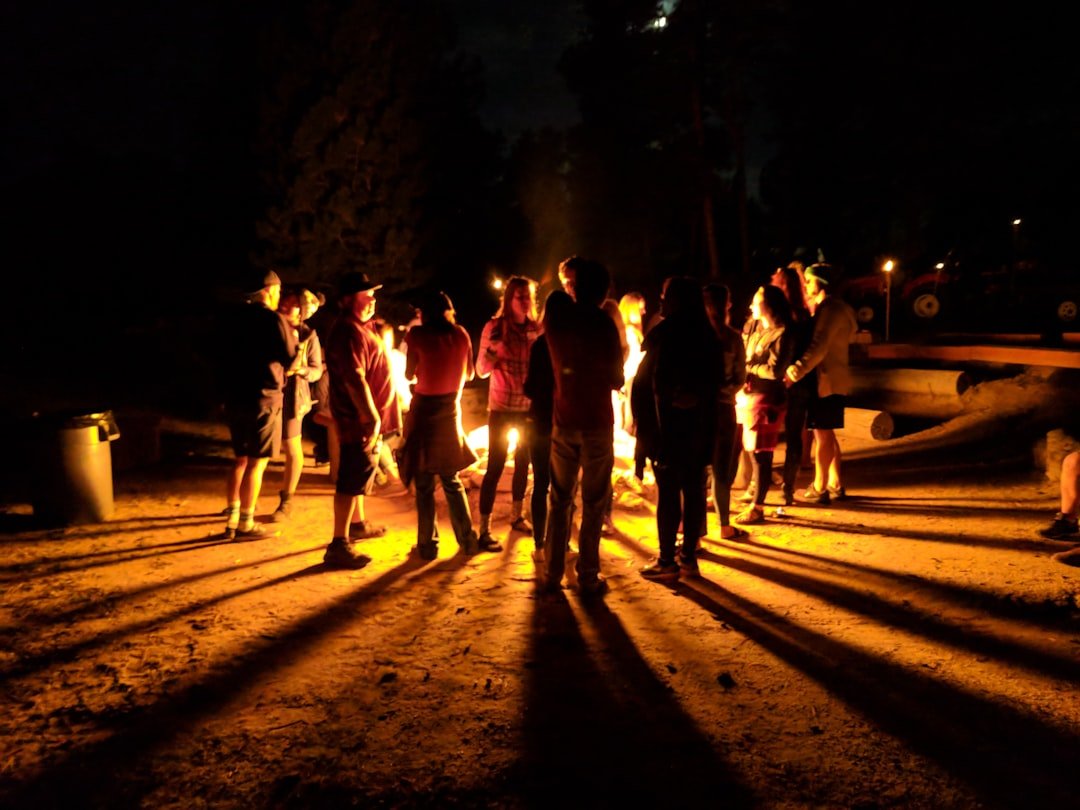
Expect families with kids, large multi-generational groups, and plenty of first-time campers who are still learning the ropes. Noise levels will be higher than your typical weekend camping trip. Quiet hours are more strictly enforced on holiday weekends, but don’t be surprised if they’re occasionally ignored by neighbors who don’t know any better. Earplugs for sleeping aren’t a bad idea, especially if you’re a light sleeper.
Practice good campground citizenship even when others don’t. Keep your site clean and organized. Respect quiet hours. Don’t cut through other campsites as a shortcut. Keep your fire manageable and fully extinguished before bed. And perhaps most importantly, be patient with your neighbors—some people are genuinely new to camping and don’t know the unwritten rules yet. A friendly conversation goes a long way toward resolving issues that might otherwise escalate.
If you’re seeking solitude, consider less popular destinations or more remote campgrounds. I’ve found that the further you get from major population centers, the more genuine the camping experience becomes. Memorial Day weekend might not be the time for that Instagram-famous overlook that requires a 2-hour drive from a major city, but it could be perfect for that national forest campground two hours down a dirt road.
Budget Breakdown: What a Memorial Day Road Trip Actually Costs
Let’s talk money, because budget considerations are real and planning around them makes for a better trip. A well-planned Memorial Day road trip for two people can easily cost between $800-1,500 depending on destination, duration, and how fancy you want to get with gear and food. Here’s how that typically breaks down:
Gas: For a 500-mile round trip in a vehicle getting 25 mpg, at current gas prices (let’s estimate $3.50/gallon), you’re looking at roughly $140 in fuel. More if you’re driving a larger vehicle or towing anything. Apps like GasBuddy can help you find the cheapest stations along your route.
Camping: Public campground fees typically run $15-35 per night, while private campgrounds can range from $40-100+ per night depending on location and amenities. For a three-night Memorial Day weekend, you might spend anywhere from $45-300 just on camping fees. National forest and BLM camping can be free or very cheap, which is a significant budget advantage if you’re equipped for primitive camping.
Food: This is where you have the most control. Camping meals can be as cheap or expensive as you make them. I budget roughly $20-30 per person per day for food, which includes groceries, snacks, and occasional meals out if I’m passing through interesting towns. For a four-day trip, that’s roughly $160-240 for two people. You can definitely spend less if you’re cooking all your own meals and avoiding expensive convenience foods.
Gear: If you’re already equipped, this cost is zero. If you’re starting from scratch, Memorial Day gear purchases can easily run into the hundreds or even thousands of dollars. But here’s the thing: good gear lasts for years if you take care of it. That $200 tent you buy this Memorial Day will still be serving you five years from now, spreading the cost over dozens of trips. For occasional campers, gear rental might make more sense than buying.
Miscellaneous: Build in a buffer for the unexpected—park entrance fees, ice purchases, forgotten items, emergency supplies, or that interesting roadside attraction you want to check out. I typically budget $100-200 for miscellaneous expenses, which covers most surprises without stressing about money.
Total it up, and a reasonably priced Memorial Day road trip for two people lands in that $800-1,500 range. Compare that to the $5,124 average for domestic flights and lodging over the same weekend, and the road trip starts looking like an absolute bargain. Plus, you’re gaining flexibility, outdoor experiences, and memories that no all-inclusive resort can provide.
The Bottom Line: It’s Worth the Effort
After reading all of this, you might be thinking Memorial Day camping sounds complicated. And honestly? It can be. The crowds are real, the reservations are competitive, the weather is unpredictable, and the logistics can get involved. But here’s what I’ve learned after dozens of Memorial Day road trips: the experiences are worth every bit of effort.
There’s something special about being outdoors when the calendar officially flips to summer season. The energy is different from other camping weekends—more excitement, more celebration, more collective appreciation that winter is finally behind us. You’re part of a massive movement of people choosing experiences over stuff, choosing connection over isolation, choosing adventure over comfort.
That sunrise coffee with steam rising into crisp morning air? That campfire conversation that goes deep into the night? that moment when you round a bend on a trail and suddenly understand why this place is protected as public land? Those moments don’t happen on your couch. They don’t happen in all-inclusive resorts or chain hotels. They happen when you load up the car, point it toward somewhere beautiful, and commit to spending a few nights outside.
Memorial Day 2026 is going to be crowded. Reservations will be competitive. Weather will be unpredictable. But you know what? You’re ready for all of it. With the right preparation, realistic expectations, and spirit of adventure, this Memorial Day could be the one you’re still talking about years from now.
Now check those campground apps. Scour those maps. Pack those bags. The road is calling, and Memorial Day weekend is waiting. See you out there.