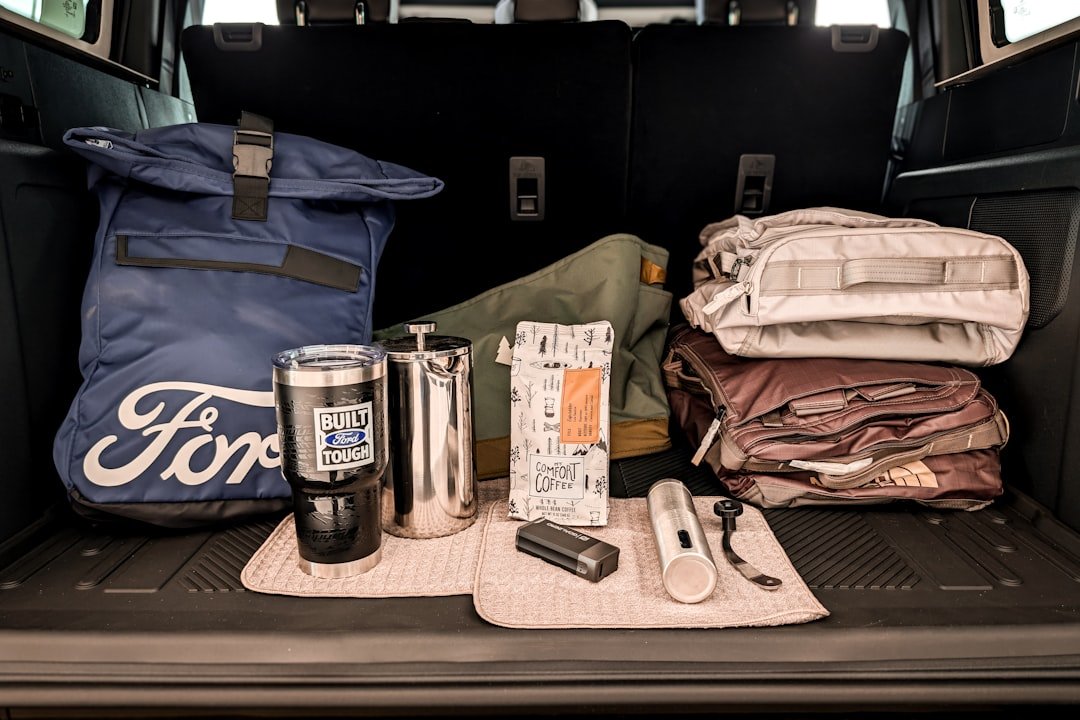
I’ve done some questionable things for coffee on the road. Brewed grounds in a sock over a campfire in Big Bend. Paid eight dollars for lukewarm convenience store sludge outside of Amarillo. Once, in a moment of pure desperation somewhere along Highway 50 in Nevada—dubbed the Loneliest Road in America for good reason—I dissolved instant coffee in cold water and called it breakfast. Never again. After years of trial and error, I’ve assembled a rotating lineup of portable coffee makers that have transformed my mornings from survivable to genuinely enjoyable, whether I’m waking up in a tent, a campervan, or the driver’s seat of my car at a highway rest stop.
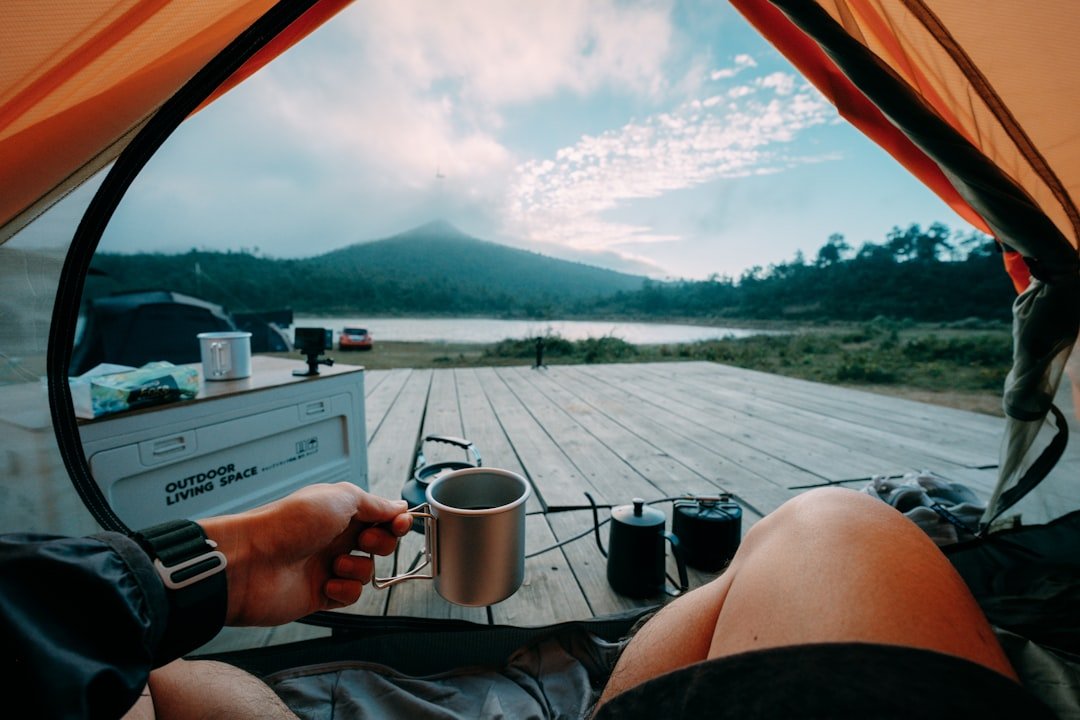
The truth is, you don’t need a kitchen to make great coffee. You don’t even need electricity. What you need is the right tool, decent beans, and about three minutes of patience. I’ve tested more portable brewing devices than I care to admit—some ended up in the donation bin after a single trip, while others have earned permanent spots in my travel backpack. This guide covers the ones worth your money, organized by the type of traveler you are and the kind of coffee experience you’re after.
Why Your Road Trip Coffee Setup Matters More Than You Think
Here’s the thing about road trips: the mornings set the tone. If you start your day with bitter, burnt gas station coffee, everything feels a little harder. The scenic overlook is less scenic. The hike feels steeper. The six-hour driving stretch feels like twelve. But when you brew a proper cup—rich, aromatic, exactly to your liking—those same moments become the ones you remember. I’m convinced that half the magic of road trip travel is the ritual of that first cup, made exactly how you want it, somewhere beautiful.
And let’s talk money. If you’re buying coffee every morning on a two-week road trip, you’re spending anywhere from fifty to a hundred dollars on beverages alone. A quality portable coffee maker pays for itself on the first trip. My AeroPress has traveled with me for three years now, which means it’s saved me hundreds of dollars and delivered consistently great coffee through fourteen states and counting.
The AeroPress Go: My Desert Island Coffee Maker
If I could only bring one coffee maker on any trip—car camping, backpacking, hotel hopping, international travel—it would be the AeroPress Go. This isn’t a sponsored endorsement; it’s just the honest truth after thousands of cups. The Go version is specifically designed for travel: the brewing chamber, plunger, filter cap, scoop, stirrer, and a pack of filters all nest inside a mug that doubles as your drinking vessel. The whole kit weighs under twelve ounces and fits in a cup holder.
The brewing process is almost laughably simple. Add coffee, add hot water, stir for ten seconds, press for twenty seconds. You get a smooth, full-bodied cup with virtually no bitterness and no grit. Cleanup involves popping out the coffee puck and rinsing—takes about fifteen seconds, which matters when you’re washing dishes with a water bottle at a campsite. I’ve found that a quality hand grinder paired with fresh beans elevates the AeroPress from good to exceptional, but honestly, even pre-ground coffee from the grocery store tastes better through an AeroPress than most drip machines.
Pour-Over on the Road: Simple, Light, and Elegant
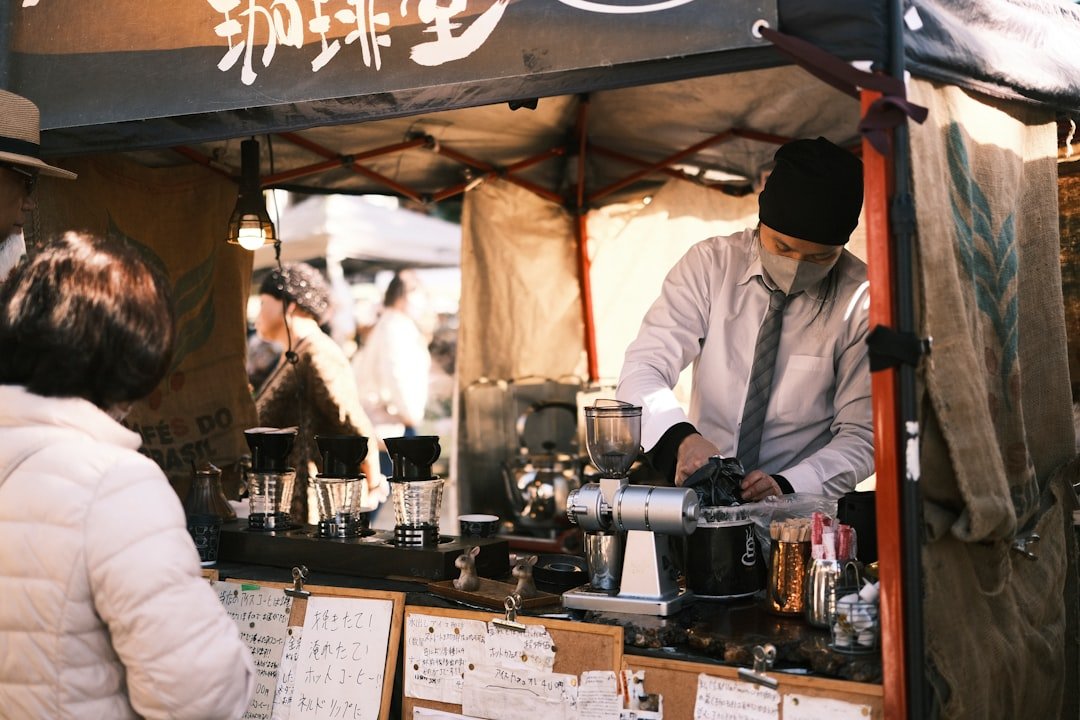
For purists who appreciate the ritual of coffee making as much as the coffee itself, a travel pour-over setup is hard to beat. I carry a collapsible silicone pour-over dripper that weighs almost nothing and squishes flat in my pack. Pair it with paper filters and your favorite beans, and you’ve got a clean, bright cup that highlights the coffee’s natural flavors.
The advantage of pour-over is control. You decide the water temperature, the pour speed, the brew time. It’s meditative—standing at a picnic table in a national park campground, slowly pouring water in concentric circles while the forest wakes up around you. The disadvantage is that it requires a bit more attention and a steady hand, which might not be what you want at 5:30 AM when you’re trying to break camp before the heat kicks in. I usually reserve pour-over for slower mornings when I have the luxury of time, and reach for the AeroPress when efficiency matters.
Portable Espresso: When You Need the Real Thing
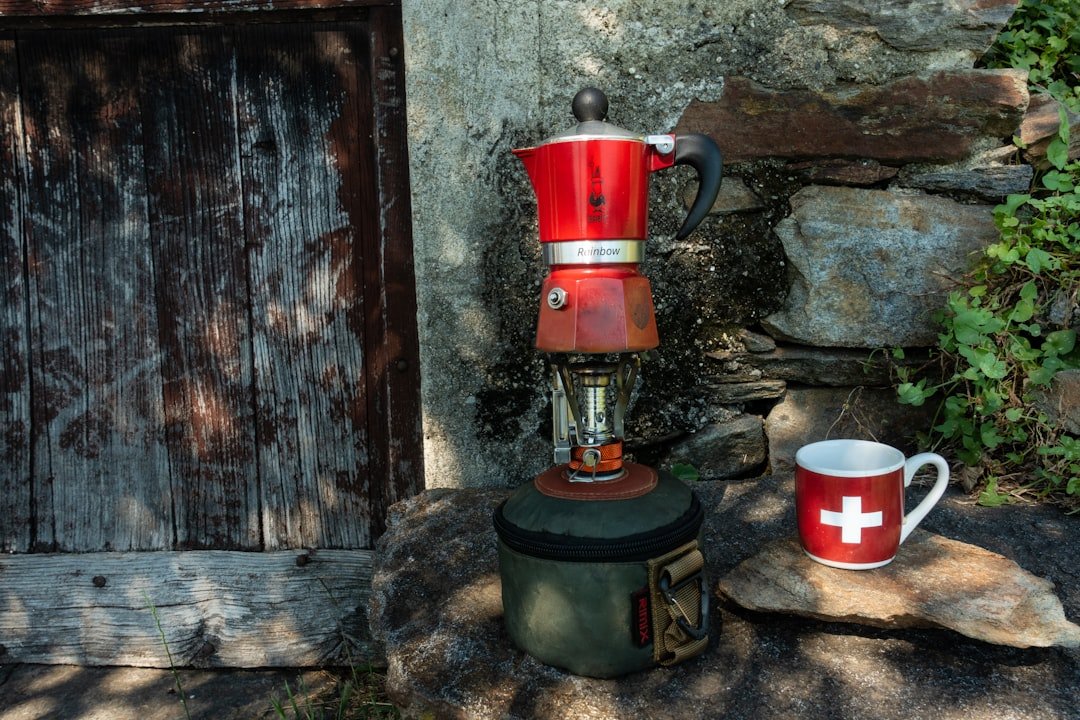
Some mornings call for espresso. Not Americano, not strong coffee—actual espresso with crema and intensity and that particular jolt that gets you moving. For those mornings, I pack the WACACO Nanopresso, a hand-powered espresso maker that produces genuine shots using nothing but muscle power and finely ground coffee. Is it exactly like what you’d get from a commercial espresso machine? No. But it’s surprisingly close—dense, aromatic, with a decent layer of crema on top.
The Nanopresso works best with finely ground coffee and hot water. You pump the built-in piston to build pressure, which forces water through the coffee puck. The whole process takes about two minutes from start to finish. It’s slightly bulkier than the AeroPress and requires more effort, but if espresso is your non-negotiable, this little device is a game-changer for road trips and camping trips. I’ve pulled shots with it at campsites from Joshua Tree to Glacier, and it never fails to draw curious neighbors asking where the nearest coffee shop is.
French Press Travel Mugs: The No-Fuss Option
If you want maximum coffee with minimum complexity, a French press travel mug is the way to go. These are insulated tumblers with built-in plungers—add coffee and hot water, wait four minutes, press, and drink straight from the mug. No separate containers, no pouring, no extra cleanup. The insulation keeps your coffee hot for hours, which is perfect for those long driving stretches where you want to sip your way through the morning.
The trade-off is that French press coffee tends to be heavier and more full-bodied than other methods, with some sediment at the bottom of the cup. If you like bold, rich coffee, this is a feature, not a bug. I keep a Stanley French press mug in my car permanently for exactly this reason. It’s indestructible, holds sixteen ounces, and has survived being knocked off my car roof more times than I’d like to admit.
Campervan and Van Life Coffee Setups
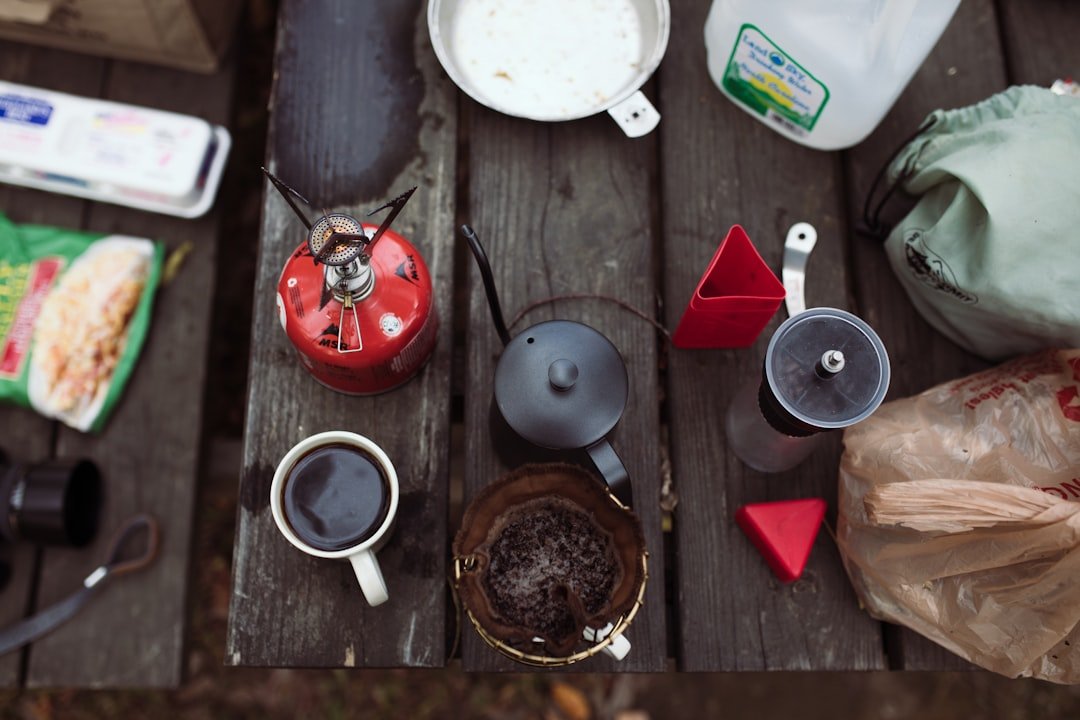
If you’re traveling in a campervan or converted van, you have more options than someone packing light for a road trip. In my own campervan kitchen setup, I’ve dedicated a small drawer to coffee essentials: an AeroPress for quick brews, a manual grinder for fresh grounds, a small kettle, and airtight containers for beans. Some van lifers go further and install small countertop espresso machines or drip coffee makers, but I’ve found that manual brewing methods are more reliable—they don’t drain your battery, they don’t break down, and they work equally well at a campsite with no hookups or a Walmart parking lot.
The key to van life coffee is organization. Designate a specific spot for your coffee gear so you’re not rummaging through drawers at six in the morning. I use a small travel organizer case that holds my grinder, filters, beans, and brewing device all in one place. It hangs from a hook near my van’s kitchen area, so everything is accessible the moment I’m ready to brew. This might sound like a small thing, but when you’re living in a small space, easy access to your morning ritual is the difference between starting the day right and starting the day frustrated.
What About Instant Coffee?
Let me be honest: instant coffee has come a long way. Brands like high-quality instant coffee packets now produce cups that are genuinely drinkable—some even enjoyable. I always keep a few packets in my glove compartment as emergency backup, because there are situations where brewing isn’t practical. You’re running late. The weather is brutal. You’re parked somewhere where stepping outside isn’t appealing.
But instant coffee is a supplement, not a replacement. It’s the spare tire of road trip coffee—there when you need it, but not something you want to rely on daily. The portable coffee makers in this guide each take under three minutes to produce a cup that’s dramatically better than anything instant can offer. And that three-minute investment becomes part of the experience, not an inconvenience.
Essential Coffee Accessories for the Road
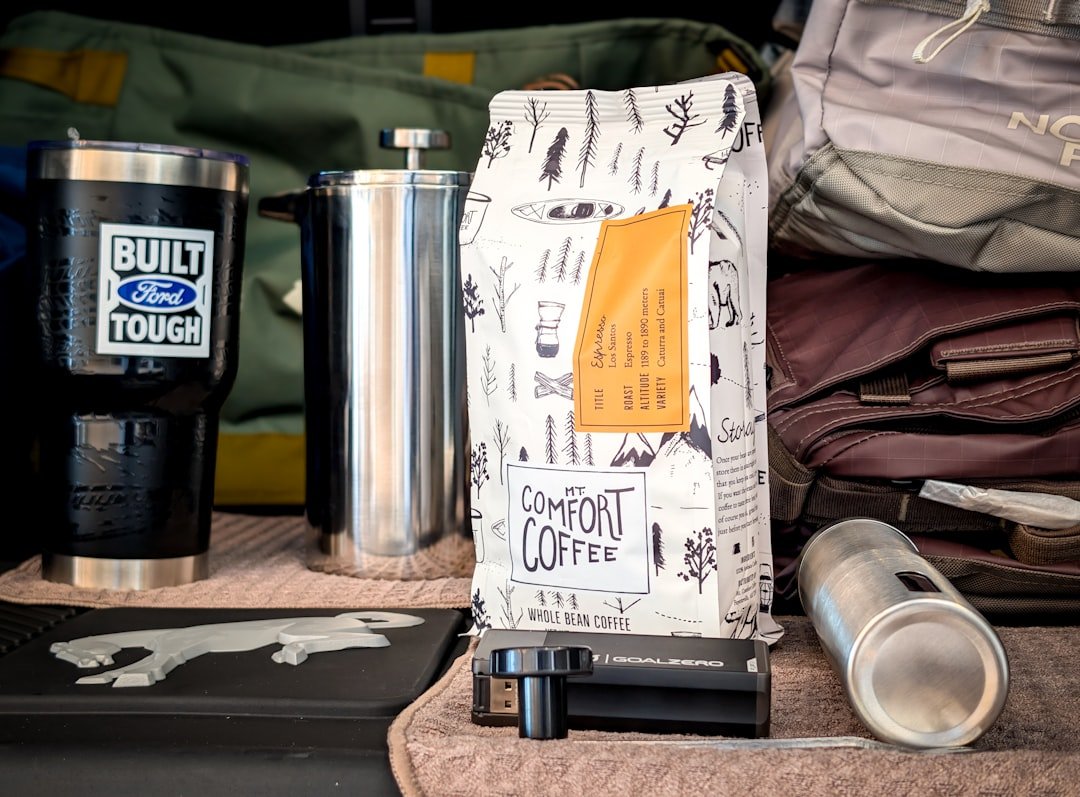
Beyond the brewer itself, a few accessories make road trip coffee significantly better. A portable electric kettle is indispensable if you’re staying in hotels or have access to power at campsites. For off-grid trips, a small camp stove and camping kettle do the job just as well. Fresh beans make a tremendous difference—I buy them locally whenever possible, which has led me to discover some fantastic small roasters in towns I’d otherwise have driven right through.
A quality insulated travel mug is the final piece of the puzzle. You can brew the best coffee in the world, but if it gets cold before you finish it, the experience suffers. I use a vacuum-sealed mug that keeps coffee hot for six hours, which means the cup I brew at the campsite is still warm when I’m two states down the highway. It’s one of those small investments that pays dividends every single day on the road.

My Personal Road Trip Coffee Kit
After years of refining my setup, here’s what I actually pack: an AeroPress Go for everyday brewing, the WACACO Nanopresso for espresso cravings, a manual burr grinder, a bag of freshly roasted beans, paper filters, a camp stove with a small kettle, and an insulated travel mug. The whole kit weighs about two pounds and fits in a stuff sack the size of a grapefruit. It’s traveled with me on every major road trip for the past three years, from the rugged coastline of the Oregon Coast to the sun-baked highways of the Southwest.
The point isn’t to replicate a coffee shop on the road—it’s to make your mornings something you look forward to. Because road trips are about the small moments as much as the big destinations, and a perfect cup of coffee at a scenic overlook is one of the best moments there is.