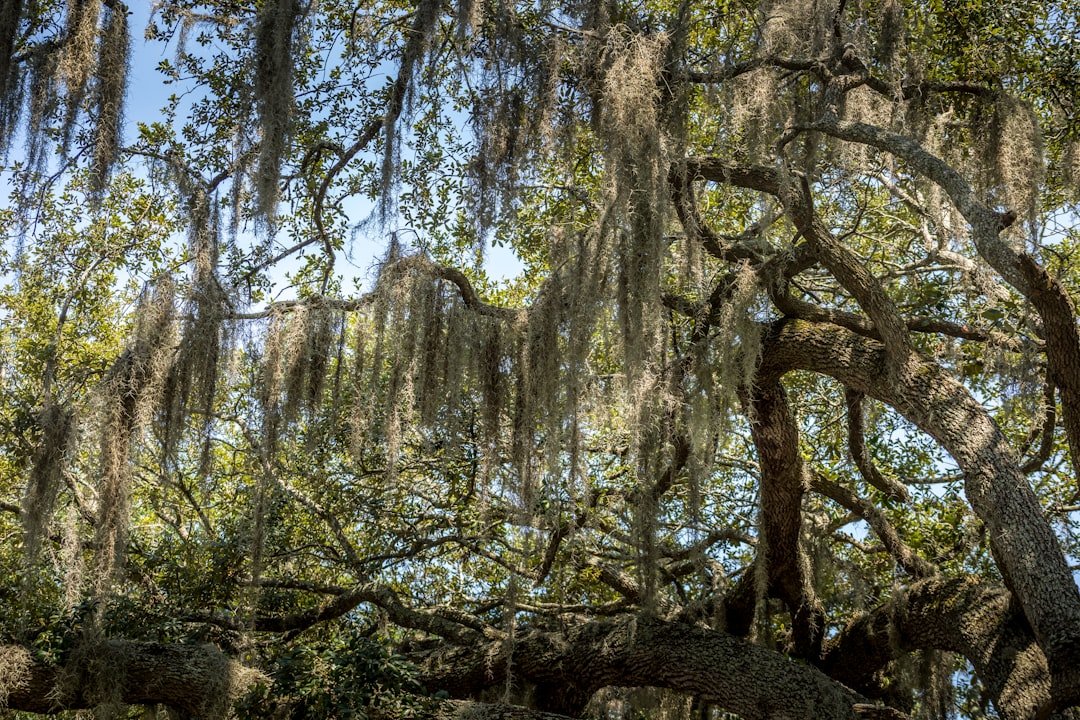
There’s a stretch of highway in the American South where the air changes. Somewhere around mile forty on US-17, between Charleston and Savannah, the Spanish moss thickens, the marsh grass turns impossibly green, and you realize you’ve entered a part of the country that doesn’t need to try hard to be beautiful. It just is. I’ve driven a lot of roads in this country — the Pacific Coast Highway, the Blue Ridge Parkway, the Beartooth — but nothing quite captures the slow, humid magic of the Lowcountry the way this drive does.
The distance between Charleston and Savannah is roughly 120 miles, depending on your route. You could barrel through on I-95 in under two hours, but that would be a crime against yourself. The real journey follows the back roads — US-17, the Ace Basin, the Sea Island Parkway — and it begs to be stretched across three or four days, with long lunches, unnecessary detours, and plenty of time to simply sit on a porch and watch the light change over the water. If you’re planning your own southern road trip itinerary, this stretch deserves its own dedicated chapter.
Charleston: Where the Trip Begins
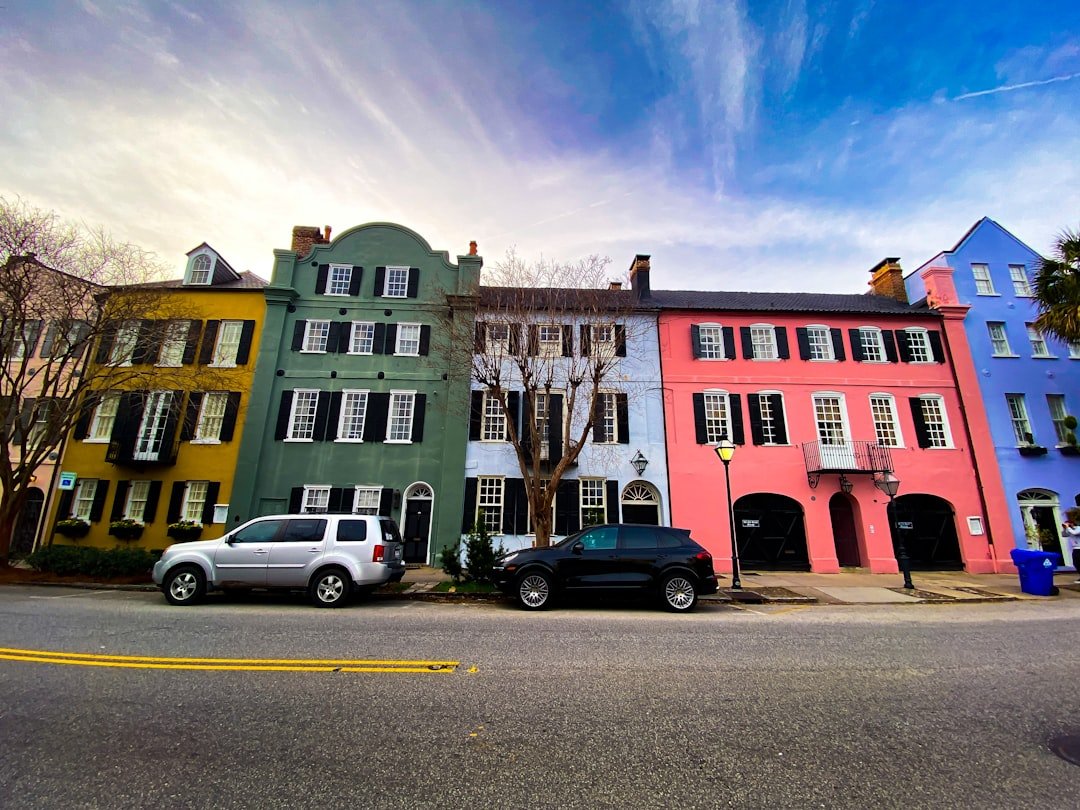
I always tell people to spend at least a full day in Charleston before heading south, and not just because the city is one of the finest in America. Charleston is a mood-setter. Walk the cobblestone streets of the French Quarter early in the morning, before the tour groups arrive, and you’ll understand. The pastel facades of Rainbow Row glow in the soft light, horse-drawn carriages clatter past iron gates, and the smell of she-crab soup drifts from restaurants that haven’t changed their recipes in generations. It’s a city that takes its time, and you should too.
Start at the Charleston City Market, where basket weavers still craft sweetgrass baskets using techniques passed down from West African ancestors. From there, wander down East Bay Street, detour through the hidden gardens you’ll glimpse behind wrought-iron fences, and make your way to the Battery. That promenade along the harbor, with its antebellum mansions facing Fort Sumter, is where you’ll get your first taste of the coastal landscape that defines this entire region. Pack a good insulated water bottle — Charleston in May is warm, and you’ll be doing a lot of walking.
For food, skip the obvious tourist spots and head to Leon’s Oyster Shop for fried chicken and cold oysters, or track down a bowl of proper shrimp and grits at The Grocery. If you want the full Lowcountry boil experience, the kind where newspapers get spread across a table and everyone eats with their hands, that’s coming later on this trip. Charleston builds the anticipation.
The Ace Basin: Where the Wild Things Are
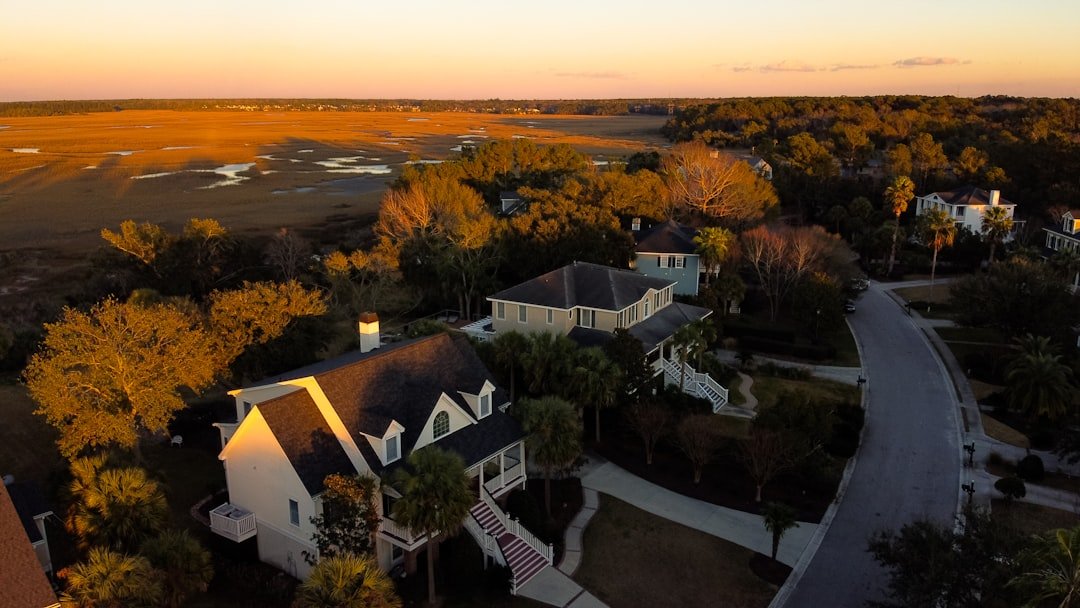
Leaving Charleston, head south on US-17 and within thirty minutes you’ll enter the ACE Basin — named for the Ashepoo, Combahee, and Edisto rivers that converge here. This is one of the largest undeveloped estuaries on the East Coast, over 350,000 acres of tidal marshes, cypress swamps, and maritime forest. It’s also one of the most overlooked stretches of road in the entire Southeast.
The drive through the Ace Basin feels like slipping into another century. The road narrows. Development disappears. On both sides, salt marsh stretches to the horizon, broken only by the silhouettes of egrets and the occasional fishing boat returning with the tide. Roll your windows down. The air here smells like pluff mud and salt and something ancient that I’ve never quite been able to name. A reliable car phone mount is essential for navigation out here, since cell service gets spotty and you’ll want both hands on the wheel while scanning for alligators.
Pull over at the Donnelly Wildlife Management Area for a short walk along the dikes. You might see wood storks, roseate spoonbills, or even a bald eagle. The Basin is a paradise for birders and anyone who appreciates landscapes that haven’t been tamed. It’s also the kind of place that reminds you why scenic byway conservation matters — there are precious few stretches of the American coast that look the way they did three hundred years ago. For more inspiration on America’s best scenic drives, this one belongs in the conversation.
Beaufort: The Perfect Middle
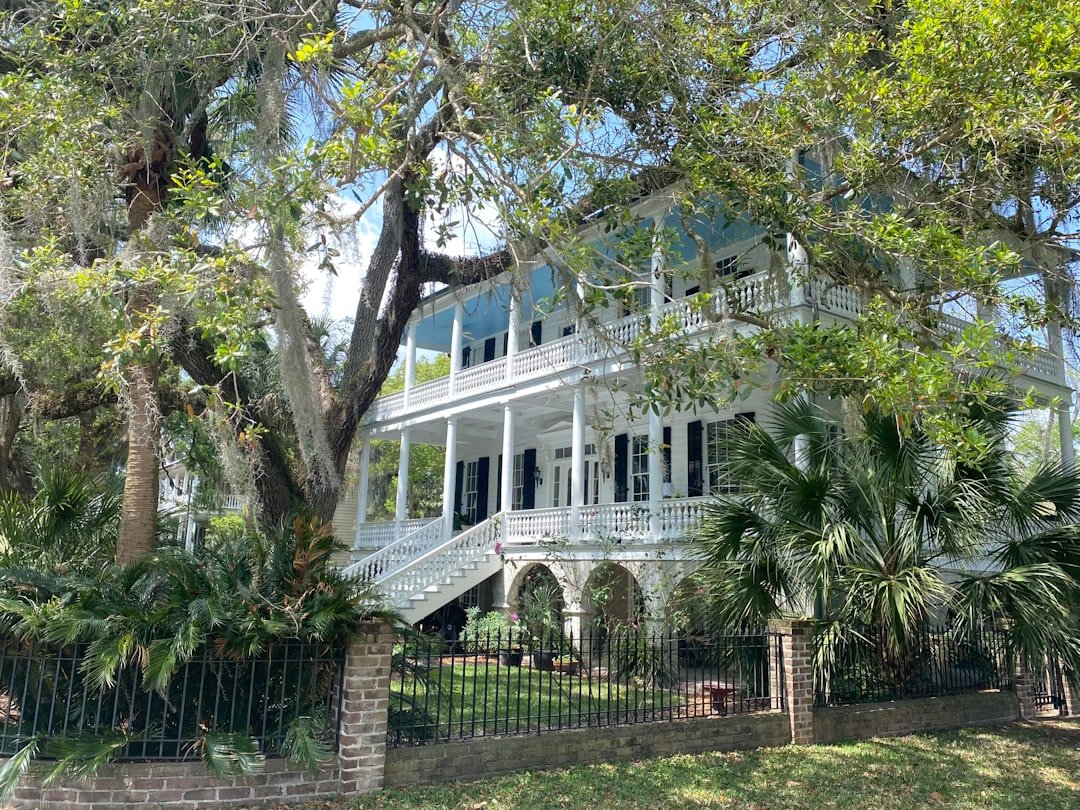
About halfway between Charleston and Savannah sits Beaufort, South Carolina, and if you only make one stop on this drive, make it here. Beaufort is what Charleston was before Charleston got discovered — a waterfront town of historic homes, ancient oaks, and a pace of life that seems almost rebellious in its slowness. The downtown historic district sits on the Beaufort River, and its collection of antebellum architecture is second to none in the state.
The best thing to do in Beaufort is walk. Stroll along the Henry C. Chambers Waterfront Park, where the boardwalk follows the river and the benches face west toward the marsh islands. Wander the side streets of the Point neighborhood, where massive live oaks form a canopy over the road and houses date to the 1700s. Then find yourself a porch, order a glass of sweet tea or something stronger, and watch the shrimp boats come in. This is a town that rewards doing absolutely nothing, which is precisely the point of a road trip like this one.
Beaufort is also your jumping-off point for the Sea Islands. St. Helena Island, Ladys Island, and Hunting Island are all within a short drive, each offering a different flavor of Lowcountry life. Hunting Island State Park has a lighthouse you can climb for panoramic views of the coast, and its beach is one of the most untouched in South Carolina. Bring a decent compact travel camera — the light on these islands at golden hour is the kind that makes photographers cancel their flights home.
The Sea Islands and Gullah Culture
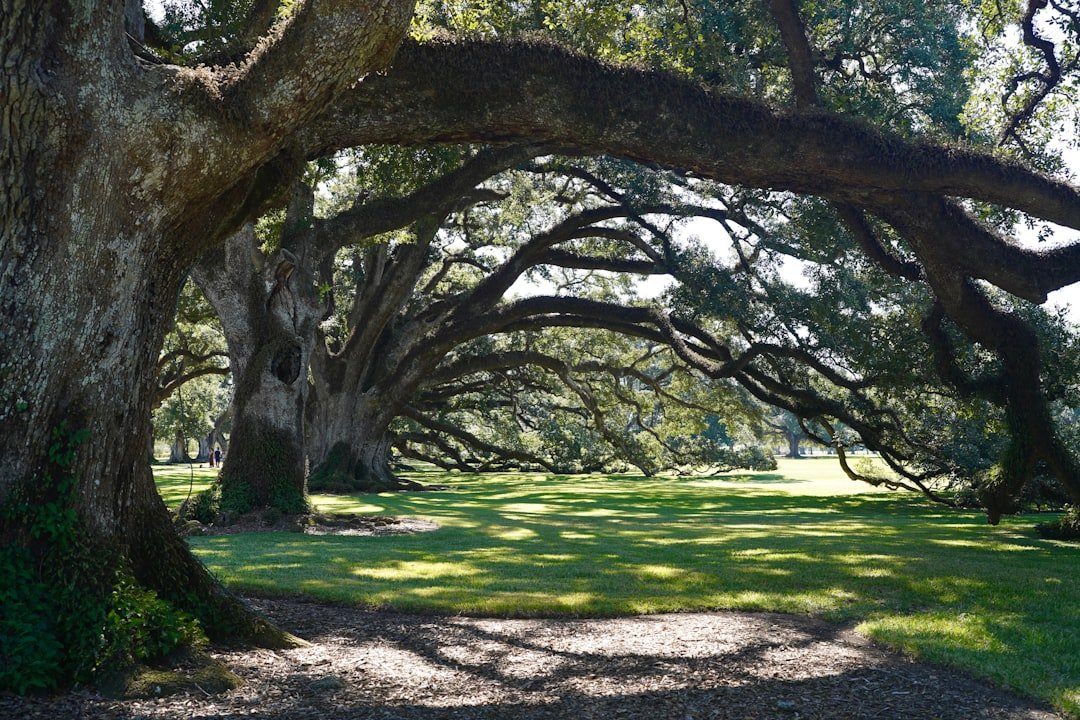
The stretch between Beaufort and the Georgia border takes you through the heart of Gullah Geechee country. The Gullah people are descendants of enslaved West Africans who isolated themselves on the Sea Islands, and their culture — the language, the food, the crafts, the spirituality — remains one of the most intact African cultural traditions in America. This isn’t a museum piece; it’s a living, breathing community.
Stop at the Penn Center on St. Helena Island, one of the first schools for freed enslaved people and a crucial site in the civil rights movement. Martin Luther King Jr. retreated here to write speeches. The grounds are peaceful, shaded by oaks draped in Spanish moss, and the small museum tells a story that every American should hear. It’s one of those places that changes the way you see the road you’re on.
If you’re traveling with a lightweight day pack, there are trails throughout the islands that wind through maritime forest to hidden marsh overlooks. The Spanish moss hanging from every branch creates a natural cathedral effect, and the silence — broken only by bird calls and the wind — is the kind of quiet you forget exists until you’re standing in it. Pack effective bug spray, because the mosquitoes in the Lowcountry are not a joke, especially near dusk.
Crossing Into Georgia
The state line between South Carolina and Georgia on this route is barely noticeable — just a small sign and a shift in the highway number. But the landscape continues its slow, beautiful transformation. The marshes widen, the islands multiply, and the road starts to feel like it’s threading through a world that exists slightly apart from the one you left behind.
If you’ve got the time — and you should make the time — take the detour through Bluffton, South Carolina, just before you cross into Georgia. This tiny town on the May River has an old soul. The historic district is a collection of charming cottages, art galleries, and farm-to-table restaurants housed in buildings that predate the Civil War. It’s the kind of place where a one-hour stop turns into three hours without you noticing. For anyone planning a weekend micro-vacation, Bluffton alone would be worth the trip.
Savannah: The Grand Destination
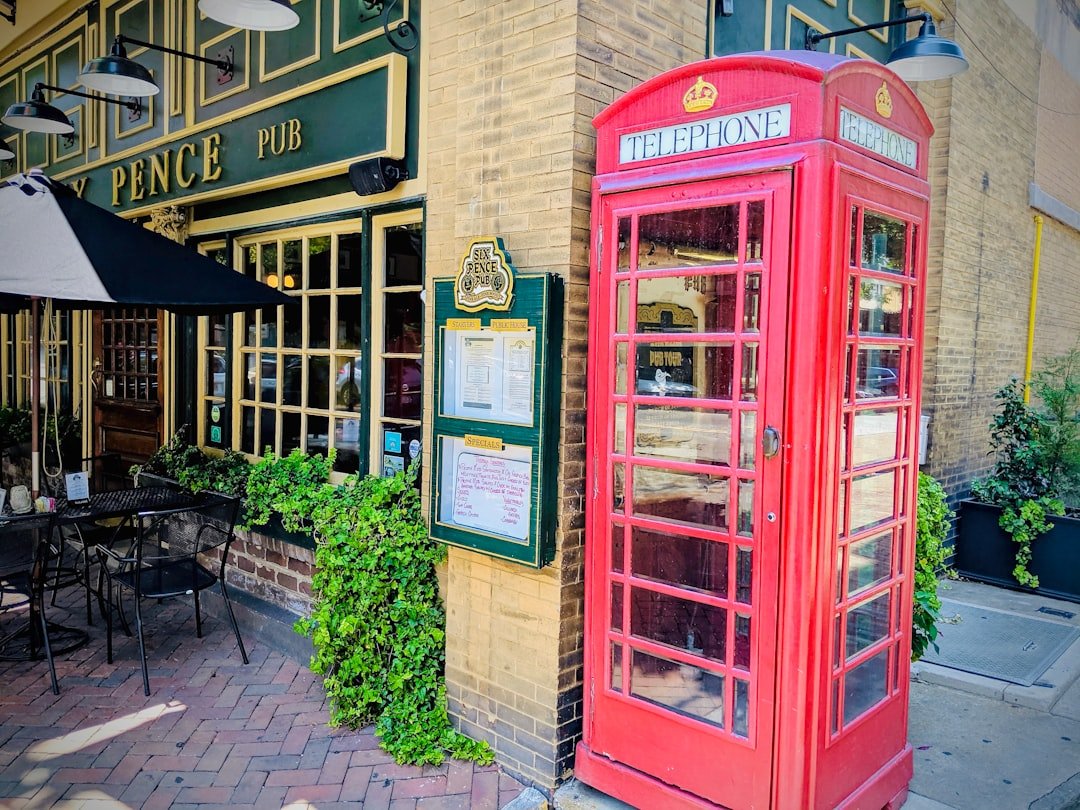
Savannah hits differently than Charleston. Where Charleston is polished and curated, Savannah is a little wilder, a little more gothic, and a whole lot more fun. The city’s famous grid of 24 historic squares — each one a small park shaded by live oaks and surrounded by historic buildings — creates a rhythm of exploration that’s unlike any other city in America. You walk a block, you find a square. You sit on a bench. You walk another block. You find another square. It’s urban design as meditation.
Start in Forsyth Park, the grandest of Savannah’s public spaces, where the iconic fountain (yes, that one — it’s modeled after the fountains in Paris’s Place de la Concorde) sits at the north end of a vast green space fringed by moss-draped oaks. From there, wander north through the squares toward the Savannah River. Each square has its own personality: some are quiet and residential, others buzz with café life and street musicians. A pair of comfortable walking shoes is non-negotiable here. You’ll easily log five miles without trying.
River Street is the tourist epicenter, and while it’s worth a stroll for the cobblestones and the view of the river, the real Savannah lives a few blocks inland. That’s where you’ll find the Collins Quarter, serving some of the best coffee in the South, and The Grey, a James Beard Award-winning restaurant housed in a former Greyhound bus terminal. Chef Mashama Bailey’s food is a masterclass in how Southern cuisine can honor its roots while pushing forward. Reserve weeks in advance, or show up early for a spot at the counter.
Food Worth the Drive Alone
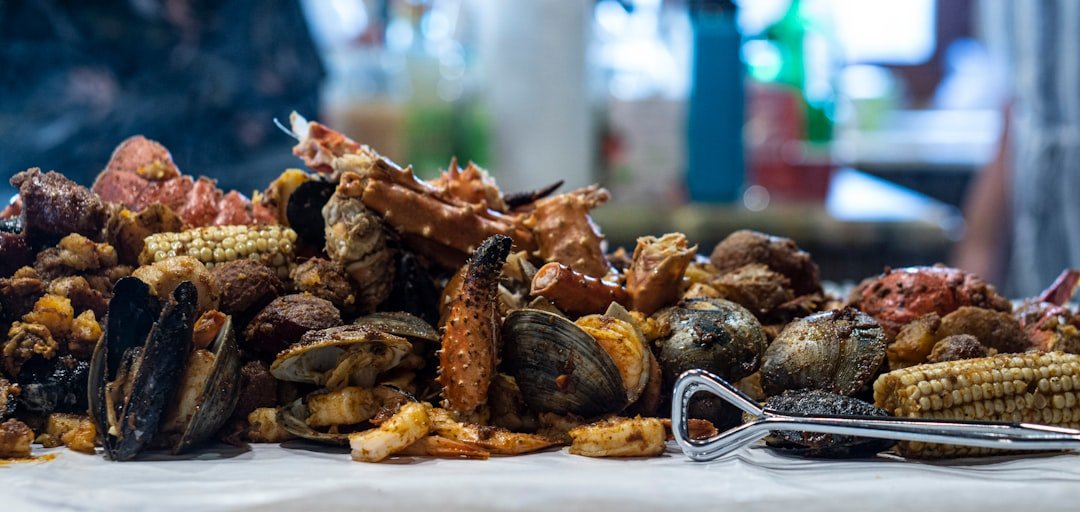
I need to talk about the food on this route, because it’s not incidental to the experience — it might be the whole point. The Lowcountry has one of America’s great regional cuisines, and the drive from Charleston to Savannah covers its full range. In Charleston, you’ll find refined takes on traditional dishes. In the small towns along the route, you’ll find the unvarnished versions — frogmore stew (a.k.a. Lowcountry boil) heaped onto newspaper-covered tables, fried green tomatoes, hoppin’ john, and cornbread that would make your grandmother weep.
In Savannah, the food scene gets creative. Mrs. Wilkes’ Dining Room serves family-style Southern lunch that’s legendary — fried chicken, mac and cheese, collard greens, and a dozen more dishes passed around long communal tables. Leopold’s Ice Cream has been making frozen custard since 1919, and there will be a line, and it will be worth it. If you’re stocking up for road snacks, a soft cooler for road trips lets you bring local treats like benne wafers and pralines with you for the drive.
One meal that stands out in my memory: a roadside seafood shack outside Beaufort where an elderly woman handed me a paper tray of fried shrimp so fresh they were practically still swimming. There was no sign, no website, no Instagram. Just a hand-painted banner that said “SHRIMP” and the best fifteen dollars I’ve ever spent. Keep your eyes open on this drive. The best experiences aren’t on any list.
What to Pack for the Lowcountry
May in the Lowcountry is sweet spot weather — warm but not punishingly hot, with long evenings and that heavy, fragrant air that makes you want to sit outside until the mosquitoes chase you in. But the packing list for this trip has a few quirks you might not expect.
First, sun protection is not optional. The coastal sun reflects off the water and the white sand, and you’ll burn faster than you think. A wide-brimmed UPF sun hat and polarized sunglasses will save you. Bring a lightweight, breathable long-sleeve shirt for walking tours — it’ll protect you from both sun and bugs better than sunscreen alone.
A portable phone charger is essential because you’ll be using your phone constantly — for photos, for navigation, for looking up the history of every building you pass. The damp air drains batteries faster, and you don’t want to be stuck in the Ace Basin with a dead phone and no idea where you are. Trust me on this one.
For women considering this route solo, the good news is that the Charleston-to-Savannah corridor is generally safe and well-traveled. Our complete solo female road trip safety guide covers the basics, but common-sense precautions — locking your car at trailheads, sticking to well-lit areas at night, letting someone know your route — are sufficient for this stretch of road.
The Best Time to Make This Drive
I’m partial to May, which is when I first drove this route. The azaleas are still blooming in Charleston’s gardens, the heat hasn’t reached its summer intensity, and the afternoon thunderstorms that define Southern summers are still a few weeks away. The light in May is extraordinary — soft and golden, filtering through the Spanish moss in a way that makes everything look like it was painted by someone with a very good eye.
October is the other sweet spot, with cooler temperatures and the marsh grass turning a rich gold. Summer is doable but requires commitment to the heat and humidity, plus the crowds in both cities peak from June through August. Winter is mild and quiet, though some of the smaller stops along the route operate on reduced hours.
Where to Stay Along the Route
Lodging on this route runs the gamut from historic inns to waterfront cabins, and where you choose to stay shapes the experience. In Charleston, the French Quarter Inn or the Vendue put you in the heart of the historic district. In Beaufort, the Rhett House Inn is a classic antebellum B&B with a sprawling porch that defines the Lowcountry lifestyle. Near Savannah, the Mansion on Forsyth Park offers elegance right on the park, while the newer Perry Lane Hotel brings a modern sensibility to the historic downtown.
For something different, look into the cabin rentals on Dataw Island or Fripp Island near Beaufort. These gated sea islands offer a slower pace, with docks, nature trails, and sunsets that stop conversation. It’s where Charlestonians go when they want to escape Charleston, which tells you something. A good Southern travel guidebook will surface even more options, including some wonderful farm stays in the inland areas.
Final Thoughts Before You Go
The Charleston to Savannah drive isn’t about covering distance. It’s about what happens when you stop trying to get somewhere and start paying attention to where you are. The Lowcountry has a way of slowing you down, of pulling you into its rhythm — the tides, the food, the stories embedded in every square inch of this landscape. It’s a place where history isn’t behind glass; it’s alive in the architecture, the culture, the food on your plate, and the people you meet along the way.
Take the back roads. Stop for the roadside stands. Talk to the people who’ve lived here for generations. Eat the shrimp. Sit on the porches. And when you finally pull into Savannah, tired and full and smelling like salt air, you’ll understand why this stretch of highway has a hold on people. It’s not just beautiful. It’s the South at its most honest, its most complicated, and its most unforgettable. That’s a combination worth driving 120 miles for — and worth taking four days to do it.
1 thought on “Charleston to Savannah Road Trip: The Ultimate Lowcountry Drive Through the Heart of the South”