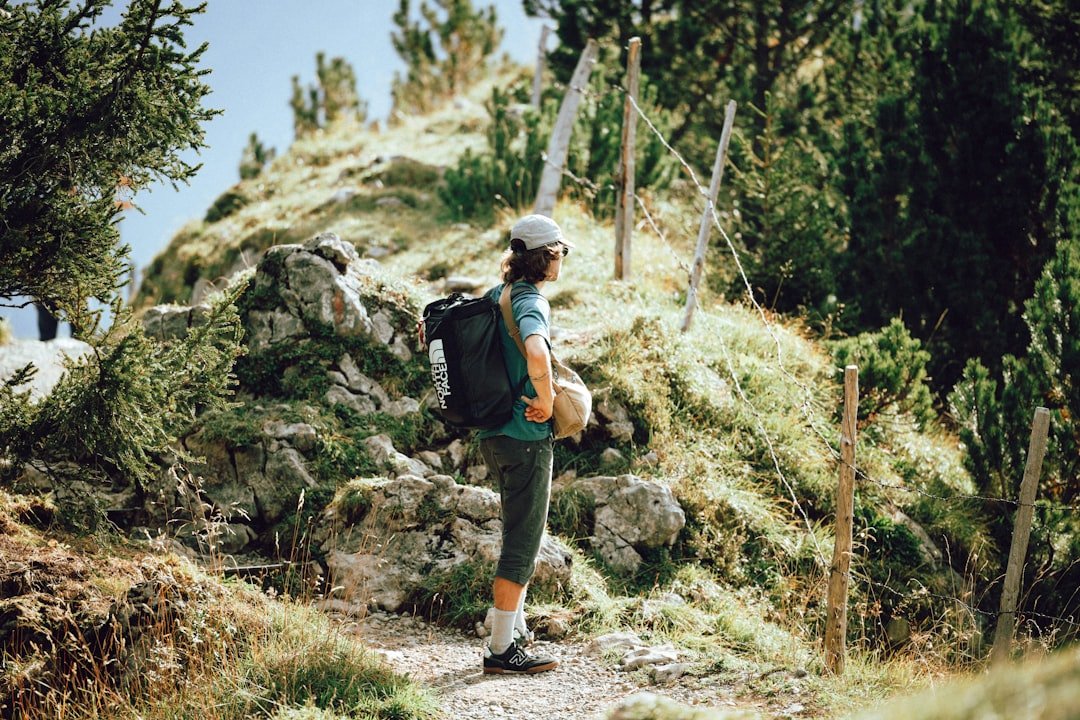
I’ve logged somewhere north of 2,000 miles on trails across North America over the past eight years, and if there’s one piece of gear that can make or break your day hike, it’s the pack on your back. Too small and you’re leaving essentials behind. Too big and you’re carrying dead weight. The wrong suspension system will have your shoulders screaming by mile three. After testing more daypacks than I care to admit — and watching friends suffer through poor choices on the trail — I’ve developed strong opinions about what actually works when you’re hours from the trailhead.
Why Your Daypack Choice Matters More Than You Think
Most people treat a hiking backpack like an afterthought. They grab whatever’s in the garage, stuff it with water and snacks, and hit the trail. I used to do the same thing — until a six-mile hike in Utah’s Canyonlands left me with chafed shoulders and a soggy sandwich because my pack had zero ventilation. That was the day I started taking daypacks seriously.
A good day hiking pack does three things exceptionally well: it distributes weight across your hips instead of hanging off your shoulders, it keeps your back from turning into a swamp, and it organizes your gear so you’re not dumping everything out to find the sunscreen. The best packs in 2026 have gotten lighter, smarter, and more comfortable than ever, with real innovations in suspension and materials that don’t require a $300 investment.
The Sweet Spot: 20-33 Liters
For most day hikes — anything from a quick three-mile loop to a strenuous 12-mile summit push — you want a pack in the 20 to 33 liter range. Anything smaller forces hard choices about safety gear. Anything larger starts feeling like a multi-day pack, and you’ll inevitably fill it with stuff you don’t need. I’ve found that 22 liters hits the ideal balance for about 80% of my hikes, with enough room for the ten essentials, extra layers, lunch, and a water filter for longer routes.
My Top Picks for 2026
Osprey Talon 22 — The Gold Standard
The Osprey Talon 22 remains the pack I reach for most often, and it’s not even close. At 2 pounds 6 ounces, it manages to include a properly ventilated back panel (Osprey calls it AirScape), a stow-on-the-go trekking pole attachment that actually works, and enough pockets to keep your gear organized without playing hide-and-seek. The BioStretch hipbelt wraps around your body naturally and transfers weight to your hips instead of your shoulders, which makes a massive difference on longer hikes.
What sets the Talon apart from competitors is the attention to small details. The twin zippered hipbelt pockets fit a phone and snacks. The top lid has a small pocket for keys and sunglasses. There’s an internal hydration sleeve that doesn’t eat into your main compartment space. At $175, it’s not the cheapest option, but I’ve had mine for four years and it shows virtually no wear. When you break that down per hike, it’s pennies. You can find the Osprey Talon 22 in both men’s and women’s specific fits.
Deuter Speed Lite 25 — The Lightweight Contender
If every ounce matters to you — and I mean that literally, because at 1 pound 6 ounces this thing is absurdly light — the Deuter Speed Lite 25 deserves serious consideration. Deuter stripped away everything non-essential but somehow kept the load-carrying comfort. The padded hipbelt and ventilated back panel mean you’re not sacrificing comfort for weight savings. I used this pack on a 14-mile day in the Smokies last spring and forgot I was wearing it for most of the afternoon.
The one tradeoff with the Speed Lite is organization. It has fewer pockets than the Talon, so you’ll want to use small stuff sacks to keep things sorted. The main compartment opens wide with a U-shaped zipper that makes packing and finding gear surprisingly easy despite the minimal pocket count. At $140, it’s a compelling alternative for gram-counting hikers who want quality without paying Osprey prices. Check out the Deuter Speed Lite 25 for the latest pricing.
REI Trail 25 — The Budget-Friendly Workhorse
REI’s in-house pack has quietly become one of the best values in day hiking. The Trail 25 offers excellent comfort with a padded back panel and decent hipbelt, and at around $100 for members, it’s the most affordable pack on this list that I’d actually recommend. It transitions seamlessly from trail to commuter use, with a laptop sleeve that doubles as a hydration reservoir pocket. The side water bottle pockets are deep enough that bottles don’t eject on rough terrain — a surprisingly common problem with cheaper packs. I’ve recommended the REI Trail 25 to several friends who were just getting into hiking, and every one of them is still using it years later.
What to Pack Inside Your Daypack
The best daypack in the world won’t help if you fill it with the wrong stuff. Here’s what I never hit the trail without, organized by priority.
Hydration Is Non-Negotiable
I carry a 2-liter hydration bladder for anything over 5 miles, plus a 1-liter bottle as backup. On hot days or high-exertion hikes, that barely lasts. A good hydration bladder lets you sip continuously without stopping, which means you actually drink enough instead of rationing. I learned this lesson the hard way on a desert hike in the Southwest where I carried only bottles and ended up dehydrated by noon.
Trekking Poles and Rain Gear
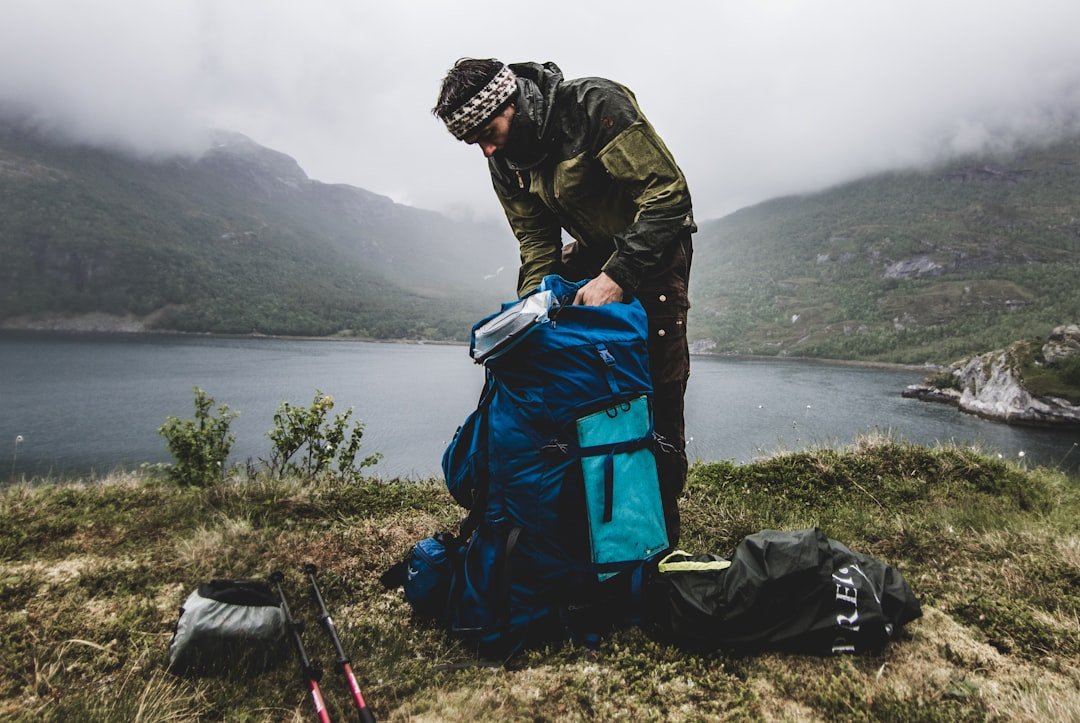
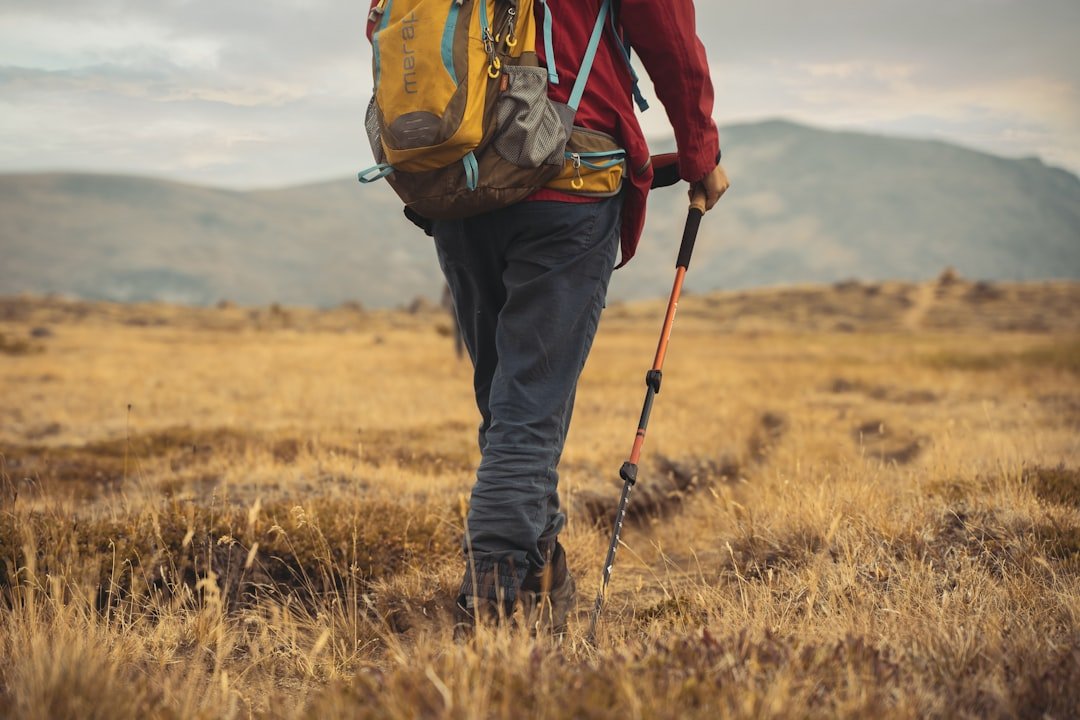
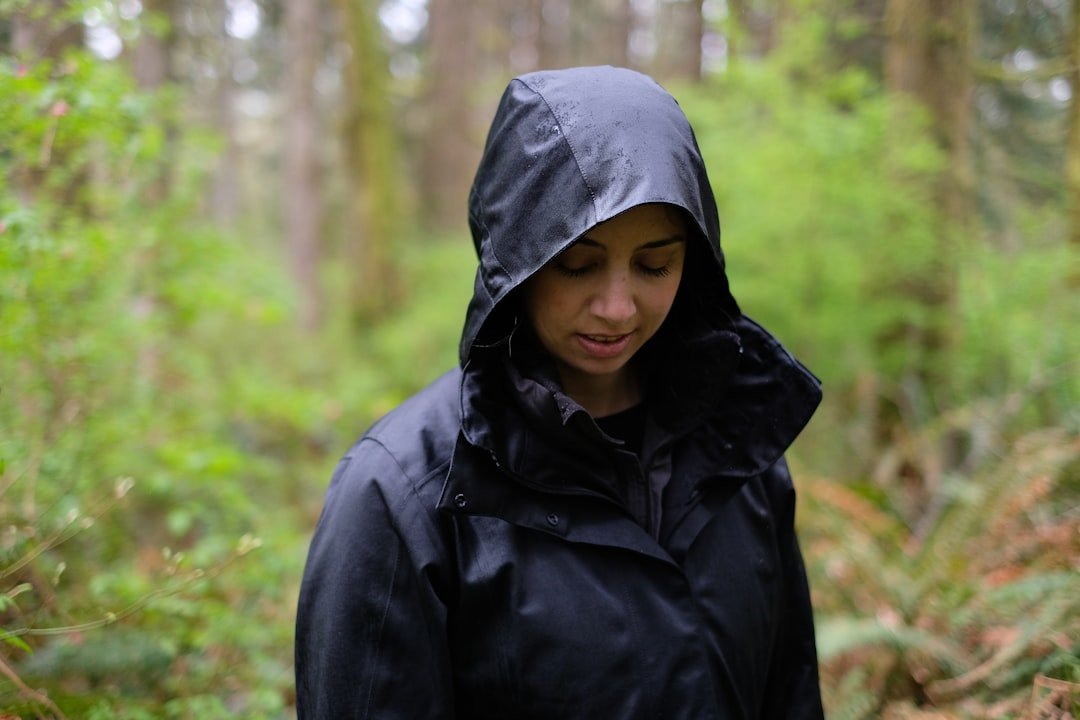
Even if you think you don’t need trekking poles, try them once on a steep descent and you’ll change your mind. They reduce impact on your knees by up to 25%, and most good daypacks have attachment points for them. As for rain gear, a lightweight packable rain jacket lives permanently in the bottom of my daypack. Mountain weather changes fast, and getting caught in a downpour miles from the car without protection is miserable at best and dangerous at worst.
The Safety Kit You Hope to Never Use
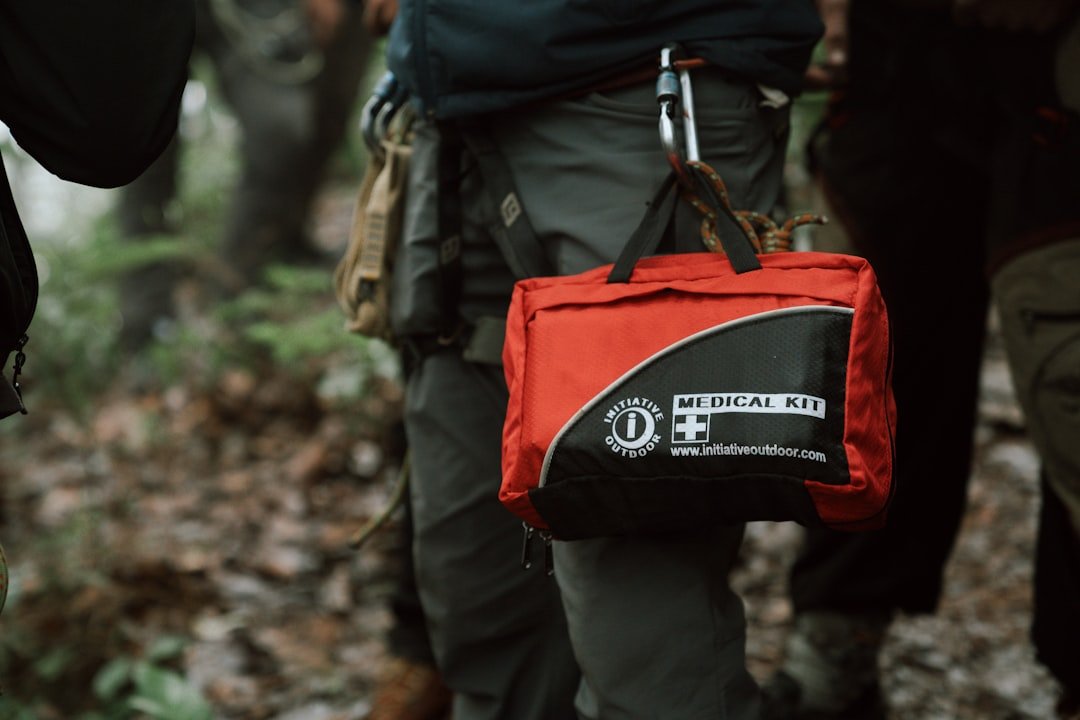
Every single day hike should include a basic first aid kit, a headlamp with fresh batteries, a whistle, a fire-starting method, and a space blanket. Together they weigh less than a pound and take up almost no space. I also carry a small personal locator beacon on remote trails where cell service is unreliable — which, if we’re being honest, is most of the trails worth hiking.
Fuel for the Trail
I’m a firm believer that hiking is 30% effort and 70% snack management. Okay, that’s an exaggeration, but nutrition on the trail matters more than most people realize. I pack about 200 calories per hour of planned hiking time, focusing on foods that are easy to eat while moving and don’t melt or crush in your pack. Trail mix, energy bars, jerky, and dried fruit are my go-to selections. A small insulated pouch keeps a sandwich fresh for a summit lunch.

Sun Protection and Comfort Items
Sunscreen, a UPF-rated hat, and sunglasses are essential even on overcast days. At elevation, UV exposure increases roughly 4% for every 1,000 feet of gain. I also pack a small sit pad — the kind that folds up to the size of a wallet — because having a dry, insulated spot to sit during lunch is one of those small luxuries that makes a big difference in morale.
Finding the Right Fit
The most important advice I can give you about any backpack is to get properly fitted. Torso length — not height — determines pack size. I’m 5’10” but have a short torso, which means I wear a small in most brands. A pack that’s too long will hit the back of your head on the uphill sections. Too short and the hipbelt rides up to your waist, completely defeating the purpose of load transfer. Most REI stores will measure your torso for free, and it takes about two minutes. If you’re ordering online, have a friend measure from the C7 vertebra (the bony bump at the base of your neck) to the iliac crest (the top of your hip bones). Armed with that number, daypack sizing becomes much more reliable. Also pay attention to gender-specific designs — women’s packs typically have shorter torso lengths, narrower shoulder straps, and hipbelts shaped to accommodate different hip structures.
The Bottom Line
You don’t need to spend a fortune to get a great day hiking pack, but you do need to think about what you’re buying. The Osprey Talon 22 remains my top overall recommendation because it nails the balance of comfort, features, and durability. The Deuter Speed Lite 25 is perfect for those who prioritize weight above all else. And the REI Trail 25 offers the best value for hikers who want reliability without breaking the bank.
Whatever you choose, make sure it fits your torso, has a functional hipbelt, and includes enough organization to keep your essentials accessible on the trail. And once you’ve found your pack, break it in on a short neighborhood walk before taking it into the backcountry. A quick 30-minute stroll will reveal pressure points and help you dial in strap adjustments before you’re committed to a long hike. Your shoulders — and your future hiking self — will thank you.
2 thoughts on “Best Day Hiking Backpacks of 2026: What I Actually Carry on the Trail”