I’ve driven most of America’s scenic coastlines, but the Oregon Coast hits different. There’s something raw and untamed about this 363-mile stretch where towering evergreens meet crashing waves, where every bend reveals another vista that makes you pull over and gasp. After spending two weeks exploring Highway 101 this spring, I’m convinced it’s one of America’s most underrated road trip destinations.
The timing matters here. Spring brings dramatic storm-watching skies, blooming rhododendrons, and way fewer crowds than summer. You’ll get moody atmospherics that photographers dream about, cozy fireplaces at boutique inns, and the kind of solitude that’s increasingly rare in popular destinations. Let me break down everything I learned about planning the perfect Oregon Coast spring road trip.
The Route: Planning Your Oregon Coast Adventure
The Oregon Coast runs from the Columbia River in the north to the California border in the south, with Highway 101 hugging the coastline the entire way. Most travelers complete the full drive in 5-7 days, but I recommend taking it slower. Spring weather can be unpredictable, and you’ll want flexibility to linger when you find those perfect storm-watching spots.
I broke my trip into four sections, spending 2-3 days in each: North Coast (Cannon Beach to Lincoln City), Central Coast (Lincoln City to Florence), South Central Coast (Florence to Bandon), and South Coast (Bandon to Brookings). This pacing let me actually experience each area instead of just checking boxes. Pacific Northwest travel guides can help you dive deeper into specific stops, but this framework gives you the big picture. For more scenic driving inspiration, check out these scenic USA road trip routes for spring that pair perfectly with coastal adventures.
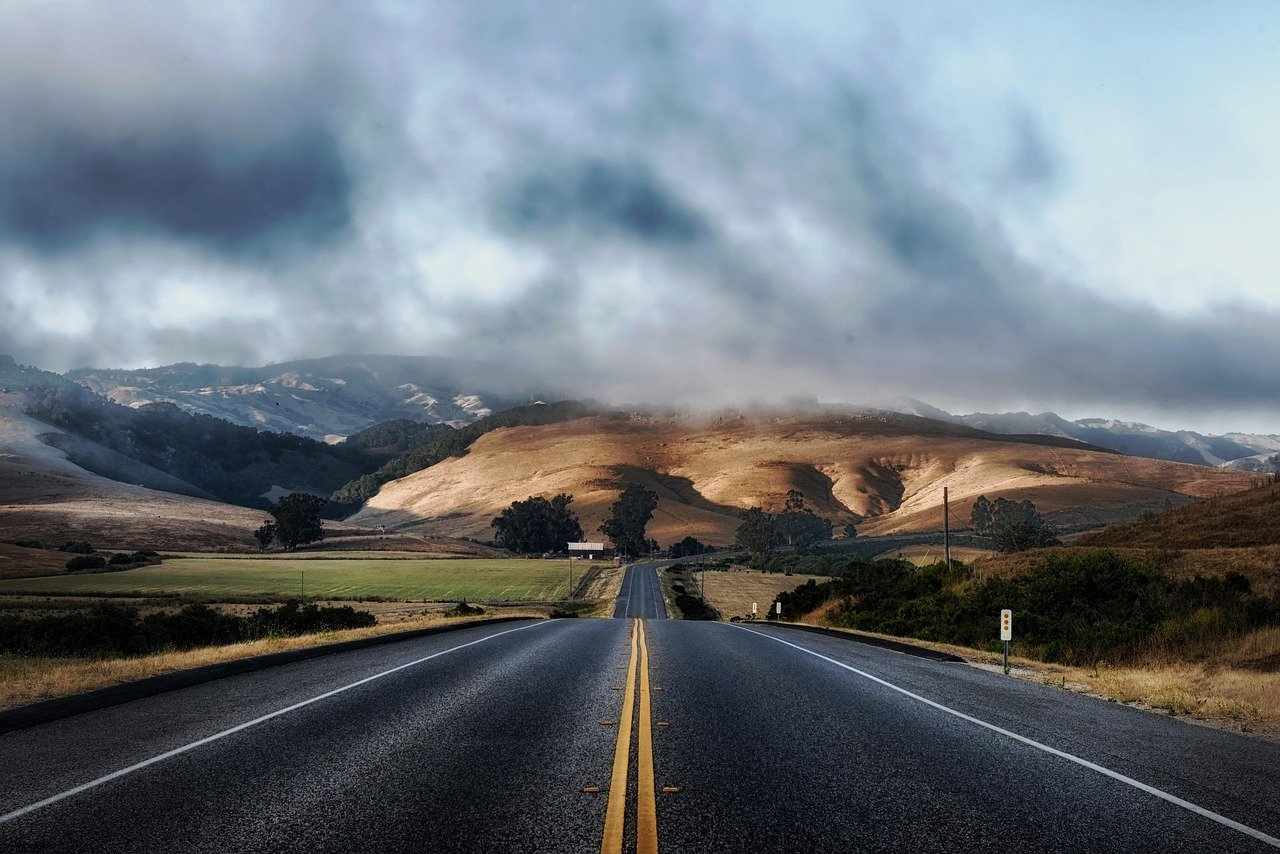
The north section feels more developed with charming towns and easy accessibility. The central coast offers that perfect mix of development and wild coastline. The south coast gets increasingly remote and dramatic, with sea stacks and old-growth forests right down to the water. Each section has its own personality—you’ll quickly figure out which ones speak to you.
North Coast Highlights: Cannon Beach to Lincoln City
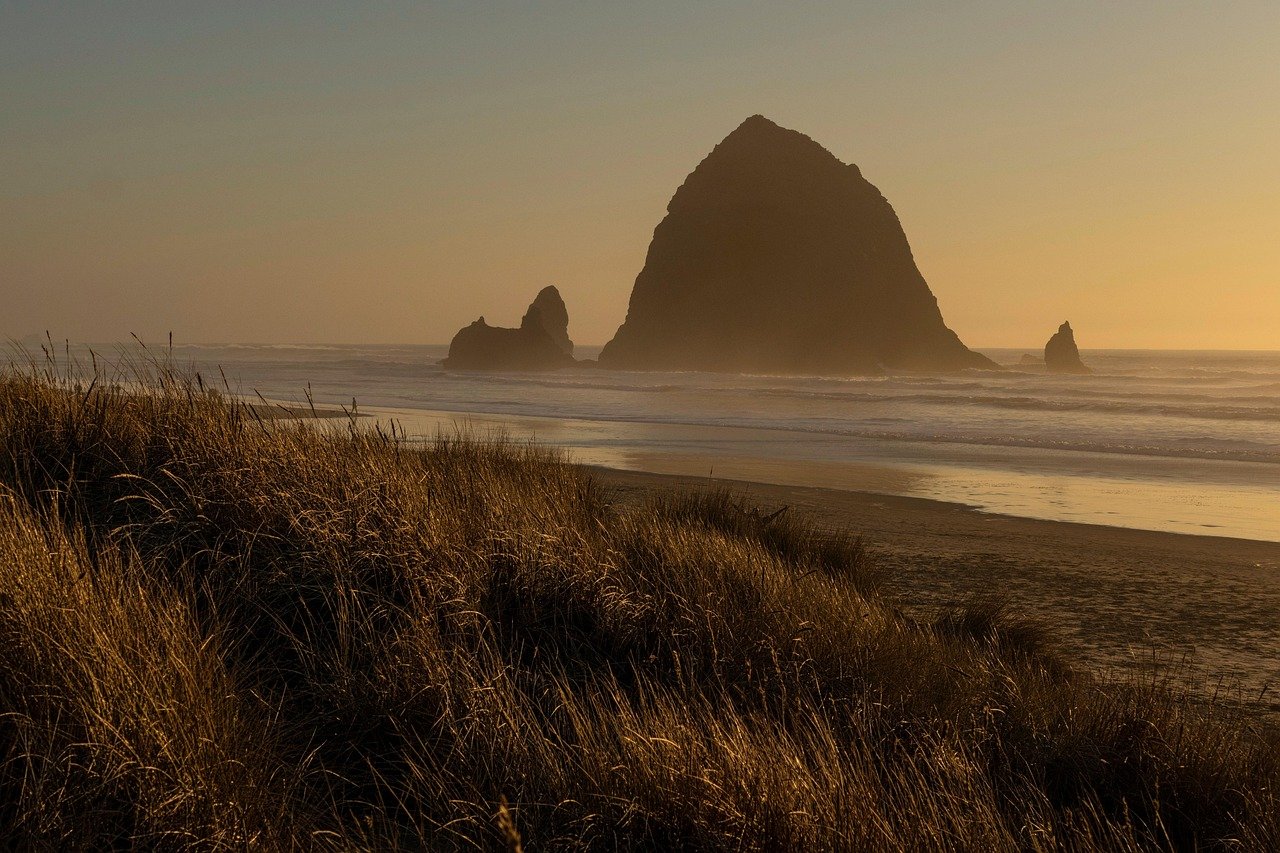
Cannon Beach deserves every bit of its fame—Haystack Rock rising from the surf is legitimately iconic—but spring adds a layer of moody magic. Morning fog rolls through those sea stacks like something out of a fantasy novel. I spent hours just watching the light change, eating my way through excellent bakeries and that famous seafood chowder at Wayfarer Restaurant.
Here’s what most people miss: Ecola State Park, just north of town, offers completely different perspectives of those same sea stacks. The hiking trails wind through old-growth forests before opening up to sweeping ocean vistas. Spring means muddy trails and occasional downpours, so pack waterproof hiking boots and a good rain shell. The payoff is having these incredible viewpoints mostly to yourself.
Further south, Seaside offers classic beach town energy with a kitschy boardwalk and excellent clam chowder. But Tilamook County’s real treasures are the smaller bays and estuaries. I had one of my best wildlife encounters at Kilchis Point Reserve, where I watched elk grazing in meadows while bald eagles circled overhead. Spring migration brings incredible birdwatching opportunities—pack compact travel binoculars if you’re into that kind of thing.
Central Coast Magic: Lincoln City to Newport
This section packs an incredible amount of variety into a relatively short stretch. Lincoln City sprawls along the highway with every chain restaurant and motel you’d expect, but it also hosts one of the coast’s best-kept secrets: Finders Keepers. Between mid-October and late May, volunteers hide glass floats along the beach, and if you find one, you keep it. I spent an entire morning combing the sand near Roads End State Park, chatting with locals who’ve been doing this for years. Even if you don’t find a float, the sunrise community here is something special.
Depoe Bay might be tiny, but it earns its title as “Whale Watching Capital of the Oregon Coast.” Spring migration means gray whales are heading north with their calves, and this spot offers some of the best shore-based viewing anywhere. Spring timing is crucial across the West—similar to the best national parks to visit in spring, you’ll want to hit the Oregon Coast during that sweet spot between winter storms and summer crowds. The whale watching center staff are incredibly knowledgeable and will point out spouts you’d never notice on your own. Pro tip: overcast days actually make it easier to spot whale blows than bright sunshine.
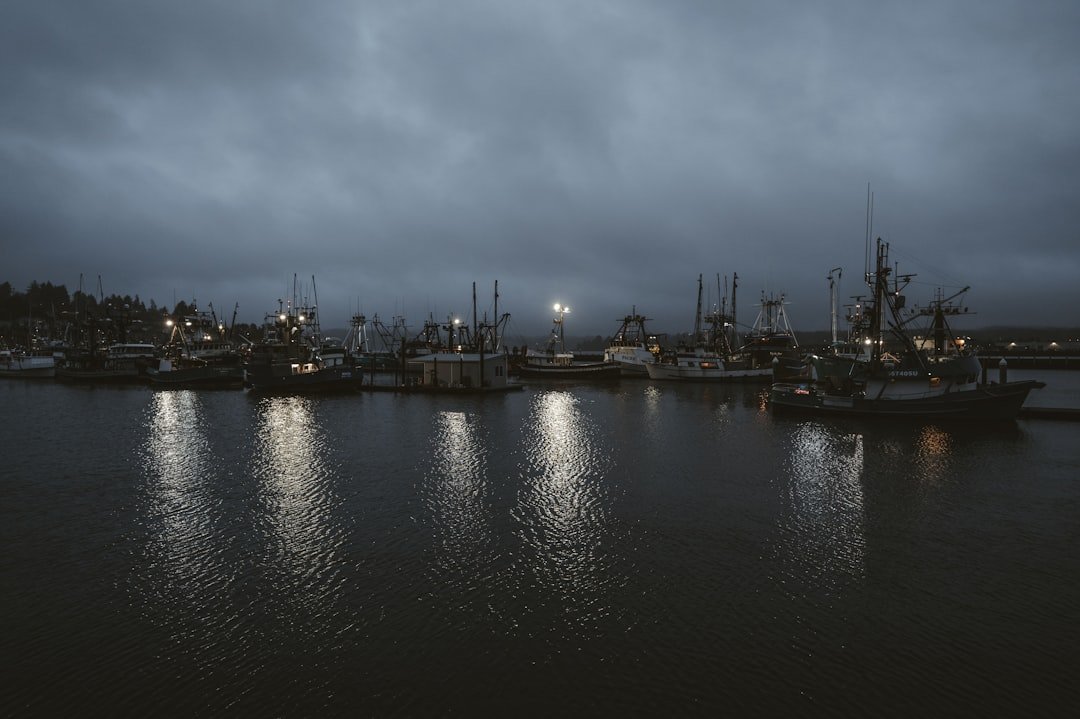
Then there’s Newport, where the bay’s working fishing fleet gives this stretch real grit alongside the tourist attractions. The Oregon Coast Aquarium is genuinely world-class, but spring brings a different kind of magic to the bay. I watched sea lions from the bayfront while eating fish and chips, then spent hours exploring tide pools at Yaquina Head Outstanding Natural Area. Those tide pools teem with life—bring waterproof phone protection if you want close-up photos without worrying about waves.
South Central Coast: Florence to Bandon Dunes
This is where the coast starts feeling wilder. Florence sits where the Siuslaw River meets the Pacific, and the Oregon Dunes National Recreation Area just south of town feels like another planet entirely. Spring winds sculpt these dunes into ever-changing shapes, and you can rent sandboards or ATVs to explore them. I opted for a guided dune buggy tour—worth every penny for the access to remote sections you’d never reach on foot.
The real showstopper here is Sea Lion Caves, America’s largest sea cave and home to hundreds of Stellar sea lions. Spring means breeding season, and the noise echoing through that cavern is something I’ll never forget. It’s touristy, yes, but standing on that cliffside elevator descending into the earth felt genuinely primal. The mothers and pups were especially active during my visit, and I spent way longer than planned just watching their social dynamics.
Cape Perpetua Scenic Area offers what might be the coast’s most dramatic overlook. The drive up winds through incredible old-growth forests before opening up to views that span 40 miles of coastline. Spring brings those moody, layered cloudscapes that make photographers drool. Thor’s Well, that natural fountain carved into the basalt rock, puts on its best show during high tide—check tide tables and time your visit carefully. The waves can be dangerous, so respect those barriers and keep a safe distance.
South Coast Drama: Bandon to Brookings
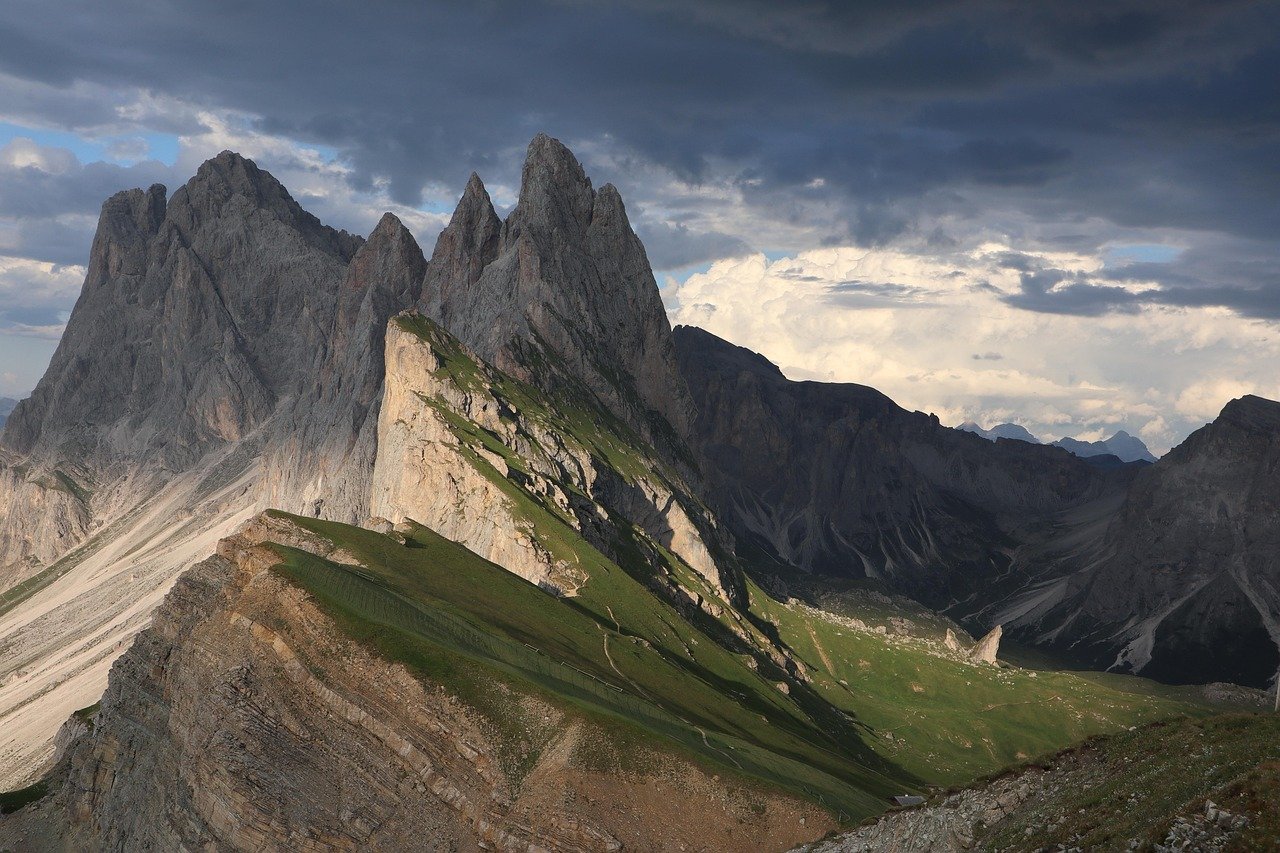
This stretch gets increasingly remote and increasingly spectacular. Bandon’s Face Rock State Scenic Viewpoint offers those iconic sea stack views, but spring adds migrating whales and incredible storm-watching potential. I spent an entire afternoon at the Bandon Marsh National Wildlife Refuge watching shorebirds and listening to the waves crash through the rock formations. The town itself has evolved into a foodie destination with excellent seafood restaurants and that famous Oregon Coast cuisine.
Port Orford might be Oregon’s most authentically working-fishing-town. The harbor’s commercial fleet still operates without a protective breakwater, making it one of the most dangerous harbors on the coast. Spring weather makes for dramatic viewing from the safety of the dock, and the local fish market sells the freshest catch you’ll find anywhere. Battle Rock State Park offers easy beach access and fascinating history about early settlers’ conflicts with indigenous peoples.
The southernmost section around Gold Beach and Brookings feels almost otherworldly. The Rogue River meets the ocean here, creating rich estuary ecosystems that attract incredible wildlife. I took a jet boat tour up the Rogue and spotted black bears, river otters, and bald eagles within the first hour. Spring rains make the river wild and spectacular—definitely bring waterproof camera gear if you want to document the ride.
Spring Weather: What to Really Expect
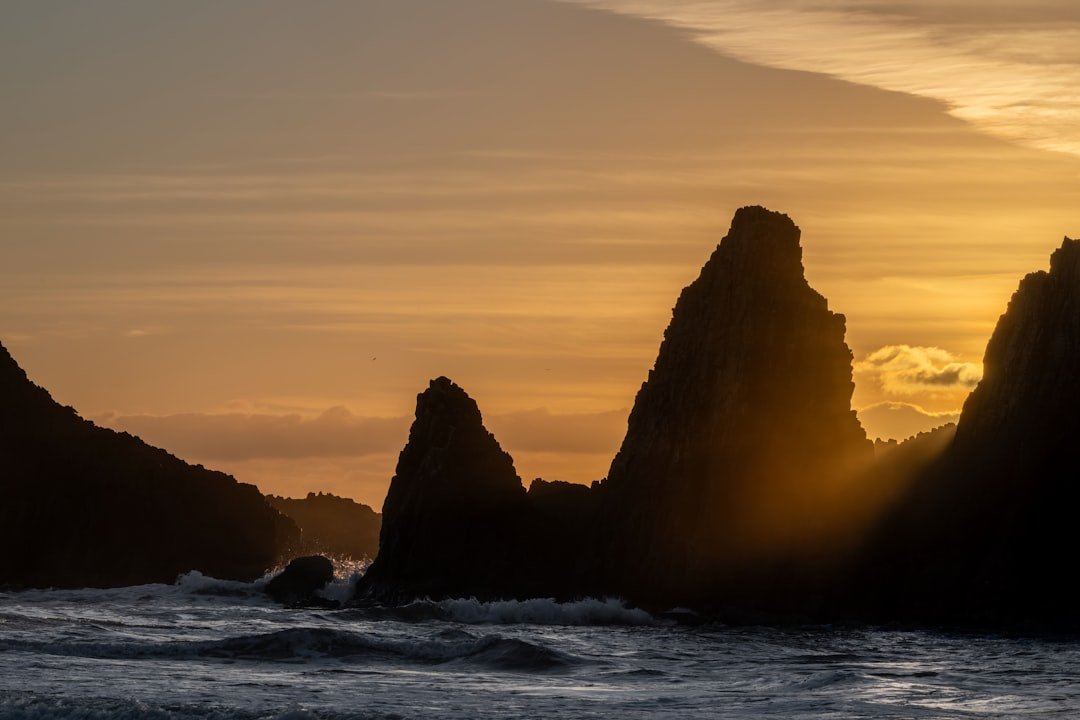
Here’s the truth about Oregon Coast spring weather: you’ll probably experience all four seasons in a single day. Mornings start with fog that burns off to sunshine by noon, followed by afternoon rain squalls, then clearing for golden hour sunsets. I learned to dress in layers and embrace the unpredictability. The moody atmospherics make for incredible photography—you’re here for the drama, not endless blue skies.
Temperatures hover in the 50s during the day, dropping to the 40s at night. But ocean wind makes it feel much colder, especially at exposed viewpoints. A quality waterproof jacket is non-negotiable, as are layers you can easily add or remove. I also invested in waterproof hiking pants after one too many soaking hikes on muddy trails.
The weather also means fewer crowds and lower prices. Many boutique inns offer spring specials, and you can often walk into popular restaurants without reservations. That said, some attractions have reduced hours in shoulder season, so always check ahead. The trade-off is having those incredible viewpoints mostly to yourself—something I’d take over crowded summer vistas any day.
Where to Stay: Lodging Strategies
I mixed camping, boutique inns, and vacation rentals, and each offered something different. Spring camping requires serious preparation and waterproof camping gear, but waking up to ocean waves with morning fog rolling through your campsite is unforgettable. State park campgrounds fill up fast even in shoulder season, so book those months in advance.
Boutique inns along the coast range from historic properties to modern design hotels. Many offer fireplaces, perfect for storm-watching evenings with local wine. I especially loved the smaller inns in Yachats and Port Orford, where owners provided insider tips on hidden beaches and local restaurants. Spring rates are significantly lower than summer, making these properties more accessible.
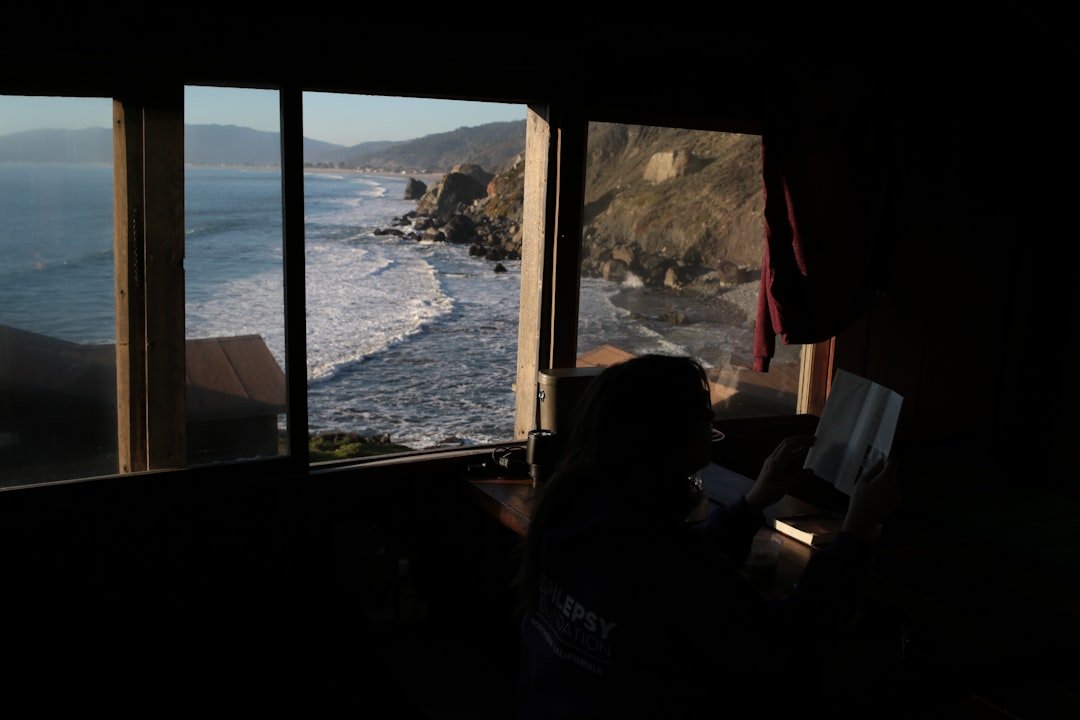
Vacation rentals work well if you’re traveling with a group or planning an extended stay in one area. Having a kitchen lets you take advantage of incredible local seafood markets and bakeries. I rented a cottage in Bandon for three nights and loved being able to cook fresh Dungeness crab while watching waves crash through sea stacks just outside my window.
Packing Essentials: What I Wish I’d Brought
After two weeks on the coast, I figured out what actually matters and what I could have left behind. Merino wool base layers were game-changers for temperature regulation, and I wish I’d packed more than one set. Waterproof everything—jacket, pants, boots, backpack. The rain here isn’t gentle Pacific Northwest drizzle; it’s serious downpours that will soak you in minutes without proper protection.
A good headlamp proved essential for early morning wildlife viewing and exploring tide pools during low tides. I also brought quick-dry travel towels for impromptu beach visits and unexpected rain showers. Binoculars transformed the experience—whale watching, bird spotting, and even checking out sea conditions at distant surf breaks became way more engaging.
Don’t forget portable power banks for your devices. Cell service is spotty at best, and you’ll be using your camera constantly. I drained my phone battery twice just from all those scenic overlook photos. A lens cleaning kit is also non-negotiable—salt spray and fog will mess with your optics quickly.
Food Highlights: Eating Your Way Up the Coast
The Oregon Coast food scene goes way beyond fish and chips—though there’s plenty of excellent versions of that. I had some of the best seafood of my life in tiny harborside restaurants where the catch came off boats that morning. Newport’s Ocean Bleu at Gino’s serves incredible Chinook salmon when it’s in season, while Depoe Bay’sGrill serves local halibut that’ll ruin you for fish anywhere else.
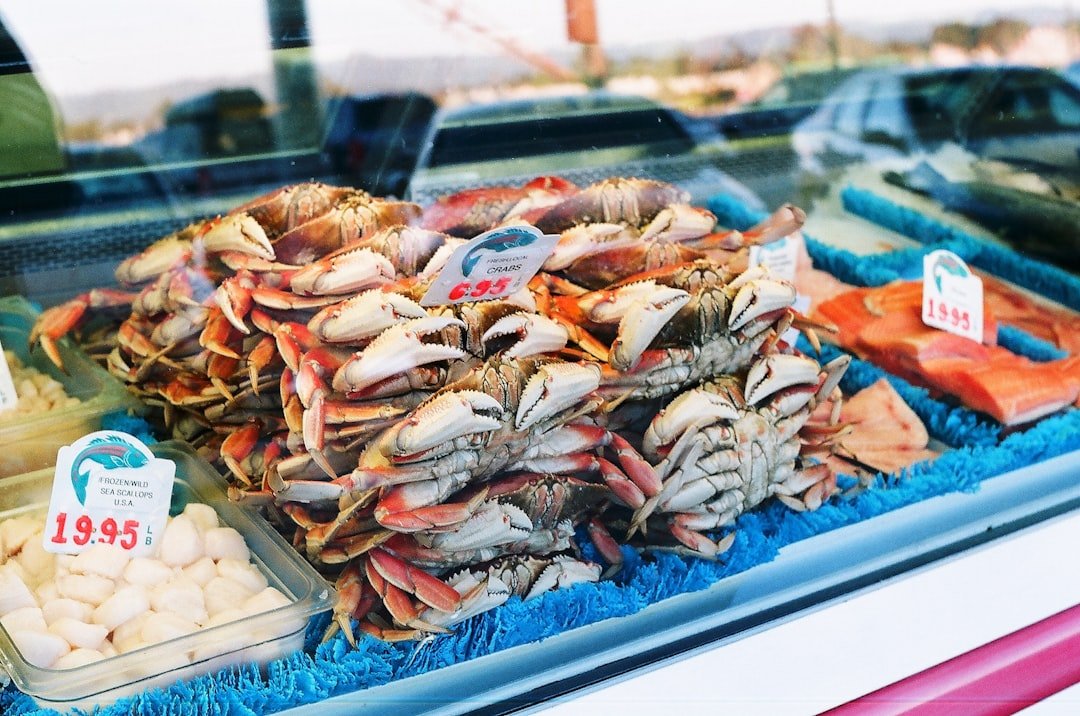
Spring means Dungeness crab season is in full swing, and every seafood market along the coast offers fresh-cooked crabs to go. I developed a ritual of picking up crabs, local artisan bread, and Oregon wine for sunset picnics at random beach pullouts. Those spontaneous meals with the sound of waves crashing nearby? Those became some of my favorite memories of the trip.
Don’t skip the inland towns either. The Willamette Valley wine region is just an hour from the coast, and many restaurants feature excellent local pinot noir lists. I also discovered incredible artisan bakeries in unexpected places—there’s a reason people line up early at places like Bread and Ocean in Yachats. Grab pastries and coffee for beach breakfasts; watching fog lift over the ocean with a fresh croissant is pretty much perfection.
Budget Planning: What It Really Costs
The Oregon Coast can be surprisingly budget-friendly if you’re strategic. Gas prices run higher than national averages, but you’re not driving huge distances between stops. Food costs vary wildly—splurge seafood dinners add up quickly, but grocery stores and fish markets let you self-cater incredible meals for a fraction of restaurant prices.
Lodging represents your biggest expense. Expect to pay $150-250/night for decent motels or inns, more in popular towns like Cannon Beach. State park campgrounds run $25-35/night but require reservations months in advance even in spring. I averaged about $175/day total including gas, food, and lodging—steep compared to some destinations, but reasonable for a once-in-a-lifetime road trip.
Activities are mostly free aside from parking fees at state parks ($5/day). The Oregon Coast Aquarium and sea lion caves charge admission, and those specialty tours (dune buggies, jet boats) add up quickly. But honestly, the best experiences—watching waves crash, exploring tide pools, finding glass floats on the beach—don’t cost anything beyond getting there.
Safety Considerations: Respect the Power of the Ocean
The Oregon Coast is beautiful but unforgiving. Sneaker waves—unexpectedly large waves that surge far up the beach—kill people every year. Never turn your back on the ocean, and stay well back from the surf line, especially during winter and spring when swells are larger. Solo travelers should pay extra attention to safety protocols—many of the precautions outlined in solo female travel USA guides apply equally to coastal adventures regardless of gender. Those amazing tide pool creatures? Look but don’t touch, and watch the ocean constantly while you’re focused down at the rocks.
Cliffs and overlooks can be treacherous in wet conditions. I saw way too many people ignoring barriers and getting way too close to edge for Instagram photos. Fog can roll in suddenly, making trails disorienting—always know your route and carry a map or downloaded offline maps. Cell service is unreliable at best, so don’t count on being able to call for help.
If you’re hiking alone, let someone know your plans and expected return time. Coastal trails can be more challenging than they appear, with steep drop-offs and slippery mud. Good footwear with serious traction is non-negotiable, and turning back when conditions worsen is always the right call. The coast will still be there tomorrow; you might not be if you push your luck.
Final Thoughts: Why Spring on the Oregon Coast Is Special
I’ve visited the Oregon Coast in different seasons, but spring captured my heart in ways summer never did. There’s something about those moody skies, the raw energy of storm-season waves, and the sense of having these incredible landscapes mostly to yourself that feels genuinely magical. While I absolutely love New England’s spring road trips, there’s something uniquely wild and untamed about the Pacific coastline that keeps me coming back. You’ll get wet, you’ll get cold, and you’ll probably rewrite your itinerary a dozen times based on weather. But those moments when the sun breaks through clouds illuminating sea stacks while whales spout offshore? Those make every soggy hike and windblown viewpoint absolutely worth it.
The Oregon Coast isn’t a destination you check off a list—it’s a place you return to again and again, each visit revealing new layers and favorite spots. I’m already planning my next spring trip, this time focusing on the southern section I had to rush through. The coast will be there, wild and beautiful as ever, and I can’t wait to discover what new treasures it reveals next time.
3 thoughts on “Oregon Coast Road Trip: The Ultimate Spring 2026 Guide to Highway 101”