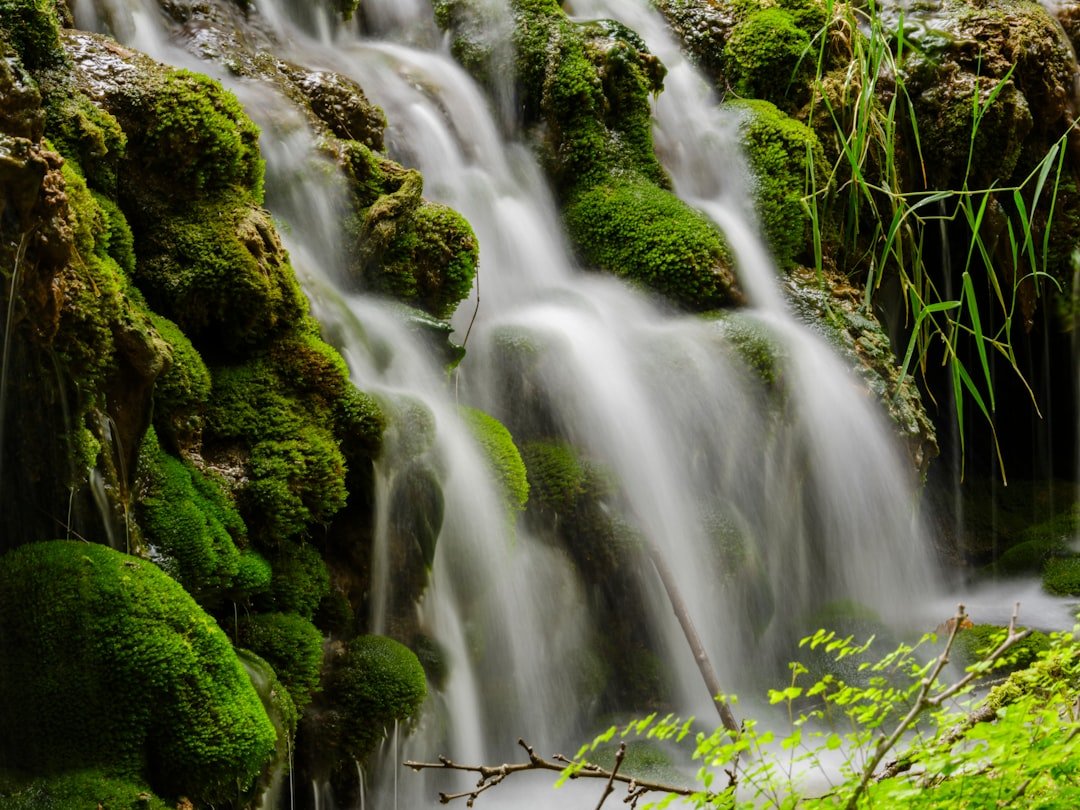
There’s a window every year — usually sometime in mid-to-late May — when the mountains wake up. Snow that’s been accumulating since November starts melting in earnest, and every creek, stream, and drainage swells into something thunderous. If you’ve ever stood at the base of a waterfall during peak spring runoff, you know the feeling: the ground vibrates under your boots, mist soaks through your jacket, and the sound drowns out everything else. It’s one of the most visceral experiences you can have in nature, and it only lasts a few weeks.
I’ve chased waterfalls across the country for the better part of a decade, and I’ve learned that timing is everything. Show up too early and trails are still buried under snow. Arrive too late and those roaring cascades shrink to a trickle. But catch it right — usually mid-May through early June depending on elevation and latitude — and you’ll see some of the most spectacular displays of moving water on the planet. Here are seven waterfall hikes that absolutely deliver during that magical spring window.
Yosemite Falls Trail — Yosemite National Park, California
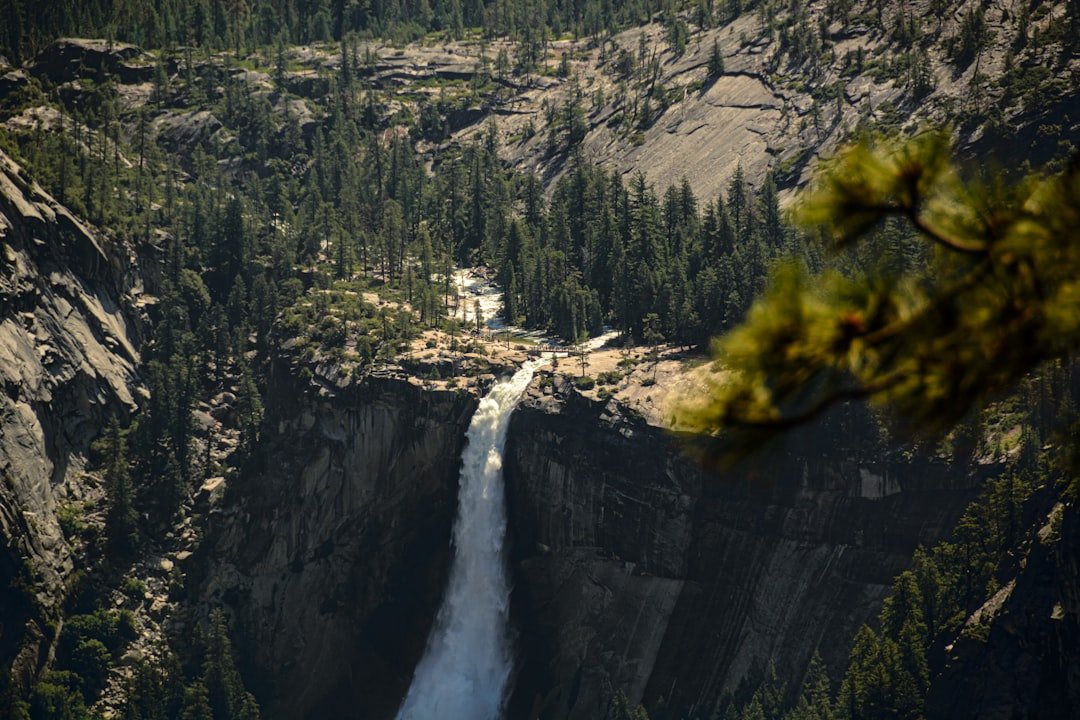
Let’s start with the heavyweight. Yosemite Falls is North America’s tallest waterfall at 2,425 feet, and when the snowpack above Yosemite Valley starts melting in May, the entire upper and lower sections transform into a roaring column of water that you can hear from practically anywhere in the valley. The hike to the top gains about 2,700 feet over 3.4 miles (one way), and it’s a leg-burner — but standing at the overlook where the creek pours off the granite lip is something you don’t forget.
The mist near the base can be intense in spring, so I always pack a lightweight waterproof shell even on sunny days. If you want the full experience without the grueling climb, the Lower Yosemite Falls loop is a flat one-mile walk that puts you right at the base of the lower cascade. The spray alone is worth the trip.
Mist Trail — Yosemite National Park, California
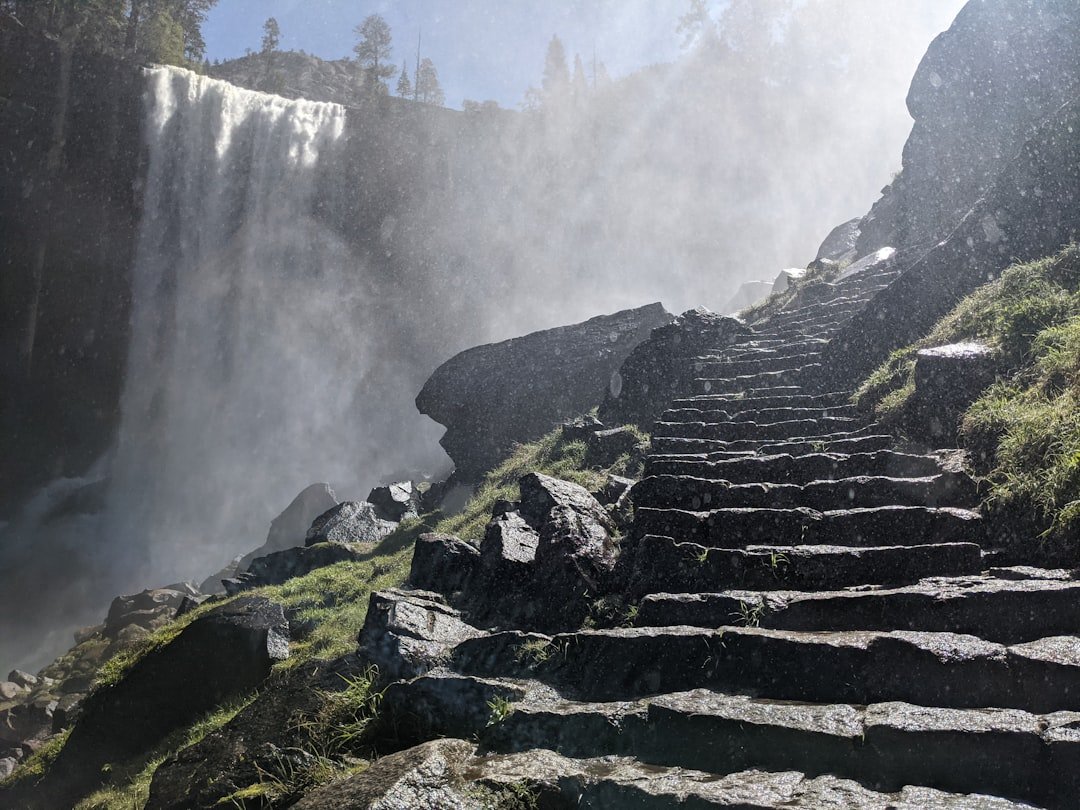
Yes, I’m doubling down on Yosemite, and for good reason. The Mist Trail to Vernal and Nevada Falls is arguably the most dramatic waterfall hike in the country when the Merced River is running at full tilt. The granite steps alongside Vernal Falls become a natural waterslide of mist — you will get soaked, and that’s half the fun. Proper hiking footwear with good grip isn’t optional here; those wet stone stairs are treacherous in spring.
Continue past Vernal to Nevada Falls, where the river plunges 594 feet off a granite cliff in a dramatic freefall. The combination of these two waterfalls on a single trail, with the Merced River surging between them, is something I haven’t found anywhere else in the States. If you’re planning a spring hiking trip, this should be at the top of your list.
Laurel Falls Trail — Great Smoky Mountains National Park, Tennessee
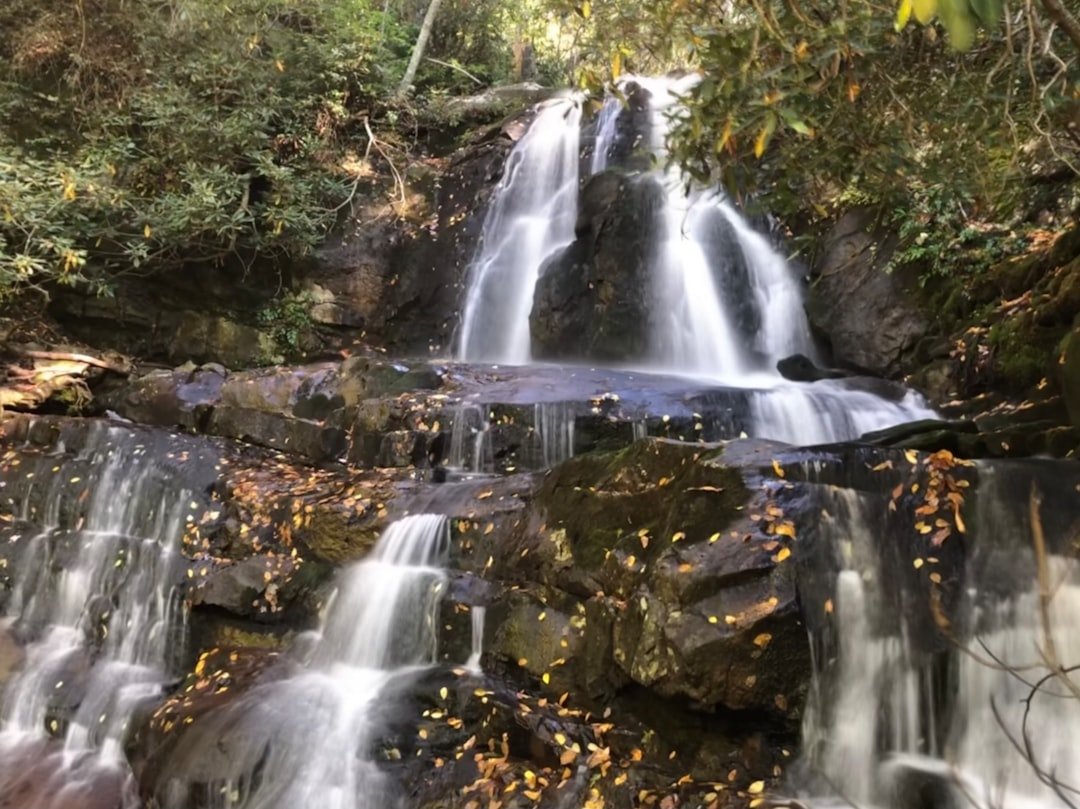
The Smokies get more annual rainfall than almost anywhere else in the eastern United States, and by May, the combination of spring showers and snowmelt from the higher elevations has every stream in the park running fast. Laurel Falls is one of the most accessible waterfall hikes in the park — a paved 2.4-mile round trip that’s popular with families — but don’t let the easy grade fool you. The 80-foot cascade is genuinely impressive, especially when it’s running full in mid-May.
The trail continues past the main falls for those who want more solitude. I’d recommend bringing a dry bag for your phone and camera — the mist at the viewing area can be surprisingly heavy. For a deeper dive into what the Smokies offer in spring, I put together a wildflower and trail guide that covers the best trails for the April-May window.
Wahkeena-Multnomah Loop — Columbia River Gorge, Oregon
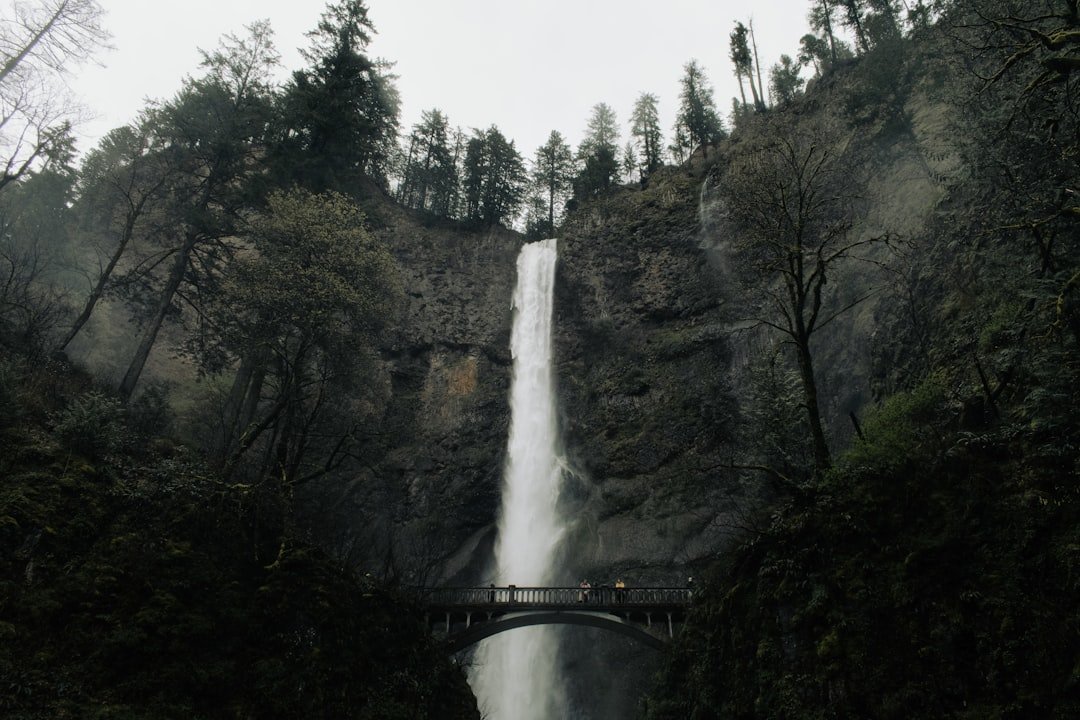
The Columbia River Gorge is waterfall country — there are more than 90 waterfalls on the Oregon side alone, and the spring runoff turns already-beautiful cascades into showstoppers. The Wahkeena-Multnomah Loop is a 5.4-mile trail that strings together six waterfalls, including the iconic 620-foot Multnomah Falls, which is the tallest in Oregon.
What makes this loop special in May is the sheer volume of water. Wahkeena Falls, Fairy Falls, and Weisendanger Falls all sit along the route, and during peak runoff, the creek between them is a continuous cascade. The trail climbs through old-growth forest dripping with moss, and the air smells like wet cedar and earth. I always use trekking poles on this one — the path gets muddy and slick when the water is high.
Arethusa Falls Trail — White Mountains, New Hampshire
At 140 feet, Arethusa Falls is the tallest single-drop waterfall in New Hampshire, and it’s at its most powerful in late May when the snowpack on Mount Webster and Mount Jackson finally surrenders to warming temperatures. The hike is a relatively modest 1.5-mile trek each way with about 800 feet of elevation gain — enough to feel like you’ve earned it without needing to dedicate an entire day.
The trail follows Bemis Brook through a hardwood forest that’s just leafing out in May, carpeted in spring wildflowers. When you reach the falls, the water fans out across a granite face in a dramatic horsetail pattern. I’ve been here in October when it’s a whisper, and in May when it’s a roar — the difference is staggering. Pack a good insulated water bottle because the hike back has some sunny exposed sections.
Fern Spring Cascades — Glacier National Park, Montana
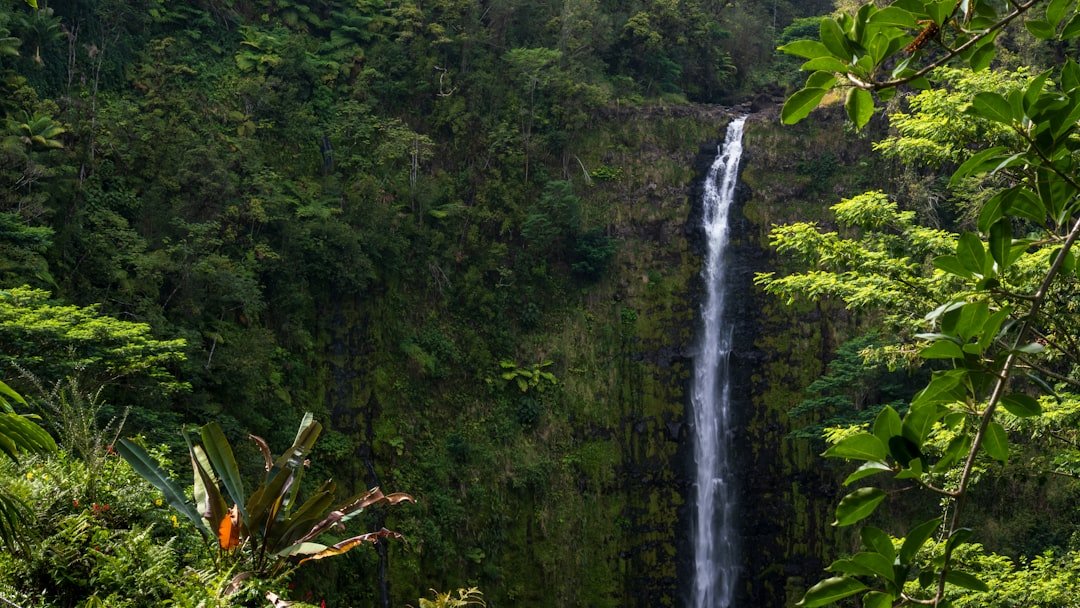
Glacier is known for its rugged peaks and pristine lakes, but in May, the park’s waterfalls steal the show. The Going-to-the-Sun Road typically doesn’t fully open until late June or July, but the lower sections near Lake McDonald are accessible in May, and that’s where you’ll find Fern Spring and dozens of unnamed cascades pouring off the valley walls.
The real draw here is the raw power of snowmelt coming off the Continental Divide. Every drainage becomes a waterfall in May, and the roadside pullouts along the McDonald Valley offer views of cascades you won’t find on any map. If you’re planning a broader trip, my shoulder season camping guide covers other parks that shine in this transition window.
McWay Falls — Big Sur, California
This one is different from the others. McWay Falls is only about 80 feet tall, and you can’t actually get to its base — it drops directly onto a pristine beach in a cove at Julia Pfeiffer Burns State Park. But what makes it extraordinary in spring is the combination of the waterfall at full flow against the turquoise Pacific Ocean, with the Big Sur coastline stretching in both directions. It’s the most photographed waterfall in California for a reason.
The trail is an easy 0.6-mile round trip from the parking area along Highway 1. May is ideal because the falls are running strong from winter rains and the coastal wildflowers are in bloom along the bluffs. I always carry a compact camera for this spot — phone cameras struggle with the dynamic range between the dark cliff face and the bright ocean.
What to Pack for Spring Waterfall Hiking
Chasing waterfalls in May is rewarding but demands respect for the conditions. Trails are wet, temperatures fluctuate wildly between sun and shade, and the water is cold enough to be dangerous if you slip in. Here’s what I never leave without:
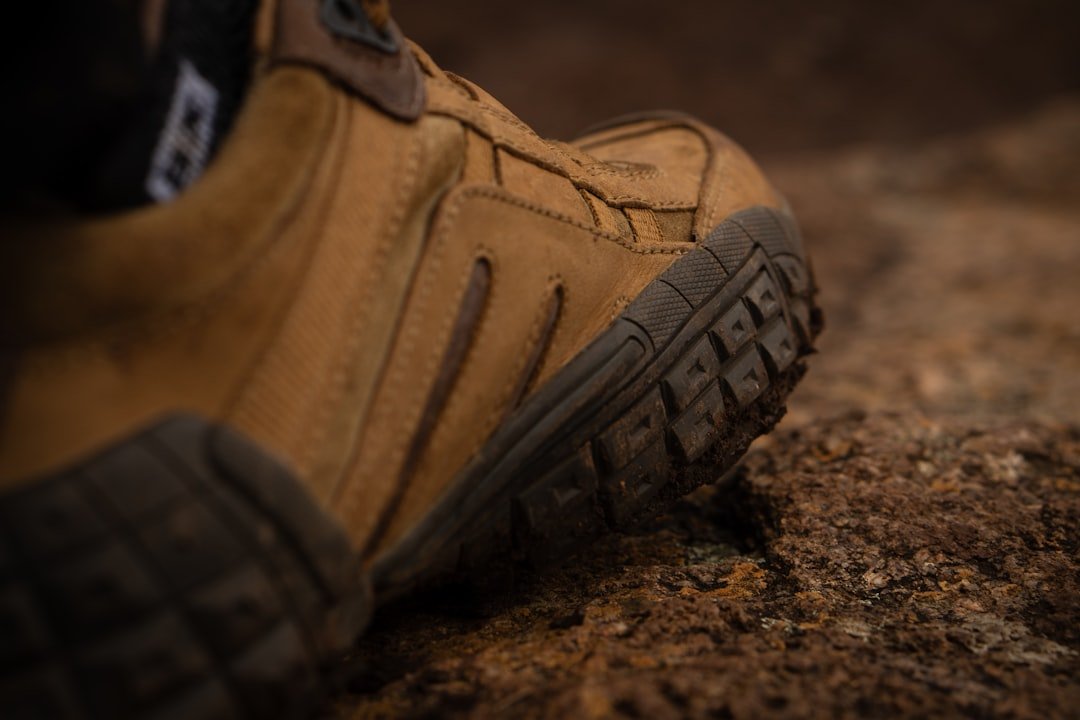
- Waterproof hiking boots — Not water-resistant, not “quick-dry.” Actual waterproof boots with good ankle support. Rocky, wet trails are the number-one injury risk on waterfall hikes. I’ve tested several pairs and won’t hike waterfall trails in anything less.
- Rain shell — A packable waterproof jacket lives in my pack year-round but is mandatory near spring waterfalls. The mist zone extends much further than you’d expect.
- Dry bag — For electronics, spare layers, and anything you want to stay dry. A 5-liter dry bag weighs almost nothing and saves your gear.
- Trekking poles — Stability on wet rocks and stream crossings. Non-negotiable for any trail with elevation gain in wet conditions.
- First aid kit — A trail first aid kit with waterproof bandages and blister treatment. Wet skin blisters faster.
If you’re carrying all this to multiple trailheads, having the right day hiking backpack makes a huge difference. I wrote up what I actually carry on the trail if you’re in the market for a new one.
The Clock Is Ticking
Here’s the thing about spring waterfall chasing — it’s a race against time and temperature. Every warm day eats into the snowpack, and by mid-June, many of these cascades will be half their May volume. Some, like the unnamed drainages in Glacier, will dry up entirely by July. That urgency is part of what makes it special.
My advice? Pick two or three from this list, check the recent trail reports on AllTrails or the park service websites, and get out there while the water is still talking. The mountains only do this once a year, and the window closes faster than you think.
And when you’re done chasing waterfalls and ready to cool off, check out these hidden swimming holes across America — the perfect payoff after a day on wet trails.
2 thoughts on “7 Spectacular Waterfall Hikes to Chase This May Before Summer Dries Them Up”