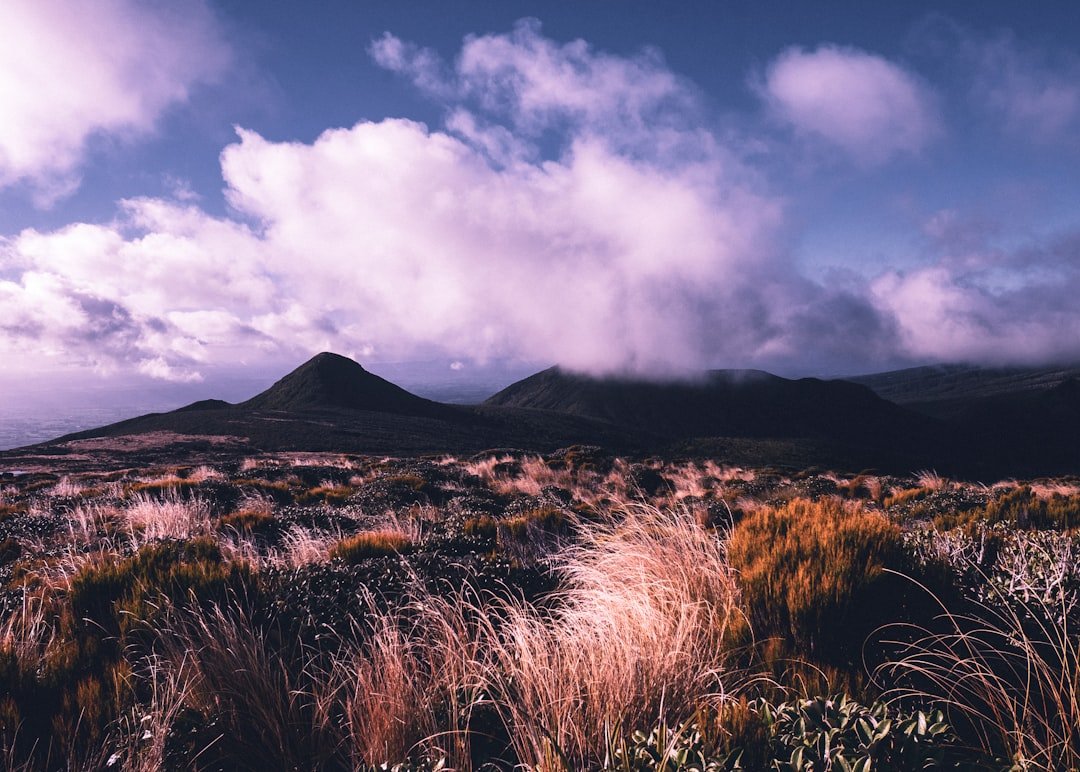
I spent seven days in Yellowstone last September for under $400. Not per activity — total. That included gas from Denver, campground fees, every meal, and a park pass I split with two friends. When people tell me national parks are expensive, I get it — the lodges charge resort prices, the restaurants inside park boundaries will drain your wallet before lunch, and somehow a simple souvenir magnet costs more than your dinner. But the parks themselves? They’re one of the last genuine bargains in American travel, and I’ve spent the last three years figuring out exactly how to experience them without going broke.
The America the Beautiful Pass: Your $80 Golden Ticket
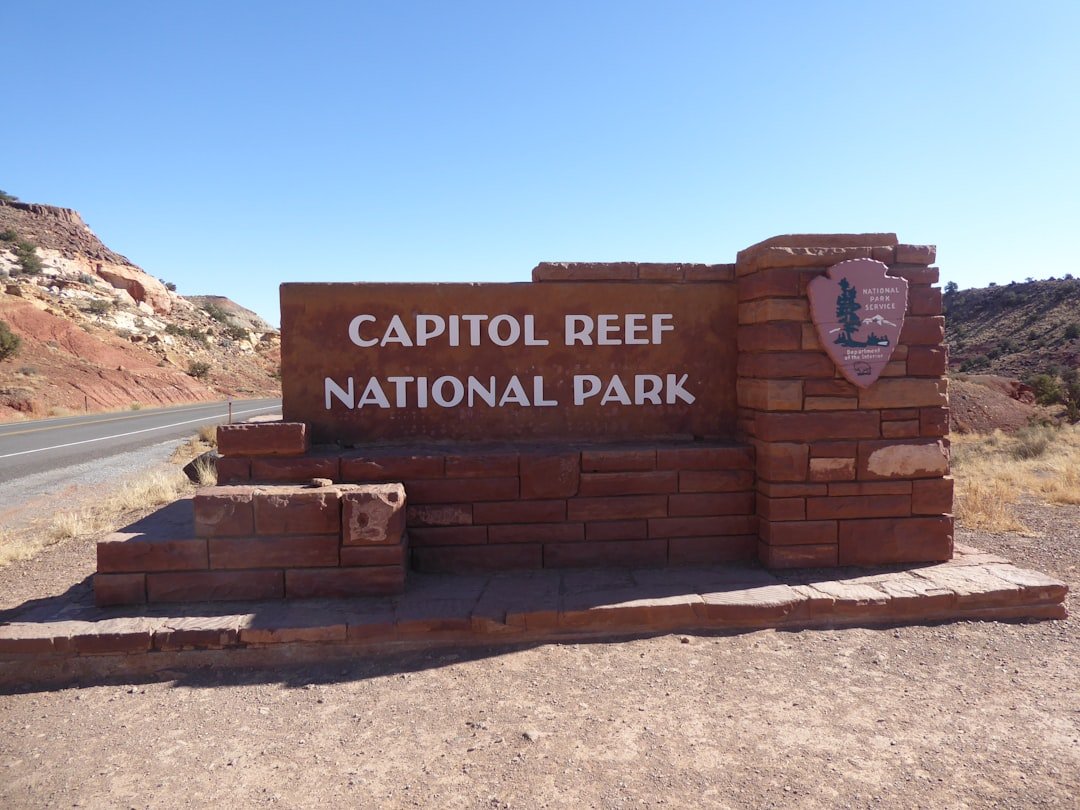
If you’re planning to visit even two or three parks in a single year, the America the Beautiful Annual Pass pays for itself almost immediately. At $80 for U.S. residents in 2026, it covers entrance fees at over 2,000 federal recreation sites — not just the 63 national parks, but national forests, wildlife refuges, and Bureau of Land Management sites too. The pass covers the pass holder and everyone in their vehicle at per-vehicle sites, or up to three additional adults at per-person sites. I’ve watched families save $150 on a single road trip through southern Utah because one $80 pass covered Arches, Canyonlands, Bryce Canyon, and Capitol Reef without a single additional fee.
Here’s the thing most people don’t realize: you can buy the pass digitally through Recreation.gov and have it on your phone before you ever reach a gate. No need to wait in the visitor center line while your kids melt down in the backseat. Senior citizens (62 and older) can grab a lifetime version for $80 — the same price as a single annual pass — which might be the best deal the federal government has ever offered. Military, fourth graders, and people with permanent disabilities qualify for free passes. The system is designed to get you through the gate.
The Free Parks: No Pass, No Problem
Out of the 63 national parks, more than a third don’t charge entrance fees at all. Ever. Great Smoky Mountains, the most visited national park in the country, is completely free to enter thanks to a deed restriction from when the land was assembled. Gateway Arch in St. Louis, Indiana Dunes along Lake Michigan, Congaree in South Carolina, Cuyahoga Valley in Ohio — these cost nothing to visit, and they’re every bit as worth your time as the heavy hitters. I spent a long weekend at Badlands National Park in South Dakota and was floored by how much dramatic landscape you can experience without spending a dime on admission if you time it right.
Then there are the fee-free days. In 2026, the National Park Service offers 10 days when every park waves its entrance fee: Martin Luther King Jr. Day, the first day of National Park Week in April, the anniversary of the Great American Outdoors Act in August, National Public Lands Day in September, Veterans Day in November, and a handful of others scattered through the calendar. These dates get crowded — especially at marquee parks like Zion and Yosemite — but if you’re strategic about arriving early and hitting less-popular trails, the savings are real. I’ve done fee-free days at three different parks and never regretted it.
Camping: Where the Real Savings Live
Lodging will eat your budget faster than anything else. A room at the Old Faithful Inn runs $250 to $500 a night in peak season. A campsite at Madison Campground, twenty minutes away? Twenty bucks. And you fall asleep to the sound of the Firehole River instead of a noisy HVAC system. I’ve stayed in park campgrounds, national forest campgrounds, and BLM dispersed camping sites, and the spectrum of what you can spend is enormous.
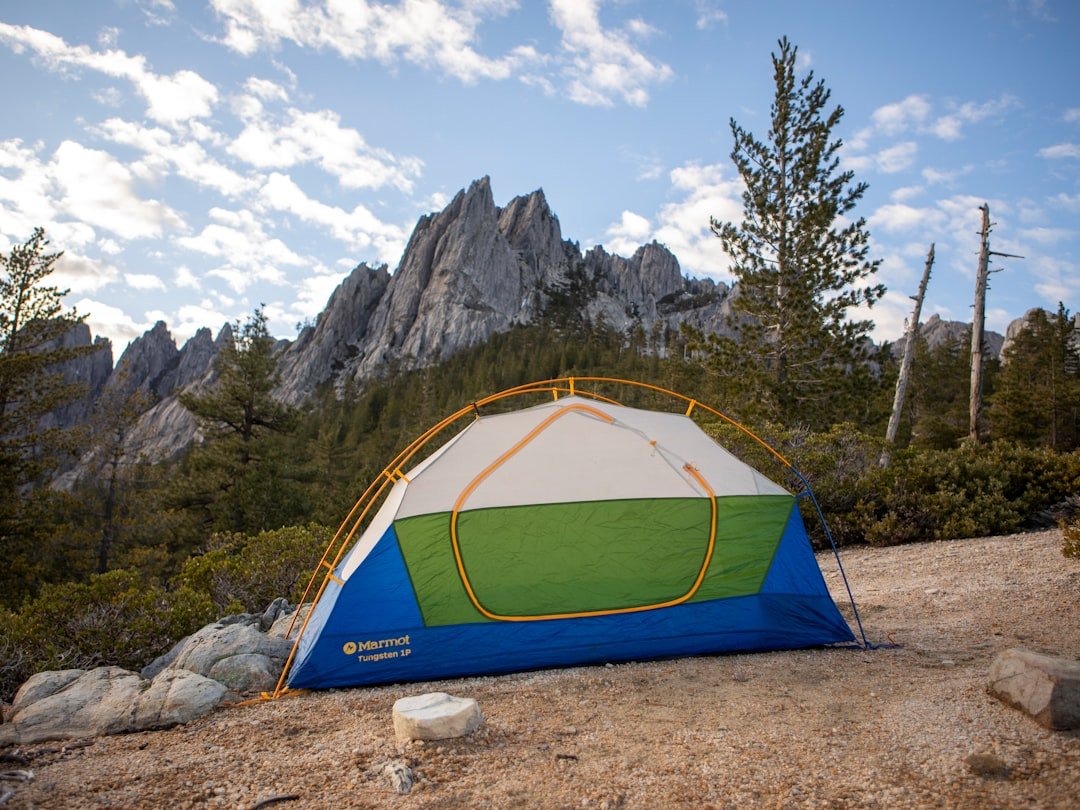
Developed campgrounds inside national parks typically run $15 to $30 per night. They include a picnic table, fire ring, and access to restrooms, sometimes with showers. These fill up fast — many require reservations through Recreation.gov six months in advance — but there are almost always first-come, first-served sites if you arrive early. My strategy is to pull into the campground by 8 AM on the day I want to stay and scout for people packing up. It feels a little aggressive, but it works.
For the truly budget-conscious, dispersed camping on national forest and BLM land is completely free. No water, no toilets, no designated sites — just you and the land. You can usually stay up to 14 days in a single spot, and you’re often just 30 minutes outside a national park entrance. I’ve spent entire road trips camping exclusively on public land and paying nothing for accommodation. The tradeoff is that you need to be more self-sufficient: carry your own water filtration system, pack out all trash, and know how to find a site that won’t leave you stuck in the mud after a rainstorm.
Eating Well Without the Restaurant Markup
Food inside national parks follows the same pricing logic as airport terminals — captive audience, premium prices. A basic burger at a park lodge restaurant runs $18 to $25. Groceries from the nearest town? A fraction of that. I plan my park trips around a good cooler and a meal prep session the night before I arrive.
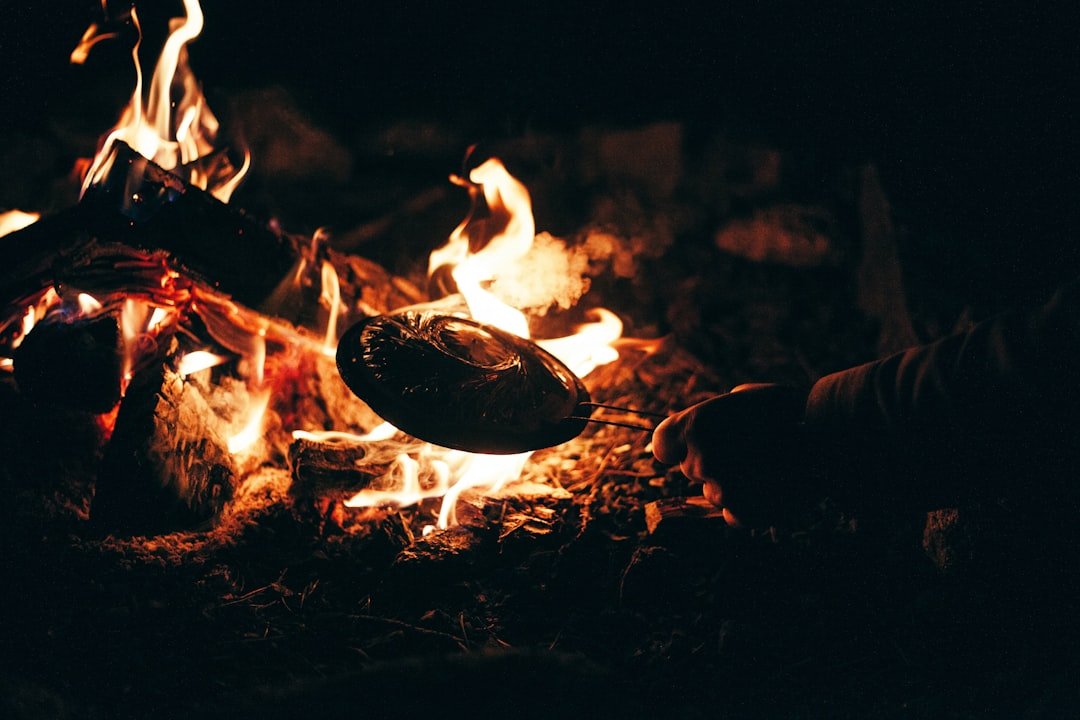
Breakfast is oatmeal with dried fruit and nuts, maybe some instant coffee if I’m keeping it ultralight, or a proper French press if I’ve got the camping coffee setup with me. Lunch is usually assembled in the morning — sandwiches, jerky, trail mix, an apple — and carried in a daypack so I don’t have to backtrack to camp mid-hike. Dinner is where I put in effort: foil-packet meals over the campfire, one-pot pasta, or cast-iron skillet fajitas if I’ve brought my trusty cast iron. Total food cost for a week in the parks? About $60 to $80 per person, compared to $50 a day if you’re eating at park restaurants.
Gas and Getting Around Without Going Broke
Gas is the second-biggest expense after lodging, and it’s the one most people don’t plan for. Driving Going-to-the-Sun Road in Glacier National Park means 50 miles of winding mountain road — beautiful, but it’ll cost you a full tank if you’re not paying attention. My rule is to always fill up in the nearest town before entering a park. Gas stations inside parks are rare, and when they exist, they charge a premium.
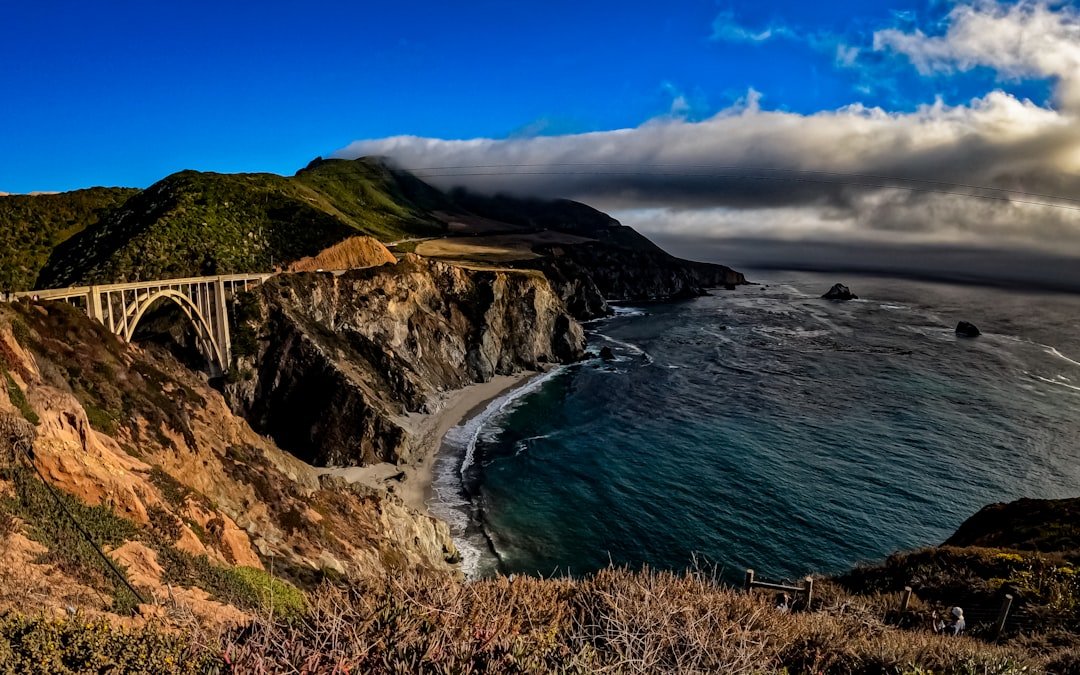
If you’re doing a multi-park road trip, plan your route to minimize backtracking. Use the NPS trip planner tool to map efficient paths between parks, and consider clustering your visits. Southern Utah alone has five national parks within a few hours of each other. You can hit the Grand Canyon, Zion, Bryce Canyon, Capitol Reef, Arches, and Canyonlands in a single two-week trip without ever driving more than four hours between stops. The right road trip map saves you hundreds in gas.
The Gear You Actually Need (and What to Skip)

I’ve watched people show up at park campgrounds with thousands of dollars of equipment they’ll never fully use, and I’ve watched people have the time of their lives with a borrowed tent and a sleeping bag from Costco. The truth is, you don’t need top-of-the-line gear to enjoy national parks. You need a decent sleeping bag rated for the season, a reliable tent, and a way to carry water. Everything else is a nice-to-have that you can add over time as you figure out what matters to you.
The one thing I do recommend investing in is good footwear. You’ll walk miles on uneven terrain, and the wrong shoes will make you miserable. A solid pair of waterproof hiking boots with ankle support will last for years and pay for themselves in blister prevention alone. Beyond that, a decent headlamp for navigating camp at night, a good sunscreen, and you’re set for most park adventures.
My Actual Budget Breakdown
People ask me for real numbers, so here’s what a typical five-day, single-park trip looks like on a budget. This is based on my trip to Zion last October, split between two people:
- America the Beautiful Pass (split): $40
- Campsite (5 nights at $20/night, split): $50
- Gas (round trip from Las Vegas): $65
- Groceries and food: $55
- Miscellaneous (firewood, ice, laundry): $25
Total per person: $235 for five days. That’s $47 a day for one of the most spectacular places on Earth. Compare that to a single night at the Zion Lodge ($300+) and the math speaks for itself.
Timing Is Everything: When to Go for Less
Shoulder season is the budget traveler’s secret weapon. May and September offer nearly full access to most parks at a fraction of the summer crowds and prices. Campgrounds are easier to get into, trailhead parking is actually available, and the weather is often more comfortable for hiking anyway. I did Badlands in late April and had entire trail systems to myself for the cost of a single night’s camping fee.
Winter visits to parks like Death Valley, Joshua Tree, Saguaro, and Big Bend are peak season for the desert Southwest but shoulder season everywhere else — meaning you can often find cheaper flights and accommodation in gateway towns. The parks themselves are quieter, and the experience of seeing Yosemite Valley under a blanket of snow, or watching a sunset at Badlands with no other car in the pullout, is worth the extra layer of clothing.
The Bottom Line
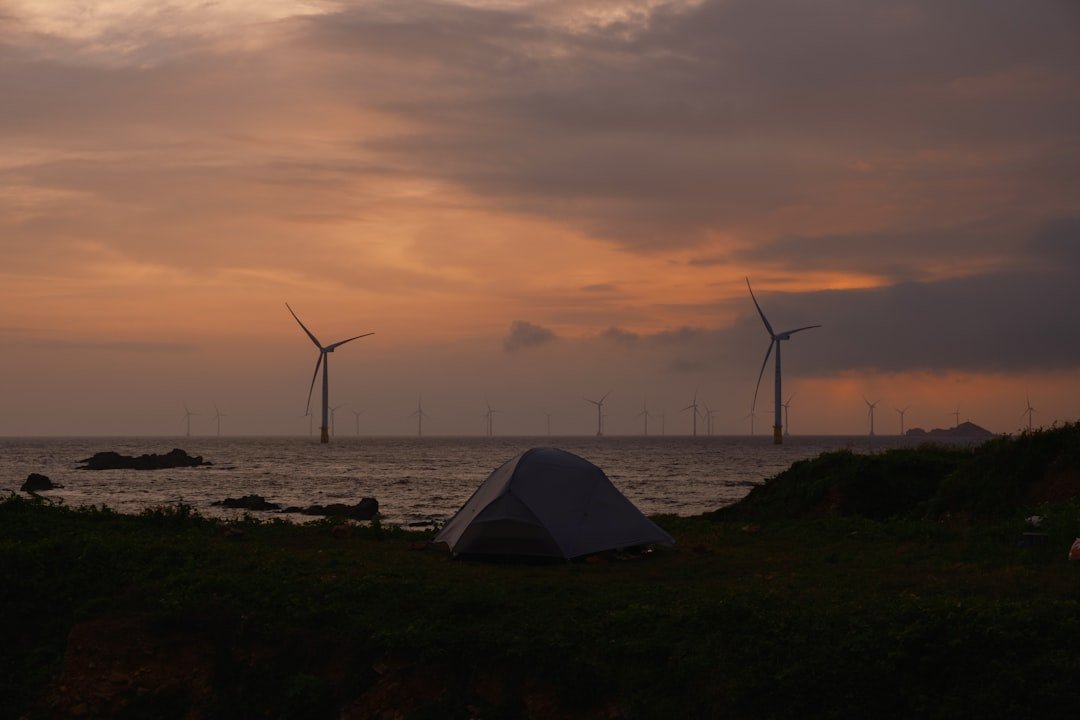
National parks were created for everyone — not just people who can afford $400 lodge rooms. With a little planning, some basic camping gear, and the willingness to cook your own food, you can experience the most extraordinary landscapes in North America for less than you’d spend on a weekend at home. The America the Beautiful pass, free entrance days, dispersed camping on public land, and smart trip planning can bring your daily park budget under $50. I’ve done it repeatedly, and every time I stand at a overlook watching light paint across canyon walls or listen to elk bugling from my tent, I think about how no amount of money could buy a better version of that moment. The parks are already perfect. You just have to show up.
2 thoughts on “How to Visit National Parks on a Budget in 2026: My Complete Guide to Affordable Adventure”