

The Magic of Literary Travel: Why Books Make Better Trips
There’s something magical about walking through a landscape you’ve only known through pages. I remember standing in a misty Kyoto garden last spring, realizing I was tracing the same path as the protagonist in my favorite novel—the cherry blossoms falling exactly as described, the temple bells tolling at the precise moment the author wrote. That’s the power of literary travel. It transforms a tourist destination into a living story, turning every corner into a page you haven’t turned yet.
Literary travel isn’t just about visiting book settings. It’s about understanding places through the lens of their most famous storytellers. When you explore Prince Edward Island through Lucy Maud Montgomery’s eyes, or wander Dublin’s streets with James Joyce’s characters, you’re experiencing these places with deeper context and emotional connection. You’re not just seeing sights—you’re stepping into narratives that have shaped how we understand these locations.
In 2026, this trend has evolved into what travel experts call “set-jetting”—visiting film and TV locations inspired by books you love. And it’s not just about celebrity spotting or Hollywood tourism. The most rewarding literary pilgrimages connect you with the places that inspired stories that moved you, whether that’s a remote Scottish island, a bustling New York neighborhood, or a quiet New England town that looks exactly like it did in 1950.
What Is Set-Jetting? The 2026 Travel Trend Explained
Set-jetting has exploded in popularity over the past few years, fueled by streaming culture and social media. But here’s what most travelers get wrong: they focus on the filming locations rather than the actual settings that inspired the stories. The real magic happens when you visit the places authors and filmmakers discovered themselves—not just where cameras rolled.
Consider the difference between visiting the actual Downton Abbey estate (Highclere Castle in Hampshire) versus exploring the real-life English villages that inspired Julian Fellowes’ vision of early 20th-century aristocratic life. Both are worthwhile, but one gives you a behind-the-scenes peek at production design while the other connects you with the authentic atmosphere that made the story possible in the first place.
The best set-jetting trips combine both approaches: you visit the physical filming locations for that thrill of recognition, then spend time in the actual towns, landscapes, and cultural settings that gave the story its soul. This dual approach gives you a richer, more nuanced understanding of why certain places birth certain stories.
How to Plan Your Literary Travel Adventure
Planning a book-inspired trip requires more creativity than your average vacation. You’re not just picking a destination—you’re choosing which author’s worldview you want to inhabit for a week. Here’s how I approach it:
Start with books that genuinely moved you, not just popular ones. Maybe you’ve read The Great Gatsby three times and always wondered about those Long Island mansions. Perhaps Wild made you curious about the Pacific Crest Trail. Or you’ve fallen in love with Louise Penny’s Three Pines mysteries and want to explore Quebec’s Eastern Townships. The most meaningful literary pilgrimages start with emotional connections, not trending hashtags.
Once you’ve chosen your book or series, research the real places behind the fiction. Authors often combine multiple locations or transform them for narrative purposes. The trick is distinguishing between literal settings (a specific café, street, or building) and atmospheric inspirations (the general mood, landscape, or culture that shaped the story).
Research Tools Every Literary Traveler Needs
The internet has made literary travel easier than ever, but you need to know where to look. Author websites often include detailed maps and location guides. Literary tourism boards in places like England, Ireland, and Japan maintain comprehensive databases of book-related sites. Even better: many authors now share behind-the-scenes photos and research notes on social media, revealing the exact places that inspired key scenes.
I’ve found that the best research comes from unexpected sources. Local historical societies often know which buildings appear in famous novels. Librarians can point you toward regional literary maps. Even travel guidebooks increasingly include literary walking tours and author recommendations.
Don’t overlook podcasts and YouTube channels dedicated to literary tourism. There’s a whole community of travelers sharing tips, maps, and itineraries for book-inspired trips. You’ll find detailed routes for everything from Harry Potter locations in Scotland to the real cities behind Elena Ferrante’s Naples novels.
Packing for Literary Travel: What You Really Need
Literary travel requires a different packing strategy than typical tourism. You’re not just visiting places—you’re actively engaging with them through reading, reflection, and sometimes even creative work. Here’s what I bring on every book-inspired trip:
The physical book itself, preferably a worn copy with your margin notes. Reading on location transforms the experience—you’ll notice details you missed before, understand references that previously seemed obscure, and feel deliciously deja vu when you turn a corner and realize you’re standing exactly where you imagined. I also bring a lightweight travel journal specifically for recording these moments of recognition.
Comfortable walking shoes are non-negotiable. Literary settings are often in historic districts with cobblestone streets, hilly terrain, or pedestrian-only zones. You’ll be doing more walking than typical sightseeing because you’re following in fictional footsteps rather than checking off tourist attractions. A good day pack is essential for carrying books, journals, water bottles, and the layers you’ll need for changeable weather.
Don’t forget tech that enhances rather than detracts from the experience. A portable phone charger ensures you can capture photos and navigation without anxiety. Noise-canceling headphones help you immerse in audiobooks during transit. For long reading sessions, bring a reading light or tablet stand for comfortable ebook reading. But set boundaries—keep your phone in airplane mode during your literary explorations to stay present.

Best Literary Travel Destinations in North America
You don’t need to fly to Europe or Japan for world-class literary tourism. North America has incredible book-inspired destinations, many within driving distance of major cities. Some of my favorites:
Monterey County, California: John Steinbeck’s East of Eden and Cannery Row come alive in Salinas and Monterey. The National Steinbeck Center offers comprehensive exhibits, but the real magic happens when you drive the backroads Steinbeck described, visit the actual locations that inspired his characters, and eat at the family-run restaurants that haven’t changed much since the 1930s. Combine this with Yosemite’s waterfalls for a California literary road trip that connects Steinbeck’s agricultural valleys with Ansel Adams’ wilderness photography.
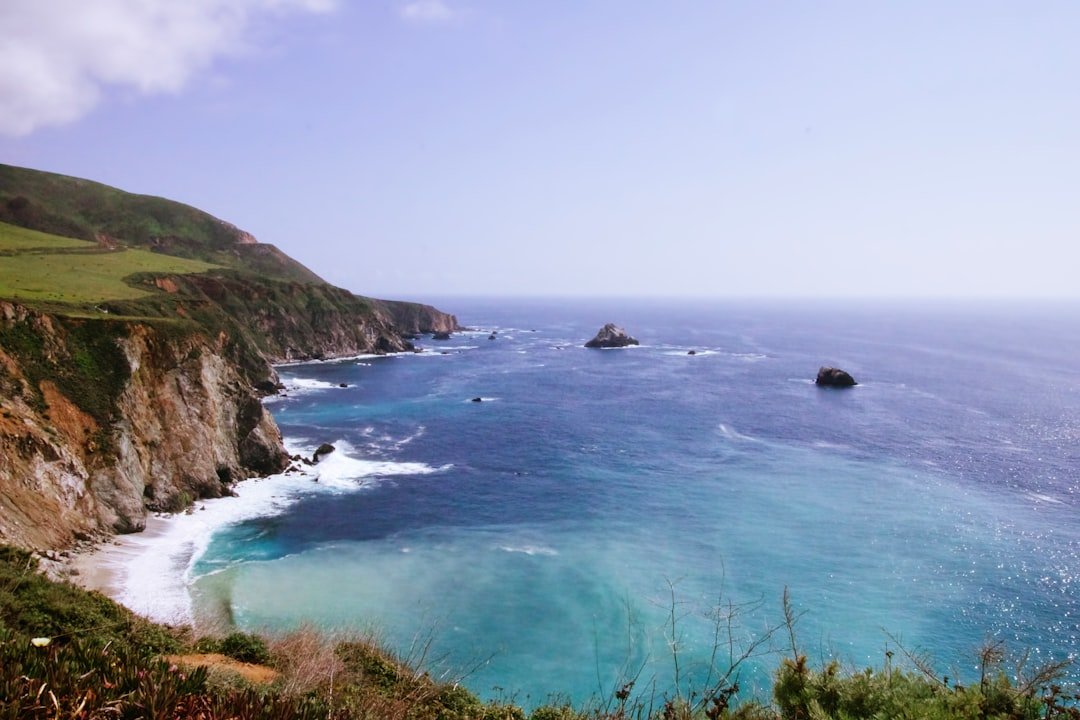
Prince Edward Island, Canada: Lucy Maud Montgomery’s Anne of Green Gables has created an entire tourism industry, but beyond the commercial attractions, you’ll find the red sand roads, wooden covered bridges, and Victorian farms that inspired the story. Visit Montgomery’s birthplace in Cavendish, explore the actual Green Gables farm, and walk the coastal trails where Anne found her “scope for imagination.” The island’s slow pace makes it perfect for reading and reflection.
New England Literary Trail: Massachusetts, New Hampshire, and Maine form a triangle of American literary history. Start in Concord at Walden Pond (Thoreau), visit Orchard House in Concord where Louisa May Alcott wrote Little Women, then head north to Salem (Nathaniel Hawthorne) and Emily Dickinson’s home in Amherst. In Maine, you can explore the settings for Stephen King’s IT and The Body (both set in fictional Derry, based on Bangor). This region rewards slow travel—stay in historic inns, visit working libraries, and spend time in the landscape that shaped American letters.
Literary Travel on a Budget
Some of the best literary experiences are completely free. Walking tours of author neighborhoods, browsing in independent bookstores, reading in parks where scenes took place—these cost nothing but deliver the most authentic connections. Many cities offer self-guided literary walking maps available online or at tourist information centers.
Save money by visiting places during their off-season. Not only will you avoid crowds, but you’ll often see destinations as authors experienced them—quieter, moodier, more reflective. Consider shoulder season travel to places like Olympic National Park in Washington, which inspired countless nature writers and offers misty, atmospheric landscapes perfect for literary contemplation.
Budget-friendly accommodation options often align perfectly with literary travel. Hostels, guesthouses, and bed-and-breakfasts in historic districts put you within walking distance of book-related sites. You’ll meet fellow travelers who share your interests, and innkeepers often have fascinating local knowledge about literary connections you won’t find in guidebooks.
Creating Your Own Literary Itinerary
The most satisfying literary trips balance structured planning with spontaneous discovery. I create a framework of must-see locations (the actual house where an author lived, the café where a pivotal scene takes place) but leave plenty of time for wandering. Some of my best discoveries have happened when I’ve gotten lost and stumbled upon a plaque, statue, or view that connects to my book in unexpected ways.
Consider timing your visit with literary festivals or author events. Many destinations host annual celebrations of their famous writers—the Hemingway Days in Key West, the Tennessee Williams Festival in New Orleans, the Word on the Street festival in Toronto. These events give you access to scholars, enthusiasts, and locals who can deepen your understanding of the place’s literary heritage.
Build in downtime for reading and reflection. Literary travel isn’t just about sightseeing—it’s about experiencing places through the lens of story. Schedule unhurried mornings in cafés where you can read the book on location. Take long walks without destination. Visit local bookstores and ask staff for recommendations about regional authors you might not know. The goal is immersion, not just checking boxes.

Digital Tools for Literary Travelers
Technology has transformed literary tourism in wonderful ways. GPS-guided walking tours can take you through neighborhoods while narrating relevant passages from books. Augmented reality apps can show you what locations looked like during the author’s time. Social media connects you with fellow literary travelers who share tips, discoveries, and recommendations in real-time.
But remember: technology should enhance, not replace, direct experience. I’ve seen travelers so focused on capturing Instagram-perfect shots of literary landmarks that they never actually look up and absorb the atmosphere. Use your phone for navigation and photos, then put it away and engage directly with the place.
Download offline maps before your trip in case you’re in remote locations with poor service. Many literary destinations are in rural areas or historic districts with spotty coverage. Having reliable navigation ensures you can focus on the experience rather than worrying about getting lost.
Solo Literary Travel vs. Group Trips
There’s a special intimacy to traveling alone with a book as your companion. You set your own pace, follow unexpected detours, and spend hours reading in cafés without feeling rushed. Solo literary travel gives you complete freedom to follow your curiosity wherever it leads. I’ve spent entire afternoons in a single library archive, wandered until I found the exact view from a description, or struck up conversations with locals because I wasn’t on anyone else’s schedule.
However, group literary travel has its advantages. Expert guides provide historical context you’d miss on your own. You’ll access private locations not open to individual tourists. And there’s something magical about sharing recognition moments with fellow enthusiasts who gasp at the same time you do when you realize, “This is it! This is exactly where that scene happened!”
For extended travel, consider a hybrid approach: join a structured tour for the highlights, then stay a few extra days for solo exploration. You’ll get both expert knowledge and independent discovery.
Responsible Literary Tourism
As literary travel grows in popularity, we have to consider our impact on the communities and locations we visit. Many beloved literary destinations are small towns, rural communities, or fragile environments that can’t handle mass tourism. Practice responsible travel by visiting during shoulder seasons, staying locally-owned accommodations, and spending money in independent businesses.
Respect private property. Just because an author wrote about a specific house or farm doesn’t mean it’s open to tourists. Always seek permission before entering private land, and stick to public areas when in doubt. Some literary sites are actively working farms, family homes, or businesses that welcome respectful visitors but have boundaries.
Support local bookstores, libraries, and cultural institutions. These are the guardians of literary heritage and often operate on slim budgets. Buying books, paying admission fees, or making donations ensures these places survive for future generations of literary travelers. When you pack light with compression packing cubes and hanging toiletry bags, and travel thoughtfully, you’re protecting the very landscapes and communities that inspire the stories you love.

Making Literary Travel Your Own
The beauty of literary travel is that it’s deeply personal. What moves me might not resonate with you, and vice versa. The key is following your own readerly passions rather than chasing trending destinations. Maybe you’re obsessed with mystery novels and want to visit the real villages that inspired Agatha Christie’s England. Perhaps poetry calls to you, and you’re drawn to the landscapes of Mary Oliver or Robert Frost. Or maybe contemporary fiction sets your imagination alight, and you want to explore the neighborhoods featured in recent bestsellers.
Start small. You don’t need to fly across the ocean for meaningful literary travel. Begin with local authors who wrote about your region, then gradually expand outward. A day trip to a nearby town that features in a beloved novel can be just as rewarding as an international pilgrimage. The goal isn’t distance but depth of connection.
Document your journey in ways that work for you. Some travelers keep elaborate journals with sketches and quotes. Others create photo essays mapping fictional routes onto real geography. Still others write their own stories inspired by the places they visit. There’s no right or wrong approach—only what enriches your relationship with both the book and the place.
Starting Your Literary Travel Journey
Literary travel has transformed how I experience both books and destinations. I’ve learned that every landscape has its stories, and every story has its landscape. The most profound travel experiences happen when these two things converge—when you find yourself standing in a place that’s lived in your imagination for years, making the fictional suddenly and wonderfully real.
Choose a book that’s shaped you. Research its setting. Pack a copy, comfortable shoes, and an open mind. Then go. The literary world is waiting for you, not just on the page but in the streets, hills, shorelines, and neighborhoods that brought it to life. Your next great adventure might just be the one that’s been living on your bookshelf all along.