
Why Olympic National Park in Spring is Washington’s Best-Kept Secret
I’ll be honest: I almost didn’t visit Olympic National Park in spring. Like most travelers, I assumed Washington’s rain-soaked peninsula would be soggy, gray, and miserable until summer. But after spending a week there in late March, I discovered something that changed how I think about spring travel entirely. Olympic isn’t just tolerable in spring—it’s absolutely magical, with wildflower-carpeted meadows, thundering waterfalls at peak flow, and fewer crowds than you’ll find in almost any other national park during prime season.
What makes Olympic special is its insane diversity. You’ve got Pacific coastline, temperate rainforests, alpine meadows, and glacial peaks all within one park. In spring, each ecosystem comes alive in its own way. I watched Roosevelt elk calves testing their legs in the Hoh Rain Forest, saw wave-pounded beaches at Ruby Beach framed by storm clouds and sunbreaks, and hiked through snow-dusted trails in Hurricane Ridge with views that stretched forever. The best part? Summer was still weeks away, meaning I had these experiences mostly to myself.
The Perfect Spring Timing: When to Visit Olympic in 2026
Timing is everything at Olympic, and spring here is more nuanced than you might expect. The park is massive—nearly a million acres—and elevations range from sea level to 7,980 feet at Mount Olympus. This means spring arrives at different times across the park. I learned this the hard way when I arrived in mid-March expecting flowers everywhere, only to find Hurricane Ridge still buried under snow.
Here’s what I wish someone had told me: Low-elevation areas like the Hoh Rain Forest and coastal sections hit their stride in March and April. The rain is still frequent (it is a rainforest, after all), but temperatures are mild—40s to 50s Fahrenheit—and the crowds are nonexistent. By May, wildflower season kicks off in the river valleys, and you’ll start seeing trillium, bleeding hearts, and avalanche lilies carpeting the forest floor. Hurricane Ridge and other high-elevation areas typically don’t become fully accessible until late May or June, but that’s when the alpine wildflower show begins.
For 2026, I’d recommend aiming for mid-April to mid-May if you want the best balance: accessible trails, peak waterfalls, emerging wildflowers, and manageable weather. Just pack for rain—lots of it. I learned quickly that weather on the Olympic Peninsula can change from sunny to sideways rain in about 20 minutes, often multiple times per day.
Hoh Rain Forest: Spring’s Misty Paradise
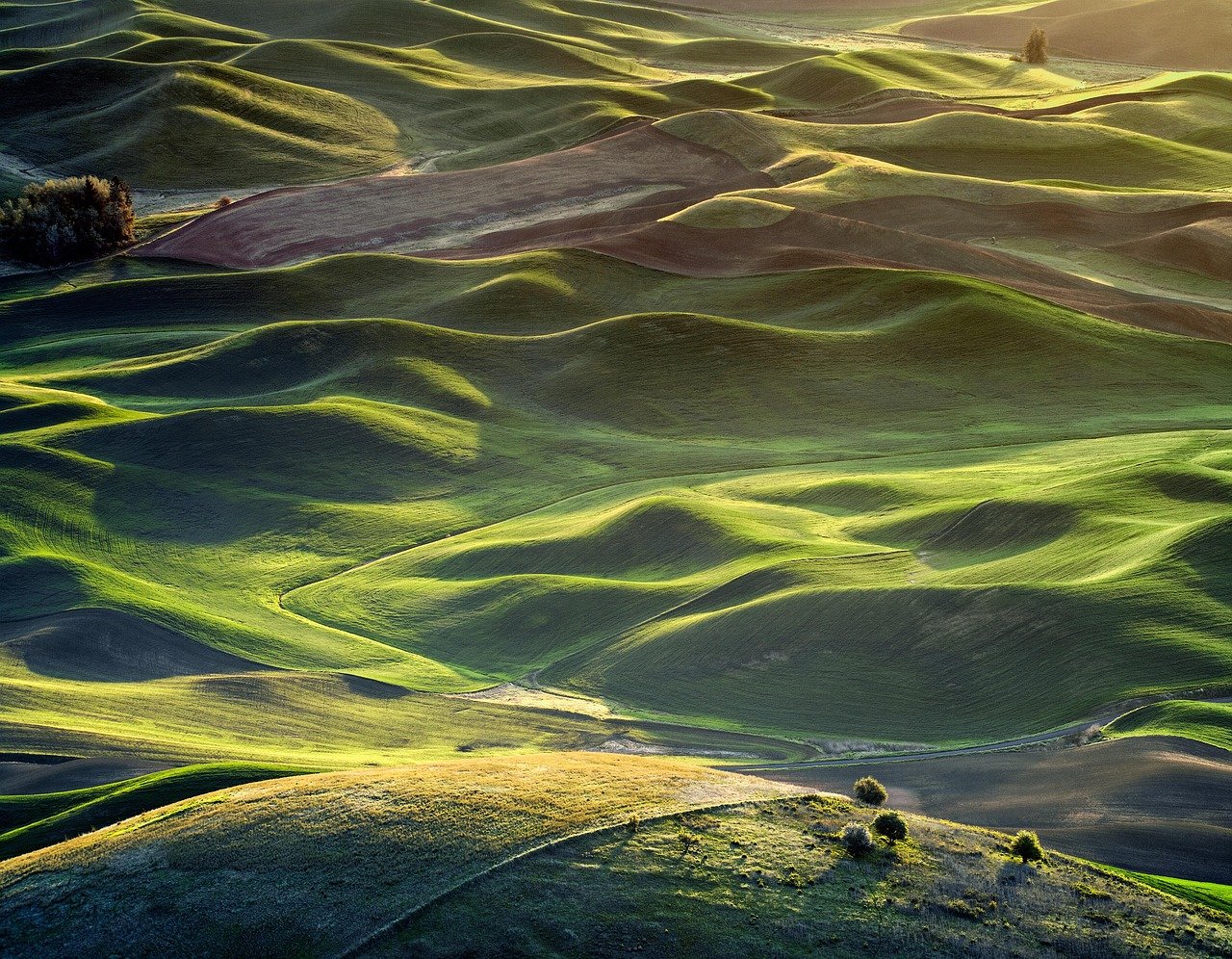
The Hoh Rain Forest is what most people picture when they think of Olympic—moss-draped maples, towering Sitka spruce, and that ethereal green light filtering through the canopy. In spring, this place feels otherworldly. I visited on a weekday morning in early April and had the Hall of Mosses Trail almost entirely to myself. The air smelled incredible—like wet earth, cedar, and something sweet I couldn’t quite identify.
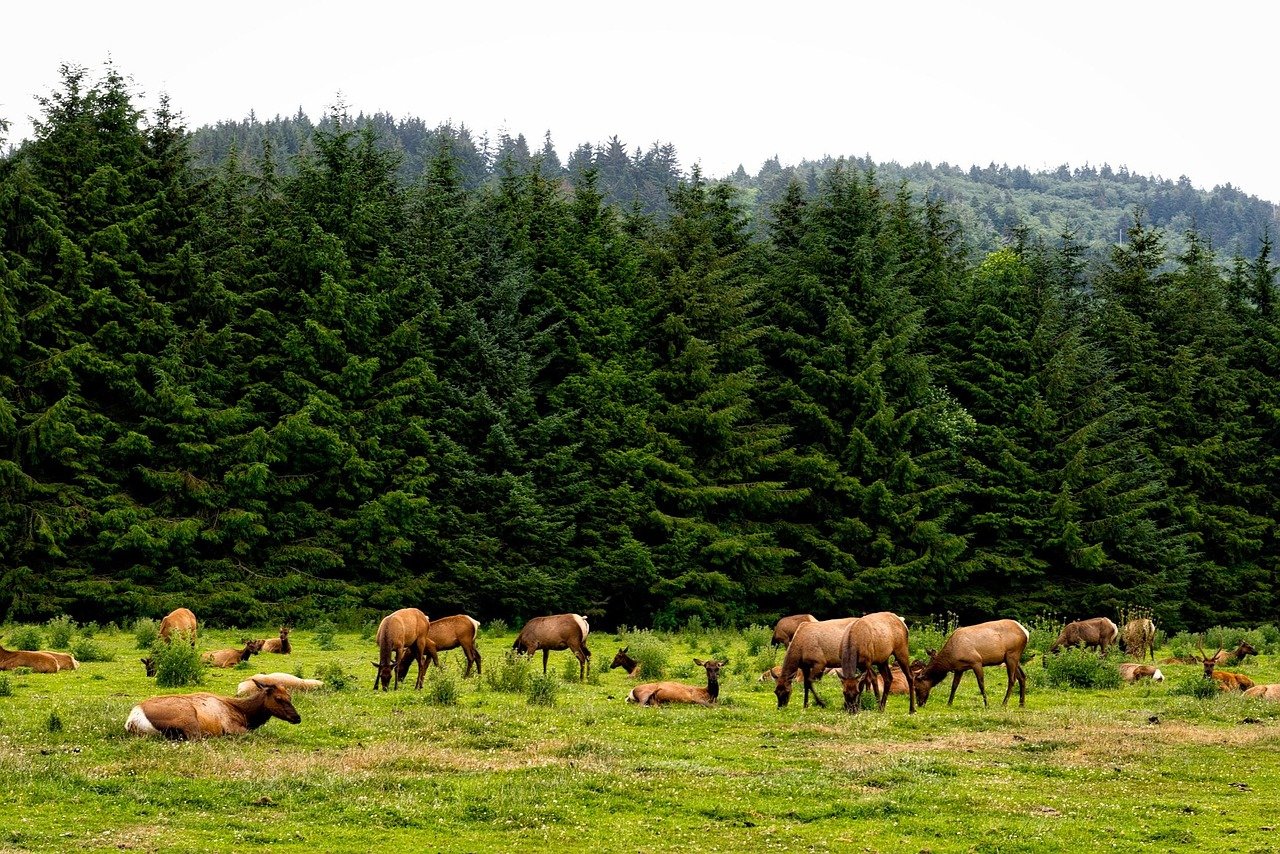
Spring in the Hoh is Roosevelt elk calving season, and I was lucky enough to spot a newborn calf still wobbly on its legs, protected by its watchful mother. I gave them plenty of space (always maintain at least 100 yards from wildlife), but watching from behind a tree was one of those travel moments that stick with you. The river valleys were lush with new growth, and every surface seemed to be dripping with moss or ferns. It’s quiet here, too—no wind in the dense canopy, just the sound of the Hoh River and occasional bird calls.
The trails here are flat and well-maintained, making them perfect for spring hiking when higher elevations are still snowed in. I did both the Hall of Mosses (0.8 miles) and Spruce Nature Trail (1.2 miles) in the same morning, then grabbed lunch at my campsite before heading out. Both trails are wheelchair-accessible and family-friendly, but don’t let the short distance fool you—this is some of the most spectacular old-growth forest you’ll ever see.
Coastal Wonders: Ruby Beach and Kalaloch
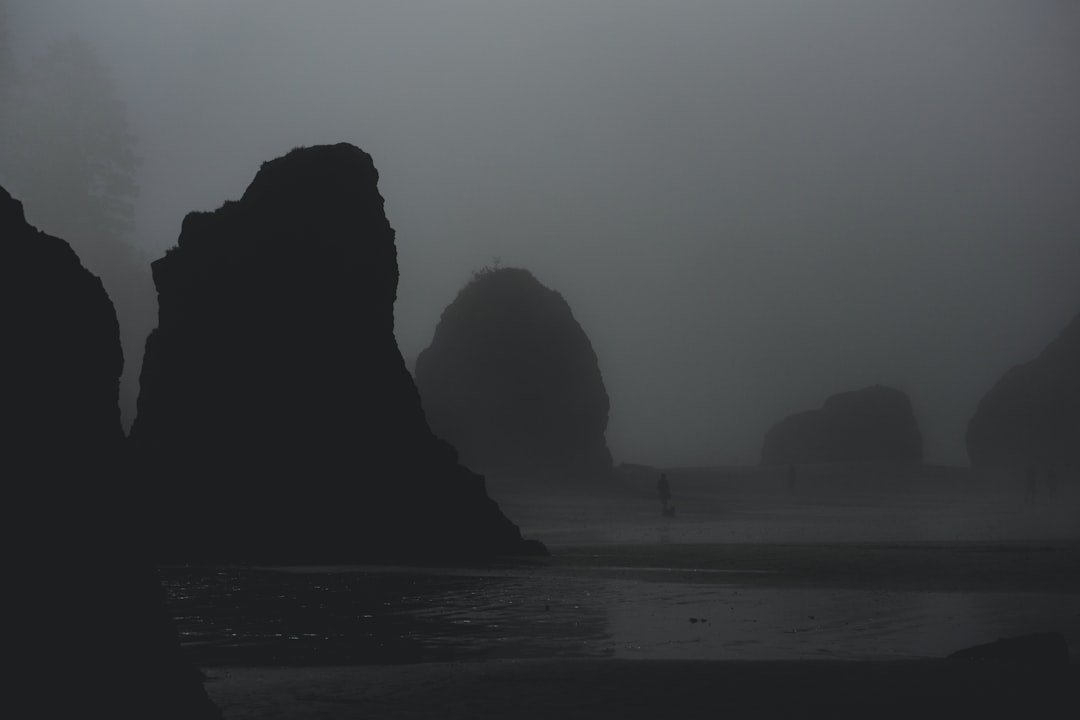
Olympic’s coastline is dramatic year-round, but spring adds an element of wild beauty that I found captivating. Storm season is winding down, but you still get those moody skies and crashing waves that make the Pacific Northwest so photogenic. Ruby Beach became my happy place—there’s something about sea stacks rising from the fog like ancient guardians that gets me every time.
I visited Ruby Beach at sunset on a Tuesday evening in April and shared it with exactly two other people. The tide was going out, revealing tide pools filled with purple sea stars, green anemones, and tiny crabs. I’d packed waterproof hiking boots and was glad for them—you’re wading through streams and scrambling over driftwood to get here. The offshore sea stacks, like famous Abbey Island, looked especially dramatic against the clouds, with shafts of sunlight breaking through here and there.
Kalaloch Beach, just a few miles south, offers easier access and the famous Tree of Life—a massive Sitka spruce clinging to life atop eroded bluffs, its roots exposed like tentacles. Spring is calmer here than winter, but you still want to respect the ocean. Sneaker waves are real, and I made sure to keep one eye on the water while exploring tide pools. I also picked up a Pacific Northwest tide pool guide before my trip, which helped me identify everything I was seeing.
The coastal areas of Olympic are some of the most accessible in spring, with maintained parking areas and relatively flat trails to the beach. Just factor in extra time for driving—roads here are slow, winding, and often bordered by massive trees.
Hurricane Ridge: Spring Skiing and Alpine Views
Here’s the thing about Hurricane Ridge in spring: it’s a gamble. The road to the ridge (17 miles from Port Angeles) typically closes due to snow from mid-December through late March or April, and even when it opens, you’re looking at a winter landscape. But if you time it right—and I got lucky in late April—the drive alone is worth the trip.
I woke up to clear skies in Port Angeles and decided to make the run up to Hurricane Ridge. The road climbs 5,200 feet in those 17 miles, and the views unfold dramatically with each switchback. About halfway up, I hit snow still lining the road, and by the time I reached the visitor area, everything was white. The contrast was wild: spring flowers blooming in the valleys below, but full-on winter at the top. People were actually cross-country skiing and snowshoeing while I was there in late April.
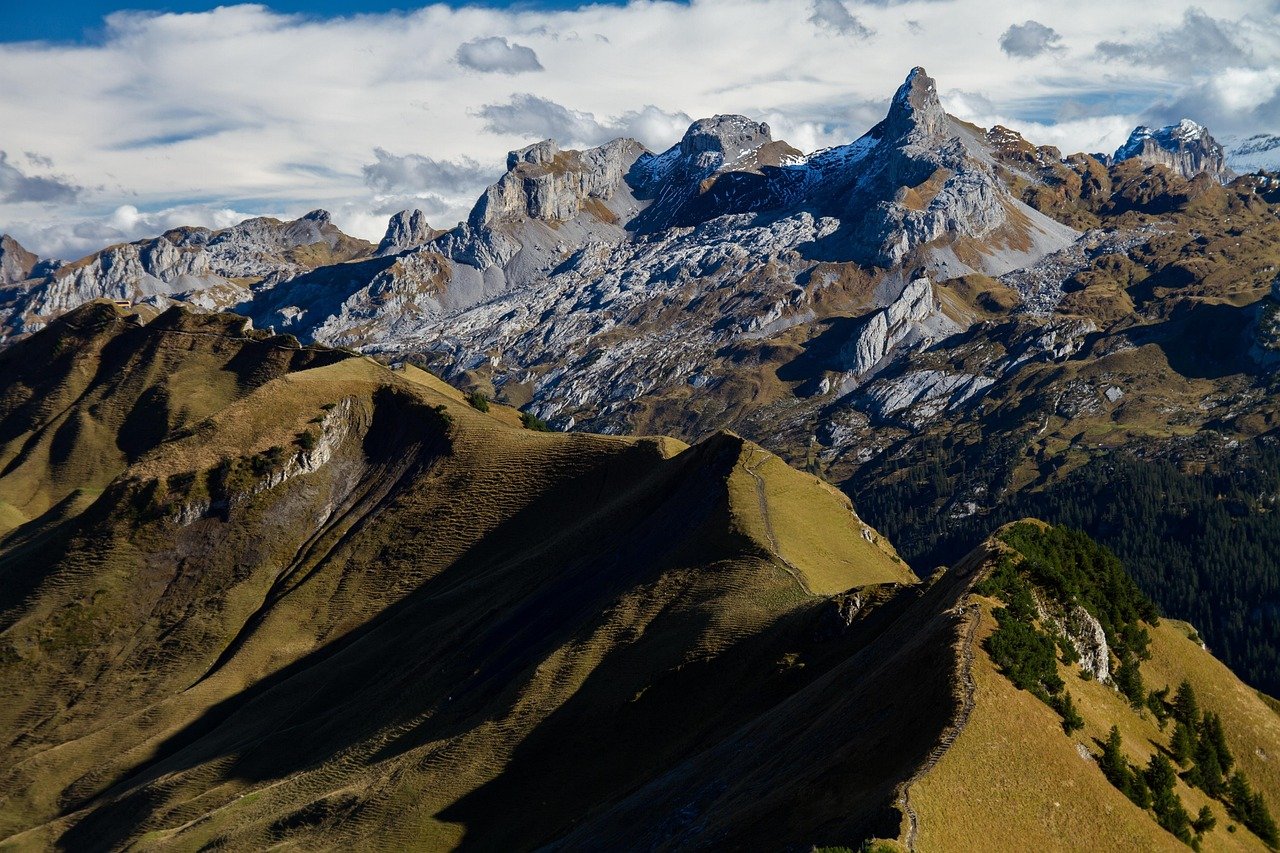
The views are absolutely unmatched. On a clear day, you can see the Olympic Mountains, Canada’s Vancouver Island, the San Juan Islands, and even the Cascade Range on the eastern horizon. I brought compact travel binoculars and spent an hour just watching the snow melt off distant peaks. If you’re planning to hike Hurricane Ridge in spring, check the National Park road status page daily and bring winter gear even if it’s April.
Several trails start from the Hurricane Ridge area, including the Hurricane Hill trail (1.6 miles round-trip) which offers even better views if there’s not too much snow. I brought collapsible hiking poles and was glad for them on icy sections. The wildflower show here happens later—typically June and July—but the snow-covered peaks against blue sky made for some of my favorite photos of the trip.
Sol Duc Valley: Hot Springs and Waterfall Magic
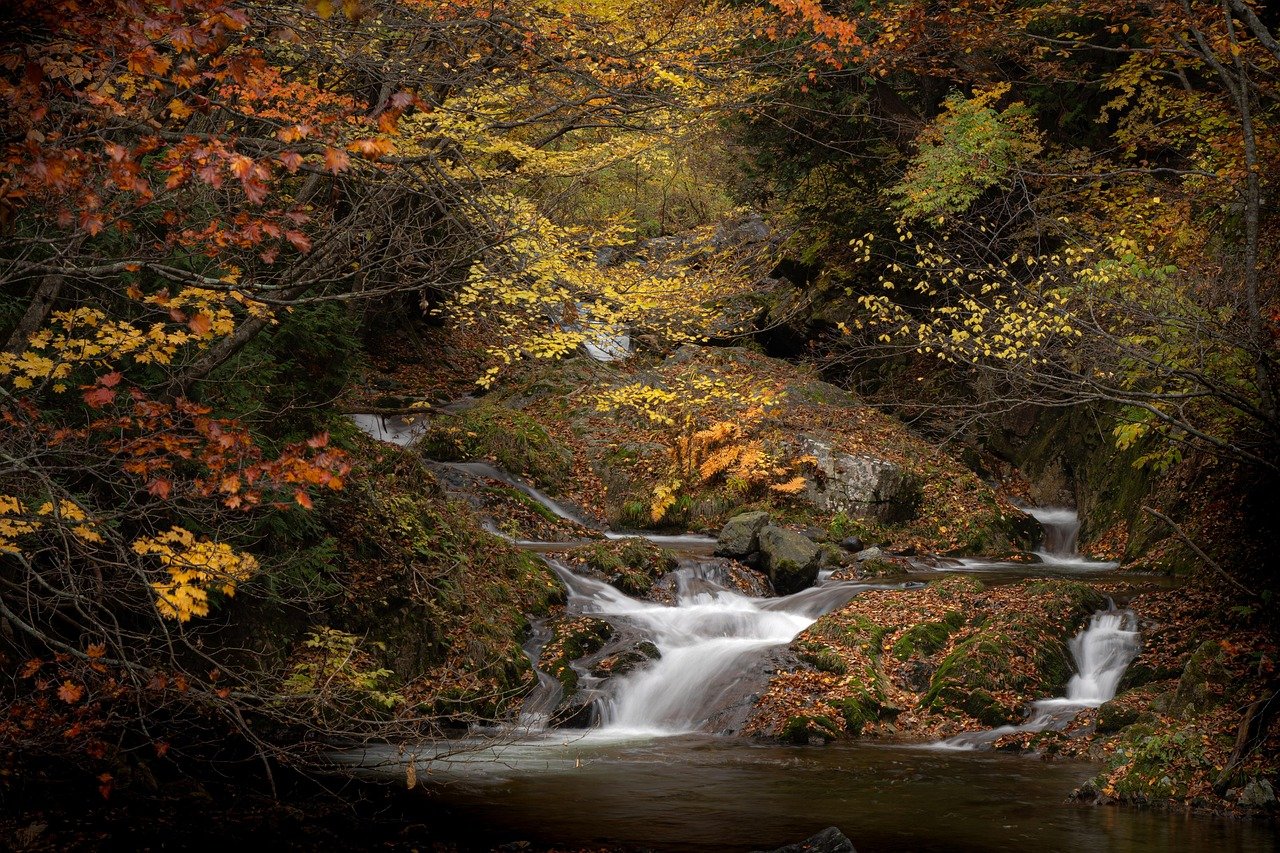
Spring is waterfall season at Olympic, and the Sol Duc Valley delivers in a big way. The Sol Duc River runs through a gorgeous valley that feels primeval—old-growth forest, massive trees, and that signature Olympic green everywhere you look. The crown jewel here is Sol Duc Falls, where the river splits around an island and plunges into a narrow gorge. I visited in mid-April when runoff was high, and the falls were absolutely thundering.
The trail to Sol Duc Falls is an easy 0.8 miles each way, and it passes through some spectacular forest. I counted over a dozen massive Western red cedars that were easily eight feet in diameter. Spring brings out the ferns here—sword ferns, deer ferns, and lady ferns create a waist-high carpet under the trees. The trail can be muddy in spring, so I wore waterproof boots and carried waterproof gaiters just in case.
The Sol Duc Hot Springs Resort is typically open from late March through October, and soaking in the mineral pools after a day of hiking is honestly the perfect way to end a spring day. The resort offers three soaking pools at different temperatures, plus a freshwater pool. I didn’t stay overnight—cabins book out months in advance—but even a day pass was worth it. There’s something surreal about sitting in 100°F water while surrounded by snow-capped peaks and dripping rainforest.
If you’re feeling ambitious, the Sol Duc area connects to the larger trail network, including the challenging climb to Marmot Pass (7.8 miles round-trip, 3,500 feet of elevation gain). That one’s probably best left until summer, but in late spring, you can at least access the lower trail sections. I hiked about two miles up the trail before hitting consistent snow and decided to turn back—always better to be safe than stupid in the backcountry.
Crescent Lake and Lake Ozette: The Other Spring Side
Most visitors focus on the Hoh, Hurricane Ridge, and the coast, but Olympic has two other areas that shine in spring: Lake Crescent in the north and the Ozette area in the northwest. Both offer something a little different from the main attractions and see significantly fewer crowds.
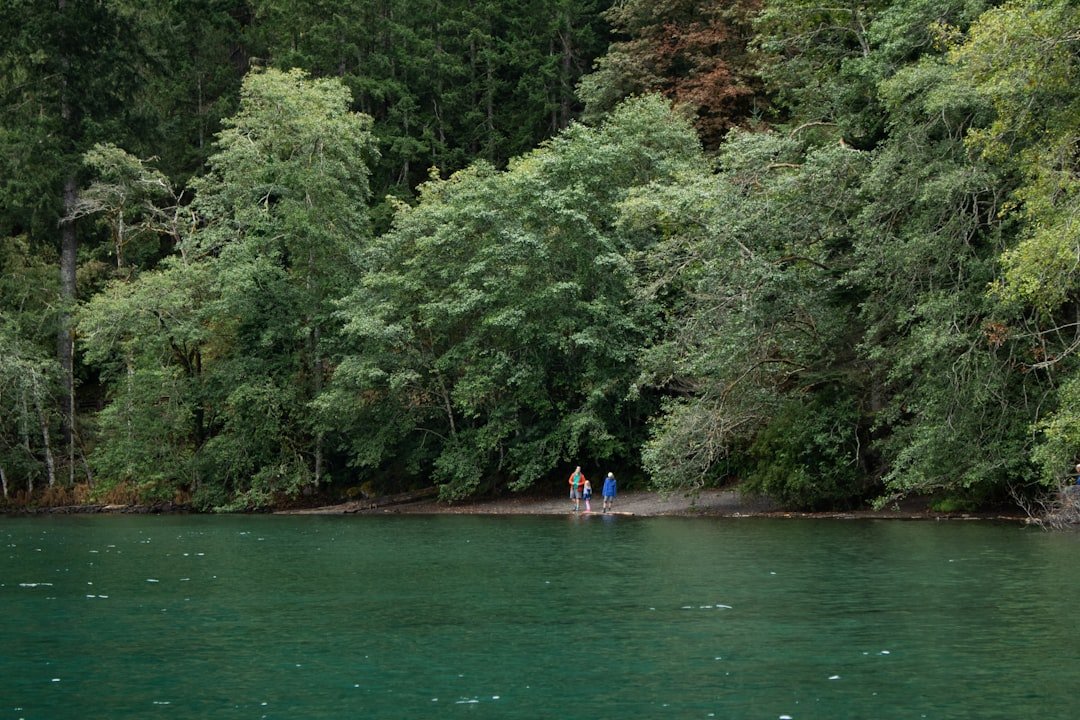
Lake Crescent is impossibly clear and deep—officially 624 feet at its deepest point—and surrounded by steep mountains. In spring, the lake takes on this incredible blue-green color that photographs can’t quite capture. I drove the scenic loop around the lake (part of the famous Olympic Peninsula road trip route) and stopped at the Storm King Ranger Station for the short hike to Marymere Falls (1.8 miles round-trip). The falls were pumping with spring runoff, and I had the trail entirely to myself on a Wednesday morning.
Lake Crescent Lodge typically opens in late March or April, and even if you’re not staying there, the restaurant serves a mean breakfast with views across the lake. I brought a travel thermos and filled up with coffee before heading out for a day of hiking—nothing beats sipping hot coffee while watching mist rise off an alpine lake.
The Ozette area is the most remote part of the park—it takes about three hours to drive there from Port Angeles—but the payoff is worth it. Ozette is where the rainforest meets the ocean, connected by boardwalk trails that feel like walking through a fairy tale. The Ozette Loop trail (3.3 miles round-trip) takes you through coastal forest to Cape Alava, where you can see ancient petroglyphs at Wedding Rocks during low tide. Spring brings gray whales migrating past the coast, and I spotted several spouts from the beach.
Practical Tips for Your Olympic Spring Adventure
After a week of exploring Olympic in spring, I learned a few things that would have made my trip even better. First and foremost: pack for all seasons. I experienced everything from sunny 60°F days to sideways rain and near-freezing temperatures at elevation. A quality waterproof rain jacket is non-negotiable—I used mine every single day.
Clothing-wise, I went with layers: a moisture-wicking base layer, insulating mid-layer, and waterproof shell. The temperature can swing 30 degrees between low elevations and Hurricane Ridge, so being able to add or remove layers is crucial. I also packed rain pants and was glad for them on several wet trail days. Synthetic or wool materials only—cotton kills, as they say, and spring in Olympic is wet enough that hypothermia is a real risk if you’re unprepared.
Footwear is just as important. I wore waterproof hiking boots and used merino wool socks to keep my feet dry and blister-free. Gaiters were helpful for muddy trails, and I brought lightweight camp shoes to change into at the end of the day. Trust me: nothing feels better than taking off wet boots and slipping into dry, comfortable shoes at camp.
For navigation, I downloaded offline maps since cell service is virtually nonexistent in the park. I carried both GPS and paper maps—National Geographic’s Olympic map is excellent—and marked key trailheads before losing service. The park is huge, and it’s easy to take a wrong turn on forest service roads. I also brought a portable power bank to keep my phone charged for photos and emergencies.
Camping in spring requires extra preparation. Many campgrounds don’t open until May or June, so check the NPS campground status page before you go. I stayed at Fairholme Campground on Lake Crescent (open year-round, first-come first-served) and loved it, but arrived early on a Tuesday to snag a spot. If you’re tent camping, bring a waterproof footprint and a quality rainfly—spring storms can roll in quickly.
Bear safety is real here. Olympic is home to both black bears and the occasional grizzly (though grizzlies are extremely rare). I stored all food in bear-resistant canisters and never cooked near my tent. The park requires food storage on the coast and strongly recommends it everywhere else. I also carried bear spray and knew how to use it—you should too.
Where to Base Yourself: Spring-Friendly Towns
Olympic National Park surrounds the peninsula but doesn’t have a single entrance town. Where you stay depends on what you want to see. I split my time between Port Angeles (closest to Hurricane Ridge) and Forks (gateway to the Hoh Rain Forest and coast), and this strategy worked well.
Port Angeles is the largest town near the park and offers the most services. I found excellent local restaurants, gear shops, and multiple lodging options. It’s also where you’ll pick up supplies before heading into more remote areas. From here, you can easily reach Hurricane Ridge, Lake Crescent, and the Elwha Valley in a day. I stayed at a local motel and found it perfectly comfortable—nothing fancy, but clean and affordable.
Forks is smaller but perfectly positioned for the Hoh Rain Forest, coastal beaches, and the Sol Duc Valley. It’s also famously the setting for the Twilight books (which gave me a good laugh), but there’s more to this town than vampire fiction. I stocked up on groceries here before heading into the Hoh, and the local visitors center has excellent trail condition updates. Forks gets more rain than anywhere else in the lower 48 states—averaging 120 inches annually—so expect wet weather even in spring.
For a completely different vibe, consider staying in Sequim or Port Townsend on the northeast side of the peninsula. Sequim sits in the “rain shadow” and gets significantly less rain than the rest of Olympic—maybe a good option if you’re craving sunshine. Port Townsend is a Victorian seaport with great food and history, though it’s a longer drive to most park attractions. I didn’t stay in either town but heard good things from other travelers.
Making the Most of Your Spring Olympic Adventure
Spring at Olympic National Park isn’t for everyone. If you want guaranteed sunshine, dry trails, and bikini weather, come in July or August. But if you’re like me—if you crave solitude, raw natural beauty, and that feeling of having a place almost entirely to yourself—spring is absolutely magical.
I left Olympic after a week feeling refreshed and inspired in a way that only true wilderness can provide. I saw things I’ll never forget: a newborn elk taking its first steps in a rainforest dripping with dew, waves crashing against sea stacks under moody skies, snow-covered peaks viewed through alpine meadows just starting to green up. And the quiet—spring at Olympic is profoundly quiet, broken only by wind, water, and wildlife.
The key is flexibility. Spring weather here is unpredictable, and road closures can change your plans. I built extra days into my itinerary specifically for this reason and was glad I did. When Hurricane Ridge was closed, I explored the coast instead. When rain poured for two days straight, I hiked in the Hoh Rain Forest (because hey, it’s always wet there anyway). Every detour turned into an unexpected adventure.
So pack your rain gear, bring your sense of adventure, and head to Olympic in spring. You might get wet, you might get cold, and you’ll almost certainly face some unplanned detours. But you’ll also experience one of America’s most diverse national parks at its most authentic and wild. And honestly? That’s worth a little rain.
2 thoughts on “Olympic National Park in Spring: Why It’s Washington’s Best-Kept Secret for 2026”