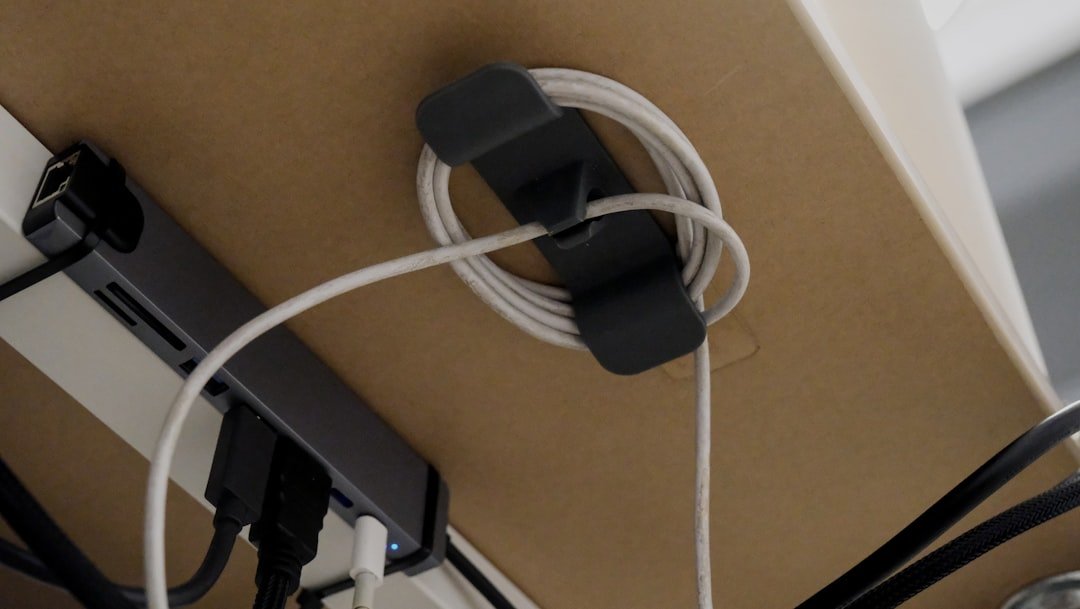
I’ve been there—standing at airport security, frantically untangling a rat’s nest of charging cables while the line behind me grows longer. Or worse, arriving at my destination only to realize I left a critical charger behind because it was buried somewhere in the depths of my carry-on. After years of travel mistakes and missed connections, I’ve learned that proper cable management isn’t just about being organized—it’s about travel sanity.

The modern traveler carries more electronics than ever: smartphones, tablets, laptops, noise-canceling headphones, smartwatches, portable chargers, and cameras. That’s a lot of gear, and even more cables to keep it all powered. After testing dozens of organizers on trips across four continents, I’ve discovered that the right tech organizer transforms travel chaos into calm efficiency.
Why Cable Management Matters for Travelers
Beyond the obvious frustration of tangled cords, poor cable management creates real travel problems. I’ve missed urgent work emails because my charging cable was hopelessly knotted. I’ve paid absurd airport markup prices for replacement chargers I couldn’t find in my bag. And I’ve spent precious vacation time hunting down cables in hotel rooms instead of exploring.
Proper organization protects your expensive gear too. Cables crammed into bags with sharp objects like keys or pens can develop frayed insulation and broken connectors. I learned this the hard way when a bent Lightning cable stopped working mid-trip, leaving me with a dead phone and no way to navigate unfamiliar streets.
Comfort travel accessories and organized tech go hand in hand—when your gear is sorted, you can focus on enjoying the journey instead of managing mess.
Types of Tech Organizers: Finding Your Perfect Match
Not all cable organizers are created equal. Through extensive testing, I’ve identified several distinct styles, each suited for different travel needs and packing preferences.
Hard Shell Cases
These durable, zippered cases feature molded elastic loops and dedicated compartments for each device. I love hard shell organizers for business travel—they protect gear from suitcase impacts and keep everything visible at a glance. The downside? They’re rigid and don’t compress when space is tight. I use a hard shell case for shorter trips when I know exactly what electronics I’ll need.
Hard shell tech cases offer maximum protection but sacrifice some flexibility. Look for water-resistant models if you travel to humid or rainy destinations.
Soft Pouch Organizers
Soft fabric cases with internal dividers strike a balance between protection and packability. They’re lighter than hard cases and conform to available space in your bag. I’ve found these ideal for backpacking trips when every ounce counts. The best models feature waterproof coatings and reinforced stitching at stress points.
Cable Sleeves and Wraps
Minimalist travelers swear by these simple solutions. Elastic sleeves or velcro wraps bundle cables together without adding bulk. They’re incredibly lightweight but offer zero protection. I use cable wraps for day trips when I’m carrying only a phone charger and earbuds. For anything more complex, I need a proper organizer case.
Roll-Up Organizers

These clever organizers feature multiple pockets that lay flat and roll up for storage. When unrolled, everything is visible and accessible. They’re perfect for digital nomads who set up mobile workspaces in coffee shops or hotel rooms. I’ve used roll-up organizers extensively during extended remote work trips, and they make transitioning from suitcase to workspace seamless.
What to Look for: The Organizer Buyer’s Checklist
After testing over 20 organizers across various travel styles, I’ve identified the features that actually matter on the road:
Size and Capacity
Be realistic about what you carry. I used to buy organizers big enough for every cable I owned, then fill them with unnecessary gear “just in case.” Now I match organizer size to trip length and purpose. Weekend trips get a small pouch; two-week international adventures get the full-sized case. Measure your essential devices before buying—nothing worse than an organizer that’s too small for your laptop charger.
Material Quality
Travel is tough on gear. Look for ripstop nylon, ballistic fabric, or water-resistant coatings. Zippers should be smooth and sturdy—I prefer YKK zippers, which rarely fail. Elastic loops should feel tight, not stretched out. Cheap organizers seem like a bargain until they fall apart mid-trip.
Durable, waterproof organizers cost more but save money in the long run by protecting your valuable electronics investment.
Internal Layout
The best organizers balance structure with flexibility. I look for a mix of elastic loops (for cables), mesh pockets (for small items like SD cards), and dedicated sections (for larger items like power banks). Avoid overly specific layouts—if every slot is sized for a particular device, you’ll end up with wasted space. My favorite organizers have configurable dividers that I can adjust based on what I’m packing.
Accessibility
This is crucial. How easy is it to retrieve items without unpacking everything? Some organizers I’ve tested require complete unzipping and dumping to access a single cable—terrible design. The best allow me to see and grab what I need while the case stays partially closed. Dual-zipper designs are ideal for this.

My Tested Recommendations: By Travel Style
For Business Travelers
Business trips demand organization and professional presentation. I recommend compact hard shell organizers that protect gear during frequent suitcase handling. Look for models with dedicated laptop and tablet compartments—keeping work devices separate from personal electronics helps with airport security screenings. Business-focused organizers should also accommodate presentation accessories like HDMI adapters and portable mice.
For Backpackers and Adventure Travel
Weight and durability are paramount. Soft pouch organizers with reinforced construction are ideal—they take abuse but don’t add ounces. I prefer compact models that fit into a daypack for side trips. Avoid anything with hard shells or bulky padding; instead, look for organizers with multiple compartments that keep items from jostling during rough travel. Waterproofing is non-negotiable for adventure travel—rain and river crossings happen.
For Digital Nomads
As someone who’s worked remotely from cafés in Bangkok to Airbnbs in Barcelona, I need organizers that transition seamlessly from travel bag to workspace. Roll-up organizers are my top choice—they lay flat next to my laptop, keeping everything visible and accessible. Large capacity is essential since I’m traveling with my entire office. Look for models with cable management systems that allow devices to remain plugged in while stored—no more constantly plugging and unplugging when moving work locations.
For Minimalist Travelers
If you’re practicing one-bag travel with quality travel backpacks, every cubic inch matters. Small soft pouch organizers or cable sleeves are perfect—just big enough for essentials but not so large they encourage overpacking. I use a minimalist organizer that holds my phone charger, earbuds, and one backup cable. Anything else, I don’t need. The key is ruthless culling—do you really need three charging cables for a weekend trip?
Packing Strategies: How to Organize Like a Pro
The right organizer is only half the battle. How you pack it matters just as much. Here’s my streamlined system:
Sort by Frequency of Use
I pack items in reverse order of when I’ll need them. In-flight essentials like headphones and charging cables go in outer pockets for easy access. Items for my destination (HDMI adapters for hotel TVs, extra batteries for day trips) go deeper. This simple strategy eliminates the “dig through everything to find one thing” problem.
Color-Code Your Cables
This game-changer came from a fellow digital nomad. I use colored cable ties to mark cables by device type: red for phone, blue for laptop, green for camera. Now I can grab the right cable at a glance without tracing it back to the device. It’s especially helpful in low-light situations like airplanes or dim hotel rooms.
Label Everything
Multiple similar cables? Label them. I use a label maker to mark cable length and purpose on small tags tied to each cord. “6ft USB-C – Laptop” tells me everything I need to know. This prevents the frustrating game of “is this the long cable or the short one?” when I’m rushing to pack.
Create Cable Kits
I organize by use case, not device type. My “work kit” contains laptop charger, HDMI adapter, and wireless mouse dongle. My “travel kit” has phone charger, international adapter, and portable battery. This modular system works great with compression packing cubes—keeping clothes compressed while tech stays organized. Day trip? Grab the travel kit. Working from a café? Take the work kit. No need to lug everything everywhere.
Use the “Taco” Fold
For loose cables, I use the taco fold: fold the cable in half, then in half again, then secure with a velcro tie. This compact bundle prevents tangling and makes cables easy to pack. It’s simple but incredibly effective—I haven’t had a knotted cable since adopting this method.
Maintenance: Keeping Your System Running Smoothly
An organizer is only as good as its maintenance. After each trip, I spend five minutes on upkeep:
- Test all cables: Plug in each cable and verify it works. Replace any that show wear or damage.
- Check connections: Inspect cable ends for fraying, bent pins, or loose connections.
- Clean the organizer: Empty everything out, shake out debris, and wipe down with a damp cloth.
- Update your inventory: Did you acquire new gear on this trip? Does it need a permanent place in your organizer?
- Restock consumables: Check battery levels on portable chargers, replace cable ties that are wearing out.
This routine prevents the “organizer full of broken junk” problem that I’ve seen so many travelers develop. Yes, it takes a few minutes, but it saves hours of frustration on future trips.
Budget vs. Premium: What’s Actually Worth the Money?

I’ve tested organizers ranging from $15 budget models to $80 premium cases. Here’s what I’ve learned:
Where to save: Basic soft pouch organizers and cable wraps. Simple designs don’t require premium materials. A $20 soft pouch works just as well as a $50 version for most travelers. Cable ties and velcro wraps are virtually identical across brands—buy the cheapest option.
Where to splurge: Hard shell cases and roll-up organizers. These complex items benefit from premium materials and better construction. Cheap hard cases crack; cheap roll-ups have uneven pockets that waste space. For these specialized organizers, invest in quality brands with solid warranties. Premium organizers last for years of heavy travel, making them cost-effective in the long run.
Common Mistakes to Avoid
In my years of travel tech experiments, I’ve made every mistake in the book. Learn from my failures:
Over-Organizing
I once created such a complex system of labeled, color-coded, zip-locked bags that packing became a multi-hour project. Sometimes, simple is better. Now I use one organizer per trip type, not one per device. Efficiency means finding the right balance between organization and simplicity.
Buying for Gear You Don’t Have
It’s tempting to buy organizers with slots for every gadget you might someday own. Don’t do it. Buy for what you actually use. Your future self will thank present you for not wasting money and space on hypothetical gear.
Ignoring Your Travel Style
A backpacker needs different organization than a business traveler. I used to carry the same bulky organizer for all trips, regardless of destination. Now I match organizer size and style to the trip. City hotel break? Compact pouch. Camping adventure? Rugged soft case. Tailor your system to how you actually travel.
Skipping the Test Run
Always test your organizer before a trip. Pack it exactly as you would for travel, then live out of it for a day at home. You’ll discover issues (can’t fit your laptop charger, hard to access earbuds) before they become travel emergencies. I learned this after arriving in Tokyo with an organizer that didn’t actually hold my camera charger—frustrating and expensive to replace.
The Bottom Line: Invest in Your Travel Sanity
After hundreds of thousands of miles traveled with gear ranging from minimalist to absurd, I’m convinced that proper cable organization is one of the highest-ROI travel investments. A good tech organizer costs $30-50 but saves hours of frustration, protects expensive electronics, and reduces travel stress significantly.
My current system—a combination of a medium hard shell case for essentials and a small soft pouch for day trips—has eliminated cable-related travel headaches almost entirely. I pack faster, find items quicker, and spend zero time untangling knots. That’s more time for exploring, working, or just relaxing instead of wrestling with cords.
Whether you’re a digital nomad living out of a backpack or a business traveler hopping between cities, there’s an organizer system that will transform your travel experience. Start with your actual needs, choose quality over quantity, and maintain your system between trips. Your future self—relaxed, organized, and fully charged—will thank you.