
Most visitors to Milwaukee see the lake the way they see it from a car window: a bright blue band on the eastern edge of everything, there and gone between buildings. Locals know better. The city’s lakefront is its front porch, and nowhere is that more true than in Bay View, the leafy south-side neighborhood where South Shore Park sits right on the water. On a clear afternoon you can stand on the promenade, watch mallards paddle through the shallows, and study the downtown skyline rising over the tree line a couple of miles north — all without spending a dollar or fighting a single crowd.
South Shore Park doesn’t make the glossy top-ten lists that Bradford Beach or the Art Museum campus do, and that’s precisely its appeal. It’s the kind of park where dog walkers outnumber tourists, where the yacht club sits comfortably beside a public boat launch, and where one of the most interesting pieces of environmental engineering in the city is hiding in plain sight, dressed up as a flower garden. Give it a slow afternoon and it will quietly become the thing you remember most about Milwaukee.
A Neighborhood Park With a Postcard Skyline
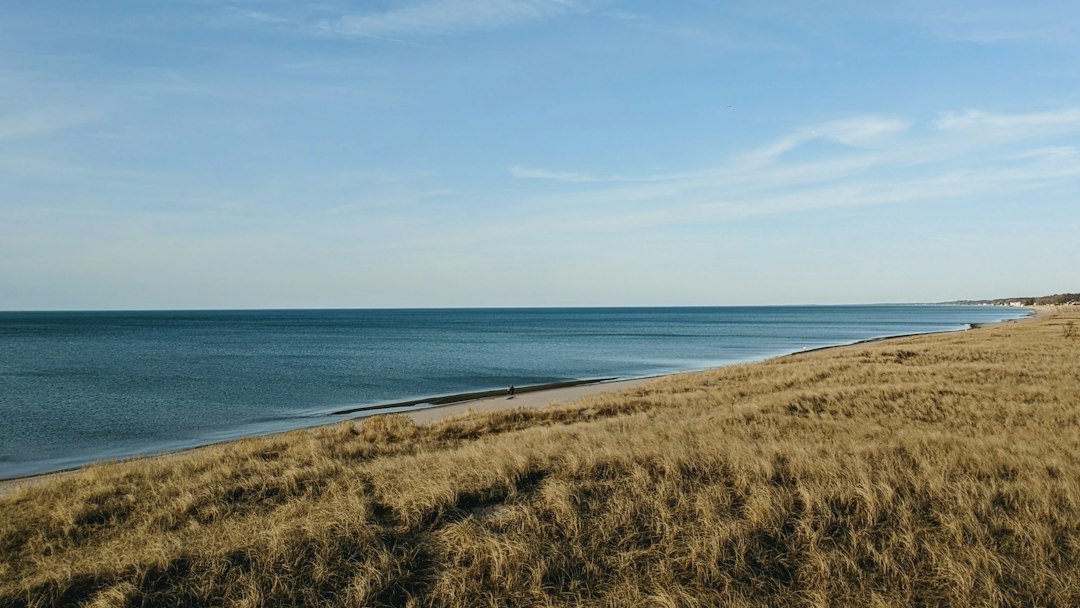
The first thing that strikes you at South Shore Park is the sheer width of the view. Lake Michigan stretches to the horizon like a second sky, and the curve of the shoreline frames downtown Milwaukee’s towers in the distance. Photographers set up along the riprap in the golden hour before sunset, when the skyline catches orange light and the water turns to hammered copper. It’s a reminder that Milwaukee is, above all else, a lake city — and this modest south-shore green space delivers one of the cleanest sightlines you’ll find anywhere in town.
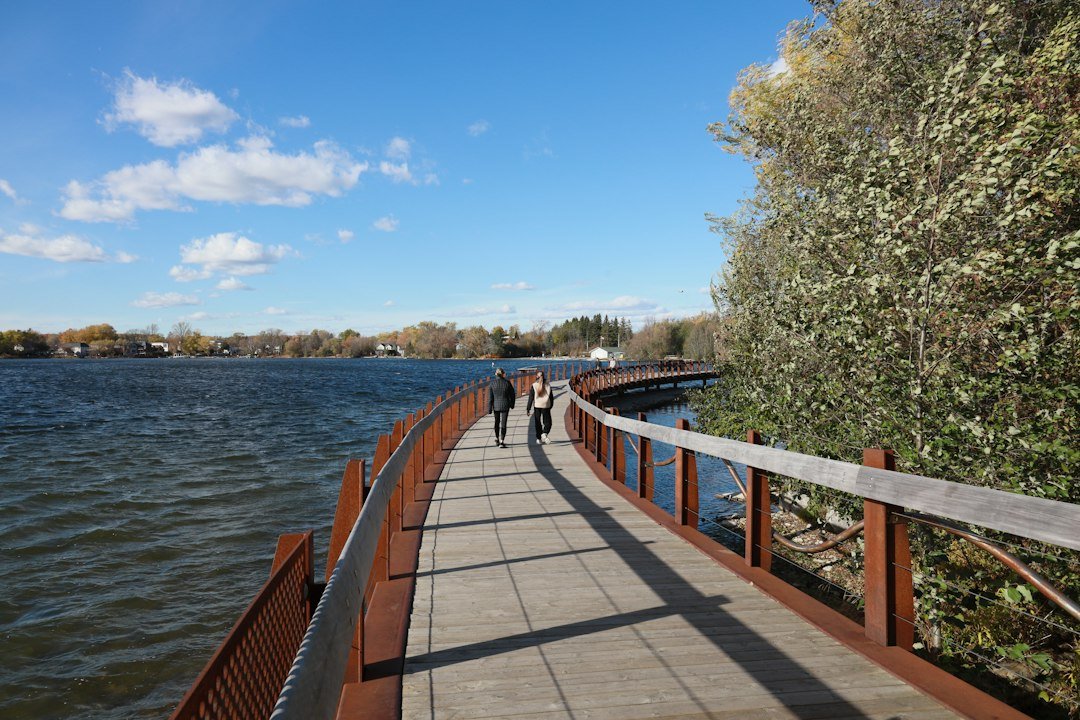
The park’s lawn rolls gently down from the neighborhood streets to a sand beach and a paved promenade, and the Oak Leaf Trail — the 125-mile paved network that loops through Milwaukee County — rolls right through it. That means you can arrive on foot or by bike from points north like the Third Ward or the harbor district, turning the park into one leg of a genuinely satisfying lakefront ride. Even in the shoulder seasons, when the wind coming off the lake has teeth, you’ll find runners, birders, and couples on the benches, all facing east.
If you want a full sense of how the park unfolds from the water’s edge — the yacht club, the marina, the garden, the whole sweep of shoreline in one rotating view — it’s worth spending a few minutes with this 360-degree tour filmed right on the promenade.
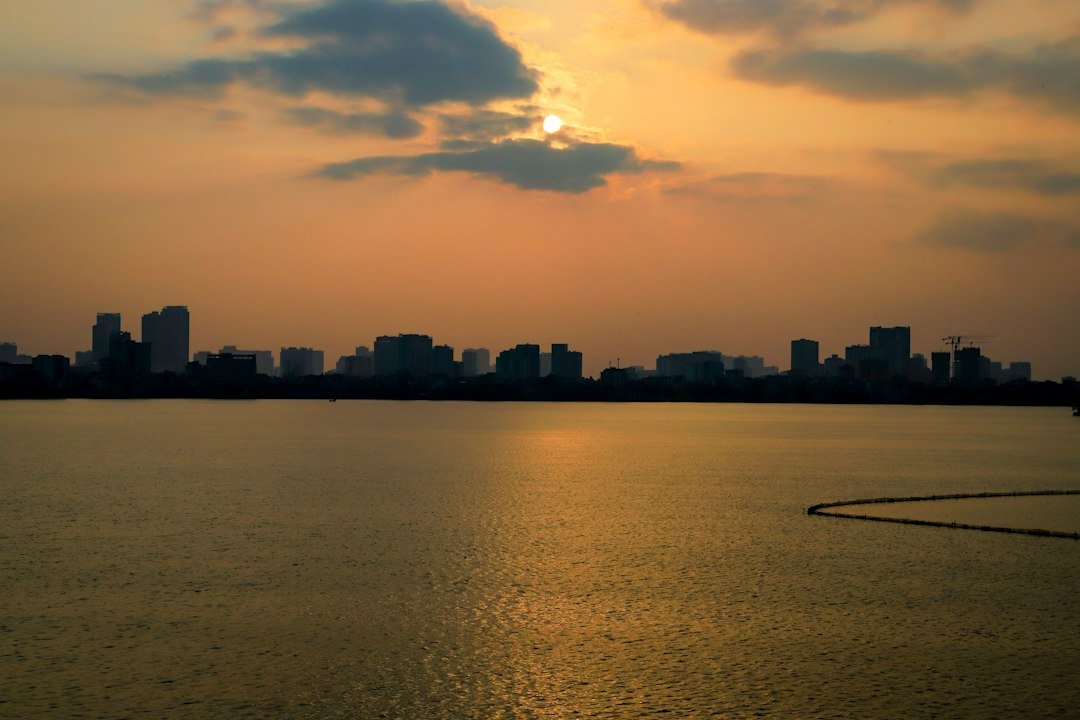
Plenty of people leave Milwaukee a little smitten with that skyline, and a surprising number take it home. A cityscape canvas of the Milwaukee skyline is a running joke among transplants for a reason, and if wall space allows, a multi-piece skyline print spreads the view across a whole living-room wall. Photographers, meanwhile, will appreciate how much a 360 camera changes lakefront shooting — an Insta360 X3 captures the skyline, the beach, and the marina in a single frame, no frantic panorama-swiping required.
The Rain Garden That Swallows a Storm
Here’s the part most visitors walk right past: tucked along the park’s edge is a rain garden covering roughly 7,500 square feet, planted with native species and engineered to absorb more than 100,000 gallons of stormwater at a time. When a summer downpour hits Bay View, the garden does exactly what it was designed to do — drinks the runoff that would otherwise sheet across pavement, pick up oil and debris, and dump it straight into Lake Michigan.

It looks like an ordinary drift of native flowers, all black-eyed Susans and swamp milkweed and tall grasses bending in the lake breeze. That’s the quiet genius of the design. Milwaukee has spent decades rethinking its relationship with water after decades of combined-sewer overflows fouled its rivers and beaches, and projects like this one — where green infrastructure does the work that pipes used to do — have become a signature of the region. The garden filters, it slows, it soaks. The lake a few yards away is cleaner for it.
Visit in late summer and the planting is at its loudest, humming with bees and monarchs working the blooms. It’s worth pausing on the path for a few minutes, if only because a stormwater basin this beautiful is a rare thing. Most cities hide infrastructure like this. Milwaukee planted it next to one of its best views and put a bench beside it.
Ducks, Gulls, and the Lake Michigan Flyway
The ducks are impossible to miss. Mallards patrol the calm water near the boat launch in loose squadrons, paired off in spring, trailed by ducklings in early summer, and joined by migrating cousins as the seasons turn. Lake Michigan sits beneath one of North America’s great migration corridors, and Milwaukee’s shoreline parks function as rest stops for waterfowl, warblers, gulls, and the occasional rarity that sends local birders sprinting for their cars.

Fall might be the most rewarding season here, when diving ducks and mergansers start appearing offshore and the rain garden’s seed heads feed flocks of goldfinches. You don’t need much gear to enjoy it, but a pair of compact binoculars fits in a jacket pocket and turns “some ducks out there” into a proper identification exercise. Birders who want to put names to everything will find a Birds of Wisconsin field guide pays for itself on the first visit — the state’s checklist runs past 400 species, and the lakefront in migration can produce a dozen duck species in a morning.
The Yacht Club and the Working Waterfront
The South Shore Yacht Club has anchored this stretch of coast for more than a century, and its white clubhouse and forest of masts give the park’s north end a distinctly maritime feel. There’s a public marina and boat launch alongside it, which keeps the waterfront from feeling exclusive — on any given Saturday you’ll see club racers heading out past the breakwater while families launch fishing boats from the public ramp next door.
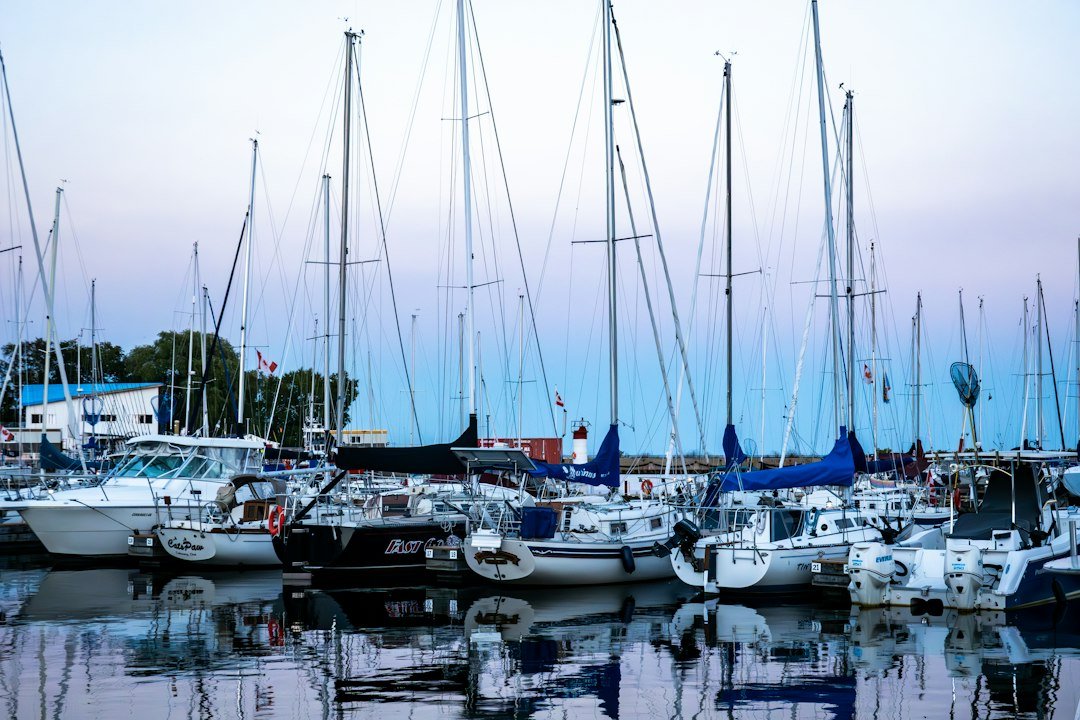
That mix of private club and public access is very Milwaukee. The city treats its lakefront as common ground, and even where yacht clubs and pavilions line the shore, the walking paths and beach belong to everyone. Anglers work the riprap for perch and salmon in season, and the county maintains the grounds with the same care it gives its marquee parks. At dusk, when the mast lights flicker on and the skyline glows to the north, the harbor feels about as far from a big city as a big city can feel.
How to Visit South Shore Park
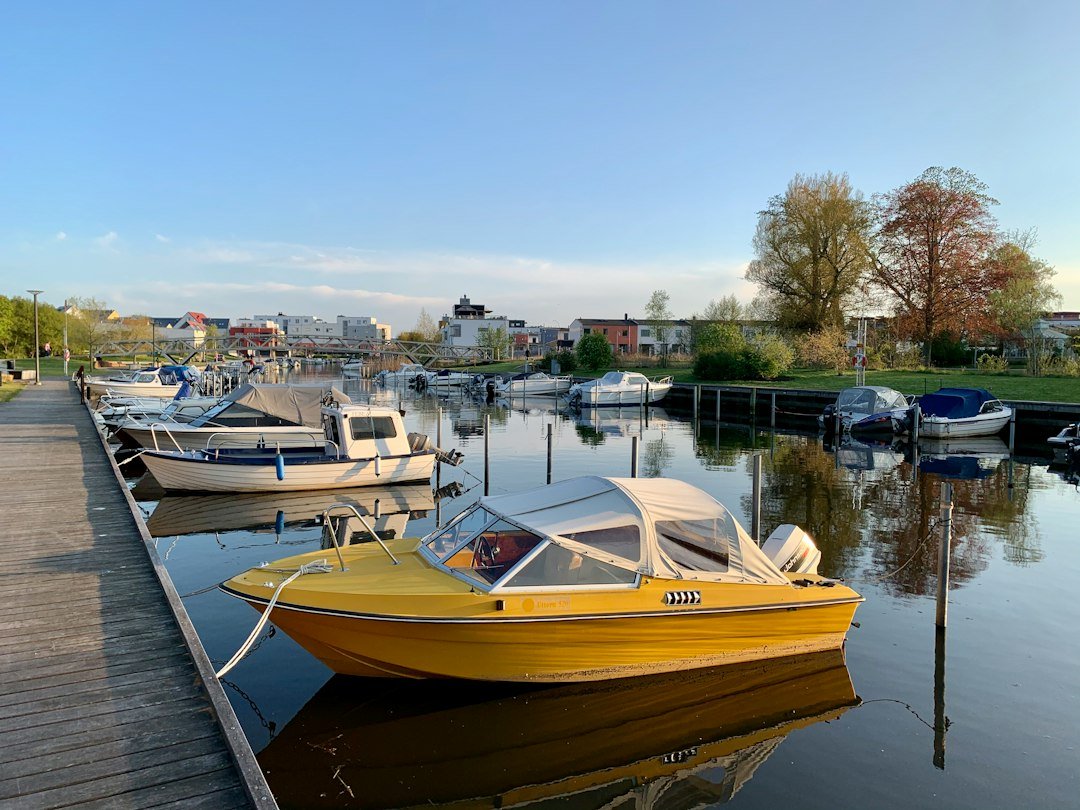
South Shore Park sits at the foot of Bay View’s walkable commercial streets, where coffee shops, taquerias, and old-school Polish bakeries share the same blocks. Street parking is easy, and the Oak Leaf Trail connection means a bike ride from downtown takes well under an hour along mostly off-street paths. The park itself keeps simple hours and a relaxed pace: a pavilion, picnic areas with reservable tables, restrooms in season, and a sand beach that stays pleasantly uncrowded even on warm weekends.
Pack like you’re staying a while. A waterproof picnic blanket is the single most useful thing you can bring — the lawn above the beach makes a fine picnic spot with skyline views, and lake breezes keep things comfortable even in July. Weather on this shoreline turns fast, so a lightweight packable rain jacket stuffed in a daypack has saved more than one lakeside afternoon. Anyone shooting photos or video will want a stable base for those low-light dusk frames; a selfie stick with a built-in tripod doubles as a pocket tripod, and if you travel with a 360 camera, a spare protective lens cap is cheap insurance against riprap and beach sand.
Timing matters less than you’d think. Summer weekends bring the beer garden and the busiest boat traffic; September and October trade them for migrating birds, empty benches, and sunsets that arrive at a civilized hour; and winter, for the hardy, delivers the dramatic sight of freshwater spray freezing onto the shoreline. Locals will tell you the sweet spot is a weekday evening in early fall — mild air, golden light, and a park that feels like it belongs entirely to you.
Making a Weekend of It
Milwaukee rewards a slow pace, and South Shore Park slots easily into a bigger Lake Michigan itinerary. North of the city, the Door County peninsula stacks lighthouses, cherry orchards, and quiet water onto a coastal drive that rivals any in the Midwest, and it’s an easy add-on from a Milwaukee base. Heading the other direction, Chicago sits ninety minutes south by car or train — close enough for a day trip built around the Obama Presidential Center and the city’s lakefront museums.
Lake lovers can keep circling the water, too — Wisconsin’s own shoreline connects to the grand Lake Superior loop, while farther north in Michigan, Mackinac Island after Labor Day delivers car-free streets and the same big-water horizons without summer’s crowds. And if your taste runs to dramatic shoreline drives, Minnesota’s North Shore route from Duluth to Grand Portage makes a fine bookend on the other side of the lake country.
But you don’t have to go anywhere, really. That’s the quiet argument South Shore Park makes from its bench at the edge of the continent. Somewhere to sit, water to watch, ducks to laugh at, a garden quietly drinking the rain — the ingredients of a good afternoon are stubbornly simple, and Milwaukee has arranged them beautifully on its south shore. Don’t wait for someday to go see it.