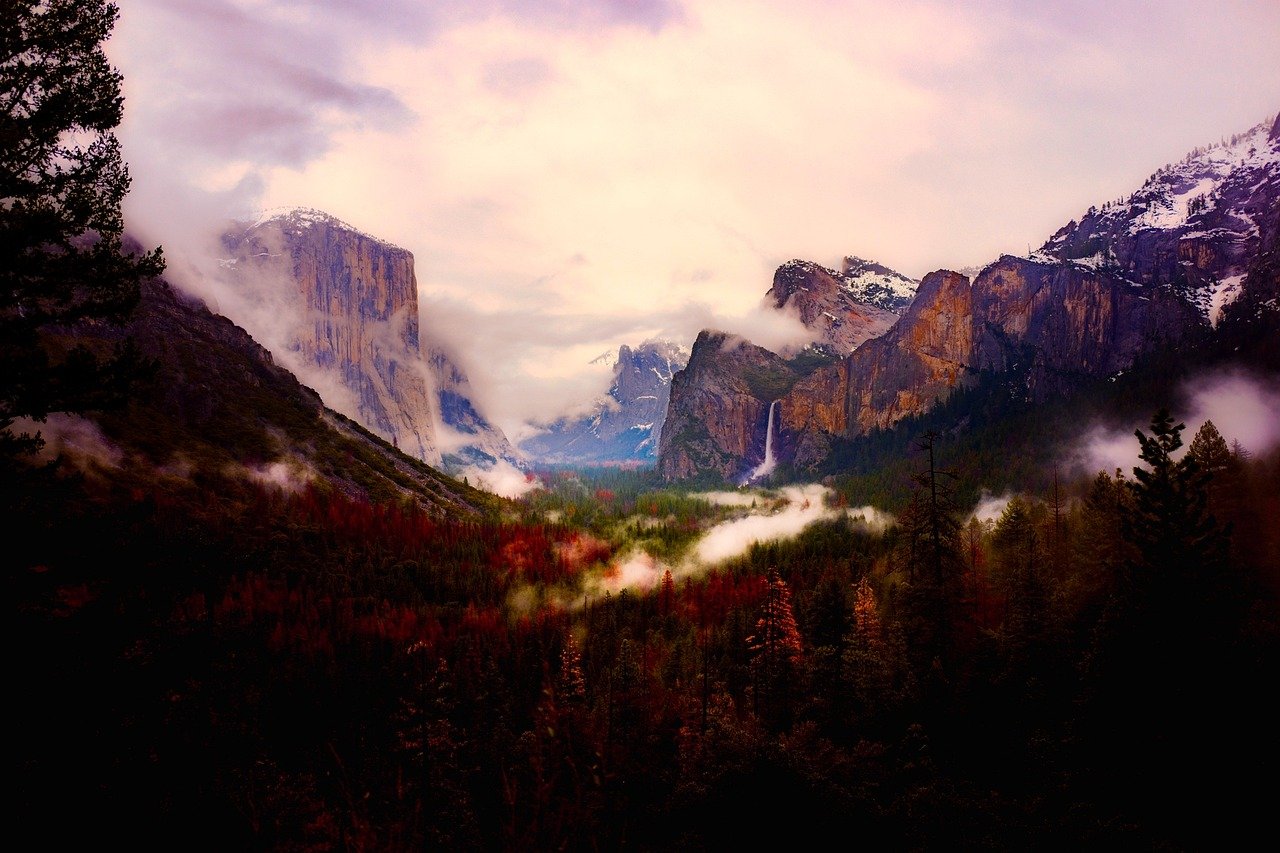
Why April is Yosemite’s Waterfall Magic Month
There’s a specific moment in spring when Yosemite Valley transforms into something otherworldly. I’ve visited in every season, but April hits different. The winter snowpack is melting, the valley floor is coming alive, and those granite walls that tower thousands of feet above you? They’re weeping – in the most spectacular way possible.
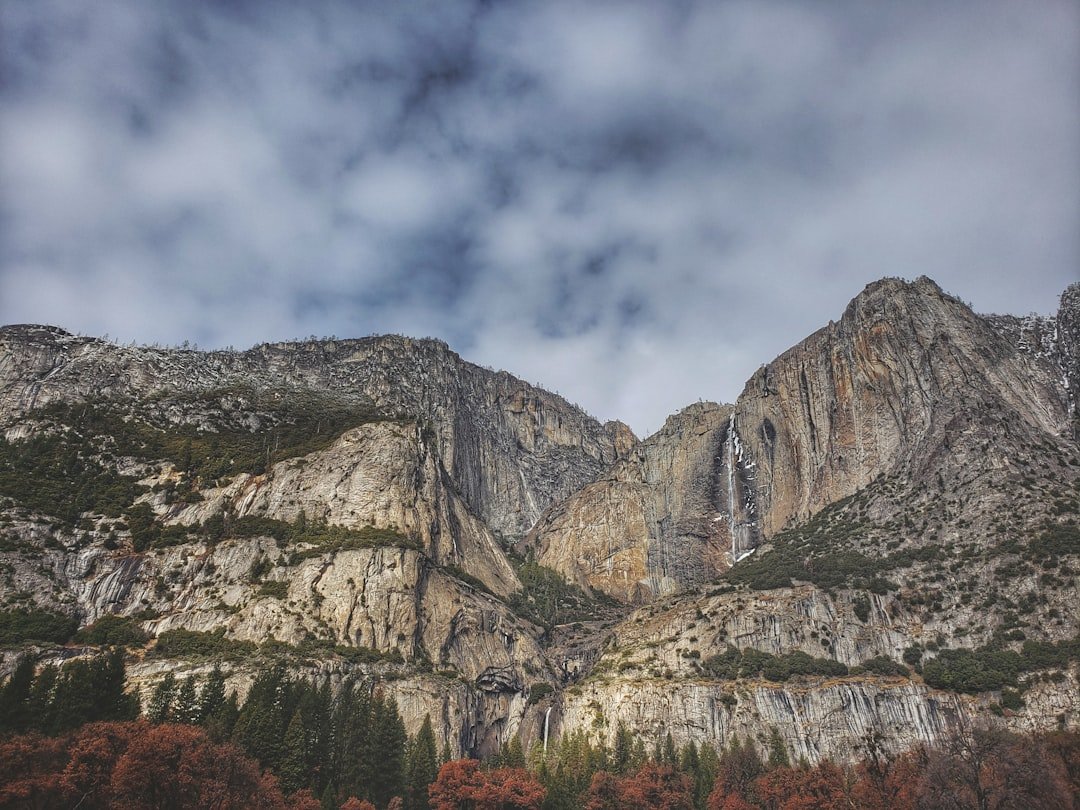
Last April, I stood at Valley View just after sunrise, watching Yosemite Falls ignite in golden light. The roar was so intense I could feel it in my chest. That’s when it clicked: April isn’t just good for waterfalls – it’s primetime. The falls are flowing at peak volume, the air is crisp, and the summer crowds haven’t descended yet. It’s this perfect, narrow window where everything aligns.
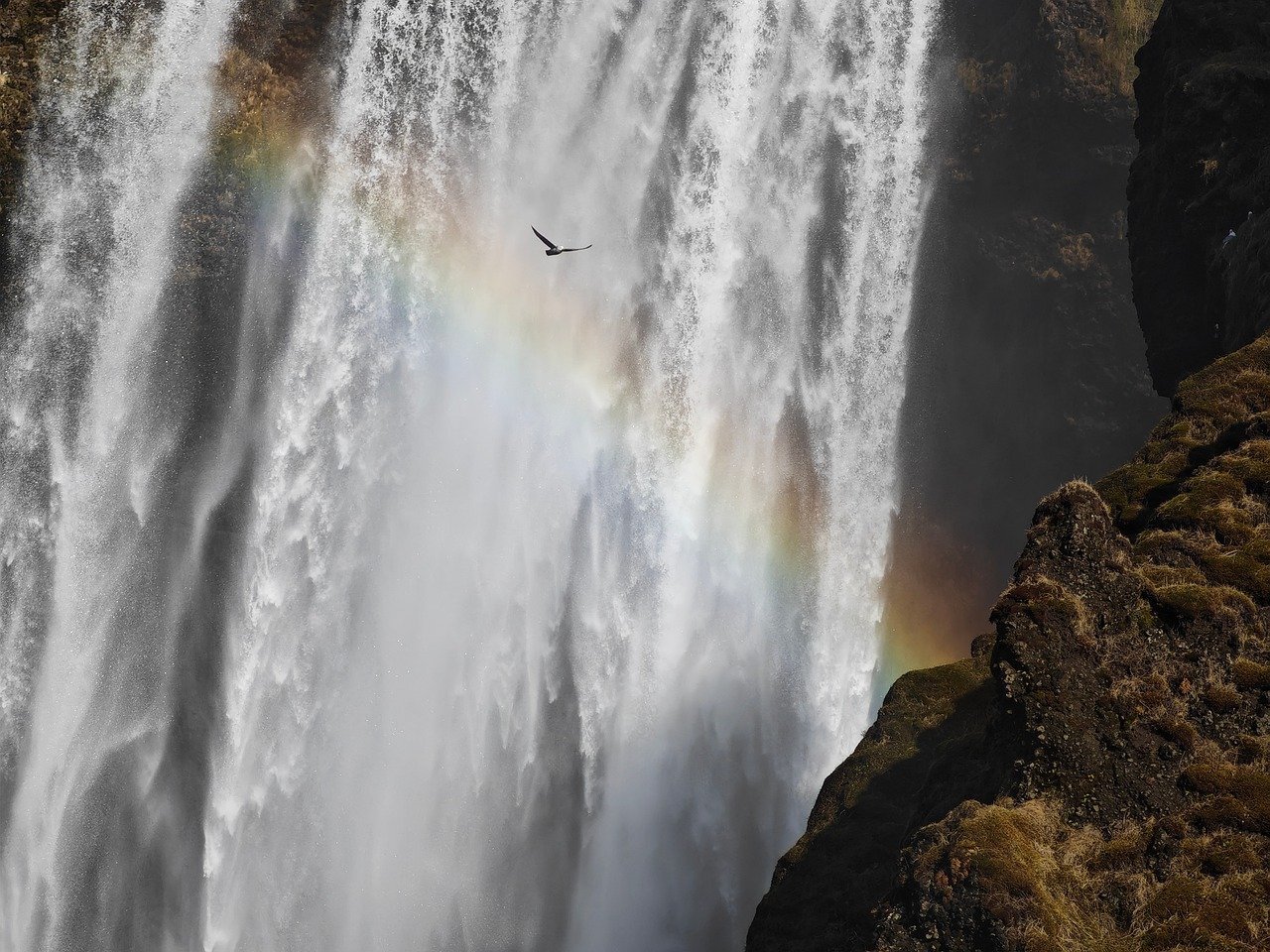
The Science Behind the Show
Here’s what makes April special: Yosemite’s waterfalls are snowmelt-fed, not spring-fed. That means they’re directly tied to the winter snowpack. When temperatures rise in April, all that snow locked in the high country starts melting, sending billions of gallons cascading over cliffs. Yosemite Falls alone can drop 2,400 feet in two leaps – and in April, it’s moving with serious force.
The park’s signature falls typically peak in May, but I’ve found April offers the sweet spot. You get maximum flow without the Memorial Day weekend chaos. Plus, the surrounding meadows are still that vibrant spring green, framed by dogwood blossoms. It’s ridiculous how photogenic the whole scene is.
Yosemite Falls: The Headliner
Let’s start with the main event. Yosemite Falls is actually three falls stacked – Upper Yosemite Fall (1,430 feet), the middle cascades (675 feet), and Lower Yosemite Fall (320 feet). Combined, it’s one of the tallest waterfalls in North America.
In April, the Upper Fall creates this constant mist that catches the light like a prism. I’ve spent entire mornings just watching it shift colors with the sun. The sound hits you before you even see it – this deep, thundering bass that resonates through the valley floor.
Best viewpoint: Valley View at sunrise. You’ll get the falls framed by the Merced River with El Capitan looming in the background. It’s the shot everyone wants, and April gives you the best chance of actually getting it (relatively) crowd-free.
The hike: If you’re feeling ambitious, the Upper Yosemite Fall trail is open year-round but gets dicey in winter. By April, most of the ice is gone, though you’ll still encounter some packed snow and serious mud. It’s a brutal climb – 2,700 feet of elevation gain in about 3.5 miles – but standing at the top while the waterfall thunders beside you? Worth every step. Just bring serious waterproof hiking boots and expect to be sweaty.
Bridalveil Fall: The Wind-Tamed Beauty
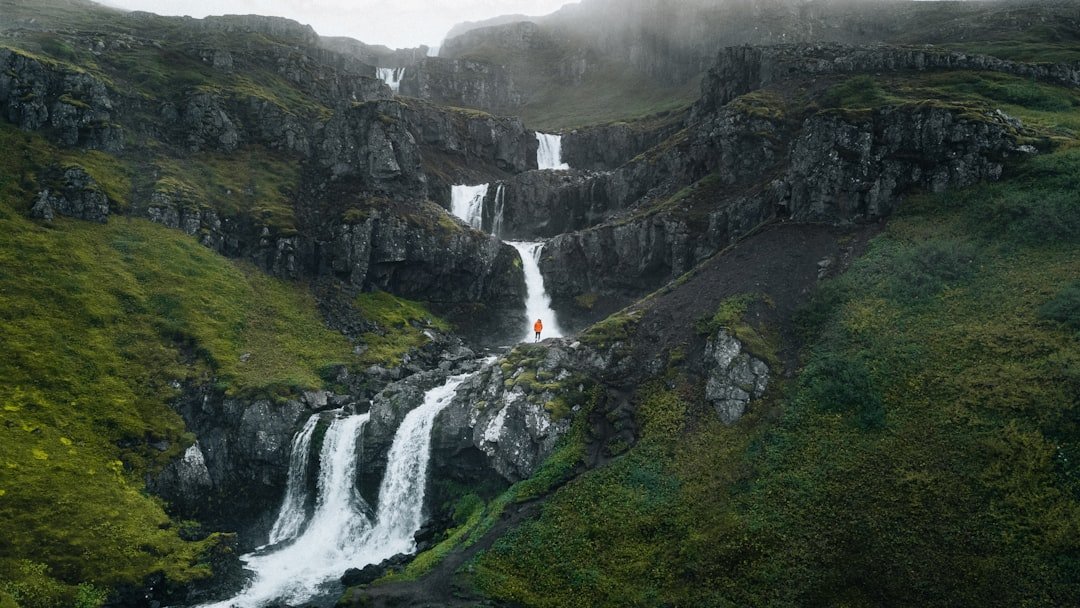
Bridalveil Fall is the first waterfall most visitors see, and it’s deceptive. At 620 feet, it looks delicate – this constant white ribbon dancing in the wind. But April is when it shows its true power. The flow volume increases dramatically, and if you catch it on a breezy day, the waterfall actually gets blown sideways.
I remember hiking to the base in mid-April last year. The spray was so intense it felt like walking into a rainstorm. Within minutes, everything I owned was soaked – and I was loving every second of it. There’s something primal about standing at the base of a waterfall that powerful.
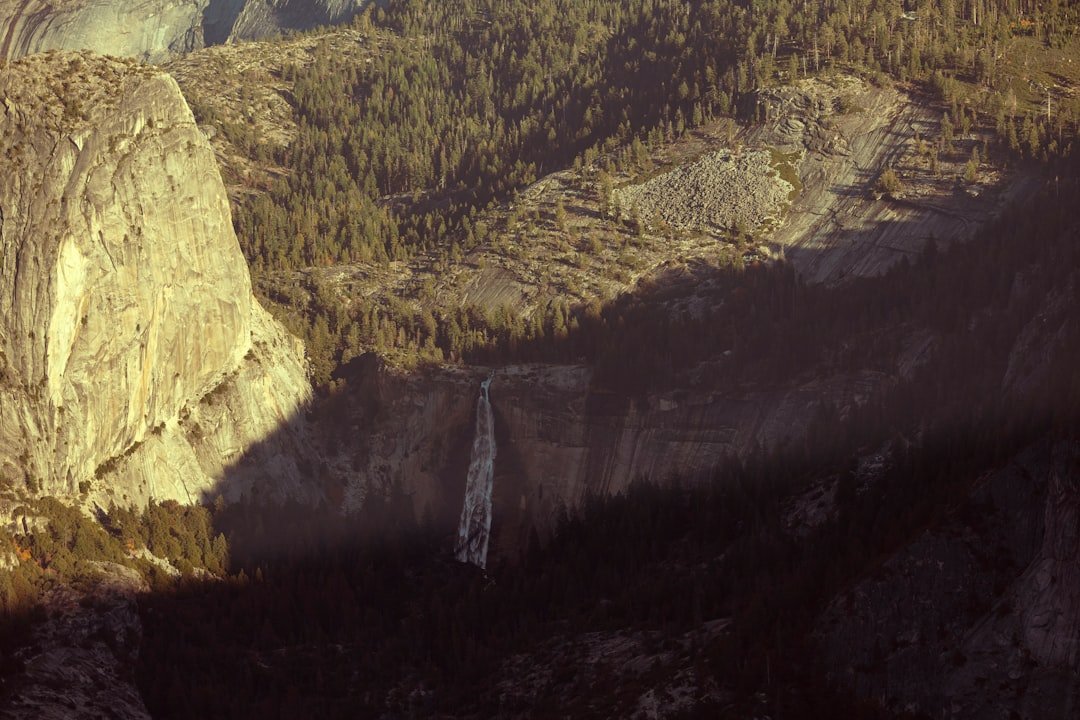
The access: The trail to Bridalveil Fall reopened in 2023 after major renovations, and it’s now fully accessible with a paved path. Even better, the new viewing areas give you multiple angles to work with. Pro tip: go early morning or late afternoon. Midday brings tour buses, and the viewing area gets packed.
The Mist Trail: Vernal and Nevada Falls
This is where April gets serious. The Mist Trail might be Yosemite’s most famous hike, and for good reason – you’re literally walking alongside (and sometimes through) a waterfall. In April, Vernal Fall creates such intense mist that the granite steps are perpetually slick, and you’ll get soaked even if it’s not raining.
Here’s the thing: the Mist Trail in April is an experience, not just a hike. You start at Happy Isles and climb roughly 600 stone steps to the top of Vernal Fall (317 feet). The sound is overwhelming. The mist is constant. And when you reach the top, looking down at the waterfall thundering over the edge? Absolutely unforgettable.
Continue another 2 miles and 700 vertical feet, and you’ll reach Nevada Fall (594 feet). The view from the top is ridiculous – you can see back down the canyon to Vernal Fall and across to Half Dome. April water levels mean Nevada Fall is at full roar, and the spray creates rainbows on sunny days.
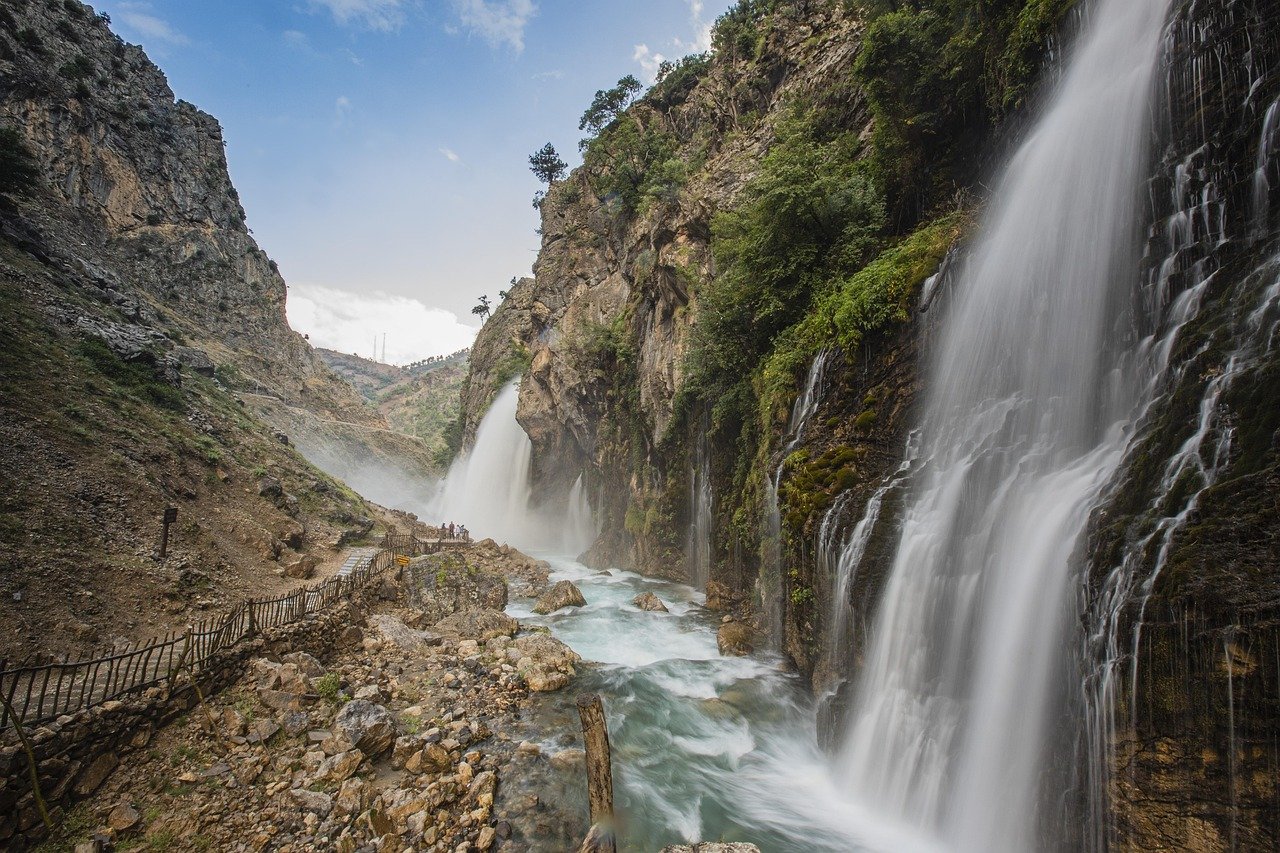
Reality check: This hike is no joke in April. The steps are wet and slippery. Pack trekking poles for stability, wear shoes with serious grip, and accept that you will get wet. It’s part of the experience.
Horsetail Fall: The February Firefall
Okay, this one’s technically a February phenomenon, but I’m mentioning it because April is when people start asking about it. Horsetail Fall is this seasonal waterfall that flows off El Capitan for only a few weeks each year. For about 10 days in February, if conditions align perfectly, the setting sun hits the waterfall just right, making it glow like molten lava.
By April, Horsetail Fall has usually dried up completely. That’s the thing about seasonal waterfalls – they’re here and gone. But knowing when they flow helps you understand Yosemite’s waterfall calendar.
Photography Tips That Actually Work
After multiple April trips to Yosemite, I’ve learned some lessons the hard way. Here’s what actually works:
Timing matters more than gear. That shot of Yosemite Falls reflecting in the Merced River? You need to be at Valley View 30 minutes before sunrise. The light lasts maybe 15 minutes. Show up late and you missed it. A lightweight travel tripod will help, but showing up early matters more.
Embrace the weather. April in Yosemite means variable conditions. Morning fog, afternoon sun, occasional rainstorms. The moody, misty shots? Those happen when the weather’s “bad.” I’ve gotten some of my best waterfall shots during light rain – the colors pop and the water droplets create natural prisms.
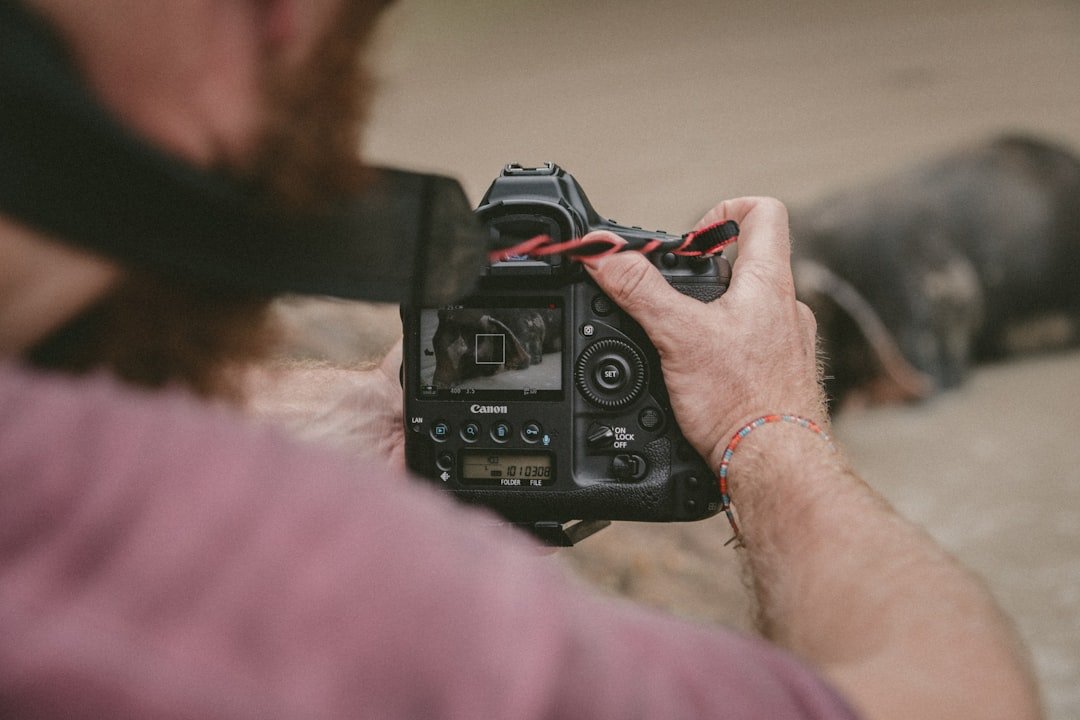
Protect your gear. That waterfall spray? It’s essentially water. Your camera and lenses need protection. I use a simple rain cover and keep microfiber towels handy. Nothing ruins a photography trip faster than a fogged-up lens.
Look for the small scenes. Everyone shoots the big vistas. But some of my favorite April images are intimate – dogwood blossoms framed against a waterfall, the texture of wet granite, a single droplet hanging from a pine needle. Don’t get so fixated on the grand landscapes that you miss the details.
Crowd Strategies: Beating the Spring Rush
Here’s the truth: April is getting busier every year. The secret’s out. But you can still find moments of solitude if you’re strategic:
Go early. I’m talking sunrise early. The tour buses don’t start rolling until 9-10 AM. If you’re at a major viewpoint by 6:30 AM, you’ll have it mostly to yourself. Coffee helps. A portable coffee setup for your hotel room is a game-changer.
Use the shuttle system. Yosemite Valley’s shuttle is free and runs frequently. Parking in April is already getting tight, especially at popular trailheads like the Mist Trail. Park at Yosemite Village or Curry Village and ride the shuttle. Save yourself the parking stress.
Explore beyond the valley. Most visitors never leave Yosemite Valley. But Tioga Road (usually opens in May) and Glacier Point Road (opens earlier depending on snow) offer completely different waterfall experiences. Even in April, you can access areas like Wawona and the Mariposa Grove – fewer crowds, different perspectives.
What to Pack: An April Waterfall Chaser’s Kit
After years of trial and error, here’s what I never forget for April waterfall chasing:
- Waterproof everything: Rain jacket, waterproof boots, rain pants if you have them. You will get wet, and that’s kind of the point.
- Traction devices: Some trails still have packed snow and ice. Microspikes or traction cleats can save you from a nasty fall.
- Layers: April mornings are cold (30s°F), afternoons can hit 60°F. You’ll be adding and shedding layers all day. A good base layer makes a huge difference.
- Eye protection: All that waterfall mist? It’s basically flying water. Polarized sunglasses help you see through the glare and protect your eyes.
- Camera protection: Weather-sealed cameras are ideal, but a good rain sleeve works for any setup.
Logistics: Planning Your April Waterfall Trip
Getting there: Most people fly into Fresno (FAT) or San Francisco (SFO). Fresno’s closer (about 90 minutes) but SFO has more flight options. Either way, you’re looking at a scenic drive into the mountains.
Where to stay: This is where April gets tricky. Yosemite Valley lodges book up months in advance. If you’re reading this in February or March, you might still find something. If not, look outside the park – Mariposa, Oakhurst, and Groveland have options and are within an hour of the valley.
Entry reservations: Yosemite has implemented seasonal entry reservation systems in recent years. Check the park website before you go – nothing worse than driving 4 hours only to be turned away at the gate. The rules change year to year based on crowding and construction.
Fees: The park entrance fee is $35 per vehicle (valid for 7 days). If you’re planning multiple national park trips this year, consider the America the Beautiful pass – it pays for itself quickly.
The Bottom Line
April in Yosemite isn’t just good – it’s transcendent. The waterfalls are at peak power, the crowds are manageable, and the whole valley feels alive in a way it doesn’t during the bone-dry summer months. I’ve stood in the mist at the base of Vernal Fall, frozen and soaked, grinning like an idiot. I’ve watched Yosemite Falls turn gold at sunrise while the valley floor remained in shadow. These aren’t just pretty views – they’re experiences that stick with you.
Is it wet? Yes. Is it cold? Sometimes. Is it worth it? Absolutely. April is when Yosemite shows you what it’s capable of. And once you’ve seen the waterfalls at their peak, you’ll understand why people plan entire years around this narrow window.
Grab your rain gear, charge your camera batteries, and go. The waterfalls are waiting – and they won’t be this powerful for long.
2 thoughts on “Yosemite’s Thundering Waterfalls: The Ultimate April Guide to Peak Flow Season”