Why May Hits Different for Utah’s Red Rock Country
Let me be straight with you about Utah’s famous “Mighty Five” national parks. I’ve visited Arches, Bryce Canyon, and Canyonlands in every month from March through October, and May consistently delivers the perfect storm of conditions that most travelers completely miss. While summer crowds descend like a heatwave on Delicate Arch and winter keeps the high country locked in snow, May offers this magical window where daytime temperatures hit that sweet spot of 70-80 degrees, the wildflowers are still popping in the canyon bottoms, and you can actually find parking at trailheads before 9 AM.
Here’s what nobody tells you about timing your Utah adventure: Arches essentially becomes a different park when you’re not sweating through 95-degree heat or dodging ice on the trails. I’ve hiked to Landscape Arch at 7 AM on a Tuesday in early May and had the place to myself for twenty minutes. In July? You’re part of a conga line. Bryce Canyon’s hoodoos glow that otherworldly orange-pink in the sunrise light, and in May you can actually appreciate the view without shivering or squinting through heat shimmer. And Canyonlands—well, the Island in the Sky district offers those sweeping canyon vistas that make you question everything, but only if you’re not fighting for space at Mesa Arch.
The timing couldn’t be better for planning right now. We’re in mid-April, which means you’ve got about three weeks to lock in your May trip before the Memorial Day crush and summer pricing kick in. Campgrounds and hotels in Moab are still booking up, but you’re not in full panic mode yet. Let me walk you through exactly how to tackle Utah’s big three parks this May, with the kind of on-the-ground intel that only comes from spending way too many nights sleeping in the back of a rental car.
Arches National Park: Your First-Timer’s Guide to Not Getting Overwhelmed
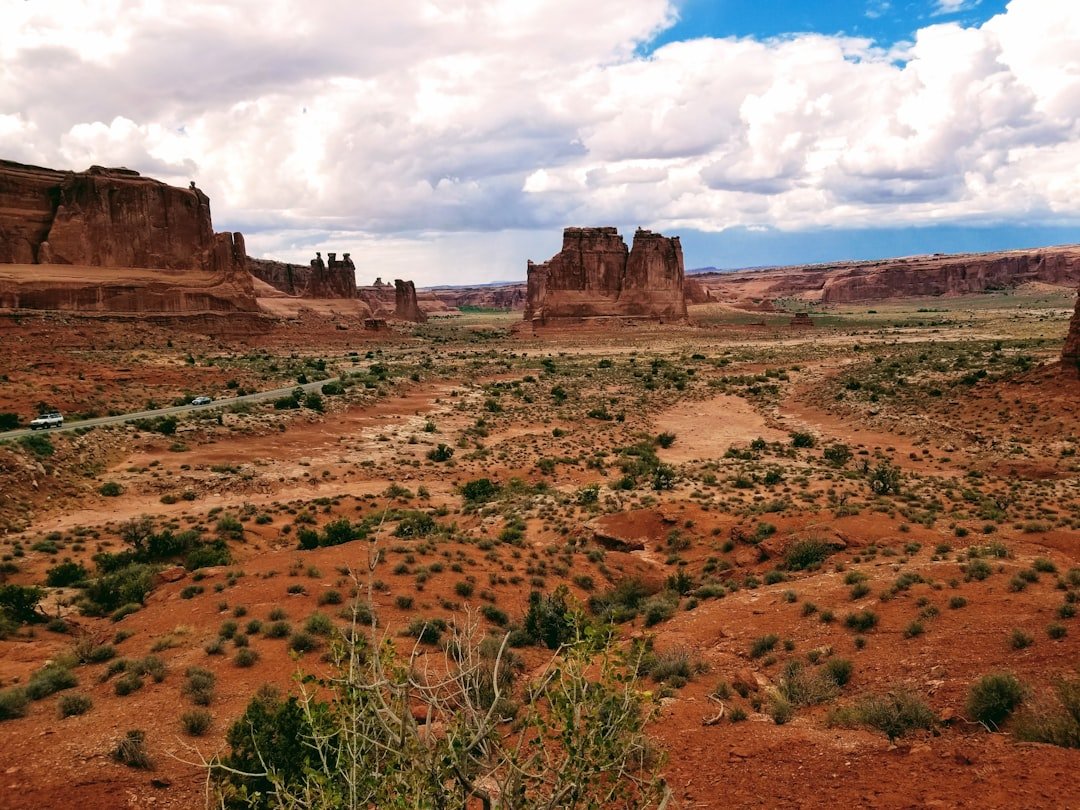
Arches gets the most press for a reason—there’s literally nowhere else on Earth with 2,000+ natural stone arches packed into 76 square miles. But here’s the trap: most people roll into Moab, hit the park entrance at 10 AM, spend four hours sitting in bumper-to-bumper traffic, and leave frustrated having seen exactly three arches. Don’t be that person. The secret sauce for Arches in May is timing your entry strategically, picking the right hikes for your fitness level, and knowing which formations to skip when the parking lot looks like a Walmart parking lot.
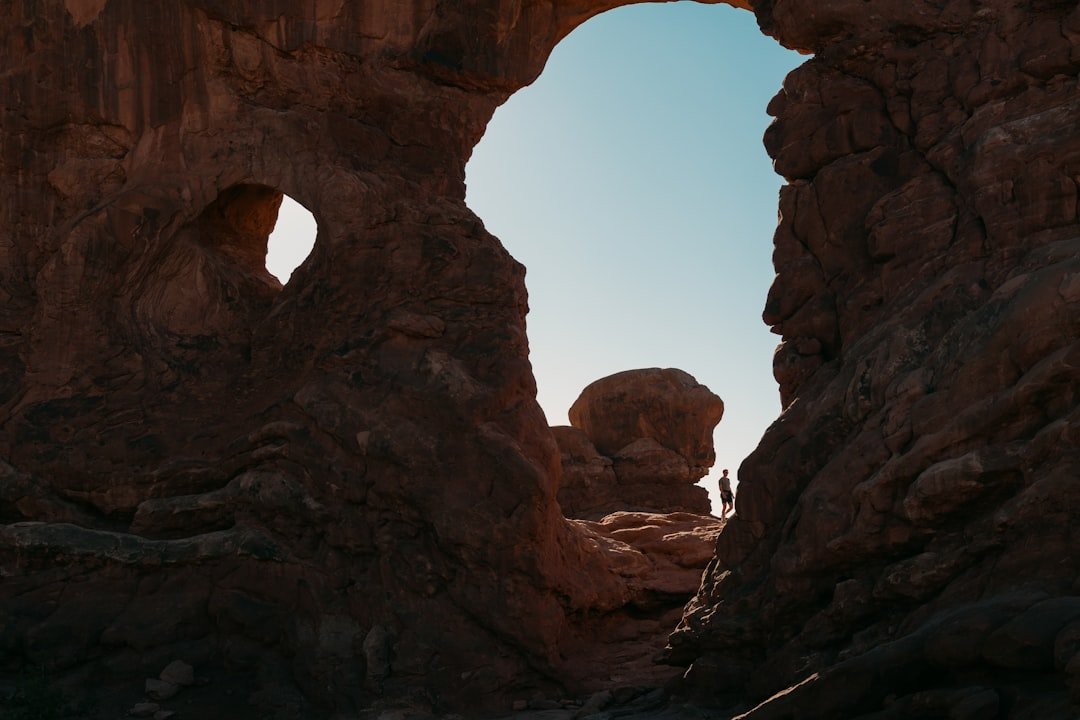
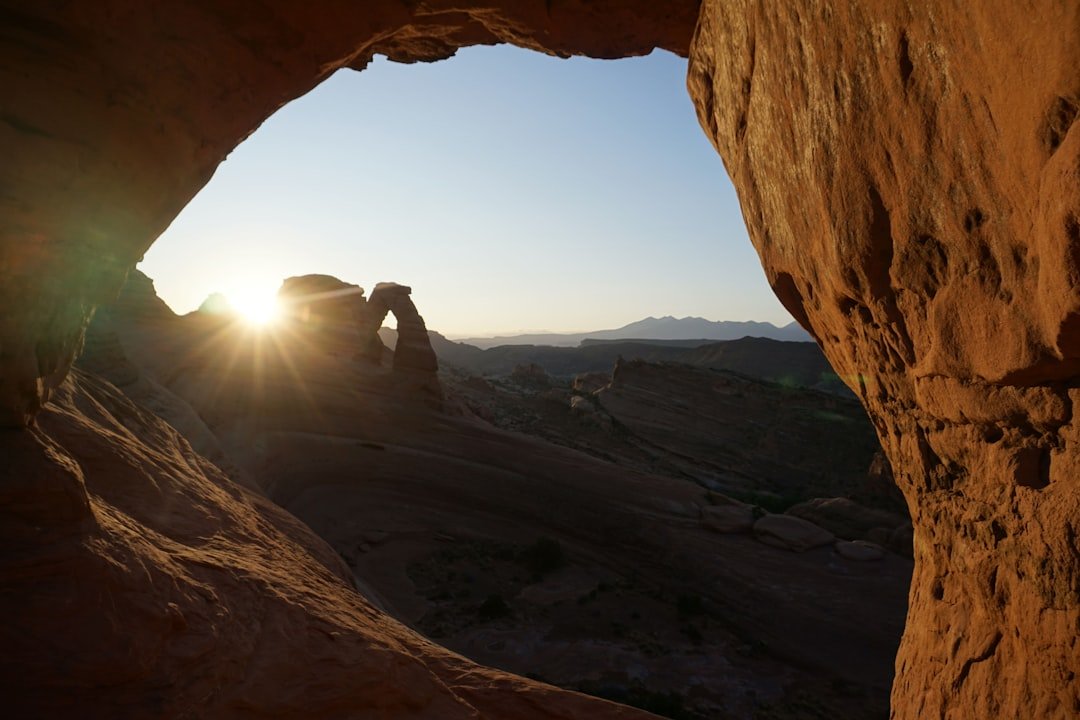
The sunrise strategy is non-negotiable in May. I’m talking park entrance by 6 AM, which sounds brutal until you watch the sun hit Delicate Arch from the upper viewpoint while everyone else is still hitting snooze in their hotel rooms. The gate opens at something like 5:30 AM in spring, and here’s your game plan: hit Delicate Arch first (the crowd swells by 8 AM), then Double O Arch in the Devils Garden area (gets busy by 10 AM), and finish with Landscape Arch (the hike is easy enough that it stays manageable all day). If you’re not a morning person—honestly, neither am I—then commit to the sunset approach instead. The 4-7 PM window works magic for crowd avoidance, plus the golden hour lighting on the sandstone will make your phone photos look professional.
For hiking difficulty, here’s the reality breakdown that guidebooks tend to gloss over. Delicate Arch is only 3 miles round-trip but gains 480 feet in elevation, and that final climb up the slickrock slope will humble you if you’re not acclimated to the altitude. I’ve seen plenty of flatlanders gasping like fish out of water on that last quarter-mile. The Devils Garden Primitive Loop extends 7+ miles with actual scrambling and route-finding—it’s fantastic if you’re an experienced hiker, but absolutely not the place to learn how to read cairns. If you’re traveling with kids or anyone with knee issues, stick to the Windows Section and Double Arch. Those trails are mostly flat, short, and deliver massive arch payoff without the suffering.
Here’s something that caught me off guard my first May visit: weather in Arches can swing 40 degrees in a single day. I’ve started hikes in 45-degree morning chill and ended in 85-degree afternoon sun. You’ll want layers, definitely a lightweight rain shell (spring storms roll through unpredictably), and more water than you think you need. The dry desert air tricks you—by the time you feel thirsty, you’re already dehydrated. I carry a 3-liter hydration bladder on anything longer than 2 miles, plus an extra liter bottle. Sun protection is non-negotiable too. At 5,000 feet elevation, you’ll burn through a bottle of sunscreen if you’re not reapplying every two hours. A wide-brimmed sun hat and UPF-rated hiking shirt will save your skin, literally.
Bryce Canyon: Hoodoos, Dark Skies, and Why You Need to Stay Overnight
I’m going to say something controversial: Bryce Canyon might actually deliver more “holy crap” moments per square mile than Arches, especially in May when the amphitheater is framed by new green growth and occasional snow patches on the north-facing cliffs. The key difference is that Bryce rewards you for slowing down. You can knock off the major arches at Arches in a long day, but Bryce deserves at least two full days—three if you really want to soak it in.
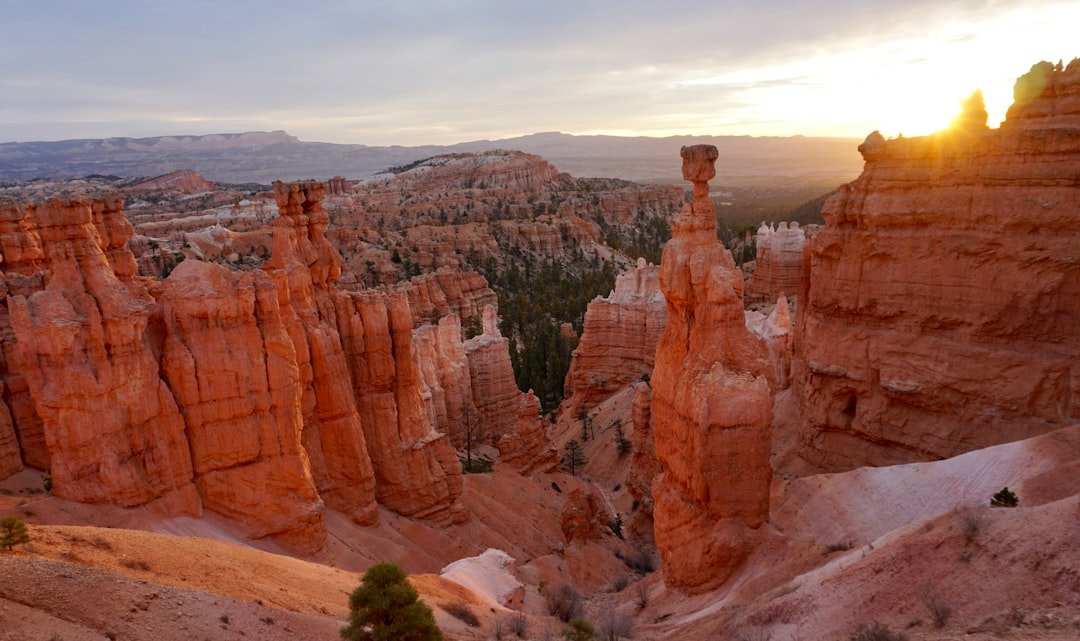
Let’s talk about the hoodoos first, because that’s why you’re here. These spire-shaped rock formations (geology nerds call them “fairy chimneys” or “tent rocks”) exist on every continent, but Bryce has the highest concentration anywhere on Earth. Walking down into the amphitheater on the Navajo Loop or Queen’s Garden trail feels like entering another planet, especially in that soft morning light when the shadows are long and the rocks glow that impossible orange-pink. May lighting is particularly spectacular because the sun angle is still relatively low in the sky, which means the hoodoos throw dramatic shadows all day. Come July, with the sun nearly overhead, you lose some of that depth and dimension.
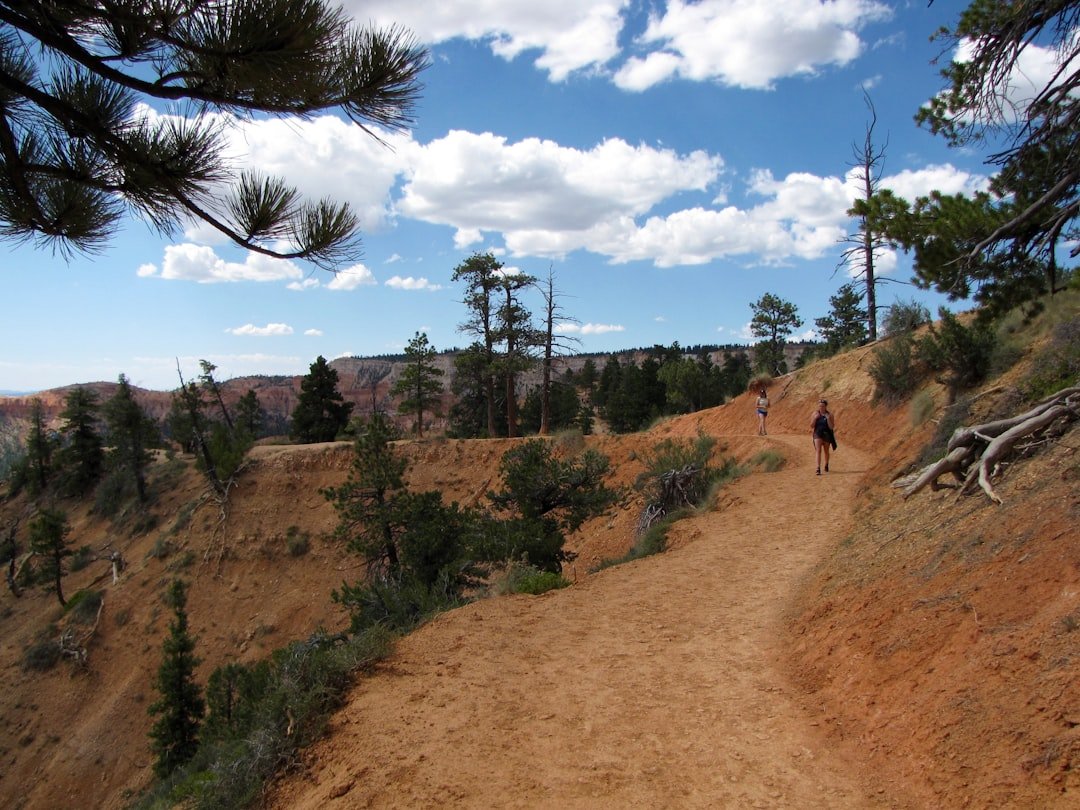
The hiking hierarchy at Bryce breaks down pretty simply. The Navajo Loop + Queen’s Garden combo is the must-do introduction—about 3 miles round-trip, dropping 600 feet into the canyon and climbing back out. It’s steep but manageable for anyone with basic fitness, and it hits the iconic Thor’s Hammer formation. If you’re feeling adventurous, the Peekaboo Loop adds another 5+ miles and some serious elevation change, but you’ll earn views that 90% of visitors never see because they don’t venture beyond the paved rim overlooks. Fair warning: the climb back out of the amphitheater will humble you regardless of which trail you choose. The elevation at Bryce tops out around 9,100 feet, and that thin mountain air will have your lungs questioning your life choices by the time you’re halfway back up.
Here’s something I wish someone had told me before my first Bryce visit: you absolutely must experience Bryce at night. The park has International Dark Sky Park certification for a reason—on a moonless night, the Milky Way is so bright it casts shadows. I’ve stargazed at dozens of national parks, and Bryce’s combination of high elevation, zero light pollution, and frequent clear skies makes it unmatched. May nights can still dip into the 30s though, so pack your warm base layers and a packable down jacket if you plan on constellation hunting. The ranger-led full moon hikes are legendary if you can time your visit right, but honestly, just walking to Sunset Point with a headlamp and lying back on the sandstone will change how you look at the night sky.
Camping at Bryce deserves special mention because it’s genuinely magical—if you can get a reservation. North Campground sits right on the rim, and waking up to sunrise over the hoodoos without leaving your tent is the kind of experience that justifies the whole trip. Reservations open up six months in advance and vanish within hours for May dates. If you strike out on camping, the Bryce Canyon Lodge offers historic cabins right in the park, but those book up even faster. Your fallback is staying in the town of Bryce (just outside the park entrance) or driving in from Panguitch, which adds about 20 minutes each way but gives you way more dining and lodging options.
Canyonlands: The Vast, Empty Cousin That Deserves Your Time
Here’s my hot take: Canyonlands National Park offers the most dramatic scenery in Utah’s entire park system, but it receives about a third of the visitors that Arches gets because it’s harder to access and requires more planning. The park is divided into four districts—Island in the Sky, The Needles, The Maze, and the rivers—and they’re not connected by roads. You’re looking at minimum two hours of driving between districts. For a first-time May visit, Island in the Sky is the clear winner because it delivers the classic canyon vistas with minimal time investment.
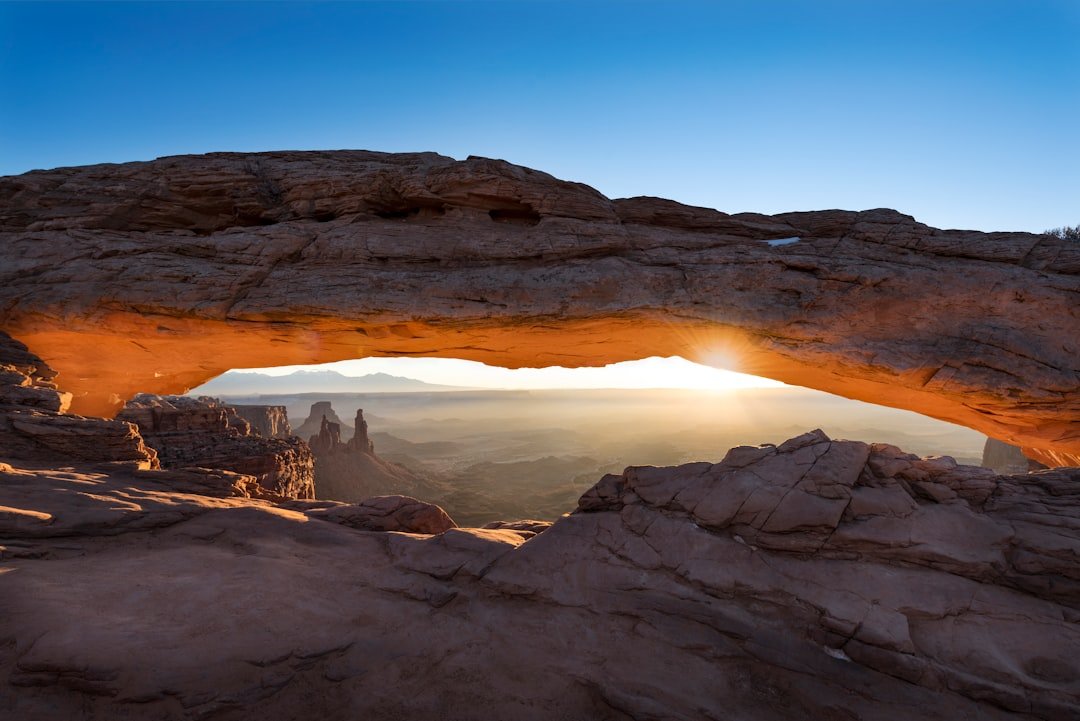
The Island in the Sky district sits on a mesa 2,000 feet above the surrounding canyons, which means you get insane views without doing any serious hiking. Mesa Arch is the famous sunrise spot—you’ll see it on every Utah postcard—and for good reason. The arch frames the canyons below, and when the sun hits it right, the entire arch glows orange-red. I’ve been there at 6:30 AM in mid-May sharing the viewpoint with exactly two other people. Come back at 10 AM and you’re jockeying for position with a dozen tripods. The lightweight tripod crowd is serious about Mesa Arch, so if you want that iconic shot, plan on arriving 45 minutes before sunrise.
Beyond Mesa Arch, the must-do stop is Grand View Point, which lives up to its name with panoramic views across the White Rim, Green River, and Colorado River canyons. The actual hike is a flat 2-mile round-trip along the rim—absolutely zero elevation gain—and you can knock it out in an hour including photography time. If you’re craving something more adventurous, the trail down to the White Rim (about 1,000 feet of elevation loss) is strenuous but rewards you with canyon-bottom solitude that’s impossible to find elsewhere in the park. Just remember: what goes down must come up, and that climb back out in the May sun will test your resolve.
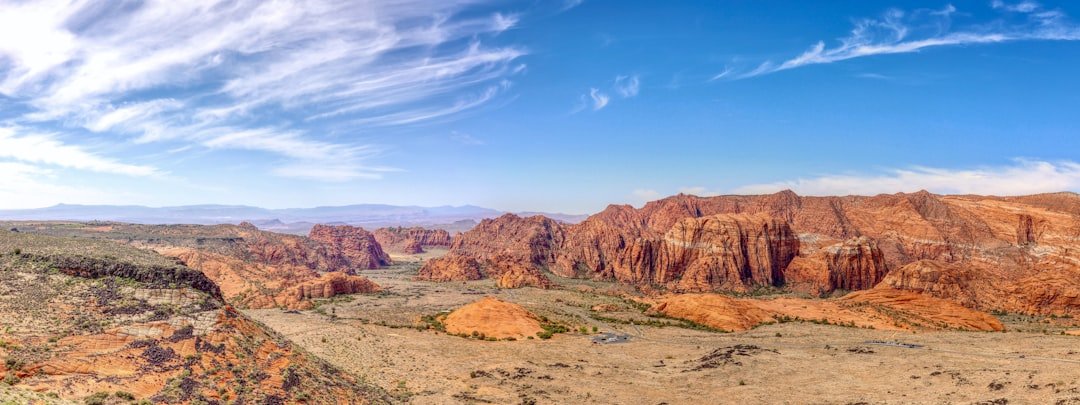
The Needles district, located about two hours south of Moab, deserves a special mention for experienced hikers and backpackers. This is where you go to escape civilization entirely. The water filter and backpacking tent crowd gravitates here for good reason. Joint Trail, which follows a deep fracture in the rock for about 2 miles, feels like hiking through a slot canyon without the technical canyoneering skills. Elephant Hill is the trailhead for several multi-day backpacking routes into Chesler Park, but even the day hikes here offer a level of solitude that’s increasingly rare in the National Park system. May temperatures in The Needles are perfect for hiking—typically 60s and low 70s—whereas summer temperatures routinely push into the 90s with zero shade.
I should mention The Maze district only to say this: unless you’re an experienced backcountry navigator with serious off-road driving skills, don’t bother. This is the most remote district in the entire National Park system, and the Park Service actively discourages casual visitors. It’s amazing if you’re prepared, but that’s a whole different article.
The Reality of Logistics: Moab as Your Base Camp
Let’s talk logistics because this is where most Utah park trips fall apart. Moab is the undisputed base camp for Arches and Canyonlands (Island in the Sky), and it’s about 2.5 hours from Bryce Canyon. The town has exploded in popularity over the past five years, which means May lodging books up months in advance and prices reflect the demand. You’re looking at $150-250/night for basic hotels, $200-400+ for vacation rentals, and $40-80/night for campgrounds depending on amenities.
Camping strategy requires military-level planning. Developed campgrounds in Moab (like KOA or Moab Valley) take reservations six months out and fill within days of opening. Dispersed camping on BLM land north of town along Highway 191 is free and offers a more authentic experience, but you’ll need a portable camping shower and camp toilet if you want basic comforts. The trade-off is worth it for many travelers: waking up surrounded by red rock cliffs without another RV in sight. Just remember that BLM land fills quickly during peak seasons, so arrive on Thursday if you want a prime spot for the weekend.
Food and water logistics are crucial. Moab has grocery stores, but prices reflect the tourist markup. I recommend stocking up on groceries in Grand Junction, Colorado (about 1.5 hours east) or Salt Lake City (about 4 hours northwest) if you’re driving from those directions. For water, carry at least 2 gallons per person per day, more if you’re backpacking or doing strenuous hikes. The desert dehydrates you faster than you expect, especially at Arches’ 5,000-foot elevation. A 3-liter hydration pack will make your life significantly easier than wrestling with water bottles on the trail.
Gas prices in Moab are consistently higher than the national average—think $0.50-1.00 more per gallon. Fill up in Green River or Grand Junction if you’re passing through. Island in the Sky has no services, so top off your tank in Moab before heading out. Bryce Canyon has a gas station in the park but prices reflect the convenience markup. Budget accordingly.
Packing List: What You Actually Need (Versus What You Think You Need)
After multiple Utah spring trips, I’ve learned that packing strategically beats packing heavily. Here’s what lives in my May Utah kit:
Clothing layers are non-negotiable: Convertible hiking pants (zip-offs are surprisingly practical for 40-degree mornings and 75-degree afternoons), a moisture-wicking long-sleeve shirt, a lightweight fleece jacket for cool mornings, and a waterproof rain shell for sudden spring storms. Broken-in hiking boots with ankle support are worth their weight for the rocky, uneven trails. I made the mistake of hiking Devils Garden in trail runners once and paid for it with rolled ankles and sore feet for days. Merino wool hiking socks prevent blisters and handle sweat better than cotton or synthetic blends.
Sun protection isn’t optional: SPF 50+ sunscreen (reef-safe if you’re heading to any water features), polarized sunglasses for reducing glare off sandstone, a wide-brim sun hat, and UPF gaiter or bandana for neck protection. The sun at 5,000-9,000 feet elevation will burn you in under an hour, even on cloudy days. I learned this the hard way with a brutal sunburn on an overcast day at Bryce—UV rays penetrate clouds more than you’d think.
Day hiking essentials: A comfortable 20-30 liter daypack with good hip belt support, trekking poles (game-changers for steep climbs like Delicate Arch or the Bryce rim trails), a headlamp with red light mode (essential for sunrise hikes or unexpected delays), and a compact first aid kit stocked with blister supplies. GPS watch or offline maps on your phone are crucial—cell service is spotty to non-existent in these parks. I use AllTrails or Gaia GPS with downloaded maps, and they’ve saved me more than once when I took a wrong turn.
Photography gear: If you’re shooting with a dedicated camera, bring a lightweight travel tripod for sunrise/sunset shots. A circular polarizer cuts glare off sandstone and makes skies pop. Extra batteries are critical—cold drains batteries faster than you’d expect, especially at Bryce’s higher elevation. I carry at least two spares and keep them in an inside pocket close to my body heat.
Suggested Itinerary: Four Days That Hit the Highlights
Based on multiple trips and way too much trial and error, here’s the optimal four-day itinerary for hitting all three parks in May:
Day 1: Arrive in Moab, Arches PM
Fly into Salt Lake City or Grand Junction, drive to Moab (4 hours from SLC, 1.5 from Grand Junction). Check into lodging or set up camp. Hit Arches in the late afternoon for sunset at Delicate Arch. Grab dinner in Moab—Moab Brewery and Desert Bistro are local favorites but book tables in advance.
Day 2: Arches AM + Canyonlands PM
Sunrise at Arches—hit Delicate Arch first, then Devils Garden. Coffee break in Moab, then drive to Canyonlands Island in the Sky (40 minutes). Mesa Arch for sunrise (if you missed it Day 1) or late afternoon, Grand View Point, Green River Overlook. Back to Moab for dinner.
Day 3: Drive to Bryce, PM Hiking
Scenic drive from Moab to Bryce (about 2.5 hours via Highway 12—which is absolutely gorgeous and worth the extra time). Check into lodging or camping. Hike Navajo Loop + Queen’s Garden in late afternoon. Sunset at Sunrise Point (yes, the name is confusing, but it faces west). Dinner in Bryce Canyon City.
Day 4: Bryce AM + Depart
Sunrise at Bryce—either Sunrise Point or Bryce Point. Morning hike: Peekaboo Loop if you’re ambitious, otherwise rim trail walking. Grab lunch and start the drive toward your next destination (Zion is 2 hours south if you’re extending the trip, or head back to SLC for flights).
If you have five days: Add a full day for Canyonlands backcountry exploration or a scenic float trip on the Colorado River. The river floats are fantastic in May—water levels are manageable, and the heat hasn’t peaked yet.
Money-Saving Tips That Actually Work
Utah park trips add up fast between entrance fees, lodging, and gas. Here are strategies I’ve tested that legitimately save money without ruining the experience:
The America the Beautiful Pass pays for itself quickly. At $80 per vehicle, it covers entrance to all five Utah parks (Arches: $30, Bryce: $35, Canyonlands: $30, Zion: $35, Capitol Reef: $20). That’s $150 in entrance fees alone, so you’re saving $70 right out of the gate. The pass is good for a full year from purchase, so if you’re planning any other national park visits in 2026, the savings keep compounding.
Camp instead of hotel when possible. Even factoring in gear rental costs if you’re flying, camping runs $40-80/night versus $200+ for hotels. Developed campgrounds in Moab have hot showers and WiFi, so you’re not exactly roughing it. BLM dispersed camping is free but requires a solar shower and camp toilet if you want basic comforts.
Pack your own food instead of restaurants. Moab dining is spectacular but expensive—think $15-25 for breakfast, $20-35 for dinner per person. I hit the grocery store in Grand Junction or SLC and stock up on trail mix, jerky, protein bars, and instant coffee for breakfasts. Make sandwiches for lunch instead of restaurant stops. I save $50-75/day this way, which adds up to $200-300 over a four-day trip.
Gas up before Moab. Fuel prices in Moab are consistently $0.50-1.00 higher per gallon than surrounding towns. Fill up in Green River (about 50 miles northwest on I-70) or Grand Junction if you’re coming from that direction. The savings are significant enough to justify the slight detour.
Travel midweek if possible. Memorial Day weekend is absolute chaos—campgrounds are packed, trailheads are parking lots, and restaurants have hour-plus waits. If you can shift your trip to Tuesday-Thursday instead of Friday-Sunday, you’ll deal with significantly fewer crowds and often find better lodging rates. I’ve done Moab on Memorial Day weekend once and promised myself never again. The Tuesday after Labor Day? Absolute magic.
The Bottom Line: Why May Is Your Best Bet
After visiting Utah’s parks in every season, I keep coming back to May as the perfect storm of conditions. You’re beating the summer heat and crowds, missing the winter cold and closures, and hitting that magical window where wildflowers are blooming in the canyon bottoms, wildlife is active, and the lighting is spectacular all day long. The trade-off is that you need to plan ahead—reservations, camping permits, and lodging book up months in advance for May dates. But that planning pays off in experiences that most visitors never have: watching sunrise hit Delicate Arch in solitude, hiking the Bryce Canyon amphitheater with perfect temperatures, and standing at Grand View Point without fighting for shoulder space.
The parks will still be there in July and September, but they’ll be different experiences—hotter, more crowded, and in some ways less magical. May delivers Utah at its most accessible and photogenic, when you can actually appreciate the scale and beauty of these landscapes without fighting for space or suffering through extreme conditions. Three weeks from now, Memorial Day crowds will descend and the secret will be out. But right now? You’ve got a window to experience Utah’s red rock country the way it’s meant to be seen. Trust me: your future self, scrolling through photos in August, will thank you for making it happen now.